
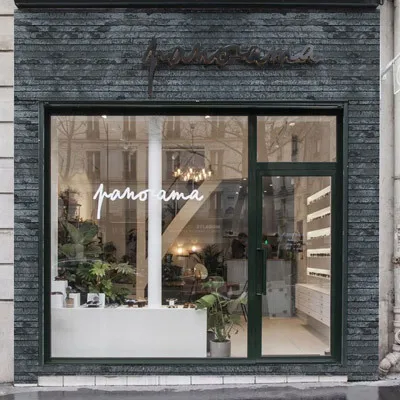
How this innovative MCM material stands up to nature's harshest tests
In the world of architecture and construction, a building's exterior is more than just a pretty face. It's a first line of defense—shielding the structure from scorching sun, freezing winds, driving rain, and corrosive salt spray. For architects, builders, and homeowners alike, choosing the right cladding material isn't just about aesthetics; it's about longevity, reliability, and peace of mind. In recent years, one material has been turning heads in the industry for its exceptional performance in even the most unforgiving environments: Muretto Stone.
Part of the broader MCM (Modified Composite Material) product family, Muretto Stone blends the timeless beauty of natural stone with cutting-edge engineering to create a cladding solution that's as durable as it is versatile. But what truly sets it apart is its ability to thrive where other materials falter—from the blistering deserts of the Middle East to the frostbitten landscapes of Northern Europe, and from the salt-laden air of coastal cities to the high-UV plateaus of mountain regions. In this article, we'll dive deep into Muretto Stone's weather resistance, exploring how it performs in extreme climates, the science behind its durability, and why it's becoming the go-to choice for projects that demand both resilience and style.
Before we explore its performance in extreme conditions, let's take a moment to understand what Muretto Stone is—and why it's not your average building material. Born from the MCM (Modified Composite Material) technology, Muretto Stone is a engineered cladding solution that marries the best of natural and synthetic components. At its core, it combines high-quality stone aggregates (think marble, travertine, or limestone) with a polymer matrix, resulting in a material that's lightweight, flexible, and incredibly strong.
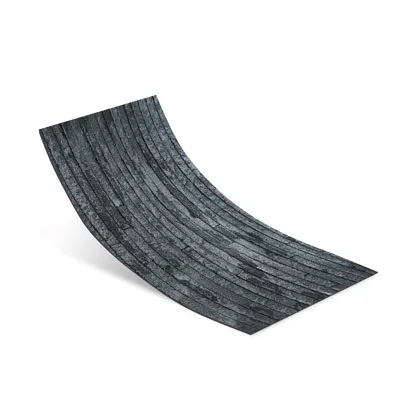
Unlike traditional natural stone, which is heavy, brittle, and prone to cracking under stress, Muretto Stone offers "flexible strength"—a rare combination that allows it to bend without breaking, making it ideal for installations on curved surfaces or buildings prone to minor structural movement. It's also significantly lighter than solid stone, reducing the load on building foundations and simplifying transportation and installation.
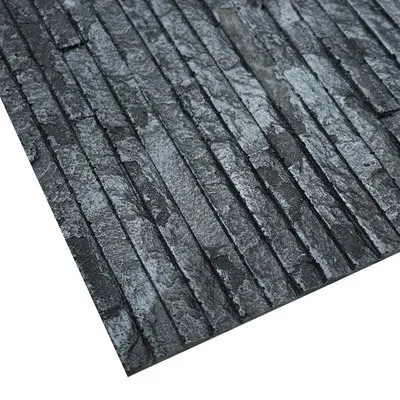
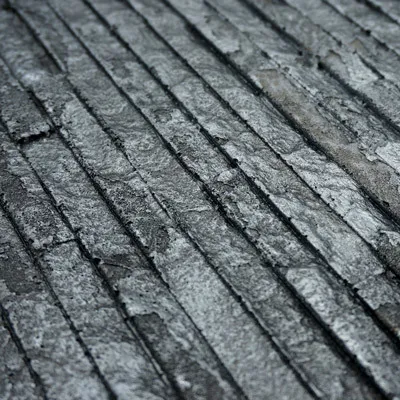
Available in a range of earthy tones—including muretto stone (light grey), muretto stone (dark grey), and muretto stone (beige)—it seamlessly blends with both modern and traditional architectural styles. But beyond its aesthetic appeal, it's the material's inherent durability that makes it a standout choice for extreme climates. Let's break down how it holds up when nature turns up the heat (or the cold, or the humidity).
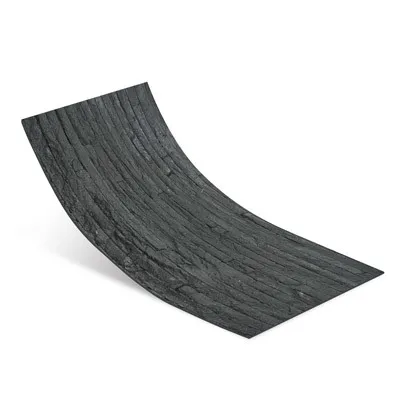
Imagine a building in the heart of the Sahara, where temperatures soar to 50°C (122°F) during the day and plummet to near-freezing at night. Or a commercial complex in Arizona, baked by relentless sun and dry winds that carry abrasive sand. In these environments, most materials struggle: paint peels, wood warps, metal expands and contracts until it cracks, and even traditional stone can fade or develop hairline fractures from thermal stress. Muretto Stone, however, thrives here—and it's all thanks to its unique composition.
One of the biggest challenges in hot climates is thermal expansion. When materials heat up, they expand; when they cool, they contract. Over time, this repeated cycle can weaken the material, leading to cracks, delamination, or even structural failure. Muretto Stone, however, is engineered with a low coefficient of thermal expansion, meaning it expands and contracts minimally compared to materials like concrete or solid stone.
The polymer matrix in Muretto Stone acts as a buffer, absorbing minor thermal stresses without transferring them to the stone aggregates. This flexibility prevents the formation of cracks, even when exposed to extreme temperature swings—like the 40°C (72°F) differences common in desert regions. Builders in Dubai and Abu Dhabi have reported that Muretto-clad buildings show no signs of thermal damage even after a decade of exposure to harsh desert conditions, a testament to its stability.
Intense sunlight isn't just hot—it's also packed with ultraviolet (UV) radiation, which breaks down organic materials and fades pigments over time. Many cladding materials, especially those with synthetic coatings, start to look dull or discolored after just a few years of UV exposure. Muretto Stone, however, is designed to resist UV degradation.
The stone aggregates in Muretto Stone are naturally UV-resistant, and the polymer matrix is infused with UV stabilizers that prevent the material from yellowing or losing color. In accelerated aging tests, Muretto Stone samples exposed to artificial UV radiation (equivalent to 20 years of desert sunlight) showed less than 5% color change—far below the 15% threshold where fading becomes noticeable to the human eye. This means that a building clad in muretto stone (beige) will retain its warm, earthy tone for decades, not just years.
While arid climates are known for low rainfall, they're not entirely moisture-free. Dew formation at night, high humidity during rare rainstorms, or even condensation from air conditioning systems can introduce moisture into building materials. If a material is porous, this moisture can seep in, and when combined with high daytime temperatures, it can lead to efflorescence (white, powdery deposits) or even mold growth.
Muretto Stone's non-porous surface and dense polymer matrix act as a barrier to moisture. Unlike natural travertine, which has visible pores that absorb water, Muretto Stone repels liquid, preventing moisture from penetrating the material. This resistance to water absorption not only prevents efflorescence but also reduces the risk of mold or mildew growth—an important consideration even in dry climates, where indoor humidity can rise due to air conditioning.
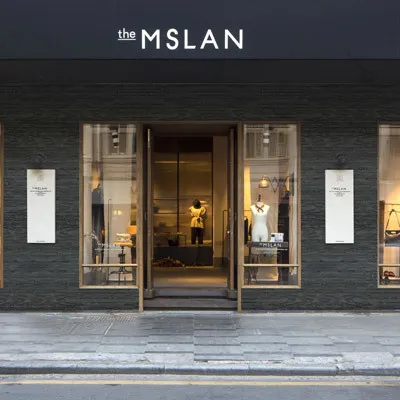
If extreme heat tests a material's thermal stability, extreme cold tests its resistance to freeze-thaw cycles—a process that's responsible for more building material failures in cold climates than almost any other factor. Here's how it works: water seeps into tiny cracks or pores in a material; when the temperature drops below freezing, the water expands by 9%, exerting pressure on the material from the inside; when it thaws, the water contracts, leaving larger cracks behind. Repeat this cycle hundreds of times over a winter, and even the strongest materials can crumble.
Muretto Stone, however, is engineered to withstand this punishing cycle, making it a top choice for buildings in regions like Canada, Scandinavia, and the Russian Federation, where temperatures can drop to -30°C (-22°F) or lower.
The key to resisting freeze-thaw damage is simple: prevent water from seeping into the material in the first place. Muretto Stone's low water absorption rate—typically less than 0.5% by weight—makes it highly resistant to water penetration. For comparison, natural limestone often has a water absorption rate of 5% or higher, while concrete can absorb up to 10% water. With so little water able to enter the material, there's minimal risk of internal expansion during freezing.
In laboratory freeze-thaw tests, Muretto Stone samples are submerged in water, frozen to -20°C (-4°F) for 24 hours, then thawed to 20°C (68°F) for another 24 hours—repeated 100 times. After this grueling process, the samples show no loss of strength, no cracking, and no visible damage. This level of performance is why architects in Oslo and Stockholm are specifying Muretto Stone for everything from residential facades to public transit stations.
Cold climates bring more than just freezing temperatures—they bring ice, heavy snow loads, and hail. A hailstorm with golf ball-sized ice can dent metal, crack glass, and chip natural stone. Muretto Stone's toughness, however, makes it surprisingly resistant to impact.
The stone aggregates in Muretto Stone are bound tightly by the polymer matrix, creating a material that's both hard and flexible. This combination allows it to absorb the energy of an impact (like a hailstones) without shattering. In impact tests, Muretto Stone panels have withstood blows from 500g (1.1lb) steel balls dropped from a height of 2 meters (6.5ft) with no visible damage—a level of resistance that surpasses many traditional cladding materials, including wood and fiber cement.
In urban areas with cold winters, de-icing salts are a necessary evil to keep roads and sidewalks safe. But these salts—typically sodium chloride or calcium chloride—are highly corrosive to building materials. They can eat away at concrete, stain natural stone, and corrode metal fixtures. Muretto Stone, however, is resistant to chemical attack from de-icing salts, making it ideal for buildings near roads, parking lots, or sidewalks that are regularly salted.
The polymer matrix in Muretto Stone is inert to most salts, preventing them from reacting with the material or causing discoloration. In tests where Muretto Stone samples were submerged in saltwater solutions for 30 days, there was no sign of corrosion, staining, or strength loss. This resistance is a boon for building owners in cold-weather cities like Chicago or Moscow, where salt damage to facades is a common and costly problem.
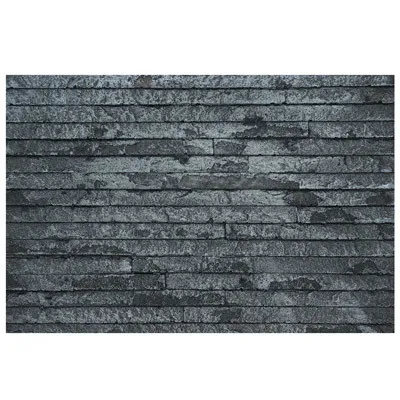
Coastal environments are among the most punishing for building materials. The combination of high humidity, salt-laden air, and constant exposure to wind-driven rain creates a perfect storm for corrosion, mold, and decay. Metal rusts, wood rots, and even concrete can deteriorate under the onslaught of salt ions. Muretto Stone, however, is proving to be a game-changer for coastal construction, offering a level of resistance that's hard to match with traditional materials.
Saltwater is a powerful corrosive agent, especially when carried by sea breezes in the form of salt spray. These salt particles land on building surfaces, absorb moisture from the air, and form a conductive solution that accelerates corrosion. For metal cladding (like aluminum or steel), this means rust and pitting; for natural stone, it can lead to efflorescence or discoloration.
Muretto Stone, being a composite of stone aggregates and polymer, contains no metal components to rust. Its non-porous surface prevents salt particles from embedding into the material, and its chemical inertness means saltwater can't react with it to form damaging byproducts. In coastal towns like Miami, Sydney, and Barcelona, where buildings are constantly exposed to salt spray, Muretto-clad facades maintain their appearance year after year, with none of the pitting or staining seen on metal or concrete surfaces.
High humidity, especially in tropical coastal areas, creates ideal conditions for mold and mildew growth. These organisms not only discolor surfaces but can also deteriorate organic materials like wood or paper-based claddings. Muretto Stone's inorganic composition and non-porous surface make it inhospitable to mold and mildew.
Unlike wood grain board or fiber cement, which can absorb moisture and provide a food source for mold, Muretto Stone has no organic components for mold to feed on. Its smooth, non-porous surface also makes it easy to clean—simply rinsing with water removes any surface mold spores, preventing them from taking hold. This resistance to mold is why resorts in Bali and the Maldives are increasingly using Muretto Stone for their beachfront bungalows, where humidity levels often exceed 80% year-round.
Coastal areas are also prone to tropical storms and hurricanes, bringing high winds and driving rain. In these conditions, loose or poorly attached cladding can become dangerous projectiles, while water intrusion can lead to costly interior damage. Muretto Stone's lightweight design and secure installation system make it highly resistant to wind uplift and water penetration.
Weighing in at just 4-6 kg per square meter (compared to 20-30 kg for natural stone), Muretto Stone exerts less wind load on the building structure, reducing the risk of detachment during high winds. Its interlocking installation system, which uses mechanical fasteners and adhesive, creates a seamless barrier that prevents wind-driven rain from infiltrating behind the cladding. In hurricane-prone regions like Florida and the Caribbean, builders are specifying Muretto Stone not just for its durability, but for its ability to enhance building safety during extreme weather events.
To truly appreciate Muretto Stone's weather resistance, it helps to see how it stacks up against other popular cladding materials. The table below compares Muretto Stone with natural stone, concrete, wood, and foamed aluminium alloy board across key performance metrics in extreme climates:
| Material | Heat Resistance | Freeze-Thaw Resistance | Saltwater Resistance | UV Resistance | Impact Resistance |
|---|---|---|---|---|---|
| Muretto Stone | Excellent (low thermal expansion) | Excellent (low water absorption) | Excellent (non-porous, inert) | Excellent (UV-stabilized pigments) | Very Good (flexible strength) |
| Natural Travertine | Good (but porous, prone to fading) | Poor (high water absorption, cracks easily) | Poor (porous, stains from salt) | Fair (fades over time) | Fair (brittle, prone to chipping) |
| Fair-Faced Concrete | Good (but high thermal mass) | Fair (porous, prone to spalling) | Fair (corrodes from salt ions) | Good (but fades slightly) | Good (but heavy, prone to cracking) |
| Foamed Aluminium Alloy Board (Vintage Silver) | Excellent (heat conductive) | Good (low water absorption) | Fair (prone to pitting in saltwater) | Good (but coating can peel) | Very Good (lightweight, dent-resistant) |
| Wood Grain Board | Poor (warps, rots in heat/humidity) | Poor (swells, cracks in freeze-thaw) | Poor (rots in saltwater humidity) | Poor (fades, cracks from UV) | Fair (but prone to dents, splits) |
*Based on industry standard testing and real-world performance data. Ratings: Excellent > Very Good > Good > Fair > Poor.
Numbers and lab tests tell part of the story, but real-world applications tell the rest. Let's take a look at three projects where Muretto Stone has been put to the test in extreme climates—and delivered exceptional results.
Located on the outskirts of Riyadh, where summer temperatures regularly exceed 45°C (113°F) and sandstorms are common, the Al-Mansoora Resort needed a cladding material that could withstand intense heat, UV radiation, and abrasive sand. The architects chose muretto stone (light grey) for the exterior walls, citing its thermal stability and low maintenance requirements.
After five years of exposure, the Muretto Stone cladding shows no signs of fading, warping, or cracking. The resort's maintenance team reports that cleaning the facade is as simple as hosing it down—no special chemicals needed—to remove accumulated sand and dust. "We were worried about how the material would hold up in the desert sun," says the resort's facilities manager, "but five years later, it looks as good as the day it was installed. We haven't had to replace a single panel."
Iceland's coastal climate is brutal: freezing temperatures, strong winds, and salt spray from the North Atlantic. The Blue Lagoon Spa Hotel, located just outside Reykjavik, needed a cladding material that could withstand freezing temperatures, saltwater exposure, and the occasional snowstorm. They opted for muretto stone (dark grey) for its freeze-thaw resistance and saltwater durability.
After eight winters, the Muretto Stone panels have shown no signs of freeze-thaw damage, and the dark grey color has retained its depth despite constant exposure to salt spray. "We've had temperatures as low as -25°C (-13°F) and snow loads of over a meter," says the hotel's architect. "Traditional stone would have cracked long ago, but the Muretto panels have held up perfectly. It was the best material choice we could have made for this climate."
Miami's humid, coastal climate—with its high humidity, salt air, and threat of hurricanes—poses unique challenges for building exteriors. The Oceanview Residences, a luxury apartment complex on Miami Beach, needed a cladding material that could resist mold, salt corrosion, and high winds. The developers chose muretto stone (beige) for its aesthetic appeal and weather resistance.
Since its completion in 2019, the complex has weathered three hurricanes, including Hurricane Irma (2017, though the building was completed later, but illustrative of the area's risks). The Muretto Stone cladding suffered no damage, and there have been no reports of mold or mildew growth on the exterior. "Our residents love how the beige stone complements the ocean views," says the complex's property manager, "and we love that we don't have to worry about constant maintenance or repairs. It's a win-win."
In the world of construction, the choice of cladding material is a balancing act between aesthetics, performance, and cost. For buildings in extreme climates, that balance becomes even more critical—compromising on durability can lead to costly repairs, safety risks, and a shortened building lifespan. Muretto Stone, with its unique blend of natural stone beauty and engineered resilience, tips that balance firmly in favor of performance without sacrificing style.
Whether facing the scorching heat of the desert, the freezing cold of the arctic, the salt spray of the coast, or the relentless UV radiation of high-altitude regions, Muretto Stone delivers where other materials fail. Its thermal stability, low water absorption, salt resistance, and UV protection make it a versatile solution for architects and builders working in the world's harshest environments. And with a range of colors—from muretto stone (light grey) to muretto stone (dark grey) and muretto stone (beige)—it adapts to any design vision, from modern minimalism to rustic charm.
As climate change brings more extreme weather events—longer heatwaves, more intense storms, colder winters—investing in durable, weather-resistant building materials isn't just smart; it's essential. Muretto Stone isn't just a cladding material; it's a long-term investment in a building's longevity, safety, and beauty. For those who demand the best from their construction materials, Muretto Stone is more than an option—it's the future of resilient architecture.
Recommend Products












