
In the world of green building, every detail matters—from the foundation to the rooftop, and yes, even the fence that frames your space. Fencing isn't just about privacy or security anymore; it's a chance to make a statement about sustainability, connect with nature, and enhance the overall aesthetic of your eco-conscious project. Whether you're designing a net-zero home, a LEED-certified office building, or a community garden, the right fence can tie together your commitment to the environment with timeless style. And what better way to visualize these possibilities than through real photos that capture the texture, color, and character of eco-friendly materials? Below, we've curated 10 inspiring wood fence ideas that blend sustainability, durability, and visual appeal—each one a testament to how green building can be both functional and beautiful.
There's something inherently comforting about the look of natural wood, and the wood grain board fence leans into that warmth with stunning effect. Sourced from FSC-certified forests where trees are replanted at twice the rate they're harvested, this fence type showcases the unique knots, swirls, and color variations of real wood—no two boards are exactly alike. In real photos, you'll notice how the light plays off the grain, creating depth that synthetic materials can't replicate. The boards are often left untreated or finished with low-VOC, plant-based sealants to preserve their natural resistance to weathering. What makes it eco-friendly? Beyond sustainable sourcing, the wood is often milled locally to reduce transportation emissions, and any offcuts are repurposed into mulch or biomass fuel. Perfect for a cabin-inspired green home or a community farm, this fence feels like a gentle nod to tradition while prioritizing the planet.
Bamboo has long been hailed as a sustainability superstar, and for good reason: it grows up to 3 feet per day, requires no pesticides, and regenerates from its roots, meaning no need to replant. The bamboo mat board fence takes this versatile material and weaves it into a lightweight, breathable privacy screen that's equal parts functional and artistic. Real photos of this fence often highlight the intricate woven pattern—think soft, overlapping strips that filter sunlight into dappled shadows while blocking prying eyes. The bamboo is typically treated with natural borax to resist pests (a non-toxic alternative to chemical treatments) and bound with hemp or jute twine for an extra eco-friendly touch. Whether stained a warm amber or left in its natural pale gold hue, this fence adds a tropical, organic vibe to green building projects, from backyard sanctuaries to boutique eco-resorts. In real-world applications, it's been used to define outdoor yoga spaces and wrap around permaculture gardens, proving that sustainability can also be visually striking.
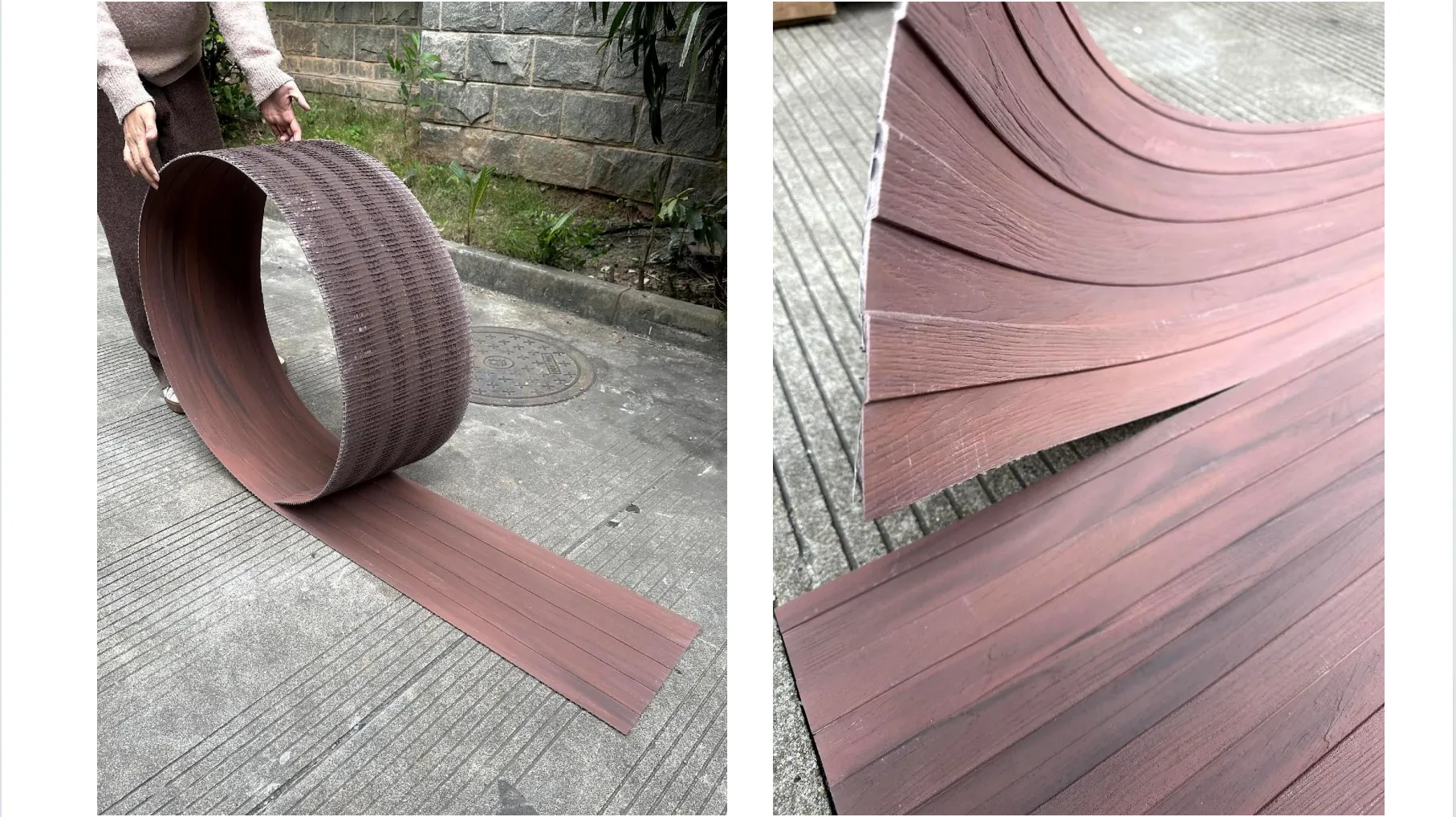
For those who love the look of wood but want to skip the upkeep, poly wood board fences are a game-changer. Made from a blend of recycled plastic (think milk jugs and detergent bottles) and reclaimed wood fibers, this composite material mimics the texture of wood without the warping, rotting, or splintering. Real photos show a fence that's uniform in color but still has subtle grain patterns, giving it a natural appearance that holds up year-round. What's the eco-benefit here? By diverting plastic from landfills and repurposing wood waste, poly wood keeps tons of materials out of the environment. It also requires no painting, staining, or sealing—just an occasional rinse with water—saving you time and reducing the use of harmful chemicals. In green building projects, this fence is a favorite for busy families or commercial spaces like eco-friendly cafes, where durability and low maintenance are key. Plus, it's fully recyclable at the end of its 25+ year lifespan, closing the loop on sustainability.
Why choose one eco-friendly material when you can combine two? The lime stone (beige) and wood hybrid fence pairs the soft, warm tones of natural limestone with the organic texture of wood, creating a fence that feels grounded and elegant. In real photos, the beige limestone posts—quarried from local stone yards to minimize carbon footprint—provide a sturdy base, while horizontal wood slats (sourced from sustainable pine or cedar) add height and privacy. The limestone itself is a low-impact material: it's abundant, requires minimal processing, and weathers gracefully, developing a beautiful patina over time. The wood slats are spaced to allow airflow, reducing moisture buildup and extending their lifespan. This hybrid approach is ideal for green building projects that aim to blend indoor and outdoor spaces, as the earthy colors complement both natural landscapes and modern architecture. Whether used to border a residential garden or define a commercial courtyard, this fence feels both timeless and contemporary—proof that sustainability and sophistication can go hand in hand.
For green building projects with a modern, industrial aesthetic, the fair-faced concrete and wood slat fence is a standout choice. Fair-faced concrete—also known as "architectural concrete"—is poured and finished without additional cladding, showcasing its raw, unpolished texture. When paired with vertical wood slats (often reclaimed from old barns or shipping pallets), the result is a striking contrast of rough and smooth, cold and warm. Real photos capture how the concrete's gray tones deepen with rain, while the wood slats add pops of amber or chestnut, creating visual interest that evolves with the seasons. What makes this fence eco-friendly? The concrete is mixed with recycled aggregates like crushed glass or demolished concrete, reducing the need for virgin materials. The wood slats, being reclaimed, give new life to old wood that might otherwise end up in landfills. Additionally, the fence's modular design allows for easy installation and repair—if a slat or concrete panel is damaged, it can be replaced without rebuilding the entire structure. This fence is particularly popular in urban green building projects, where space is limited and making a bold, sustainable statement is a priority.
Rough granite stone has been used in construction for centuries, and in the reclaimed rough granite stone (beige) base fence, it gets a second life as a sustainable fencing material. The stone—salvaged from old quarries, demolished buildings, or riverbeds—is laid in a dry-stack pattern (no mortar needed), allowing water to drain freely and reducing the risk of cracking. On top of this sturdy stone base, horizontal wood planks (often cedar, which is naturally resistant to rot) are attached, adding height and privacy. In real photos, you'll notice the stone's irregular shapes and rough edges, which give the fence a rustic, handcrafted feel. The beige tones of the granite blend seamlessly with natural surroundings, making it a great choice for green building projects in rural or suburban areas. Beyond its visual appeal, this fence is incredibly durable—granite is one of the hardest stones on Earth—and requires almost no maintenance. By repurposing stone that would otherwise be discarded, it also reduces the environmental impact of mining new materials. For those who value history and sustainability, this fence tells a story of resilience and resourcefulness.
Inspired by the smooth, rounded stones found in riverbeds, the stream limestone (claybank) border fence brings a sense of calm and movement to green building projects. The claybank limestone—named for its warm, earthy color—features soft, flowing textures that mimic the way water shapes stone over time. In real photos, the fence looks almost liquid, with stones of varying sizes and shapes fitted together to create a seamless, organic pattern. Vertical wood posts, often made from sustainable cypress, anchor the stone sections and add vertical interest. What makes this fence eco-friendly? The limestone is quarried using low-impact methods that minimize habitat disruption, and the wood posts are treated with natural oils to resist insects. The fence's porous design also helps with rainwater management, allowing water to seep into the ground rather than running off into storm drains—perfect for green building projects aiming for LEED credits in water efficiency. Whether used to line a walking path or enclose a meditation garden, this fence invites you to slow down and appreciate the beauty of natural materials.
The white picket fence is a classic symbol of home, but this eco-friendly twist updates the look with sustainability in mind. The pickets are made from FSC-certified pine, painted with zero-VOC, white latex paint that's free of lead and harmful solvents. What sets this version apart is the addition of charcoal burnt wood accents—thin strips of wood that have been lightly charred using the traditional Japanese shou sugi ban technique. In real photos, the contrast between the bright white pickets and the dark, textured accents is striking, adding depth and modernity to a timeless design. Shou sugi ban not only enhances the wood's resistance to fire, pests, and rot but also requires no chemicals, making it a natural alternative to pressure-treated wood. The fence is built with galvanized steel hardware to prevent rust, and the paint is formulated to resist fading, reducing the need for repainting. This design is perfect for green building projects that want to honor tradition while embracing sustainability—think eco-friendly bed and breakfasts or suburban homes with a focus on curb appeal. It's a reminder that going green doesn't mean sacrificing charm.
For green building projects that prioritize softness and lightness, the woven (beige) textile and wood frame fence is a delightful surprise. The frame is made from reclaimed hardwood, sanded smooth and sealed with beeswax to protect against the elements. Stretched across the frame is a woven textile—often made from upcycled cotton, hemp, or jute—that adds privacy while allowing diffused light to pass through. In real photos, the beige textile has a warm, neutral tone that complements both green landscapes and urban settings, and the weave pattern (think loose, organic loops or tight, geometric grids) adds visual interest. What makes it eco-friendly? The textile is often made from post-consumer waste like old t-shirts or industrial fabric scraps, diverted from landfills and given new life. The wood frame, being reclaimed, reduces the demand for new lumber, and the entire fence is lightweight, meaning less energy is required for transportation and installation. This fence is a favorite for eco-friendly yoga studios, community gardens, or residential patios where privacy is needed but an open, airy feel is desired. It's a beautiful example of how sustainability can be playful and creative.
Last but certainly not least, the historical pathfinders stone and bamboo mix fence pays homage to traditional building techniques while looking firmly to the future. Historical pathfinders stone—so named for its use in ancient roads and pathways—is a type of sedimentary rock with a rough, pitted texture that tells the story of millions of years of geological history. When paired with vertical bamboo poles (harvested from sustainable plantations), the result is a fence that feels both ancient and modern. In real photos, the stone's earthy reds and browns contrast beautifully with the bamboo's pale green, creating a color palette that feels rooted in the natural world. The bamboo poles are spaced closely together for privacy, while the stone base adds stability and weight. This fence is ideal for green building projects with a cultural or historical focus, such as heritage sites, eco-museums, or residential properties designed to honor local traditions. Beyond its aesthetic appeal, it's incredibly sustainable: bamboo is one of the fastest-growing plants on Earth, and the stone is often quarried from local sources with minimal environmental impact. It's a fence that connects the past to the future—proof that sustainability is a journey, not just a destination.
| Fence Type | Primary Materials | Sustainability Features | Aesthetic Appeal |
|---|---|---|---|
| Rustic Wood Grain Board Fence | FSC-certified wood, low-VOC sealant | Locally sourced, replanted forests, offcuts repurposed | Warm, natural grain; unique knots and color variations |
| Bamboo Mat Board Privacy Fence | Sustainable bamboo, hemp/jute twine | Fast-growing bamboo, natural pest treatment (borax) | Intricate woven pattern; light filtering, tropical vibe |
| Poly Wood Composite Fence | Recycled plastic, reclaimed wood fibers | Low maintenance, no chemicals, 100% recyclable | Uniform wood-like texture; available in multiple colors |
| Lime Stone (Beige) & Wood Hybrid Fence | Local limestone, sustainable pine/cedar | Minimal stone processing, spaced slats for airflow | Earthy tones; blends stone sturdiness with wood warmth |
| Fair-Faced Concrete & Wood Slat Fence | Recycled aggregate concrete, reclaimed wood slats | Minimal waste, modular design for easy repair | Industrial chic; contrast of rough concrete and smooth wood |
| Reclaimed Rough Granite Stone (Beige) Base Fence | Salvaged granite, reclaimed barn wood | Repurposed materials, dry-stack construction (no mortar) | Rustic, handcrafted look; irregular stone shapes |
| Stream Limestone (Claybank) Border Fence | Local claybank limestone, sustainable cypress | Low-impact quarrying, porous design for rainwater management | Water-inspired texture; soft, flowing stone shapes |
| White Wood Picket Fence with Charcoal Burnt Accents | FSC-certified pine, zero-VOC paint, charred wood | Shou sugi ban technique (no chemicals), galvanized hardware | Classic white pickets with modern dark accents; bright and inviting |
| Woven (Beige) Textile & Wood Frame Fence | Reclaimed hardwood, upcycled cotton/hemp textile | Post-consumer textile waste, lightweight (low transport emissions) | Soft, diffused light; organic weave patterns in warm beige |
| Historical Pathfinders Stone & Bamboo Mix Fence | Local sedimentary stone, sustainable bamboo | Ancient stone repurposed, fast-growing bamboo | Heritage-inspired; earthy stone tones with pale green bamboo |
In the world of green building, the fence is more than just a boundary—it's a reflection of your values. Whether you prefer the rustic charm of wood grain board, the modern edge of fair-faced concrete, or the softness of woven textiles, there's an eco-friendly option that aligns with your project's aesthetic and sustainability goals. And while words can paint a picture, real photos bring these ideas to life, showing how texture, color, and material choice can transform a simple fence into a work of art. As you plan your next green building project, remember: every choice, no matter how small, contributes to a more sustainable future. These 10 fences are just the beginning—now it's time to build something beautiful, and build it green.
Recommend Products












