
Walk into any space—your childhood home, a favorite café, the lobby of a museum—and notice how the walls, floors, and textures wrap around you like a silent storyteller. Architecture, at its core, isn't just about bricks and beams; it's about creating moments that stick with us. In 2025, this idea is taking center stage, as designers and builders shift from cold, utilitarian structures to spaces that breathe, feel, and connect. And leading this charge? A material that blends the warmth of nature with the innovation of modern technology: White Wood MCM panels. But they're not alone. This year, the architectural world is buzzing with a lineup of materials that don't just build—they evoke, sustain, and transform. Let's dive into how these materials are redefining the places we live, work, and love.
First, let's talk about the unsung hero behind this revolution: MCM panels. Short for Modified Composite Material, MCM panels are like the Swiss Army knife of modern architecture—lightweight, durable, and infinitely customizable. Unlike traditional materials that often pit beauty against practicality (think heavy stone that's hard to install or fragile wood that warps), MCM panels balance it all. They're made by bonding a thin layer of natural material—stone, wood, or even metal—to a flexible, high-strength backing, resulting in something that's tough enough for skyscrapers but gentle enough for a cozy reading nook.
What really sets MCM panels apart, though, is their soul. They're not just "materials"—they're tools for emotion. Take mcm flexible stone , for example. Traditional stone is rigid, limiting design possibilities to straight lines and sharp edges. But flexible stone bends, curves, and flows, letting architects create walls that feel like they're embracing you, or facades that mimic the gentle slope of a hillside. It's stone with a soft side, and in 2025, that softness is exactly what we're craving.
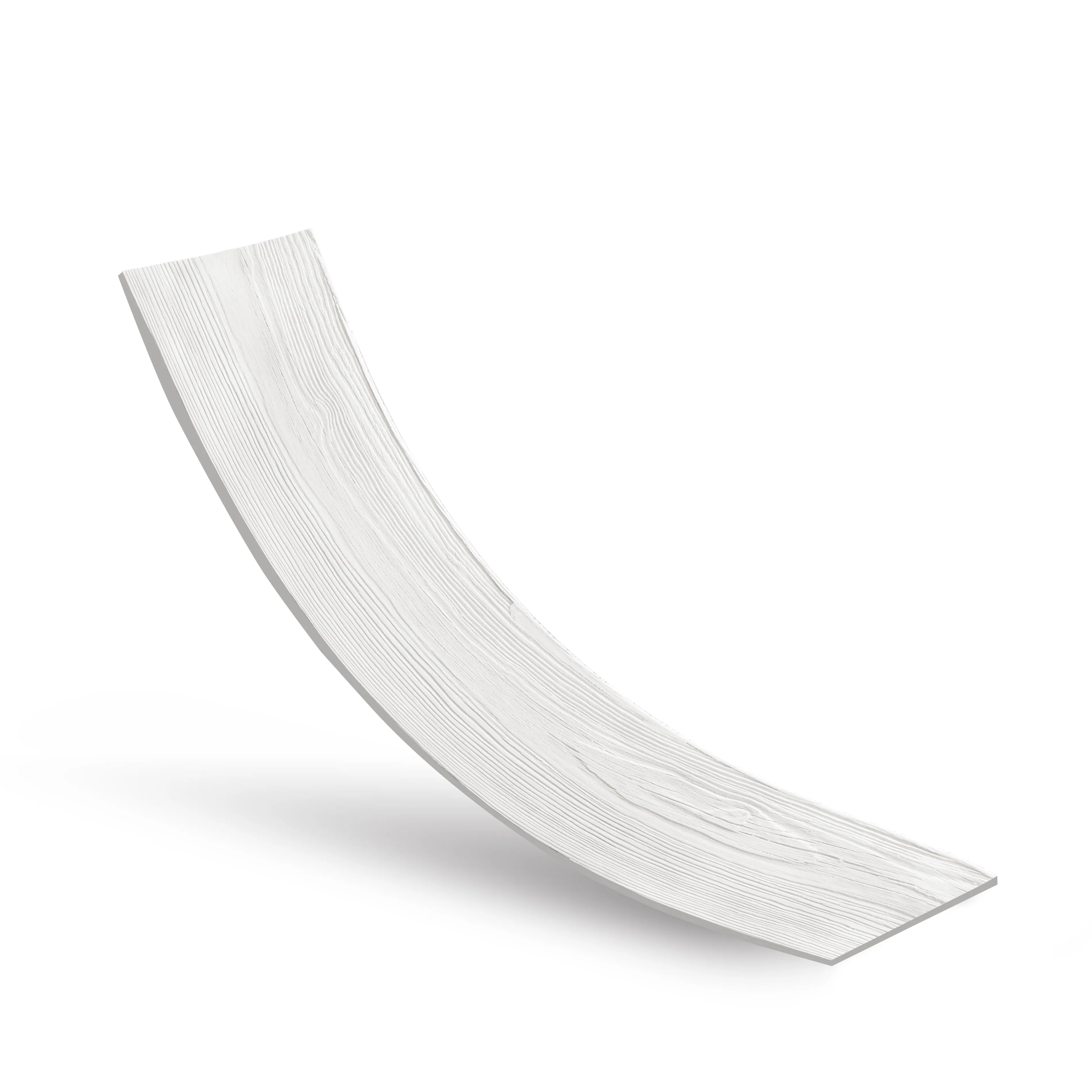
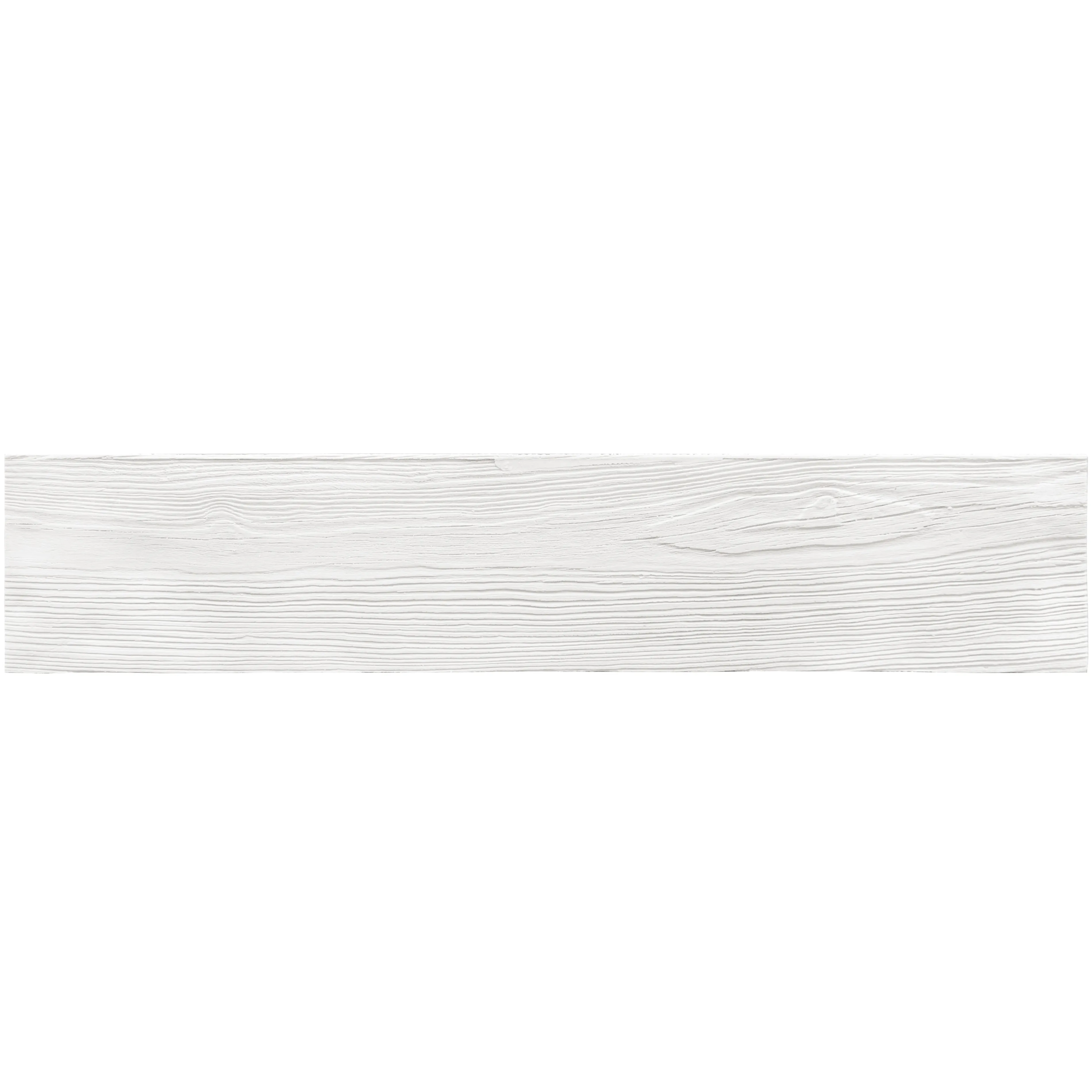
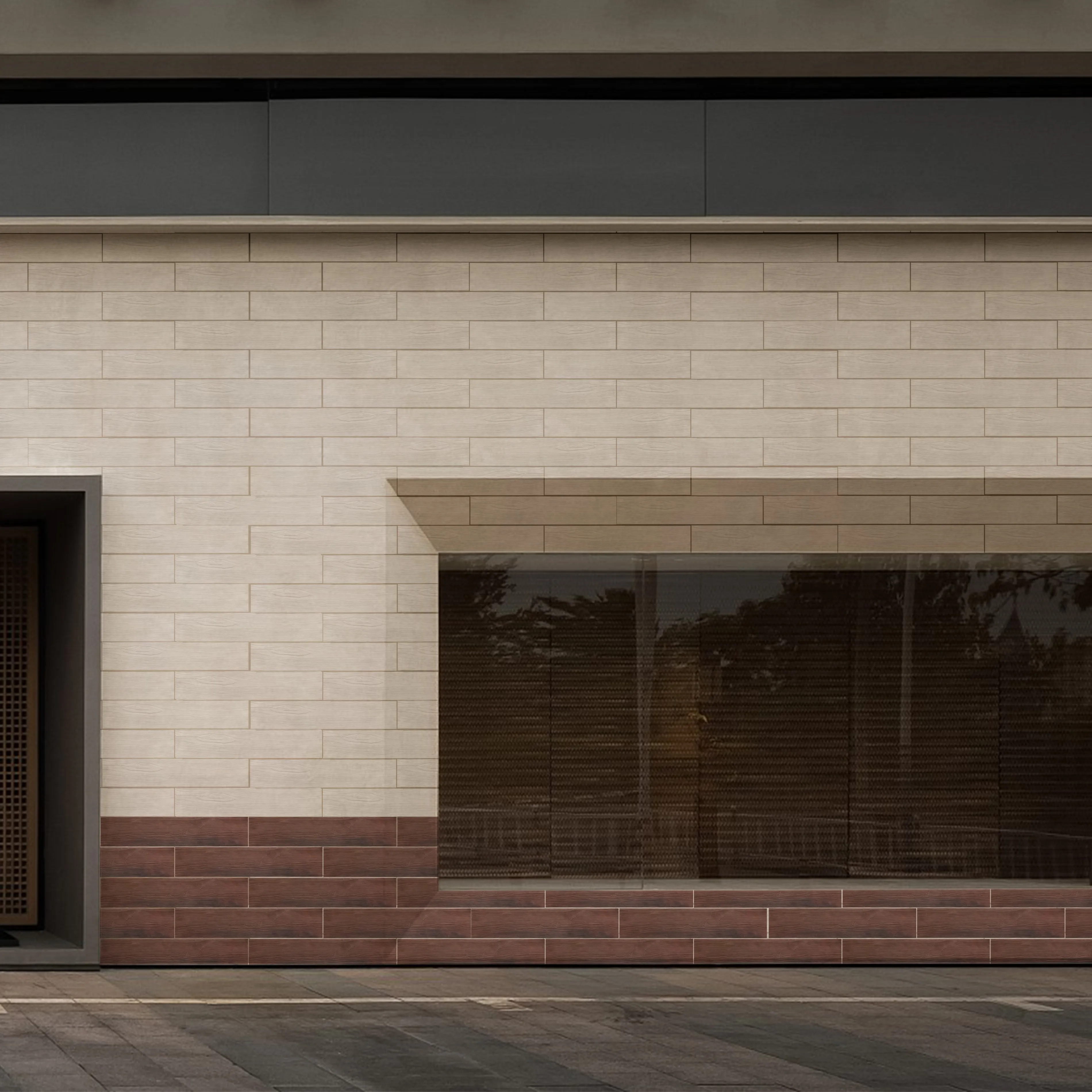
If MCM panels are the revolution, then White Wood MCM panels are its poster child. Picture this: the warm, inviting grain of wood, but in a crisp, clean white that feels both modern and timeless. It's like bringing the serenity of a snow-dusted forest into your living room, or the brightness of a sunlit beach into a city apartment. No wonder designers are calling it "the material that turns houses into homes."
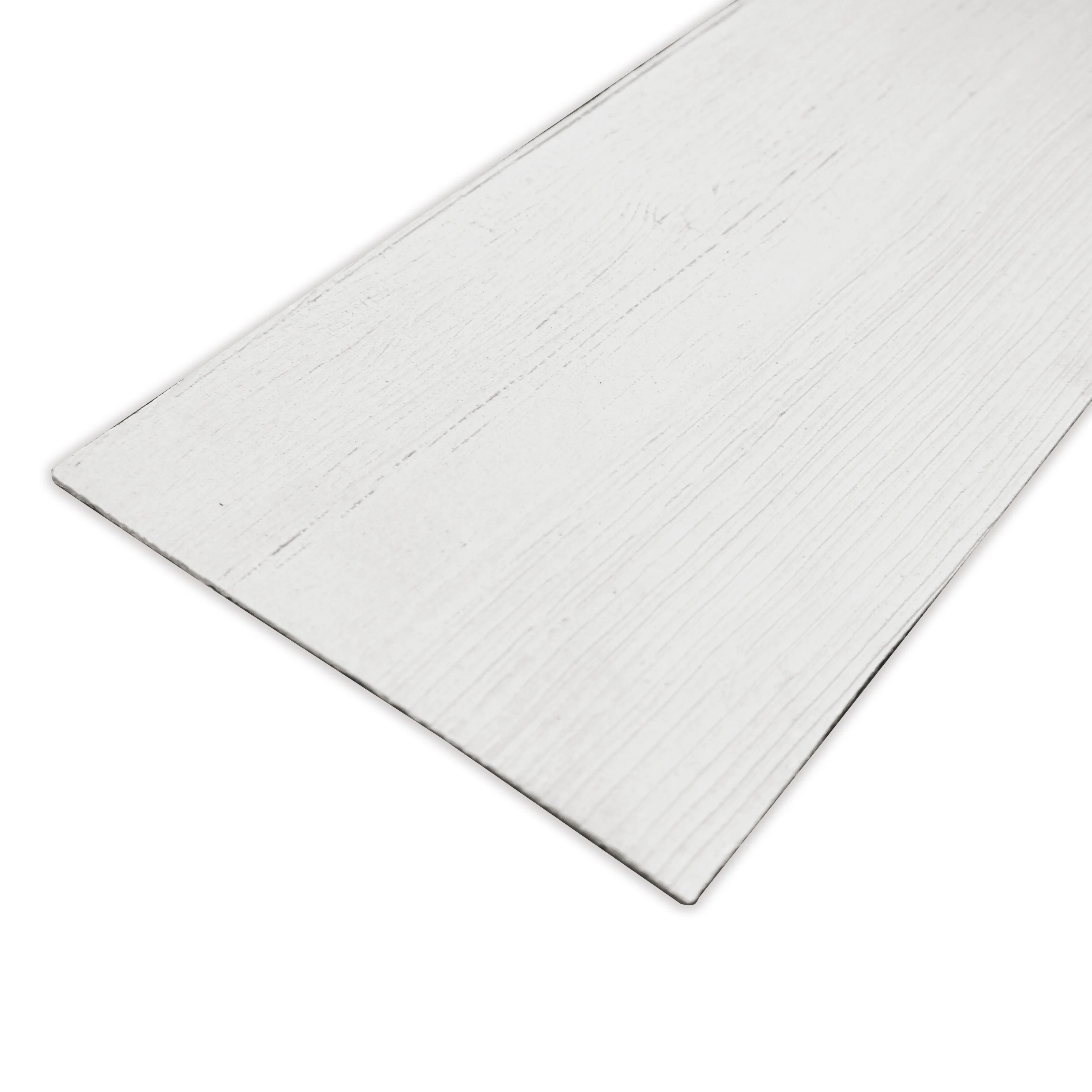
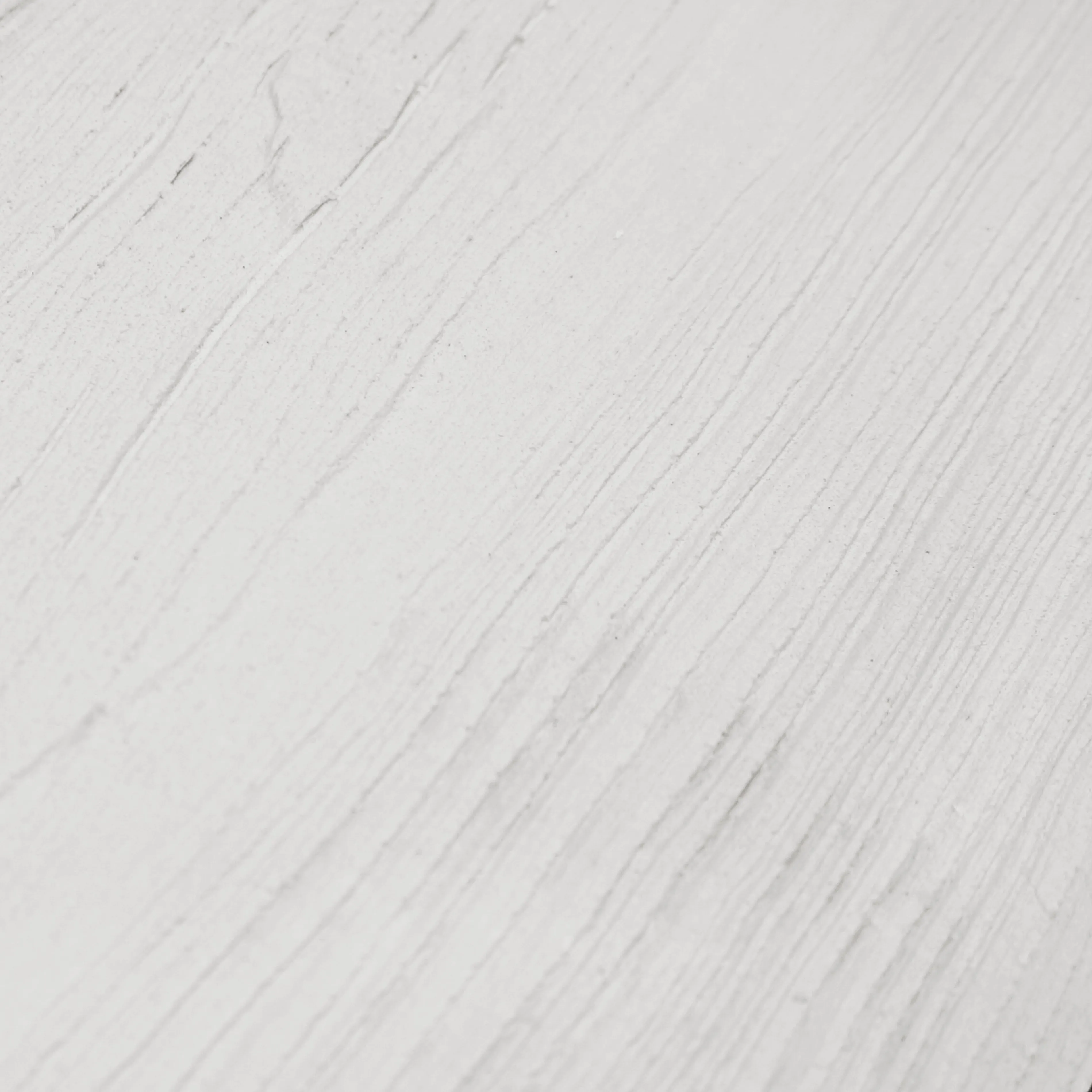
White Wood isn't just white paint slapped on wood—it's a careful blend of natural wood fibers and a specialized coating that enhances the grain while keeping the color bright and consistent. Run your hand over it, and you'll feel the subtle texture of real wood, not the flat, plastic-like finish of cheaper imitations. It plays with light beautifully, too: in the morning, it softens harsh sunlight into a warm glow; in the evening, it reflects lamplight to make rooms feel larger and cozier. It's versatile, too—pair it with bold accents for a modern pop, or with muted tones for a Scandinavian minimalist vibe. Whether you're designing a tiny urban studio or a sprawling suburban home, White Wood adapts, making every space feel uniquely yours.
In 2025, "sustainable" isn't a buzzword—it's a requirement. White Wood MCM panels deliver here, too. Traditional hardwoods often come with a heavy environmental cost: deforestation, transportation emissions, and finishes loaded with toxic chemicals. White Wood, on the other hand, uses recycled wood fibers and low-VOC (volatile organic compound) coatings, cutting down on waste and harmful emissions. Plus, because MCM panels are lightweight, they reduce the need for heavy structural support, lowering the carbon footprint of construction itself. It's a material that lets you love your space without guilt—knowing you're building a future, not just a home.
White Wood isn't just for interiors. Exterior cladding is where it really shines. Imagine a commercial building with a White Wood facade that stands out against the gray concrete jungle, or a hotel rooftop bar wrapped in White Wood panels that glow like a lantern at night. Because MCM panels are weather-resistant, White Wood can handle rain, snow, and UV rays without fading or warping—something traditional wood struggles with. It's also fire-retardant, making it a safe choice for high-rise buildings. In short, White Wood doesn't just look good; it works hard, too.
White Wood might be the lead, but every great story needs a supporting cast. Let's meet a few of the other materials from the MCM family that are stealing the spotlight this year—each bringing its own personality to the mix.
If White Wood is the modern minimalist, travertine (beige) is the cozy traditionalist. With its soft, earthy tones and unique pitted texture (formed by mineral deposits over centuries), it adds warmth and depth to any space. Think of it as the architectural equivalent of a warm hug. In 2025, designers are pairing it with White Wood to create contrast: a White Wood accent wall in a living room with travertine (beige) floors, or a kitchen backsplash that mixes the two for a look that's both fresh and grounded. It's perfect for spaces where you want to slow down—bedrooms, reading corners, or family dining rooms.
For those who love the raw, honest look of industrial design, fair-faced concrete MCM panels are a game-changer. Unlike traditional concrete, which can feel cold and sterile, fair-faced concrete panels have a texture and subtle color variations that add warmth. They're often left "as-cast," meaning the marks of the formwork—the wooden planks or metal sheets used to shape the concrete—are visible, giving each panel a one-of-a-kind story. Pair fair-faced concrete with White Wood, and you get a space that's both edgy and inviting: think a loft apartment with White Wood ceilings and fair-faced concrete walls, or a café where the bar is wrapped in concrete and the tables are topped with White Wood. It's industrial chic without the harshness.
Rounding out our cast is bamboo mat board , the eco-friendly darling of 2025. Made from sustainable bamboo fibers woven into a mat-like texture, it adds a tactile, organic feel to spaces. It's lighter than traditional wood, making it easy to install on ceilings or accent walls, and its natural golden hue pairs beautifully with White Wood's brightness. Imagine a home office with bamboo mat board walls and a White Wood desk—suddenly, work feels less like a chore and more like a retreat to a tropical oasis. It's also incredibly durable, resistant to moisture and pests, making it a smart choice for bathrooms or kitchens.
| Material | Key Features | Aesthetic Vibe | Best For |
|---|---|---|---|
| White Wood MCM Panels | Lightweight, durable, sustainable, bright white with natural wood grain texture | Modern, serene, warm | Interior/exterior walls, ceilings, accent features |
| Travertine (Beige) MCM Panels | Soft beige tones, pitted texture, natural warmth | Timeless, earthy, cozy | Floors, backsplashes, fireplace surrounds |
| Fair-Faced Concrete MCM Panels | Raw, textured finish, formwork marks visible, durable | Industrial, honest, modern | Lofts, cafes, accent walls |
| Bamboo Mat Board MCM Panels | Sustainable bamboo fibers, woven texture, golden hue | Tropical, organic, tactile | Bathrooms, home offices, accent ceilings |
| MCM Flexible Stone | Bendable, lightweight, natural stone texture | Flowing, organic, versatile | Curved walls, facades, artistic installations |
Enough talk—let's look at how these materials are transforming real spaces. Take the "Sunnybrook Residences" in Portland, Oregon, a new apartment complex designed with White Wood MCM panels on the exterior and travertine (beige) in the lobbies. Residents rave about how the White Wood makes their units feel bright and spacious, even on rainy Pacific Northwest days, while the travertine (beige) lobbies feel like a "home away from home" where neighbors stop to chat. "It's not just a building," says one resident. "It's a community."
Over in Chicago, the "Haven Café" uses fair-faced concrete MCM panels on the walls and bamboo mat board on the ceiling. The result? A space that's industrial yet inviting, where baristas know your name and customers linger for hours. "The materials set the mood," says the owner. "Concrete keeps it cool and modern, but the bamboo adds warmth—people feel comfortable here, like they can be themselves."
And in Tokyo, a public library features mcm flexible stone in curved, wave-like patterns on the children's section walls. The soft, flowing design has turned what was once a quiet, intimidating space into a place where kids run in, eyes wide, eager to explore. "Stone used to be for 'serious' spaces," says the head librarian. "Now, with flexible stone, it's for everyone—even the youngest readers."
What makes these materials so special? It all comes down to MCM technology. Traditional materials are often heavy (like natural stone) or prone to damage (like wood). MCM panels solve this by sandwiching a thin layer of the "star" material (wood, stone, concrete) between two layers of high-strength fiberglass or aluminum. This makes them up to 80% lighter than solid stone or wood, which means easier installation, lower shipping costs, and less strain on building structures.
Durability is another win. MCM panels are resistant to scratches, stains, and moisture, and they don't fade in sunlight. White Wood panels, for example, can last up to 20 years with minimal maintenance—just an occasional wipe-down with a damp cloth. Compare that to traditional wood siding, which needs repainting every 5-7 years and is prone to rot and insect damage. It's not just about looking good; it's about lasting long enough to create memories.
As we move into 2025 and beyond, one thing is clear: architecture is no longer about "building up"—it's about "building in." In, meaning connection, emotion, and sustainability. MCM panels, led by White Wood, are making that possible by giving designers the tools to create spaces that don't just function, but feel. They're bridging the gap between nature and technology, tradition and innovation, and in doing so, they're helping us build a world that's not just better— but more human.
So whether you're dreaming of a home with White Wood walls that greet you like an old friend, a community center with flexible stone curves that welcome everyone, or a café with travertine (beige) floors that feel like a second living room, know this: the future of architecture is here. And it's beautiful, sustainable, and ready to tell your story.
In the end, that's what it's all about—stories. The stories of the people who live, work, and play in these spaces. And with materials like White Wood, mcm flexible stone, and travertine (beige) leading the way, those stories are going to be more heartfelt, more memorable, and more connected than ever before. Here's to the spaces of 2025—and the stories they'll tell.
Recommend Products












