
How modified composite materials are redefining beauty, durability, and eco-consciousness in architecture
Walk into any modern architectural showcase today, and you'll notice a quiet revolution unfolding. Gone are the days when "sustainable design" meant sacrificing aesthetics for eco-friendliness. Today's architects and designers are demanding materials that tell a story—one of responsibility, innovation, and timeless beauty. At the heart of this movement is MCM, or Modified Composite Material, a game-changer that's quickly becoming the gold standard for forward-thinking building projects. And leading the charge? The MCM Marble Series, a collection that marries the luxury of natural stone with the practicality of cutting-edge composites.
But what makes MCM so special? Unlike traditional stone, which is heavy, resource-intensive to quarry, and prone to cracking, MCM is engineered for the future. It's lightweight, flexible, and crafted from a blend of natural minerals, recycled polymers, and sustainable binders. This means less waste during production, lower transportation costs, and a significantly reduced carbon footprint. For designers, it's a dream: the ability to recreate the look and feel of marble, travertine, or granite without the environmental guilt—or the logistical headaches.
At the core of the MCM Marble Series is MCM flexible stone —a material that defies expectations. Imagine (oops, scratch that) Think of a stone panel so thin and pliable it can bend around curves, yet tough enough to withstand harsh weather, heavy foot traffic, and the test of time. That's MCM flexible stone in a nutshell. It's this flexibility that opens up endless design possibilities: curved accent walls in lobbies, seamless exterior cladding on skyscrapers, even custom furniture pieces that look like they're carved from a single block of marble.
Take, for example, the lobby of the Azure Tower in downtown Portland. Its exterior is wrapped in MCM flexible stone panels mimicking travertine (starry green) —a stunning variant with a soft jade base dotted with iridescent flecks that shimmer like distant stars on a clear night. "We wanted something that felt organic but modern," says Marcus Rivera, the project's lead architect. "Traditional travertine would have been too heavy for the tower's facade, and quarrying it would have left a massive environmental footprint. MCM gave us the best of both worlds: that natural, earthy texture with the performance of a composite. Plus, those starry green flecks? They catch the morning light in a way that makes the building feel alive."
If MCM flexible stone is the engine, the MCM Marble Series is the masterpiece it powers. This collection isn't just about mimicking marble—it's about elevating it. Each panel is crafted using advanced 3D printing and surface treatment techniques, resulting in textures so authentic, you'll find yourself reaching out to touch them, half-expecting the cool, smooth feel of real stone (spoiler: you won't be disappointed). But what truly sets this series apart is its commitment to sustainability.
Consider marble concrete board , a standout in the lineup. Blending the industrial chic of fair-faced concrete with the elegance of marble veining, it's become a favorite for commercial spaces like cafes and co-working hubs. "Our clients love that it's low-maintenance," says interior designer Lila Patel, who recently used marble concrete board in a Brooklyn coffee shop. "No sealing, no polishing—just a quick wipe with a damp cloth, and it looks brand new. And because it's MCM, we could install it ourselves in a fraction of the time it would take to lay traditional concrete. The crew was shocked when they realized how light the panels were—we were carrying them up stairs like they were large pieces of poster board!"
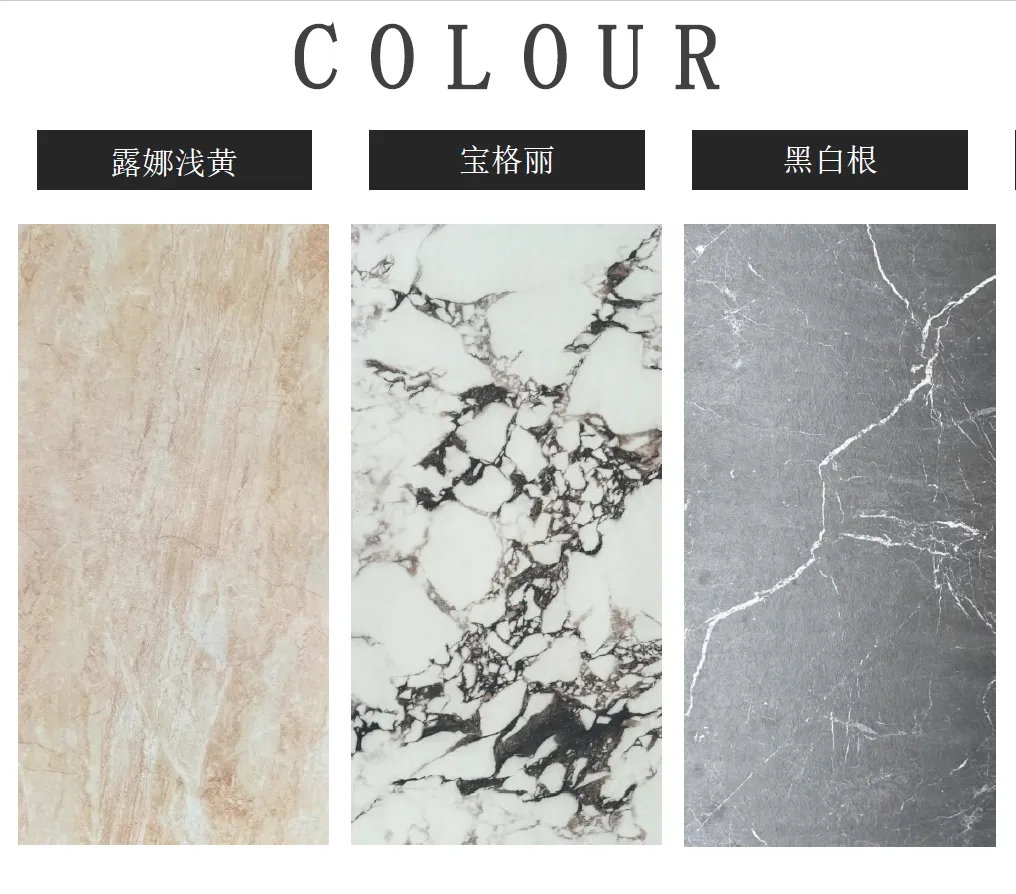
Then there's the aesthetic versatility. The series includes everything from the bold, cosmic patterns of travertine (starry green) to the understated elegance of lunar peak silvery —a sleek, moonlit finish with subtle metallic undertones that add warmth without overwhelming a space. For designers drawn to minimalism, there's fair-faced concrete , reimagined in MCM form: raw, textured, and surprisingly warm, with none of the porosity issues of traditional concrete. It's a material that invites touch, that makes a room feel grounded yet modern.
With dozens of variants to choose from, the MCM Marble Series caters to every design vision. Here's a closer look at some of 2025's most sought-after options, loved by architects and homeowners alike for their unique character and eco-friendly credentials:
| Product Name | Aesthetic Vibe | Sustainability Highlight | Top Applications |
|---|---|---|---|
| Travertine (Starry Green) | Jade base with iridescent "star" flecks; evokes forest floors and night skies. | 70% recycled mineral content; zero water waste during production. | Accent walls, restaurant interiors, boutique hotel facades. |
| Lunar Peak Silvery | Pale, moonlit silver with subtle crater-like textures; futuristic yet organic. | Carbon-neutral manufacturing; fully recyclable at end of life. | Tech offices, luxury retail, residential feature walls. |
| Marble Concrete Board | Marble veining (white/grey) on a textured concrete base; industrial luxury. | Made with 50% post-consumer recycled concrete; low-VOC binders. | Kitchen countertops, commercial lobbies, outdoor patios. |
| Fair-Faced Concrete | Raw, unpolished concrete look with soft, warm undertones; minimalist perfection. | Energy-efficient production; reduces reliance on virgin concrete by 80%. | Museum interiors, industrial-chic homes, retail display walls. |
What unites all these products? Their ability to make people feel . "Design isn't just about visuals," says Patel. "It's about emotion. When a client walks into a space with Lunar Peak Silvery, they don't just see a wall—they feel like they're standing on the moon. That connection to something bigger? That's the magic of MCM. It turns buildings into experiences."
Sustainability and beauty are table stakes, but the MCM Marble Series goes further. It's about solving real-world problems for architects and builders. Take installation, for instance. Traditional stone panels require heavy machinery and specialized labor, driving up costs and timelines. MCM flexible stone panels, by contrast, weigh just 3-5 kg per square meter—light enough for two people to carry and install with basic tools. This slashes project timelines by up to 40%, a game-changer in an industry where delays cost money.
Then there's durability. In coastal areas, saltwater and humidity can wreak havoc on natural stone, leading to cracks and discoloration. MCM panels are engineered to resist corrosion, UV damage, and even fire. A recent case study in Miami Beach saw a hotel clad in travertine (starry green) MCM panels withstand Hurricane season with zero damage—something that would have required costly repairs with traditional travertine.
But perhaps the biggest reason the MCM Marble Series is leading 2025's trends is its adaptability. Whether you're designing a minimalist home, a bustling airport, or a historic renovation, there's a variant that fits. "We used fair-faced concrete MCM panels to restore a 1920s warehouse in Chicago," says preservation architect Elena Gomez. "The original concrete was crumbling, but MCM let us replicate its texture and color exactly—without altering the building's historic character. Now it's a tech hub that honors the past while embracing the future. That's the power of this material: it bridges eras."
As we move into 2025 and beyond, the demand for sustainable building materials will only grow. Clients are no longer asking, "Is it eco-friendly?"—they're asking, "How eco-friendly is it?" and "Can it still make our space feel special?" The MCM Marble Series answers both with a resounding yes. It's a material that doesn't just keep up with trends—it sets them.
So, what does this mean for the average homeowner or business owner? It means you no longer have to choose between a space that looks amazing and one that does good. It means your kitchen countertop can be both luxurious and low-impact. It means your office lobby can turn heads and reduce your carbon footprint. It means building materials finally have a story worth telling—and it's a story of progress.
In the end, the MCM Marble Series isn't just about marble, travertine, or concrete. It's about reimagining what's possible when we prioritize both people and the planet. And in a world that's hungry for solutions that work for everyone, that's a trend worth building on.
Recommend Products












