
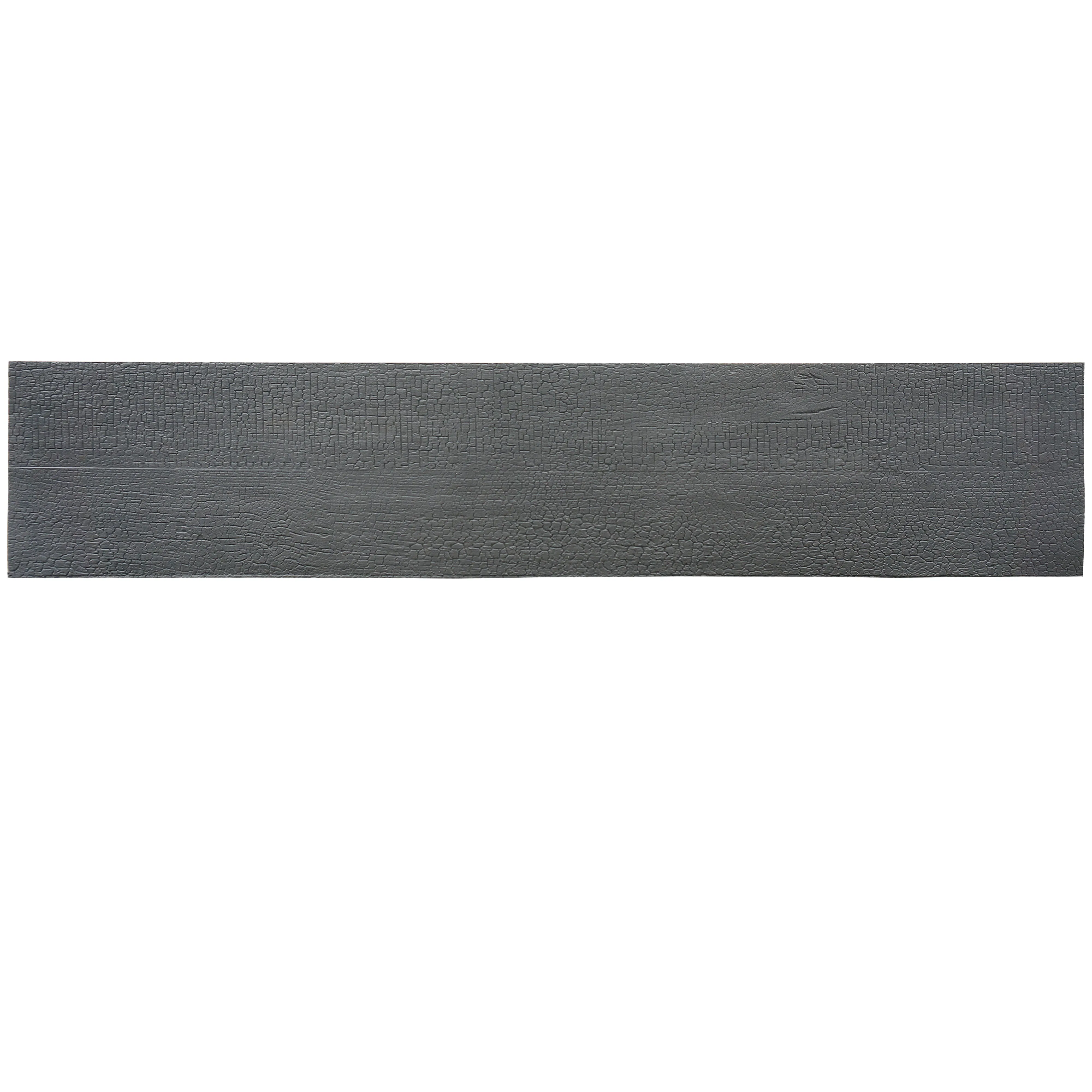
Walk into any cutting-edge architectural project in 2025, and you'll notice something different about the walls, facades, and even furniture: materials that tell a story. This year, the industry isn't just chasing aesthetics— it's embracing materials that blend raw beauty with scientific precision, sustainability, and a deep respect for craft. Among these, one material has risen to the forefront, capturing the imagination of designers and homeowners alike: charcoal burnt wood board with optimized real pH. But it's not alone. As architects and builders seek harmony between innovation and tradition, a new wave of materials is emerging, each with its own personality and purpose. Let's dive into how these materials are reshaping the spaces we live, work, and connect in.
Charcoal burnt wood board isn't a new idea— its roots stretch back to ancient Japanese shou sugi ban , a technique where cedar wood is charred, scraped, and sealed to resist fire, rot, and pests. But in 2025, it's been reimagined. What sets today's version apart is the focus on optimized real pH — a subtle yet game-changing tweak that elevates its performance from "reliable" to "revolutionary."
So, why does pH matter here? Wood, by nature, has a slightly acidic pH (around 4.5 to 5.5). While this acidity helps repel some insects, it can also decay over time, especially when exposed to moisture. By adjusting the pH to a neutral range (6.5 to 7.5) through a controlled post-charring treatment, manufacturers have unlocked a material that's not just stunning to look at, but built to last. "We're not just burning wood— we're engineering it," says Mia Chen, a materials scientist at a leading architectural lab. "That optimized pH acts like a shield. It slows down microbial growth, prevents warping, and even makes the wood more resistant to UV damage. It's the difference between a material that fades in five years and one that ages gracefully for decades."
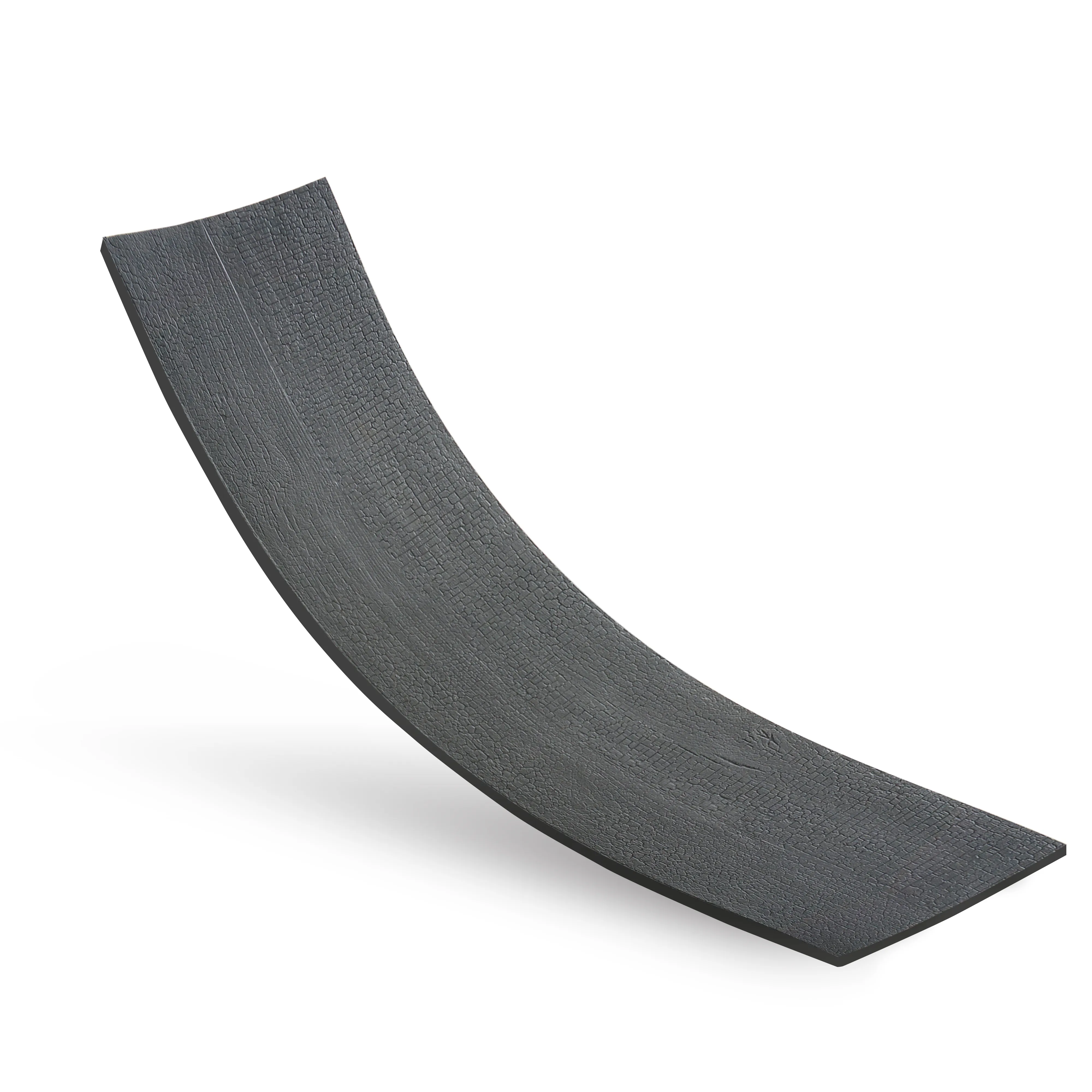
Visually, the appeal is undeniable. The charring process deepens the wood's natural grain, creating a rich, almost sculptural texture— think midnight blacks with hints of amber where the flame kissed the surface just right. Unlike paint or stain, which sit on top of the wood, the char becomes part of the material, evolving subtly over time. "Clients love that it's not static," notes New York-based architect Raj Patel. "A wall clad in this wood will look different in summer than in winter, catching light in new ways. It breathes life into a space."
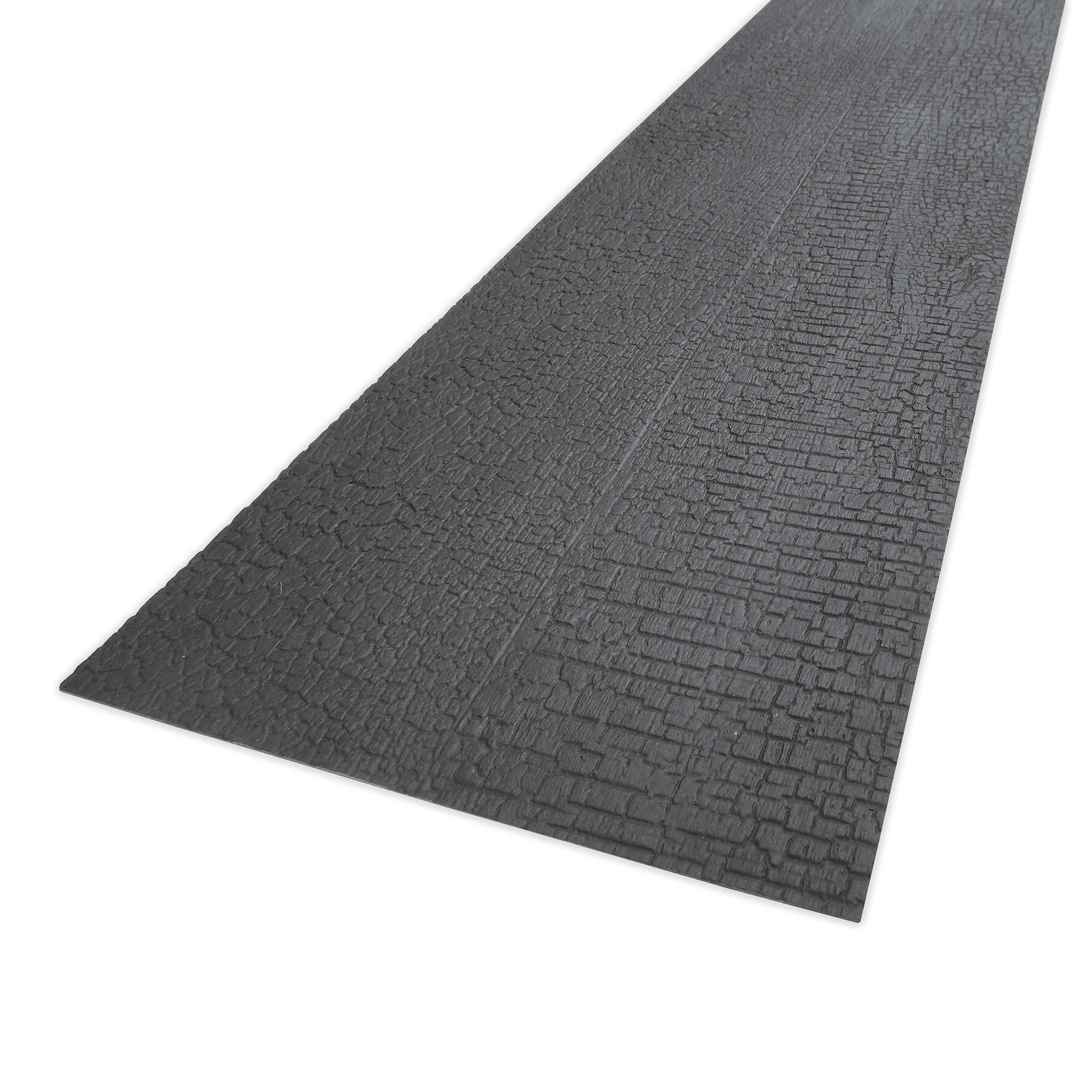
But great design rarely relies on a single material. In 2025, architects are pairing charcoal burnt wood board with a lineup of complementary materials that balance its intensity, add texture, and expand its versatility. Let's meet the standout players:
Fair-faced concrete— that raw, unpolished finish with visible aggregates and subtle color variations— has become the ultimate sidekick to charred wood. Its cool, industrial vibe creates a striking contrast against the warm, organic tones of burnt wood, yet both share a commitment to "honest" materiality. "There's no hiding here," says Chen. "Concrete shows its seams; wood shows its grain. Together, they tell a story of process and authenticity." In 2025, it's not just about gray concrete, either— designers are experimenting with pigments (soft terracottas, muted greens) to match the mood of a space, making it a chameleon in both residential and commercial projects.
For spaces that crave warmth without the boldness of charred wood, wood grain board is stepping up. Made by pressing real wood fibers into panels with a consistent, natural-looking grain, it's a nod to traditional wood cladding but with 2025-level durability (think water resistance, scratch-proof coatings, and zero warping). What's exciting is how designers are mixing it with charred wood— using wood grain for ceilings or flooring to ground a room, then adding a charred wood accent wall for drama. "It's like a conversation between old and new," Patel explains. "The grain feels familiar, but the precision of the panels feels fresh."
Natural stone is back, but not as you know it. Travertine— a porous limestone formed by mineral-rich springs— has long been loved for its earthy tones, but 2025's star is travertine (starry blue) . This variant, quarried in select regions, features tiny, iridescent mineral deposits that catch light like scattered stars, giving walls and countertops an otherworldly glow. "It's nature's version of a feature wall," laughs interior designer Lila Torres. "Pair it with charred wood, and you've got a space that feels both grounded and celestial— perfect for lobbies, restaurants, or even home offices where creativity thrives."
MCM flexible stone— short for "modified composite material"— is the unsung hero of 2025's material revolution. Made by bonding natural stone particles with lightweight polymers, it's thin (as little as 3mm), bendable, and easy to install, making it ideal for curved surfaces, accent walls, or even furniture. "Traditional stone is heavy and rigid," says Chen. "MCM flexible stone lets designers dream bigger— imagine a curved fireplace surround clad in stone that would've been impossible with marble or granite. And it pairs beautifully with charred wood— the stone adds sophistication, the wood adds warmth."
Choosing the right material for a project means balancing aesthetics, durability, sustainability, and cost. To help, we've put together a quick comparison of our 2025 all-stars:
| Material | Aesthetic Vibe | Durability Highlights | Sustainability Edge | Best For... |
|---|---|---|---|---|
| Charcoal Burnt Wood Board (Optimized pH) | Bold, dramatic, organic with deep charred tones and visible grain | Fire-resistant, mold-proof (thanks to pH optimization), UV-stable | Uses sustainably sourced wood; low-VOC sealants; long lifespan reduces replacement needs | Accent walls, exterior cladding, statement furniture |
| Fair-Faced Concrete | Raw, industrial, minimalist with subtle aggregate texture | Weather-resistant, low maintenance, heat-insulating | Recycled aggregates available; energy-efficient production in 2025 | Floors, countertops, exterior facades, fireplace surrounds |
| Wood Grain Board | Warm, cozy, nostalgic with consistent, natural-looking grain | Water-resistant, scratch-proof, dimensionally stable (no warping) | Made from FSC-certified wood fibers; formaldehyde-free adhesives | Ceilings, flooring, cabinetry, accent walls (softer spaces) |
| Travertine (Starry Blue) | Luxurious, celestial, with iridescent mineral "stars" and porous texture | Heat-resistant, durable with proper sealing; ages gracefully | Quarried with reduced environmental impact; natural, non-toxic | Lobbies, feature walls, bathroom countertops, outdoor patios |
| MCM Flexible Stone | Elegant, versatile, mimics natural stone with added flexibility | Lightweight (reduces structural load), impact-resistant, water-resistant | Uses recycled stone particles; less waste in production than solid stone | Curved surfaces, accent walls, furniture, backsplashes |
Enough theory— let's look at how these materials are transforming real spaces in 2025:
In a 1,800-square-foot home in Portland, Oregon, architect Raj Patel combined charcoal burnt wood board with wood grain board and fair-faced concrete to create a "modern cabin" vibe. The living room features a floor-to-ceiling charred wood accent wall (optimized pH, of course) that contrasts with light wood grain flooring and a concrete fireplace hearth. "The clients wanted warmth but didn't want to feel stuck in a 'rustic' box," Patel says. "The charred wood adds edge; the wood grain softens it. The concrete? It keeps the whole thing grounded." Upstairs, the master bathroom uses travertine (starry blue) for the shower walls, its iridescent flecks catching morning light— a small luxury that feels like a daily escape.
Boutique hotels and retail spaces are leaning into material storytelling, and 2025's materials are perfect for the job. Take a new café chain in Chicago, where each location uses a signature material pairing: one features charcoal burnt wood board (cladding the bar) with MCM flexible stone (in a soft beige, wrapping the ceiling), creating a space that feels both intimate and expansive. "We wanted customers to remember the texture as much as the coffee," says the chain's design director. "Charred wood feels artisanal; flexible stone feels innovative. Together, they say, 'We care about craft and progress.'"
Public buildings— libraries, community centers, transit hubs— demand materials that can handle heavy foot traffic, weather, and time. In Denver, a new community library uses fair-faced concrete for its exterior (in a warm terracotta hue) and charcoal burnt wood board for its interior reading nooks. "The concrete protects against Colorado's harsh winters; the wood makes the nooks feel like a hug," says the project's lead architect. "And because the wood's pH is optimized, we don't have to worry about moisture from rain or snow seeping in and causing damage. It's beautiful, but it's also tough— exactly what public spaces need."
Let's be clear: 2025's material boom isn't just about looking good. It's about doing good, too. Architects and builders are under increasing pressure to reduce carbon footprints, and these materials deliver. Charcoal burnt wood board, for example, often uses wood from FSC-certified forests (ensuring responsible harvesting), and its long lifespan means less frequent replacement (and less waste). MCM flexible stone, meanwhile, uses recycled stone particles, cutting down on quarrying needs. Even fair-faced concrete is getting greener— 2025 saw the rise of "low-carbon" mixes that reduce emissions during production by up to 30%.
But sustainability isn't just about the materials themselves; it's about how they interact with a building's energy use. Charcoal burnt wood board, with its natural insulation properties, can help reduce heating costs in winter. Fair-faced concrete, with its thermal mass, regulates temperature swings, lessening reliance on HVAC systems. "It's a ripple effect," says materials scientist Mia Chen. "Choose a durable, sustainable material, and you're not just making a design choice— you're making an energy choice, a waste choice, a future choice."
If 2025 is any indication, the future of architecture will be defined by materials that are equal parts scientist and artist. We're already seeing early experiments: charred wood board with embedded sensors (to monitor humidity and temperature in real time), MCM flexible stone printed with custom patterns via 3D technology, and fair-faced concrete mixed with recycled glass for a subtle sparkle. "The line between 'material' and 'technology' is blurring," Chen predicts. "But at the core, it will always come back to emotion. People don't fall in love with data— they fall in love with how a space makes them feel. And these materials? They make us feel connected— to nature, to craft, to the people around us."
So, whether you're building a home, designing a store, or just daydreaming about your next renovation, keep an eye on charcoal burnt wood board with optimized real pH— and its all-star companions. In 2025, they're not just materials. They're the storytellers of the spaces we'll remember.
Recommend Products












