
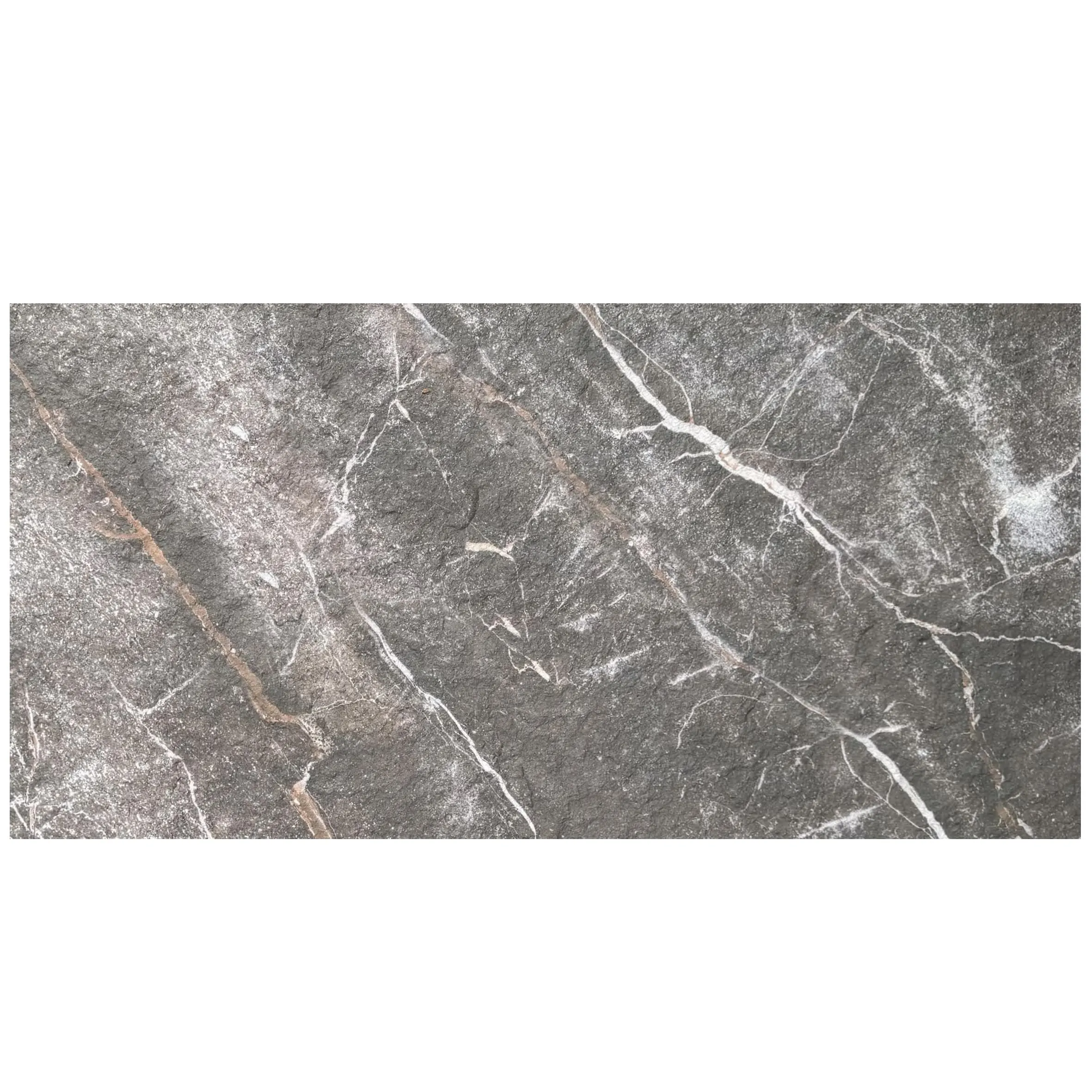
Picture this: An architect stands in front of a set of blueprints, (brows furrowed) as they trace the outline of a luxury hotel lobby. Their vision? Walls that exude timeless elegance, with the deep, dramatic veining of Granite Portoro—a stone that has adorned palaces and high-end spaces for centuries. But there's a problem: traditional Granite Portoro slabs are heavy, brittle, and notoriously tricky to install on complex surfaces. Transporting them risks cracks, cutting them to fit curves wastes material, and supporting their weight requires costly structural reinforcements. Sound familiar? For too long, designers have had to choose between aesthetic ambition and practicality. But what if there was a way to have both? Enter MCM Big Slab Board Series —a technology that's redefining how we work with natural stone aesthetics, especially when paired with 3D modeling. Let's dive into how this dynamic duo is transforming Granite Portoro projects, making once-impossible designs not just possible, but surprisingly achievable.
First things first: Let's demystify the star of the show. MCM stands for Modified Composite Material, a revolutionary category of building materials that blends natural stone particles with advanced polymers. The result? Slabs that capture the look and feel of real stone—down to the texture, color, and veining—but with a fraction of the weight and none of the fragility. The MCM Big Slab Board Series takes this a step further by offering extra-large panels (often up to 1200x2400mm or more), eliminating the need for unsightly grout lines and creating seamless, immersive surfaces.
Think of it as nature's beauty, reimagined for the demands of modern construction. Traditional Granite Portoro slabs, for example, can weigh 80-100 kg per square meter; MCM Big Slabs? A mere 12-15 kg/m². That's a game-changer for high-rise buildings or retrofits where structural load is a concern. And because they're flexible (yes, flexible!), they can bend slightly to follow curved walls or ceilings—something traditional stone would shatter trying to do. But the real magic happens when you pair this material innovation with 3D modeling.
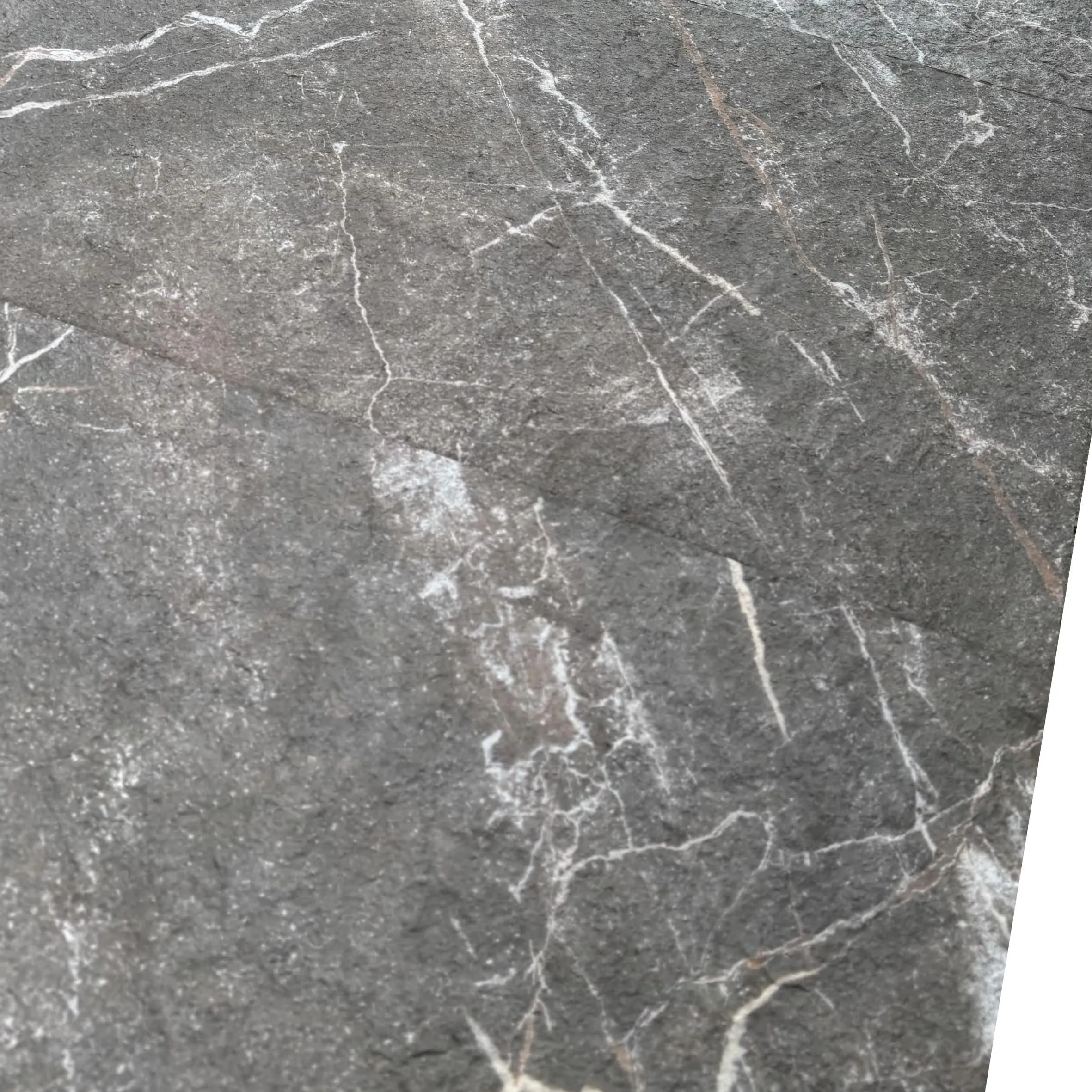
Let's say you've fallen in love with Granite Portoro's iconic black background and golden veins. You want it to wrap around a circular lobby wall, climb a spiral staircase, and even feature custom cutouts for lighting fixtures. In the past, this would mean countless on-site measurements, manual templating, and a high risk of misalignment. Today, 3D modeling software lets you design every inch of that space digitally before a single slab is cut. You can import Granite Portoro's unique vein patterns into the model, tweak the layout to ensure the veins flow naturally around corners, and even simulate how light will hit the surface at different times of day. It's like test-driving your design in a virtual world first—no wasted materials, no last-minute panics.
For architects and designers, this is a dream come true. 3D modeling tools (think SketchUp, Revit, or Blender, but tailored for construction) allow for precise measurements, clash detection (so you don't accidentally design a slab that overlaps with a beam), and client presentations that feel hyper-realistic. Imagine sitting down with a client and saying, "Let's walk through your lobby in VR—see how the Granite Portoro curves here, how the light catches those golden veins there." It turns abstract ideas into tangible experiences, making it easier to align on vision and avoid costly revisions later.
But the benefits go beyond visualization. 3D models generate exact cutting instructions for MCM Big Slabs. Since the slabs are lightweight and easy to handle, fabricators can use CNC machines to trim them to the precise dimensions outlined in the model—no guesswork, no human error. This level of precision is especially critical for Granite Portoro, where the placement of veins can make or break the aesthetic. A well-modeled project ensures that a prominent golden vein doesn't get chopped off mid-flow by a poorly placed cut.
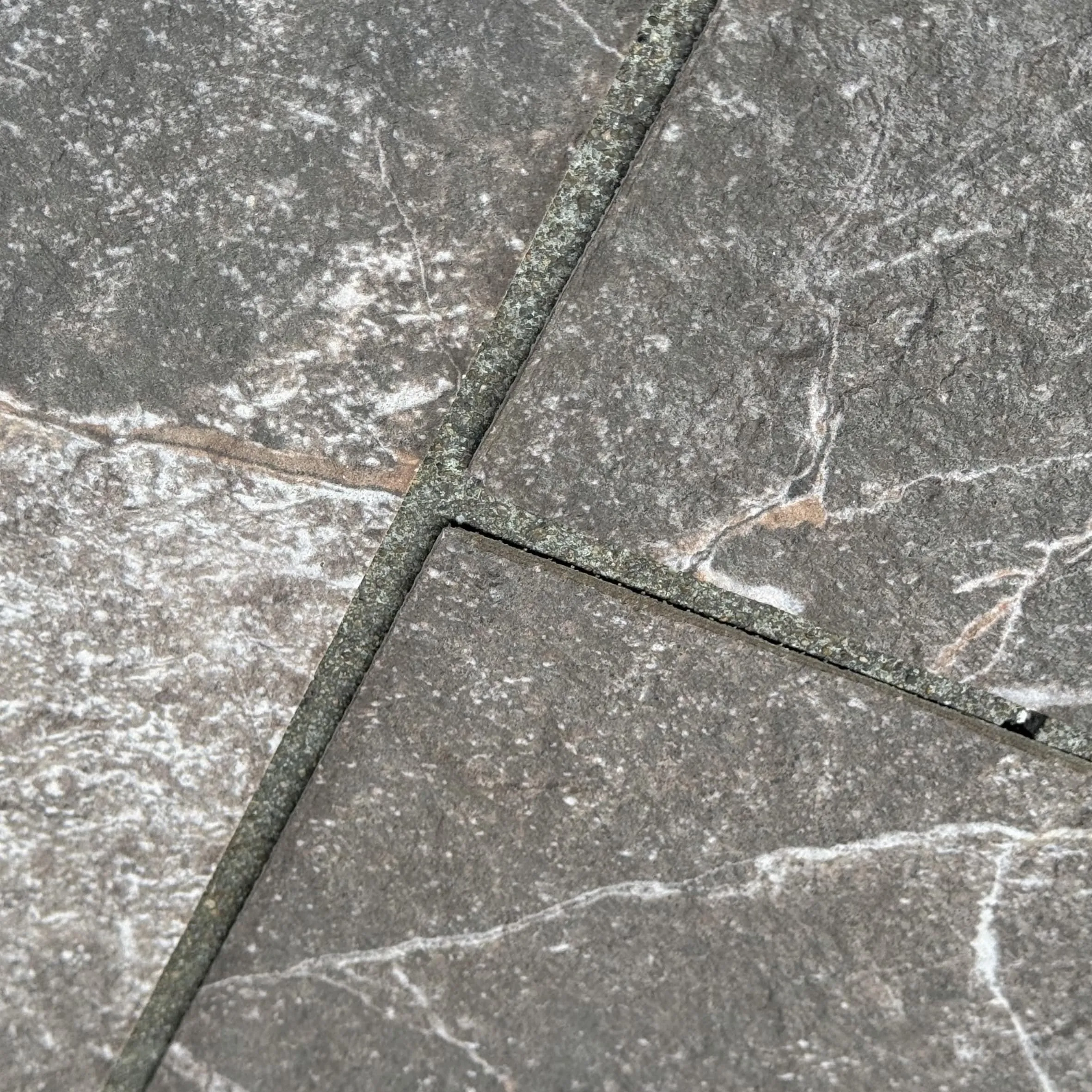
Curious how this combo stacks up against the old way of doing things? Let's break it down with a quick comparison:
| Aspect | Traditional Granite Portoro Slabs | MCM Big Slab + 3D Modeling |
|---|---|---|
| Weight | 80-100 kg/m² (requires heavy structural support) | 12-15 kg/m² (suitable for most existing structures) |
| Installation Time | 3-4 days per 100 m² (due to heavy lifting and precise fitting) | 1-2 days per 100 m² (lightweight, pre-cut to 3D model specs) |
| Design Flexibility | Limited to flat or slightly sloped surfaces; curves risk breakage | Compatible with curves, angles, and custom cutouts (flexible material + digital precision) |
| Waste | 15-20% material waste (from cutting errors or mismeasurements) | 3-5% waste (precise 3D model cutting minimizes offcuts) |
| Cost Over Time | Higher upfront (material + labor) + potential repair costs (cracks, chips) | Lower upfront (lighter material = cheaper transport/labor) + durable (minimal repairs) |
The numbers speak for themselves: 3D modeling with MCM Big Slabs doesn't just make Granite Portoro projects easier—it makes them smarter, faster, and more cost-effective. But what about when Granite Portoro isn't the only material in play? That's where MCM's other innovations, like Flexible Stone and Fair-faced Concrete , come into play.
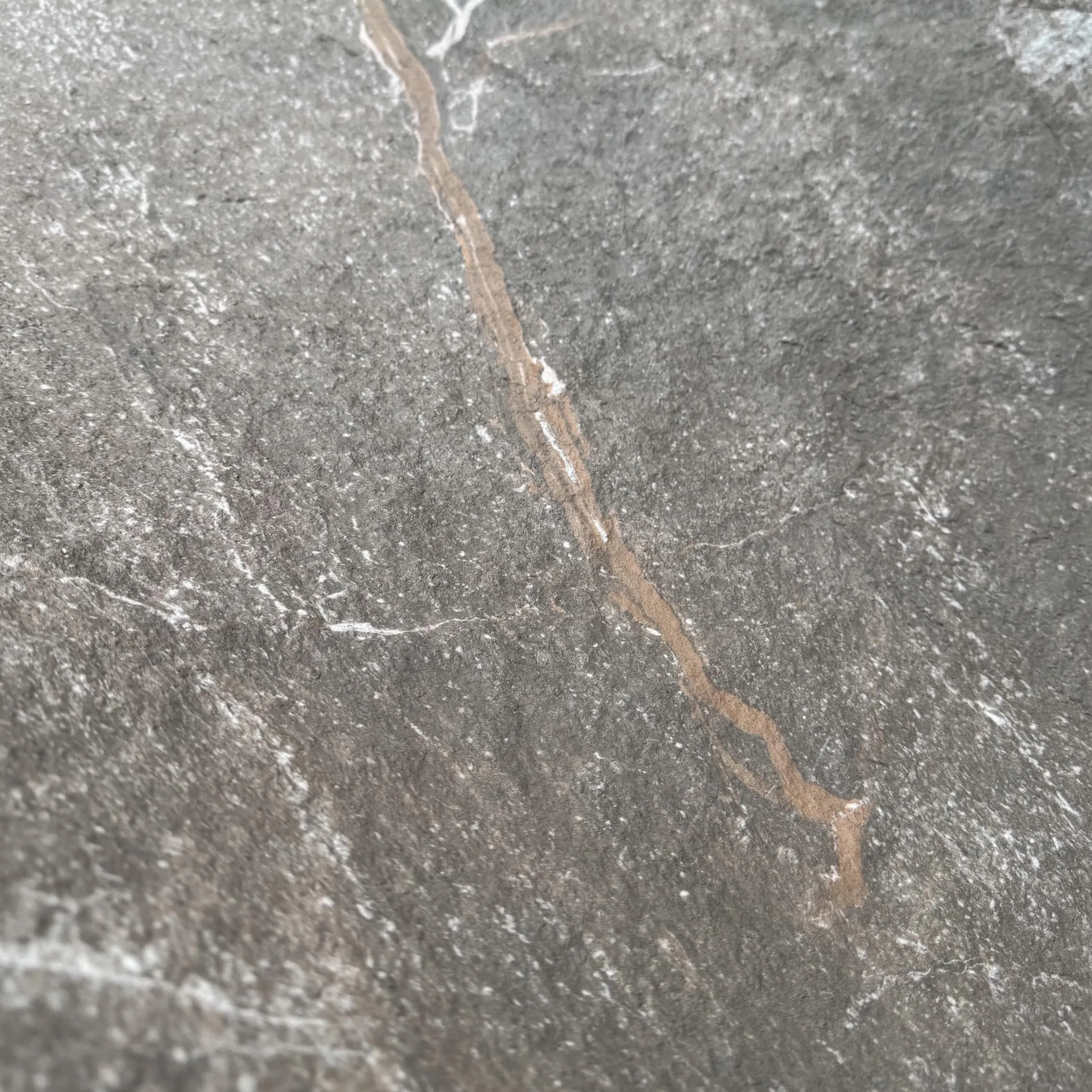
Great design rarely relies on a single material. A lobby wrapped in Granite Portoro might pair beautifully with accent walls of Fair-faced Concrete —a raw, industrial material that balances the stone's opulence with understated modernity. MCM's Fair-faced Concrete panels, like their Big Slabs, are lightweight and customizable, with the same 3D modeling benefits. Imagine using 3D software to design a wall where Granite Portoro panels and Fair-faced Concrete panels interlock like puzzle pieces, each cut to fit the other perfectly. No gaps, no mismatched edges—just a cohesive design brought to life with digital precision.
Then there's Flexible Stone , another star in the MCM lineup. As the name suggests, this material is ultra-flexible, able to conform to even the most complex shapes—think undulating feature walls, arched doorways, or decorative ceiling baffles. When paired with 3D modeling, Flexible Stone becomes a tool for sculptural expression. For example, a hotel might use Granite Portoro MCM Big Slabs for the main walls and Flexible Stone (in a complementary color, like Rona Yellow or Cloud-Dragon) for a wavy accent panel that juts out from the wall. The 3D model ensures both materials align seamlessly, creating a dynamic, multi-textural space.
And let's not forget the 3D Printing Series , MCM's answer to intricate, custom details. While 3D modeling designs the big picture, 3D Printing Series can produce small, ornate elements—like decorative moldings or branded insignias—that integrate with Granite Portoro slabs. Since both are made from modified composites, they bond easily, ensuring a unified look. It's like having a digital sculptor and a material magician working in tandem.
Let's put this all into context with a real-world example (names changed for privacy). The Azure Tower, a 30-story mixed-use building in a bustling city, wanted its lobby to make a statement: luxurious yet approachable, modern yet timeless. The design team chose Granite Portoro as the hero material, with Fair-faced Concrete accents and a curved, 8-meter-tall feature wall as the centerpiece.
Using 3D modeling software, the architects imported high-resolution scans of Granite Portoro's veining, then mapped it onto the curved wall's surface. They adjusted the vein direction to flow upward, creating a sense of movement, and used the model to identify potential weak points (like where the wall met the ceiling) where traditional stone might crack. With the 3D model approved, the fabricator cut MCM Big Slabs to exact specifications—including notches for recessed lighting and a custom cutout for the building's logo (produced via the 3D Printing Series).
The result? A lobby that feels like a single, continuous slab of Granite Portoro, wrapping visitors in warmth and sophistication. Installation took just 2.5 days (down from the projected 5 days with traditional stone), and the total cost was 30% lower than budgeted, thanks to reduced waste and labor. The client was thrilled—and so were the contractors, who noted that lifting the lightweight slabs required just two people instead of a crane team.
As technology advances, the line between digital design and physical construction is blurring—and MCM Big Slab Board Series is leading the charge. Imagine a future where you can scan a historic Granite Portoro column from a 17th-century palace, 3D model it, and then reproduce it in lightweight MCM for a modern hotel, complete with the same weathered texture and vein patterns. Or where AI-powered 3D models suggest material combinations (Granite Portoro + Flexible Stone + Foamed Aluminium Alloy Board) based on your project's location, budget, and aesthetic goals.
For designers, this means more freedom to dream. For builders, it means fewer headaches and faster timelines. For clients, it means getting exactly what they envisioned—no compromises. And at the heart of it all is the MCM Big Slab Board Series , proving that when you honor nature's beauty with human ingenuity, the possibilities are endless.
Granite Portoro has long been a symbol of luxury, but for too long, its practical challenges limited its potential. Today, thanks to MCM Big Slab Technology and 3D modeling, that's no longer the case. Whether you're designing a boutique hotel, a corporate headquarters, or a residential masterpiece, this powerful combination lets you prioritize both aesthetics and functionality—because why should you have to choose?
So the next time you find yourself staring at a blueprint, wondering how to bring your vision to life, remember: the tools to make it happen are already here. MCM Big Slabs provide the material innovation, 3D modeling provides the digital precision, and together, they turn "what if" into "what is." And isn't that the point of design—to build a world that's as beautiful as it is buildable?
Recommend Products












