
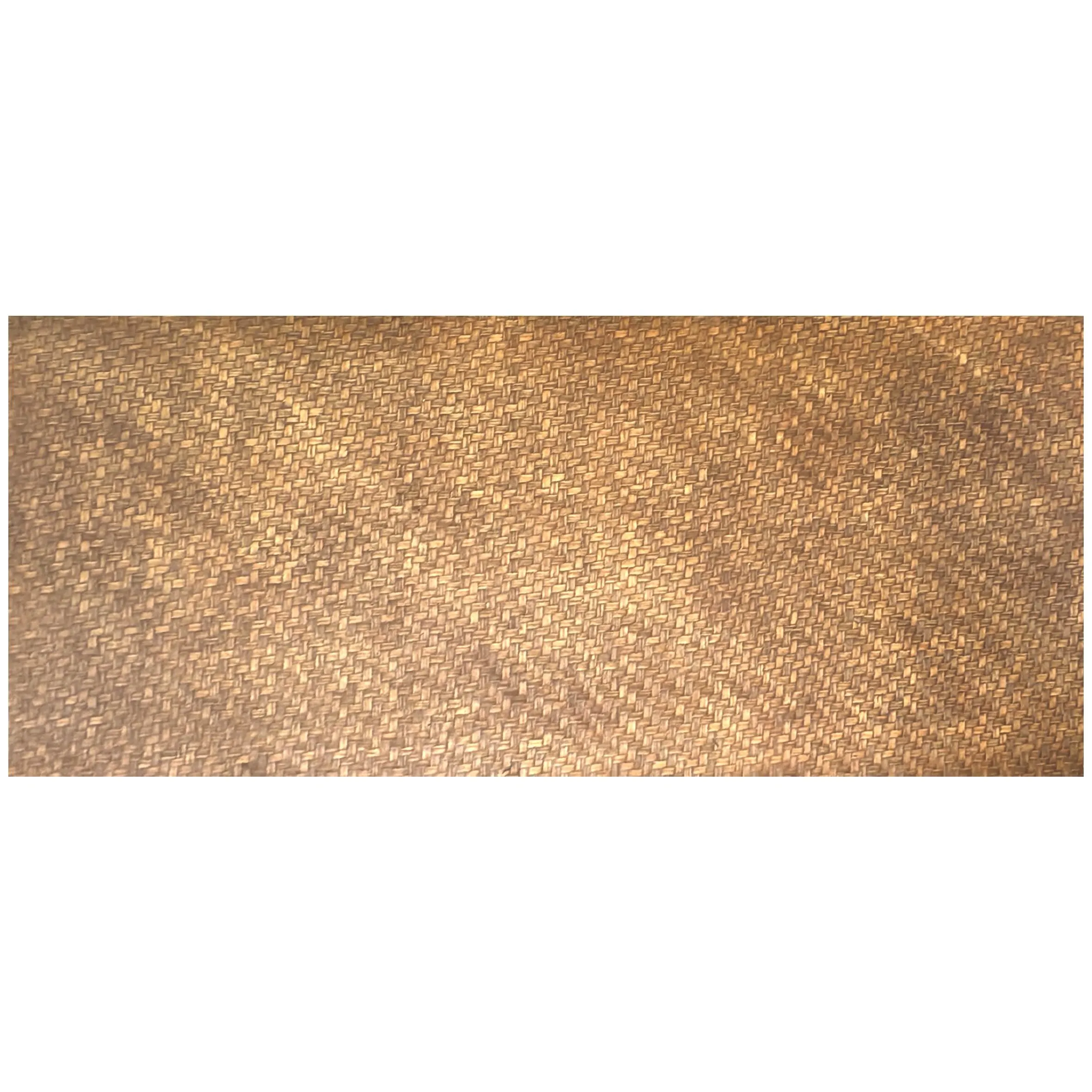
Step into any contemporary architectural space these days, and you'll quickly sense that something's shifting—something more than just trends in color or shape. It's in the textures underfoot, the way light plays on walls, the quiet confidence of materials that feel both new and timeless. Modern architects aren't just building structures anymore; they're crafting experiences. And at the heart of this transformation? Materials that refuse to be boxed in by tradition. Enter 3D printed bamboo mat board, a standout innovation from the MCM 3D Printing Series that's quietly redefining what buildings can look like, feel like, and stand for. Let's unpack why this material has architects and designers buzzing, and how it's bridging the gap between nature, technology, and human-centric design.
First things first: Let's break down the name. "Bamboo mat board" gives a hint of its aesthetic—think the warm, woven texture of traditional bamboo mats, but reimagined. "3D printed" tells us how it's made: layer by layer, with precision, using cutting-edge additive manufacturing. And "MCM 3D Printing Series"? That's the family it belongs to—a line of materials by MCM that leverages 3D printing to push the boundaries of what's possible in architectural cladding and design. Unlike generic composites, this isn't just a "copy" of natural materials; it's a thoughtful evolution.
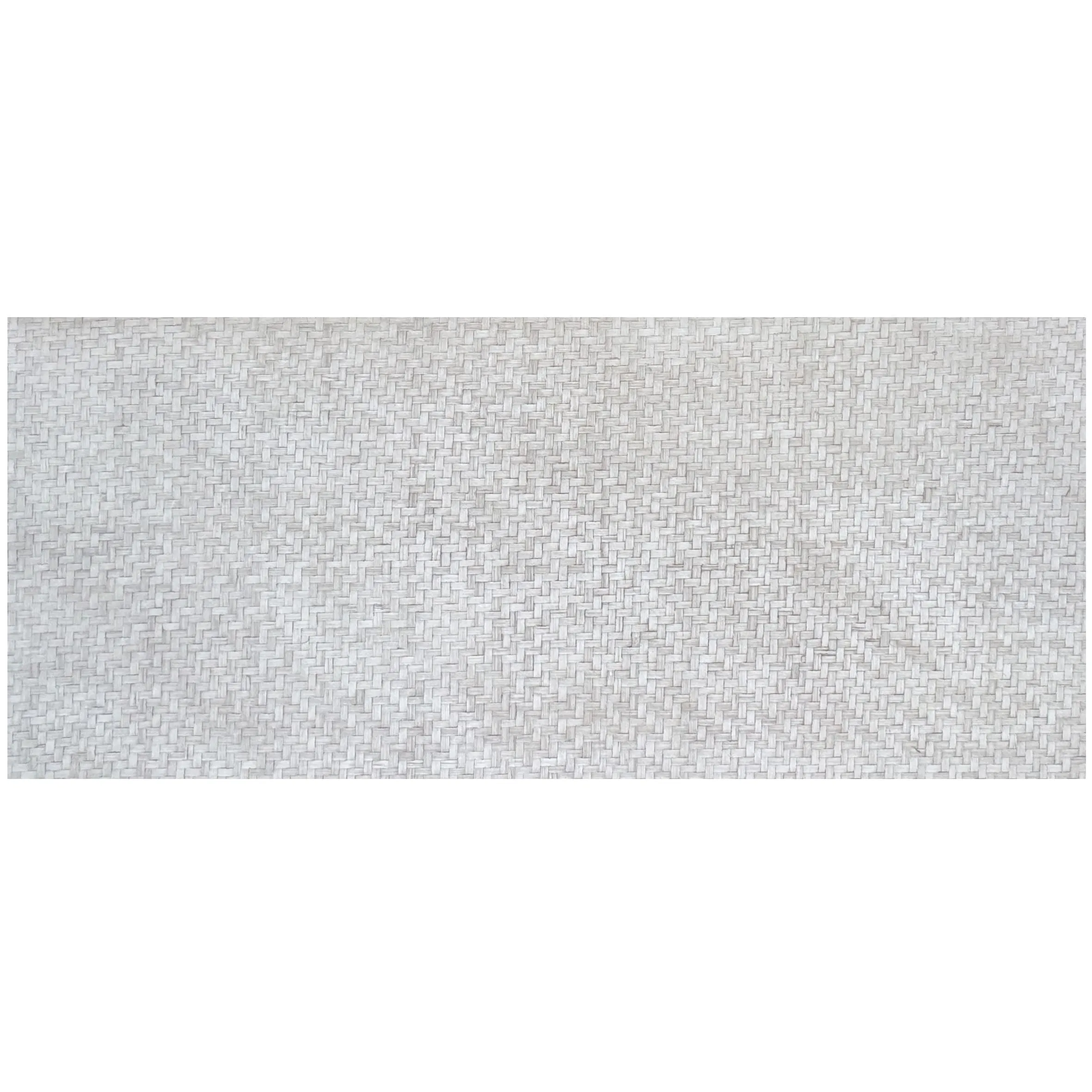
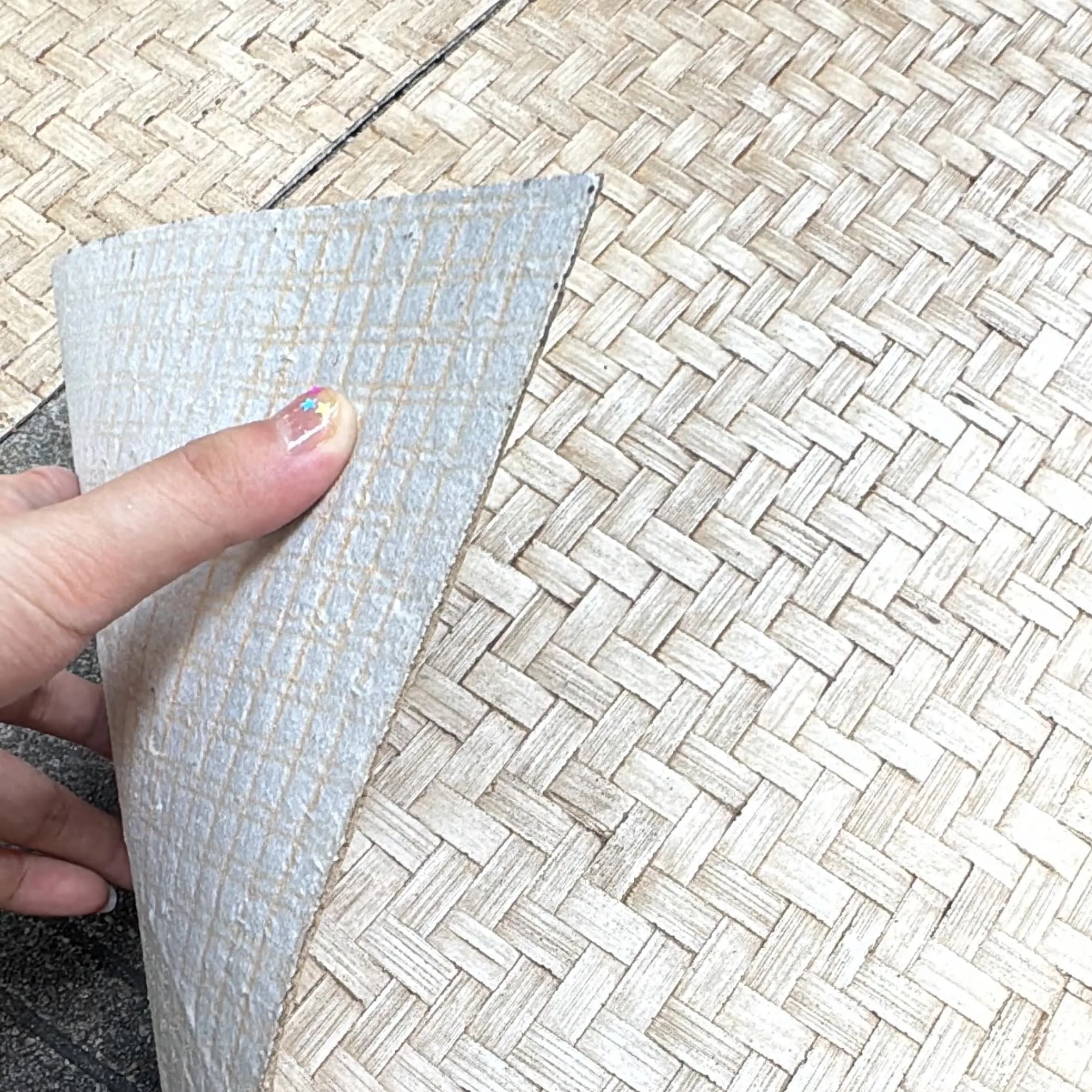
Picture this: Traditional bamboo mats are lovely, but they're fragile. They warp in humidity, fade in sunlight, and can't handle the wear and tear of high-traffic areas. 3D printed bamboo mat board takes that beloved woven texture and supercharges it. It starts with bamboo fibers—sustainably sourced, fast-growing, and naturally strong—blended with eco-friendly polymers. Then, a 3D printer lays down these materials in intricate patterns, mimicking the look of handwoven mats but with a consistency and durability that nature alone can't match. The result? A material that feels organic but acts like a modern workhorse.
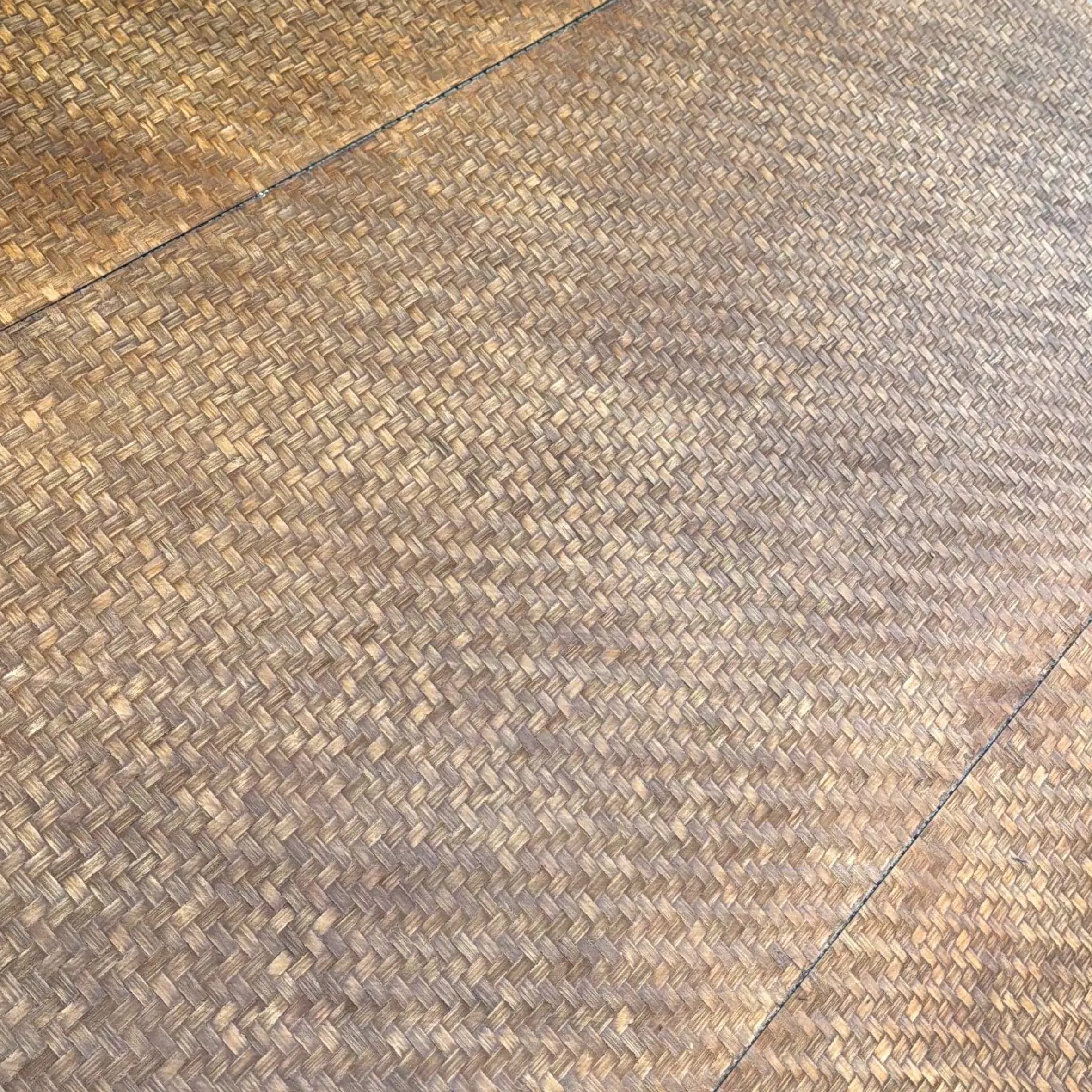
Curious how a humble bamboo stalk becomes a sleek architectural panel? Let's walk through it. It starts with sourcing: MCM partners with bamboo farms that prioritize regenerative practices—no clear-cutting, minimal water use, and zero harmful pesticides. Bamboo grows back in 3–5 years, unlike hardwoods that take decades, making it a poster child for sustainable sourcing.
Once harvested, the bamboo is processed into fine fibers. Think of it like turning wheat into flour, but for bamboo. These fibers are then mixed with a proprietary blend of polymers—think plant-based resins and recycled plastics—that bind them together without toxic chemicals. This "ink" is what feeds the 3D printers.
Now, the magic of 3D printing. Traditional manufacturing often involves cutting or molding materials, which leads to waste. 3D printing? It's additive—only the material needed is used. The printer deposits layers as thin as 0.1mm, building up the bamboo mat texture with pinpoint accuracy. Want a tighter weave here, a looser pattern there? No problem. The digital design allows for customization down to the millimeter, so architects can tweak textures to fit a project's unique vibe.
Finally, the panels are cured—exposed to controlled heat and pressure to strengthen the bond between fibers and polymers. The result? A panel that's lightweight (about 60% lighter than solid wood), flexible enough to bend around curves, and tough enough to withstand rain, UV rays, and even the occasional bump from a wayward shopping cart.
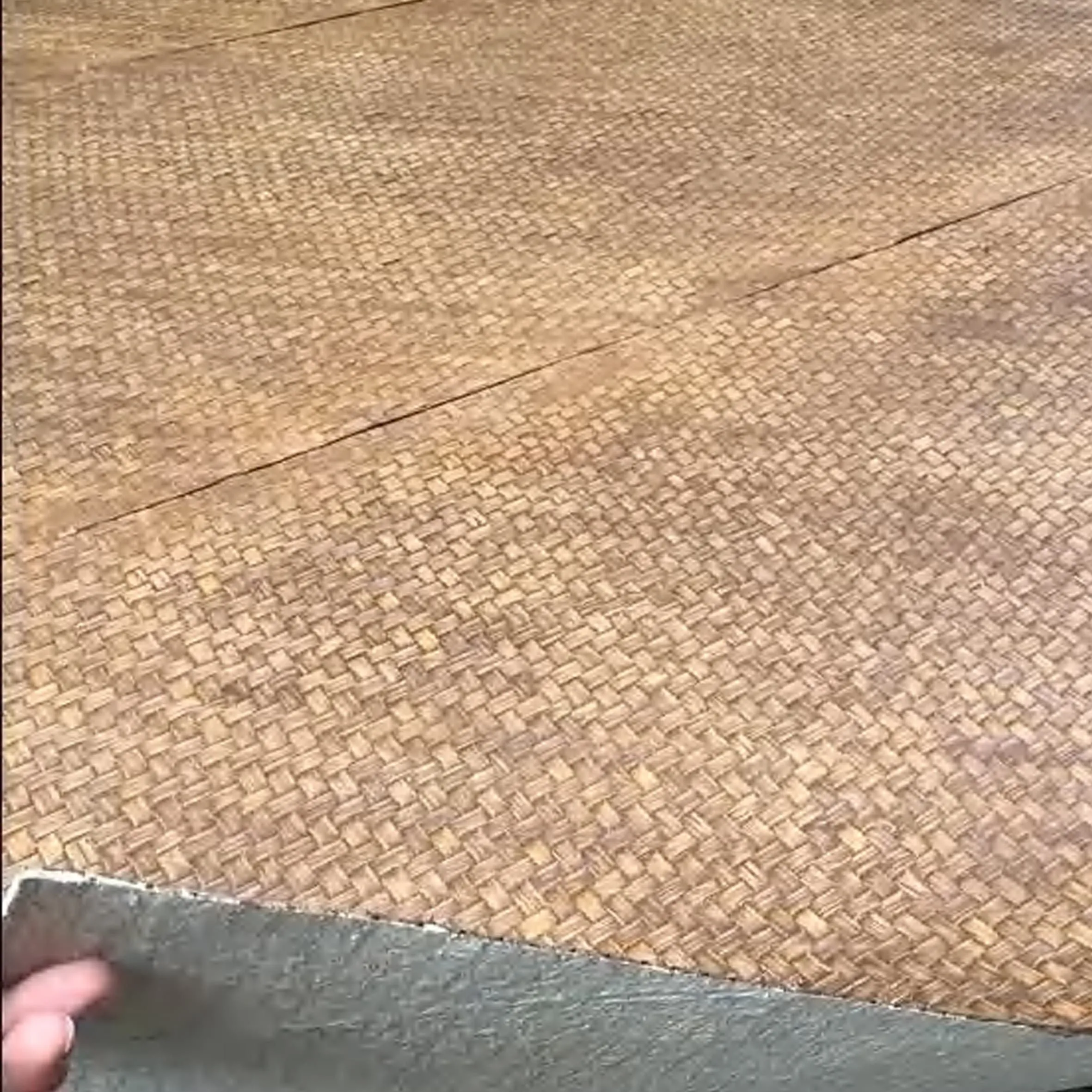
So, what makes 3D printed bamboo mat board more than just a "fancy bamboo mat"? Let's talk about the features that have architects reaching for it over traditional options like wood grain board or even flexible stone.
Sustainability That Doesn't Compromise. We've touched on the bamboo sourcing, but it's worth emphasizing: This material is a win for the planet. Bamboo absorbs 5x more CO2 and produces 35% more oxygen than equivalent trees. The 3D printing process cuts waste by up to 90% compared to milling wood or cutting stone. Even the polymers used are designed to be low-VOC (volatile organic compounds), so they don't off-gas harmful fumes into indoor spaces. For projects aiming for LEED or BREEAM certifications, that's a big checkmark.
Flexibility That Bends (Literally). Ever tried to wrap a solid wood panel around a curved wall? Spoiler: It doesn't work. Wood grain board, for all its charm, is rigid. Flexible stone, another popular MCM material, bends, but it has a more stone-like texture—think smooth or slightly rough, not woven. 3D printed bamboo mat board? It can flex up to 15 degrees without cracking, making it perfect for curved facades, rounded columns, or even custom-shaped furniture. Imagine a museum with a sweeping, organic exterior that looks like it's wrapped in giant bamboo mats—that's the flexibility we're talking about.
Aesthetic Warmth That Feels Like Home. Let's be honest: Some modern materials feel cold. Fair-faced concrete is stunning in minimalist designs, but it can read as stark. 3D printed bamboo mat board brings warmth. The woven texture invites touch; the natural bamboo tones (think soft beiges, warm taupes, and even custom dyed hues) add depth without overwhelming a space. It's why you'll see it in everything from cozy coffee shops to high-end hotels—spaces where "welcoming" is just as important as "modern."
Durability That Lasts (Really). Bamboo itself is naturally resistant to pests and rot, but the 3D printed version takes it further. The polymer binding makes it water-resistant (no warping in humid bathrooms!), fire-retardant (meets ASTM E84 Class A standards), and fade-resistant (so that warm bamboo tone stays vibrant for years, even in direct sunlight). Compare that to traditional woven mats, which might start fraying after a year or two, and it's clear: This is a material built to outlast trends.
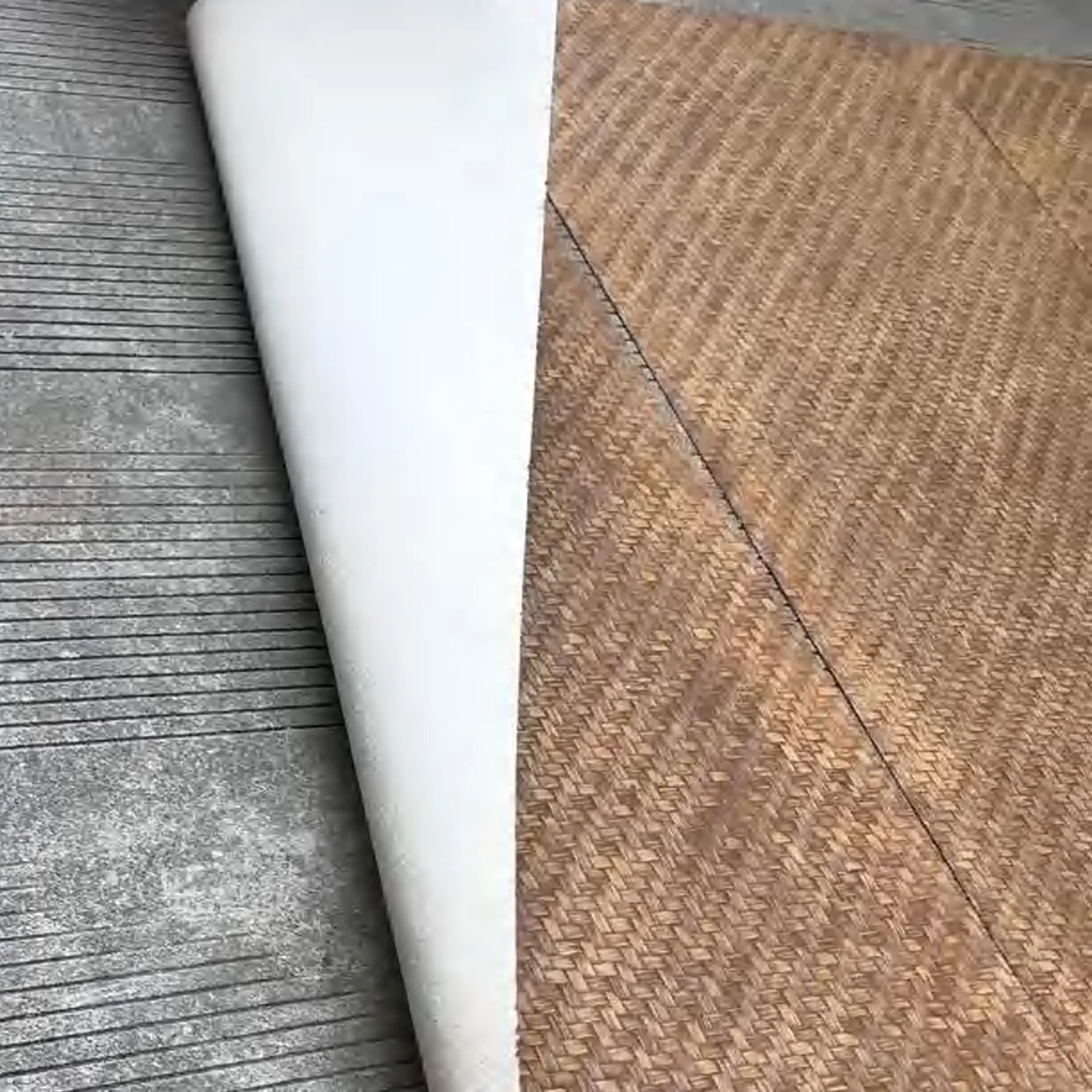
Still on the fence? Let's put it head-to-head with a few common alternatives. Below is a quick comparison to show why 3D printed bamboo mat board is carving out its own niche:
| Feature | 3D Printed Bamboo Mat Board (MCM 3D Printing Series) | Wood Grain Board | Flexible Stone | Fair-Faced Concrete |
|---|---|---|---|---|
| Sustainability | High (renewable bamboo, low-waste 3D printing) | Medium (depends on sourcing; often uses slow-growth wood) | Medium (recycled stone content, but mining impact) | Low (high carbon footprint from cement production) |
| Flexibility | High (bends up to 15° without cracking) | Low (rigid; prone to splitting if bent) | High (bends well, but less organic texture) | Very Low (brittle, no flexibility) |
| Aesthetic | Warm, woven bamboo texture; customizable patterns | Wood-look grain; limited texture options | Smooth/rough stone texture; earthy tones | Industrial, matte; uniform gray |
| Weight | Light (6–8 kg/m²) | Medium (12–15 kg/m²) | Medium (10–12 kg/m²) | Heavy (20–25 kg/m²) |
| Durability | High (water/UV/fire resistant) | Medium (prone to warping, rot, and pests) | High (scratch/impact resistant) | Very High (but prone to cracking over time) |
As the table shows, 3D printed bamboo mat board isn't trying to replace these materials—it's filling a gap. It offers the warmth of wood grain board with the flexibility of flexible stone, minus the environmental cost of fair-faced concrete. It's a "best of both worlds" solution for designers who want beauty, function, and a clear conscience.
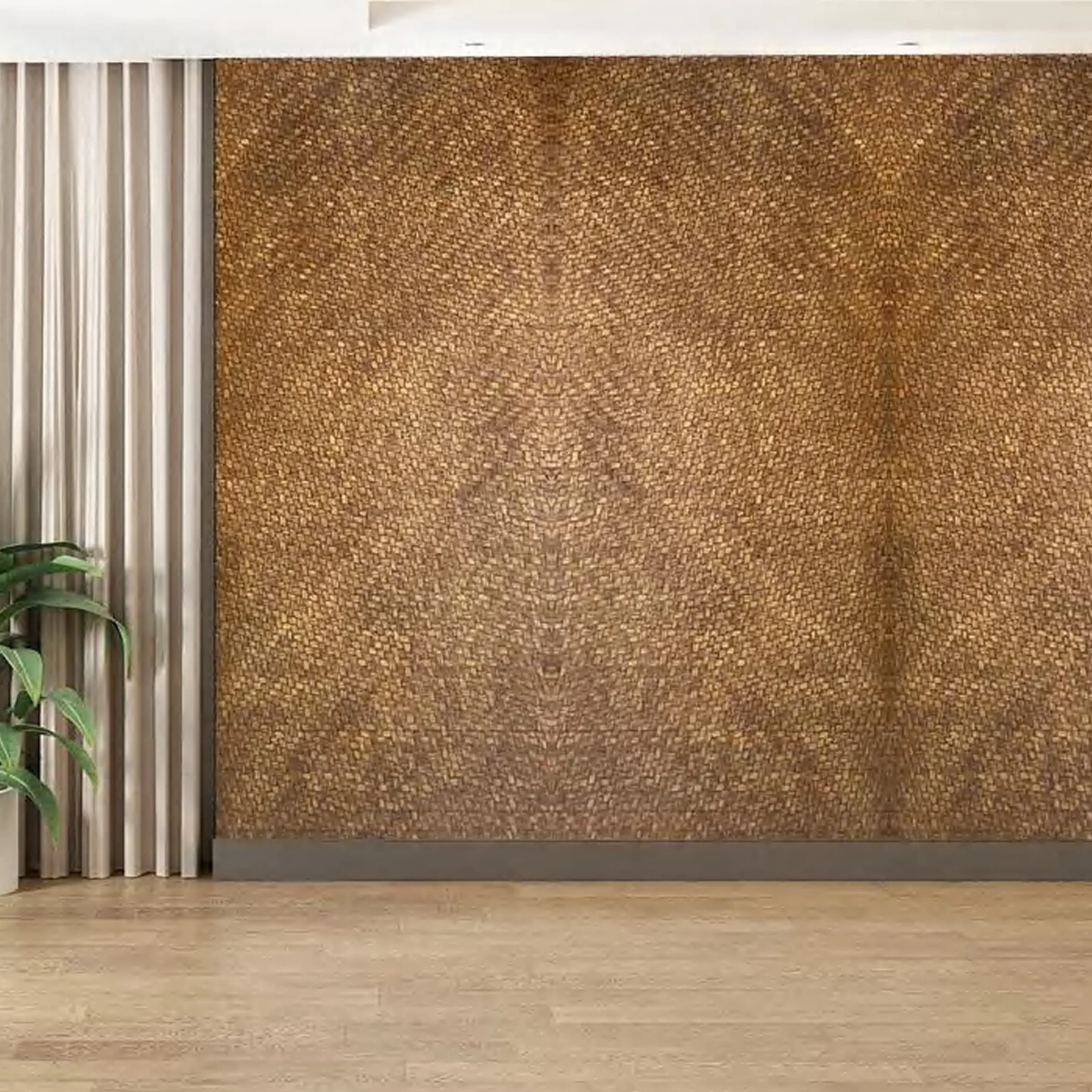
Enough talk—where is this material actually being used? Let's look at a few scenarios where 3D printed bamboo mat board has made a difference.
Residential Spaces: Bringing Nature Indoors. Imagine a home in Portland, Oregon, where the owner wanted to blur the line between indoor and outdoor living. The architect used 3D printed bamboo mat board for the living room accent wall and the outdoor patio ceiling. Indoors, the woven texture softens the modern, minimalist furniture; outdoors, it stands up to rain and wind without fading. "It feels like bringing a piece of the forest inside, but it's tough enough to handle our Pacific Northwest weather," the homeowner noted. Bonus: The lightweight panels meant no extra structural support was needed, cutting construction time by 20%.
Commercial Interiors: Warmth in Busy Spaces. A bustling café in Chicago was tired of their generic drywall walls getting scuffed and stained. They swapped out sections for 3D printed bamboo mat board panels. Now, the walls have a cozy, organic vibe that matches the café's "farm-to-table" ethos, and when a barista accidentally bumps a chair into the wall? No dent, no scratch. "We used to repaint every 6 months; now, these panels look brand-new after a year," the café owner said. It's not just durable—it's become a talking point. Customers post photos of the walls on Instagram, calling it "the coziest café in the city."
Cultural Centers: Storytelling Through Texture. A museum in Santa Fe, New Mexico, dedicated to Indigenous art wanted a facade that honored traditional weaving techniques but with a modern twist. The design team used 3D printed bamboo mat board panels, customizing the weave pattern to echo the geometric motifs of local Native American tribes. The result? A building that tells a story before visitors even step inside. "The texture isn't just decoration," the lead architect explained. "It's a nod to the weavers who've been creating art here for centuries, but made with technology that ensures the building will stand for centuries more."
Public Spaces: Durability Meets Accessibility. A community park in Austin, Texas, needed benches and shade structures that could handle kids climbing, rainstorms, and the hot Texas sun. 3D printed bamboo mat board was the answer. The benches have curved seats (thanks to the material's flexibility) that are comfortable for all ages, and the shade structures' woven panels filter sunlight into dappled patterns on the ground. "We wanted something that felt inviting, not institutional," the park designer said. "These panels look soft, but they're tough enough for whatever the park throws at them."
3D printed bamboo mat board is just the beginning. The MCM 3D Printing Series is already exploring new possibilities—like integrating smart technology into panels (think embedded sensors that monitor temperature or air quality) or experimenting with bold new colors (imagine bamboo mat board in soft pastels or deep jewel tones). There's even talk of "4D printing," where panels could slightly adjust their texture based on weather—tightening the weave to block wind, or loosening to let in more breeze.
But perhaps the most exciting trend is customization. As 3D printing technology becomes more accessible, architects will be able to design one-of-a-kind textures for every project. Want a panel that mimics the pattern of a local river's currents? Or the texture of a historic quilt? With 3D printed bamboo mat board, it's possible. This level of personalization means buildings will feel more connected to their communities, their environments, and the people who use them.
And let's not forget sustainability. As the world grapples with climate change, materials that reduce carbon footprints will move from "nice-to-have" to "must-have." 3D printed bamboo mat board checks that box, but MCM is already working on making it even greener—testing plant-based polymers that biodegrade at the end of their lifecycle, or using bamboo waste (like leaves and stems) that would otherwise be discarded.
At the end of the day, 3D printed bamboo mat board isn't just another building material. It's a symbol of how architecture is evolving—prioritizing materials that are kind to the planet, flexible in design, and deeply human in feel. It's about creating spaces that don't just function, but resonate. That make us feel connected to nature, to history, and to each other.
So the next time you walk past a building with a texture that makes you pause—a wall that looks woven, warm, and somehow alive—take a closer look. It might just be 3D printed bamboo mat board, quietly redefining what's possible in architecture. And as the MCM 3D Printing Series grows, we can't wait to see where it takes us next.
Recommend Products












