
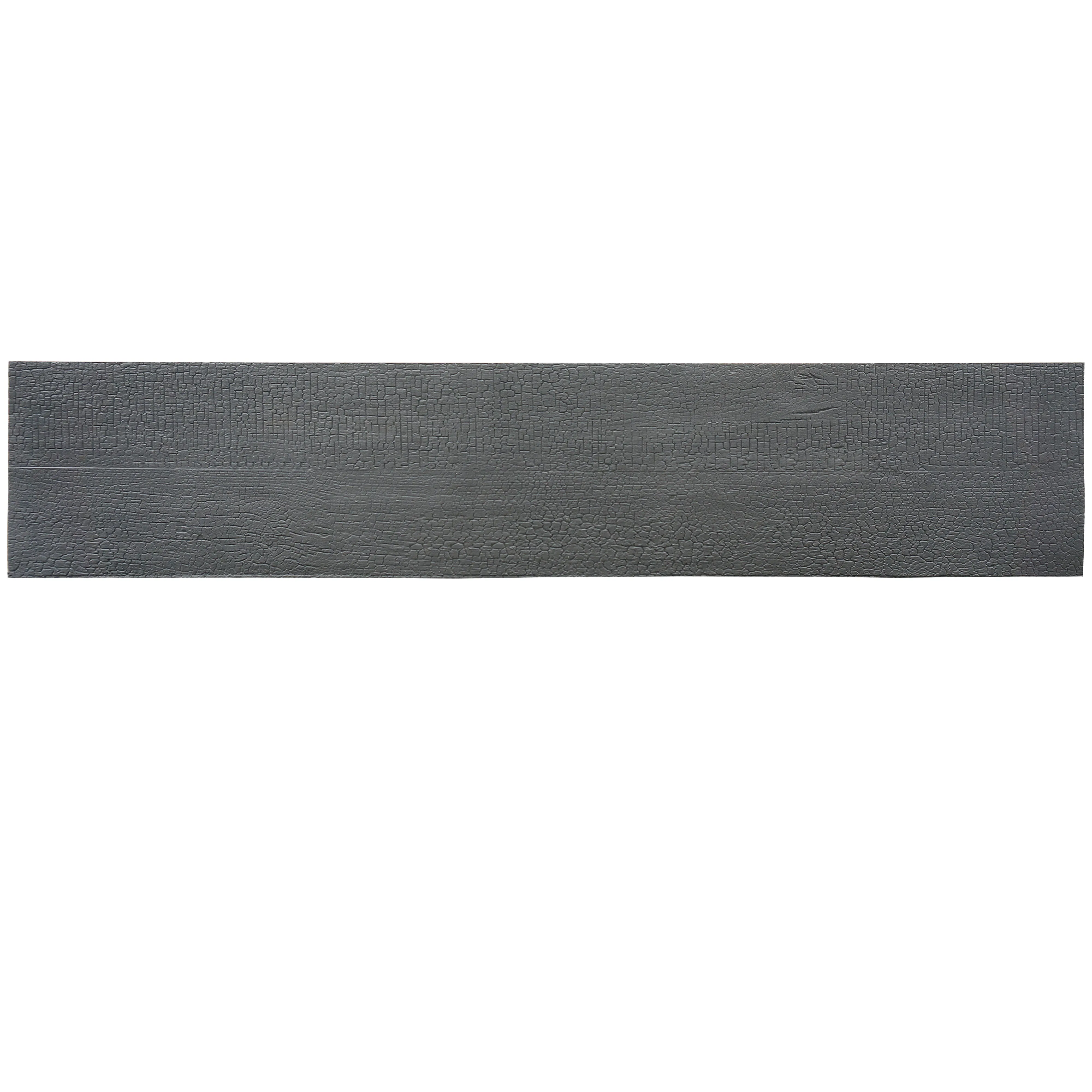
Walk into any modern architectural space these days, and you'll notice a quiet revolution unfolding. Gone are the days when construction materials were limited to cold concrete, generic bricks, or cookie-cutter wood panels. Today's designers and builders are craving something more—materials that tell a story, blend sustainability with aesthetics, and push the boundaries of what's possible. Enter the 3D printed charcoal burnt wood board —a material that feels like a warm hug from nature, crafted with the precision of cutting-edge technology. It's not just a building material; it's a bridge between tradition and innovation, and it's quietly reshaping how we think about construction.
First, let's break down the basics. Charcoal burnt wood—also known as shou sugi ban, a traditional Japanese technique—has been around for centuries. Craftsmen would burn the surface of wood planks to create a layer of charcoal, which acts as a natural barrier against rot, pests, and fire. The result? A stunning, textured surface with deep, earthy tones—think rich blacks, warm browns, and hints of amber that catch the light like no other material. But for years, this technique was limited by one big problem: traditional woodworking methods. Cutting, shaping, and treating large planks of wood was labor-intensive, wasteful, and often resulted in uniform, one-size-fits-all designs. That's where 3D printing steps in.
3D printing, or additive manufacturing, has already transformed industries from healthcare to aerospace. In construction, it's been used to print entire houses, concrete structures, and even furniture. But when you combine it with the rustic charm of charcoal burnt wood, something magical happens. Instead of carving or cutting wood, 3D printers build the material layer by layer, using a blend of recycled wood fibers, bioplastics, and charcoal-infused resins. The result is a board that's not just a copy of burnt wood—it's a reimagining of it. It has the depth, texture, and warmth of traditional shou sugi ban, but with the flexibility to take any shape, size, or pattern you can dream up.
Let's talk about the process, because that's where the innovation really shines. Traditional charcoal burnt wood starts with large logs, which are cut into planks, sanded, burnt, and sealed. It's a beautiful process, but it's also inefficient. Up to 30% of the wood is wasted in cutting and shaping, and if you want a custom design—say, a curved wall or a panel with intricate patterns—you're looking at hours of manual labor and even more waste. 3D printing flips that script entirely.
Here's how it works: First, the "ink" for the 3D printer is created. This isn't your typical plastic filament. Instead, manufacturers mix recycled wood fibers (from sawdust, offcuts, or even old furniture) with a biodegradable resin and a dash of charcoal powder. The charcoal isn't just for show—it adds that signature burnt texture and boosts the material's fire resistance. This mixture is then fed into a large-format 3D printer, which deposits layer upon layer of the material onto a build platform. The printer follows a digital design file, which can be as simple as a flat panel or as complex as a wave-like facade with embedded patterns.
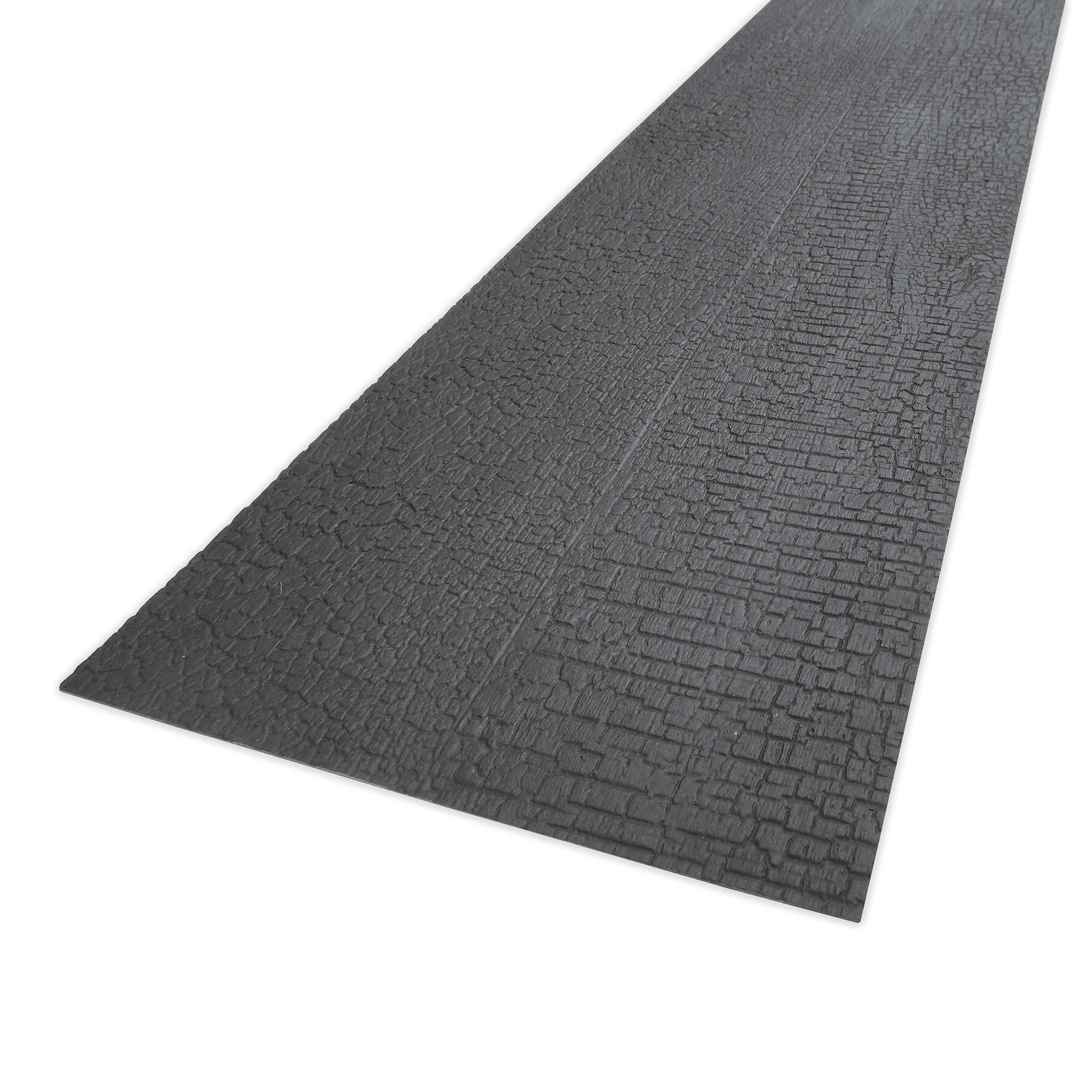
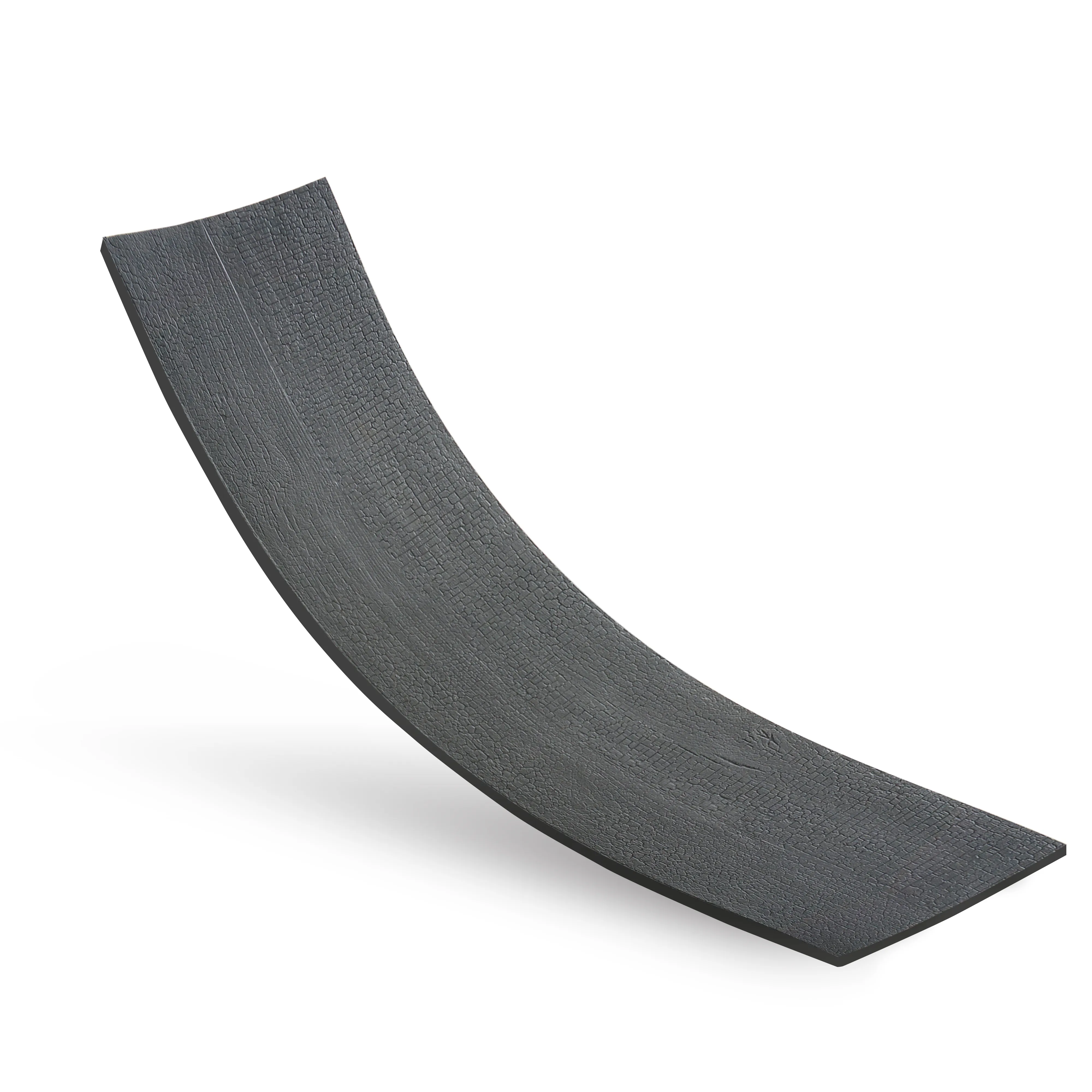
The beauty of this process? There's almost no waste. The printer only uses the exact amount of material needed for the design, and any excess can be recycled back into the "ink." Plus, because it's built layer by layer, there are no limits to shape. Want a board that curves like a river? Done. Need a panel with a honeycomb structure for extra strength? No problem. Even intricate details—like the look of hand-carved wood grain or the texture of tree bark—can be programmed into the design. It's like having a master craftsman and a high-tech robot working together, but without the limitations of human error or physical strain.
At this point, you might be thinking, "Okay, it sounds cool, but why should I care? I've seen wood grain board at the hardware store, and it looks pretty similar." Here's the thing: wood grain board is often just a printed image on top of MDF or particleboard. It looks like wood from a distance, but up close, it feels flat, artificial, and… well, fake. 3D printed charcoal burnt wood board is different. It has real depth. Run your hand over it, and you'll feel the ridges of the burnt surface, the slight unevenness of the layers, the way the light shifts as you move—just like real wood, but better. And that's just the aesthetics. Let's dive into the practical benefits that have architects and builders buzzing.
Anyone who's ever tried to hang a solid wood panel knows the struggle: they're heavy. Like, "need-two-people-and-a-dolly" heavy. That weight isn't just a hassle during installation—it also adds stress to the building's structure. Engineers have to account for that extra load, which can limit design choices or increase construction costs. 3D printed charcoal burnt wood board, on the other hand, is surprisingly lightweight. Because it's built with a lattice-like internal structure (thanks to 3D printing), it's up to 40% lighter than solid wood panels of the same size. That means easier installation (one person can handle most panels), less strain on walls and foundations, and more flexibility in where you can use it—think high-rise facades, ceiling panels, or even furniture that won't crush your floors.
In an era where "green building" is more than just a buzzword, sustainability matters. Traditional wood products often come with a heavy environmental cost: deforestation, transportation emissions, and waste from cutting. Fair-faced concrete , another popular material, is durable but relies on cement—a industry responsible for about 8% of global CO2 emissions. 3D printed charcoal burnt wood board, though? It's a sustainability standout. By using recycled wood fibers, it keeps waste out of landfills. The 3D printing process itself uses less energy than traditional manufacturing, and because there's minimal waste, it reduces the need for raw materials. Plus, the charcoal treatment means the boards last longer—up to 50 years, compared to 20-30 for untreated wood—so you're not replacing them every decade. It's a material that doesn't just talk the talk on sustainability; it walks the walk.
Here's where 3D printing really flexes its muscles: design freedom. Traditional wood panels are limited by the size of the logs they come from. If you want a 20-foot-tall curved panel, you'd need to glue multiple planks together, which looks clunky and weakens the structure. With 3D printing, you can print a single panel that's as tall, wide, or curved as you need. Want a wall with a wave-like pattern that mimics ocean swells? Program it into the design file. Dream of a facade that looks like a forest of trees, with each "trunk" branching off into leaves? The printer can do that. Even small details—like embedded LED channels for lighting, or grooves that collect rainwater for irrigation—can be built right into the board during printing. It's like having a custom tailor for your building's exterior or interior, with no extra cost for complexity.
Let's get real: a pretty material is useless if it falls apart after a year. Fortunately, 3D printed charcoal burnt wood board is tough as nails. The charcoal layer on the surface acts as a natural shield against moisture, so it won't warp or rot in humid climates. It's also resistant to pests—termites and wood-boring beetles hate charcoal, so they'll steer clear. And because the base is made with a blend of resins and recycled fibers, it's fire-resistant (charcoal doesn't burn easily, after all). In tests, it's held up to extreme temperatures, heavy rain, and even salt spray (good news for coastal buildings). Compare that to traditional wood grain board , which often swells in moisture or fades in sunlight, and it's clear this material is built to last.
Curious how this new kid on the block compares to tried-and-true materials? Let's put it head-to-head with a few common options:
| Material | Weight (per sq. ft) | Sustainability | Design Flexibility | Durability |
|---|---|---|---|---|
| 3D Printed Charcoal Burnt Wood Board | 2.5 lbs | High (recycled materials, low waste) | Unlimited (custom shapes, patterns) | 50+ years (moisture, pest, fire resistant) |
| Wood Grain Board | 3.2 lbs | Low (often uses MDF/particleboard, non-recyclable) | Limited (flat panels, printed designs only) | 10-15 years (prone to warping, fading) |
| Fair-Faced Concrete | 15 lbs | Low (high CO2 from cement production) | Limited (mostly flat or simple curves) | 100+ years (strong but heavy, prone to cracking) |
| Flexible Stone | 4.0 lbs | Medium (natural stone but energy-heavy extraction) | High (can bend, lightweight) | 30-40 years (resistant to weather, less warm aesthetic) |
As you can see, 3D printed charcoal burnt wood board holds its own—and then some. It's lighter than wood grain board, more sustainable than fair-faced concrete, and warmer than flexible stone. It's the kind of material that makes you wonder why we ever settled for less.
The short answer? Almost anywhere. This material is so versatile, it's popping up in projects big and small, from residential homes to commercial skyscrapers. Let's take a look at some of the most exciting applications:
Imagine pulling up to a house with a facade made of 3D printed charcoal burnt wood boards. The panels curve gently around the corners, with a pattern that looks like tree bark up close and a wave from afar. The charcoal surface shimmers in the sunlight, shifting from deep black to warm brown as the day goes on. It's modern but inviting, bold but not overwhelming. Homeowners are loving it because it makes their house stand out in a neighborhood of cookie-cutter vinyl siding, and it requires almost no maintenance—just an annual rinse with a hose to keep it looking fresh.
Restaurants, boutiques, and offices are using this material to tell their brand story. A coffee shop in Portland, Oregon, for example, used 3D printed charcoal burnt wood boards for its exterior walls, pairing them with large windows and potted plants. The result? A space that feels cozy and rustic, but with a modern edge that attracts Instagram-savvy customers. A tech startup in San Francisco went even further, printing its logo directly into the facade panels—no need for signs or paint, just the company's name, embedded in the wood texture. It's branding that's built to last, literally.
Who says construction materials are only for the outside? Inside, 3D printed charcoal burnt wood boards are turning ordinary rooms into statement pieces. A living room with a feature wall made of these boards instantly feels warmer and more inviting, without the need for bulky furniture or busy decor. Bedrooms, home offices, even bathrooms—yes, bathrooms!—are using the boards as backsplashes or shower walls, thanks to their moisture resistance. One homeowner in Seattle installed a curved board behind their bathtub, and now it's the focal point of the room. "It's like having a piece of art that also happens to be a wall," they told me.
3D printing isn't just for big panels—it's also revolutionizing furniture design. Imagine a dining table with a top made of 3D printed charcoal burnt wood, its surface rippling like a pond. Or a bookshelf that curves and twists, with each shelf blending seamlessly into the next. These pieces aren't just furniture; they're functional art. And because they're printed to order, you can get a table that fits your exact space, or a chair that's ergonomically designed for your body. It's customization without the premium price tag.
So, is 3D printed charcoal burnt wood board just a passing trend? I don't think so. Here's why: it solves real problems that builders and designers have been grappling with for decades. It's sustainable, which matters as more countries crack down on carbon emissions and green building codes become stricter. It's flexible, which is key in an era where every project wants to be "unique." And it's affordable—while 3D printing was once a luxury, advances in technology have brought costs down to match or even beat traditional materials for custom projects.
Looking ahead, we can expect even more innovation. Some manufacturers are experimenting with adding recycled plastic to the wood fiber mix, making the material even more eco-friendly. Others are integrating sensors into the boards, turning walls into "smart" surfaces that monitor temperature, humidity, or even air quality. There's also talk of using the material in disaster relief—since it's lightweight and quick to print, it could be used to build temporary shelters in areas hit by earthquakes or floods.
At the end of the day, construction is about more than just putting up walls. It's about creating spaces that make us feel something—safe, inspired, connected to the world around us. 3D printed charcoal burnt wood board does exactly that. It's a material with heart. It has the warmth of wood, the resilience of modern technology, and the sustainability of a better future. It's proof that innovation doesn't have to mean losing touch with nature; in fact, the best innovations often bring us closer to it.
So the next time you walk past a building with a striking, textured facade, take a closer look. Maybe, just maybe, it's 3D printed charcoal burnt wood. And if it is, take a moment to appreciate it—not just for how it looks, but for what it represents: a future where construction is as much about art as it is about engineering, and where every wall, every panel, every surface has a story to tell.
Recommend Products












