
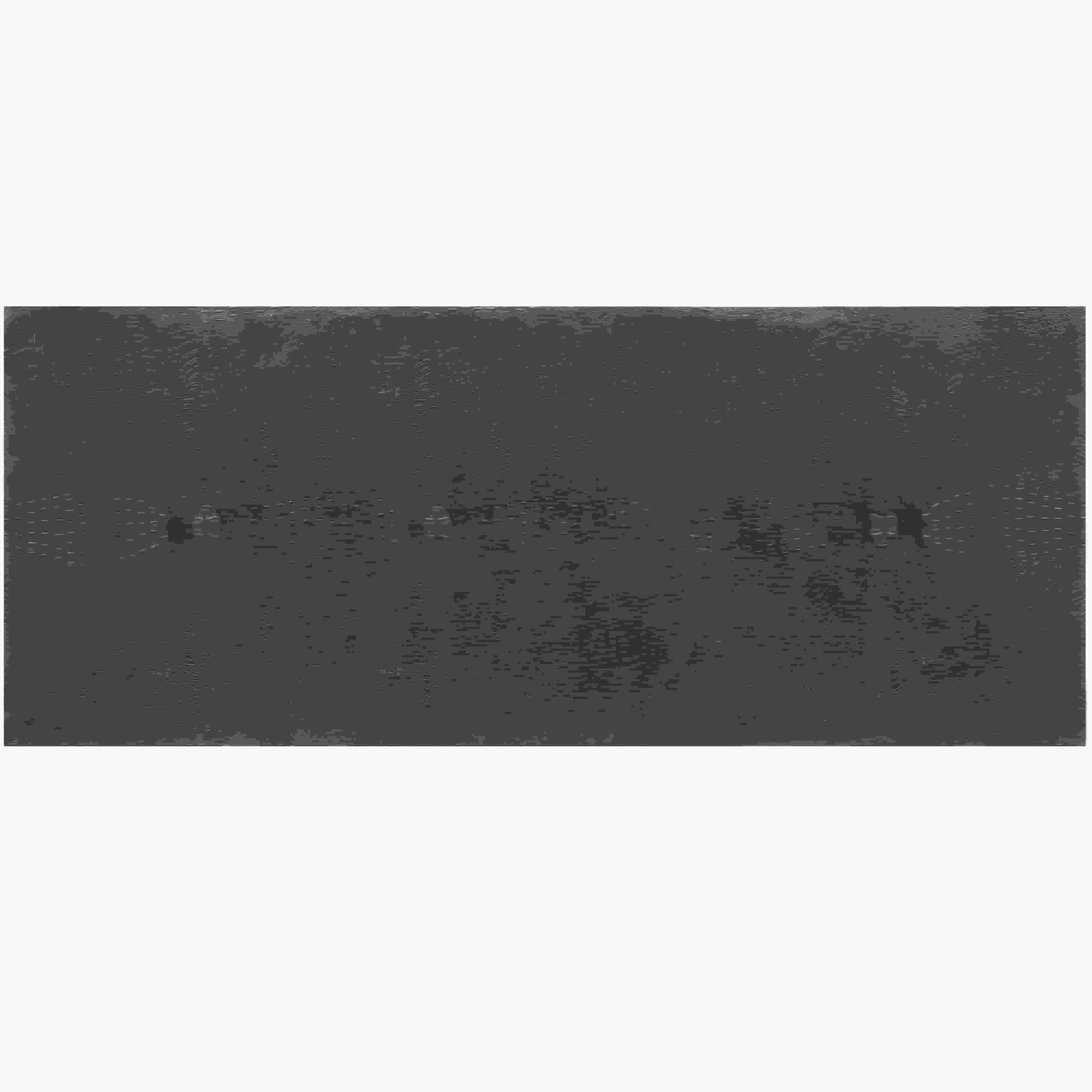
Remember the last time you walked past a building and thought, "Wow, that facade feels alive"? Chances are, it wasn't just the architecture—it was the materials. For decades, construction has been stuck in a loop: heavy stones, rigid panels, and timelines that stretch longer than a Monday morning. But what if we told you there's a material that bends like a leaf, prints like a masterpiece, and goes up faster than a weekend DIY project? Enter 3D Printed Croco MCM—a game-changer born from the MCM 3D Printing Series, designed to turn "impossible" design dreams into brick-and-mortar reality.
It started with a simple frustration: architects and builders kept hitting walls (literally) with traditional cladding. "We wanted curves that flowed like water, textures that told stories, and installations that didn't require a small army," recalls Maria Lopez, lead designer at a boutique architecture firm in Barcelona. "Then we heard about MCM's 3D printing experiments. Suddenly, the rules didn't apply anymore."
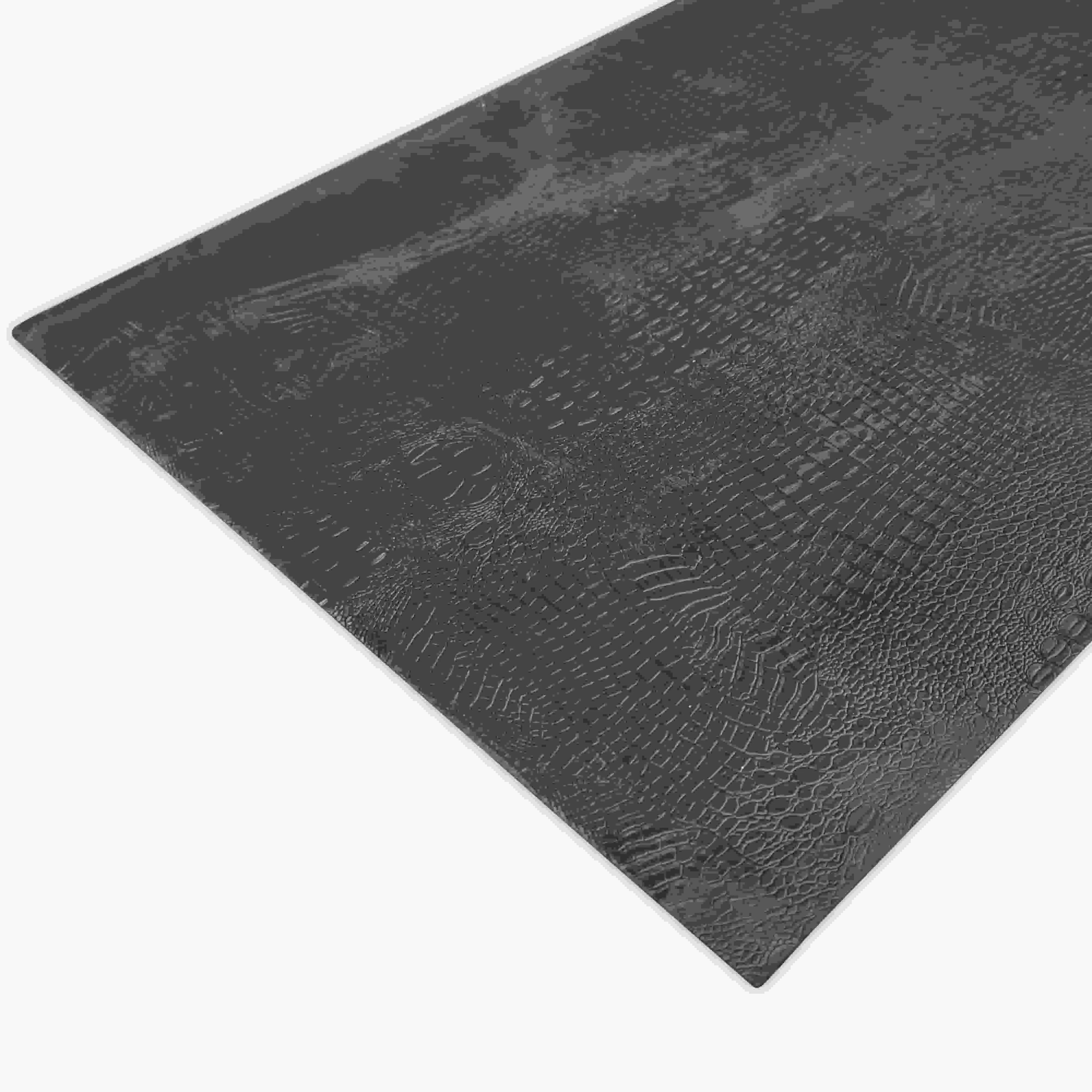
The story of 3D Printed Croco MCM begins in a cluttered studio in Milan, where a team of material scientists and designers gathered around a whiteboard covered in doodles. "We were tired of 'heavy' being the only option," says Luca Moretti, MCM's lead engineer. "We asked: What if a facade panel could be lightweight enough to carry with one hand, yet tough enough to withstand a storm? And what if it could look like anything—starry skies, weathered wood, even rusted metal—without the environmental cost?"
That question led them to the MCM 3D Printing Series, a technology that uses additive manufacturing to layer modified composite materials with pinpoint precision. Unlike traditional 3D printers that squirt plastic, MCM's machines work with a proprietary blend that fuses flexible stone, resins, and recycled fibers—resulting in panels that are 70% lighter than natural stone but just as durable. "It's like baking a cake, but instead of flour and sugar, we're mixing science and art," jokes Moretti.
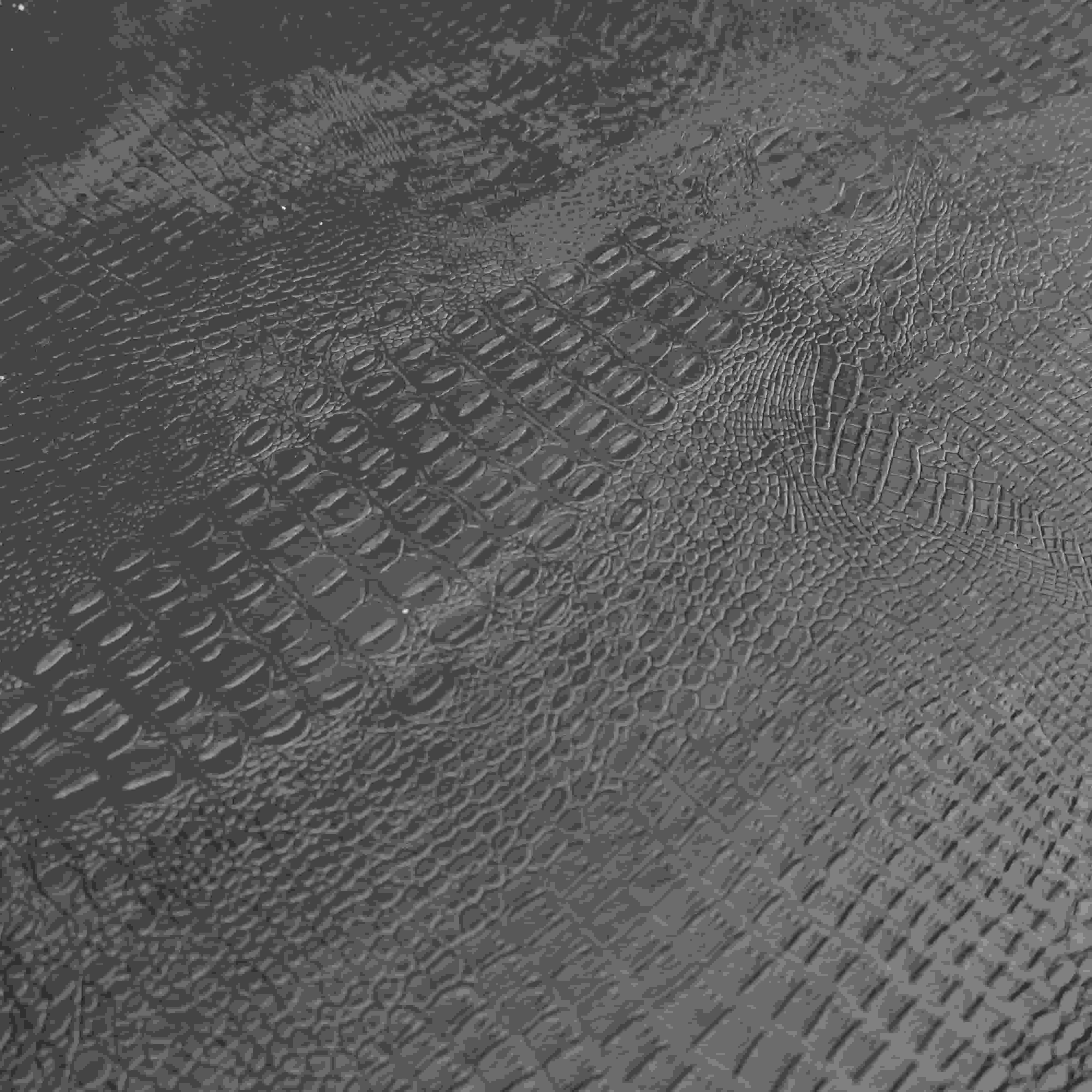
At the heart of 3D Printed Croco MCM is a love letter to materials. This isn't just about "printing"—it's about blending the best of nature and technology to create something entirely new. Let's break down the stars of the show:
Imagine a stone that bends. Not cracks, not shatters—bends. That's flexible stone, the unsung hero of Croco MCM. Made from crushed natural stone particles bound by a high-strength polymer, it's lightweight (think: carrying a laptop vs. a boulder) but tough enough to resist scratches, UV rays, and even the occasional hailstorm. "We tested it by dropping a bowling ball on a panel from 10 feet," laughs Moretti. "It bounced. The panel? Unscathed."
Gone are the days of (pīnjiē—splicing) tiny tiles like a puzzle. The Big Slab Board Series lets you print panels up to 3 meters wide in one go. That means fewer seams, faster installation, and a smoother, more cohesive look. "On a recent hotel project in Dubai, we covered 5,000 square meters in just 10 days," says Lopez. "With traditional stone, that would've taken 3 months. The crew kept asking, 'Is this allowed?'"
Design isn't just about texture—it's about emotion. The travertine (starry green) finish is a fan favorite, with flecks of iridescent glass that catch the light like constellations. "A client in Tokyo wanted their café to feel like sitting under a forest canopy at dusk," says Lopez. "We printed the entire facade in starry green, and now customers post photos of it at sunset like it's a tourist attraction. That's the power of a material that tells a story."
For those who crave the industrial-chic vibe, fair-faced concrete is a revelation. Unlike traditional concrete (which cracks, stains, and needs constant sealing), 3D printed fair-faced concrete has a smooth, uniform finish with zero air bubbles. "We used it on a tech startup's office in Berlin," notes Moretti. "They wanted that 'unfinished' look without the hassle. Now, their walls are Instagram-famous—no filter needed."
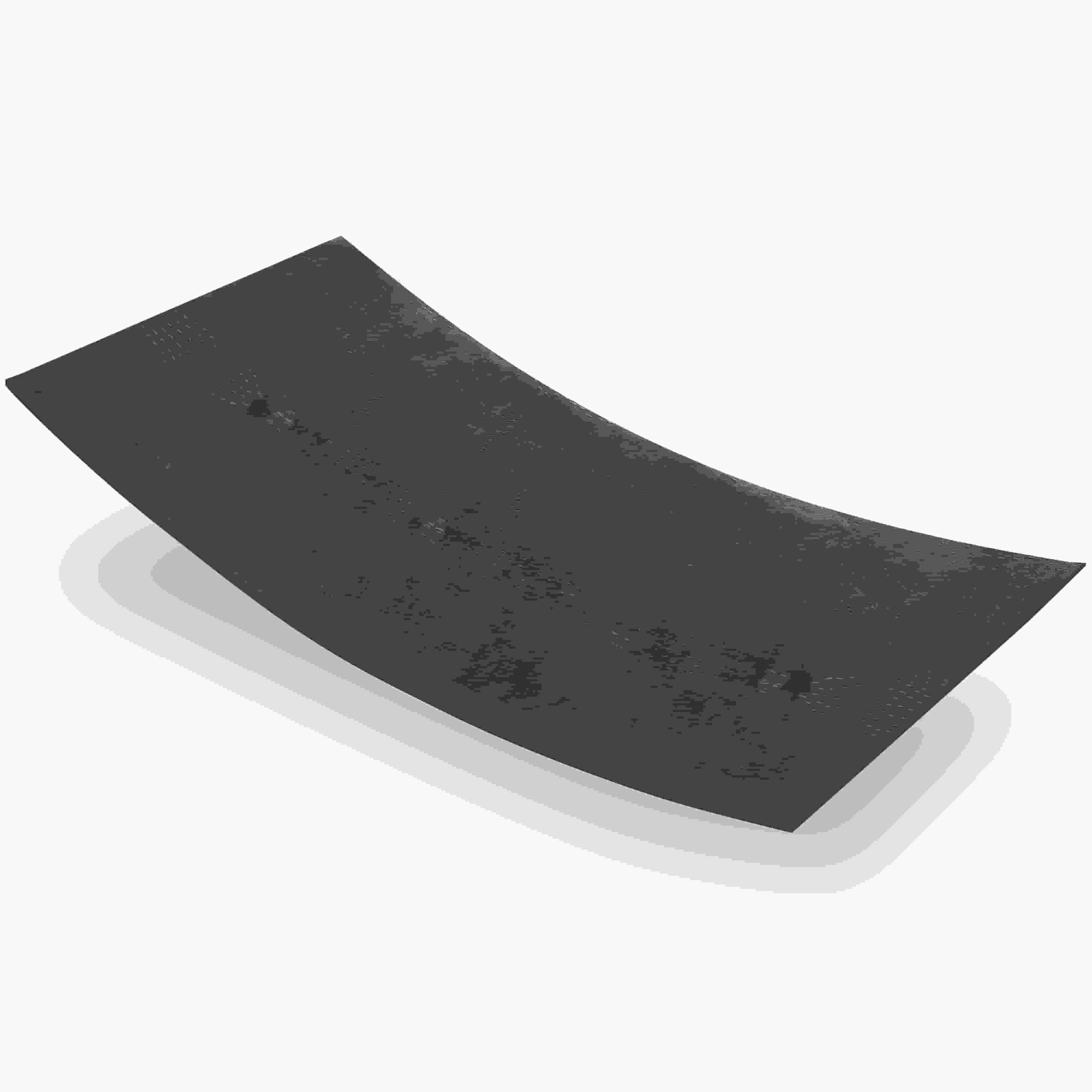
Great ideas don't become great products without a few bumps in the road. The team behind Croco MCM spent two years testing, tweaking, and sometimes failing—all to make sure this material wasn't just cool, but reliable. "We put it through hell," says Moretti. "Freeze-thaw cycles? Check. Salt spray tests? Check. Even a simulated earthquake (we shook a full-scale wall at 7.0 magnitude). It held."
One of the biggest breakthroughs? Sustainability. Traditional cladding often involves mining, shipping heavy materials, and generating tons of waste. Croco MCM, on the other hand, uses 60% recycled content, and since it's printed on-site (or nearby), transportation emissions drop by 80%. "A school in Portland switched to Croco MCM for their new wing and cut their carbon footprint by half," says Lopez. "That's the kind of win that makes the late nights worth it."
Let's talk about the Hotel Azure in (Sanya), a beachfront property that needed a facade upgrade—fast. Their deadline? 6 weeks. With traditional stone, that was impossible. Enter Croco MCM.
"We printed the panels in a warehouse 10 miles from the site," says Lopez. "Each panel was custom-designed with a wave pattern (hello, coastal vibe!) using the Big Slab Board Series to avoid seams. The installers? They just clicked the panels into place like giant LEGO bricks. By week 5, the facade was done. The hotel opened on time, and guests now rave about the 'shimmering waves' on the walls. That's the magic of 3D printing—speed without sacrificing soul."
3D Printed Croco MCM isn't just about building faster. It's about giving designers permission to dream bigger. Want a facade that looks like a forest floor? Print it. Need a curved wall that traditional materials can't handle? Print it. Care about the planet? It's got you covered.
| Traditional Cladding | 3D Printed Croco MCM |
|---|---|
| Heavy (hard to install, high shipping costs) | Lightweight (50% lighter than stone, easy to handle) |
| Rigid (no curves or custom textures) | Flexible (bends to curves; textures like starry green, fair-faced concrete) |
| Slow (months to install large projects) | Fast (projects done in weeks, thanks to Big Slab Board Series) |
| High waste (cutting stone leads to scraps) | Low waste (60% recycled content; printed to exact size) |
Croco MCM is just the beginning. The MCM 3D Printing Series team is already experimenting with new textures (think: lunar peak silvery for a futuristic vibe) and even smarter materials that can self-clean or regulate temperature. "We want buildings to do more than look good—we want them to work for the people inside," says Moretti.
So, the next time you pass a building that makes you stop and stare, take a closer look. It might just be 3D Printed Croco MCM—proof that construction doesn't have to be slow, boring, or heavy. It can be fast, flexible, and full of heart.
Because in the end, great architecture isn't just about walls—it's about stories. And with 3D Printed Croco MCM, the stories are just getting started.
Recommend Products












