
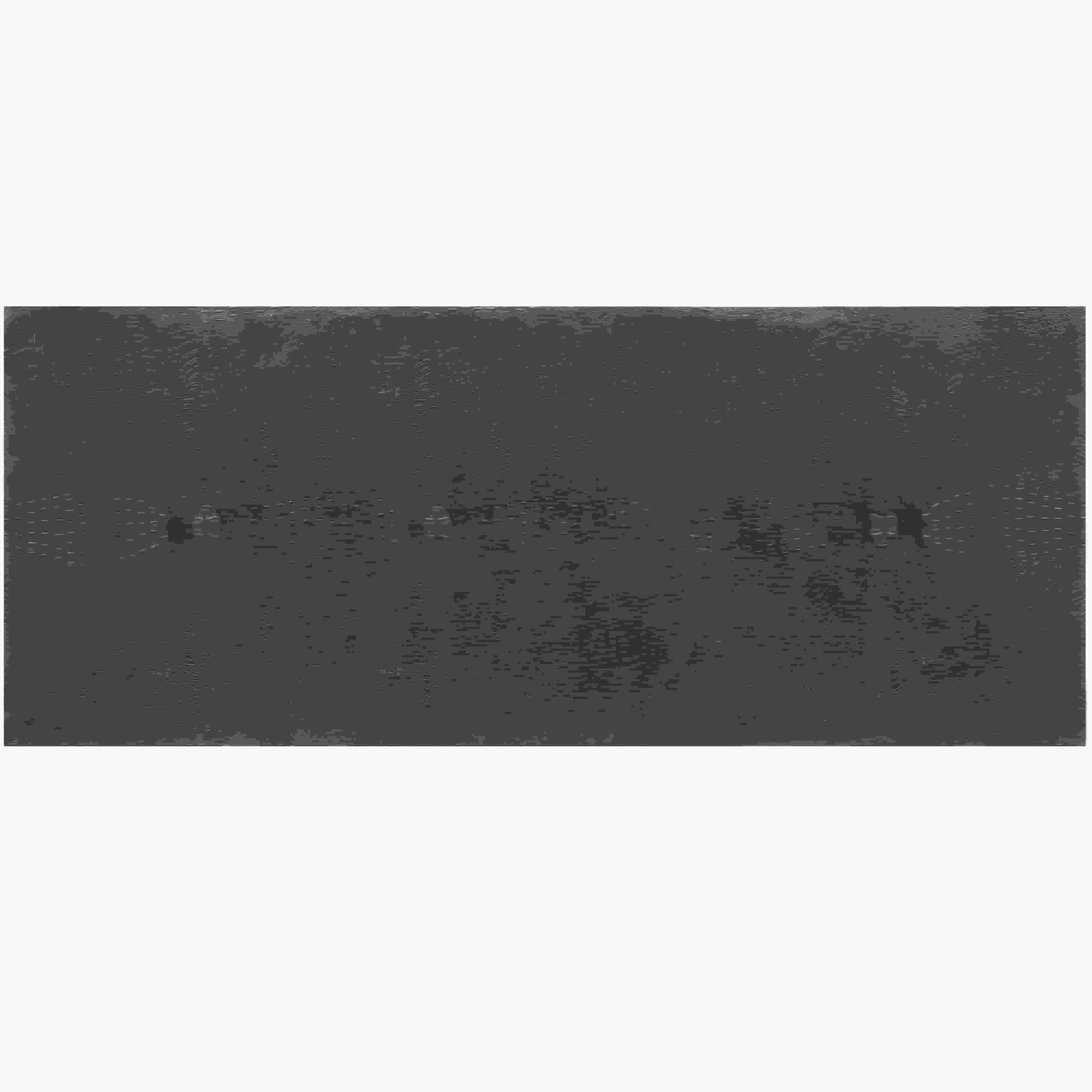
On a typical construction site, the air hums with the roar of cranes lifting heavy stone slabs, workers straining to maneuver rigid materials through tight corridors, and project managers fretting over delays caused by cracked tiles or misaligned panels. These are the unspoken realities of traditional building—inefficiencies rooted in materials that are bulky, brittle, or one-size-fits-all. But what if there was a way to flip the script? Enter 3D Printed Croco MCM , a breakthrough in the mcm 3d printing series that's redefining how we build. Blending cutting-edge 3D printing technology with the versatility of flexible stone and the grandeur of mcm big slab board series , this innovation isn't just about materials—it's about empowering workers, accelerating projects, and unlocking design possibilities that once seemed impossible.
For decades, construction has relied on materials that prioritize durability over adaptability. Think about traditional stone slabs: beautiful, yes, but often weighing 50kg or more per square meter. Moving them requires heavy machinery, and even a small miscalculation during transport can lead to cracks. Then there's the issue of customization. Carving intricate patterns into stone or concrete used to mean days of labor, limiting architects to simple, repetitive designs. And let's not forget installation—mismatched joints, uneven surfaces, and the need for specialized tools all add time and cost. It's a system built for resilience, but not for the speed and creativity of modern building.
Take fair-faced concrete , a staple in industrial design. While its raw, unpolished look is iconic, pouring it on-site demands precise formwork, and any imperfection—like a bubble or a misaligned board—ruins the finish. Workers spend hours smoothing, sealing, and repairing, all while the clock ticks. For renovation projects, especially in historic areas, the problem worsens: heavy materials risk damaging fragile structures, and rigid panels can't conform to the uneven walls of old buildings. These are the bottlenecks that inspired the creation of 3D Printed Croco MCM.
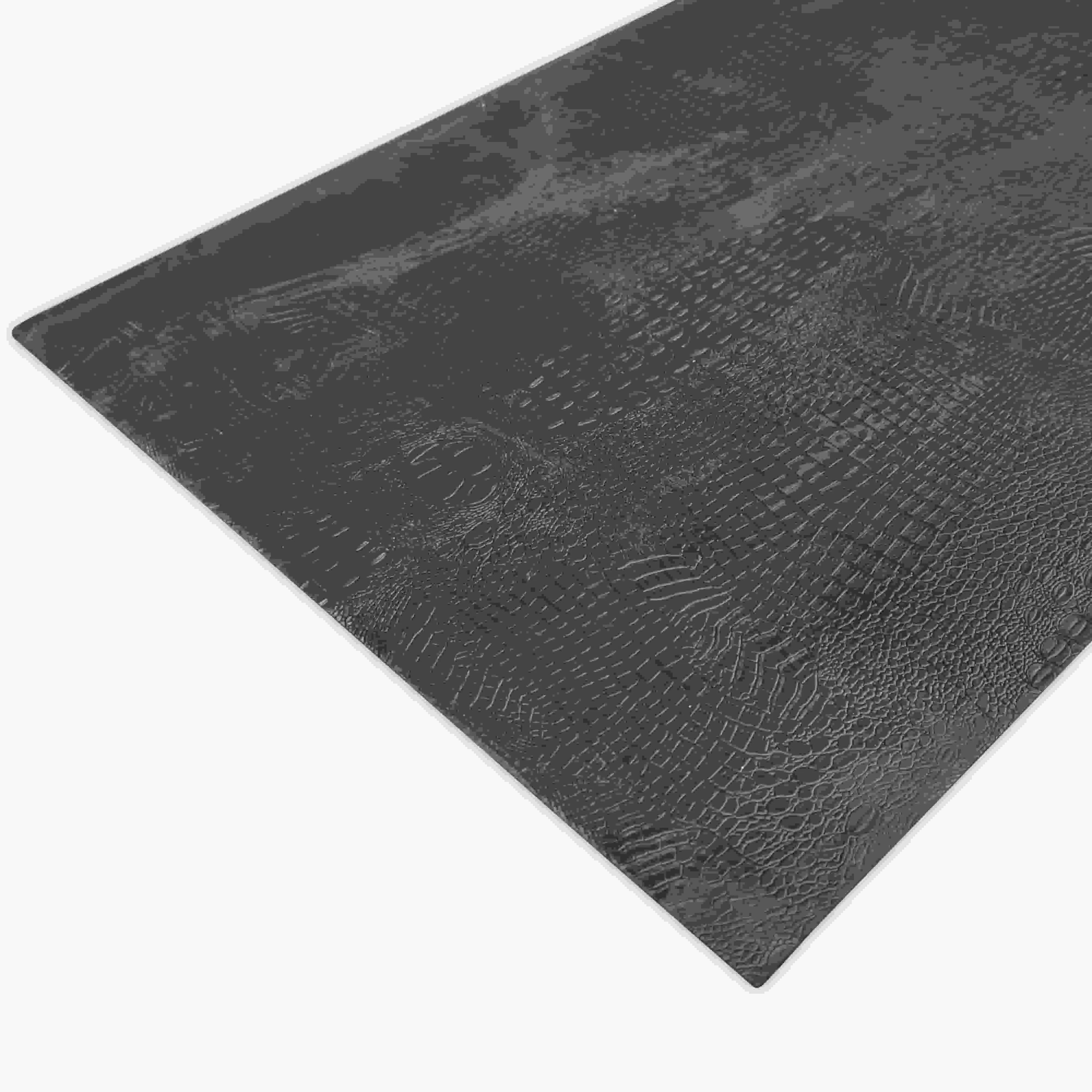
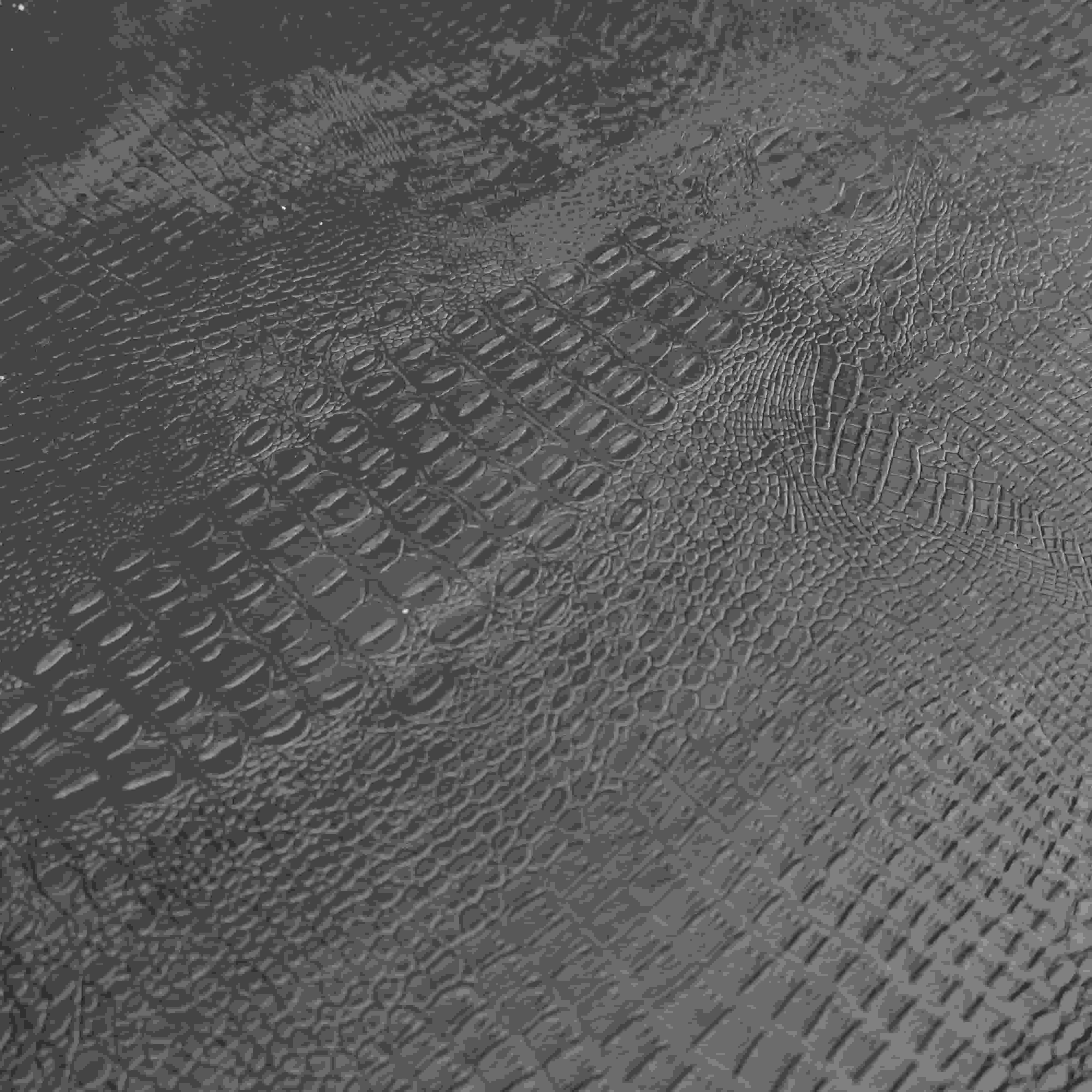
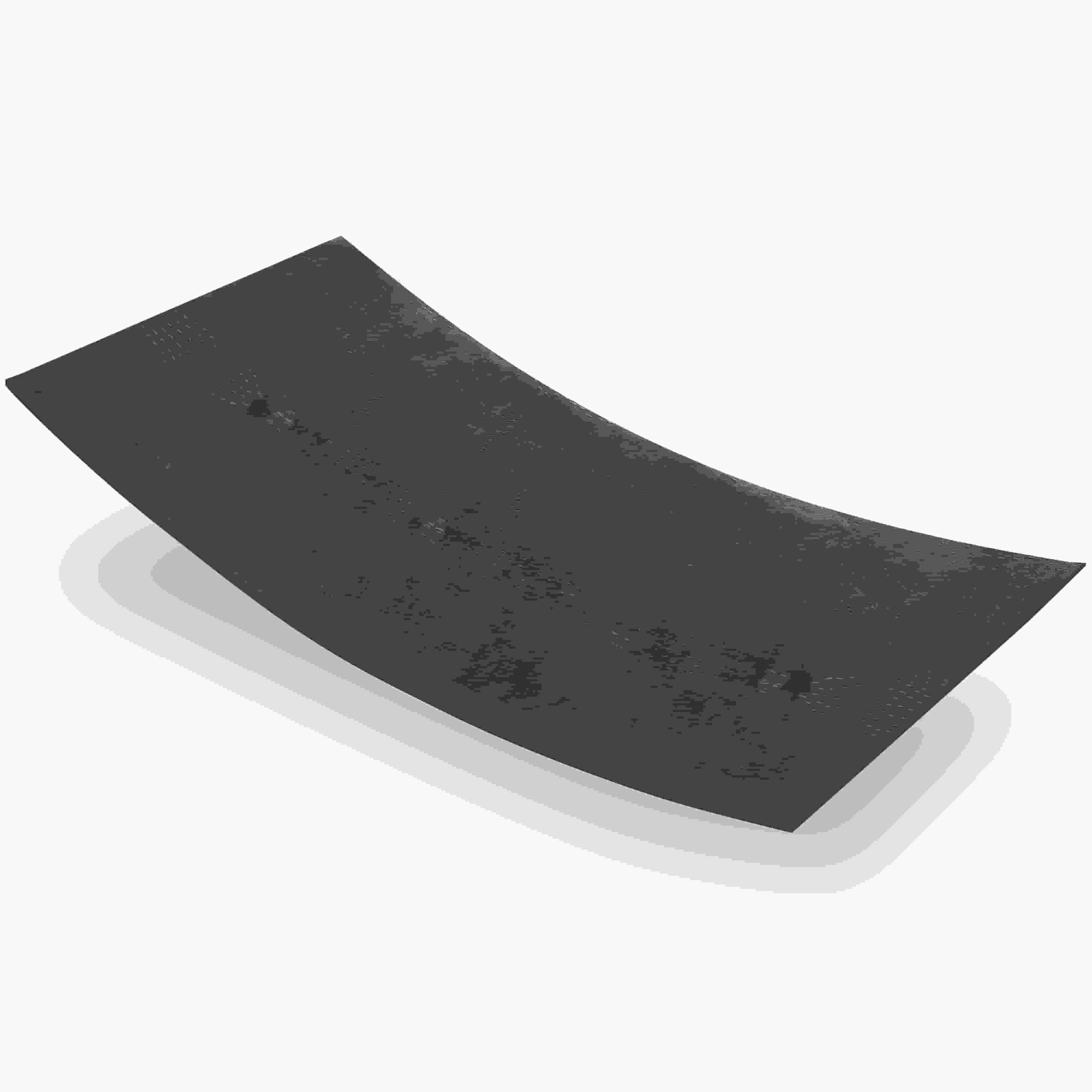
At its core, 3D Printed Croco MCM is a marriage of two game-changers: advanced 3D printing and modified composite materials. Unlike traditional 3D printing with plastics, this process uses a proprietary blend of minerals, polymers, and fibers to create panels that mimic the look and feel of natural stone—without the weight. The result? A material that's 70% lighter than natural stone, yet just as strong. But what truly sets it apart is its flexibility. Flexible stone , a key component of the mcm 3d printing series , bends without breaking, making it easy to handle, transport, and install. Imagine a worker carrying a 2m x 1m panel with one hand, or cutting it on-site with a simple saw—no more cranes, no more back strain.
The mcm big slab board series takes this a step further. These large-format panels (up to 3m in length) eliminate the need for multiple small tiles, reducing joint lines by up to 80%. For designers, this means cleaner, more seamless surfaces—whether it's a hotel lobby wall or a residential backsplash. And because they're 3D printed, each slab can be customized with unique textures, patterns, or even logos, all without extra cost. Want a wall that looks like travertine (starry blue) with a wave-like texture? Or a facade that mimics the rugged beauty of gobi panel ? With 3D printing, it's done in hours, not weeks.
Let's talk numbers. A recent case study in Barcelona illustrates the impact: a 500m² restaurant renovation using traditional travertine tiles took 12 workers 10 days to install. When the same team switched to 3D Printed Croco MCM flexible stone panels, they finished the job in 3 days with just 6 workers. How? The panels were lightweight enough to carry up stairs, flexible enough to contour to the restaurant's curved walls, and pre-printed with the exact pattern the designer wanted—no on-site carving needed. Even cutting was a breeze: a standard utility knife sufficed, compared to the diamond saw required for natural stone.
Installation is where the magic really happens. Traditional stone requires mortar, grout, and precise leveling. 3D Printed Croco MCM uses a peel-and-stick adhesive backing, similar to high-quality wallpaper, but engineered for structural strength. Workers simply clean the surface, align the panel, and press it into place. No mess, no waiting for mortar to dry, and no gaps. For projects with tight deadlines—like a retail store aiming to open before the holiday rush—this speed is transformative.
| Material | Weight (kg/m²) | Installation Time (per 100m²) | Customization | Durability |
|---|---|---|---|---|
| Natural Travertine | 45-55 | 3-4 days (8 workers) | Limited (pre-cut only) | High (but prone to chipping) |
| Fair-Faced Concrete | 25-30 | 5-6 days (10 workers) | Basic (formwork-dependent) | High (but cracks with movement) |
| 3D Printed Croco MCM (Flexible Stone) | 12-15 | 1 day (4 workers) | Unlimited (3D printed patterns) | High (flexible, impact-resistant) |
| MCM Big Slab Board Series | 18-20 | 1.5 days (5 workers) | Large-format, custom textures | High (resistant to warping) |
3D Printed Croco MCM isn't just about speed—it's about creating spaces that feel human. The mcm 3d printing series includes finishes that mimic the warmth of natural materials, from the earthy tones of lunar peak golden to the starry sparkle of travertine (starry green) . Unlike cold, industrial fair-faced concrete , these panels have texture you can feel—gentle ridges that catch the light, subtle veining that mimics real stone, even metallic accents inspired by foamed aluminium alloy board (vintage gold) . They turn walls into stories, making a café feel cozy or a corporate lobby feel welcoming.
For historic preservationists, this is a game-changer. In Rome, a team restoring a 17th-century villa used 3D Printed Croco MCM to replicate the villa's original travertine (vintage gold) facade. The panels were lightweight enough to install without damaging the villa's fragile structure, and their flexibility allowed them to match the unevenness of the old walls. The result? A restoration that honors the past while meeting modern safety standards—no small feat in a city where preserving history is as important as building for the future.
In the remote Gobi Desert, a luxury eco-resort wanted to blend into its surroundings with a facade that mirrored the desert's rugged beauty. Traditional stone was out of the question—transporting heavy materials hundreds of kilometers was cost-prohibitive, and rigid panels couldn't withstand the desert's extreme temperature swings. The solution? 3D Printed Croco MCM gobi panel and flexible stone in earthy, sand-like tones.
The panels were printed off-site, rolled up for transport (yes, rolled!), and installed by a small team using only hand tools. Their flexibility allowed them to expand and contract with the desert's 50°C temperature variations, preventing cracks. And because they were 3D printed with a texture that mimicked wind-eroded rock, the resort looks like it emerged naturally from the landscape. Today, guests marvel at the "stone" walls, never guessing they're actually lightweight, eco-friendly panels. It's a testament to how 3D Printed Croco MCM turns "impossible" locations into buildable dreams.
3D Printed Croco MCM isn't just a new material—it's a shift in mindset. It's about building with materials that work for workers, not against them. It's about giving architects the freedom to design without compromise, and project managers the peace of mind to meet deadlines. And it's about creating spaces that feel alive, not just built. As the mcm 3d printing series continues to evolve, we can expect even more innovations: panels embedded with smart technology, self-healing materials, and finishes that change color with light. But for now, the biggest win is simple: construction that's finally in step with the pace of life.
So the next time you walk into a building with seamless stone walls, a curved facade that seems to flow, or a texture that makes you want to reach out and touch it, take a closer look. It might just be 3D Printed Croco MCM—proof that when we blend technology with humanity, we don't just build better structures. We build a better way to build.
Recommend Products












