


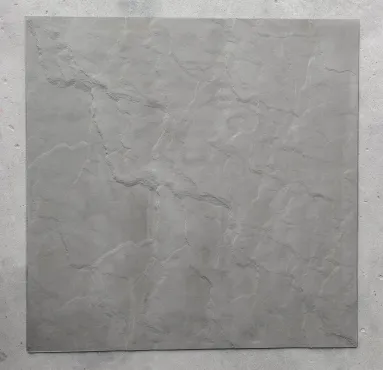
For centuries, the story of architecture has been a tale of mastering materials. We learned to stack stones, fire bricks, pour concrete, and clad our buildings in glass and steel. Each innovation opened up new possibilities, but also came with its own set of constraints. Natural stone is beautiful but heavy, expensive to quarry, and difficult to shape into complex forms. Traditional bricks are versatile but labor-intensive. Concrete is strong but environmentally taxing. We've reached a point where our creative ambitions as architects, designers, and builders are starting to outpace the practical limitations of these conventional materials.
But what if we could break free from those constraints? Imagine a material that combines the timeless beauty of natural stone with the lightness of a composite panel. A material that is not quarried from the earth in destructive ways but is created from it, using recycled and natural components. A material that can be molded, shaped, and even printed into any form imaginable, from vast, seamless walls to intricate, three-dimensional patterns that would make a master sculptor weep. This isn't a far-off dream from a science fiction movie. This is the reality being pioneered by Coloria Group, and it's set to fundamentally change how we think about, design, and construct our built environment. At the heart of this revolution is a groundbreaking product line: the 3D Printed Epoch Stone, a pinnacle of their MCM 3D Printing Series .
The Foundation of Innovation: Deconstructing MCM
Before we can fully appreciate the leap to three-dimensional printing, we need to understand the incredible material that makes it all possible. MCM, which stands for Modified Cementitious Material , is the technological bedrock of Coloria Group's product family. Forget everything you think you know about traditional cement or concrete. MCM is a completely different beast, engineered for the 21st century.
At its core, MCM is a proprietary blend of natural components. We're talking about basic, earthen materials like modified soil, mineral powders, and plant fibers, combined with water and specific catalysts. This mixture undergoes a unique, low-temperature curing process—no high-energy kilns or furnaces required. The result is a material that is astonishingly versatile. It's a testament to Coloria Group's decades of industry experience and deep commitment to research and development. They didn't just stumble upon this; they perfected it.
What Makes MCM a Game-Changer?
The properties of MCM are what set it apart from anything that has come before. It's not just a single advantage; it's a combination of features that work in harmony to solve multiple architectural challenges at once.
- Incredibly Lightweight: MCM products can be as little as one-fifth the weight of traditional ceramic tiles or natural stone slabs. This has massive implications. It reduces the structural load on a building, potentially lowering construction costs for the foundational framework. It makes transportation far more fuel-efficient and less costly. And, crucially, it makes installation faster, safer, and less labor-intensive.
- Remarkably Flexible: Unlike rigid stone or tile, some forms of MCM can be bent and applied to curved surfaces, columns, and arches without cracking or needing specialized cuts. This opens a new design language for architects who want to create fluid, organic forms. The MCM Flexible Stone series is a perfect example of this capability in action.
- Environmentally Conscious: This is perhaps its most vital characteristic in today's world. The production process has a tiny carbon footprint compared to the energy-intensive firing of ceramics or the destructive quarrying of stone. It uses recycled and readily available natural materials, reducing our reliance on finite resources. Its longevity and durability mean less waste from replacements over the building's lifecycle.
- Superior Performance: MCM is not just a pretty face. It is Class A fire-resistant, water-repellent, breathable (preventing moisture buildup in walls), freeze-thaw resistant, and highly durable against impact and abrasion. It's a material built to last, weathering the elements with grace.
To put it in perspective, let's compare MCM with some familiar materials.
| Feature | Coloria Group MCM | Natural Stone (e.g., Granite, Marble) | Ceramic / Porcelain Tile |
|---|---|---|---|
| Weight | Extremely light (4-8 kg/m²) | Very heavy (25-50 kg/m²) | Heavy (15-25 kg/m²) |
| Flexibility | High (can be bent for curved surfaces) | None (rigid, will crack) | None (rigid, will crack) |
| Eco-Friendliness | High (low-energy production, recycled materials) | Low (destructive quarrying, high transport emissions) | Medium (high-energy kiln firing process) |
| Customization | Virtually limitless (color, texture, shape, 3D printing) | Limited by the quarried block | Limited to surface glazes and repeating patterns |
| Installation | Fast, simple, low labor cost | Slow, complex, requires heavy machinery and specialized labor | Moderately complex, requires precision cutting |
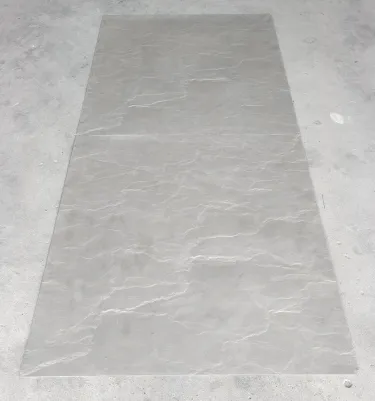
The Third Dimension: Unleashing Creativity with 3D Printed Epoch Stone
With a firm grasp of the wonders of MCM, we can now explore the truly revolutionary step: taking this material into the third dimension. Coloria Group's 3D Printed Epoch Stone is where technology, art, and architecture converge. This isn't just about creating a textured surface; it's about manufacturing unique, bespoke architectural elements with a level of detail and complexity that was previously unimaginable.
So, how does it work? The process begins in the digital realm. An architect or designer creates a 3D model of the desired panel or architectural feature. This could be anything: a flowing wave pattern, a complex geometric latticework, a relief inspired by nature, or even a branded logo integrated directly into the wall's texture. This digital file is then sent to a specialized 3D printing machine that uses the MCM mixture as its "ink." Layer by layer, with microscopic precision, the machine builds the design into a physical object. The final product is a solid, durable piece of "stone" that is an exact replica of the digital vision.
Redefining Architectural Possibilities
The implications of this technology are profound. It shatters the mold of mass production and empowers true, unadulterated customization on a massive scale.
- Hyper-Personalization: Every building can have a unique identity. A hotel in Dubai could feature facades with intricate arabesque patterns. A corporate headquarters in London could have walls with subtle, 3D-printed branding. A modern home could have a feature wall that mimics the texture of a specific leaf or geological formation. The building itself becomes a canvas for bespoke art.
- Restoration and Replication: Imagine the challenge of restoring a historic building where ornate stone carvings have crumbled away. Recreating them by hand is an art form that is both dying and astronomically expensive. With 3D scanning and printing technology, these historic details can be perfectly replicated in MCM, capturing the original artist's intent in a lightweight, durable, and cost-effective material.
- Functional Art and Parametric Design: Architects can now design facades that are not only beautiful but also functional. They can create 3D-printed louvers that are precisely angled to control sunlight and reduce cooling costs. They can design surfaces that channel rainwater in specific ways or that have acoustic dampening properties built directly into their geometry. This is where parametric design—design driven by data and algorithms—meets the physical world.
- Unprecedented Speed and Efficiency: Creating a custom-carved stone panel would take a master artisan weeks or months. With the MCM 3D Printing Series, that same panel can be printed in a matter of hours, with zero material waste outside the printed object. This drastically shortens project timelines and makes ambitious designs economically viable.
A Holistic Ecosystem: More Than Just a Single Product
While the 3D Printed Epoch Stone is a stunning headliner, Coloria Group's strength lies in its positioning as a one-stop solution provider . They understand that a building is a complex system, and different areas require different solutions. The 3D printing technology is part of a broader, integrated ecosystem of MCM products, each designed to excel in specific applications while maintaining a consistent standard of quality and sustainability.
The Power of Scale: MCM Big Slab Board Series
Sometimes, the design brief calls not for intricate detail, but for grand, monolithic scale. This is where the MCM Big Slab Board Series shines. These are large-format panels that can create sweeping, seamless surfaces for both interior and exterior walls. Imagine a lobby or a building facade with minimal joint lines, presenting a clean, powerful, and modern aesthetic. Because they are still made from lightweight MCM, these huge slabs can be installed with a speed and ease that would be impossible with natural stone of a similar size. They offer the visual impact of a massive stone wall without the immense structural, logistical, and financial burden. They are the perfect complement to the detailed work of the 3D series, allowing designers to play with scale and texture across a single project.
The Beauty of Flow: MCM Flexible Stone
Architecture isn't always about flat planes and right angles. It's full of curves, columns, and organic shapes. This is traditionally a nightmare for cladding materials. Cutting tiles to fit a curve is wasteful and creates ugly grout lines. Bending stone is impossible. Coloria Group's MCM Flexible Stone solves this problem with elegance. This material can be literally wrapped around a pillar or a curved wall, creating a continuous, natural stone-like finish. It allows designers to maintain their creative vision without compromise. When combined with the rigid panels and 3D elements, it completes the toolkit, ensuring that no matter the shape or form, there is a high-quality MCM solution available.
The Complete Solution: Project Boards and Beyond
Rounding out the portfolio is the MCM Project Board Series, which offers a versatile and cost-effective range of panels for a wide variety of commercial and residential projects. This demonstrates Coloria Group's understanding of the market. Not every project needs the hyper-customization of 3D printing or the grand scale of big slabs. Sometimes, what's needed is a reliable, high-performance, and attractive material that meets the budget.
This comprehensive approach is what truly defines Coloria Group. An architect can source their entire facade and interior wall-covering package from one trusted partner. They can use 3D-printed elements for the main entrance, large-format slabs for the tower facade, flexible stone for the interior columns, and project boards for the corridors—all while ensuring material compatibility, consistent color tones, and a streamlined procurement process. This is the essence of being a true one-stop solutions provider.
Global Reach, Local Commitment
Innovation on this scale requires a global perspective and a robust operational backbone. Coloria Group is not a niche startup; it is a global player with decades of experience in the construction materials industry. Their business spans the globe, delivering cutting-edge solutions to diverse markets with unique architectural styles and climatic challenges.
A prime example of their strategic global presence is their established agency in Saudi Arabia. This isn't just a sales office; it's a commitment to a key, dynamic market. It signifies an understanding of local needs, building codes, and aesthetic preferences. It ensures that clients in the region have direct access to expertise, technical support, and a responsive supply chain. This model of global vision combined with local service allows Coloria Group to effectively partner on projects anywhere in the world, from the soaring skyscrapers of the Middle East to boutique residential projects in Europe and beyond. This deep-rooted experience provides clients with confidence and peace of mind, knowing they are working with a seasoned and reliable partner.
Building the Future, Responsibly
Ultimately, the story of 3D Printed Epoch Stone and the entire MCM family is about more than just better buildings. It's about building a better future. The construction industry is one of the world's largest consumers of energy and resources. The shift towards sustainable materials is not a trend; it's an urgent necessity.
Coloria Group has placed sustainability at the very core of its innovation. By creating a beautiful, durable, and infinitely customizable material from low-impact, natural ingredients, they are providing the tools for a new generation of green architecture. They are enabling the creation of buildings that are not only inspiring to look at and live in, but also kinder to our planet.
The era of being constrained by the weight of stone and the rigidity of tile is over. A new epoch in architectural design has begun. It is an epoch of freedom, of personalization, of efficiency, and of responsibility. With its revolutionary MCM 3D Printing Series and its holistic ecosystem of advanced building materials, Coloria Group is not just selling a product; they are offering a passport to this new world, inviting architects and designers to leave compromise behind and start building the impossible.










