
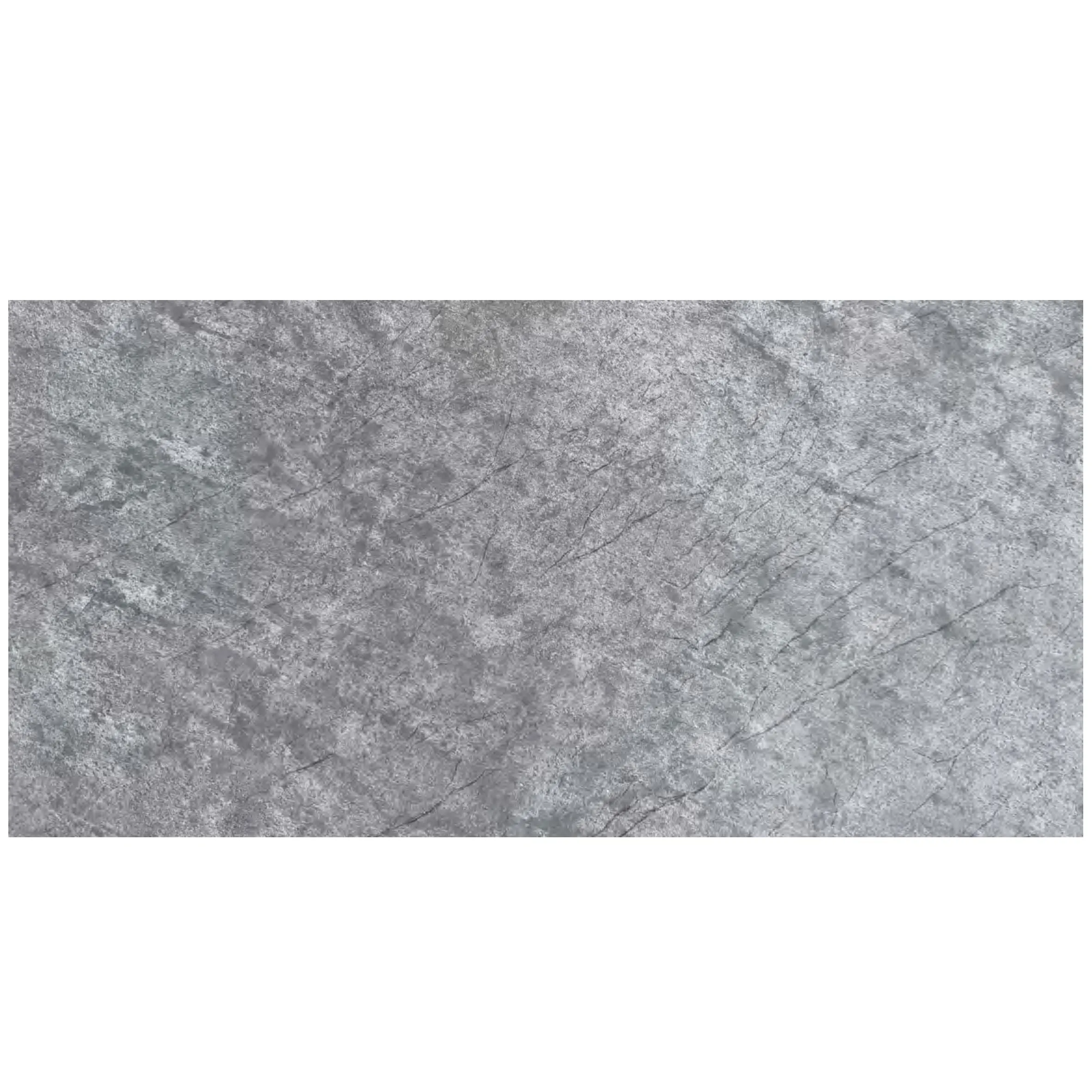
Walk into any modern architectural marvel these days, and you'll notice a quiet revolution unfolding. Gone are the days when buildings had to choose between "sturdy and practical" or "stunning and artistic." Today's designers and architects are demanding both—and they're finding the answer in materials that don't just exist but elevate the spaces they inhabit. At the heart of this revolution is COLORIA, a brand that's redefining what's possible with its innovative MCM (Modified Composite Material) lines. And leading the charge? The mcm 3d printing series , a game-changer that's turning materials like glacial slate into functional art.
But let's back up. What makes a building truly memorable? Is it the way light dances off its facade at sunset? The way it feels warm and inviting on a rainy day, yet cool and refreshing in the summer heat? Or maybe it's the subtle realization that every curve, every texture, every color was chosen not just for looks, but for purpose. That's the magic of merging function and design—and it's exactly what COLORIA's MCM materials bring to the table. Take glacial slate, for example. With its icy, layered appearance, it's a material that screams "natural beauty," but historically, working with it meant grappling with weight, fragility, and limited design flexibility. Enter COLORIA's 3D printing technology, and suddenly, glacial slate isn't just a stone—it's a canvas.
Traditional building materials have always been a bit of a balancing act. Marble is stunning but porous; concrete is durable but often dull; natural stone is unique but heavy and hard to shape. For architects dreaming of structures that are both eco-friendly and visually striking, the options used to be limited. "We'd spend hours sketching curved walls or intricate patterns, only to be told, 'That's impossible with real stone,'" says Maya Chen, a senior architect at a leading global firm. "Or we'd compromise on sustainability to get the texture we wanted. It felt like we were always choosing one over the other."
Then there's the issue of scale. Large-scale projects demand materials that can cover vast surfaces without sacrificing consistency. Traditional big slabs? They're heavy, hard to transport, and prone to cracking. And when it comes to customization? Forget about it. "If a client wanted a specific texture or color gradient, we'd have to order custom-cut stone, which was expensive and time-consuming," Maya adds. "By the time it arrived, the project timeline was already off track."
It's this gap—between what architects imagine and what traditional materials can deliver —that COLORIA set out to fill. And their solution? A lineup of MCM materials that blend the best of nature and technology, starting with the mcm 3d printing series.
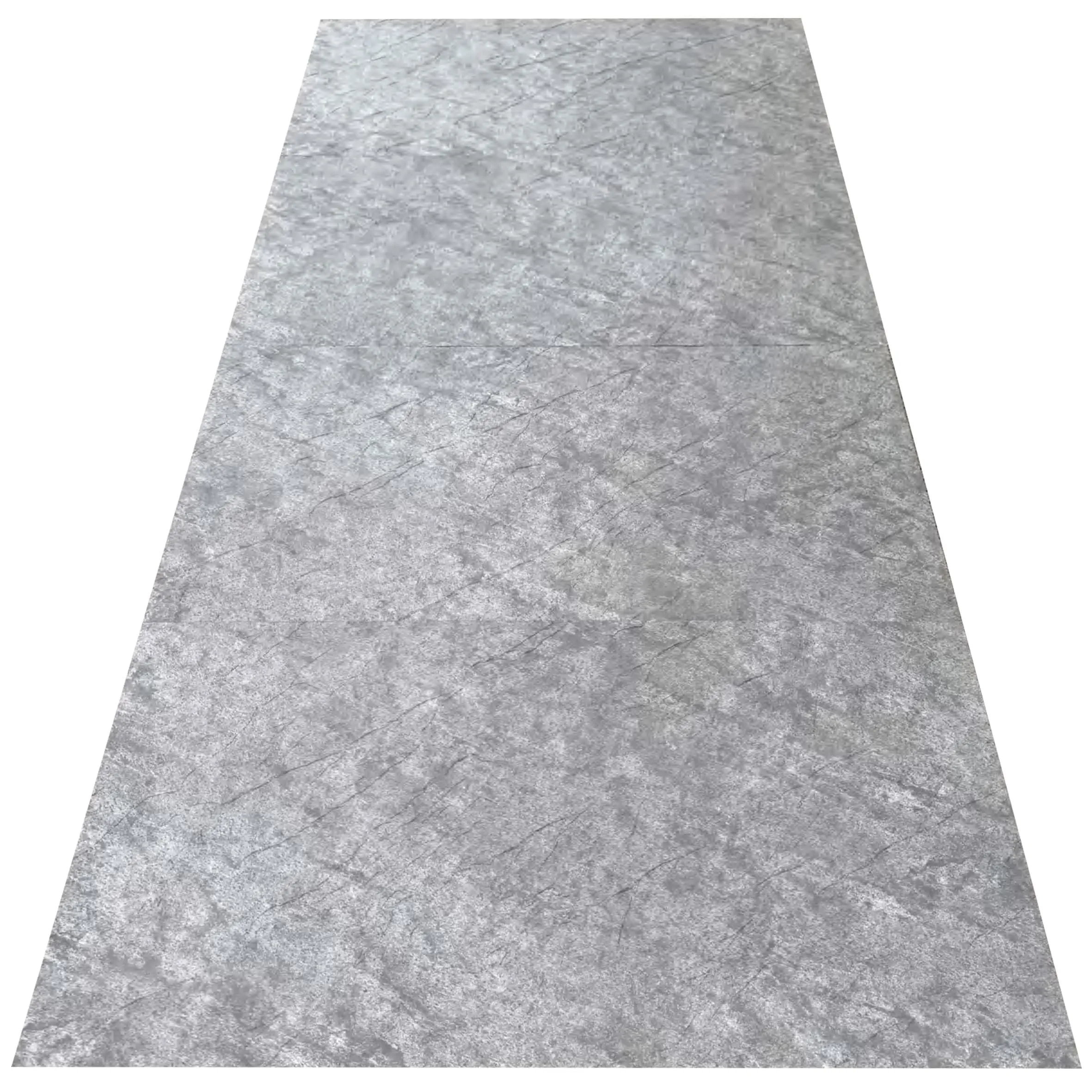
The mcm 3d printing series isn't just about 3D printers churning out stone panels. It's about reimagining the entire process of creating building materials. Here's how it works: COLORIA starts with a base of recycled minerals and polymers, then uses advanced 3D printing technology to layer the material with pinpoint precision. The result? Lightweight, durable panels that mimic the look and feel of natural stone—including glacial slate— but with a level of design freedom that was once unthinkable.
Take the 3D printed glacial slate panels. At first glance, they're indistinguishable from the real thing: the same silvery-gray hues, the same subtle cracks and veins that make glacial slate so captivating. But touch them, and you'll notice the difference. They're lighter—up to 70% lighter than natural stone—making installation a breeze. They're flexible, too. "We printed a 12-foot-tall glacial slate panel that curves gently around a staircase for a hotel project," says Raj Patel, COLORIA's lead materials engineer. "With natural slate, that curve would have required cutting dozens of small, wedge-shaped pieces and painstakingly fitting them together. With 3D printing, we designed the curve in CAD, hit 'print,' and the panel came out as a single, seamless piece. The contractors couldn't believe it."
But the real win? Sustainability. The mcm 3d printing series uses up to 40% recycled content, and because it's printed on-demand, there's minimal waste. "Traditional stone quarrying and cutting generate tons of leftover material—scraps that end up in landfills," Raj explains. "With 3D printing, we only use what we need. And since the base is a composite, we're not depleting natural stone reserves. It's a win for the planet, and for the client's budget."
So why glacial slate, specifically? Because it's a material that embodies the tension between strength and beauty. Formed over thousands of years by glacial activity, natural glacial slate has a unique layered structure that resists cracking and weathering. But as Maya Chen puts it, "Natural glacial slate is like a diva—it's gorgeous, but it has demands." COLORIA's 3D printed version keeps the diva's looks but ditches the drama.
The 3D printed glacial slate panels are not only lightweight but also water-resistant, fire-retardant, and UV-stable. "We tested them in our lab for months," Raj says. "We exposed them to extreme temperatures, heavy rain, even simulated earthquakes. They held up better than most natural stones. And because they're printed with a proprietary coating, they're stain-resistant too—no more panic when someone spills coffee on a wall panel."
But the real showstopper? The design possibilities. Want a wall that looks like a frozen waterfall, with glacial slate layers cascading down? Print it. Need a ceiling panel with embedded LED lights that mimic starlight, set against a backdrop of glacial slate? Done. "We worked with a restaurant client who wanted their dining room to feel like a cave in the Swiss Alps," Maya recalls. "Using 3D printed glacial slate, we created undulating walls that look like they were carved by ice, but they weigh next to nothing. The acoustics are amazing too—no echo, just that warm, cozy cave-like feel. The clients couldn't stop taking photos."
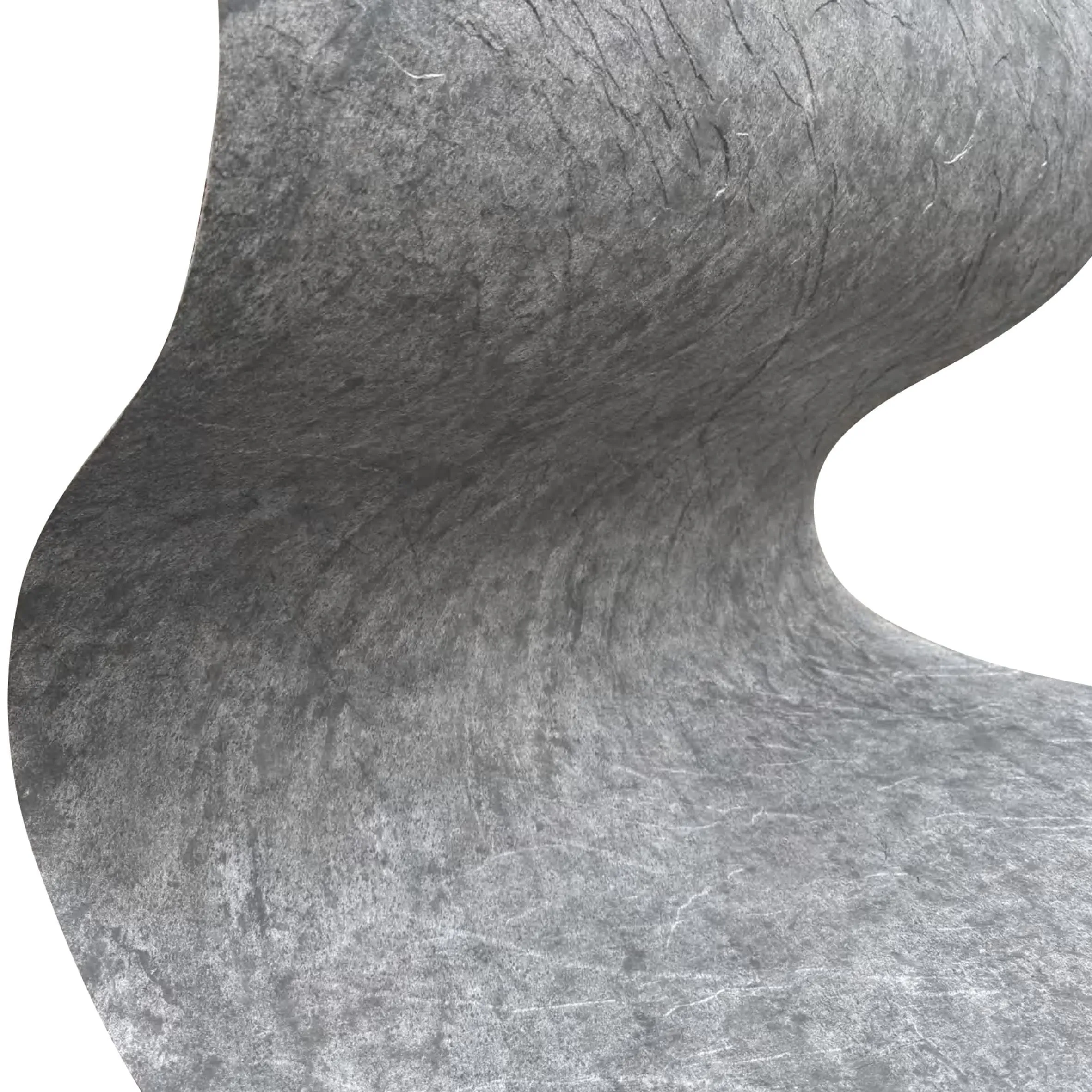
While the 3D printing series steals the spotlight, it's COLORIA's mcm flexible stone that often becomes the unsung hero of projects. Imagine a stone panel that bends. No, really— bends . "Traditional stone is rigid," Raj says. "If you try to wrap it around a column or a curved wall, it cracks. MCM flexible stone? It can flex up to 30 degrees without breaking. That's a game-changer for rounded structures."
Made with a blend of natural stone powder and a flexible polymer matrix, mcm flexible stone combines the texture of real stone with the adaptability of a composite. It's thin—just 3-5mm thick—so it can be applied to almost any surface: concrete, metal, even drywall. "We used it in a retail store renovation where the client wanted a stone accent wall but didn't want to reinforce the existing structure," Maya explains. "With flexible stone, we just glued it directly to the drywall. It looks like solid stone, but it weighs about as much as a sheet of plywood. The contractors finished the job in a day instead of a week."
And durability? It's no slouch. MCM flexible stone is scratch-resistant, impact-resistant, and easy to clean. "A hotel in Miami used it in their outdoor pool area," Raj notes. "Saltwater, chlorine, sun—none of it fazed the panels. After two years, they still look brand new. Try that with natural limestone."
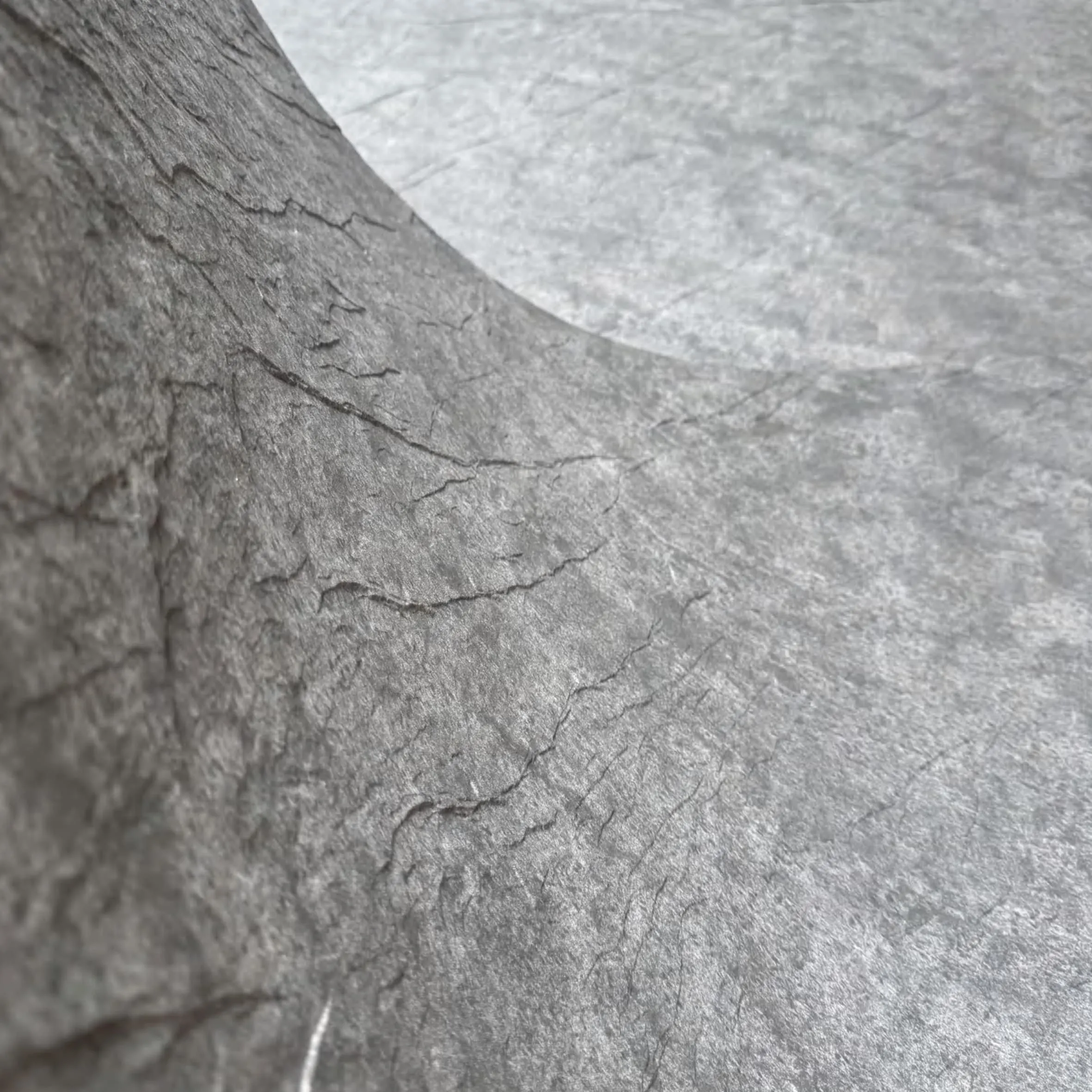
For projects that demand grandeur, COLORIA's mcm big slab board series is the answer. These aren't your average slabs—we're talking panels up to 3 meters by 1.5 meters, with the same lightweight, durable properties as the 3D printed and flexible lines. "Traditional big slabs of natural stone can weigh over 200kg per square meter," Raj says. "Ours? Just 15-20kg. That means fewer workers needed for installation, lower transportation costs, and less stress on the building's foundation."
But size isn't the only selling point. The big slab boards come in a range of finishes, from the smooth, industrial look of fair-faced concrete to the rustic charm of travertine (vintage silver). "We had a client building a convention center who wanted the entire facade to look like a single, continuous slab of stone," Maya says. "With traditional materials, that would have meant hundreds of seams. With COLORIA's big slabs, we covered the entire front of the building with just 12 panels. No seams, no gaps—just a seamless, imposing look that stopped people in their tracks."
And because they're part of the MCM family, these slabs are also eco-friendly. "The big slab series uses 50% recycled content, and since they're so lightweight, the carbon footprint from transportation is drastically lower than with natural stone," Raj adds. "For clients focused on LEED certification, that's a huge plus."
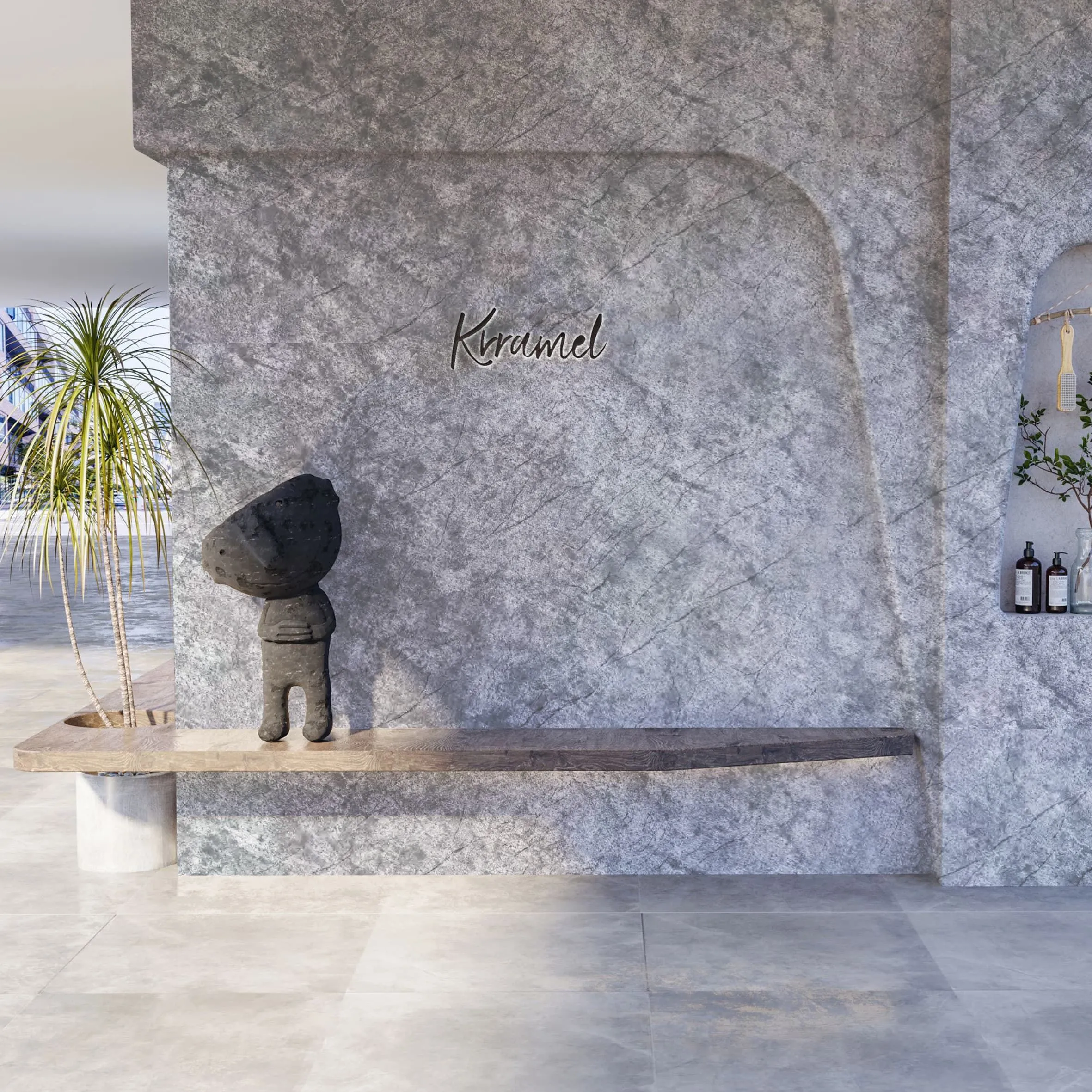
Now, let's talk about the magic that happens when these materials come together. Take a recent project: a community center in Portland, Oregon, designed to be both a gathering space and a showcase for sustainable architecture. The lead architect, James Wilson, wanted the exterior to feel "rooted in nature but forward-thinking." His solution? A combination of 3D printed glacial slate panels and fair-faced concrete , another star in COLORIA's lineup.
"Fair-faced concrete has that raw, industrial vibe, but it can feel cold on its own," James explains. "I wanted to warm it up with something natural, so I thought of glacial slate. But traditional slate would have been too heavy for the building's eco-friendly foundation. COLORIA's 3D printed version was the perfect middle ground."
The result? The community center's facade features large fair-faced concrete panels with 3D printed glacial slate "inserts"—intricate, wave-like patterns that break up the concrete's monotony. "The glacial slate panels are printed in a way that mimics the way ice freezes and thaws, creating these beautiful, organic lines," James says. "And because they're 3D printed, we could custom-fit them into the concrete molds without any extra cutting. The building looks like it's emerging from the earth, but it's actually one of the lightest structures in the neighborhood."
Inside, the design continues. The lobby walls are clad in mcm flexible stone (in a warm, beige travertine finish), which curves gently to guide visitors toward the main hall. "Flexible stone allowed us to create a flow—literally," James laughs. "The walls feel like they're hugging you as you walk in. And maintenance? The janitorial staff loves it. No more scrubbing stains out of porous stone; a quick wipe with a damp cloth, and it's clean."
Still not convinced that MCM materials are a cut above the rest? Let's break it down with a side-by-side look at some of COLORIA's most popular options, including the 3D printed glacial slate that started it all.
| Material | Key Features | Best For | Sustainability Score |
|---|---|---|---|
| 3D Printed Glacial Slate (mcm 3d printing series) | Lightweight (15kg/m²), flexible, fire-retardant, custom textures/colors | Curved walls, accent features, artistic facades | ★★★★★ (40% recycled content, minimal waste) |
| MCM Flexible Stone | Thin (3-5mm), bendable (up to 30°), scratch-resistant, easy to install | Column wraps, furniture surfaces, retail interiors | ★★★★☆ (35% recycled content, low VOC emissions) |
| MCM Big Slab Board Series | Large size (up to 3m x 1.5m), seamless appearance, high impact resistance | Exterior facades, ceiling panels, commercial lobbies | ★★★★☆ (50% recycled content, lightweight = lower transport emissions) |
| Fair-Faced Concrete | Raw, industrial aesthetic, high compressive strength, thermal insulation | Modern exteriors, structural elements, accent walls | ★★★★☆ (Uses recycled aggregates, energy-efficient production) |
As you can see, whether you're prioritizing design flexibility, durability, or sustainability, COLORIA's MCM materials check all the boxes. And the best part? They're not just for big commercial projects. Homeowners are getting in on the action too. "We had a client in Colorado who wanted a backyard patio that looked like a mountain stream," Raj says. "We used 3D printed glacial slate panels to create the 'water' effect, with mcm flexible stone for the 'riverbed.' It's stunning, and it withstands the harsh Colorado winters without cracking. Traditional stone would have needed constant repairs."
So, what's next for COLORIA and the mcm 3d printing series? Raj hints at even more innovation on the horizon. "We're experimenting with bioluminescent additives—imagine 3D printed glacial slate panels that glow softly at night, powered by sunlight absorbed during the day," he says. "Or self-healing materials that repair small cracks on their own. The goal is to make buildings not just use materials, but interact with them."
For architects like Maya Chen, the possibilities are endless. "COLORIA hasn't just given us new materials—they've given us a new way of thinking," she says. "Now, when I sketch a design, I don't have to ask, 'Can we do this?' I ask, 'How can we make this even better?' That's the power of merging function and design. It's not just about buildings anymore; it's about creating spaces that make people feel something."
As for glacial slate? It's no longer just a stone from the mountains. Thanks to COLORIA's 3D printing technology, it's a symbol of what happens when we stop seeing nature and technology as opposites. It's proof that the most beautiful buildings aren't just built—they're crafted , with materials that work as hard as they look. And in a world that's hungry for both sustainability and beauty, that's a revolution worth celebrating.
So the next time you walk past a building that takes your breath away, take a closer look. Chances are, it's not just stone and concrete—it's COLORIA's MCM magic, turning function into art, one panel at a time.
Recommend Products












