
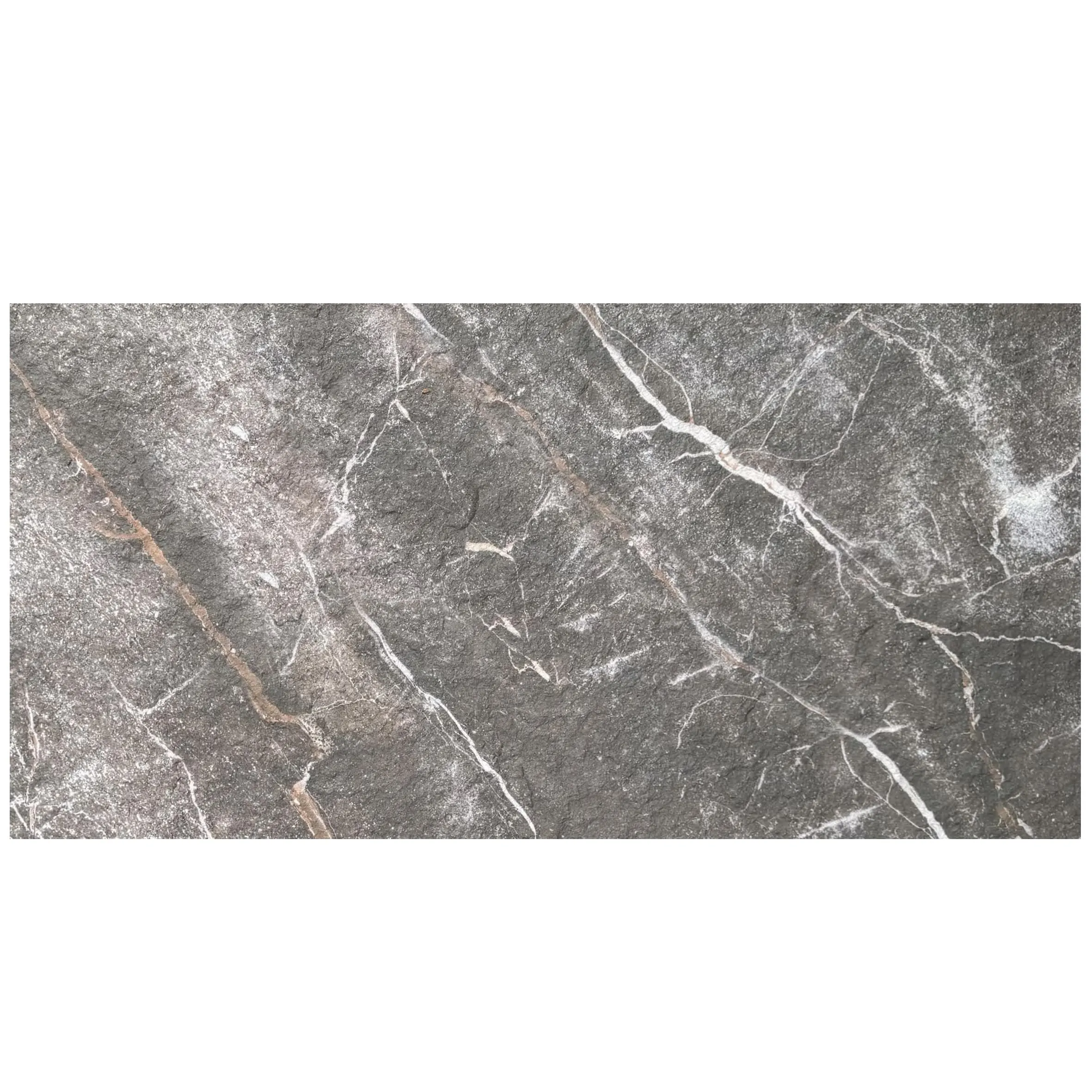
Where Technology Meets Timeless Texture—Redefining Architectural Surfaces
Walk into any space—a century-old library, a sleek modern café, a family home passed down through generations—and what do you notice first? The light, perhaps, or the way furniture arranges itself. But stay a little longer, and your hands will drift: brushing a wall, tracing a countertop, feeling the edge of a staircase. These textures aren't just background noise; they're the quiet storytellers of our environments. They shape how we feel—calm, inspired, grounded—without us even realizing it.
For decades, architects and designers have chased the perfect texture: one that marries the raw beauty of nature with the precision of human ingenuity. Traditional materials like marble, granite, and travertine have long held the spotlight, but they come with trade-offs—weight, fragility, the limits of what can be carved or quarried. Enter COLORIA's MCM 3D Printing Series: a collection that doesn't just mimic the look of these classics but reimagines them, turning texture from a fixed feature into a canvas for creativity. And at the heart of this revolution? The 3D printed Granite Portoro texture—a material that feels like a love letter to both the past and the future.
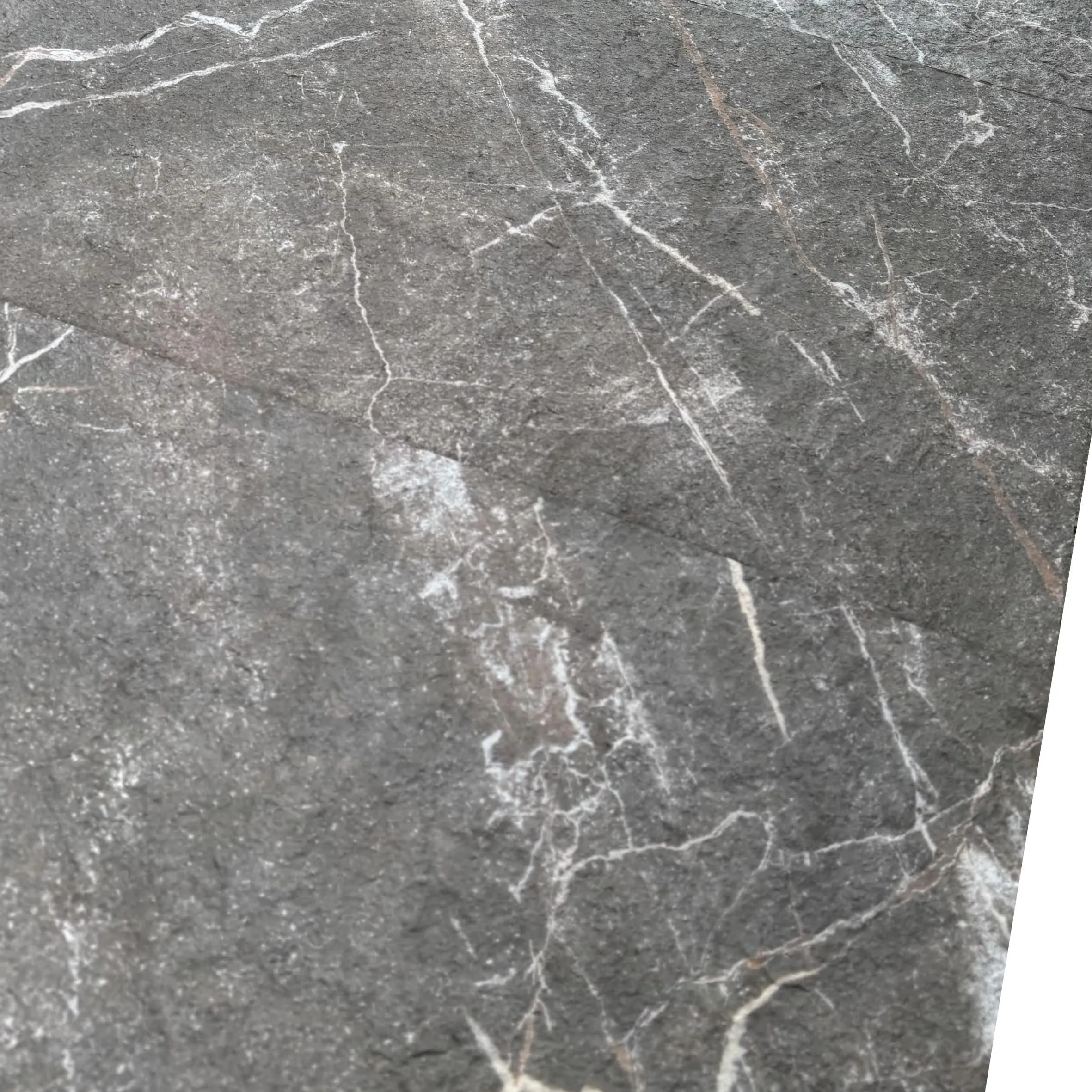
Imagine (oops, scratch that— picture ) a world where a stone wall isn't just "stone." It's a texture that remembers the pressure of ancient oceans, the slow crawl of geological time, but also bends to the whims of a designer's sketch. That's the promise of COLORIA's MCM 3D Printing Series. MCM, or Modified Composite Material, isn't new, but when paired with 3D printing technology, it becomes something extraordinary: a lightweight, durable, and infinitely customizable medium that captures the essence of natural materials while leaving their limitations behind.
What makes this series stand out isn't just the tech—it's the philosophy. COLORIA didn't set out to replace natural stone; they set out to elevate it. By combining MCM's strength and flexibility with 3D printing's precision, they've created textures that feel alive. Each surface isn't just printed; it's crafted, layer by layer, to mimic the randomness of nature—the way a vein in marble meanders, the way granite sparkles with hidden minerals, the way travertine breathes with tiny, time-worn pores.
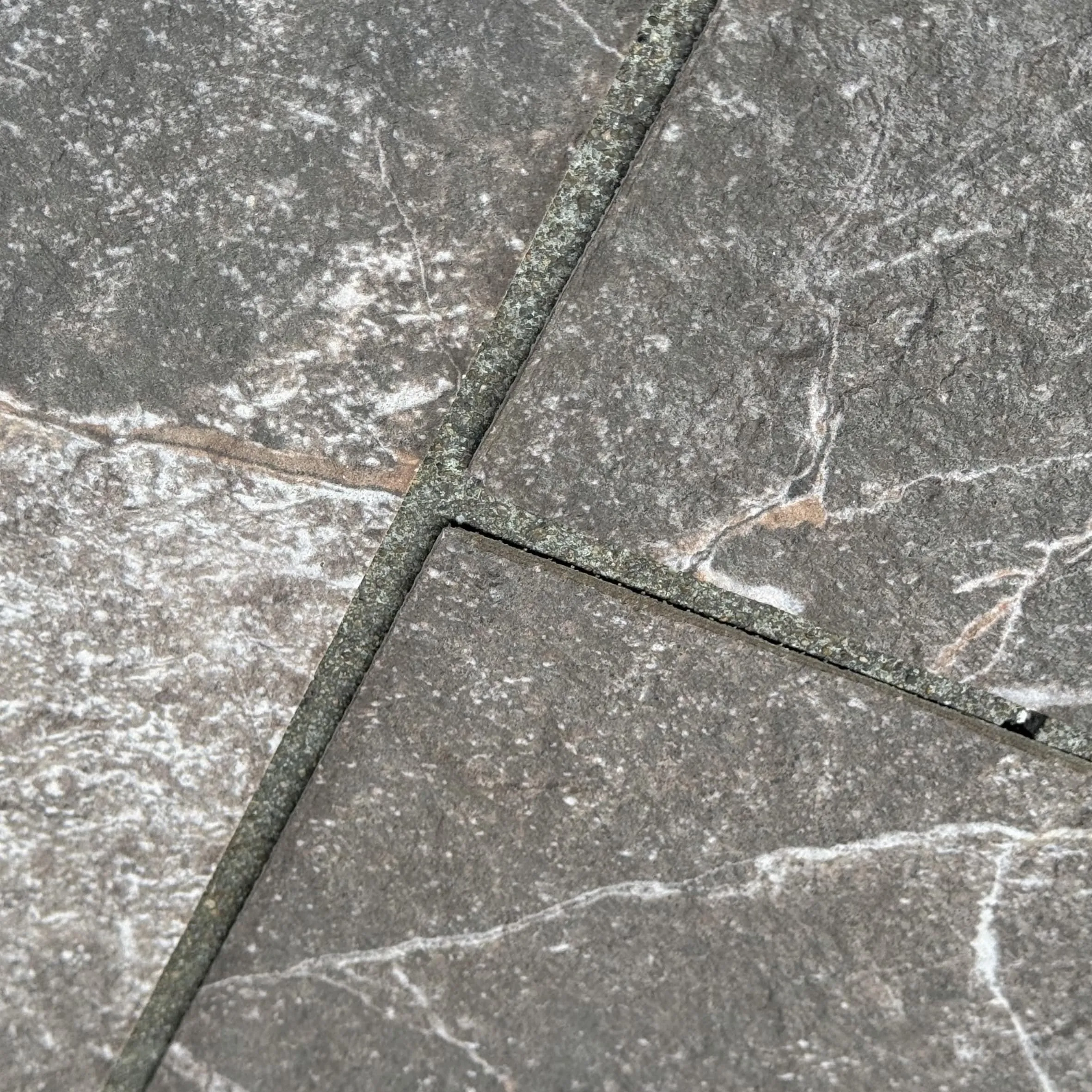
Granite Portoro has always been the "drama queen" of natural stone. Originating from the quarries of Italy, its deep black base is slashed with bold, gold veins that look like lightning frozen in stone. It's been used in palaces, luxury hotels, and statement pieces for decades, but working with it? A nightmare. Quarrying large slabs risks cracking those iconic veins; cutting it to size adds weight that strains building structures; and replicating its pattern? Nearly impossible. Until now.
Traditional Granite Portoro is a diva. It's heavy—up to 200 pounds per square meter—making it tough to install on high-rise exteriors or ceiling features. Its veins are entirely random, so matching slabs for a seamless wall often means wasting half the quarry. And if a piece chips? You can't just "fix" it; you have to replace the entire slab. For designers, it's been a love-hate relationship: they crave its boldness but dread its demands.
COLORIA's 3D printed Granite Portoro texture flips the script. Here's how it works: first, a high-resolution scan of a prized natural Granite Portoro slab is fed into a computer, capturing every nuance of its veins, pits, and color gradients. Then, using COLORIA's proprietary MCM blend—a mix of mineral aggregates, polymers, and natural pigments—the 3D printer layers the material with pinpoint accuracy, down to 0.1mm precision. The result? A texture that looks, feels, and even sounds like the real thing, but weighs 60% less, resists chipping, and can be shaped into curves, angles, or custom patterns that would make a traditional stonemason weep.
Run your hand over it, and you'll feel the slight grit of granite, the coolness that seeps into your palm, the way light catches the gold veins just so. Step back, and you'd swear it was quarried from the same Italian mountains as its natural counterpart. But here's the kicker: that "random" vein pattern? It's actually controlled . A designer can tweak it—make the gold lines thicker, add a subtle wave, even embed a logo or a family crest—without sacrificing that organic, unplanned look.
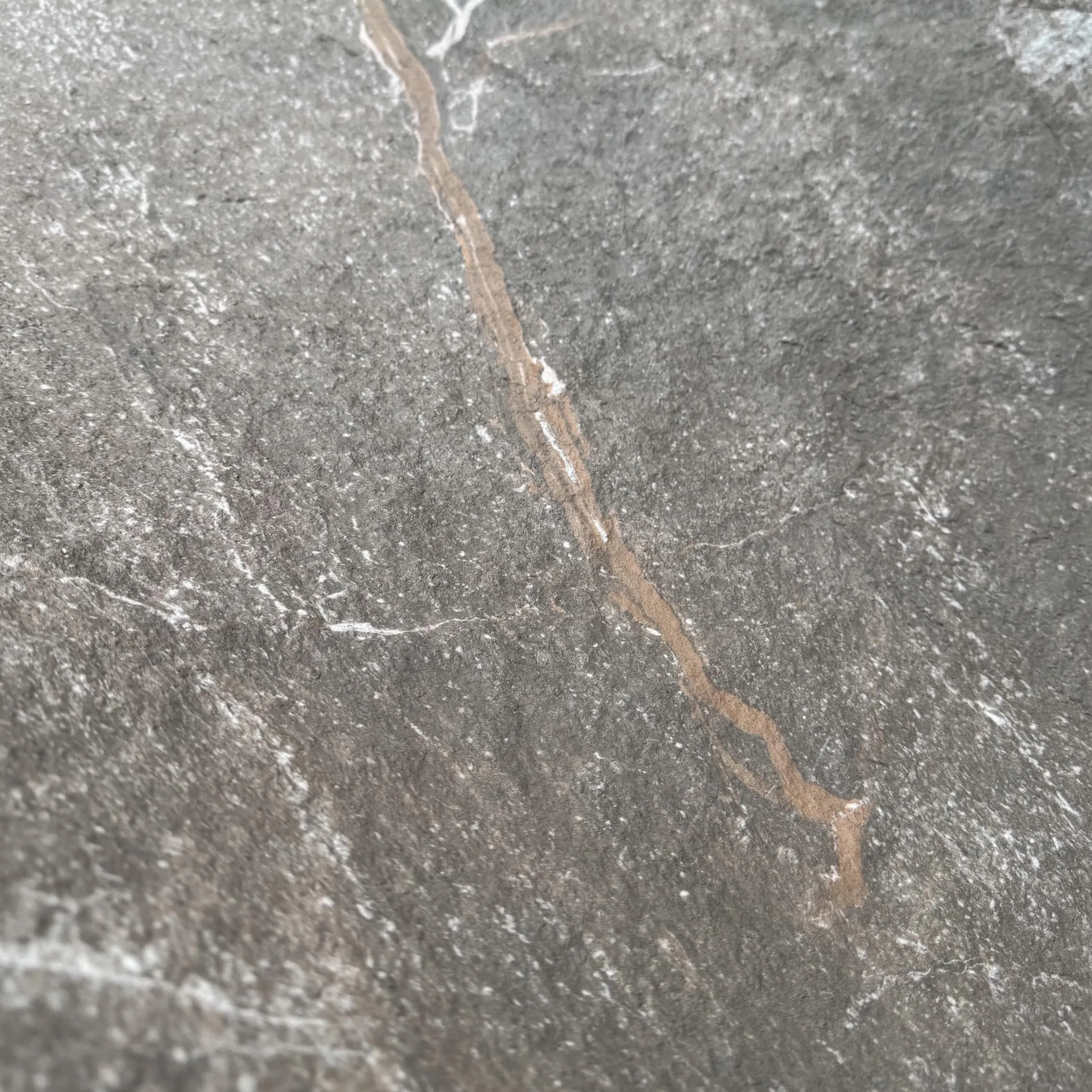
Let's get a little geeky (but not too much—promise). 3D printing MCM materials isn't like printing a plastic toy. COLORIA's process starts with the MCM base: a blend of recycled stone dust, fiberglass, and a polymer binder that gives it strength without brittleness. This mixture is heated to a precise temperature, then extruded through a 3D printer nozzle that moves in three dimensions, building up layers as thin as a sheet of paper.
What makes this different from other 3D printing? The attention to "imperfection." Natural stone isn't uniform, so the printer intentionally introduces tiny variations—slight shifts in color density, micro-pores that mimic weathering, even the occasional "flaw" that makes the texture feel authentic. It's a digital dance between order and chaos, and the result is a surface that tricks both the eye and the hand into believing it's the real deal.
Sustainability plays a starring role here, too. Traditional quarrying and cutting of natural stone generate massive waste—up to 30% of a slab is discarded as scrap. With 3D printing, COLORIA uses 95% of its MCM mixture, and the material itself is recyclable. Plus, since the finished product is lighter, transporting it cuts down on carbon emissions. It's texture with a conscience—a rare win-win in the world of building materials.
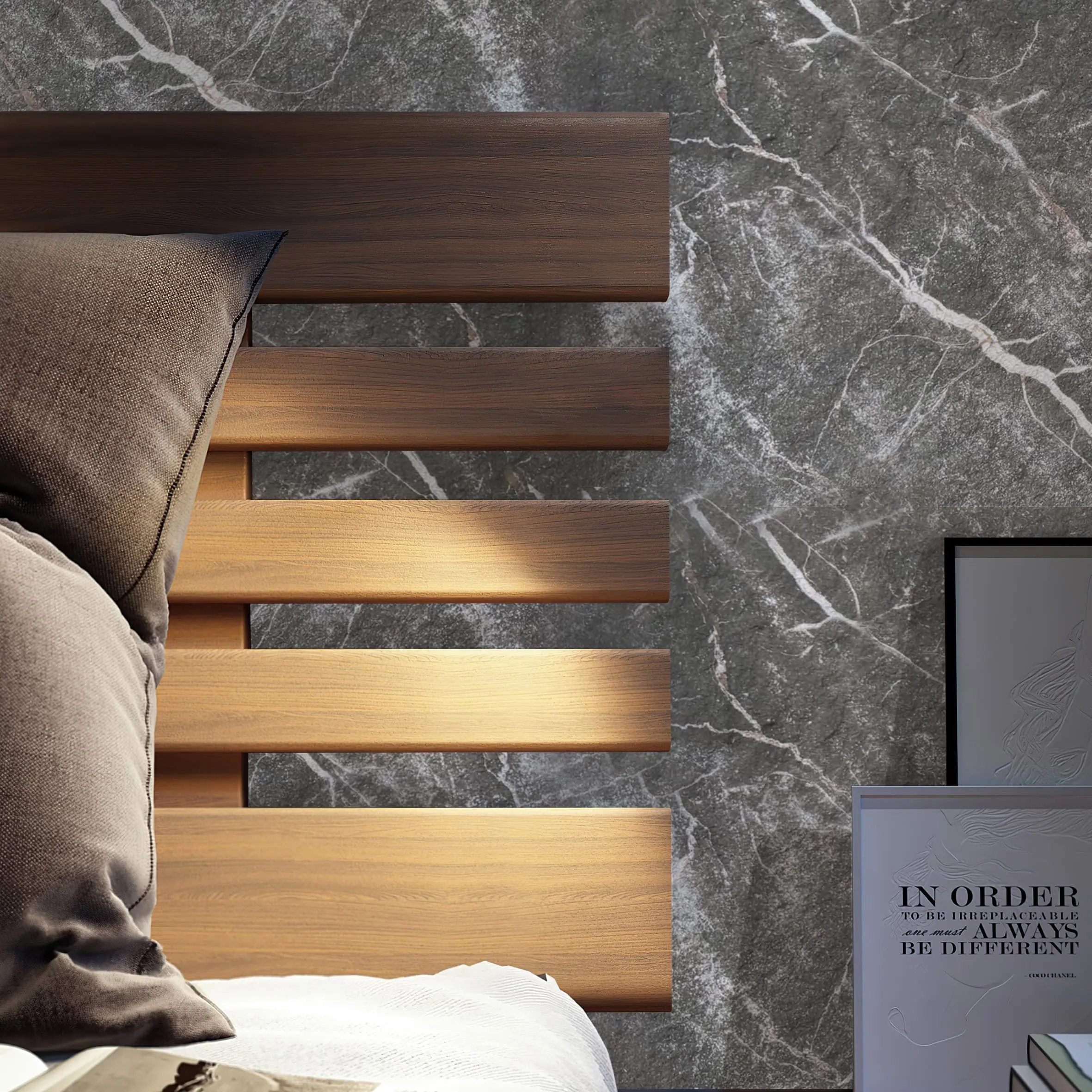
Granite Portoro might be the showstopper, but it's just one actor in the MCM 3D Printing Series. COLORIA's lineup reads like a traveler's journal, collecting textures from deserts, mountains, and ancient cities, then reimagining them for modern spaces. Let's take a quick tour of a few standouts:
Travertine is known for its porous, honeycomb-like surface, but COLORIA's Starry Blue variant adds a twist: tiny, iridescent flecks embedded in the texture that catch light like stars. Imagine a bathroom wall where, as the sun sets, the stone seems to glow from within—a reminder of the night sky even when you're indoors. 3D printing lets the "stars" cluster or spread, creating custom constellations for a child's room or a hotel suite.
Ever touched a rock that feels like it came from another planet? Lunar Peak Black is COLORIA's nod to extraterrestrial textures—matte, with a subtle crater-like pitting that looks like it's been weathered by solar winds. It's perfect for statement walls in modern offices or home theaters, where its depth adds drama without overwhelming the space. And since it's 3D printed, it can be formed into seamless curves, turning a flat wall into a sculptural element.
Not all textures are about stone. This alloy board takes the industrial cool of metal and softens it with a vintage gold finish and a slightly frothy, porous texture—like liquid metal that froze mid-bubble. It pairs beautifully with Granite Portoro: the gold veins in the stone echo the alloy's warmth, creating a space that feels both luxurious and lived-in. Think restaurant backsplashes or fireplace surrounds where metal and stone converse like old friends.
Enough talk—let's get concrete (pun intended). How do these textures actually work in the spaces we inhabit? Let's walk through a few examples:
Meet Maria, a freelance writer who spends most days in her home office. She wanted a space that felt productive but not sterile—something that reminded her of the mountain cabin where she wrote her first novel. Her designer suggested 3D printed wood grain board for the desk (warm, tactile, easy to clean) paired with a feature wall of Lunar Peak Black. "At first, I was nervous about the black—it seemed too harsh," Maria admits. "But when the light hits it, those tiny craters cast shadows like tree branches. It's like bringing the forest indoors, but in a way that doesn't feel cluttered."
In downtown Portland, a new café called "The Epoch" wanted to honor the city's logging history without feeling like a museum. The owner worked with COLORIA to blend 3D printed bamboo mat board (soft, woven texture recalling old fishing nets) with 3D printed Granite Portoro countertops. "The contrast is everything," says the owner. "The bamboo feels light, like the floating docks on the Willamette River, and the Granite Portoro grounds it—like the bedrock the city's built on. Customers run their hands over the counter while they wait for coffee. They don't say anything, but you can see it: they're connecting."
Libraries are all about stories, so when the Greenfield Public Library needed a renovation, they wanted walls that told a narrative. The design team chose 3D printed historical pathfinders stone for the main hall—a texture that mimics the weathered bricks of the town's original 1890 library, but printed in panels that can be updated over time. "We added QR codes embedded in the texture," explains the lead architect. "Scan one, and you'll hear a recording of a longtime resident talking about their first library visit. In 20 years, we can print new panels with new stories. The walls themselves become part of the library's collection."
Still on the fence? Let's break it down. Below is a comparison of key features between COLORIA's 3D printed materials and their traditional counterparts. Spoiler: it's not just about specs—it's about how these materials make spaces work better.
| Feature | 3D Printed Granite Portoro | Traditional Granite Portoro | 3D Printed Travertine (Starry Blue) | Traditional Travertine |
|---|---|---|---|---|
| Weight (per sq. meter) | 8 kg | 200 kg | 7 kg | 180 kg |
| Customization | Unlimited (vein patterns, color tweaks, embedded elements) | Limited by natural stone variation | Starry fleck density and placement customizable | Natural pores cannot be controlled |
| Durability | Resistant to chipping, scratches, and moisture | Prone to cracking; porous (stains easily) | MCM blend resists water damage | Requires sealing every 1-2 years |
| Sustainability | 95% material usage; recycled content; low transport emissions | 30% waste in quarrying; high carbon footprint | Same as above | Same as traditional granite |
| Installation Time | 2-3 hours for a standard wall (lightweight, easy to handle) | 1-2 days (requires heavy machinery, sealing) | Same as Granite Portoro | Same as traditional granite |
COLORIA's MCM 3D Printing Series isn't just a product—it's a preview of what's possible when we stop seeing materials as fixed and start seeing them as collaborators. Imagine (again, picture ) textures that respond to their environment: walls that darken in bright light to reduce glare, or warm up in cold rooms to save energy. Or textures that heal themselves—micro-cracks sealed by sunlight, thanks to self-healing polymers in the MCM blend. These aren't sci-fi; they're the next steps in COLORIA's labs.
But perhaps the most exciting future is the one we shape. As more designers and homeowners experiment with 3D printed textures, we'll discover new ways to tell stories through surfaces. A child's bedroom wall printed with their own artwork, transformed into a texture they can grow up touching. A community center where each panel is printed with the handprints of residents, turned into a mosaic of touchable memories.
At the end of the day, 3D printed Granite Portoro and its siblings in the MCM 3D Printing Series aren't just about technology. They're about connection—reconnecting us to the textures that make us feel human, while giving us the tools to build spaces that grow with us. They remind us that the best materials don't just look good; they remember us—the way we touch them, the stories we bring into the rooms they line.
So the next time you're in a space that feels "right," take a moment to close your eyes and reach out. What do you feel? Maybe it's the cool grit of 3D printed Granite Portoro, or the soft glow of travertine (starry blue), or the warm fizz of vintage gold foamed aluminium. Whatever it is, know this: it's not just a wall. It's a conversation—between the earth that inspired it, the technology that created it, and the life that's happening around it.
And that, more than anything, is the texture of home.
Recommend Products












