
Picture this: You're standing on a construction site, hard hat in hand, staring at a calendar that might as well be counting down to a bomb. The client wants their boutique hotel lobby finished in six weeks for the grand opening, but the custom marble panels you ordered are stuck in production—delayed by weather, supply chain snags, and the glacial pace of traditional stone cutting. Sound familiar? In today's fast-paced world, where commercial projects demand speed without sacrificing style, tight deadlines have become the norm, not the exception. Architects, contractors, and designers are drowning in pressure to deliver unique, high-quality spaces on schedules that would have seemed impossible a decade ago.
Traditional building materials are part of the problem. Take marble, for example. It's timeless, luxurious, and perfect for making a statement—but quarrying it, cutting it into custom sizes, and shipping it to the site can take months. Even "faster" alternatives like fair-faced concrete or precast panels often require weeks of mold-making, curing time, and manual labor. When a project needs a specific texture, color, or pattern, the timeline only gets longer. By the time the materials arrive, you're already behind, scrambling to make up for lost days with overtime and rushed work that risks compromising quality.
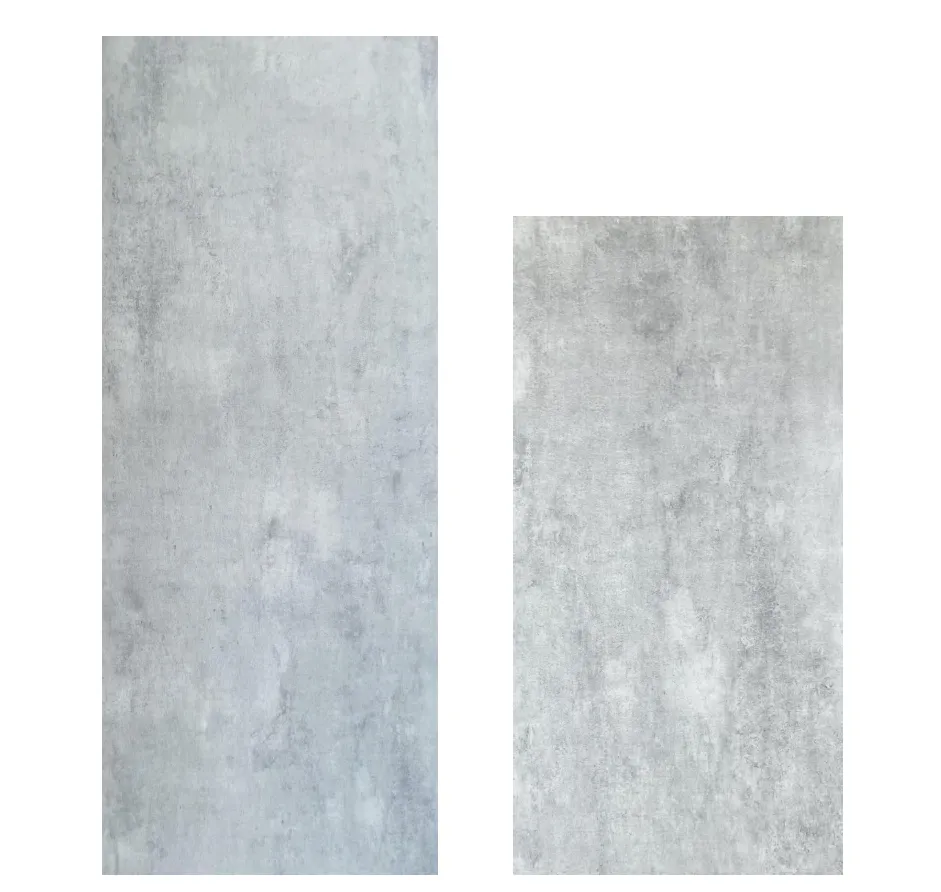
This isn't just about stress—it's about money. Every day a project is delayed costs the client thousands in lost revenue, and every compromise on design erodes the unique vision that made the project worth doing in the first place. What if there was a way to have it all: the beauty of natural materials, the durability of industrial-grade construction, and the speed to meet even the tightest deadlines? Enter the MCM 3D printing series —and its star player, the marble concrete board . This isn't just a new material; it's a revolution in how we build.
At its core, the marble concrete board is exactly what it sounds like: a hybrid material that marries the elegance of marble with the strength and versatility of concrete. But what makes it a game-changer is how it's made. Instead of chiseling blocks of stone or pouring concrete into molds, this material is printed —layer by layer, using advanced 3D printing technology. The result? A product that can go from digital design to finished panel in a fraction of the time it takes traditional methods, without skimping on aesthetics or durability.
Part of the broader MCM 3D printing series , this innovation isn't just about speed. It's about flexibility, too. Traditional marble cutting limits you to standard sizes and simple shapes; if you want a curved wall or a panel with an intricate geometric pattern, you're looking at custom tooling and even longer wait times. With 3D printing, those constraints vanish. The printer can extrude the marble-concrete mixture into virtually any shape—from sleek, minimalist slabs to ornate, one-of-a-kind designs—all while maintaining consistent quality and structural integrity.
But don't just take our word for it. Let's talk numbers. A traditional marble panel, custom-cut to size, might take 8–12 weeks from order to delivery. A 3D printed marble concrete board? Depending on the size and complexity, it can be produced in 5–10 days . That's a 70% reduction in lead time. For a project with a tight deadline, those weeks saved can mean the difference between opening on schedule and losing a client's trust (or their business).
You might be wondering: How do you 3D print something as heavy and durable as a marble concrete board? It starts with the material itself. The mixture is a proprietary blend of marble dust (recycled from quarry waste, making it eco-friendly), high-strength concrete, and a special binding agent that ensures layers bond tightly as they print. This "ink" is fed into a large-format 3D printer—essentially a robotic arm with a nozzle—that deposits the material layer by layer, following a digital design file.
The process is surprisingly similar to how a desktop 3D printer works, but on a massive scale. The printer moves along a gantry system, building up the panel from the bottom up. Each layer is about 5–10mm thick, and as soon as one layer is deposited, the next starts, with the binding agent kickstarting the curing process. By the time the panel is fully printed, it's already partially cured, and a final 24-hour drying period in a climate-controlled room ensures it reaches full strength. No waiting weeks for concrete to set, no risk of mold damage or warping—just consistent, reliable results.
What's more, the digital design aspect means zero waste. Traditional stone cutting often results in 30–40% of the original block being discarded as scrap. With 3D printing, the printer only uses the exact amount of material needed for the design, cutting down on waste and lowering costs. It's a win-win for both your timeline and your sustainability goals.
Still on the fence? Let's compare 3D printed marble concrete boards with some common traditional materials. The table below breaks down key factors like production time, customization, durability, and cost—so you can see exactly where this innovation shines.
| Factor | Traditional Marble | Fair-Faced Concrete | 3D Printed Marble Concrete Board |
|---|---|---|---|
| Production Time | 8–12 weeks | 4–6 weeks (including mold-making) | 5–10 days |
| Customization | Limited (standard shapes/sizes) | Moderate (requires custom molds) | Unlimited (any shape/pattern via digital design) |
| Durability | High (but prone to cracking if mishandled) | High (but heavy and less flexible) | High (tested to withstand weather, impact, and fire) |
| Cost (per sq. ft.) | $80–$150 (high due to labor/transport) | $40–$70 (lower material cost, but high mold fees) | $50–$90 (no mold fees, lower labor costs) |
| Environmental Impact | High (quarrying, transportation emissions) | Moderate (cement production is carbon-heavy) | Low (recycled marble dust, minimal waste) |
As you can see, 3D printed marble concrete board isn't just faster—it's often more cost-effective, more customizable, and better for the planet than traditional options. And when it comes to durability, it holds its own: testing shows it resists water, fire, and impact as well as (if not better than) natural marble, thanks to the reinforced concrete matrix.
So, where does this material make the most sense? The short answer: Any project that needs to balance speed, style, and substance. Let's dive into a few examples.
Commercial Interiors: Imagine a high-end restaurant that wants a feature wall with a swirling, marble-like pattern to wow customers. Traditional marble would take months and cost a fortune. With 3D printed marble concrete board, the designer can upload the pattern to the printer, and the panels are ready in a week. The result? A unique, Instagram-worthy wall that's installed in time for the soft opening.
Hospitality Projects: A boutique hotel in the city center is renovating its lobby to compete with newer properties. The client wants a mix of textures—marble, wood, and stone—but the construction window is only four weeks. Using the MCM 3D printing series , the contractor can print custom marble concrete boards that mimic the look of rare Italian marble, pair them with wood grain board accents (another MCM offering), and have the entire lobby finished in three weeks, leaving time for final touches.
Retail Spaces: A fashion brand opening a flagship store needs a facade that stands out on a busy street. They want large, curved panels with a starry blue marble effect—something traditional suppliers say is "impossible" to deliver in under two months. The 3D printing team digitizes the design, prints the panels in 10 days, and installs them in time for the launch event. The store becomes a talking point, and the client's sales soar.
Residential Renovations: A homeowner is remodeling their kitchen and wants a waterfall island countertop with a seamless, custom shape. Natural marble would require expensive templating and cutting, with a high risk of cracks during installation. The 3D printed alternative is lighter (easier to install), stronger, and ready in a week—turning a stressful renovation into a smooth, on-time project.
While speed is the headline benefit, 3D printed marble concrete board has plenty more to offer. For starters, it's lightweight —about 30% lighter than natural marble, which makes installation faster and reduces structural load on buildings. That's a big deal for renovation projects where the existing structure can't support heavy materials.
Then there's consistency . Traditional stone is natural, which means variations in color, veining, and texture—great for uniqueness, but a nightmare if you need 50 identical panels. 3D printed boards are uniform in color and pattern, ensuring a cohesive look across large spaces. And if you want variation (like a gradient effect), the printer can program that in, too—no more sorting through stone slabs to find "matching" pieces.
Sustainability is another win. By using recycled marble dust and reducing waste, the MCM 3D printing series aligns with the growing demand for eco-friendly construction. Clients love knowing their project isn't just fast and beautiful, but also responsible. Plus, the local production (most 3D printing facilities are based near major construction hubs) cuts down on transportation emissions—another green checkbox.
And let's not forget flexibility in repair and replacement. If a panel gets damaged during installation or years later, you don't have to source a matching slab from a quarry. Just reprint the design file, and the replacement is ready in days. No more trying to match "aged" marble or dealing with discontinued stone varieties.
You might be thinking: There are other fast materials out there—like flexible stone or prefabricated metal panels. How does 3D printed marble concrete board compare? Let's break it down.
Flexible Stone: Flexible stone is thin, lightweight, and quick to install, but it lacks the structural strength of marble concrete board. It's great for accent walls but not for load-bearing applications or high-traffic areas. 3D printed boards, on the other hand, are thick enough (up to 50mm) to be used as cladding, countertops, or even partitions.
Prefabricated Metal Panels: Metal panels are fast to produce, but they don't offer the warmth and elegance of marble. They're also prone to dents and scratches, and custom colors/patterns can still take weeks. 3D printed marble concrete board gives you the best of both worlds: the speed of prefab with the luxury look of natural stone.
Polished Concrete: Polished concrete is durable and affordable, but it's limited in terms of design. You can stain it, but you can't get the depth and veining of marble. 3D printed boards let you mimic those natural patterns (or create new ones) without the cost or wait time of real marble.
At the end of the day, it's about balance. Other materials might excel in one area—speed, cost, or design—but 3D printed marble concrete board is the only one that checks all three boxes.
The construction industry is ripe for innovation, and 3D printing is leading the charge. The MCM 3D printing series —with marble concrete board at its forefront—is just the beginning. As technology advances, we'll see even faster production times, more material options (think travertine or granite blends), and larger-scale applications, like printing entire walls or even small buildings.
But for now, the biggest impact is on the projects happening right now—the ones with tight deadlines, demanding clients, and bold design visions. 3D printed marble concrete board isn't just a material; it's a tool that empowers architects and contractors to say "yes" to impossible timelines and "yes" to creative designs, without sacrificing quality or breaking the bank.
So, the next time you're staring at that calendar, wondering how you'll ever finish on time, remember: There's a better way. A way to build faster, smarter, and more beautifully than ever before. It's called 3D printed marble concrete board, and it's changing the game—one layer at a time.
Recommend Products












