Now, let's turn to
Gravel Omani Stone—a material that feels less like a product and more like a piece of history. Quarried from the deserts and mountains of Oman, this stone is a product of millions of years of geological activity: sand, minerals, and sediment compressed by time, heat, and pressure into a material that's as durable as it is stunning. What sets
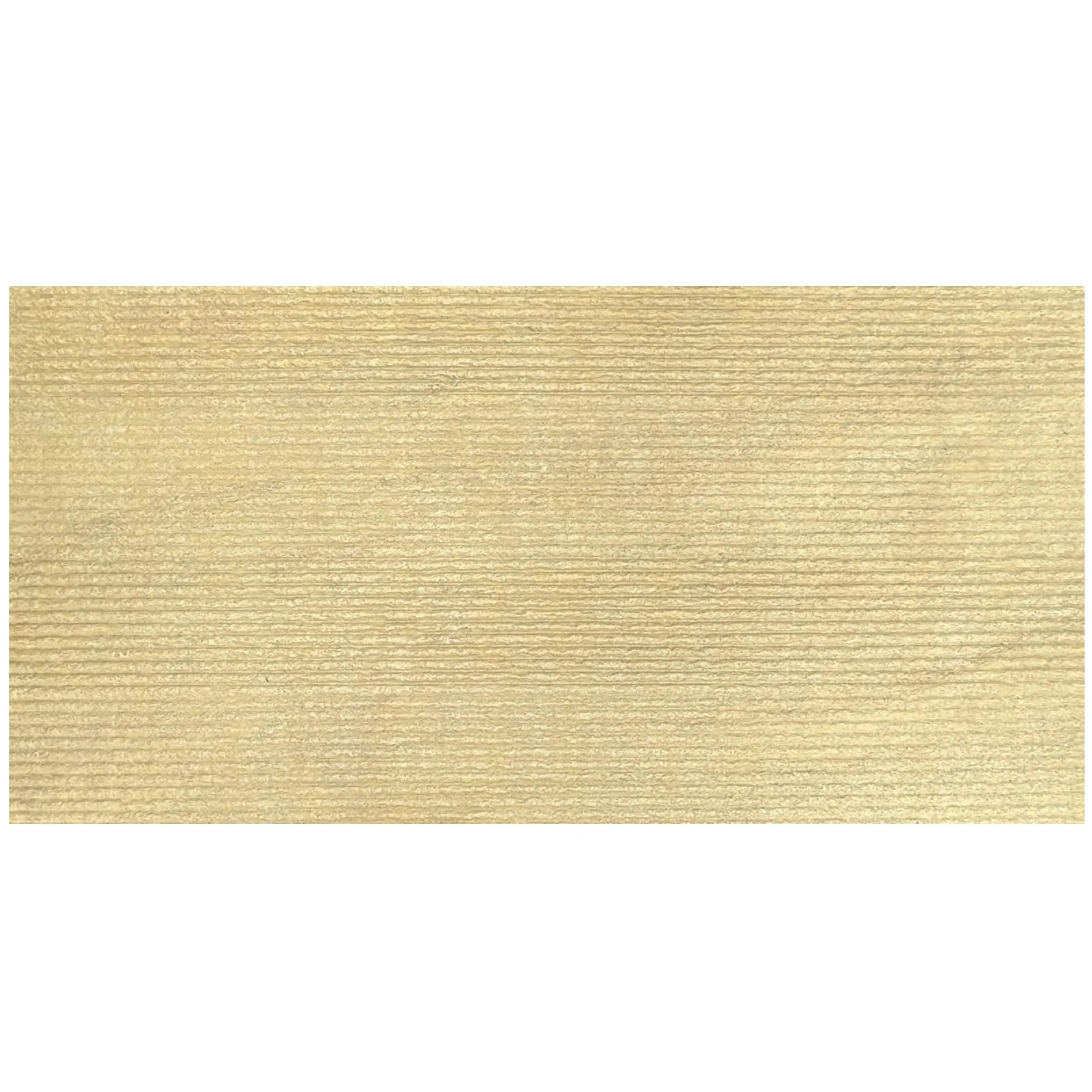
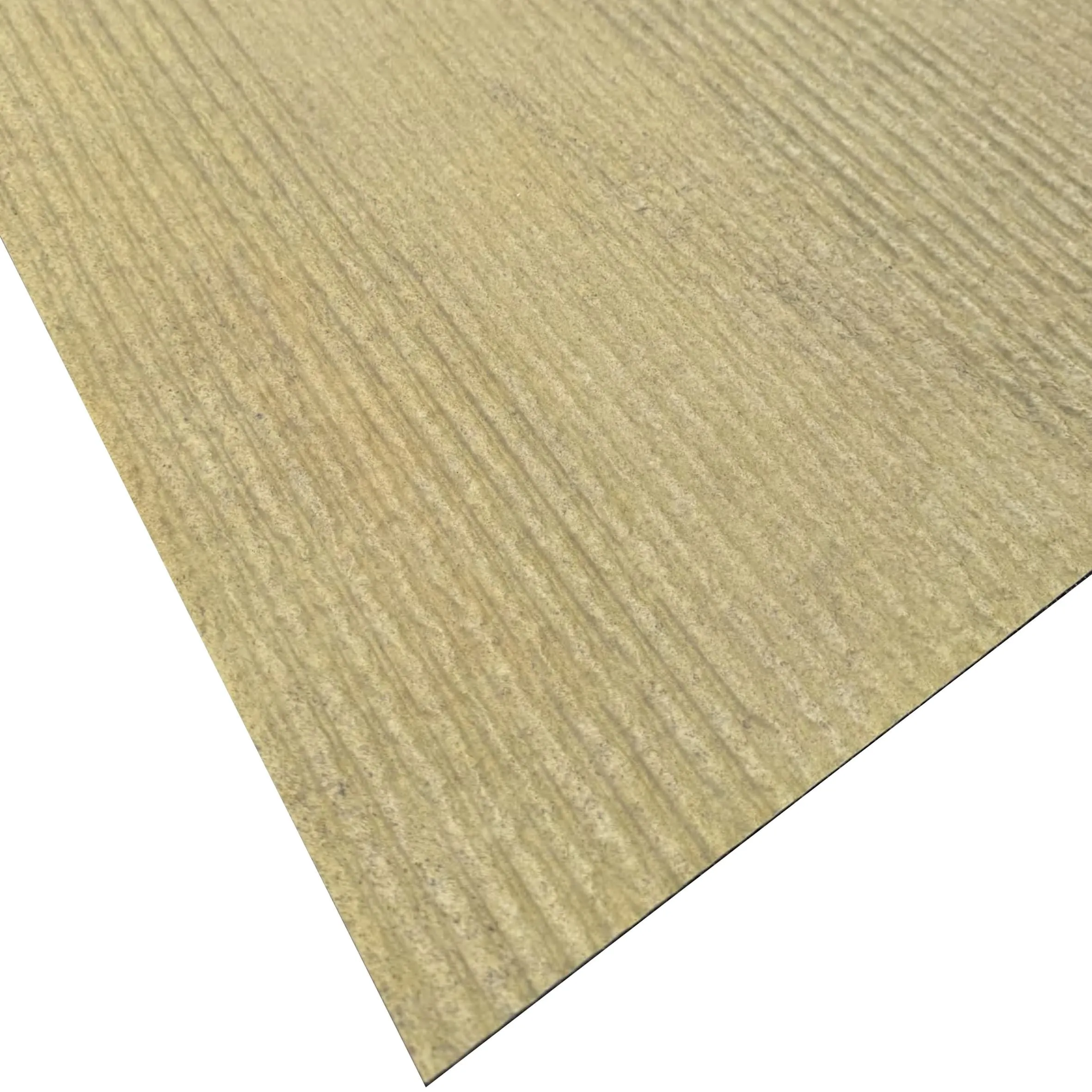
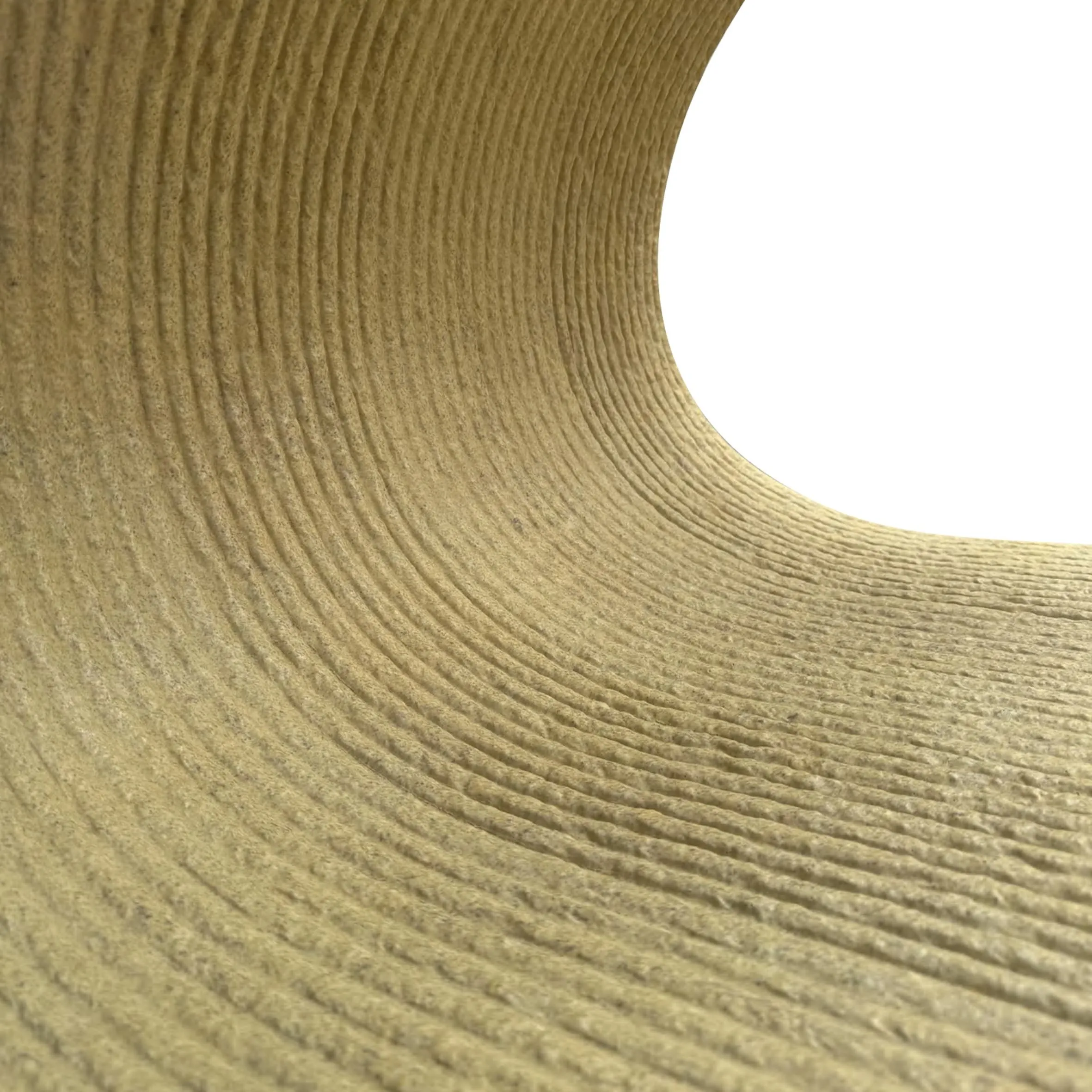
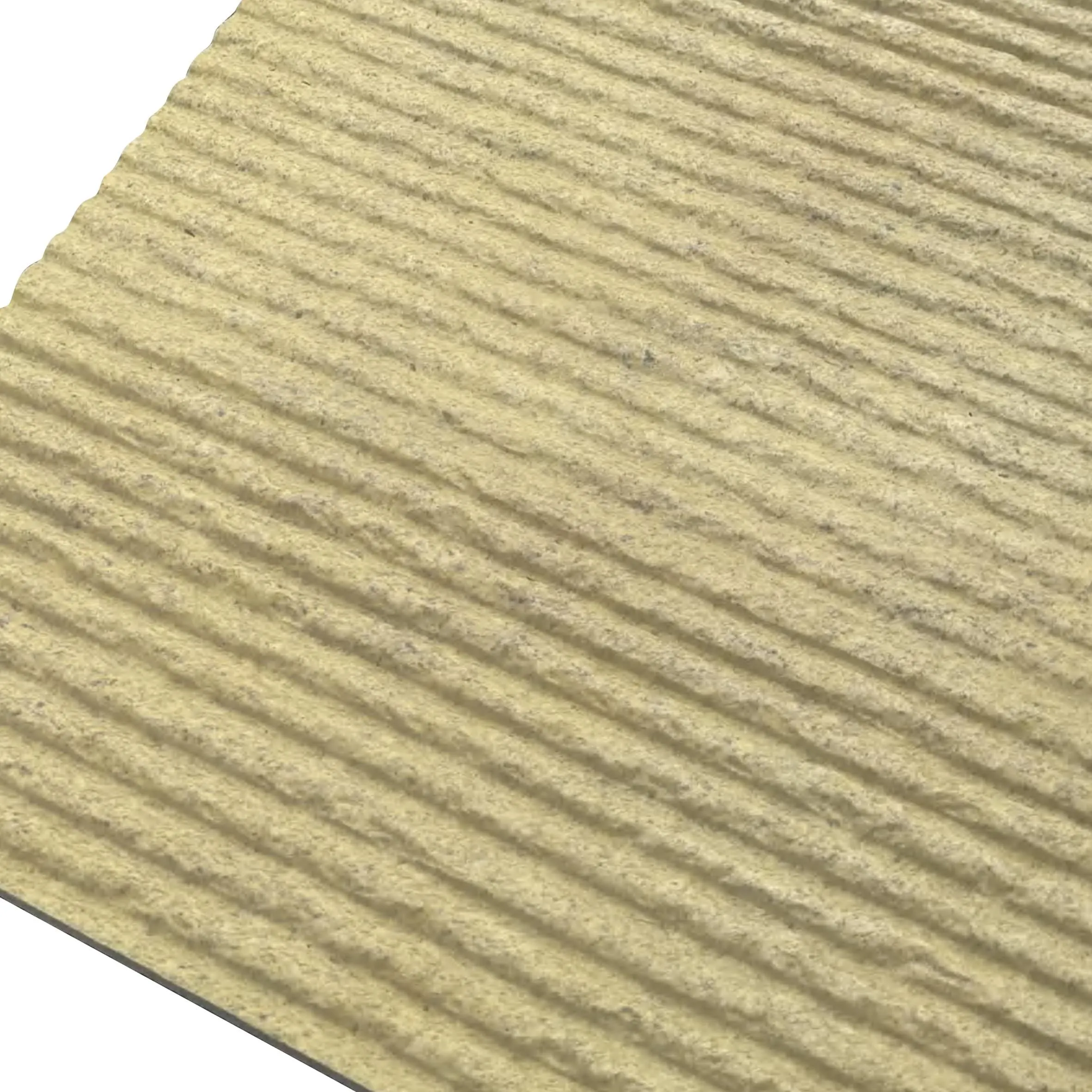
Gravel Omani Stone apart is its unique texture—think warm, earthy tones (terracotta, gold, soft beige) interspersed with flecks of gravel that catch the light like tiny mirrors. It's a stone that feels alive, with variations in color and pattern that no two pieces share.
To understand its appeal, you have to picture it in context. Imagine walking into a luxury resort in the Maldives, where the lobby floor is paved with
Gravel Omani Stone. The stone is cool underfoot, even in the tropical heat, and each step releases a subtle crunch—the sound of gravel embedded in the stone shifting slightly. It's a sensory experience that immediately grounds you, connecting you to the natural world. That's the magic of natural stone: it engages more than just the eyes; it speaks to touch, sound, and even smell (freshly quarried
Gravel Omani Stone has a faint, earthy scent, like rain on desert soil).
Durability is another non-negotiable. Oman's climate is harsh—scorching sun, occasional sandstorms, rare but heavy rains—and
Gravel Omani Stone has evolved to withstand it all. Quarriers in Oman will tell you stories of ancient fortresses built with the same stone that still stand today, their walls weathered but unbroken. For architects designing buildings meant to last centuries, that kind of longevity is priceless. A museum in Cairo, dedicated to preserving pharaonic artifacts, chose
Gravel Omani Stone for its exterior not just for its beauty, but because curators wanted a material that would age gracefully, developing a patina over time that mirrors the artifacts inside.
There's also a cultural dimension to
Gravel Omani Stone. In Oman, stone quarrying is more than an industry; it's a tradition passed down through generations. Quarriers know the land intimately, able to identify the best veins of stone by the color of the soil or the way sunlight hits a cliff face. When you use
Gravel Omani Stone, you're not just importing a material—you're importing a piece of that heritage. A recent project in London, a Middle Eastern cultural center, used
Gravel Omani Stone for its courtyard walls, pairing it with traditional Omani wooden latticework. "We wanted visitors to feel like they'd stepped into a piece of Oman," the lead architect explained. "The stone isn't just a surface; it's a bridge between cultures."