

Every architect has been there—staring at a sketch, wondering if that bold, undulating wall or star-speckled panel will ever make it off the page. Traditional building materials? They're like stubborn old friends: reliable, but set in their ways. Heavy stone slabs limit height, rigid concrete resists intricate textures, and custom molds? They take forever, eating into tight project timelines. But what if there was a material that could keep up with your wildest ideas—one that bends to your design, not the other way around? Enter 3D printed MCM wave panels, the game-changer that's turning "what if" into "what is" for architects and designers worldwide.
Walk through any contemporary city, and you'll notice a shift: buildings are softening. Sharp edges are making way for flowing lines, flat facades for dynamic curves. Why? Because curves feel alive. They mimic nature—the roll of hills, the curl of ocean waves—and draw the eye in a way straight lines never could. But here's the catch: traditional materials hate curves. Carving a wave pattern into solid stone? Expensive and time-consuming. Forming it with concrete? You'll end up with seams that break the illusion of continuity. That's where wave panels step in—and not just any wave panels, but ones made with 3D printed MCM.
MCM, or Modified Cementitious Material, is the unsung hero here. Think of it as cement's cooler, more flexible cousin. It's lighter than traditional stone (we're talking 30-50% lighter—huge for high-rises), just as durable, and best of all, it plays nice with 3D printing. So when you pair MCM's adaptability with 3D printing's precision, you get wave panels that aren't just "curvy"—they're intentional . Every ridge, every dip, every subtle texture is exactly what you imagined, because the printer doesn't just build it—it replicates your vision .
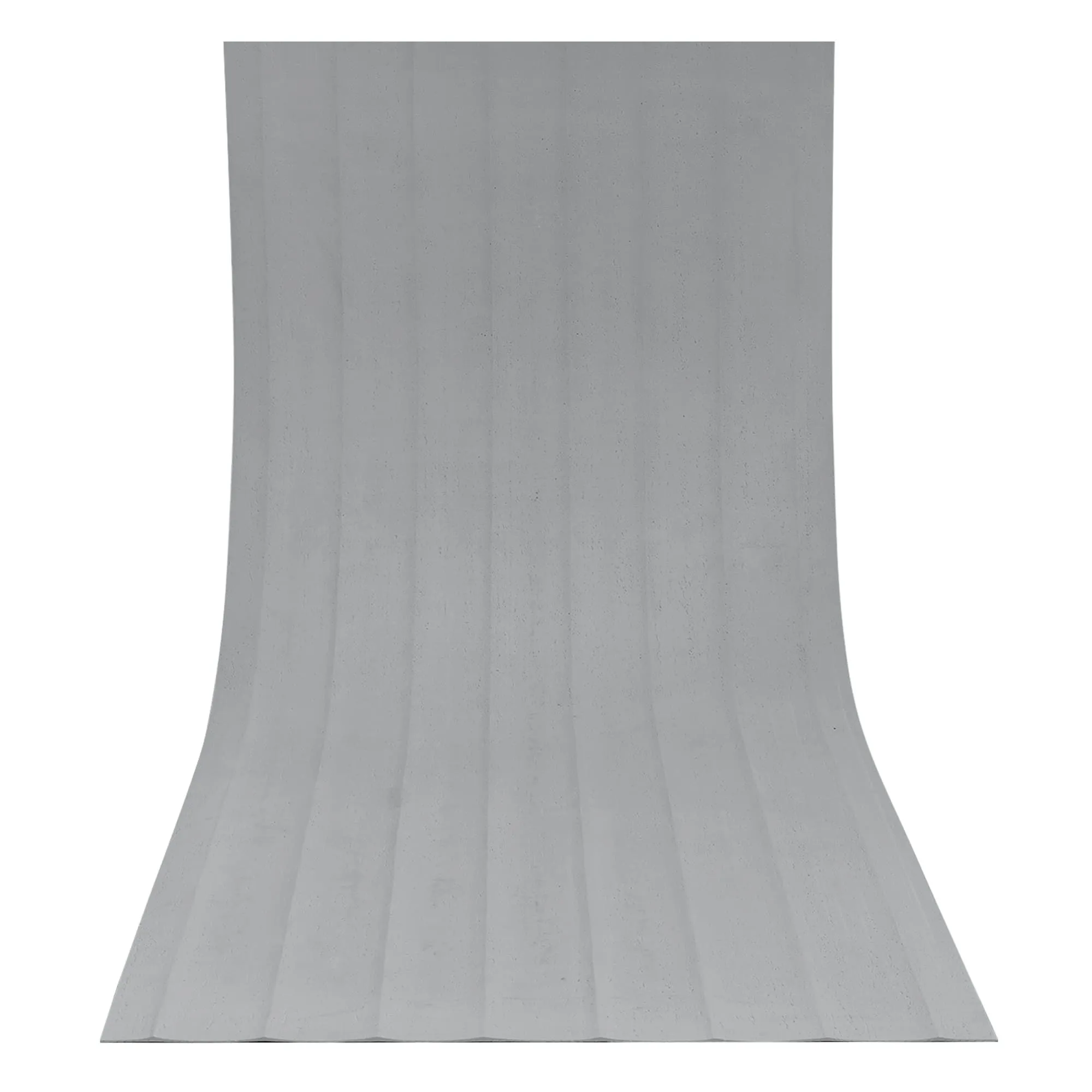
Let's talk about the magic word: quick prototyping . In the old days, if you wanted a custom wave panel, you'd spend weeks (or months) waiting for a mold to be crafted, tested, and adjusted. By the time you saw a physical sample, your project timeline might already be derailed. With 3D printed MCM wave panels? It's a different story. Send over your 3D model on Monday, and by Thursday, you could be holding a full-scale prototype in your hands. No molds, no delays, no "close enough" compromises.
Take the Travertine (Starry Green) wave panel project we worked on last year. A boutique hotel in Riyadh wanted a lobby wall that looked like a night sky reflected on water—think deep greens swirled with tiny, glittering "stars." Traditional travertine would have required hand-carving each star, a process that would've taken months and blown the budget. Instead, we used 3D printing with MCM: the printer layered the modified cementitious material to create the wave base, then embedded micro-glass particles to mimic those starry accents. The result? A 12-meter wall that went from concept to installation in just six weeks. The hotel manager called it "the soul of the space"—and honestly, we can't argue.
| Feature | Traditional Wave Panels | 3D Printed MCM Wave Panels |
|---|---|---|
| Production Time (Prototype) | 4-6 weeks (mold creation + casting) | 3-5 days (direct 3D printing) |
| Weight (per sq.m) | 25-30 kg (natural stone) | 8-12 kg (MCM) |
| Custom Texture Capability | Limited (mold constraints) | Unlimited (3D model-driven) |
| Environmental Impact | High (quarrying, heavy transport) | Low (recyclable materials, energy-efficient printing) |
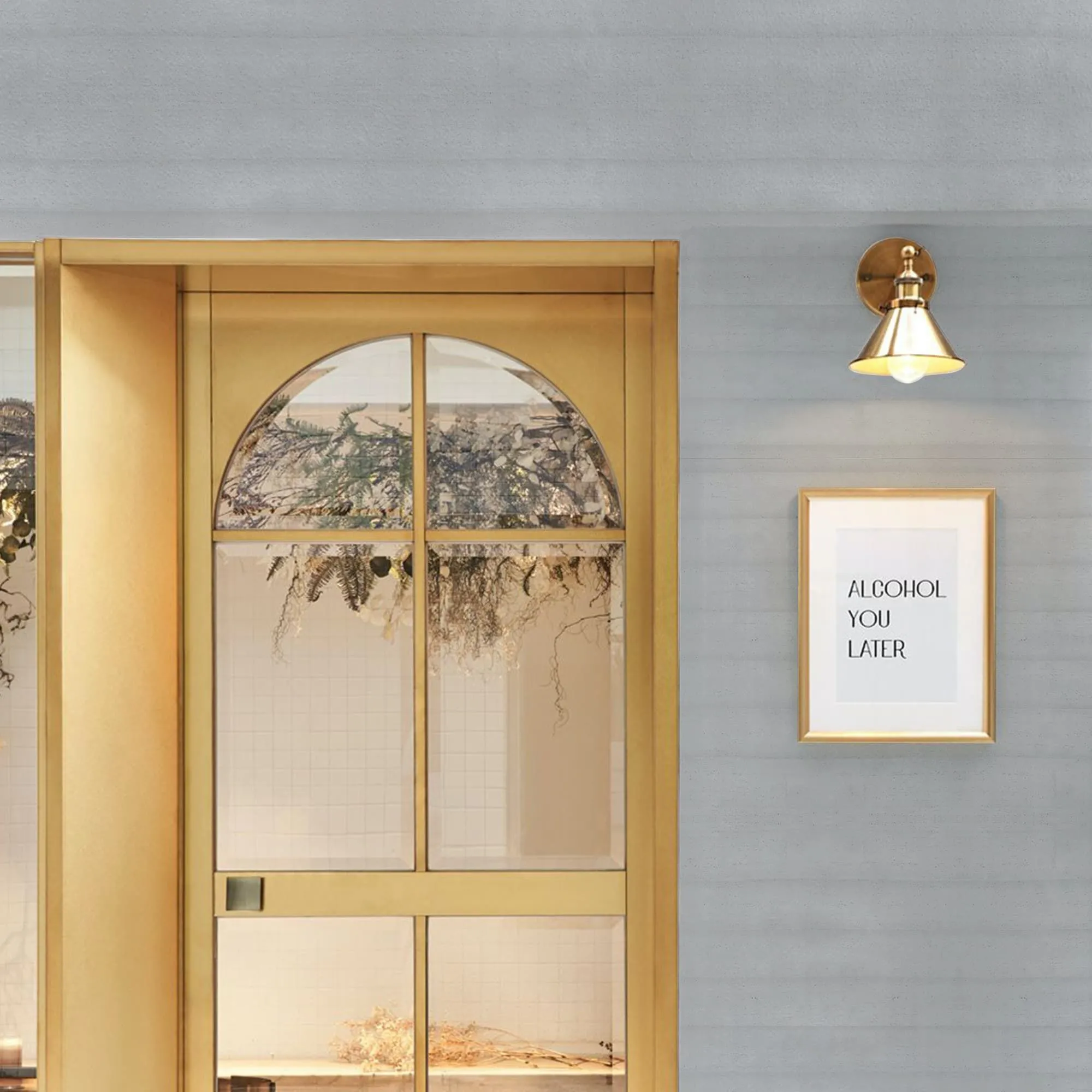
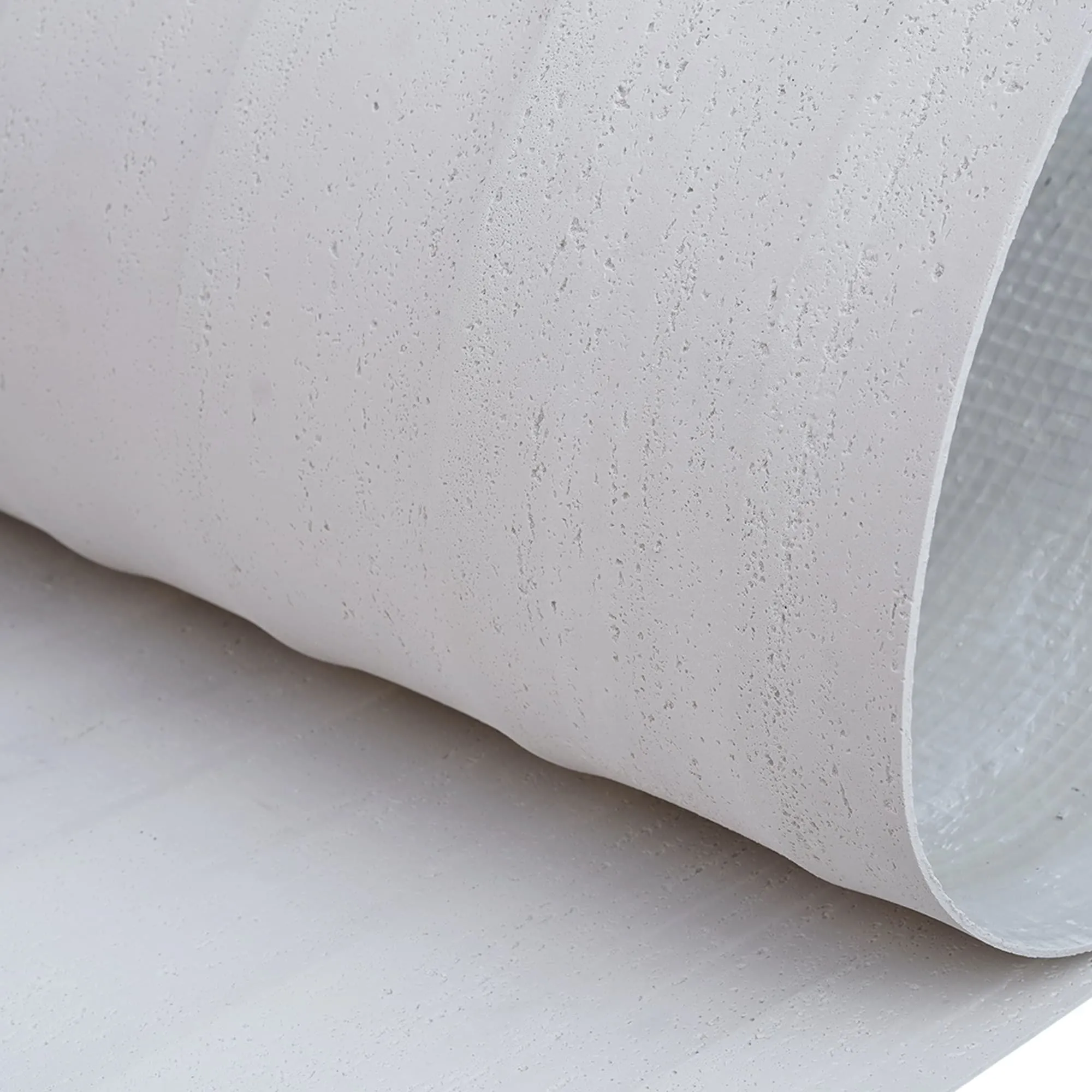
Let's get technical— but not too technical. MCM stands for Modified Cementitious Material, and it's basically cement reimagined. Engineers at COLORIA GROUP took ordinary cement and gave it a glow-up: adding polymers to make it flexible, reinforcing it with fibers for strength, and cutting down on weight without losing durability. The result? A material that's light enough for skyscraper facades, tough enough for high-traffic areas, and sustainable enough to make eco-conscious clients smile.
And here's where it gets even better: MCM isn't a one-trick pony. The 3D printing series plays beautifully with other MCM lines, creating a one-stop shop for designers. Need a wave panel that transitions into a massive, seamless wall? Pair it with MCM Big Slab Board Series —those 1200x2400mm giants that eliminate ugly seams. Want to add a soft, tactile element to your wave design? Layer in MCM Flexible Stone , which bends like fabric but wears like stone. It's like having a toolbox where every tool speaks the same language—so your design stays consistent, from concept to completion.
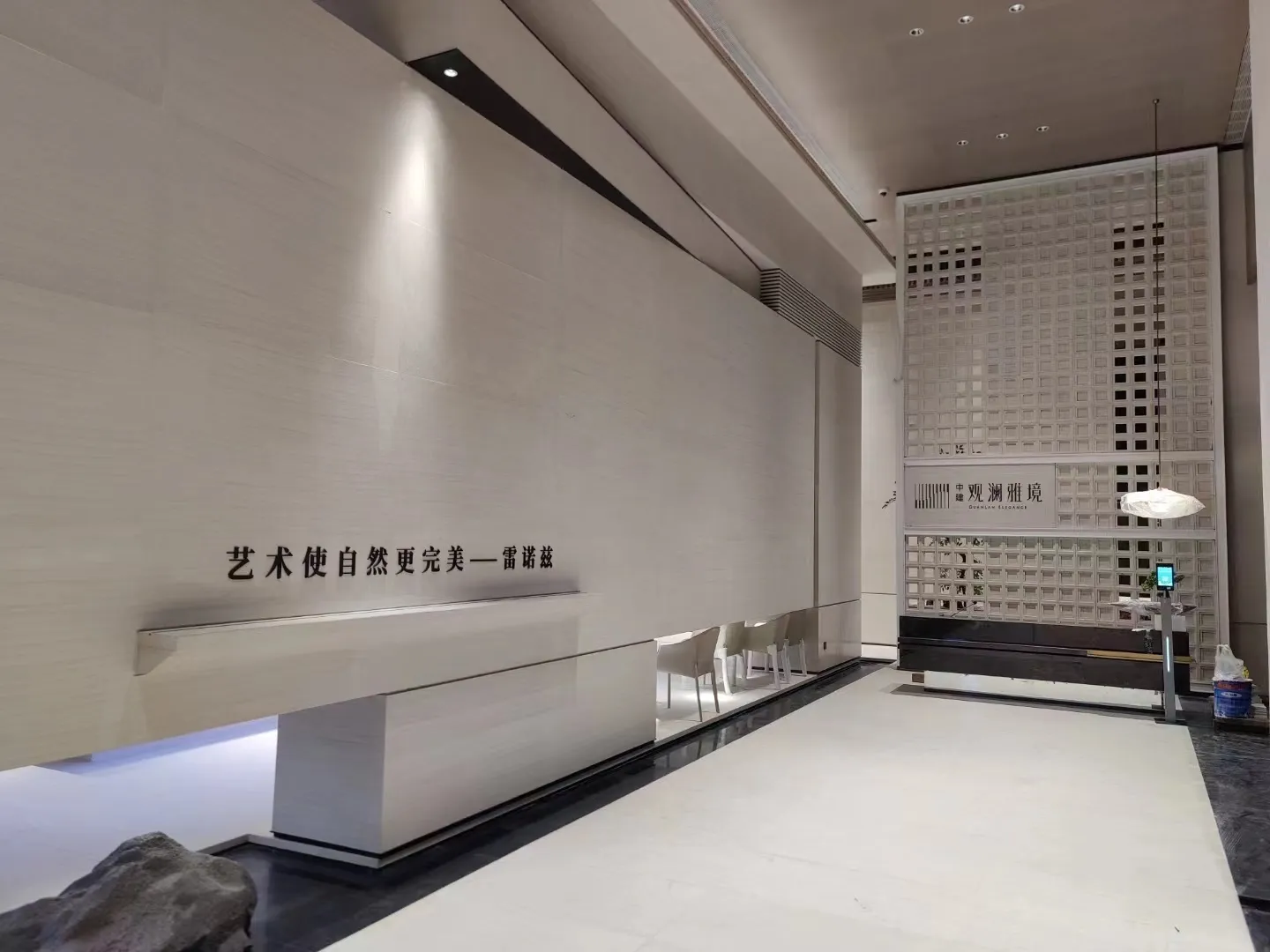
Let's zoom in on a project that brought all these elements together: the "Starry Wave" office building in Dubai. The client wanted the exterior to tell a story—of innovation, of looking to the stars. Their brief? "A wave that looks like it's carrying the night sky." Ambitious? Absolutely. Impossible? Not with 3D printed MCM.
The design team started with Travertine (Starry Green) as the base texture—subtle green tones with flecks of iridescent aggregate that catch the light. Then came the wave: a 3-meter-tall, undulating panel that wraps around the building's main entrance. Traditional methods would've required stacking heavy stone, risking structural issues. Instead, we 3D printed the wave panels using MCM, which clocked in at just 10kg per square meter—light enough to attach to the existing steel frame without extra support.
But the real "aha!" moment? The prototype phase. The client initially wanted the "stars" to be larger, more pronounced. With 3D printing, we adjusted the design in CAD, hit "print," and had a revised panel ready in 48 hours. No retooling, no extra costs—just a quick tweak and a satisfied client. Six weeks later, the first wave panel went up, and as the sun set over Dubai, the building came alive: the green travertine glowed, the stars twinkled, and the wave? It looked like it was moving, even though it was solid stone. "It's exactly what we dreamed," the architect told us. "But honestly? We didn't think it would look this good."
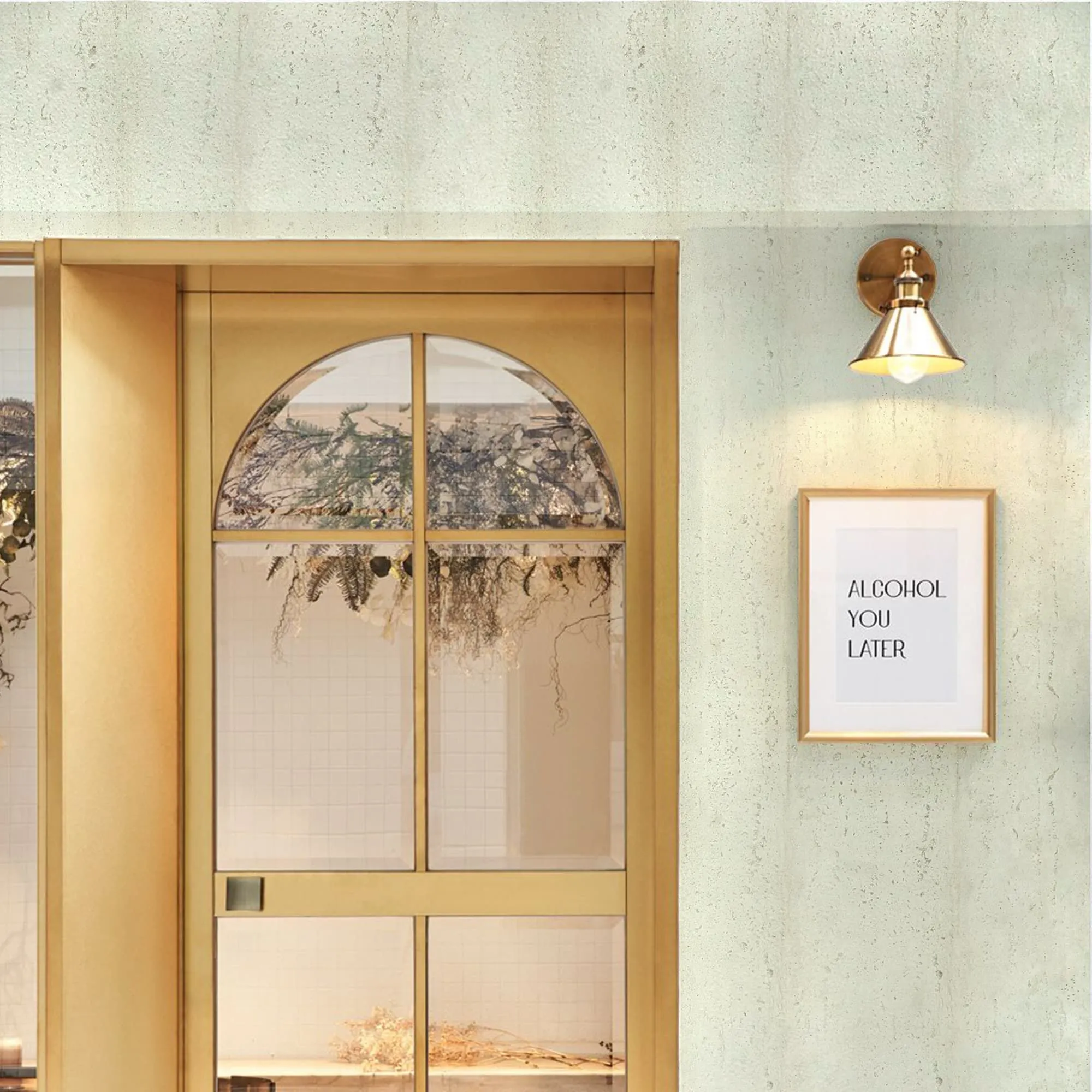
Wave panels are just the beginning. The beauty of 3D printed MCM lies in its versatility. Need a custom mosaic for a restaurant backsplash? The printer can lay down tiny, precise tiles in any pattern. Want a facade that mimics the texture of pine bark or gobi desert sand ? Scan the real thing, upload the file, and watch it come to life. And because MCM is compatible with other COLORIA products, you can mix and match to create layered, dynamic spaces.
Imagine this: a hotel lobby with 3D printed wave panels (in lunar peak silvery for that moonlit vibe) on the walls, paired with MCM Flexible Stone on the ceiling for a soft, cloud-like effect. Or a retail store where MCM Big Slab Board Series forms the main walls, accented with 3D printed star gravel panels above the display cases. It's not just about materials—it's about creating a cohesive, immersive experience that feels intentional, not.
At the end of the day, architecture is about storytelling. And stories aren't one-size-fits-all. They're personal, they're unique, and they deserve materials that can keep up. 3D printed MCM wave panels aren't just a new product—they're a new way of thinking: that your design shouldn't have to shrink to fit the material, but that the material should stretch to fit your design.
So the next time you're sketching that wild, wonderful idea—whether it's a wave, a starry sky, or something no one's ever seen before—remember: with 3D printed MCM, it's not a question of "can we?" It's a question of "when?" And with quick prototyping, that "when" is probably sooner than you think.
Because in the world of modern architecture, the only limit should be your imagination. And thanks to MCM, even that's starting to feel limitless.
Recommend Products











