
Picture this: You're standing in the middle of a half-finished boutique hotel lobby. The walls are bare, the floors echo, and the mood board on the adjacent table is covered in swatches—warm woods, cool marbles, industrial concretes—but none of them quite click. As an architect, you've spent weeks hunting for a material that feels both timeless and bold, something that can curve with the lobby's organic archways yet stand up to the hustle of daily foot traffic. You want texture that invites touch, a finish that shifts with the light, and a story that makes guests pause and say, "What is this?"
If this scenario sounds familiar, you're not alone. The modern design world thrives on uniqueness, but traditional building materials often box us in—too heavy to curve, too rigid to customize, too fragile to last. That's where the MCM 3D Printing Series steps in, and at its heart lies a game-changer: the 3D Printed MCM Wood Line. More than just a material, it's a bridge between nature's warmth and technology's precision, designed to turn "what if" into "what is."
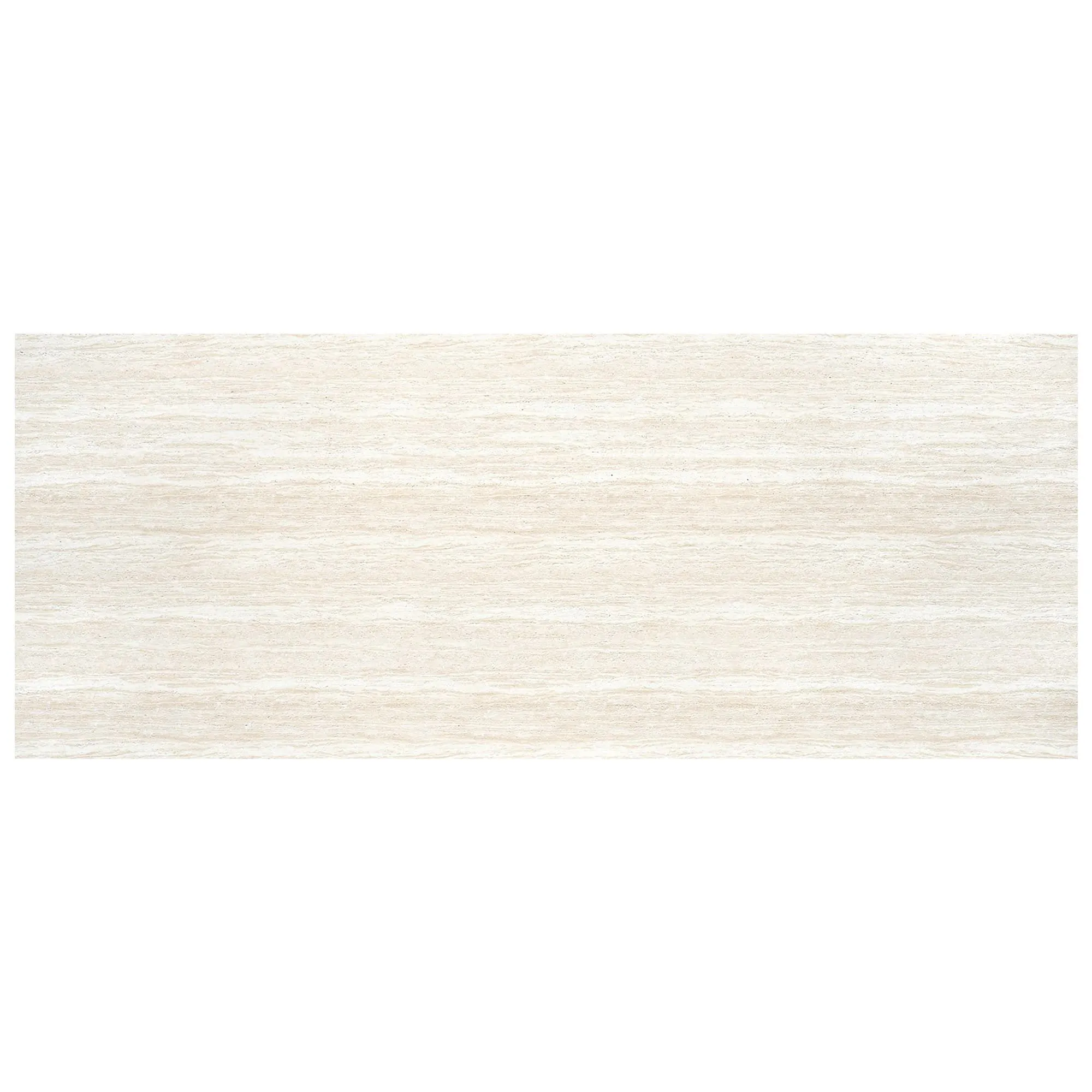
Let's start with the basics. MCM—short for Modified Composite Material—has been quietly revolutionizing architecture for years, thanks to its lightweight, durable, and eco-friendly core. But the 3D Printing Series takes it a step further. Imagine taking MCM's signature flexible stone base (yes, stone that bends!) and infusing it with the intricate texture of real wood grain, all shaped by 3D printing technology that can create curves, angles, and patterns no saw or mold ever could. That's the Wood Line: a material that looks and feels like aged oak or smooth teak but behaves like a modern marvel.
"It's not about mimicking wood—it's about reimagining it," says Elena Marquez, a Madrid-based interior designer who recently used the Wood Line in a coastal restaurant project. "Real wood warps, fades, and needs constant upkeep. This? It bends around the restaurant's circular bar, withstands salt air, and still has that soft, tactile warmth that makes guests want to run their hands along the walls. It's wood, but better."
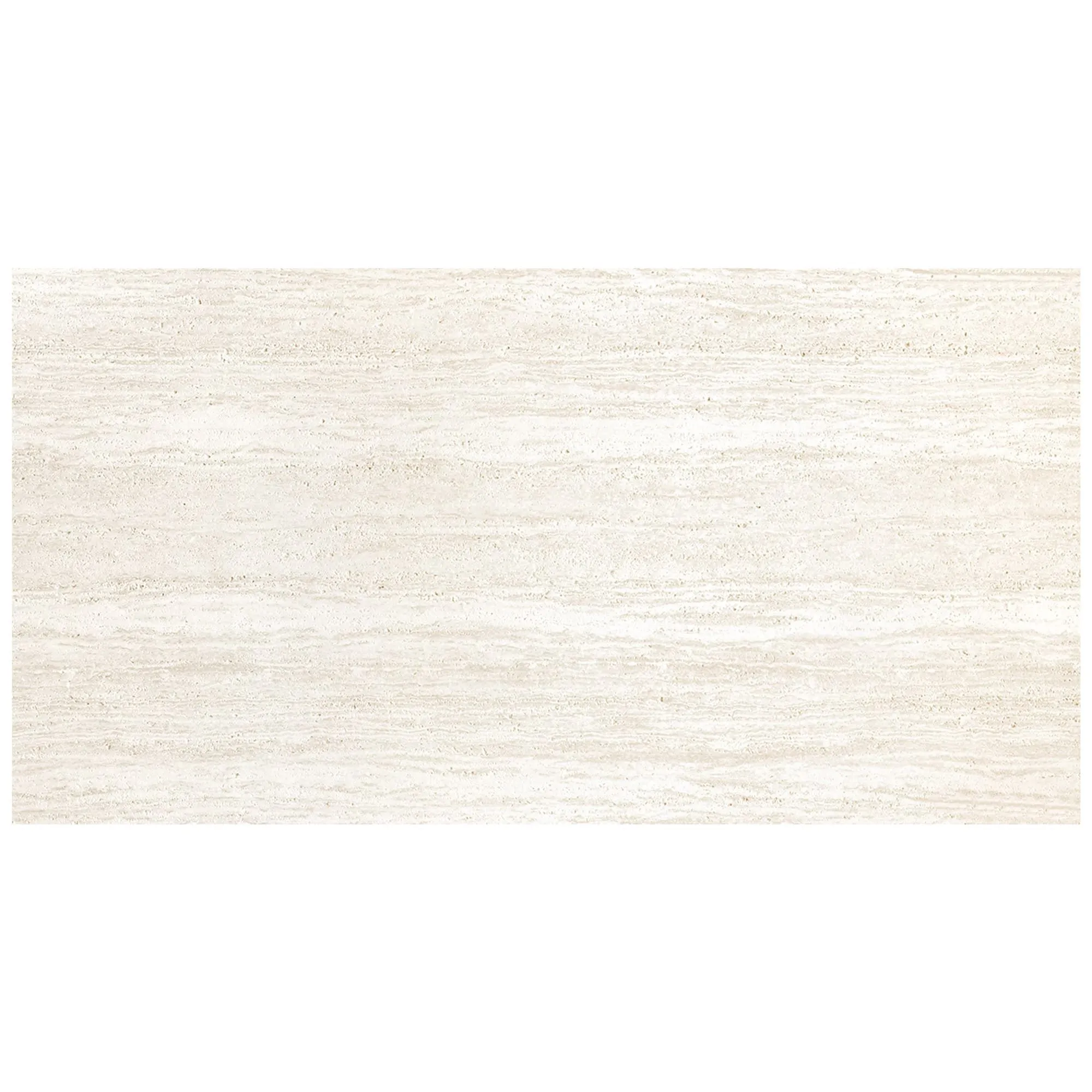
Here's where the 3D magic truly shines: customization. Forget "one size fits all" or "standard patterns only." The Wood Line is built on the idea that your vision shouldn't be limited by what a factory can stamp out. Need a 12-foot-long panel with a wave-like curve for a museum's entrance? Done. Want tiny, interlocking hexagonal wood-grain tiles for a café backsplash? Consider it handled. The 3D printing process lets designers input exact measurements, angles, and textures—down to the millimeter—so every piece feels intentional, not off-the-shelf.
And it's not just about shape. The surface details are where the Wood Line really sings. The "wood line" texture itself is customizable: choose from the deep grooves of reclaimed barnwood, the subtle striations of young ash, or even a hybrid pattern that blends wood with geometric lines for a contemporary twist. Pair that with color options that range from warm honey tones to sleek charcoal, and suddenly, the material becomes a tool for storytelling.
Take, for example, a recent project by architect Raj Patel in Bangalore. He used the Wood Line in a private home's library, opting for a custom "thread" texture—think delicate, overlapping wood grains that mimic the pages of old books—paired with travertine (starry green) accents on the shelving. "The wood line brings warmth, like being in a forest, while the starry green travertine adds this unexpected, almost magical pop," Patel explains. "Guests walk in and immediately feel calm, curious, and connected to the space. That's the power of materials that don't just fill a room—they shape it."
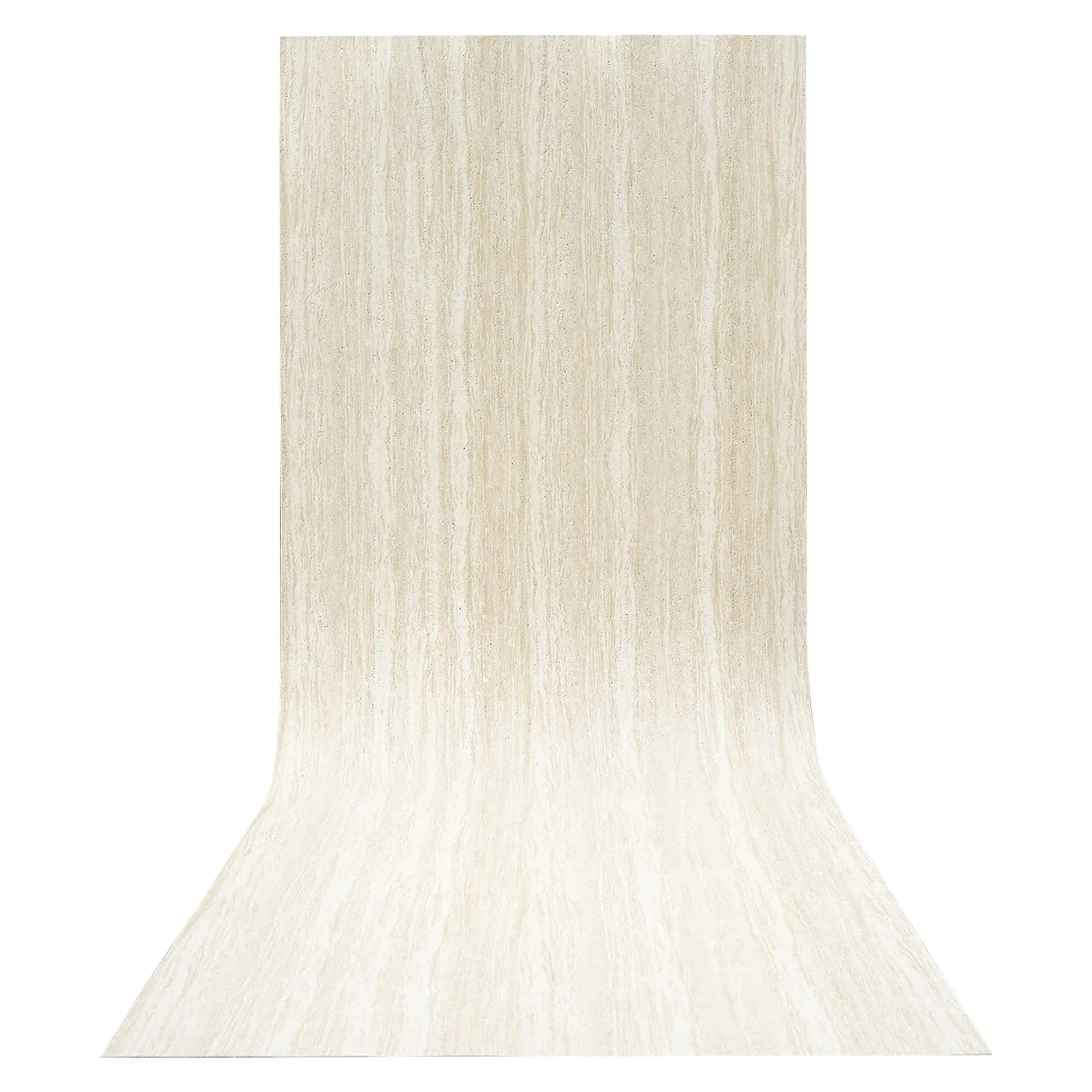
At the core of the Wood Line is MCM's flexible stone technology, and it's a game-changer for anyone who's ever struggled with heavy, brittle building materials. Traditional wood panels or stone slabs can weigh hundreds of pounds, limiting where they can be installed and requiring reinforced structures. MCM flexible stone, on the other hand, is up to 70% lighter, making it possible to clad ceilings, wrap columns, or even create floating accent walls without worrying about structural strain.
But "flexible" doesn't mean flimsy. The material is engineered to withstand the elements: rain, humidity, UV rays, even the occasional bump from a wayward luggage cart in a hotel lobby. Unlike real wood, it won't rot, warp, or attract pests, and unlike synthetic laminates, it doesn't fade or peel over time. It's the kind of durability that lets designers dream big—like using the Wood Line on an outdoor patio that's exposed to snow in winter and scorching sun in summer, without a second thought.
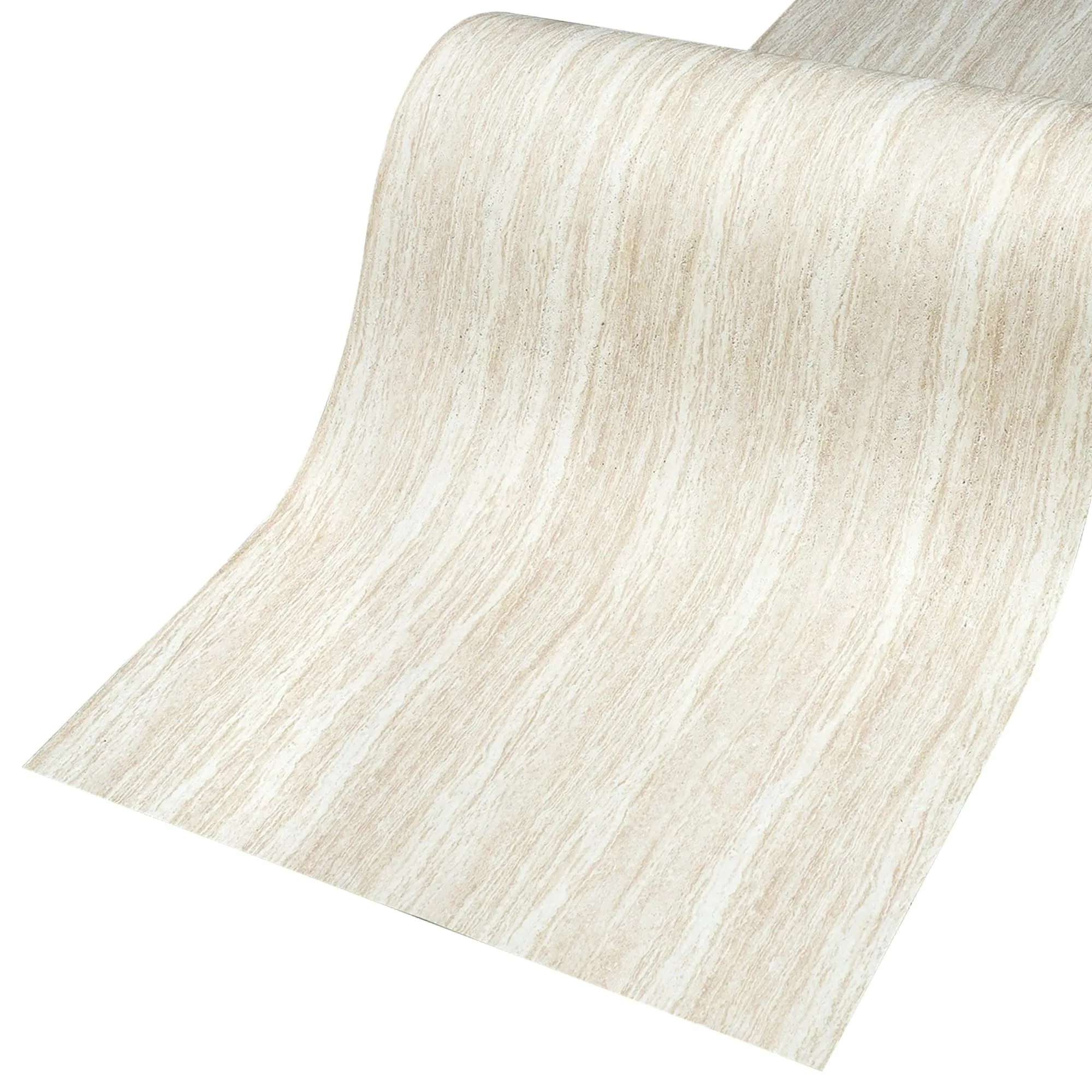
One of the best things about the 3D Printed MCM Wood Line? It plays well with others. MCM's lineup of complementary materials means you can mix and match textures and colors to create truly one-of-a-kind spaces. Let's say you're designing a boutique hotel with a "modern rustic" vibe. Pair the Wood Line (in a warm oak finish) with lunar peak silvery panels on the ceiling—the silvery, almost metallic sheen of Lunar Peak adds a touch of futuristic elegance, while the wood line grounds the space in coziness. It's a contrast that feels intentional, not chaotic.
Or, for a more dramatic look, combine the Wood Line with travertine (starry green) accent walls. The starry green travertine has this otherworldly, almost galaxy-like pattern—specks of iridescent green and gold that catch the light—while the wood line adds earthiness. Together, they evoke a sense of "forest meets cosmos," perfect for a high-end spa or a creative studio where inspiration is key.
"Materials should talk to each other," says Marquez. "I once used the Wood Line with foamed aluminium alloy board (vintage gold) in a restaurant's bar area. The wood line's warmth balanced the coolness of the metal, and the vintage gold added a touch of glamour. Guests kept asking if the bar was hand-carved—it was 3D printed! That's the beauty of it: technology that feels handmade."
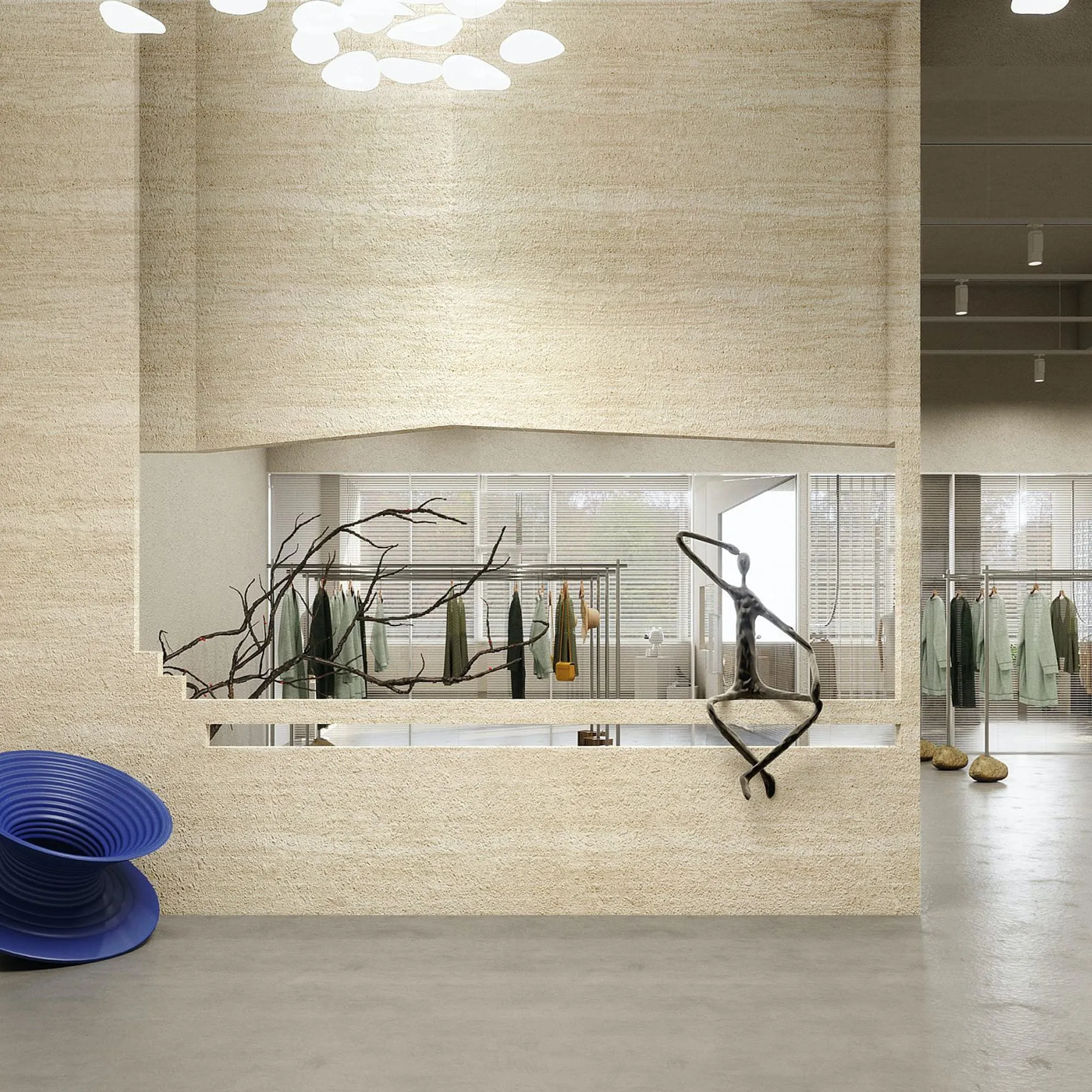
Curious about the process? It starts with your vision. You sketch a curve, a pattern, or a custom size—maybe a 10-foot-tall wall panel with a wave-like texture for a beach house. That design is then fed into MCM's 3D printing software, which maps out every detail, from the depth of the wood grain to the angle of the curve. The MCM flexible stone base is mixed, infused with natural pigments for color, and then printed layer by layer, just like a 3D printer creates a plastic model—only on a massive scale.
The result? A panel that's not just a copy of your design, but a perfect execution of it. No more "close enough" or "we can't bend that." And because MCM is pre-finished, there's no need for on-site painting or sealing—install it, and it's ready to shine. It's a process that cuts down on construction time, reduces waste, and ensures that what you see on the screen is exactly what you get in the space.
Still wondering how 3D Printed MCM Wood Line stacks up against traditional materials? Let's break it down:
| Feature | 3D Printed MCM Wood Line | Traditional Solid Wood | Standard Concrete Panels |
|---|---|---|---|
| Weight (per sqm) | 8-12 kg (lightweight, easy to install) | 25-40 kg (requires structural support) | 40-60 kg (heavy, limits installation options) |
| Custom Shape Capability | Unlimited—curves, angles, intricate patterns | Limited (difficult to bend; requires specialized tools) | Basic shapes only (molds needed for customization) |
| Durability | Weather-resistant, no warping/rot, 50+ year lifespan | Prone to warping, rot, and pest damage; 10-20 year lifespan (with maintenance) | Durable but prone to cracking; 30-40 year lifespan |
| Sustainability | Recyclable materials, low VOC emissions, no deforestation | Requires logging; may involve harmful finishes | High carbon footprint from production |
| Tactile Appeal | Realistic wood grain texture; smooth, warm to the touch | Natural texture but varies; can splinter | Hard, cold, industrial feel |
It's clear: the Wood Line isn't just a "new material"—it's a smarter, more sustainable, and more creative alternative to what's been available for decades.
From cozy homes to bustling commercial spaces, the Wood Line has made its mark across industries. Here are a few standout examples:
As technology advances, so does what's possible with MCM's 3D Printing Series. Imagine 3D printed Wood Line panels that change color with temperature, or integrate LED lights for a dynamic, ever-shifting space. Or textures that mimic not just wood, but stone, fabric, or even ancient artifacts—all with the same flexibility and durability MCM is known for.
But for now, the magic lies in the present: a material that lets designers stop compromising and start creating. It's about spaces that feel personal, not generic; materials that tell a story, not just fill a void. It's about turning "I wish" into "I built."
At the end of the day, architecture isn't just about buildings—it's about people. It's about the way a lobby makes you feel welcome, the way a home wraps you in comfort, the way a store sparks joy. The 3D Printed MCM Wood Line isn't just a tool for building—it's a tool for connecting. It's the warmth of wood without the hassle, the precision of technology with the soul of something handmade, and the freedom to design spaces that are as unique as the people who use them.
So the next time you're staring at that mood board, wondering how to make your vision real, remember: the answer might just be a 3D printed curve, a custom texture, and a material that bends, shapes, and shines—all while feeling like home.
Because in the end, great design isn't about the materials you use. It's about the stories they tell. And with 3D Printed MCM Wood Line, the story is always yours to write.
Recommend Products












