
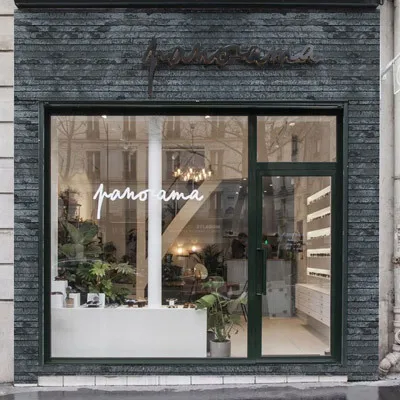
Imagine standing in front of a building that doesn't just serve a purpose—it tells a story. Its walls curve like waves, its texture shifts with the light, and every inch feels intentionally crafted, as if the stone itself was shaped by human hands rather than industrial machines. For decades, architects and designers have dreamed of this level of customization, but traditional construction materials have always thrown up roadblocks: stone that's too heavy, concrete that's too rigid, or cladding that limits creativity to pre-cut shapes. But what if there was a material that broke all those rules? Enter 3D printed Muretto Stone —a game-changer in the world of building materials, and a shining example of how the mcm 3d printing series is redefining what's possible in construction.
Let's start with the obvious: buildings aren't just boxes anymore. Today's clients—whether they're designing a boutique hotel, a residential home, or a public art installation—want spaces that feel unique. They crave materials that reflect brand identity, local culture, or even personal stories. Traditional stone cladding, for all its beauty, often falls short here. Quarried stone comes in fixed sizes, concrete panels are mass-produced, and custom carvings? They're expensive, time-consuming, and often impractical for large-scale projects.
This is where the demand for flexibility and personalization has skyrocketed. Builders and designers are no longer satisfied with "one-size-fits-all" solutions. They want materials that can bend to their vision, not the other way around. And that's exactly where flexible stone cladding panels and 3D printing technology intersect. Muretto Stone, a material known for its rustic, textured finish reminiscent of old-world masonry, has long been a favorite for adding warmth to modern spaces. But when combined with 3D printing? It becomes something entirely new: a material that's both durable and adaptable, historic and futuristic.
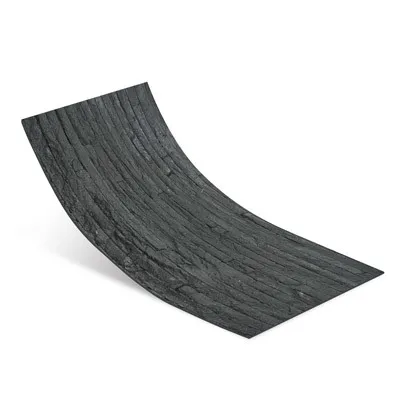
First, let's clarify what Muretto Stone is at its core. Traditionally, Muretto Stone (from the Italian "muretto," meaning "small wall") is a type of thin, lightweight cladding that mimics the look of stacked stone or brick. It's popular for both interior and exterior use because it's easier to install than full stone and offers a cozy, timeless aesthetic. But traditional Muretto Stone still has limitations: it's made using molds, which restrict design to repeating patterns, and while it's lighter than solid stone, it's not exactly "flexible" in the sense of conforming to curved surfaces or complex geometries.
Enter 3D printing. As part of the mcm 3d printing series , Muretto Stone is now being produced using additive manufacturing techniques. Instead of pouring material into a mold, layers of modified composite material (a blend of natural stone aggregates, resins, and fibers) are printed layer by layer, guided by digital designs. This process isn't just about making things faster—it's about unlocking design freedom. Want a wall that undulates like a desert dune? 3D printing can do that. Need a cladding panel with intricate, one-of-a-kind textures that tell a local legend? The printer can replicate even the tiniest details with precision.
But 3D printed Muretto Stone isn't just about looks. The modified composite material panels used in the process are engineered for strength. Unlike traditional stone, which can crack under stress, these panels are reinforced with fibers that make them resistant to impact and weathering. They're also lighter—up to 60% lighter than solid stone cladding— which reduces the load on building structures and cuts down on installation time and costs. And because they're printed to exact specifications, there's almost no waste. No more cutting stone slabs to fit, no excess material ending up in landfills. It's a win for both design and sustainability.
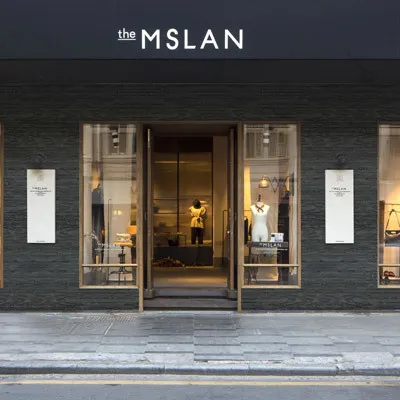
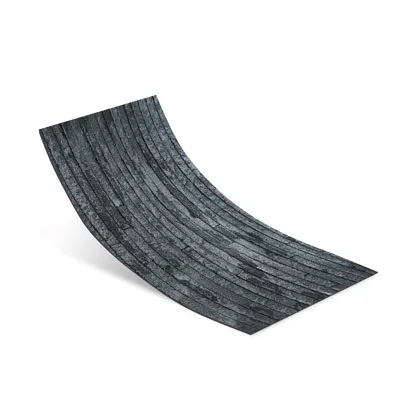
Let's talk about flexibility—both literal and metaphorical. Flexible stone cladding panels have been around for a while, but 3D printed Muretto Stone takes this to a new level. Traditional flexible cladding is often limited to flat or slightly curved surfaces, but 3D printing allows for panels that can wrap around columns, follow organic shapes, or even integrate functional elements like built-in planters or lighting fixtures. Imagine a restaurant facade where the Muretto Stone panels curve inward to create a welcoming arch, or a residential exterior where the texture changes from smooth to rough to mimic the surrounding landscape. These aren't just design fantasies anymore—they're achievable with 3D printed Muretto Stone.
Another practical perk is speed. Traditional stone cladding requires quarrying, cutting, transporting, and installing heavy slabs—a process that can take weeks or even months for large projects. 3D printed Muretto Stone, on the other hand, is produced on-site or in local facilities, reducing transportation costs and delays. Since the panels are printed to exact measurements, installation is a breeze: no cutting, no grinding, just fitting panels together like a puzzle. This not only saves time but also reduces labor costs, making custom designs more accessible to a wider range of projects, from luxury resorts to community centers.
Durability is another standout feature. You might think a 3D printed material would be fragile, but that couldn't be further from the truth. The composite blend used in Muretto Stone is engineered to withstand harsh weather conditions, from freezing temperatures to heavy rain, and it's resistant to fading, chipping, and mold. Unlike wood or even some types of concrete, it doesn't warp or rot over time, making it a low-maintenance option for both interior and exterior use. For commercial buildings, this means lower long-term upkeep costs; for homeowners, it means a material that will look as good in 20 years as it did on day one.
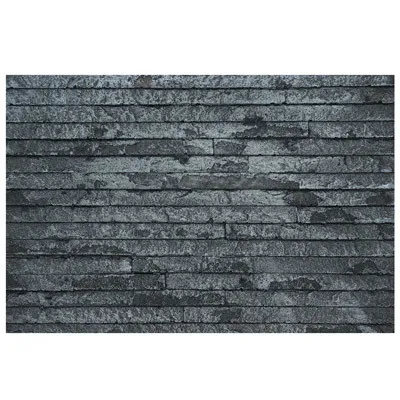
Curious how 3D printed Muretto Stone stacks up against traditional materials? Let's break it down with a side-by-side comparison:
| Feature | Traditional Stone Cladding | 3D Printed Muretto Stone |
|---|---|---|
| Customization | Limited to pre-cut shapes and standard sizes; custom carvings are costly and time-consuming. | Unlimited design options—curves, textures, patterns, and even integrated features (e.g., lighting). |
| Weight | Heavy (often 20-30 lbs per square foot), requiring structural reinforcement. | Lightweight (5-8 lbs per square foot), no need for extra structural support. |
| Installation Time | Weeks to months, depending on project size; requires skilled stonemasons. | Days to weeks; panels are pre-cut to fit, so installation is faster and requires less labor. |
| Environmental Impact | High carbon footprint due to quarrying, transportation, and waste from cutting. | Low waste production (additive manufacturing uses only needed material); often made with recycled aggregates. |
| Cost (Long-Term) | High upfront costs for materials and labor; ongoing maintenance (sealing, repairs). | Moderate upfront costs (offset by faster installation); minimal maintenance, lower long-term expenses. |
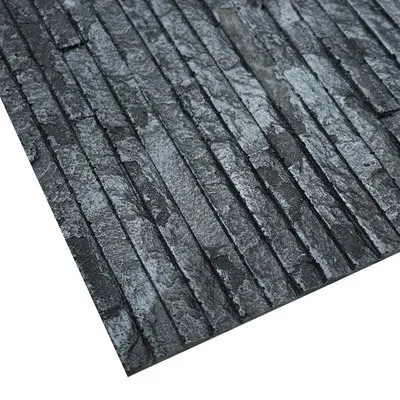
Let's get concrete (pun intended) about where this material is already making waves. One of the most exciting uses is in hospitality design. Imagine a boutique hotel in Bali, where the exterior is clad in 3D printed Muretto Stone panels shaped to mimic the island's famous rice terraces. The texture is rough yet inviting, and the panels curve gently to create shaded alcoves where guests can relax. Inside, the lobby features a feature wall printed with a custom pattern inspired by local Balinese weaving, adding cultural depth to the space without relying on imported (and often expensive) traditional crafts.
Residential design is another area where 3D printed Muretto Stone is thriving. Homeowners are using it for everything from kitchen backsplashes to outdoor patios. For example, a family in Colorado wanted their mountain home to blend with the surrounding landscape, so they opted for Muretto Stone panels printed to look like weathered rock, complete with indentations that mimic the texture of local granite. The lightweight panels were easy to install on the home's curved exterior walls, and the custom color— a warm gray with hints of gold—complements the aspen trees nearby. Best of all, because the panels are printed to fit the home's unique dimensions, there was no waste, aligning with the family's commitment to sustainability.
Public art installations are also getting in on the action. In a downtown square in Barcelona, a local artist collaborated with engineers to create a 20-foot-tall sculpture using 3D printed Muretto Stone. The sculpture, which depicts the city's maritime history, features flowing lines and intricate textures that would have been impossible to achieve with traditional stone carving. The material's durability means the sculpture can withstand the elements, while its lightweight nature made installation feasible in a busy urban area.
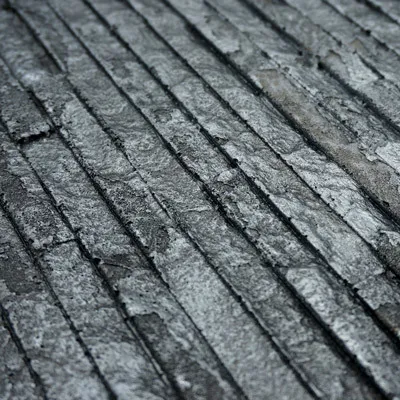
Sustainability isn't just a buzzword in construction—it's a necessity. With climate change driving demand for green building materials , 3D printed Muretto Stone stands out as an eco-friendly option. Let's start with waste reduction: traditional stone quarrying generates massive amounts of waste, as large blocks of stone are cut down to size, leaving behind unused fragments. 3D printing, by contrast, is an additive process, meaning it only uses the material needed for the final product. This reduces waste by up to 90% compared to traditional methods, making it a far more resource-efficient choice.
Energy usage is another key factor. Quarrying stone requires heavy machinery that guzzles fuel, and transporting large slabs over long distances adds to the carbon footprint. 3D printing, on the other hand, can be done on-site or in local facilities, cutting down on transportation emissions. Additionally, many manufacturers of Muretto Stone use recycled aggregates (like crushed stone from demolition sites) in their composite blend, further reducing the need for virgin materials. Some companies even power their printers with renewable energy, making the entire production process carbon-neutral.
Then there's the issue of longevity. A sustainable building material isn't just about how it's made—it's about how long it lasts. 3D printed Muretto Stone's resistance to wear and tear means buildings clad in it will need fewer repairs and replacements over time, reducing the demand for new materials and the associated environmental impact. It's a "buy once, use forever" approach that aligns with the circular economy model, where durability and reusability are prioritized over disposability.
For LEED-certified projects or buildings aiming for green certifications, 3D printed Muretto Stone can even contribute to points in categories like "Materials and Resources" and "Innovation in Design." This makes it an attractive option for developers and architects looking to meet sustainability goals without sacrificing aesthetics or functionality.
So, what does the rise of 3D printed Muretto Stone mean for the future of construction? For architects, it's a license to dream bigger. No longer constrained by the limitations of traditional materials, they can let their creativity run wild, designing buildings that are as functional as they are beautiful. It also opens up opportunities for collaboration with artists, engineers, and even clients, as custom designs become more accessible and affordable.
For builders, it's a chance to streamline workflows and take on more ambitious projects. The speed and efficiency of 3D printing mean projects can be completed faster, with fewer delays and lower labor costs. This is especially game-changing for large-scale developments, where time is money, and for remote locations, where transporting heavy materials is logistically challenging and expensive.
And for the construction industry as a whole? It's a step toward a more sustainable, innovative future. The mcm 3d printing series isn't just about Muretto Stone—it's about reimagining how we build. As 3D printing technology advances, we can expect to see even more materials join the lineup, from flexible metals to recycled composites, each offering new possibilities for design and sustainability. Muretto Stone is just the beginning.
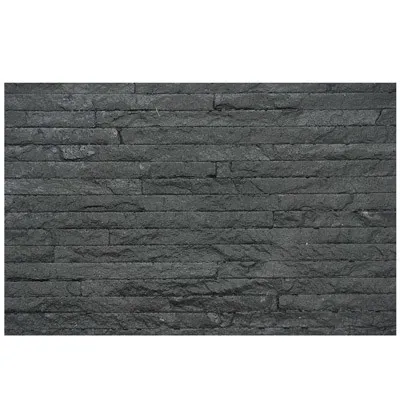
At the end of the day, 3D printed Muretto Stone is more than just a material—it's a symbol of progress. It represents the idea that construction doesn't have to choose between beauty and practicality, tradition and innovation, or customization and sustainability. It's a material that honors the past (with its Muretto-inspired texture) while embracing the future (with 3D printing technology), proving that the best buildings are those that feel both timeless and cutting-edge.
So, the next time you walk past a building that makes you stop and stare, take a closer look. Maybe its walls were printed, not quarried. Maybe its texture was designed on a computer, not chiseled by hand. And maybe, just maybe, it's a sign of the future—one where every building tells a story, and every material bends to the vision of those who create it. With 3D printed Muretto Stone, that future is already here.
Recommend Products












