
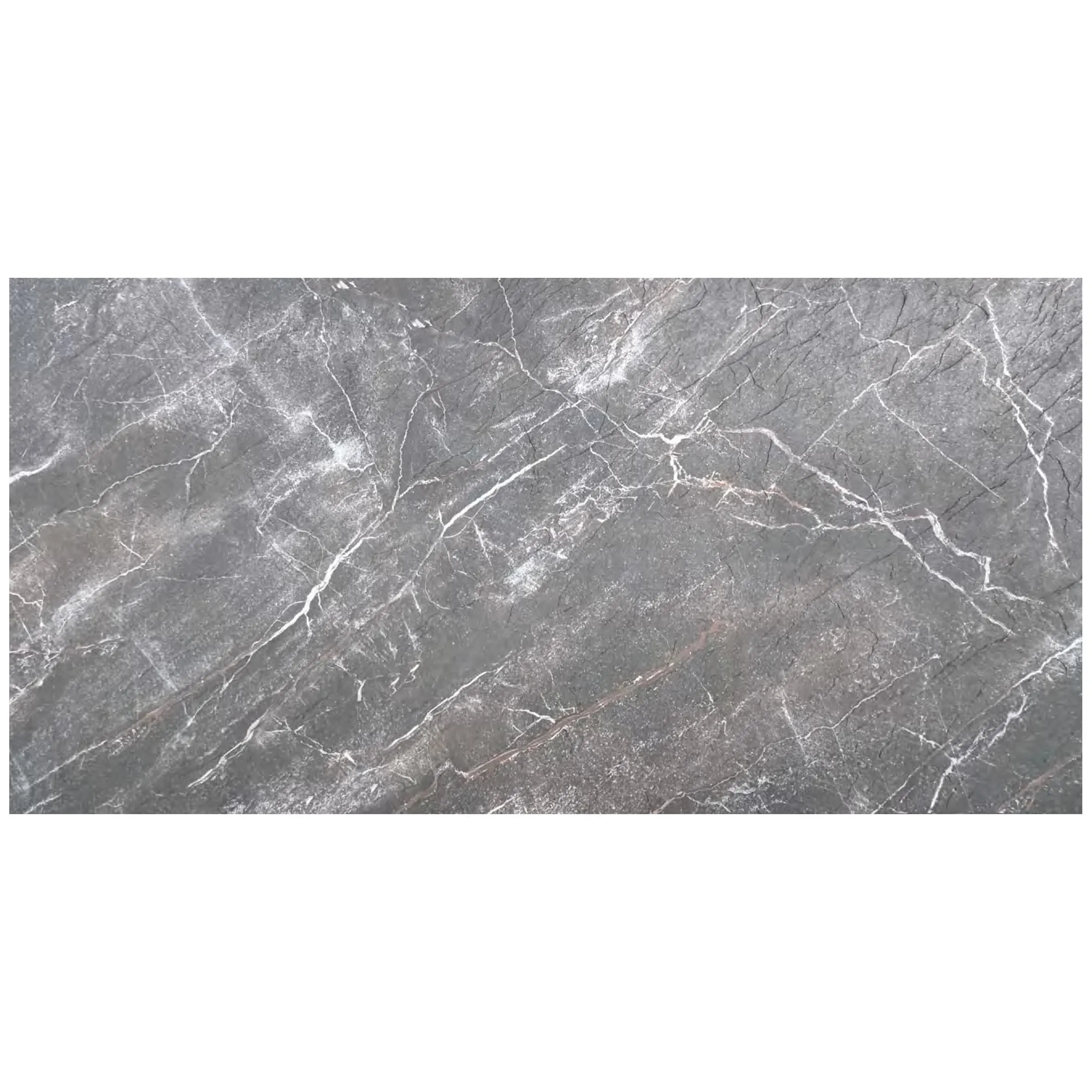
Where technology meets nature, crafting surfaces that tell stories
Surface design has always been about balance—between form and function, tradition and innovation. For years, designers and architects have sought materials that don't just cover spaces but transform them. Enter the MCM 3D Printing Series: a game-changer that merges modified composite materials (MCM) with cutting-edge 3D printing technology to create surfaces that are as durable as they are stunning. At the heart of this series lies a material that's been turning heads since its debut: Slate Portoro.
Slate Portoro isn't just another stone lookalike. Think of it as nature's artistry, reimagined through a digital lens. Traditional Portoro stone is revered for its dramatic contrast—deep, almost black backgrounds swirled with gold or white veins that evoke luxury and timelessness. But MCM's 3D printed take? It takes that legacy and cranks up the creativity. No longer limited by the constraints of quarrying or manual cutting, Slate Portoro in the 3D Printing Series becomes a canvas for intricate patterns, custom textures, and designs that blur the line between natural and man-made.
What makes this series truly special? It's not just about 3D printing—it's about precision . Every layer of material is deposited with microscopic accuracy, allowing for details so fine they'd make a sculptor envious. Whether you're dreaming of a wall that mimics the flow of a mountain stream or a facade that looks like it was chiseled by wind and time, the MCM 3D Printing Series turns those dreams into tangible, touchable reality.
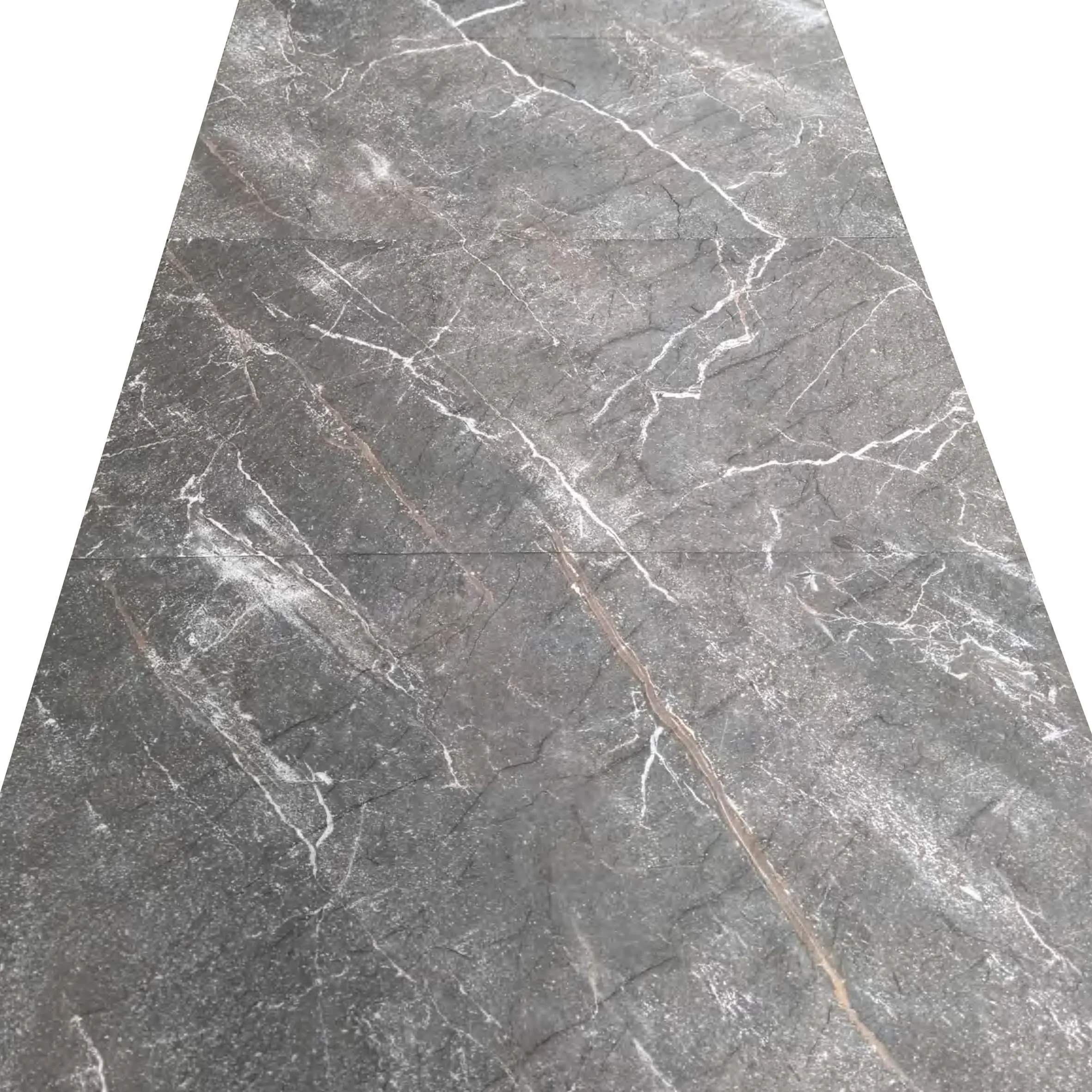
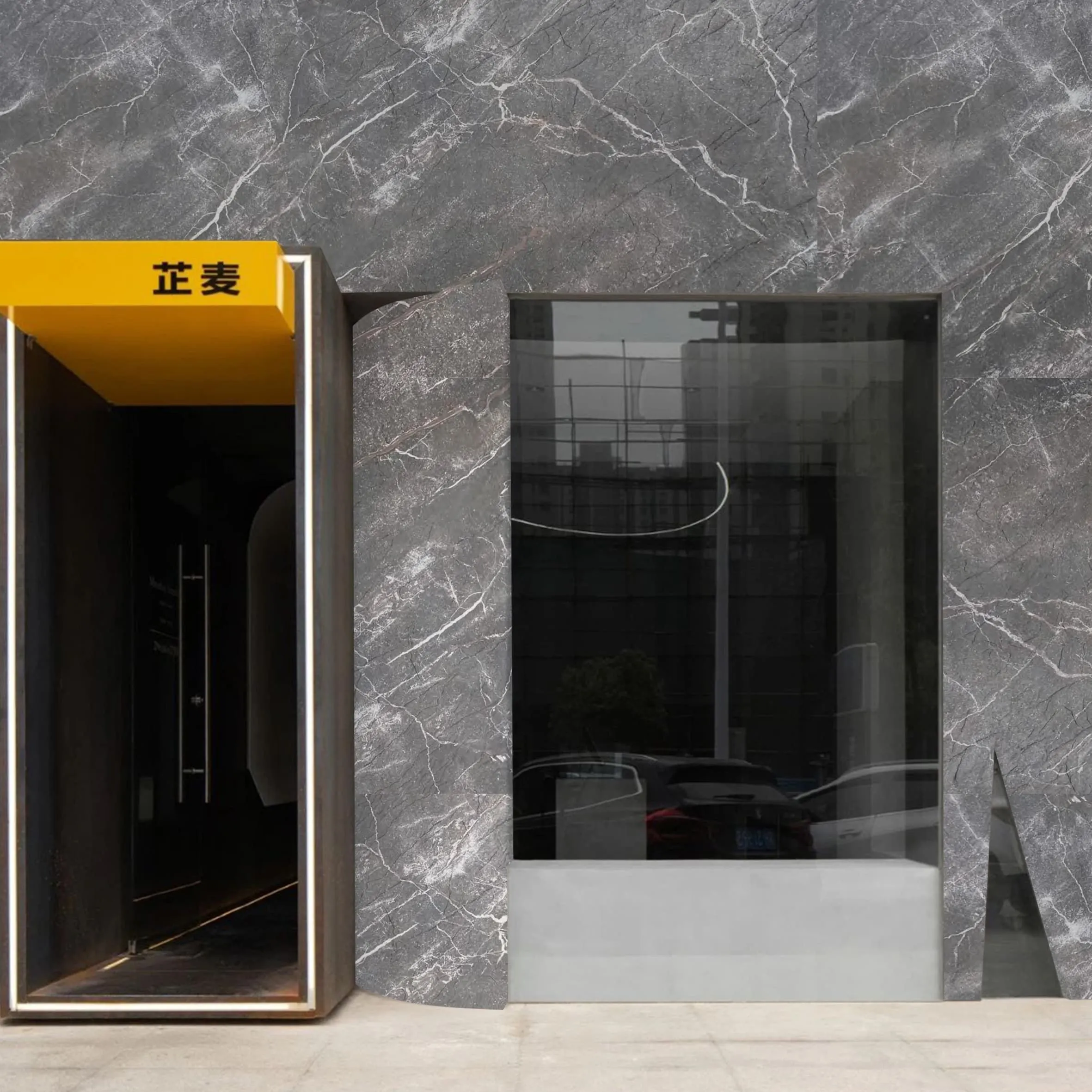
Let's talk about Slate Portoro—the material that's stealing the spotlight in the MCM 3D Printing Series. If traditional Portoro is a classic novel, 3D printed Slate Portoro is a modern epic, rich with new chapters. Its base hue is a deep, velvety black that feels almost alive, like the night sky before a storm. But what truly sets it apart is the veining. Using 3D printing, designers can tweak the thickness, direction, and color of those veins—gold, cream, even hints of copper—to match a space's mood.
Imagine a restaurant where the bar front is clad in Slate Portoro with veins that twist like vines, guiding the eye upward to pendant lights that mimic stars. Or a home office where a feature wall uses a repeating geometric pattern in Slate Portoro, the black and gold creating a rhythm that fuels focus. These aren't just surfaces—they're stories. And because the 3D printing process allows for customization, each story is one-of-a-kind.
But Slate Portoro isn't all about looks. Thanks to MCM's signature flexible stone technology, it's surprisingly adaptable. Unlike natural stone, which is heavy and brittle, 3D printed Slate Portoro panels are lightweight and bendable. That means they can be installed on curved walls, rounded columns, or even ceilings without cracking or chipping. For installers, this is a game-changer: fewer headaches during transport, easier handling on-site, and a smoother, faster process from start to finish.
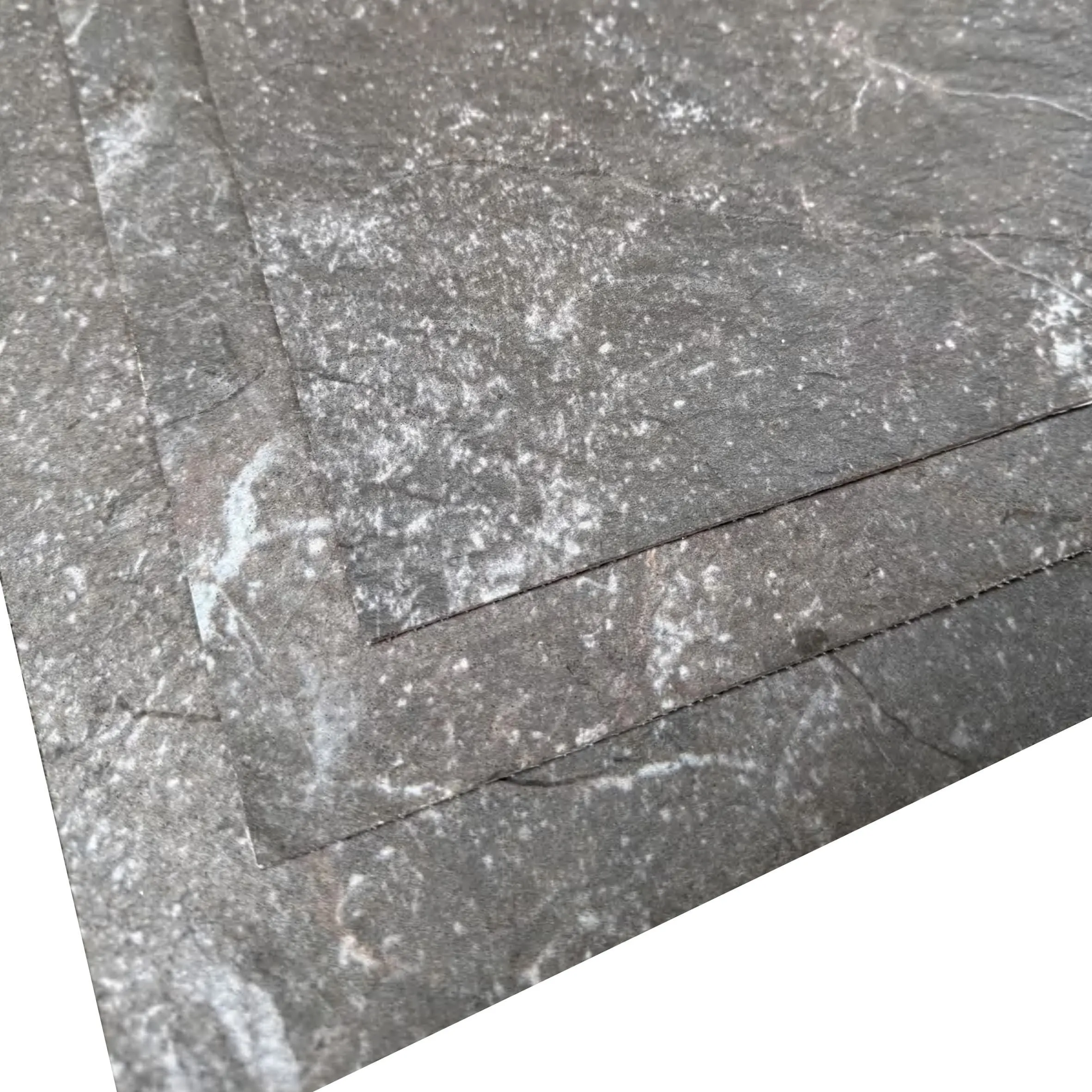
You might be wondering: How do you 3D print something that looks and feels like stone? It starts with MCM's proprietary blend of natural minerals and polymers—what we call "flexible stone." This material is mixed into a paste-like consistency, then loaded into a 3D printer equipped with a precision nozzle. From there, it's all about layers.
Think of it like building a cake, but with stone instead of frosting. The printer reads a digital design file (created by a designer or pulled from MCM's library of patterns) and deposits layer after layer of flexible stone, each just 0.1mm thick. As the layers stack, the Slate Portoro pattern emerges—veins, textures, even tiny "imperfections" that make it look convincingly natural. The result? A panel that's not just printed, but grown , with a depth and dimensionality that flat, printed decals can never replicate.
But the real magic is in the details. Traditional stone cutting can achieve basic shapes, but 3D printing lets designers get intricate . Want a Slate Portoro wall with a honeycomb pattern of tiny, interconnected hexagons? Done. Dream of a facade that looks like it's covered in overlapping scales, each with its own vein pattern? No problem. The technology even allows for variable density—so some parts of the panel can be thicker for durability, while others are thinner to create shadow effects. It's design without limits.
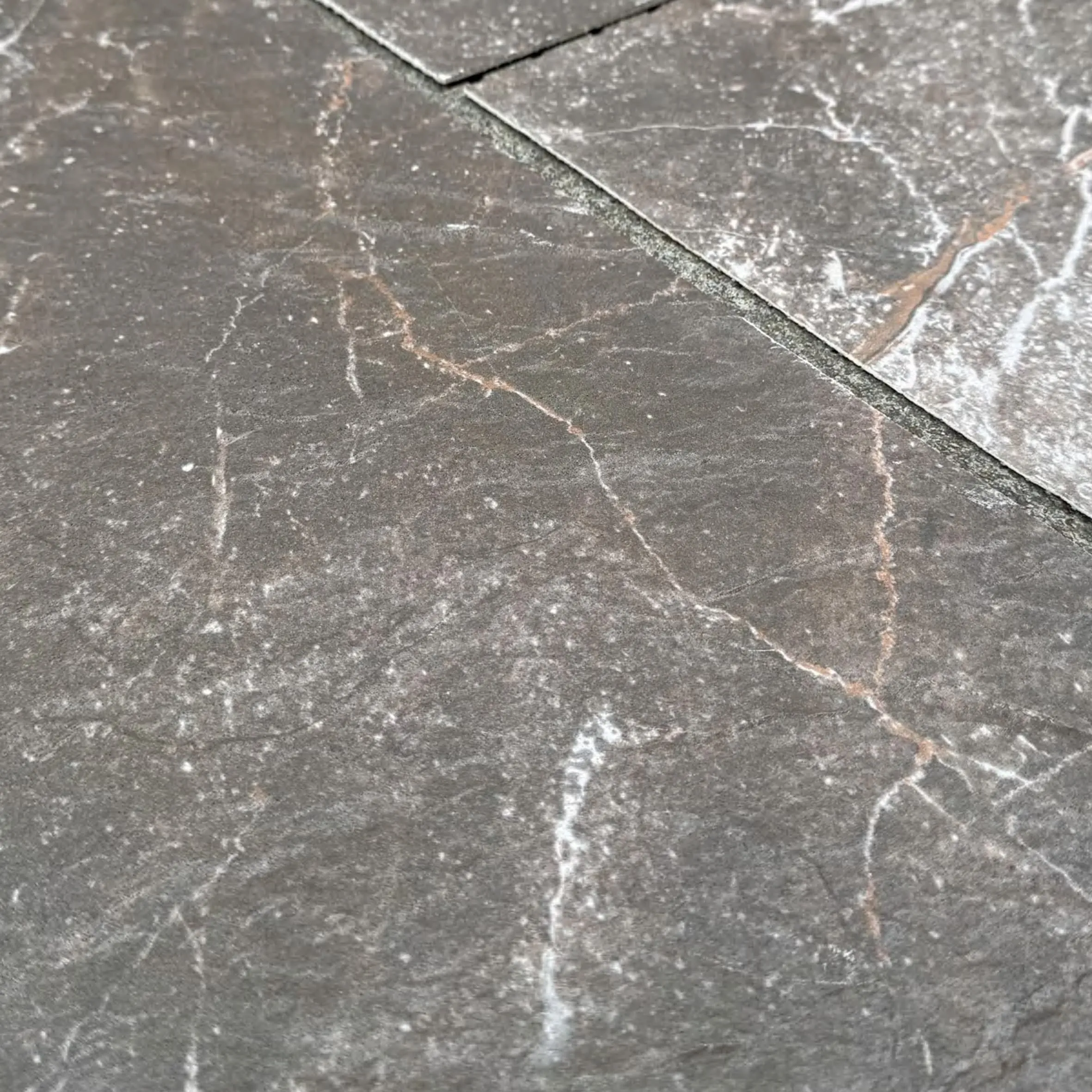
Great design shouldn't come with compromises, and the MCM 3D Printing Series gets that. Slate Portoro panels aren't just pretty—they're built to last. Let's break down why they're a smart choice for any project:
| Feature | Traditional Slate Portoro (Quarried) | MCM 3D Printed Slate Portoro |
|---|---|---|
| Design Flexibility | Limited to natural stone veins; custom patterns require expensive, wasteful cutting | Unlimited—any pattern, texture, or detail can be 3D printed |
| Installation | Heavy (50+ kg/m²); requires specialized labor and structural support | Lightweight (8-12 kg/m²); flexible, so it bends to curved surfaces with ease |
| Customization | Fixed by nature; no two slabs are identical (can be a pro or con) | Fully customizable—exact patterns, sizes, and colors every time |
| Environmental Impact | High: quarrying disrupts ecosystems; 30-40% waste during cutting | Low: uses recycled materials; minimal waste; energy-efficient printing |
| Cost Over Time | High upfront (quarrying, cutting, labor) + ongoing maintenance (sealing, repairs) | Lower upfront (no waste, faster installation) + minimal maintenance |
Talk is cheap—let's look at how the MCM 3D Printing Series is already making waves in real projects. Take the Azure Lobby in downtown Chicago, a boutique hotel that wanted to make a statement from the moment guests walked in. The design team chose 3D printed Slate Portoro panels for the main feature wall, opting for a wave-like pattern where the veins flow upward, mimicking the city's skyline. The result? A wall that feels dynamic, almost alive, and has become a Instagram staple for visitors.
Then there's Elmwood Residence , a modern home in upstate New York. The homeowner dreamed of a fireplace surround that felt both rustic and futuristic. The solution? Slate Portoro panels printed with a "cracked earth" texture—deep grooves that look like dried riverbeds, with gold veins peeking through like sunlight. Because the panels are flexible, they wrapped seamlessly around the curved fireplace mantel, creating a focal point that's equal parts cozy and cutting-edge.
Even commercial spaces are getting in on the action. A high-end restaurant in Miami, Porto Noir , used 3D printed Slate Portoro for its bar front, but with a twist: the panels were printed with tiny, recessed LED slots. At night, the gold veins glow from within, turning the bar into a luminous work of art. "It's not just a bar anymore," says the restaurant's designer. "It's a conversation starter."
While Slate Portoro shines on its own, it plays well with others. MCM's lineup of materials offers endless opportunities to mix and match, creating spaces with depth and personality. For a minimalist, modern look, pair Slate Portoro with Ando cement —its smooth, understated gray tone lets the Portoro's veins take center stage. Think a Slate Portoro accent wall in a living room with Ando cement floors and white oak furniture: calm, sophisticated, and full of contrast.
Want to add warmth? Try combining Slate Portoro with wood grain board. The natural texture of wood softens the drama of the Portoro, creating a space that feels both luxurious and inviting. A home office with Slate Portoro desk panels and wood grain board shelves? It's the perfect blend of productivity and comfort.
For outdoor spaces, consider pairing Slate Portoro with flexible stone in lighter hues, like lime stone (beige) or travertine (beige). The contrast between dark and light creates visual interest, while the flexibility of both materials ensures they hold up to rain, sun, and temperature swings. Imagine a patio with Slate Portoro steps and lime stone (beige) flooring—elegant enough for a dinner party, durable enough for kids and pets.
The MCM 3D Printing Series is just getting started, and Slate Portoro is only the beginning. As 3D printing technology evolves, so too will the possibilities. Imagine panels that change color with temperature, or that are embedded with sensors to monitor air quality. What if Slate Portoro could be printed with built-in sound-absorbing layers, making it perfect for noisy offices or home theaters? The future isn't just about what these materials look like—it's about what they do .
But for now, the focus remains on what matters most: empowering creators to bring their visions to life. Whether you're an architect designing a skyscraper or a homeowner revamping a bathroom, the MCM 3D Printing Series gives you the tools to create spaces that are uniquely yours. Slate Portoro isn't just a material—it's a medium for storytelling. And in a world where so much feels mass-produced, that's a gift.
So, what will you create with it?
Recommend Products












