
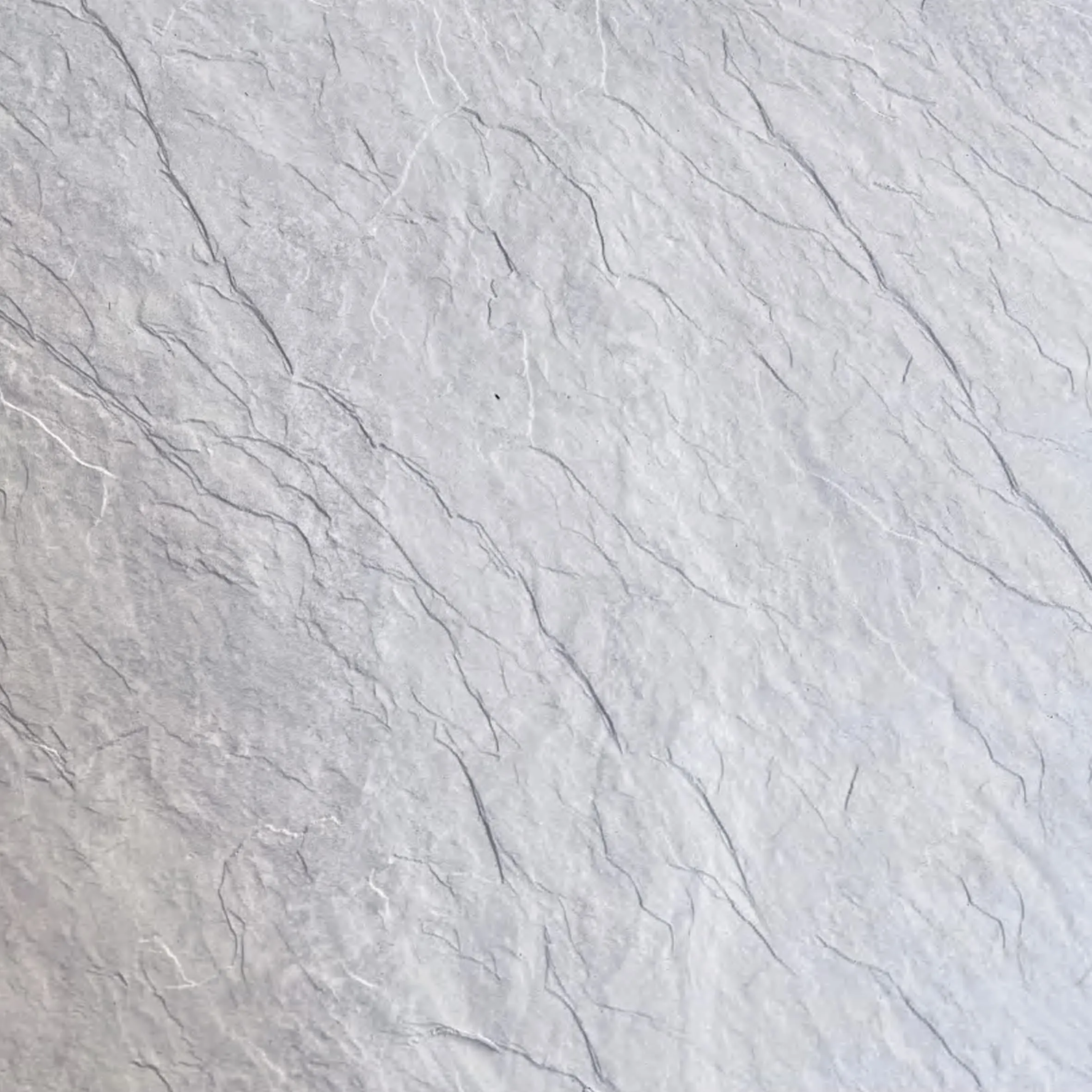
Walk onto any construction site, and you'll likely spot it: piles of discarded stone, of concrete, and stacks of unused panels gathering dust. These aren't just eyesores—they're silent contributors to a global crisis. The construction industry generates 1.3 billion tons of waste annually , according to the United Nations, clogging landfills and draining resources. For architects, builders, and sustainability advocates, this reality isn't just frustrating; it's a call to rethink how we build. Enter the MCM 3D Printing Series, a lineup of innovative building materials designed to turn the tide—starting with its standout star: Slate Veil White. This isn't just another construction material; it's a promise to build smarter, waste less, and honor the planet we call home.
To understand why 3D printed materials like Slate Veil White matter, let's first unpack the problem. Traditional construction methods are inherently wasteful. When you carve natural stone or pour concrete, you're working with "subtractive" processes: you start with a block larger than needed, then cut, chip, or trim away excess to get the shape you want. The result? Up to 30% of raw materials end up as waste before they even reach the site. Fair-faced concrete, a popular choice for its raw, industrial look, is a prime example. Molds are over-poured to avoid shortages, leaving slabs that are too big or misshapen to reuse. By the time installation is done, another 10-15% is often scrapped due to breakage or misalignment.
The toll isn't just environmental. For contractors, waste means lost money—on materials, labor to haul debris, and landfill fees. For developers, it's a hit to project timelines, as delays pile up while crews wait for replacement materials. And for communities? It's the slow erosion of natural resources, from quarried stone to water used in concrete mixing. "We've normalized waste as part of building," says Maria Gonzalez, a sustainable construction consultant with 15 years of experience. "But why should we accept that? The technology to do better exists—and it's called 3D printing."
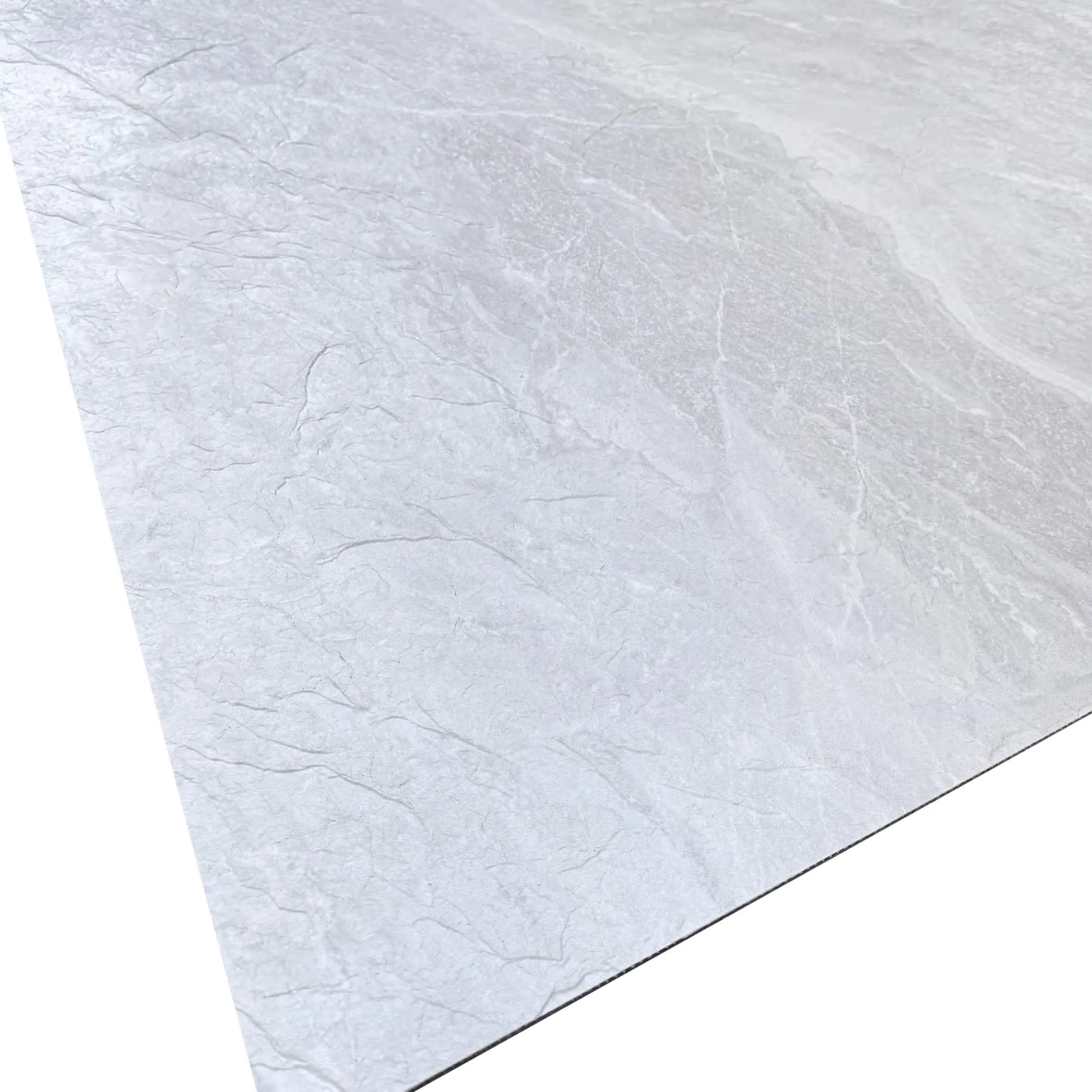
The MCM 3D Printing Series isn't just about 3D printing—it's about reimagining how materials are born. Unlike traditional methods that hack away at raw materials, 3D printing uses "additive manufacturing": layers of material are deposited precisely, only where needed, to build up a product from the ground up. Think of it like baking a cake with a piping bag instead of cutting a slab: every dollop serves a purpose, and there's no extra to trim.
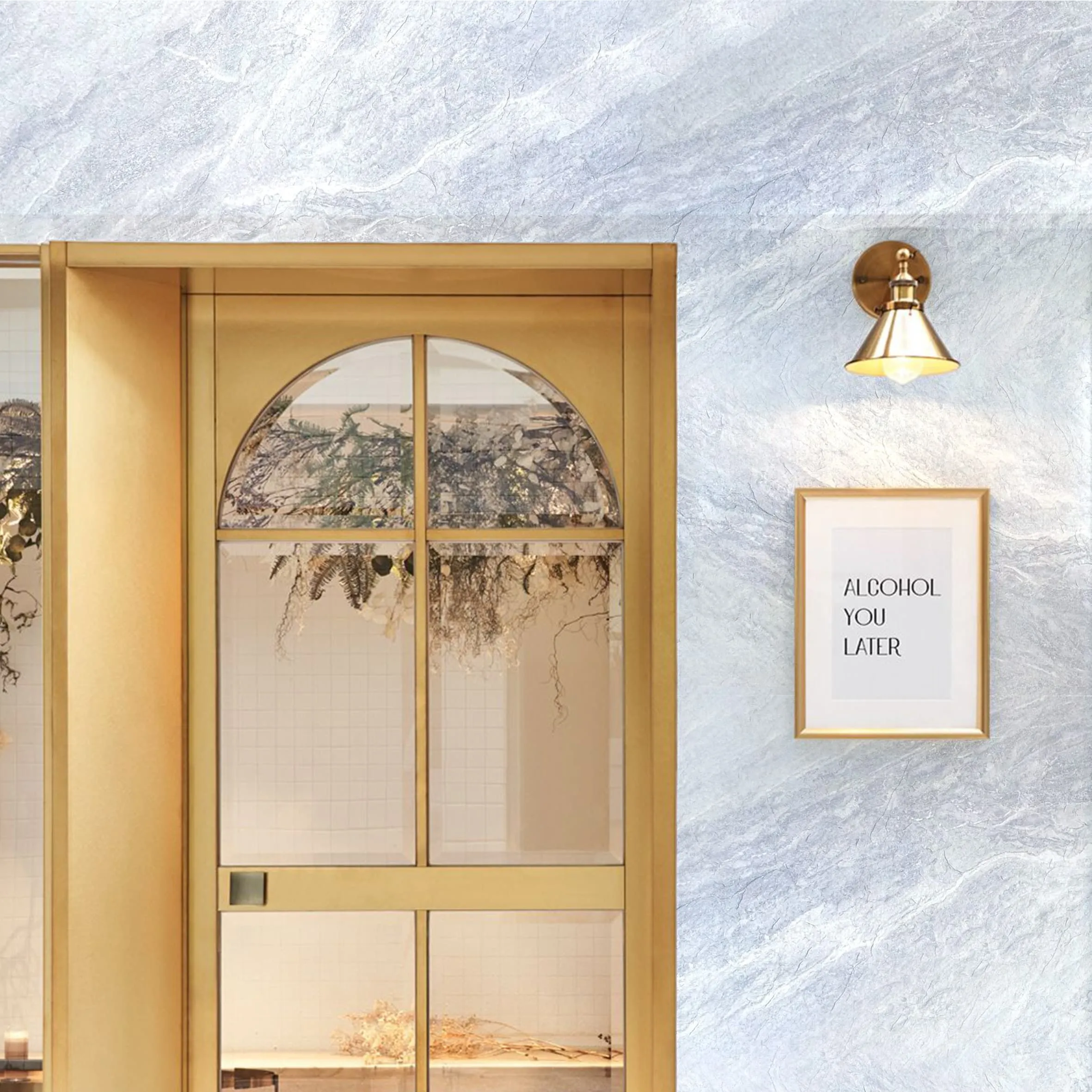
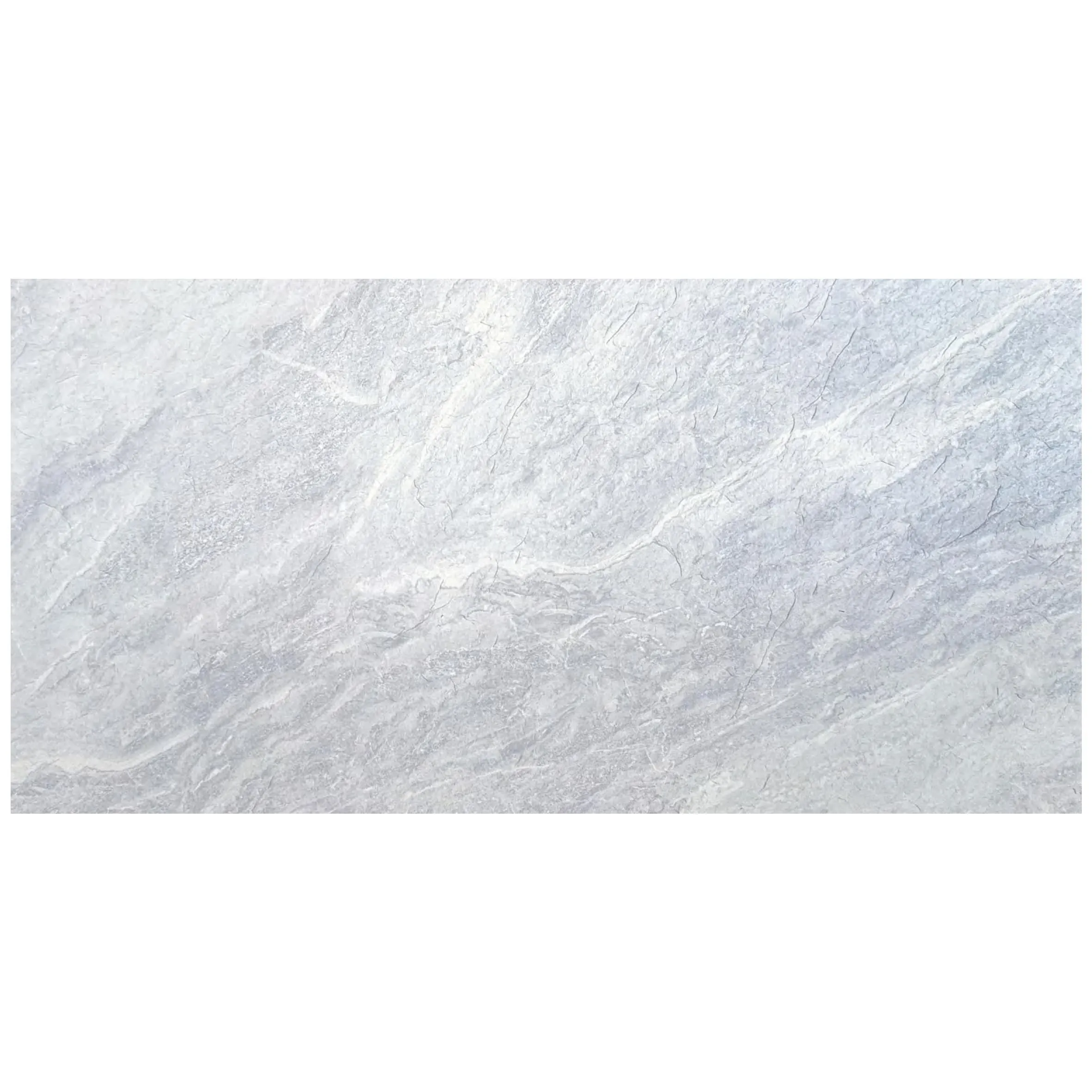
At the heart of this series is Slate Veil White, a material that marries the timeless elegance of natural slate with cutting-edge technology. Its name hints at its beauty: a soft, pearlescent white surface with delicate gray veining that mimics the look of hand-quarried slate, but with a consistency no natural stone can match. "Clients often think it's real slate at first glance," laughs Jason Liu, product designer at MCM. "But when we tell them it's 3D printed, their eyes light up. It's the best of both worlds—authentic aesthetics with zero waste."
But Slate Veil White isn't just a pretty face. It's part of a broader vision: the MCM 3D Printing Series includes textures and finishes for every project, from the industrial grit of foamed aluminium alloy boards to the earthy warmth of travertine. What unites them all? A commitment to additive manufacturing , which slashes waste at the source.
So, how exactly does 3D printing reduce waste? Let's break it down. Traditional stone cutting starts with a block. If your project needs 100 2x2ft panels, you might order 120 blocks to account for errors and breakage. With 3D printing, you input the exact dimensions into a computer, and the printer builds each panel layer by layer—no extra, no over-ordering. "It's like printing a document," explains Liu. "If you need 100 copies, you print 100, not 150 'just in case.'" For Slate Veil White, this precision translates to a waste rate of less than 5% —a fraction of the 30% seen in traditional slate processing.
But the savings don't stop at production. 3D printed materials like Slate Veil White are lighter than their natural counterparts, thanks to internal lattice structures that reduce weight without sacrificing strength. This means fewer trucks on the road to transport them, lower fuel use, and—crucially—less breakage during transit. "Natural stone is brittle," Gonzalez notes. "A single pothole can crack a slab, turning a $500 piece into trash. MCM's 3D printed materials bend slightly, absorbing impact. I've seen them survive drops that would shatter traditional slate."
Installation is another waste hot spot, but 3D printing solves that too. Slate Veil White panels are pre-cut to exact project specifications, with interlocking edges that snap into place. No more on-site cutting, no more dust, no more half-used panels tossed aside because they're the wrong size. "On a recent hospital project, we used 2,000 sq ft of Slate Veil White," says Mike Torres, a contractor with GreenBuild Construction. "We had zero waste left over. Zero. That's unheard of with natural stone."
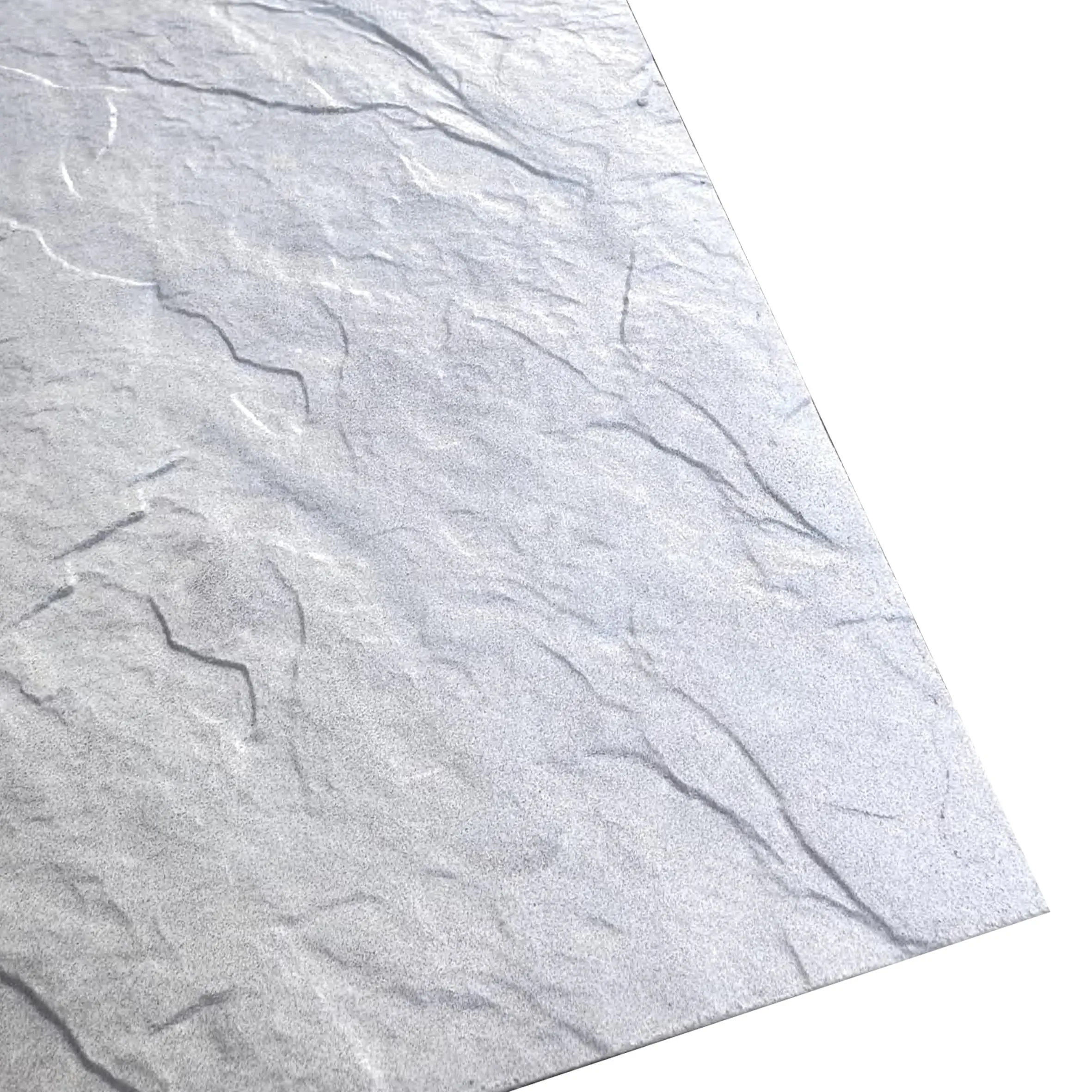
What makes the MCM 3D Printing Series truly revolutionary isn't just 3D printing—it's the integration of MCM Flexible Stone technology. Unlike rigid natural stone or even standard concrete, these materials flex under pressure, making them ideal for curved surfaces, high-traffic areas, and projects where traditional materials would crack. For Slate Veil White, this flexibility is a game-changer for waste reduction.
Imagine installing a curved accent wall in a lobby. With traditional slate, you'd need to custom-carve each piece, a process that often results in 40% waste as stones crack or don't fit the curve. With Slate Veil White, the panels bend to the wall's shape, requiring only minor trimming (if any). "We used it on a hotel's circular staircase," Torres recalls. "The architect wanted a seamless slate look, but natural stone would've meant hundreds of broken pieces. Slate Veil White curved perfectly, and we only trimmed 2 small edges. The client was blown away."
Flexibility also extends the material's lifespan. In high-traffic zones like shopping malls or airports, traditional stone chips and fades over time, requiring replacement every 5-7 years. MCM Flexible Stone resists chipping and scratching, lasting 15+ years with minimal maintenance. "Less replacement means less mining, less manufacturing, less waste overall," Gonzalez adds. "It's sustainability that lasts."
Sustainability isn't just a buzzword for the construction industry anymore—it's a requirement. LEED certifications, carbon-neutral goals, and eco-conscious clients are pushing builders to prioritize green building materials. The MCM 3D Printing Series, including Slate Veil White, fits this bill perfectly, and not just because it reduces waste.
The materials are made with recycled content: up to 30% of Slate Veil White's base is reclaimed stone dust and post-industrial plastic, diverted from landfills. The 3D printing process itself uses 60% less energy than traditional stone quarrying, thanks to electric printers and localized production (MCM has factories in key regions, cutting shipping distances). And because there's less waste, there's less need to extract new raw materials—a critical win for biodiversity, as quarrying often disrupts ecosystems.
"Clients don't just ask for 'sustainable' materials now—they want proof," says Gonzalez. "Slate Veil White comes with a full lifecycle assessment: from raw materials to production to disposal. It ticks every box for LEED points, and that's a huge selling point. Developers aren't just doing the right thing—they're adding value to their projects."
| Metric | Traditional Slate | Fair-Faced Concrete | MCM 3D Printed Slate Veil White |
|---|---|---|---|
| Waste Rate (Production) | 25-30% | 15-20% | < 5% |
| Transport Breakage | 10-15% | 5-8% | < 2% |
| Installation Waste | 15-20% | 10-12% | < 1% |
| Carbon Footprint (per sq ft) | High (quarrying, heavy transport) | High (cement production) | Low (recycled content, energy-efficient printing) |
| Lifespan | 5-7 years (high traffic) | 10-12 years | 15+ years |
Slate Veil White and the MCM 3D Printing Series aren't just products—they're a glimpse into the future of construction. A future where waste is the exception, not the rule. A future where beauty and sustainability coexist, where a hotel lobby's elegance doesn't come at the cost of a quarry's destruction, where a hospital's durability isn't measured in broken slabs.
For architects, it's a new palette of possibilities: curved walls that don't waste stone, custom textures that don't require over-ordering, and materials that align with their clients' green goals. For contractors, it's fewer headaches, lower costs, and the pride of leaving a smaller footprint. For all of us, it's a step toward a world where building up doesn't mean tearing the planet down.
As Gonzalez puts it: "We don't have to choose between beautiful buildings and a healthy planet. Slate Veil White proves that. It's not just 3D printed stone—it's 3D printed progress."
Recommend Products












