

In the ever-evolving world of architecture and interior design, the pursuit of unique, functional, and sustainable aesthetics is constant. For decades, designers have dreamed of pushing the boundaries of what's possible, moving beyond standard, mass-produced materials to create spaces that truly speak volumes. Imagine walls that ripple like ocean waves, facades that mimic natural rock formations, or interiors that boast geometric patterns defying conventional manufacturing. This isn't just a futuristic fantasy anymore; it's a tangible reality, largely thanks to advancements in materials science and digital fabrication. At COLORIA GROUP, we're at the forefront of this revolution, specializing in advanced building materials and offering a comprehensive *one-stop solution provider* experience that brings these visionary designs to life. Our particular focus today is on the groundbreaking potential of 3D printed wave panels, meticulously crafted using our innovative design software and expertise in MCM technology.
The challenge for architects and designers has often been a gap between conceptual design and material execution. How do you translate a complex, organic form from a digital model into a physical, durable, and cost-effective building component? Traditional manufacturing methods often fall short, struggling with intricate geometries, material waste, and prohibitive costs for bespoke elements. This is where 3D printing steps in as a game-changer, offering unparalleled freedom in creating *custom architectural patterns*. When combined with our advanced Modified Cementitious Material (MCM) technology, the possibilities become virtually limitless. Our MCM 3D Printing Series is designed specifically to bridge this gap, providing the tools and expertise to transform ambitious designs into stunning architectural realities.
This article delves into the exciting realm of 3D printed wave panels, exploring the sophisticated design software that empowers their creation. We'll uncover how these digital tools, combined with COLORIA GROUP's cutting-edge MCM technology, are setting new benchmarks for architectural design, material performance, and sustainability. From initial conceptualization to the final installation, we'll journey through the process, highlighting the advantages of choosing a specialized solution provider like COLORIA GROUP for your next residential or commercial project. Our decades of industry experience, coupled with a global presence, including a strong agency in Saudi Arabia, ensure that quality, innovation, and customer satisfaction are always at the heart of what we do.
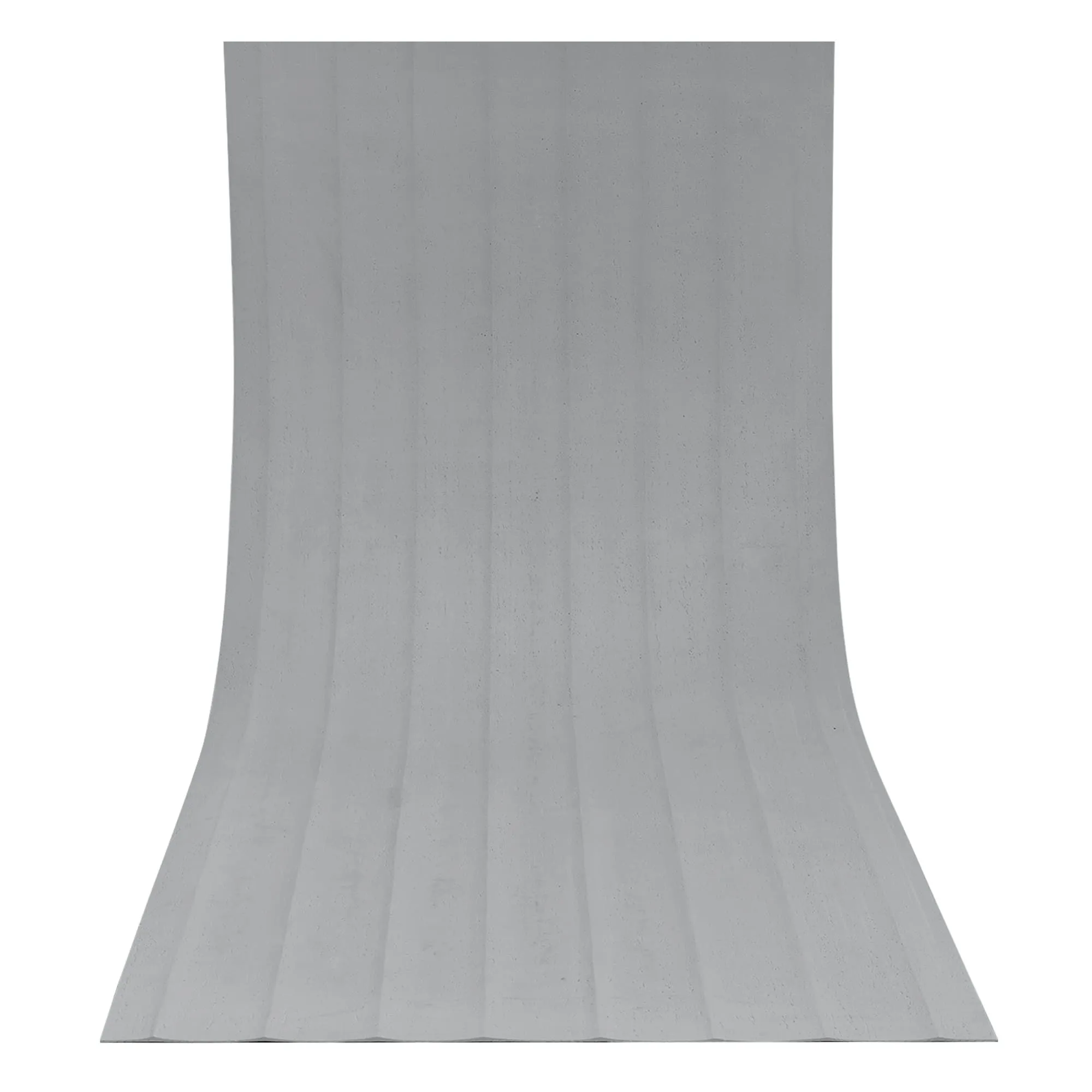
At the core of any successful 3D printed architectural element lies robust and intuitive design software. This isn't just about drawing; it's about algorithmic design, parametric modeling, and the precise control over every curve, angle, and depth that defines a wave panel. Traditional CAD software, while fundamental, often requires augmentation with more specialized tools to achieve the organic fluidity and complexity inherent in wave designs.
COLORIA GROUP's approach integrates a suite of advanced design software, allowing architects and designers to iterate rapidly, visualize effectively, and ultimately, produce designs that are not only aesthetically pleasing but also structurally sound and optimized for 3D printing with our MCM materials. Let's break down the types of software and their roles:
Parametric design is perhaps the most crucial element in creating truly *custom architectural patterns* for 3D printed wave panels. Instead of drawing static shapes, designers define relationships, parameters, and algorithms that govern the form. This means that a change to one parameter – say, wave height or frequency – can automatically adjust the entire panel design, generating countless variations instantly.
With parametric tools, the design process becomes less about manual drawing and more about defining rules that lead to a diverse array of outcomes. This empowers architects to explore unprecedented levels of customization, ensuring that each project can feature truly unique, one-of-a-kind wave panel designs.
While parametric tools generate the underlying logic, specialized modeling and sculpting software allows for further refinement and the addition of artistic nuances that might be difficult to express parametrically.
The combination of parametric and sculpting software provides a powerful synergy: algorithmic precision meets artistic intuition, resulting in designs that are both mathematically sound and aesthetically captivating.
Beyond aesthetics, the design software suite must also address the practicalities of material performance and printability. This is where simulation and analysis tools come into play, ensuring that the elaborate wave panels are not just beautiful, but also robust, efficient, and feasible to manufacture using the *MCM 3D Printing Series*.
By integrating these diverse software capabilities, COLORIA GROUP ensures that every 3D printed wave panel is a masterpiece of both design and engineering, optimized for its intended application and manufactured with precision.
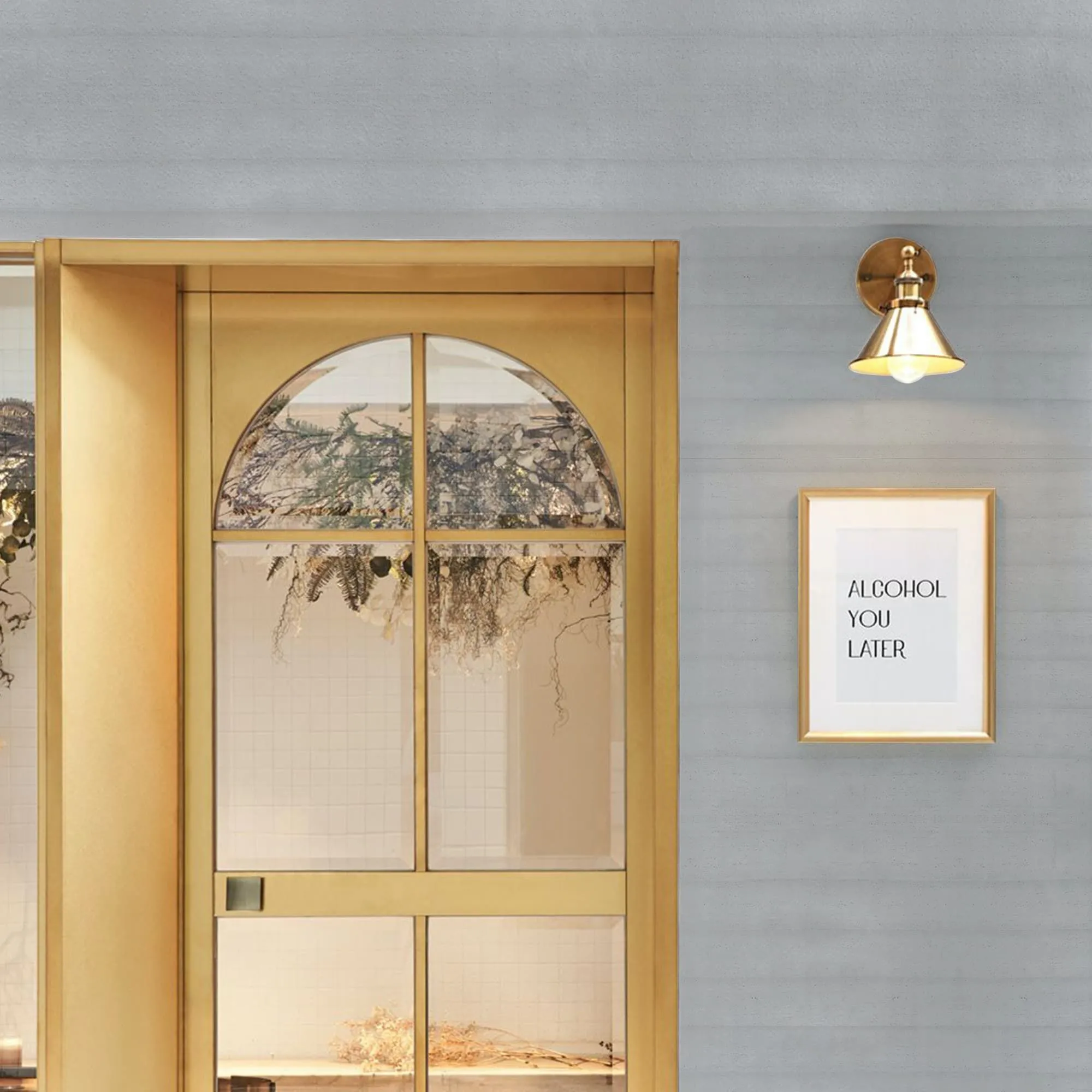
The most sophisticated design software is only as good as the material it designs for and the printing technology it employs. This is where COLORIA GROUP truly shines with its *MCM 3D Printing Series*. Our Modified Cementitious Material (MCM) is a revolutionary class of building material that combines the strength and durability of traditional cement-based products with enhanced flexibility, lighter weight, and superior environmental credentials. When adapted for 3D printing, MCM opens up entirely new avenues for architectural expression.
Traditional concrete is notoriously difficult to 3D print in intricate, thin-walled structures due to its viscosity, setting time, and weight. Our specialized MCM formulation overcomes these limitations, offering several key advantages for creating stunning wave panels:
The journey from a digital design to a physical MCM wave panel involves a precise, technologically advanced additive manufacturing process.
This controlled, automated process minimizes material waste, reduces labor costs for complex forms, and ensures a high degree of precision and repeatability, critical for large-scale architectural projects.
| Feature of MCM 3D Printing | Benefit for Wave Panels | Impact on Design & Construction |
|---|---|---|
| Material Flexibility | Enables intricate, continuous wave forms without cracking. | Greater design freedom, organic shapes previously impossible. |
| Lightweight Structure | Reduces structural load, simplifies handling and installation. | Cost savings on supporting structures, faster construction. |
| High Durability | Suitable for severe weather; resistant to UV, moisture, impact. | Long lifespan, low maintenance, versatile for interior/exterior. |
| Eco-Friendly Composition | Lower embodied energy, recycled content, reduced VOCs. | Contributes to green building certifications, healthier environments. |
| Custom Pigmentation & Finish | Wide range of colors and textures achievable. | Perfect aesthetic match for project branding and vision. |
| Precision & Repeatability | Each panel is identical to the digital model. | Consistent quality, accurate fit during installation, reduced errors. |
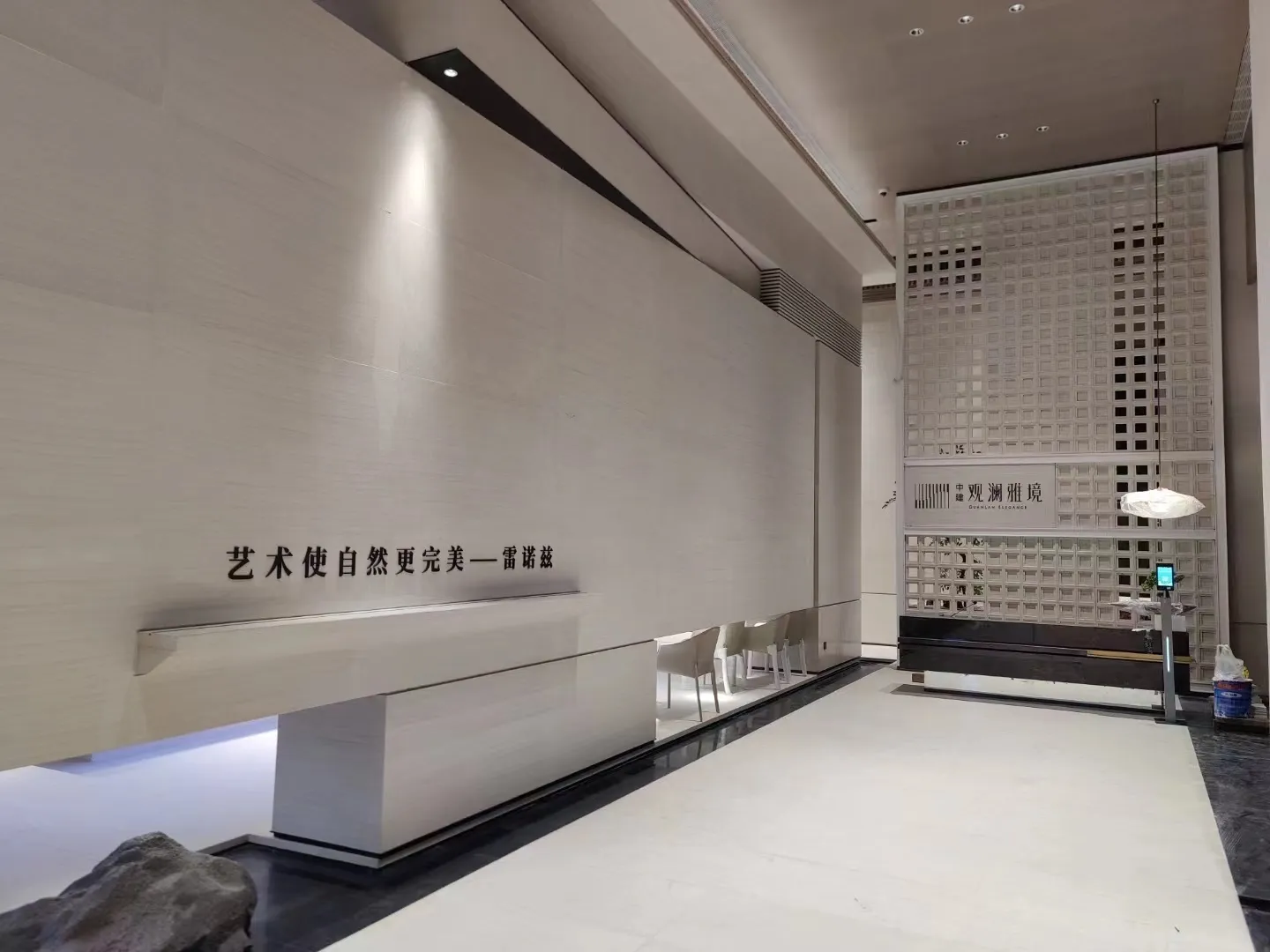
The primary allure of 3D printed wave panels, especially when powered by advanced design software and our MCM technology, is the unprecedented level of customization they offer. Gone are the days of choosing from a limited catalog of pre-fabricated panels. Now, architects can truly design from scratch, creating *custom architectural patterns* that are tailored to the exact vision and requirements of each unique project.
While "wave panels" evoke a specific image, the underlying parametric design principles allow for a far wider array of custom patterns:
This ability to endlessly customize ensures that every building can have its own distinct identity, reflecting the client's brand, the local culture, or the architect's artistic vision.
COLORIA GROUP's expertise ensures that this customization process is streamlined and efficient, from initial concept sketches and digital models to the final, perfectly printed panel. Our design team works hand-in-hand with clients, leveraging our software prowess to translate even the most ambitious concepts into buildable realities.
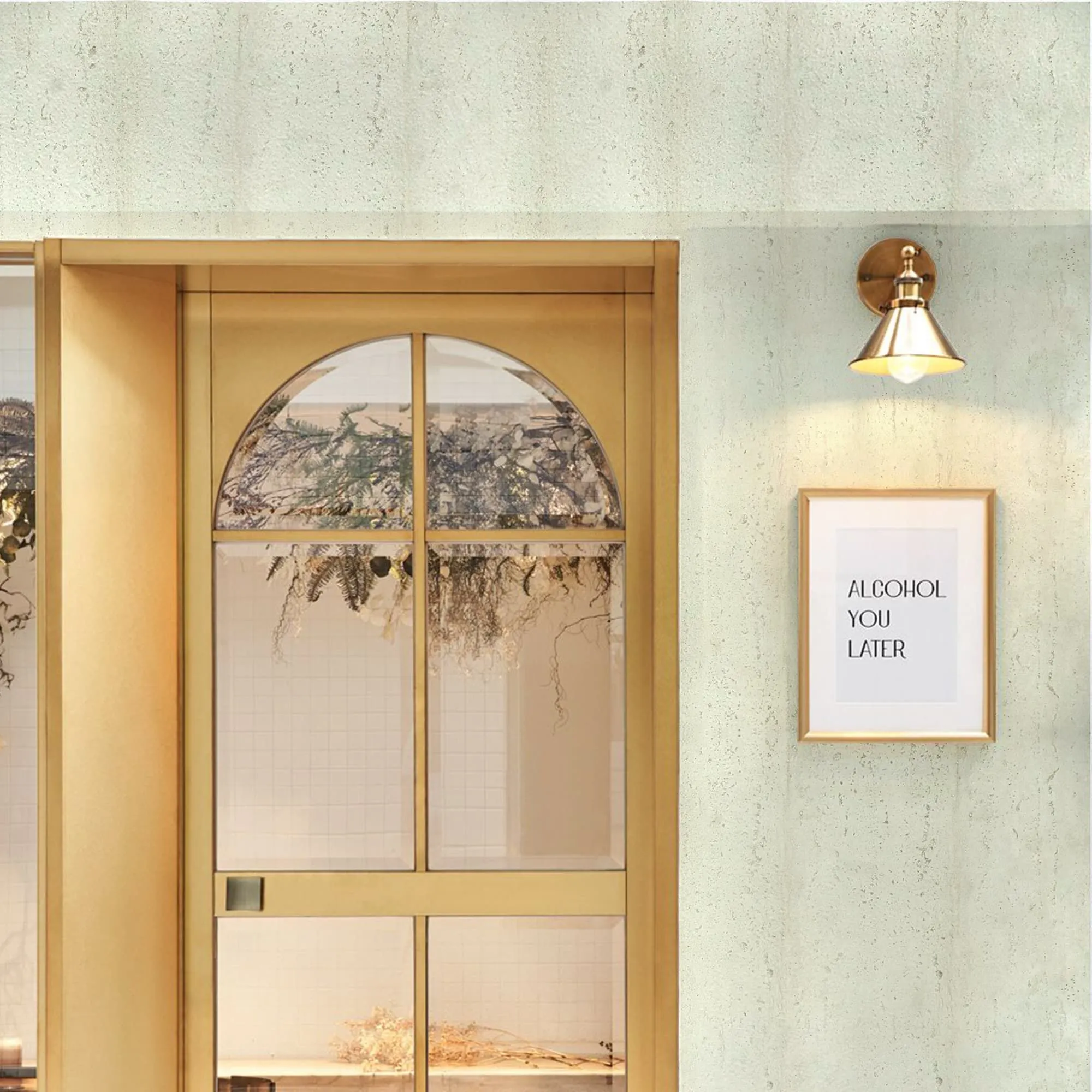
While the visual appeal of 3D printed wave panels is undeniable, their advantages extend far beyond mere aesthetics. Thanks to the inherent properties of MCM and the precision of 3D printing, these panels offer significant functional benefits that contribute to a building's performance, sustainability, and longevity.
The ability to 3D print complex geometries allows for the creation of panels with integrated internal cavities or optimized wall thicknesses. These features can act as thermal breaks or insulation layers, significantly improving the thermal performance of a building's envelope. By minimizing heat transfer, MCM wave panels can contribute to reduced energy consumption for heating and cooling, leading to lower operational costs and a smaller carbon footprint. This aligns perfectly with our commitment to providing *green building materials*.
Wave patterns are inherently excellent at diffusing sound waves. By precisely controlling the geometry, depth, and material properties of the MCM panels, architects can design surfaces that specifically target acoustic challenges. This is invaluable in spaces requiring sound control, such as auditoriums, concert halls, offices, or even residential areas prone to noise pollution. The irregular surfaces help to break up sound reflections, creating more comfortable and functional acoustic environments.
Our MCM is engineered for resilience. It stands up to harsh environmental conditions, including extreme temperatures, UV radiation, and moisture. This makes MCM 3D printed wave panels a reliable choice for facades in various climates, from the scorching heat of the Middle East (where we have a strong presence with our Saudi Arabian agency) to more temperate or humid regions. Their robust nature ensures a long service life with minimal maintenance, reducing the need for frequent replacements and further contributing to sustainability.
3D printing is an additive manufacturing process, meaning it builds objects layer by layer, only using the material necessary for the final product. This contrasts sharply with subtractive manufacturing methods (like carving or milling) which generate significant material waste. By optimizing designs with our software and printing with MCM, we dramatically reduce material consumption and waste on-site, reinforcing our dedication to *green building materials* and sustainable practices.
Despite their intricate appearance, 3D printed MCM wave panels can be designed for efficient installation. Their lightweight nature eases handling, and the precision of the printing process ensures that each panel fits perfectly, minimizing on-site adjustments. This translates to faster construction times and reduced labor costs, making high-design more accessible and economical for both residential and commercial projects.
"Working with COLORIA GROUP on our new commercial tower was an absolute game-changer. The 3D printed wave panels created a facade that's not just visually stunning but also incredibly efficient. Their design software allowed us to perfect every curve, and the MCM material made the installation surprisingly smooth. It's a true testament to their expertise as a one-stop solution provider."
— Lead Architect, Major Commercial Project, KSA
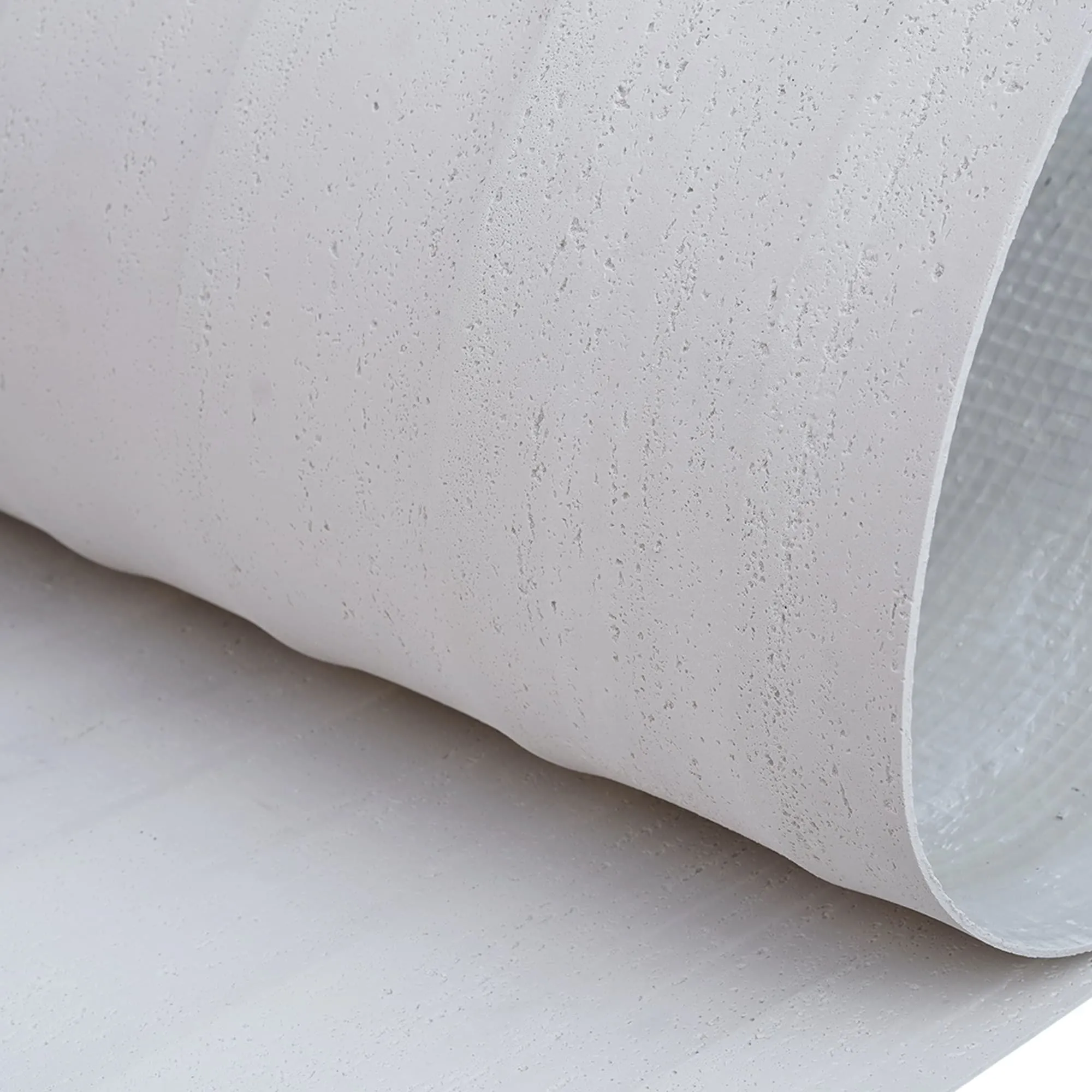
To truly appreciate the value of 3D printed MCM wave panels, it's helpful to compare them against conventional methods for achieving similar architectural effects. This comparison highlights why COLORIA GROUP's approach represents a significant leap forward in architectural material solutions.
| Feature | 3D Printed MCM Wave Panels (COLORIA GROUP) | Traditional Methods (e.g., carved stone, GRC, precast concrete) |
|---|---|---|
| Design Freedom | Virtually limitless *custom architectural patterns* and organic shapes. Highly intricate details possible. | Limited by mold complexity, tooling costs, or material workability. Repetitive patterns common. |
| Material Versatility | MCM offers lightweight, flexible, durable, and eco-friendly properties. | Often heavy (stone, concrete), less flexible (GRC can be rigid), or material-intensive (traditional carving). |
| Customization Cost | Economical for unique designs, as software handles complexity. No new mold costs per design. | High tooling/mold costs for bespoke designs, making customization expensive for small batches. |
| Production Speed | Automated 3D printing accelerates fabrication of complex forms once design is finalized. | Labor-intensive for complex carving, mold fabrication, and casting processes. |
| Material Waste | Minimal waste due to additive manufacturing, contributing to *green building materials* goals. | Significant waste from carving, cutting, or trimming in many traditional methods. |
| Installation | Lightweight and precise dimensions simplify and speed up on-site installation. | Heavier components require more robust lifting equipment; variations can lead to fitting issues. |
| Environmental Impact | Lower energy consumption in production, potential for recycled content, reduced VOCs. | Higher embodied energy for traditional materials, more waste, often heavy carbon footprint. |
| Acoustic/Thermal Performance | Can be engineered with internal structures for optimized performance. | Performance often depends on thickness or specific additives; less integrated into design. |
| Complex Textures | Can achieve highly detailed surface textures and tactile qualities via digital control. | Limited by hand-crafting skill or mold limitations for fine textures. |
This comparison clearly illustrates that for projects demanding innovation, sustainability, and unique aesthetic expression, 3D printed MCM wave panels offer a compelling and superior alternative to conventional building practices.
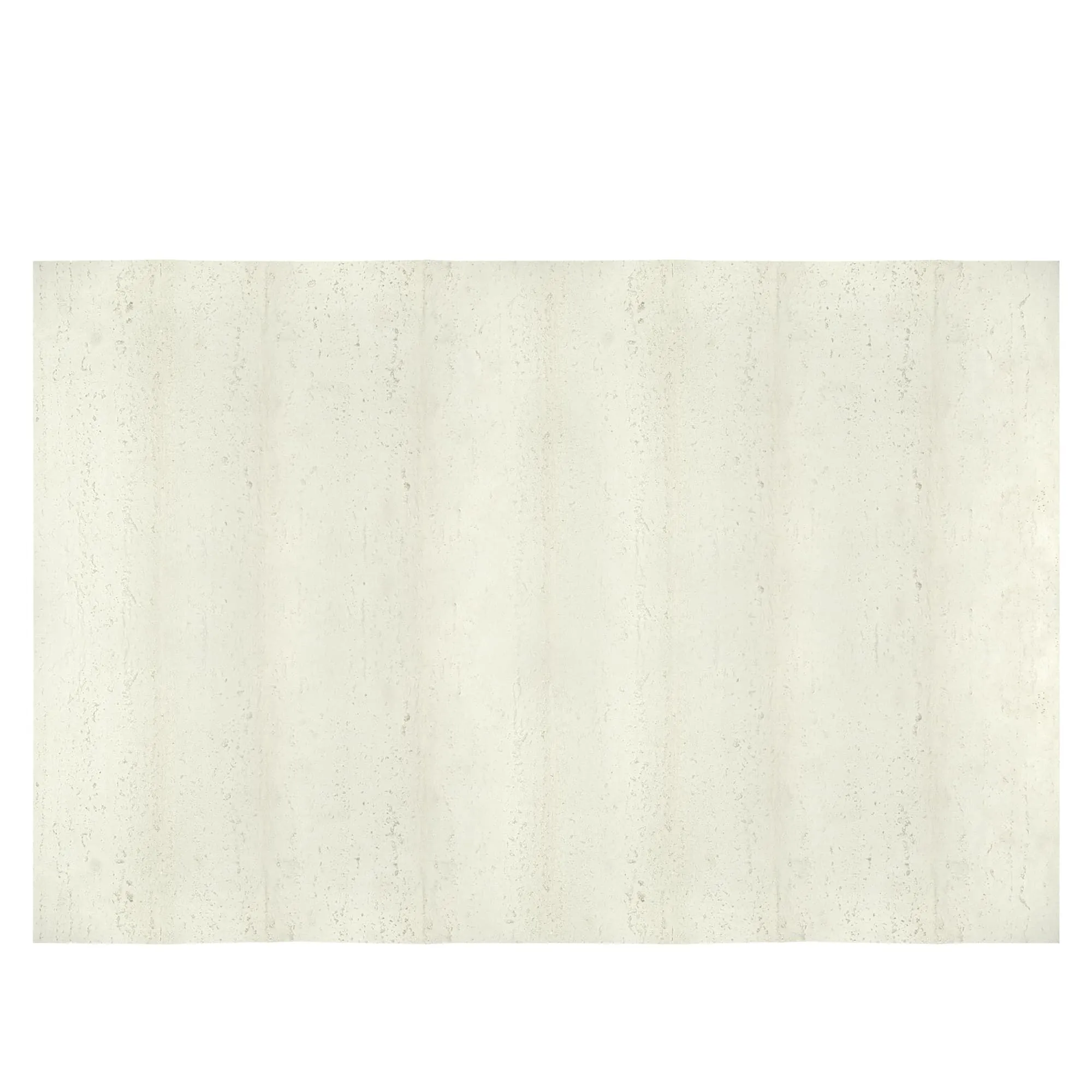
While this article has primarily focused on the transformative power of the *MCM 3D Printing Series* and its design software, it's important to remember that COLORIA GROUP offers a broader spectrum of advanced building materials, all underpinned by our innovative MCM technology. Our philosophy as a *one-stop solution provider* means we're constantly pushing the boundaries across our entire product range.
Consider the possibilities when you integrate 3D printed wave panels with other elements from our MCM portfolio, such as our *MCM Flexible Stone* series. Imagine a facade where dynamic 3D printed wave patterns transition seamlessly into sections clad with the authentic texture of flexible stone, offering a nuanced interplay of form and texture. Flexible stone, being incredibly thin, lightweight, and adaptable, can wrap around curves and corners where traditional stone would be impossible, complementing the fluid nature of 3D printed designs. This combination allows for rich, multi-dimensional surfaces that enhance the tactile and visual experience of a building.
The synergy between these MCM product lines is immense. Designers can use 3D printed panels for sculptural elements and complex *custom architectural patterns*, while *Flexible Stone* can provide a natural, elegant, and durable finish for other surfaces, all within the same material family, ensuring compatibility and consistent performance. Both products uphold our commitment to sustainability and offer unparalleled design freedom.
Beyond 3D printing and flexible stone, our MCM Big Slab Board Series and MCM Project Board Series offer robust, versatile, and aesthetically pleasing solutions for a vast array of architectural applications.
By offering these diverse yet interconnected MCM product lines, COLORIA GROUP empowers architects and developers with a complete toolkit. You can design a building with an iconic 3D printed facade, clad its main walls with elegant large slabs, apply flexible stone accents, and use project boards for interior finishes – all from a single, trusted source. This holistic approach simplifies procurement, ensures material compatibility, and guarantees a consistent standard of quality across your entire project.
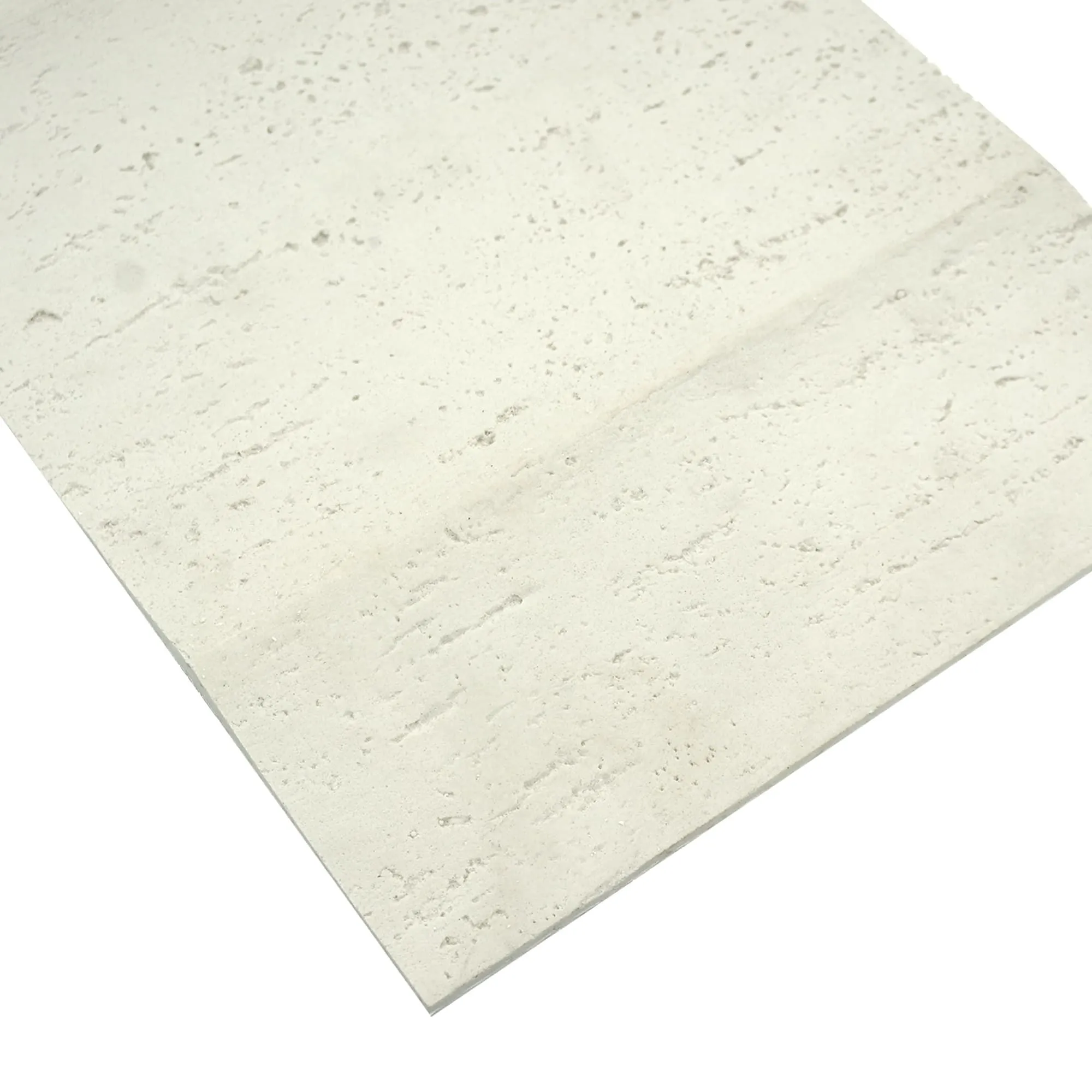
Choosing COLORIA GROUP means partnering with a company that not only provides cutting-edge materials and technology but also brings decades of experience to the table. Our expertise extends beyond manufacturing; we understand the entire architectural process, from initial concept to final installation. This makes us an invaluable *one-stop solution provider* for complex and ambitious projects.
We continuously invest in research and development to refine our MCM formulations and enhance our 3D printing capabilities. Our dedication to *green building materials* is unwavering, ensuring that our products contribute positively to environmental goals and create healthier living and working spaces. We believe that innovation and sustainability should go hand in hand, driving us to develop solutions that are both technologically advanced and environmentally responsible.
With a global footprint and a strong presence in key markets like Saudi Arabia, COLORIA GROUP is equipped to handle projects of any scale, anywhere in the world. Our local teams and agencies understand the nuances of regional building codes, climatic conditions, and aesthetic preferences, providing tailored support and expertise that goes beyond simply supplying materials. We are committed to fostering long-term partnerships, built on trust, reliability, and exceptional service.
We see ourselves as partners in your design journey. Our team of experts is available to collaborate with architects, designers, and developers from the earliest stages of a project. Whether it's advising on material selection, assisting with design optimization using our software, or providing technical support for installation, we are here to ensure your vision is realized seamlessly and efficiently. Our goal is to make the process of creating stunning, *custom architectural patterns* as smooth and rewarding as possible.

The confluence of advanced 3D printing technology, sophisticated design software, and innovative materials like COLORIA GROUP's MCM is revolutionizing architectural design. The days of constrained creativity are giving way to an era where *custom architectural patterns* can be realized with unprecedented freedom, efficiency, and sustainability. Our *MCM 3D Printing Series*, along with our comprehensive range of MCM products including *Flexible Stone*, positions COLORIA GROUP as a leader in providing the tools and materials necessary to sculpt the buildings of tomorrow.
From dramatic wave panels that define a building's identity to intricate textured surfaces that engage the senses, the possibilities are only limited by imagination. As a dedicated *one-stop solution provider*, COLORIA GROUP is committed to empowering architects and designers worldwide to transform their most ambitious visions into tangible, sustainable, and awe-inspiring structures. We invite you to explore the boundless potential that our technology and expertise offer for your next residential or commercial project. The future of design is dynamic, intelligent, and sustainable – and it's being built with COLORIA GROUP.
Recommend Products











