

Architecture has always been a conversation between form and function—where the walls we build don't just hold up structures, but tell stories, evoke emotions, and shape how we experience space. In recent years, one material has been quietly redefining this conversation: modified cementitious materials, or MCM. And at the forefront of this innovation is COLORIA GROUP, a global name in building materials that's turning ordinary walls into extraordinary works of art. Today, we're diving into one of their most exciting creations: 3D printed wave panels for walls. These aren't just panels—they're a blend of cutting-edge technology, sustainable design, and artistic vision, made possible by COLORIA's MCM 3D Printing Series . Let's explore how this technology is changing the game, and why wave panels are becoming a go-to choice for architects and designers worldwide.
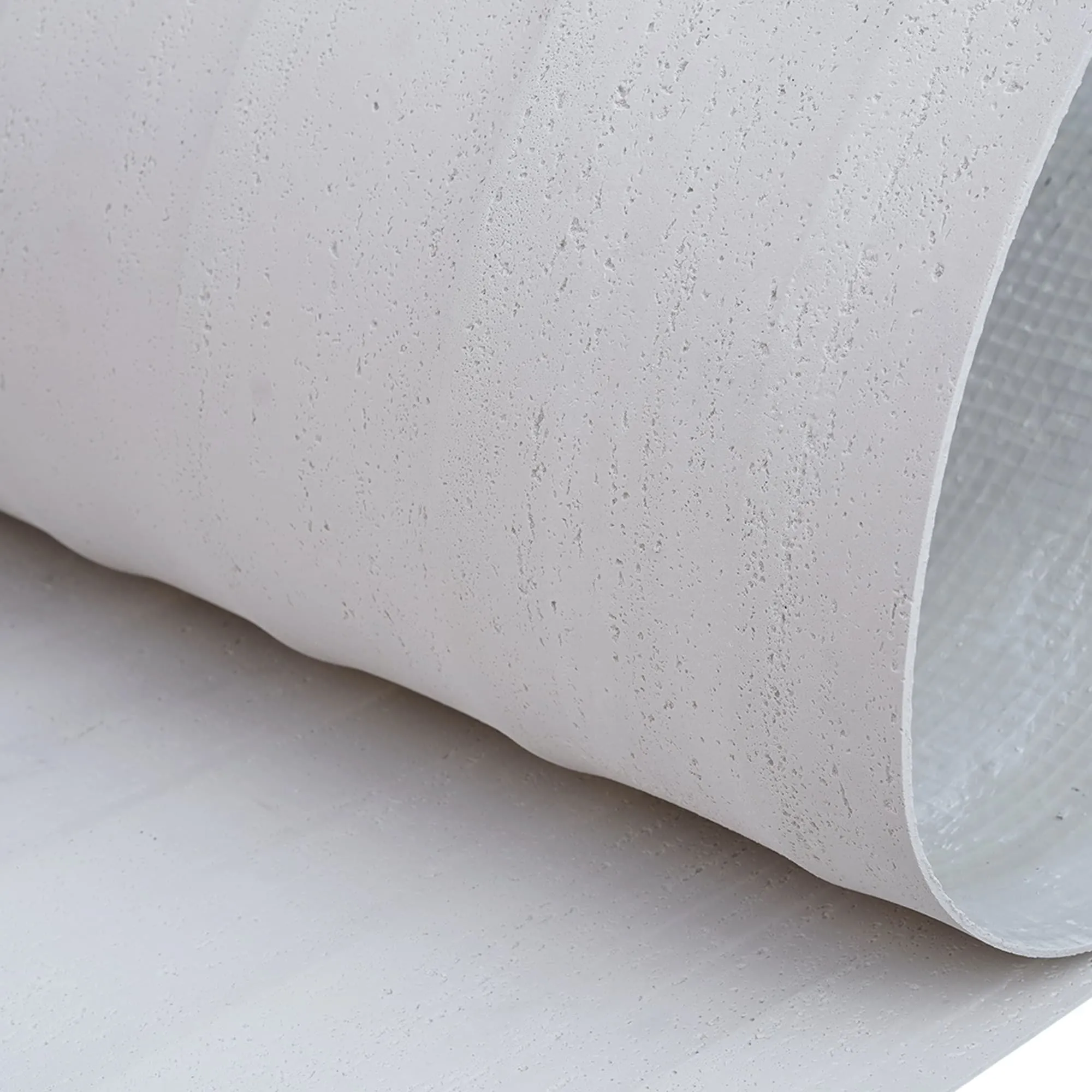
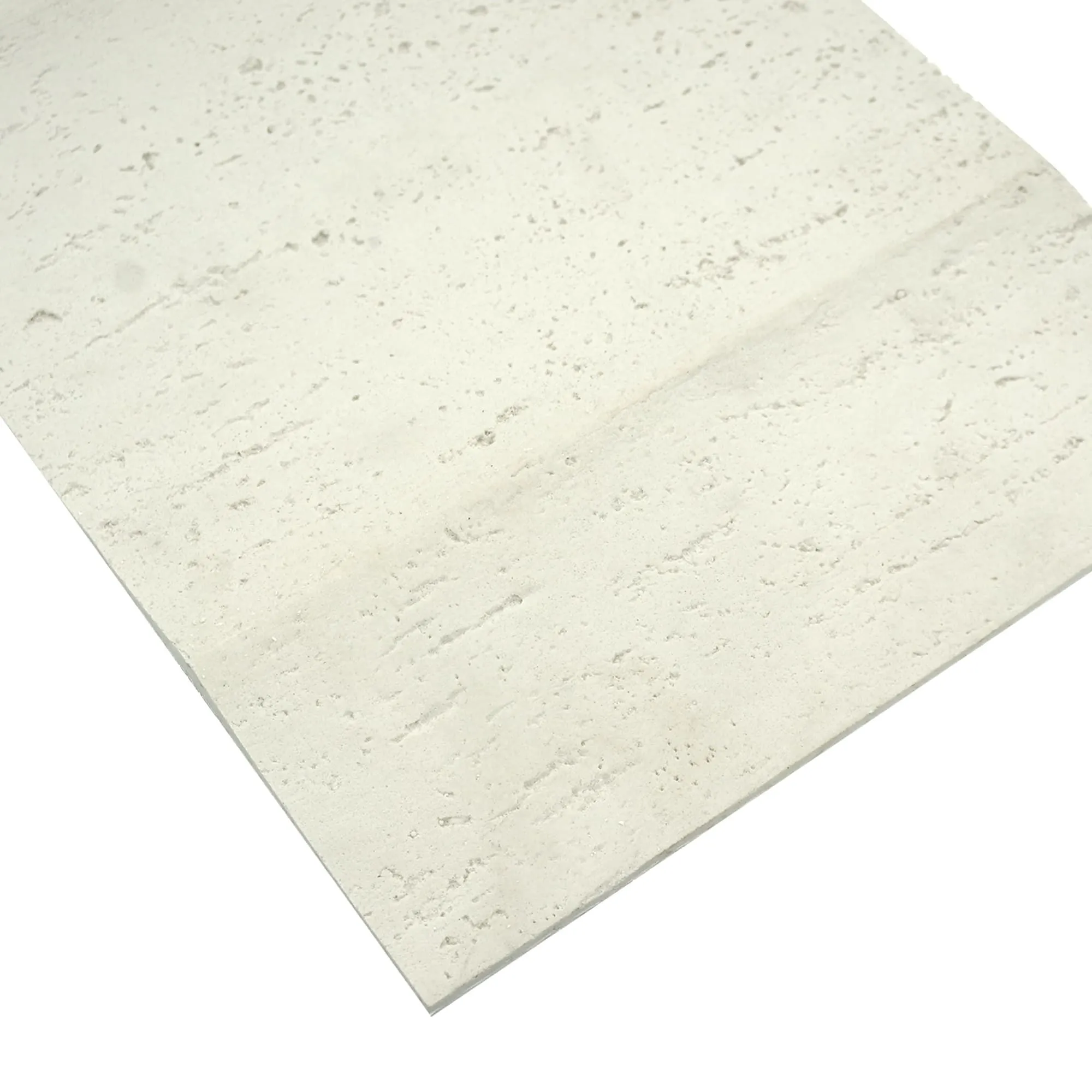
First, let's talk about the star of the show: MCM, or modified cementitious material. You might be thinking, "Cement? That sounds heavy, dull, and… well, cement-like." But COLORIA's MCM is nothing like the gray slabs you'd find in a parking garage. This is cement reimagined—lightweight, flexible, and surprisingly eco-friendly. By blending cement with advanced polymers and natural minerals, they've created a material that's strong enough for exterior walls but versatile enough to be 3D printed into intricate shapes. It's the kind of innovation that makes architects lean forward in their chairs and say, "Wait, we can do that?"
What sets MCM apart? For starters, it's green . Traditional building materials often come with a hefty carbon footprint, but MCM is low in volatile organic compounds (VOCs), uses recycled materials where possible, and is fully recyclable at the end of its life. That's a big deal in an industry increasingly focused on sustainability. Then there's its lightweight nature —up to 70% lighter than natural stone, which means easier installation, reduced structural load on buildings, and lower transportation costs. And let's not forget durability : MCM resists moisture, fire, and UV rays, making it ideal for both indoor and outdoor use. It's the kind of material that checks all the boxes—for builders, designers, and the planet.
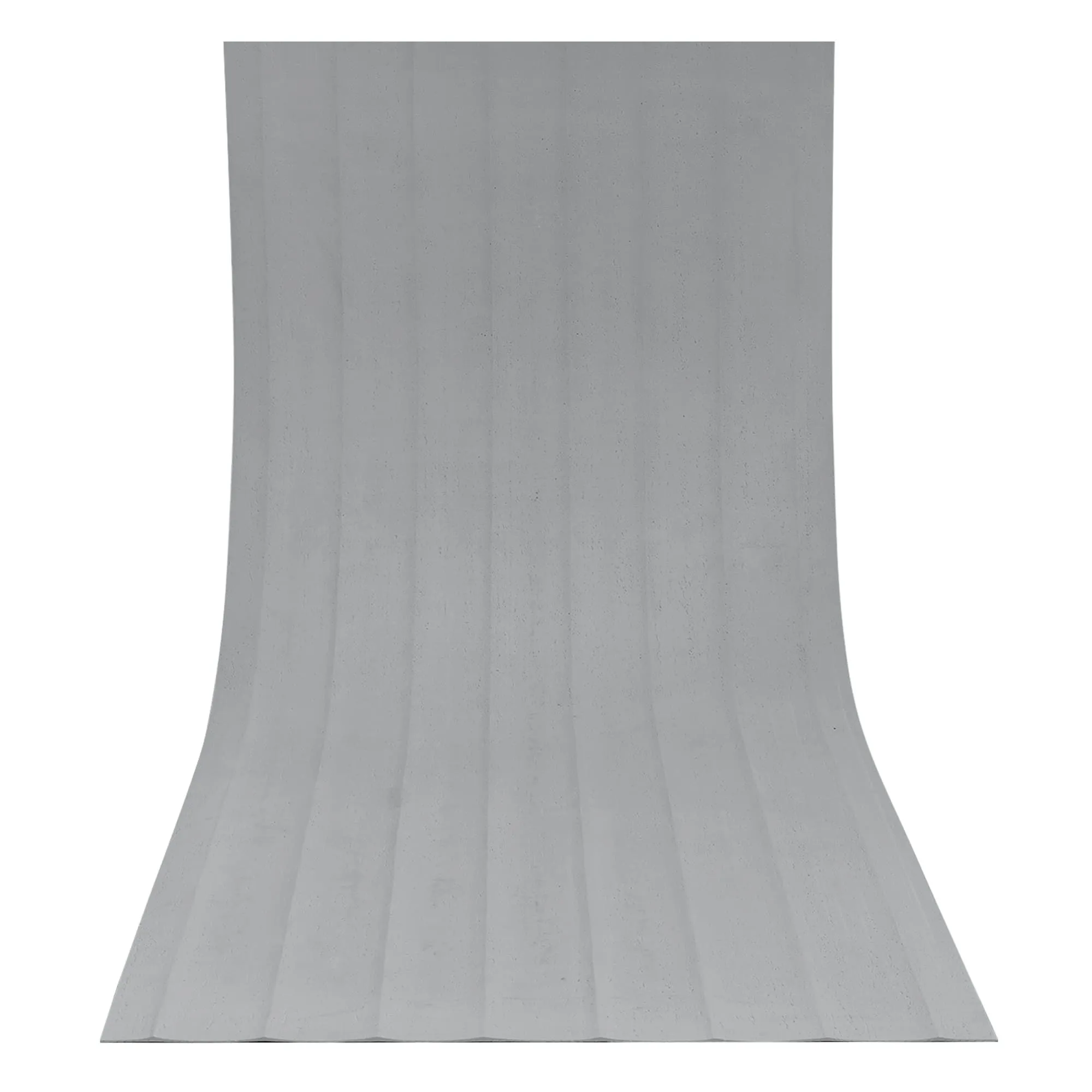
If MCM is the canvas, then COLORIA's MCM 3D Printing Series is the brush that brings it to life. 3D printing in construction isn't new, but COLORIA has taken it a step further by focusing on precision and design flexibility. Unlike traditional 3D printing, which often limits shapes to simple layers, their technology can create complex, organic forms—like the flowing curves of wave panels. Imagine a wall that doesn't just sit there, but seems to ripple, as if caught mid-motion by a photographer's shutter. That's the effect of wave panels, and it's all thanks to the precision of MCM 3D printing.
So how does it work? The process starts with a digital design—created by an architect or designer—that's fed into COLORIA's 3D printers. The MCM material, which has a smooth, clay-like consistency when wet, is extruded layer by layer, following the design with millimeter accuracy. As it dries, the material hardens into a strong, lightweight panel with the exact texture and shape specified. Want a wave with taller peaks? A softer curve? A matte or glossy finish? It's all adjustable. This level of customization is a game-changer for designers who've long been limited by the "one-size-fits-all" options of traditional building materials.
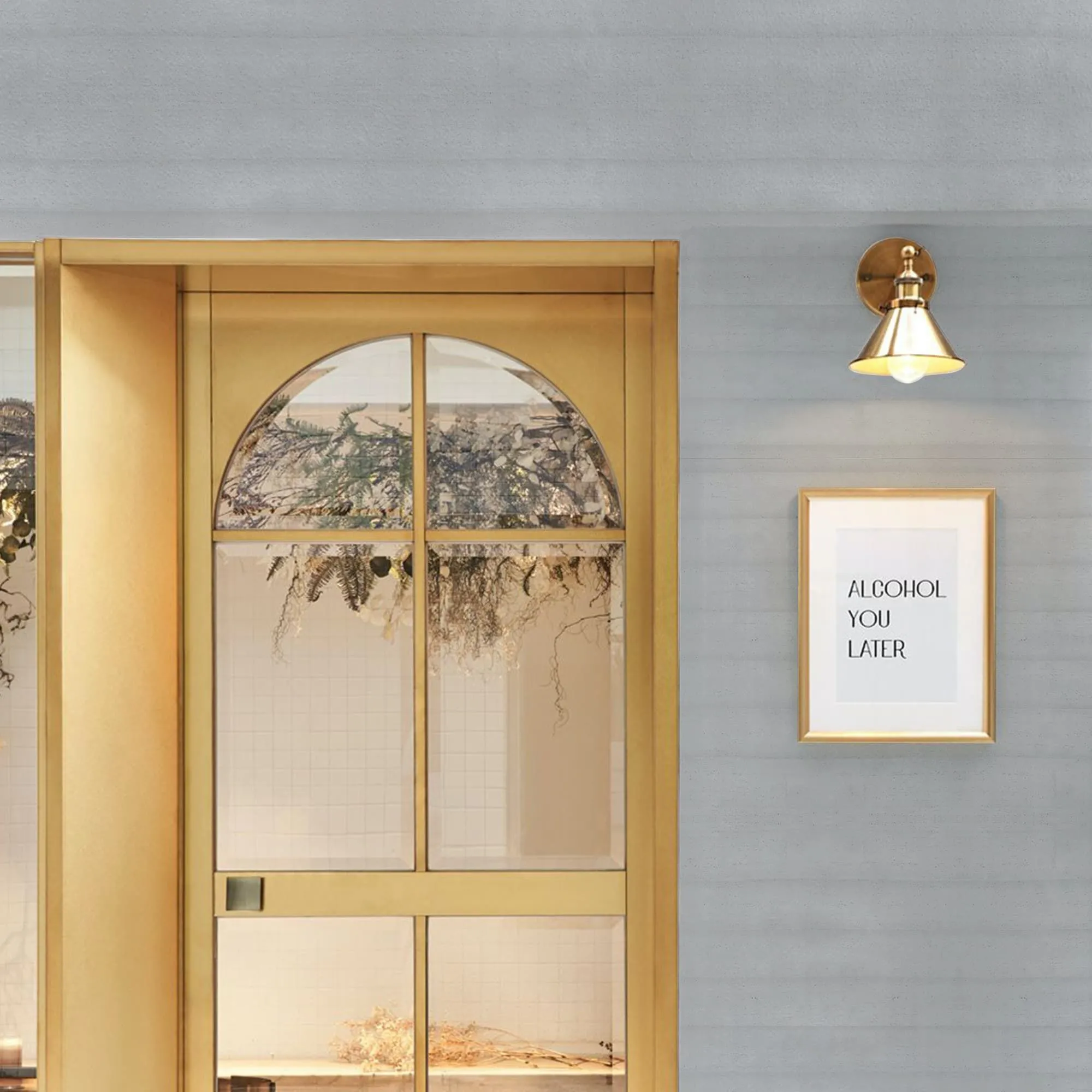
Let's zoom in on the star of this show: wave panels. What makes them so special? Walk into a space with wave panels, and you'll immediately notice the difference. Traditional flat walls can feel cold or static, but wave panels add movement . As light hits the curves, shadows shift throughout the day, creating a dynamic, almost alive effect. In a hotel lobby, they might evoke the calm of ocean waves; in a tech office, they could symbolize innovation and forward motion. It's not just decoration—it's storytelling through texture.
But wave panels aren't just about looks. They're surprisingly practical, too. Because they're made with MCM, they're lightweight enough to install on most existing walls without extra structural support. They're also easy to maintain—just a quick wipe with a damp cloth keeps them looking fresh. And since they're 3D printed, COLORIA can produce them in large batches or small, custom runs, making them perfect for everything from boutique cafes to skyscraper exteriors. One recent project in Dubai used wave panels on the exterior of a luxury resort, and guests now often stop to take photos of the building—proof that good design doesn't just enhance spaces; it becomes a destination.
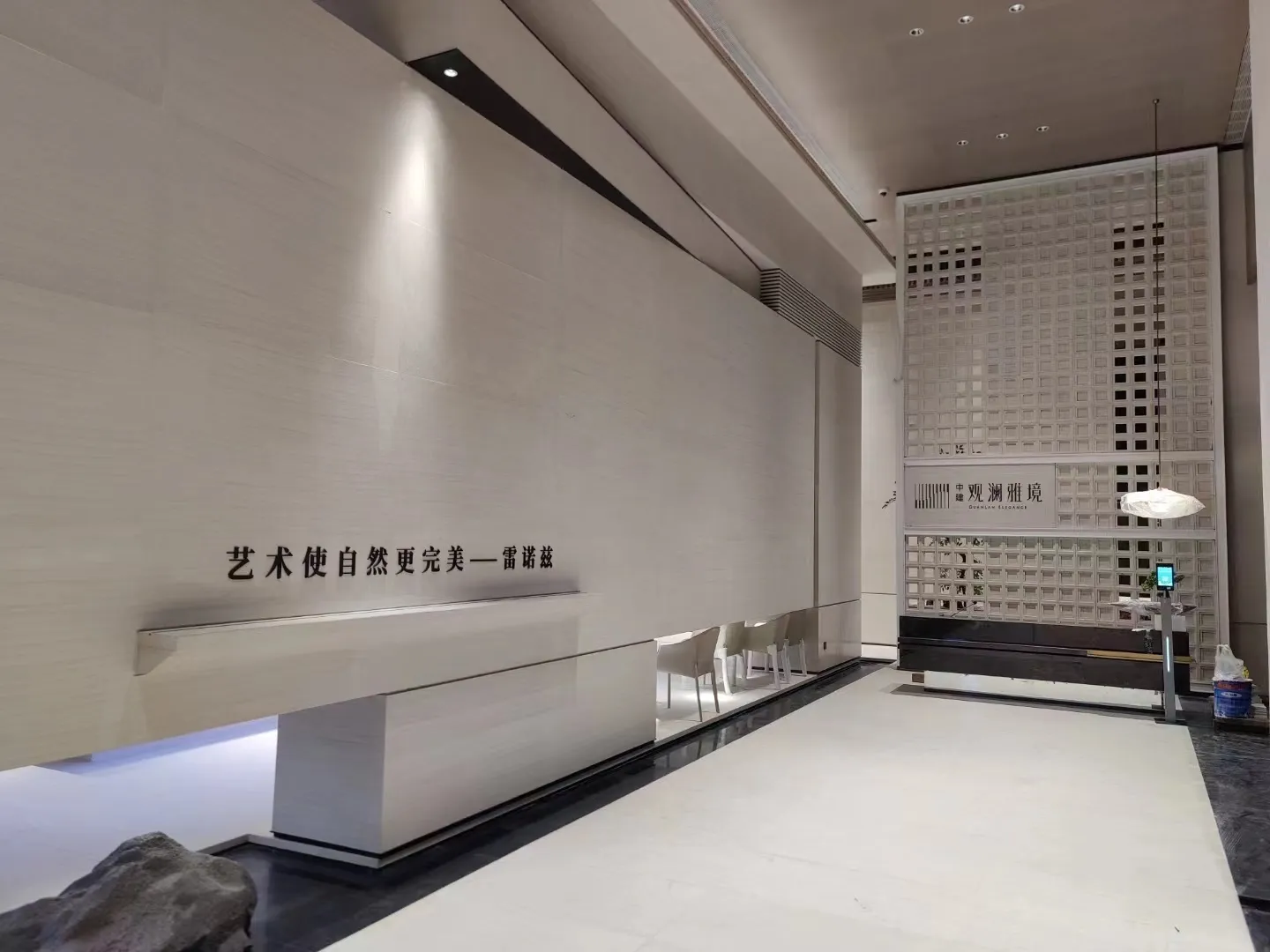
While wave panels are stealing the spotlight, they're just one part of COLORIA's impressive MCM lineup. Two other products deserve a shoutout for how they complement wave panels and expand design possibilities: MCM Flexible Stone and MCM Big Slab Board Series .
MCM Flexible Stone is exactly what it sounds like: stone-like material with the flexibility of fabric. Imagine wrapping a column in a material that looks like natural travertine but bends to fit curved surfaces. That's Flexible Stone. It pairs beautifully with wave panels—using wave panels for the main wall and Flexible Stone for accent curves or rounded corners creates a cohesive, high-end look. And since both are MCM-based, they share the same eco-friendly benefits and easy installation, making them a match made in design heaven.
Then there's the MCM Big Slab Board Series. For spaces where you want drama on a grand scale, these large-format panels deliver. Think of a museum hallway with 10-foot-tall slabs that look like polished marble but weigh a fraction of the real thing. When combined with wave panels—say, using big slabs for the majority of a wall and wave panels as a focal point—you get a space that feels both expansive and intimate. It's the kind of design choice that makes visitors pause and think, "This is next level."
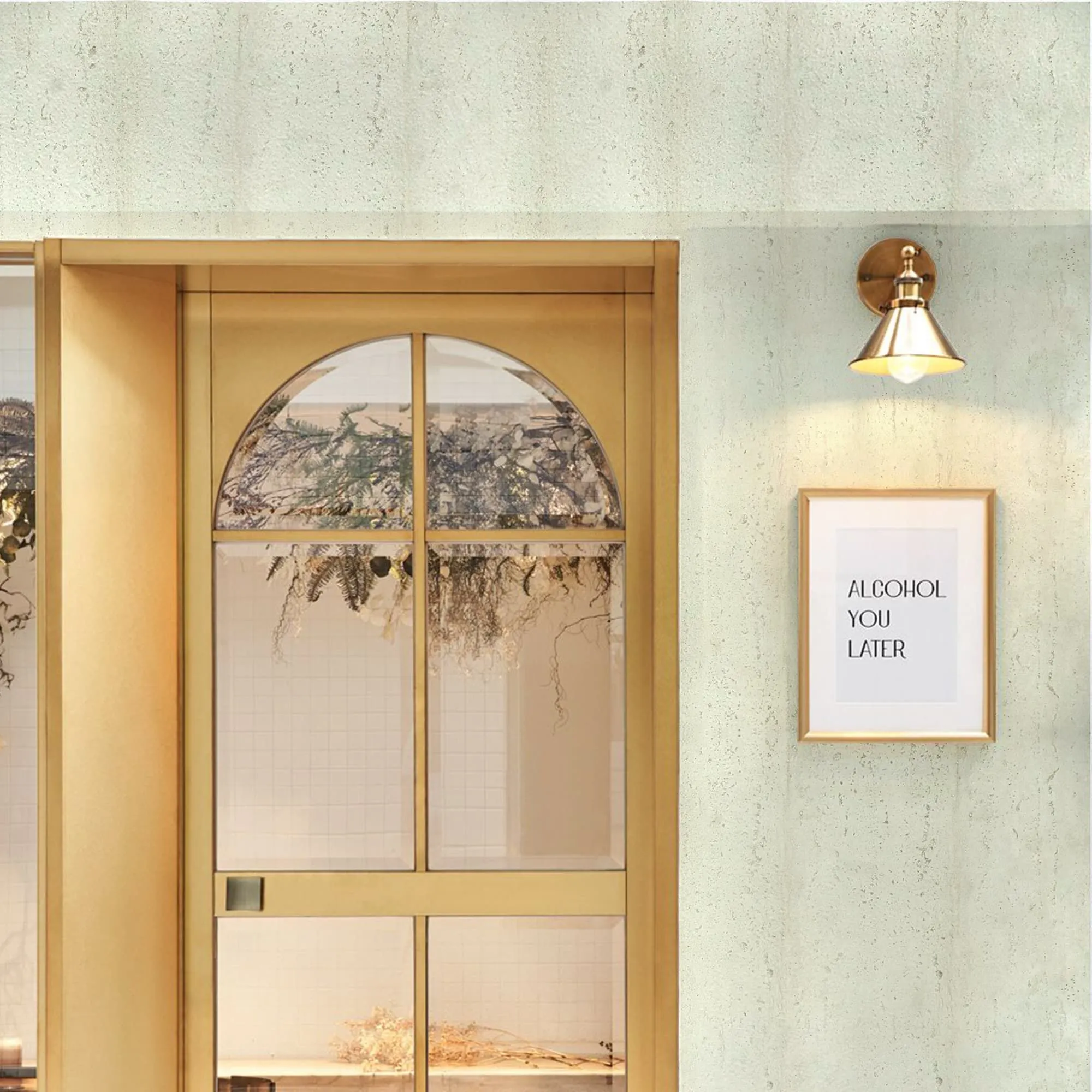
Still not convinced? Let's put wave panels head-to-head with traditional wall materials. The difference is clear, and it's not just about looks—it's about practicality, sustainability, and cost-effectiveness.
| Feature | Traditional Stone/Tile | MCM 3D Printed Wave Panels |
|---|---|---|
| Weight | Heavy (requires structural support) | Lightweight (70% lighter than stone) |
| Design Flexibility | Limited to flat or simple shapes | Custom curves, textures, and sizes |
| Installation | Time-consuming (needs skilled labor) | Quick and easy (lightweight, pre-cut) |
| Environmental Impact | High carbon footprint (mining, transportation) | Low VOC, recycled materials, recyclable |
| Durability | Prone to cracking, staining | Resistant to moisture, fire, and UV rays |
It's one thing to talk about technology in theory, but it's another to see it in action. COLORIA's wave panels are already leaving their mark on projects around the world. Take, for example, a boutique hotel in Riyadh, Saudi Arabia, where the exterior is clad in wave panels printed in a soft beige tone. The panels catch the desert sun, creating a warm, inviting glow that stands out against the city's glass-and-steel skyline. Inside, the lobby features wave panels in a deep, oceanic blue, paired with MCM Flexible Stone in a complementary texture, creating a space that feels both luxurious and calming.
Another standout project is a tech startup's office in Shanghai. The company wanted a space that reflected its innovative spirit, so they chose wave panels in a sleek gray finish for their main meeting room wall. The panels, which were 3D printed with subtle variations in wave height, create a backdrop that's perfect for brainstorming sessions—stimulating creativity without being distracting. And since the panels are lightweight, the installation took just two days, minimizing downtime for the busy team.
As technology evolves, so too will the possibilities of MCM 3D printing. COLORIA is already experimenting with new textures, colors, and even integrated lighting—imagine wave panels that glow softly at night, or panels with built-in sensors that adjust their texture based on temperature. The goal? To make walls not just part of a building, but active, interactive elements of the spaces we live and work in.
And let's not forget sustainability. As the construction industry moves toward greener practices, MCM is poised to lead the way. COLORIA's commitment to using recycled materials and reducing waste means that wave panels aren't just a design choice—they're a responsible choice, too. For companies and organizations looking to reduce their carbon footprint, this is a selling point that can't be ignored.
At the end of the day, 3D printed wave panels are more than just a "trendy" building material. They're a sign of how far we've come in merging technology and design, and a glimpse into where we're headed. With COLORIA's MCM 3D Printing Series, walls are no longer just barriers—they're canvases, storytellers, and expressions of creativity. Whether you're designing a luxury hotel, a modern office, or a cozy café, wave panels offer a way to make your space unforgettable.
So, the next time you walk into a building and find yourself staring at the walls—really looking at them—chances are, you're looking at MCM in action. And if those walls have a subtle, rippling wave pattern? You can bet they were 3D printed with precision, passion, and a commitment to innovation. That's the COLORIA difference. That's the future of building materials. And that's why wave panels are here to stay.
Recommend Products











