

In the ever-evolving world of architecture, where form meets function and creativity battles practicality, the search for materials that can keep up with bold design visions has always been a driving force. Architects today aren't just building structures—they're crafting experiences, telling stories, and pushing the boundaries of what's possible. This is where COLORIA GROUP steps in, not just as a supplier, but as a partner in innovation. With decades of expertise in the building materials industry and a global footprint that includes a dedicated presence in Saudi Arabia, the company has redefined architectural possibilities through its Modified Cementitious Material (MCM) technology. Among its groundbreaking offerings, the 3D Printed Wave Panels stand out as a testament to how MCM is reshaping the way architects think about design, customization, and sustainability.
COLORIA GROUP isn't your typical building materials provider. Think of it as a bridge between architectural dreams and real-world execution. As a one-stop solution provider, the company specializes in delivering high-quality interior and exterior materials, but what truly sets it apart is its unwavering focus on innovation. With operations spanning the globe and a trusted agency in Saudi Arabia, COLORIA GROUP understands the unique challenges of diverse markets—from the harsh climates of the Middle East to the aesthetic demands of European design hubs. This global perspective, paired with a deep-rooted commitment to quality, has made it a go-to name for architects and developers seeking materials that don't compromise on either creativity or durability.
At the heart of COLORIA's success is its MCM technology—a modified cementitious material that marries the best of traditional construction materials with cutting-edge engineering. Unlike conventional cement-based products, MCM is lightweight yet incredibly strong, flexible yet durable, and most importantly, designed to adapt to the most ambitious architectural concepts. It's this versatility that has led to the development of standout product lines, including the MCM Big Slab Board Series , MCM Flexible Stone , and of course, the game-changing MCM 3D Printing Series —home to the revolutionary Wave Panels.
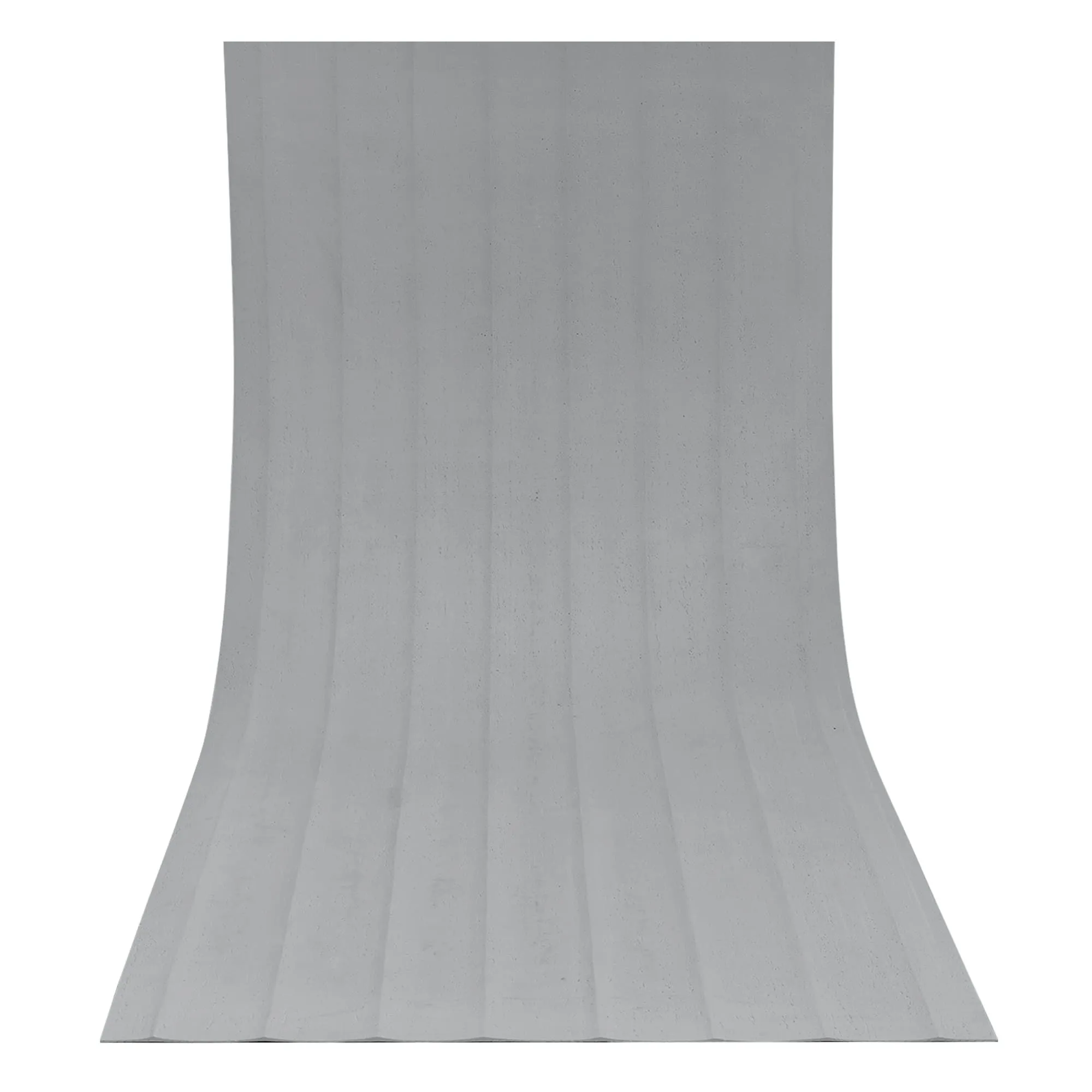
Before diving into the specifics of 3D Printed Wave Panels, let's take a moment to understand what makes MCM so special. Modified Cementitious Material isn't just a fancy term—it's a result of years of research into enhancing traditional cement with modern additives and composites. The goal? To create a material that addresses the biggest pain points in construction: weight, fragility, environmental impact, and design limitations.
Traditional building materials often force architects into trade-offs. Heavy stone slabs limit installation options and increase structural loads; rigid concrete lacks design flexibility; and many synthetic materials come with a heavy carbon footprint. MCM flips the script. By modifying the cement matrix with polymers and natural fibers, COLORIA has created a material that's up to 70% lighter than natural stone, yet boasts comparable compressive strength. It's resistant to weathering, fire, and impact, making it suitable for both interior and exterior applications. And perhaps most importantly for architects, it's a material that bends to your vision, not the other way around.
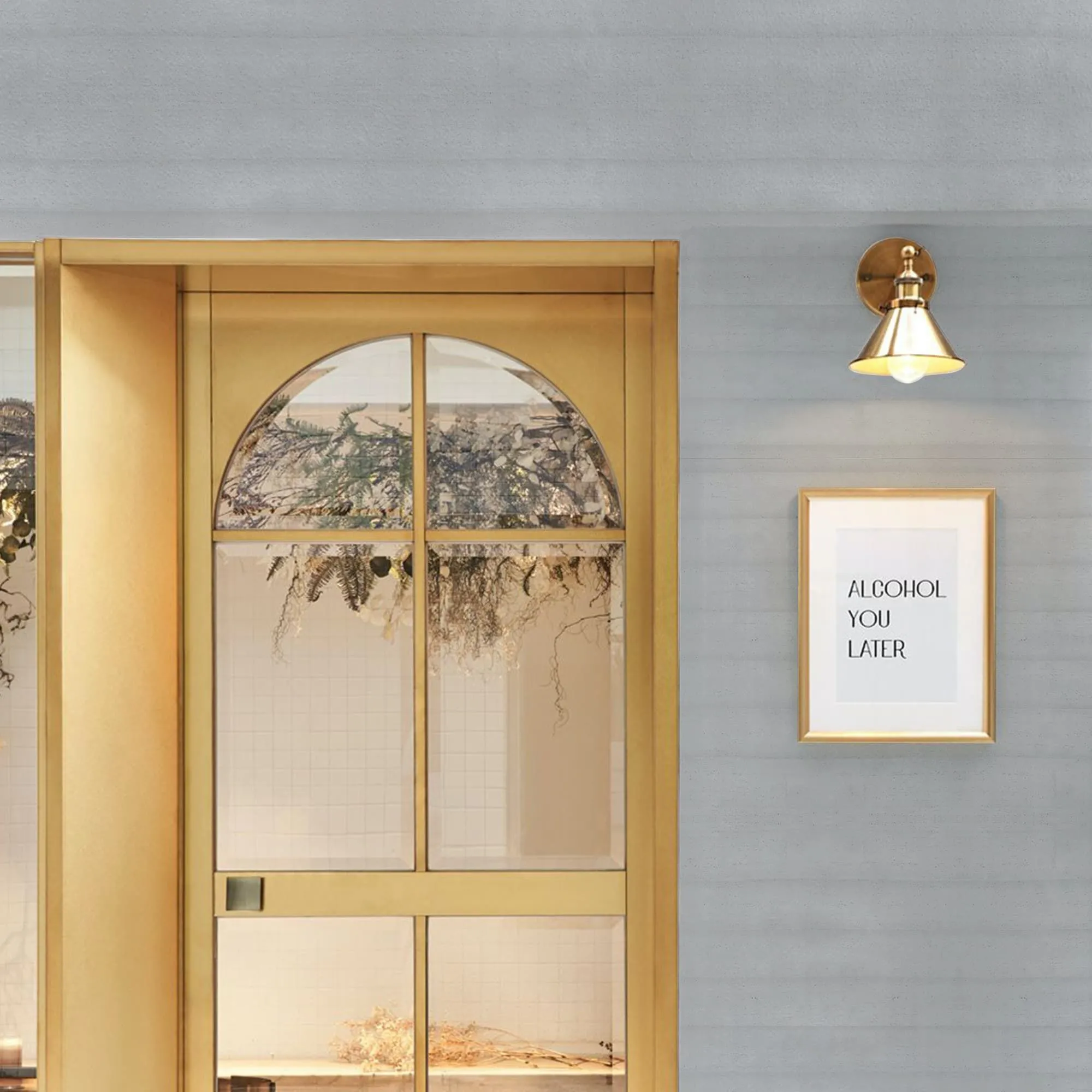
Imagine designing a building facade that mimics the flow of ocean waves, where each curve, each undulation is precisely tailored to catch the light at different times of day. Until recently, such a vision would have been either prohibitively expensive, structurally unfeasible, or both. Enter COLORIA's 3D Printed Wave Panels —a product that turns "what if" into "what's next."
3D printing isn't new, but applying it to MCM has unlocked a new level of design freedom. Traditional wave-shaped panels often require labor-intensive molds, limiting customization and increasing production time. With MCM 3D printing technology, COLORIA's printers deposit layers of modified cementitious material with pinpoint accuracy, building up complex wave patterns without the need for molds. This means architects can tweak designs in real time, experiment with varying wave amplitudes and frequencies, and even incorporate unique textures—all while keeping production timelines and costs in check.
"The beauty of 3D printing MCM is that it's not just about replicating a shape—it's about creating a material that works with the design," explains a senior materials engineer at COLORIA. "The wave panels aren't just decorative; they're engineered to be lightweight enough for easy installation, strong enough to withstand harsh weather, and durable enough to last decades. It's the perfect blend of art and engineering."
While the visual appeal of Wave Panels is undeniable, their practical advantages are equally compelling. Let's break it down:
| Feature | Traditional Wave Panels | MCM 3D Printed Wave Panels |
|---|---|---|
| Customization | Limited by mold costs; small design tweaks require new molds | Unlimited; digital designs allow real-time adjustments |
| Weight | Heavy (often 20-30 kg/m² for concrete-based options) | Lightweight (8-12 kg/m²) |
| Installation Time | Longer; requires specialized labor for handling heavy panels | Faster; lightweight design reduces labor needs |
| Environmental Impact | High waste from mold production and material trimming | Minimal waste; precise 3D printing reduces excess material |
| Design Complexity | Simple curves only; complex undulations are cost-prohibitive | Intricate wave patterns, varying amplitudes, and integrated textures |
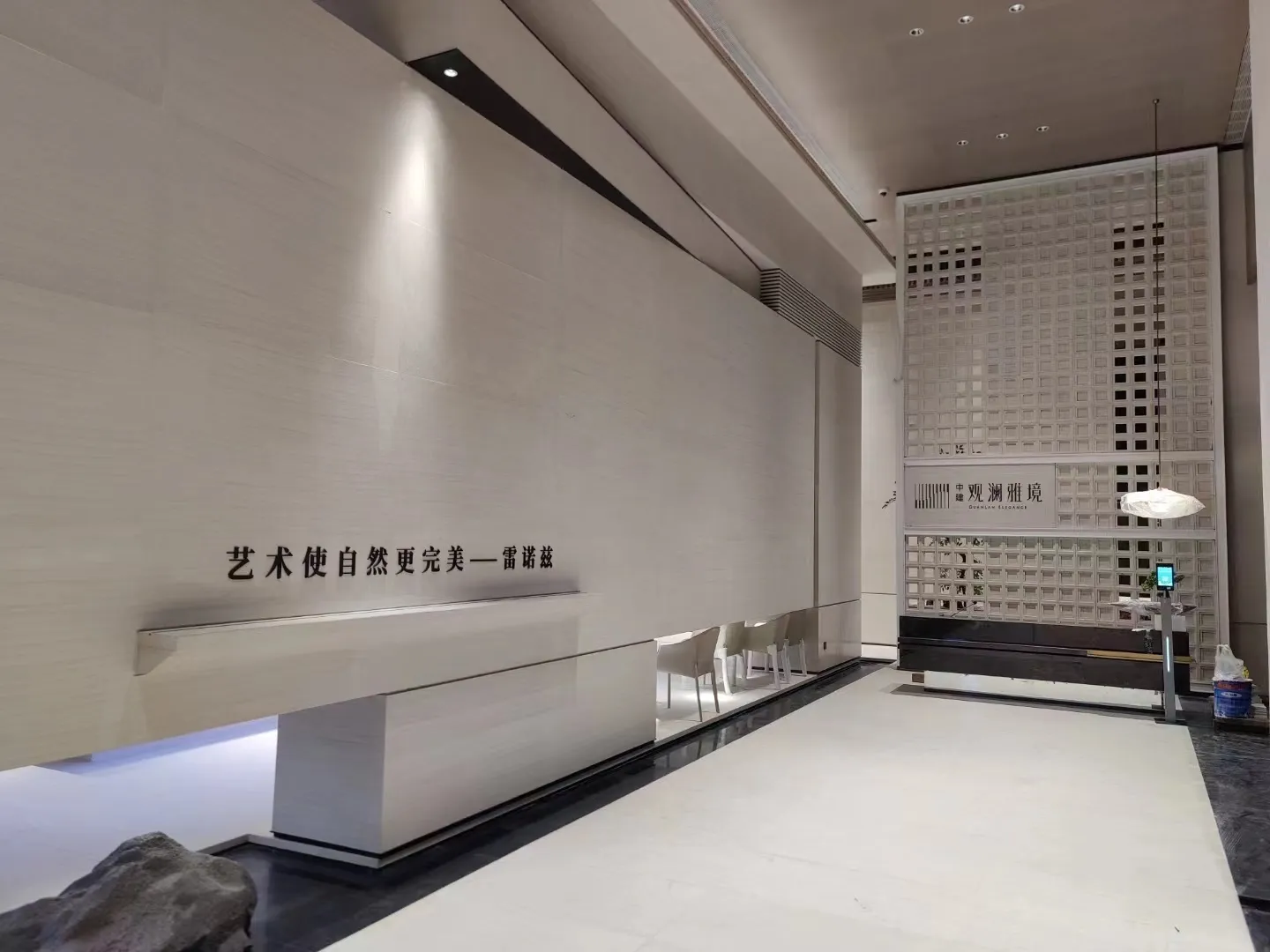
While 3D Printed Wave Panels steal the spotlight, they're just one piece of COLORIA's MCM puzzle. To truly empower architects, the company has developed a range of complementary products that work together to create cohesive, innovative designs. Let's take a closer look at two standout offerings: MCM Flexible Stone and the MCM Big Slab Board Series .
Picture this: a curved interior wall that wraps around a lobby, creating a sense of flow and warmth. Traditional stone or tile would crack under the bend, but MCM Flexible Stone bends without breaking. This remarkable product is exactly what its name suggests—stone-like in appearance, but flexible enough to conform to curved surfaces, columns, and even ceilings.
Made from the same modified cementitious base as other MCM products, Flexible Stone is thin (as little as 3mm thick), lightweight, and available in a stunning range of textures and colors—from the earthy tones of travertine to the modern sleekness of polished concrete. It's ideal for interior feature walls, retail spaces, or even furniture design, adding a touch of luxury without the weight or installation headaches of natural stone. For architects working on projects where curves are central to the design narrative, Flexible Stone is a game-changer, turning once-challenging surfaces into opportunities for creativity.
Sometimes, less is more—and that's where the MCM Big Slab Board Series shines. These large-format panels (available in sizes up to 3m x 1.5m) minimize grout lines, create seamless visual flow, and reduce installation time by covering more surface area with fewer pieces. Whether used for exterior cladding or interior floors, big slab boards exude a sense of modern elegance that's hard to achieve with smaller tiles.
What makes these slabs special? Their MCM composition ensures they're lightweight enough for easy handling (even in large sizes) while maintaining the durability needed for high-traffic areas. Architects can choose from a variety of finishes, including the subtle veining of marble, the rustic charm of travertine, or the industrial edge of fair-faced concrete. And when paired with 3D Printed Wave Panels, the contrast between the bold, smooth slabs and the dynamic, textured waves creates a visual harmony that's both striking and balanced.
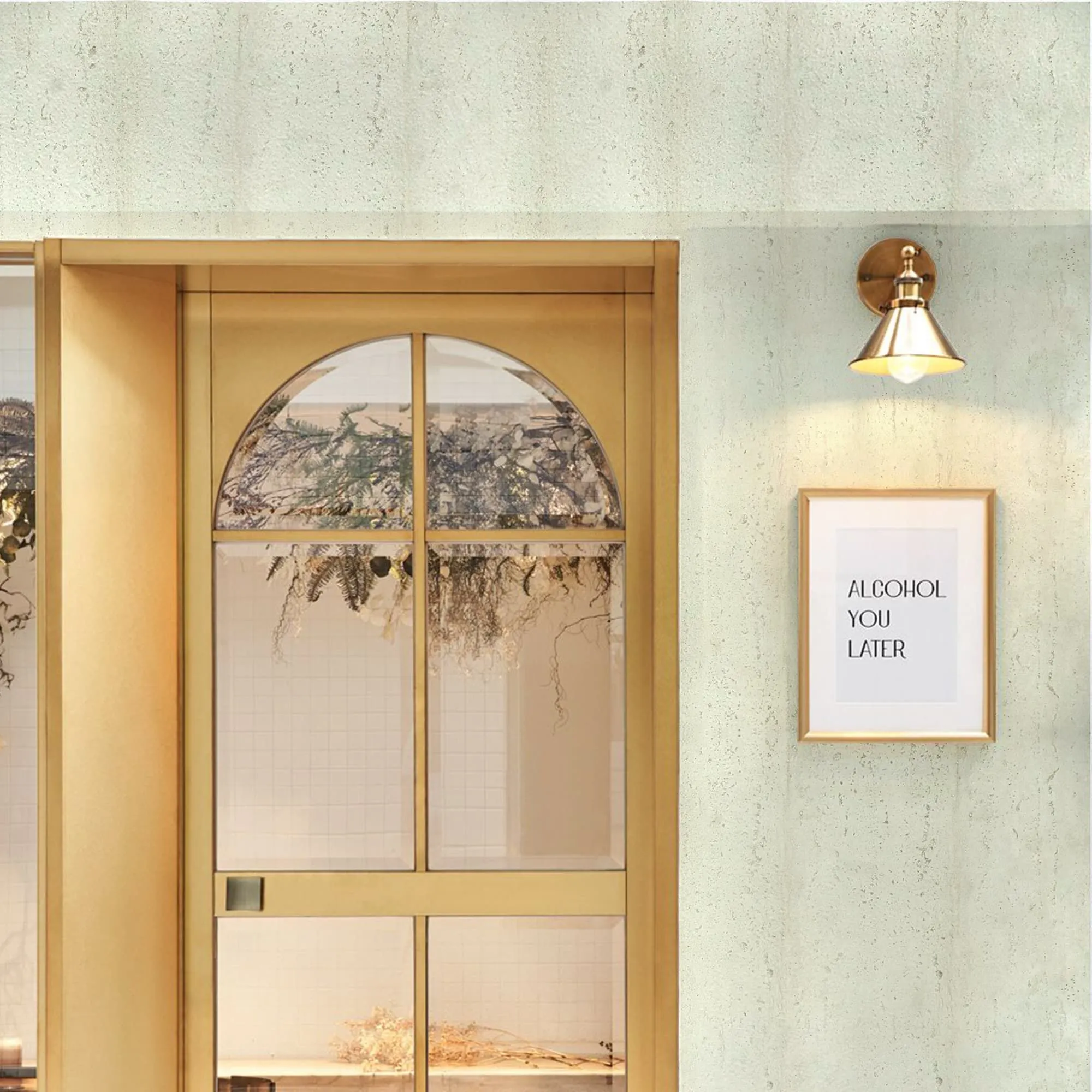
In today's architectural landscape, sustainability isn't just a buzzword—it's a responsibility. Clients, communities, and regulatory bodies are increasingly demanding buildings that minimize environmental impact, from construction to demolition. COLORIA GROUP takes this commitment seriously, and MCM technology is at the heart of its green mission.
First and foremost, MCM is an eco-friendly material by design. The modified cementitious matrix uses less raw material than traditional concrete or natural stone, reducing resource extraction. The production process emits significantly lower CO₂ compared to fired clay products or synthetic composites, thanks to optimized curing methods that require less energy. Even better, MCM products are fully recyclable at the end of their lifecycle, closing the loop on sustainability.
But sustainability isn't just about the material itself—it's about the bigger picture. The lightweight nature of MCM products reduces transportation emissions, as more panels can be shipped in a single load. Their durability means less frequent replacement, lowering long-term maintenance costs and waste. And for projects aiming for green building certifications (like LEED or BREEAM), MCM's low VOC emissions and recycled content can contribute valuable points toward certification.
"We believe architects shouldn't have to choose between beauty and responsibility," says a COLORIA sustainability specialist. "With MCM, you get both. Our 3D Printed Wave Panels, Flexible Stone, and Big Slab Boards are proof that innovative design and environmental care can go hand in hand."
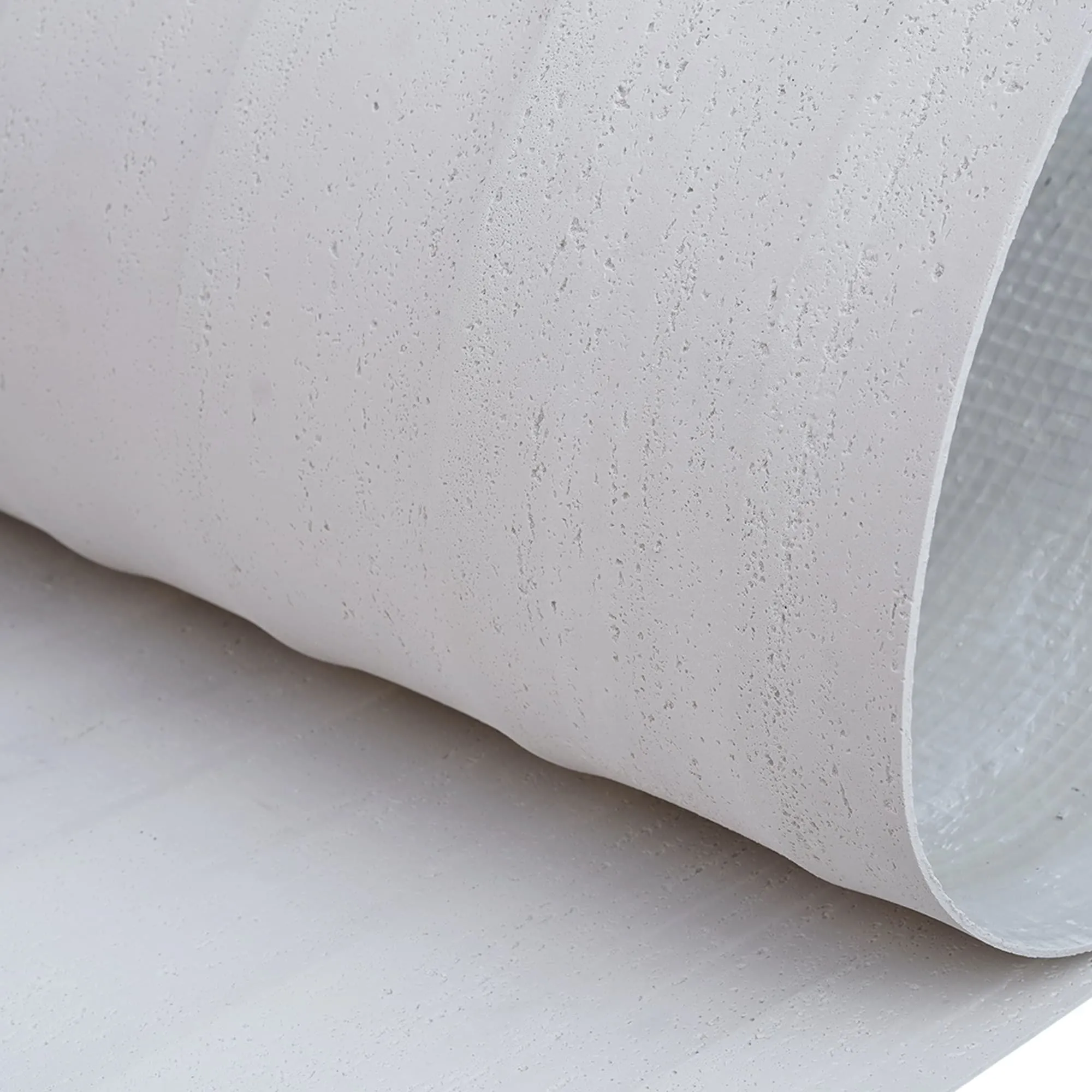
To truly appreciate 3D Printed Wave Panels, it helps to peek behind the curtain at the technology that makes them possible. COLORIA's 3D printing process isn't just about hitting "print"—it's a dance of material science, software engineering, and quality control.
The process starts with a digital design, often created by the architect using CAD software. This design is then translated into a 3D printing file, which the printer uses as a blueprint. The MCM material, a proprietary blend of cement, polymers, and natural fibers, is mixed on-site to ensure optimal consistency. It's then fed into the printer's extruder, which deposits the material layer by layer, each layer bonding to the one below it to create a solid, unified panel.
What sets COLORIA's 3D printing apart is its focus on structural integrity. Unlike some 3D printed materials that are brittle, the MCM formula ensures that the printed panels are not just visually striking but also built to last. Extensive testing has shown that 3D Printed Wave Panels can withstand extreme temperatures (from -40°C to 70°C), heavy rainfall, and UV exposure without fading or degrading. They also meet strict fire safety standards, making them suitable for both commercial and residential applications.
| Property | Value | Industry Standard Comparison |
|---|---|---|
| Compressive Strength | ≥ 40 MPa | Higher than standard concrete (20-30 MPa) |
| Flexural Strength | ≥ 8 MPa | Superior to traditional stone panels (3-5 MPa) |
| Water Absorption | < 6% | Lower than natural travertine (8-12%) |
| Thermal Conductivity | 0.8-1.0 W/(m·K) | Better insulation than solid stone (1.2-2.0 W/(m·K)) |
| Fire Rating | Class A1 (Non-combustible) | Meets EU and ASTM fire safety standards |
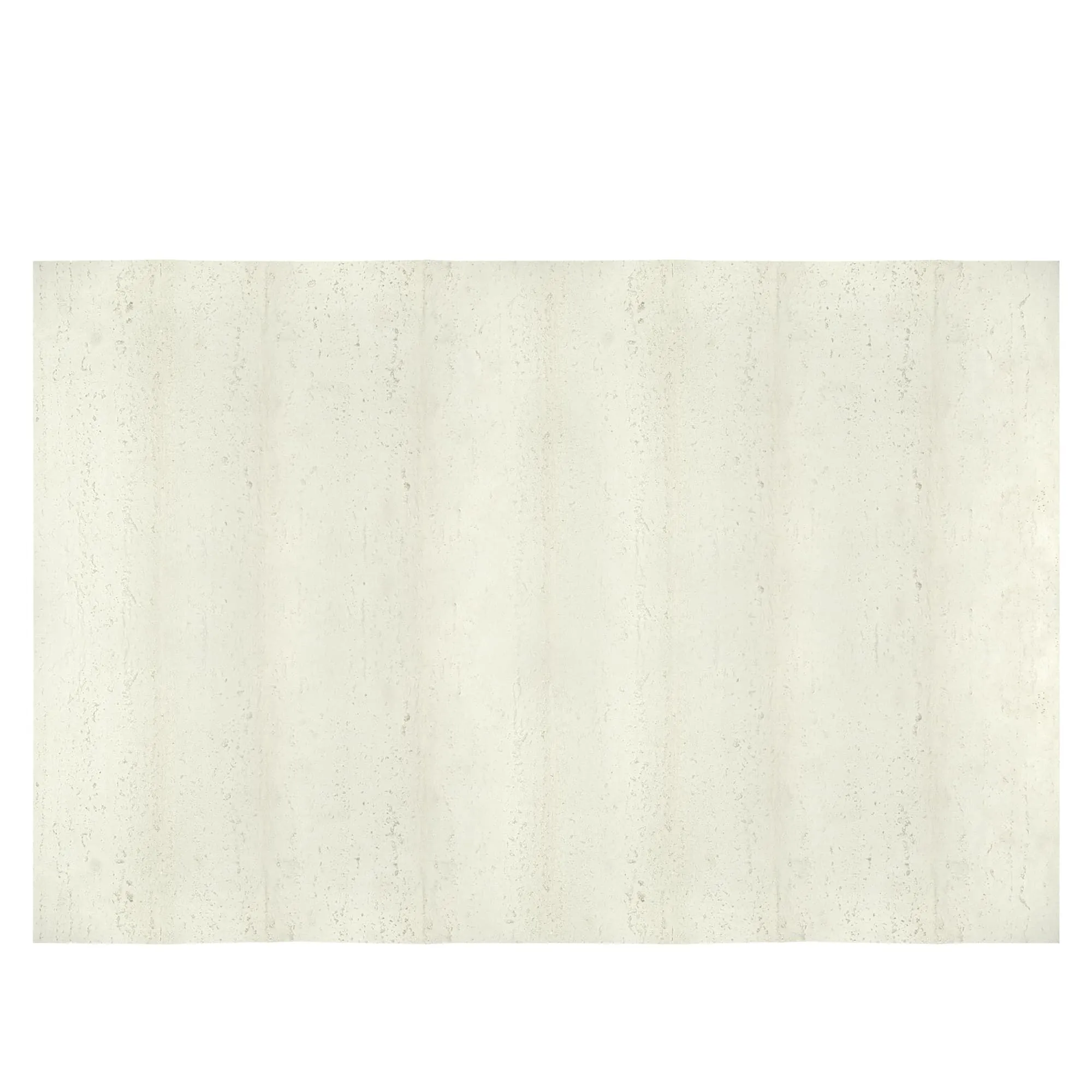
While the technology is impressive on paper, its real value lies in how it transforms actual projects. Let's explore a hypothetical (but realistic) scenario to see how 3D Printed Wave Panels, MCM Flexible Stone, and Big Slab Boards might come together in a single architectural vision.
Imagine a luxury boutique hotel in Riyadh, Saudi Arabia—a city known for its blend of tradition and modernity. The architect's vision? A building that reflects the region's desert landscapes, with a facade that evokes rolling sand dunes (enter 3D Printed Wave Panels), interiors that wrap guests in warm, natural textures (hello, MCM Flexible Stone on curved lobby walls), and a rooftop terrace featuring seamless, elegant flooring (Big Slab Boards in a travertine finish).
The exterior wave panels, printed in a soft beige tone, catch the harsh Saudi sun, creating dynamic shadows that shift throughout the day, mimicking the movement of dunes. Inside, the flexible stone clads the reception desk and a curved staircase, adding a touch of luxury without the weight of natural stone. The rooftop, meanwhile, uses large-format MCM slabs to create a spacious, uninterrupted surface that's both durable and easy to maintain in the desert climate. Thanks to COLORIA's local presence in Saudi Arabia, the project benefits from on-site support, ensuring timely delivery and installation—proving that even the most ambitious designs can be executed efficiently, even in challenging environments.
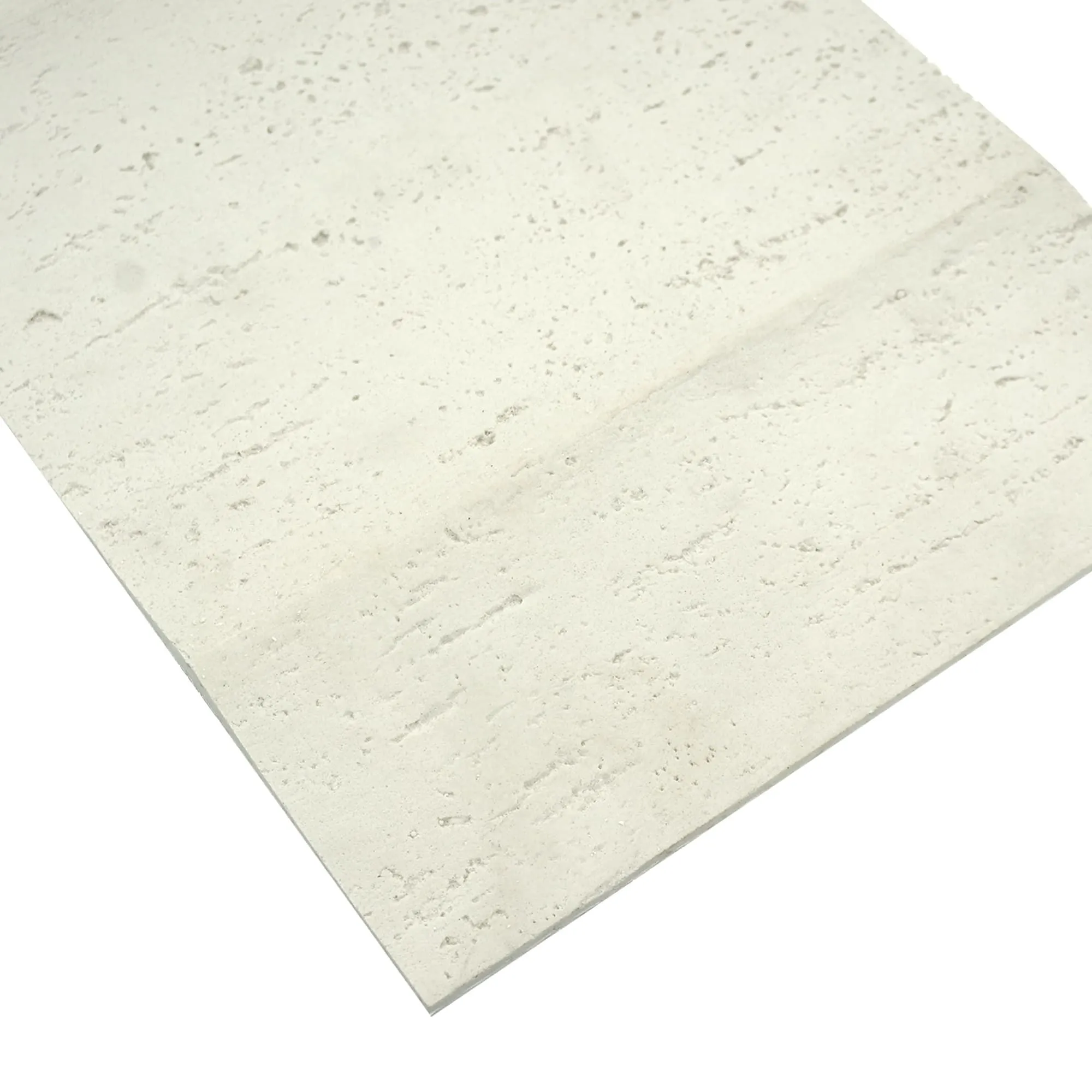
Innovation means little if it's not accessible. That's why COLORIA GROUP has built a global network designed to support architects wherever their projects take them. With a dedicated agency in Saudi Arabia and partnerships across the Middle East, Europe, and Asia, the company offers more than just materials—it provides a full suite of services, from initial design consultations to on-site installation support.
For architects working in international markets, this local presence is invaluable. Whether you're based in Riyadh, Dubai, London, or Beijing, COLORIA's team of technical experts is on hand to help refine your vision, troubleshoot challenges, and ensure that MCM products are integrated seamlessly into your project. This "one-stop solution" approach means architects can focus on what they do best—designing—while COLORIA handles the logistics, material sourcing, and technical details.

As we look to the future, one thing is clear: the buildings of tomorrow will be defined by materials that empower creativity, prioritize sustainability, and embrace technology. COLORIA GROUP's MCM technology, exemplified by the 3D Printed Wave Panels, isn't just keeping up with this future—it's helping to shape it.
For architects, this means more than just a new product to specify. It means a new way of thinking—one where the only limit is your imagination. It means designing facades that tell stories, interiors that evoke emotion, and buildings that leave a positive impact on both people and the planet. It means partnering with a company that understands your vision and has the expertise to turn it into reality.
So, what will you create with MCM? A hotel that dances with the desert winds? An office building that inspires innovation with its dynamic curves? A home that feels both modern and rooted in nature? Whatever your vision, COLORIA GROUP is ready to help you build it—one wave, one panel, one groundbreaking design at a time.
Recommend Products











