

In the bustling studio of a leading architectural firm, a designer runs her fingers over a sample board, frustration creasing her brow. She's been tasked with creating a feature wall for a high-end boutique hotel lobby—something that marries artistry with durability, uniqueness with practicality. The usual marble slabs feel too cold, conventional concrete too plain. Then, her colleague slides a sample across the table: a thin, flexible panel with undulating lines that catch the light like ocean waves. "It's from COLORIA GROUP's MCM 3D Printing Series," he says. "Wave Panel—3D printed, lightweight, and completely customizable." As she traces the texture, she realizes this isn't just a building material; it's a canvas for architectural storytelling.
The MCM 3D Printing Series isn't just about technology—it's about redefining what's possible in architectural design. Traditional construction materials often force compromises: stone is heavy and hard to shape, concrete lacks texture, ceramics limit customization. But 3D printing technology, when applied to modified cementitious materials (MCM), shatters these constraints. COLORIA's 3D printed wave panels, for example, start as a digital design—sketched by architects or generated via AI tools—then printed layer by layer using a modified cementitious composite. The result? Panels that weigh up to 70% less than natural stone, yet boast the strength to withstand harsh weather and high foot traffic.
Why 3D Printing for Architectural Panels?
-
Unmatched Customization:
From sinuous wave patterns to geometric precision, 3D printing allows for textures that mimic natural formations—like the starry night sky captured in travertine (starry green) or the layered ripples of a mountain stream in wave panels.
-
Lightweight Durability:
MCM 3D printed panels weigh as little as 8kg per square meter, making installation faster and safer, even for high-rise exteriors.
-
Sustainability at Core:
The process uses 90% recycled materials, and the panels themselves are 100% recyclable, aligning with global green building standards like LEED and BREEAM.
Take the travertine (starry green) variant, a customer favorite for luxury resorts. Its surface is embedded with iridescent particles that shift color with light—from deep emerald to shimmering teal as the sun sets. Unlike natural travertine, which requires extensive quarrying and wasteful cutting, COLORIA's version is crafted from recycled industrial byproducts, reducing carbon footprint by up to 60% compared to traditional stone extraction.
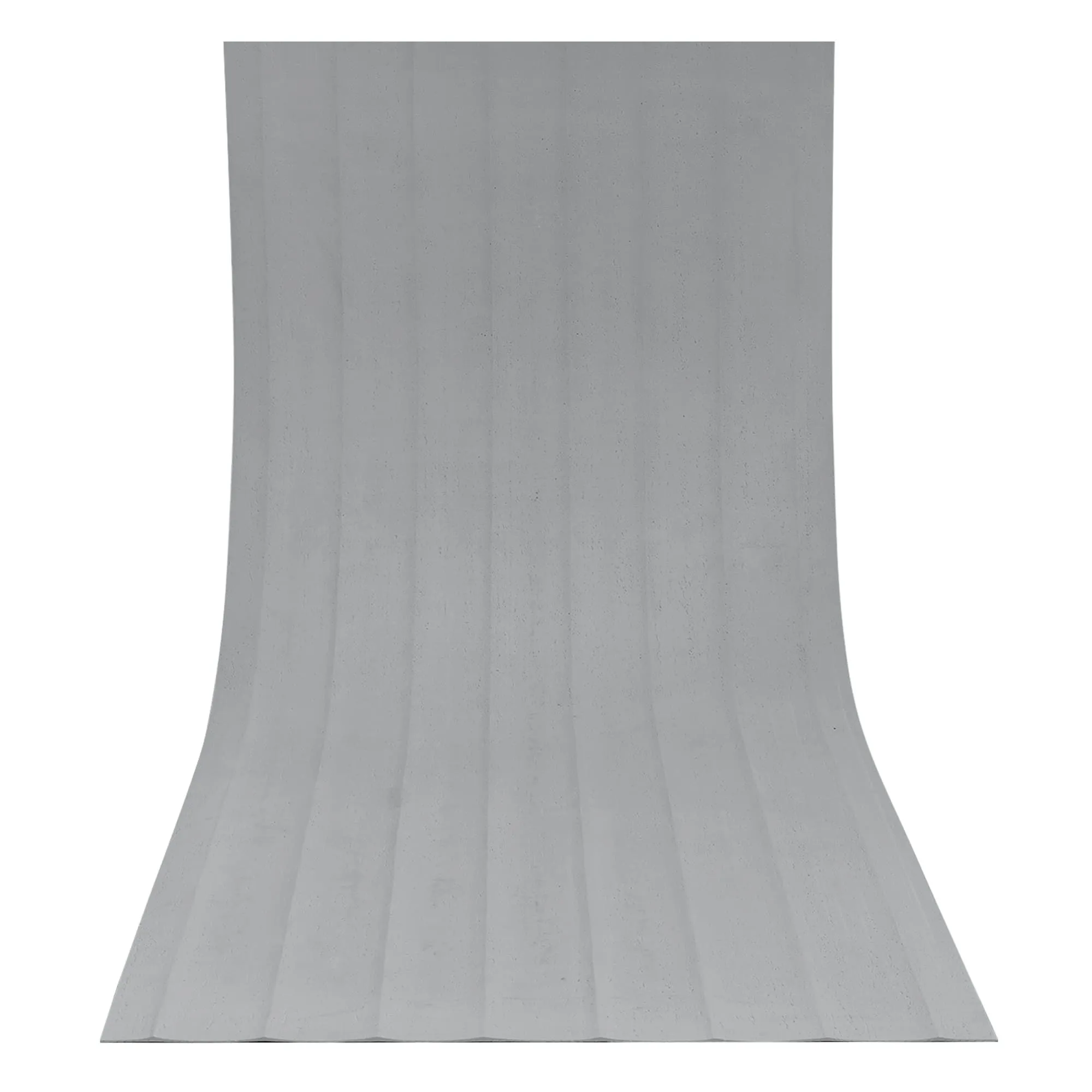
While 3D printing pushes the boundaries of technology, COLORIA's MCM Flexible Stone series celebrates the tactile warmth of natural materials—without the limitations. Imagine a restaurant facade clad in bali stone , its rough-hewn texture evoking tropical beaches, yet thin enough to bend around curved walls. Or a residential interior where flexible stone cladding panels wrap around a fireplace, their flexibility allowing for seamless transitions from wall to ceiling.
"We used COLORIA's MCM Flexible Stone for a boutique hotel in Bali," says David Chen, a project manager at a Jakarta-based construction firm. "The client wanted that 'luxe yet laid-back' vibe—natural stone, but easy to install in remote locations. Traditional bali stone is heavy and cracks during transport, but these flexible panels rolled up like carpets. We installed an entire lobby wall in three days, and the texture? It's identical to quarried stone, but softer to the touch. Guests keep asking if it's real."
The secret lies in the material itself: MCM Flexible Stone is a composite of cement, recycled aggregates, and proprietary additives that give it the look and feel of natural stone—travertine's porous elegance, granite's granular depth, bali stone's earthy warmth—with the flexibility of fabric. A 1.2m x 2.4m panel can bend up to 30 degrees without cracking, making it ideal for curved walls, archways, or even furniture accents like headboards and cabinet doors.
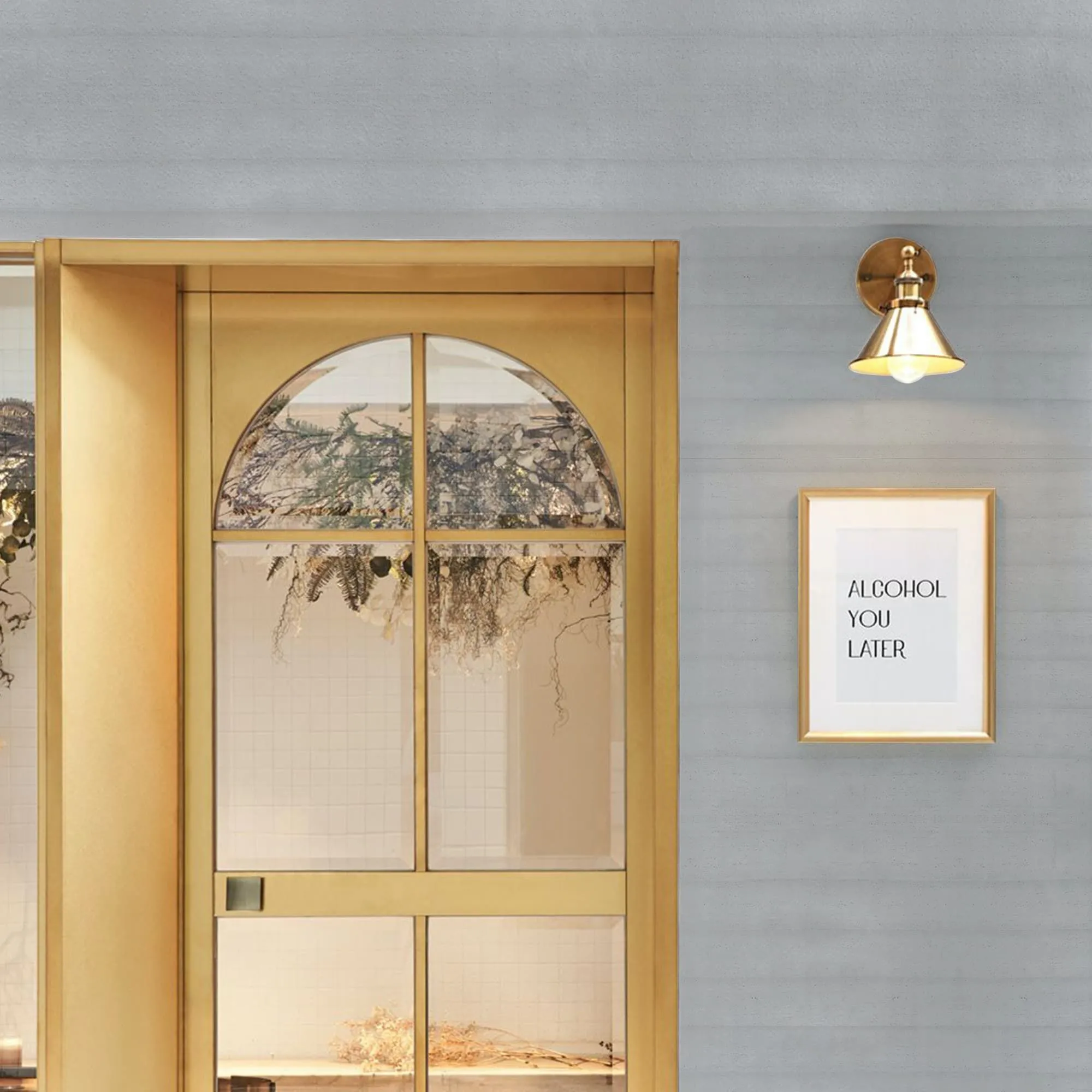
For projects that demand bold statements, the MCM Big Slab Board Series delivers grandeur without the logistical headaches. Traditional big slab stone—like marble or granite—requires cranes to transport, reinforced structures to support, and weeks of on-site cutting. COLORIA's MCM Big Slab Boards, however, redefine "big" with innovation. A single panel can span 3 meters in length, yet weigh just 12kg per square meter—light enough for two workers to carry and install. This isn't just convenience; it's a paradigm shift for commercial projects.
| Product | Key Feature | Typical Application |
|---|---|---|
| MCM Big Slab Board (Travertine Starry Green) | 3m length, 6mm thickness, star-like crystalline texture | Hotel lobbies, museum facades |
| MCM Flexible Stone (Bali Stone) | Matte finish, 90% recycled content, bendable up to 20° | Resort villas, boutique storefronts |
| 3D Printed Wave Panel | Customizable undulation depth (5-50mm), UV-resistant | Corporate headquarters, art galleries |
Consider the travertine (starry green) slab, a standout in the Big Slab series. Its surface is dotted with tiny, iridescent particles that mimic the night sky—hence "starry green." Unlike natural travertine, which is prone to chipping, this MCM variant is reinforced with fiberglass mesh, making it scratch-resistant and easy to clean. A luxury hotel in Dubai recently used 200 square meters of these slabs for their atrium walls; the installation took half the time of traditional stone, and the client reported zero maintenance issues after two years of heavy use.
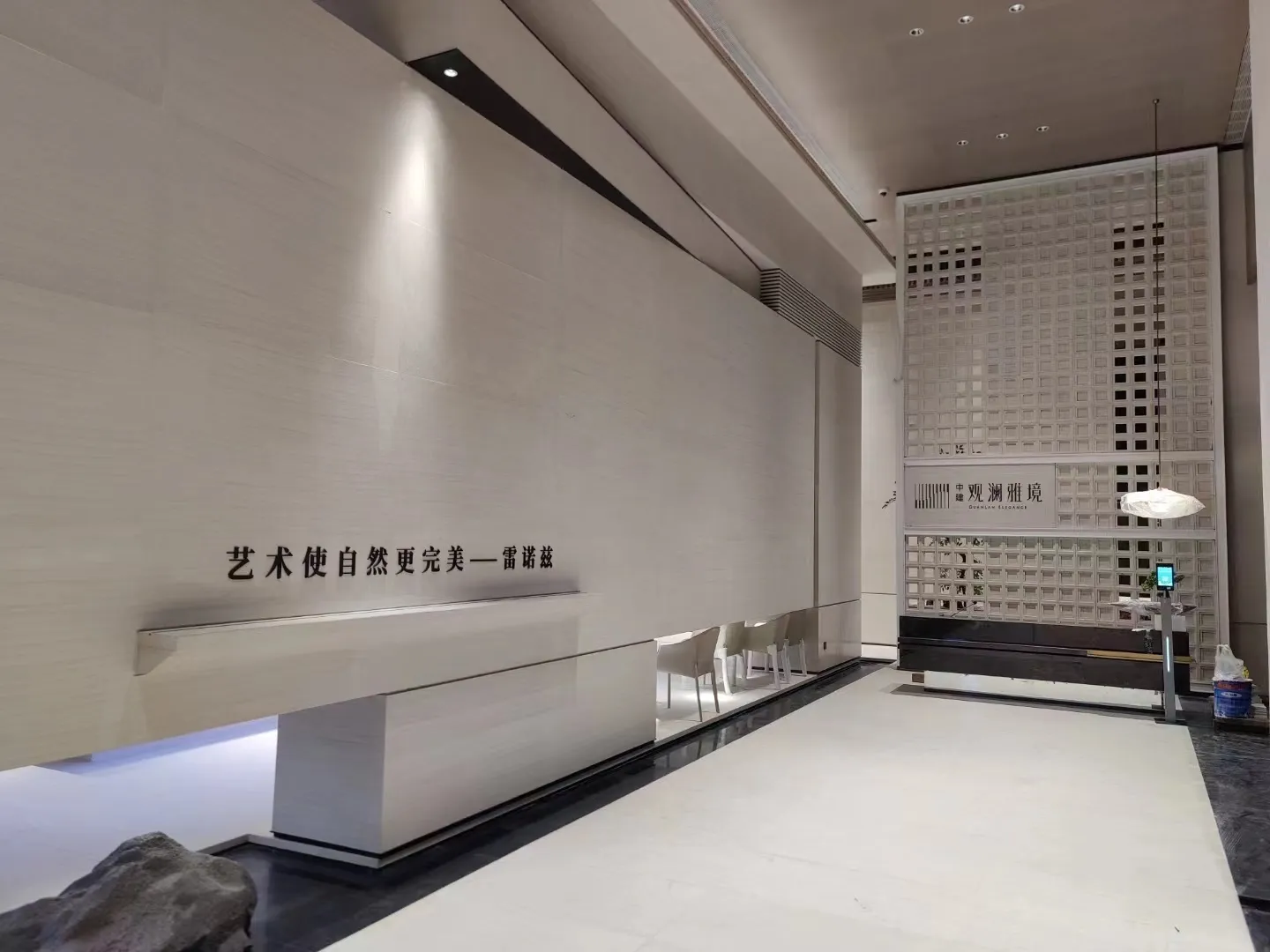
In an era where "green building" is more than a buzzword, COLORIA's MCM series leads with substance, not just marketing. The modified cementitious material at the core of all products is sourced from industrial waste—fly ash from power plants, recycled concrete aggregate—diverting tons of debris from landfills yearly. The production process itself is energy-efficient: 3D printing reduces material waste by 30% compared to traditional cutting, and all panels are prefabricated in controlled factory settings, minimizing on-site construction dust and noise.
Environmental Impact Metrics:
- Carbon Footprint: 0.3 tons CO₂ per ton of MCM panels (vs. 1.2 tons for natural stone).
- Water Usage: 90% less water than quarrying natural travertine.
- Recyclability: 100% of offcuts and old panels are repurposed into new materials.
The foamed aluminium alloy board (vintage silver) is a prime example of this ethos. Designed for high-end retail facades, it's made by injecting air bubbles into recycled aluminium alloy, creating a lightweight, metallic finish that reflects sunlight and reduces heat absorption—lowering a building's cooling costs by up to 25%. A shopping mall in Singapore replaced its traditional steel cladding with these panels last year; not only did energy bills drop, but the facade's vintage silver sheen became a social media sensation, drawing in customers who mistook it for art installation.
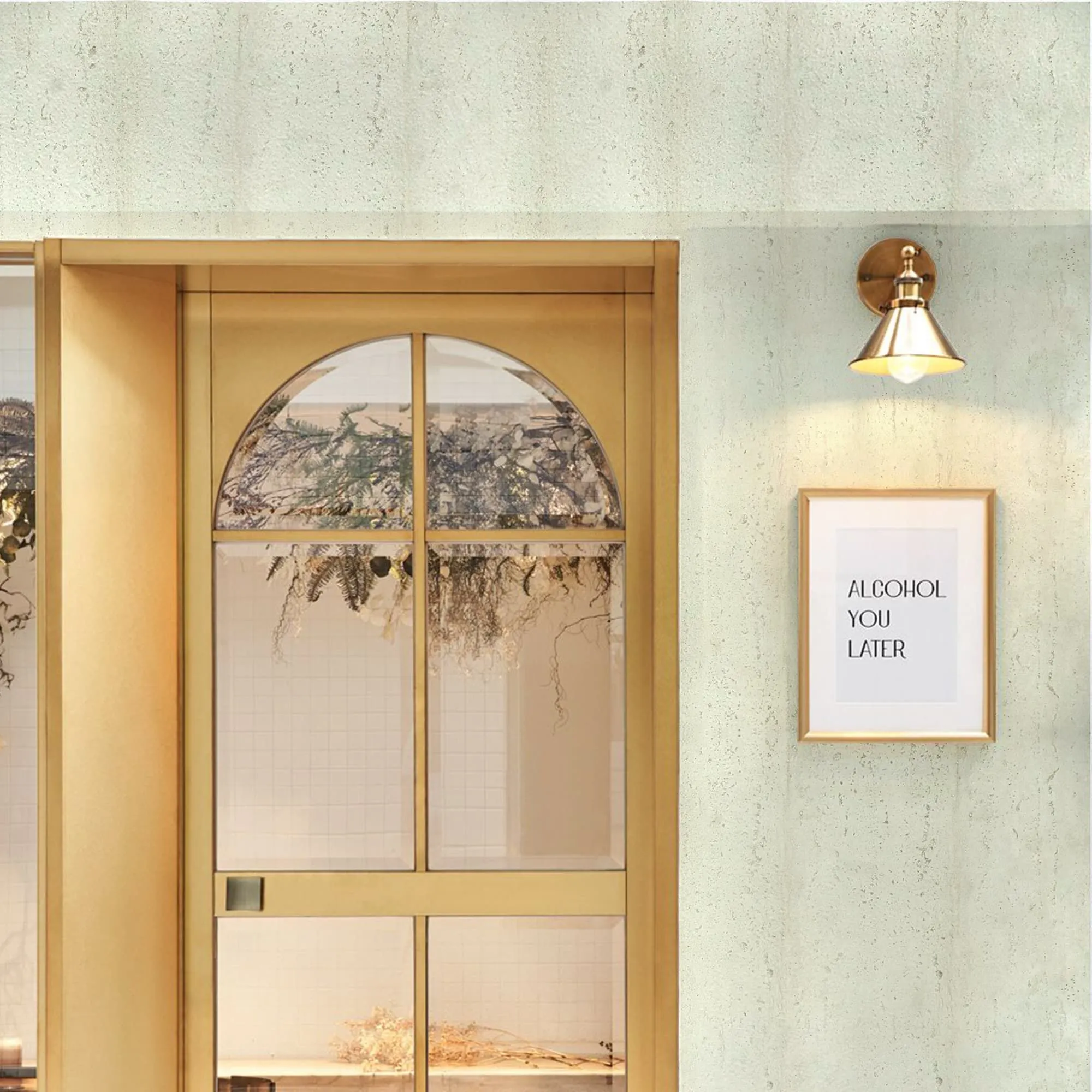
Travertine has long been a staple in luxury design, prized for its porous texture and warm tones. But travertine (starry green) from COLORIA's MCM Project Board Series isn't just a material—it's a collaboration. When a boutique hotel in Kyoto wanted to create a "forest canopy" ceiling for their restaurant, they approached COLORIA with a vision: travertine panels that looked like sunlight filtering through leaves, with green hues that shifted from emerald to sage. The standard travertine options were too uniform, too static.
"We started with 3D scans of real forest leaves to capture their organic veins," explains a COLORIA design consultant. "Then, we 3D printed prototypes using MCM's modified cementitious mix, adding iron oxide pigments for the starry green flecks. The client wanted the panels to be flexible enough to curve over the restaurant's arched ceiling—so we integrated fiberglass into the mix, reducing thickness to 4mm. Now, when the morning light hits, the ceiling shimmers like a forest at dawn. They've had to add more tables; guests keep asking to sit under 'the leaf ceiling.'"
This level of customization is the hallmark of COLORIA's MCM Project Board Series. Whether it's rust square line stone for a industrial-chic café or semicircle board for a modernist residential facade, the process starts with a conversation. Architects submit CAD files, mood boards, or even hand-drawn sketches; COLORIA's design team then translates these into 3D models, offers material samples, and iterates until the vision matches the reality. It's a far cry from the "take it or leave it" approach of traditional stone suppliers.
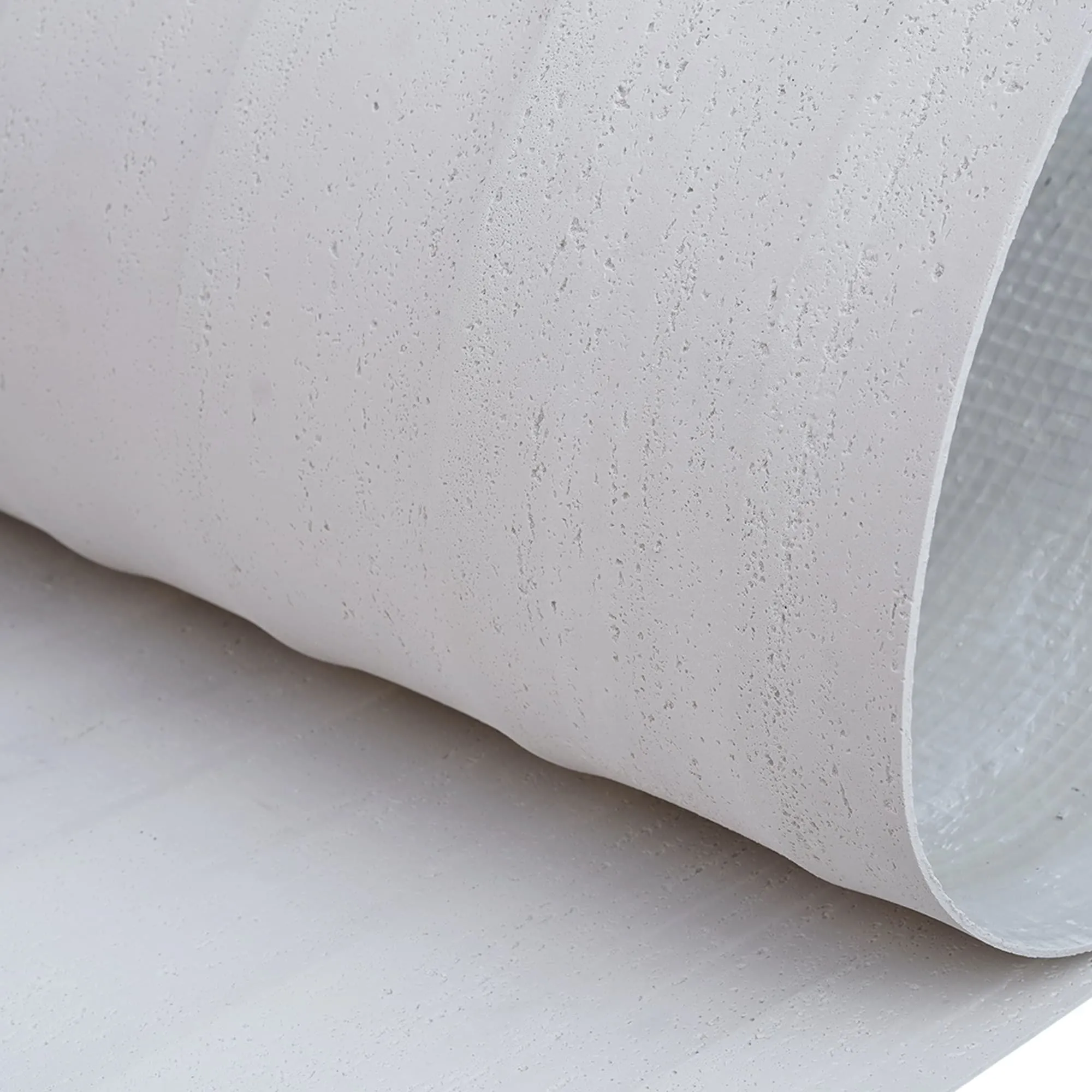
MCM panels aren't confined to feature walls—they're transforming every corner of the built environment. In a luxury penthouse bathroom, rough granite stone (medium grey) from the MCM Big Slab Series lines the shower walls, its granular texture providing slip resistance while exuding understated elegance. In a busy airport terminal, foamed aluminium alloy board (vintage gold) wraps around check-in counters, lightweight enough to install over existing structures yet durable enough to withstand luggage bumps and daily cleaning. Even outdoor spaces benefit: gobi panel , a sandblasted MCM variant, adorns a hotel pool deck in Dubai, mimicking the texture of desert windswept stone without the maintenance of natural sandstone.
Perhaps most striking is the role MCM plays in sustainable design. A recent project in Copenhagen used COLORIA's gradient color rammed earth board for a community center's exterior. The panels, made from 80% recycled clay and sand, feature a gradient from terracotta to cream, blending with the surrounding park. Rainwater runoff is absorbed by the porous surface, reducing flooding, while the material's thermal mass keeps the interior cool in summer and warm in winter—slashing heating costs by 30%. "It's not just a building," the architect noted. "It's a ecosystem in itself."
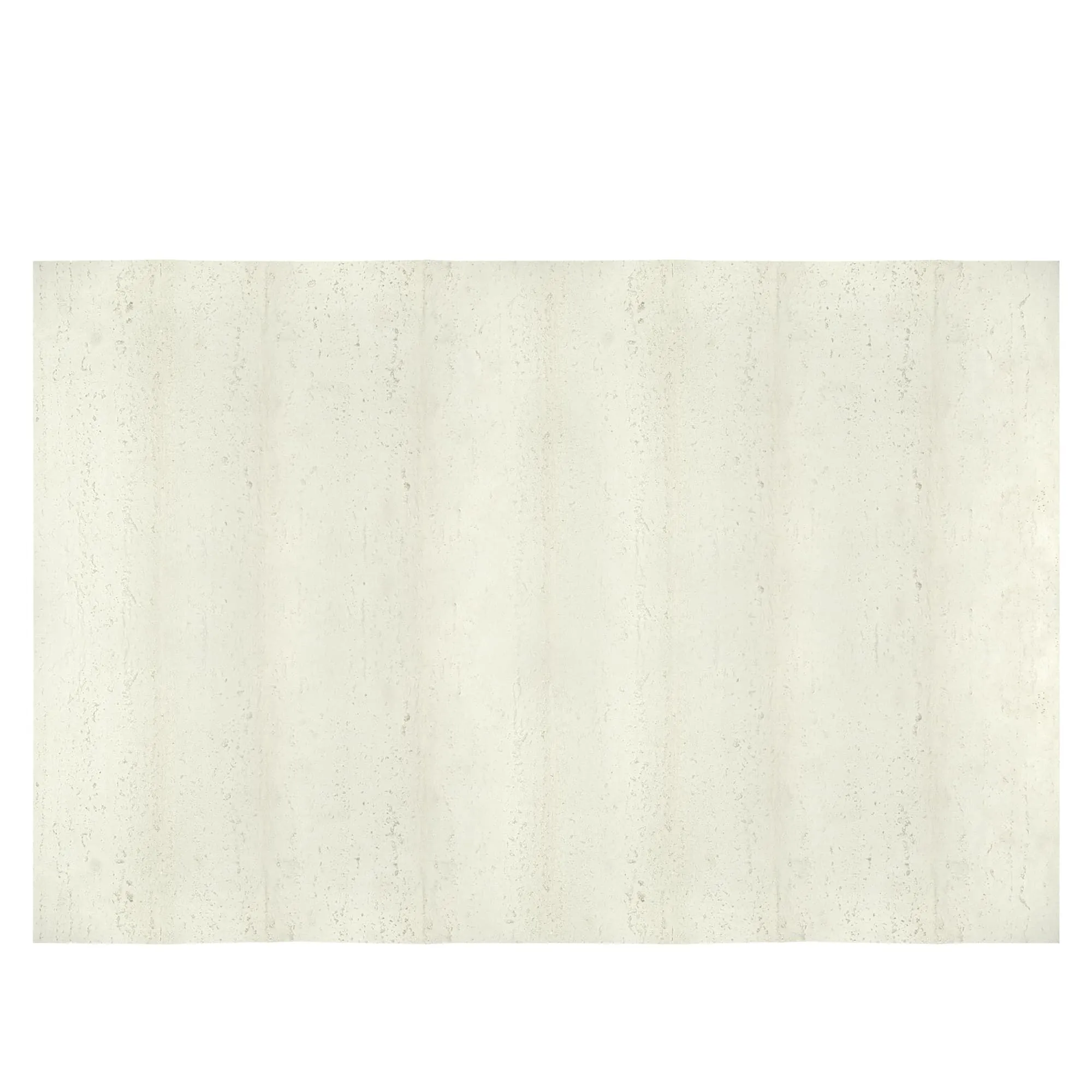
What sets COLORIA GROUP apart isn't just its innovative products—it's the commitment to a one-stop experience. From the initial design consultation to post-installation support, the process is seamless. A hotel chain in Riyadh, for example, needed 500 custom semicircle board panels for their ballroom ceiling, each with a unique curvature. COLORIA's team flew to Saudi Arabia to take measurements, created 3D renderings within 48 hours, and delivered the panels pre-finished—cutting installation time from weeks to days. "They didn't just supply materials," the project manager recalls. "They became part of our team, problem-solving when our original timeline fell behind."
Back in that architectural studio, the designer now holds the Wave Panel sample up to the light. Outside, the sun is setting, casting golden hues through the window—and the panel's texture, printed to mimic ocean waves, suddenly comes alive. She envisions it in the hotel lobby: 3 meters tall, spanning the entire wall, 3D printed with integrated LED strips that highlight the undulations at night. It's bold, it's practical, it's sustainable. And as she emails COLORIA for a quote, she smiles—knowing this isn't just a feature wall. It's a story waiting to be told.
Recommend Products











