Hey everyone! Let's chat about something really cool that's shaking up the architecture and design world: 3D printed
wave panels. We're living in a time where sustainability isn't just a buzzword; it's a critical necessity. Every industry, especially construction, is feeling the pressure – and rightly so – to adopt more eco-friendly practices. Here at COLORIA GROUP, we're super excited to be at the forefront of this shift, leveraging innovative technologies like 3D printing to create products that are not only stunning but also significantly reduce waste in
architectural manufacturing
.
The Big Picture: Why Waste Reduction Matters So Much
Think about traditional construction. It's notorious for generating a huge amount of waste, from off-cuts of materials to packaging, and even entire components that don't quite fit or meet specifications. This waste isn't just an eyesore; it contributes to landfill burden, consumes energy for disposal, and often means we're using more raw materials than necessary. It's a cycle that we, as responsible solution providers, simply can't ignore anymore.
That's where forward-thinking approaches come in. The drive to minimize environmental impact is pushing us towards smarter, more efficient manufacturing processes. For us at COLORIA GROUP, with decades of experience in high-quality interior and exterior finishing materials, it's about blending our expertise with cutting-edge technology to offer truly sustainable options. We understand that architects, designers, and project managers are increasingly looking for solutions that align with green building certifications and offer a better environmental footprint. And honestly, it's not just about meeting demands; it's about pioneering a better way forward for everyone.
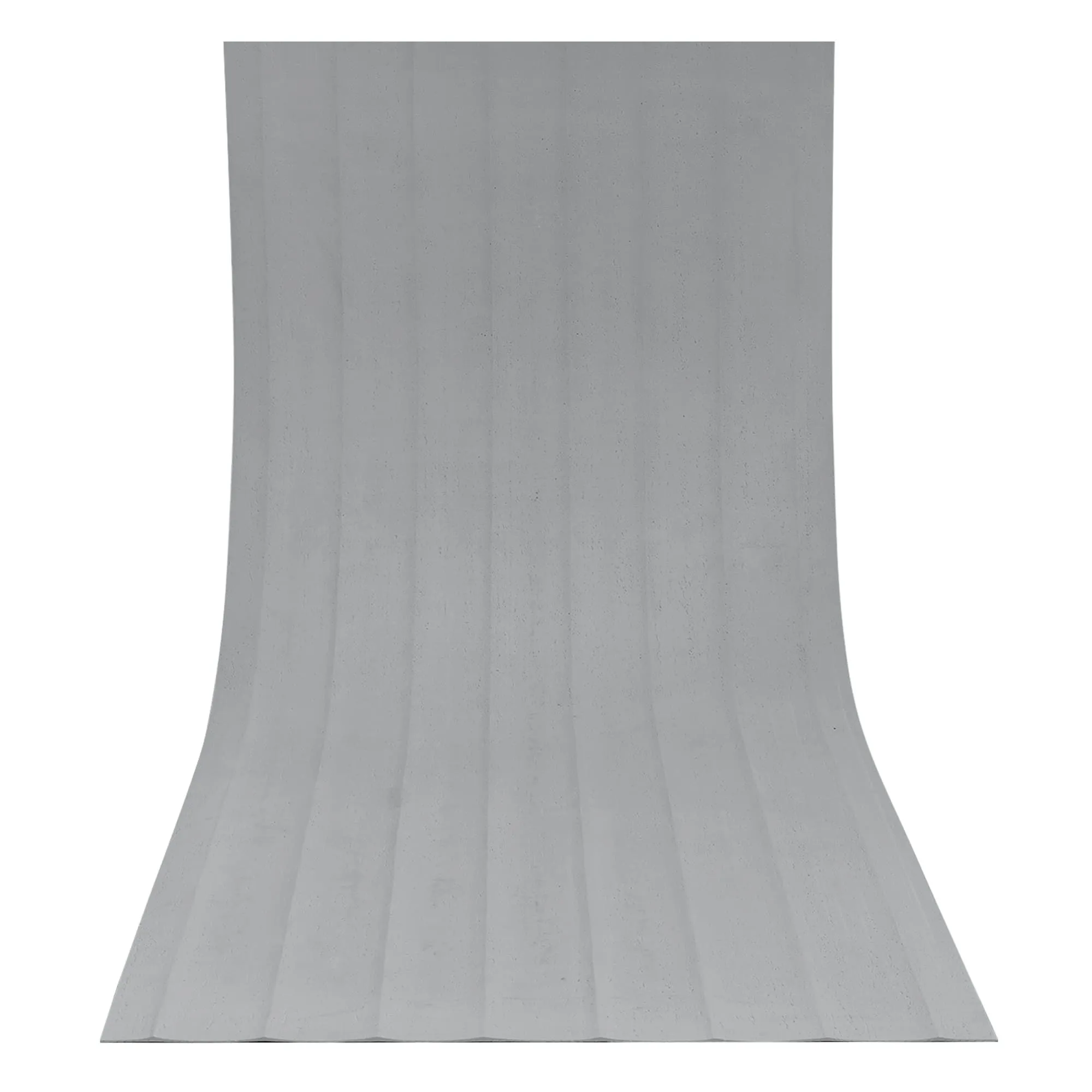
At the heart of our sustainable innovation is our
MCM (Modified Cementitious Material) 3D Printing Series
. What exactly is MCM? Well, it's a fascinating and incredibly versatile material. It's a type of modified cementitious material that we've engineered to be exceptionally durable, flexible, and environmentally friendly. When we combine this amazing material with 3D printing technology, the possibilities become virtually limitless, especially for creating complex, custom shapes like our
wave panels.
Imagine designing a wall with a dynamic, undulating surface that mimics natural patterns – flowing water, sand dunes, or even the subtle movement of wind. With traditional methods, achieving such intricate designs would be incredibly complex, time-consuming, and often wasteful, requiring molds, extensive carving, or multiple pieces cut and assembled. But with 3D printing, we can bring these visions to life with unparalleled precision and efficiency. Our
wave panels aren't just decorative; they're a testament to how advanced materials and technology can redefine architectural aesthetics and functionality.
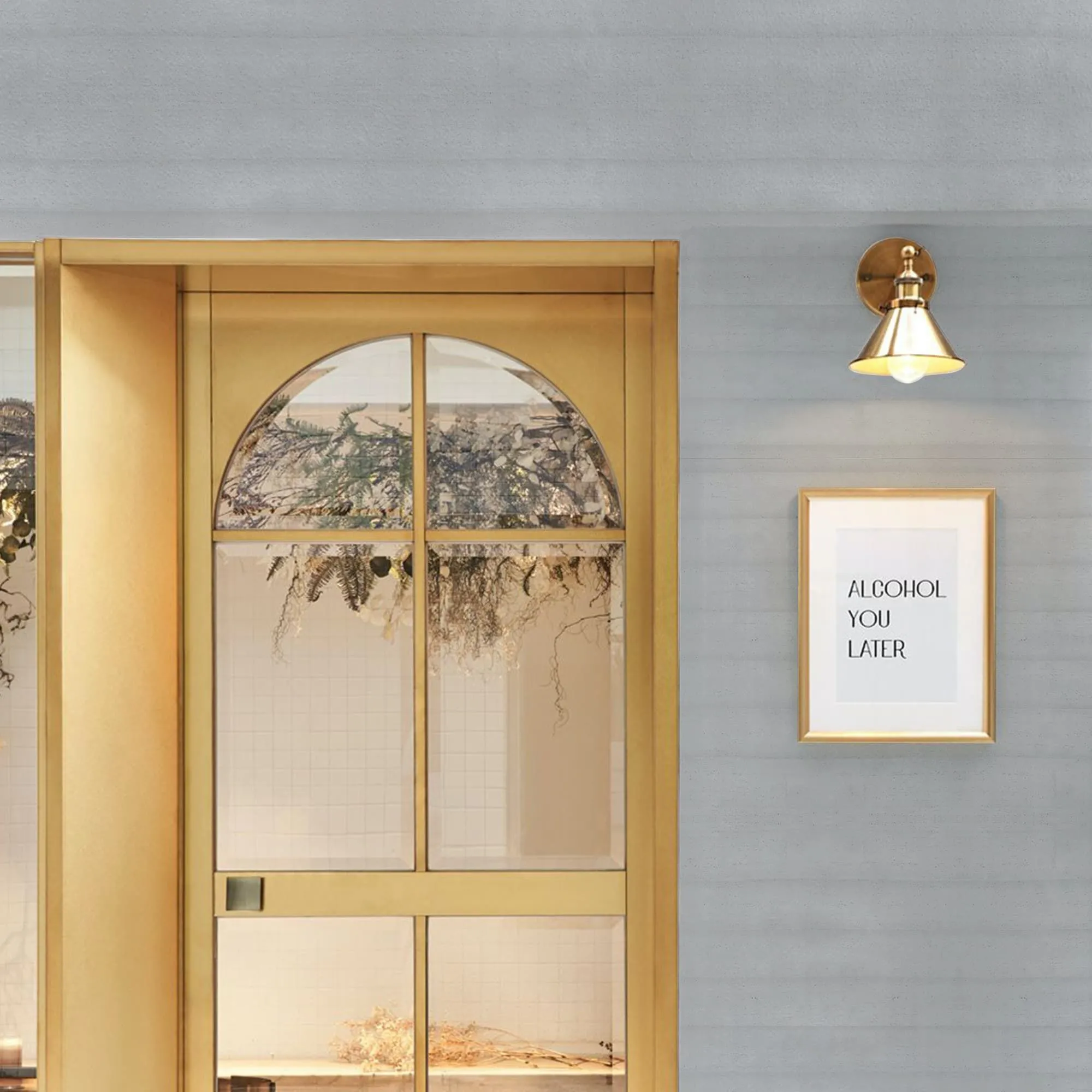
How 3D Printing Dramatically Reduces Waste
Let's dive into the core of our discussion: how these 3D printed
wave panels are a champion for waste reduction. It boils down to a few key principles inherent in additive manufacturing, which 3D printing is.
-
Precision and On-Demand Production:
Unlike traditional manufacturing, which often involves cutting material from larger blocks (a "subtractive" process that generates off-cuts), 3D printing is an "additive" process. We only use the exact amount of material needed, layer by layer, to build the product. This means virtually no material waste from off-cuts or excess. Each wave panel is printed precisely to the specified dimensions and design.
-
Optimized Design for Material Use:
With 3D printing, designers aren't constrained by standard sizes or manufacturing limitations. They can create intricate geometries that are structurally sound while using the absolute minimum amount of material. Think about creating panels with internal lattice structures – strong yet lightweight, reducing material consumption without compromising performance.
-
Reduced Errors and Rework:
Digital design and precision printing significantly minimize errors. Before printing, designs are meticulously simulated and refined. This drastically cuts down on the need for re-manufacturing faulty parts, which is a common source of waste in conventional production.
-
Streamlined Supply Chain:
Manufacturing on demand means less need for warehousing large inventories of pre-made panels, which can become obsolete or damaged. We print what's needed, when it's needed, further contributing to a lean and
green environmental protection
approach. This also reduces transportation costs and carbon footprint associated with moving and storing excess stock.
-
Local Manufacturing Potential:
While we operate globally, 3D printing offers the flexibility to set up manufacturing closer to project sites. This significantly reduces the emissions associated with long-haul transportation of finished goods, moving closer to a decentralized and more sustainable production model.
This focus on efficiency and minimal waste generation isn't just theoretical; it's a fundamental aspect of how our
MCM 3D Printing Series operates. It means projects can move forward with greater confidence in their environmental commitments.
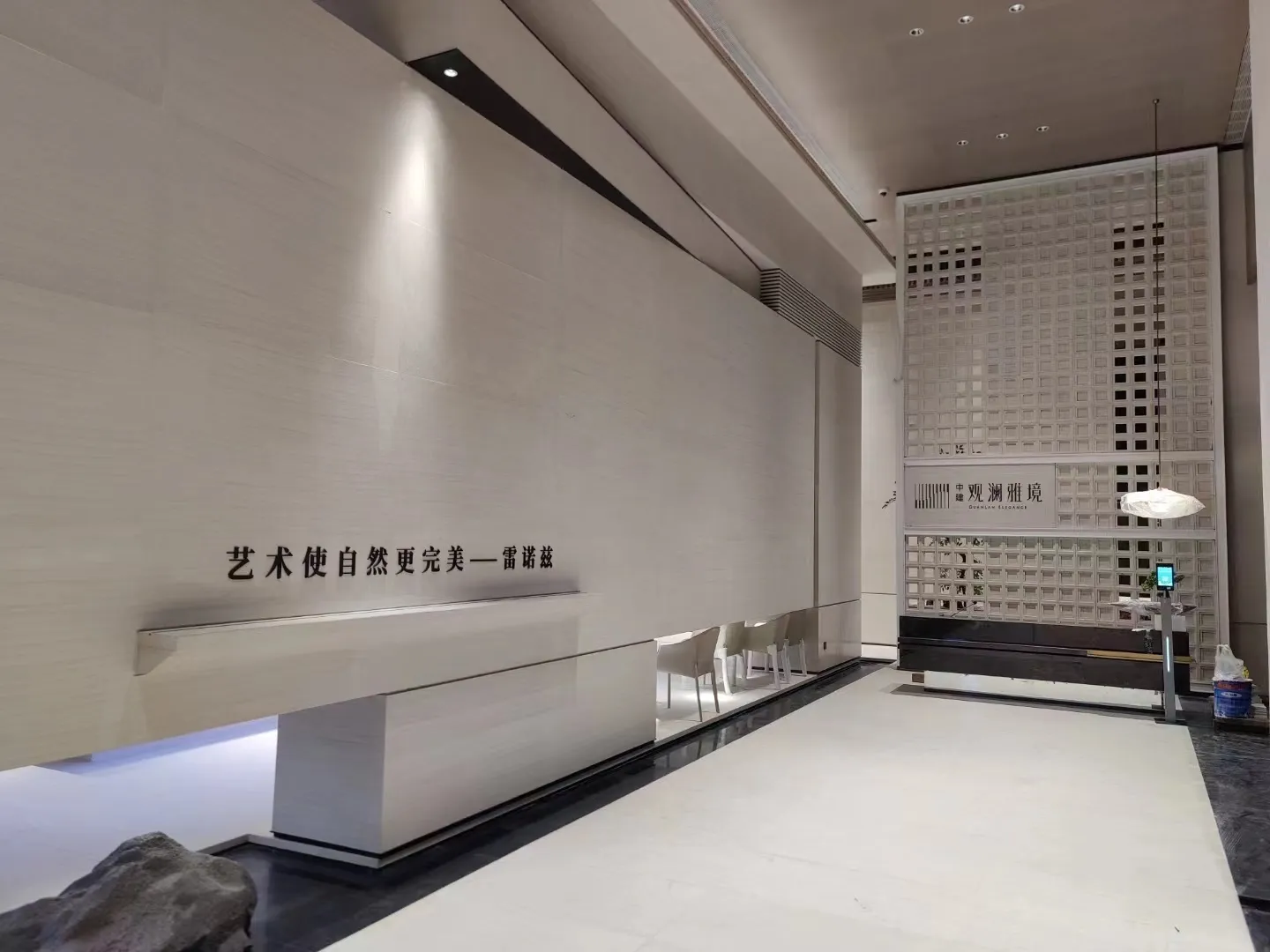
Beyond Waste: The Eco-Friendly Credentials of MCM
It's not just the 3D printing process that makes our
wave panels eco-friendly; the material itself, our Modified Cementitious Material (MCM), plays a crucial role. We've spent years researching and developing MCM to ensure it meets stringent environmental standards while offering superior performance.
-
Sustainable Sourcing:
We prioritize sourcing raw materials for MCM responsibly, often incorporating recycled content or materials with lower embodied energy. This significantly reduces the environmental impact right from the start of the material lifecycle.
-
Durability and Longevity:
A truly sustainable product is one that lasts. Our MCM panels are incredibly durable, resisting wear, fading, and environmental degradation. This longevity means less frequent replacement, which translates to fewer resources consumed over the building's lifespan.
-
Non-Toxic and Safe:
We ensure our MCM materials are free from harmful VOCs (Volatile Organic Compounds) and other toxic substances, contributing to healthier indoor air quality for occupants. This is a crucial consideration for any modern building project, especially in residential and commercial spaces.
-
Energy Efficiency:
The thermal properties of MCM can contribute to better insulation for buildings, which in turn can lead to reduced energy consumption for heating and cooling. This might not be immediately obvious for a decorative panel, but every component plays a role in a building's overall energy performance.
The combination of intelligent material design and waste-reducing manufacturing methods means our 3D printed
wave panels don't just look good; they do good. They embody our commitment to providing sustainable architectural materials without compromise.
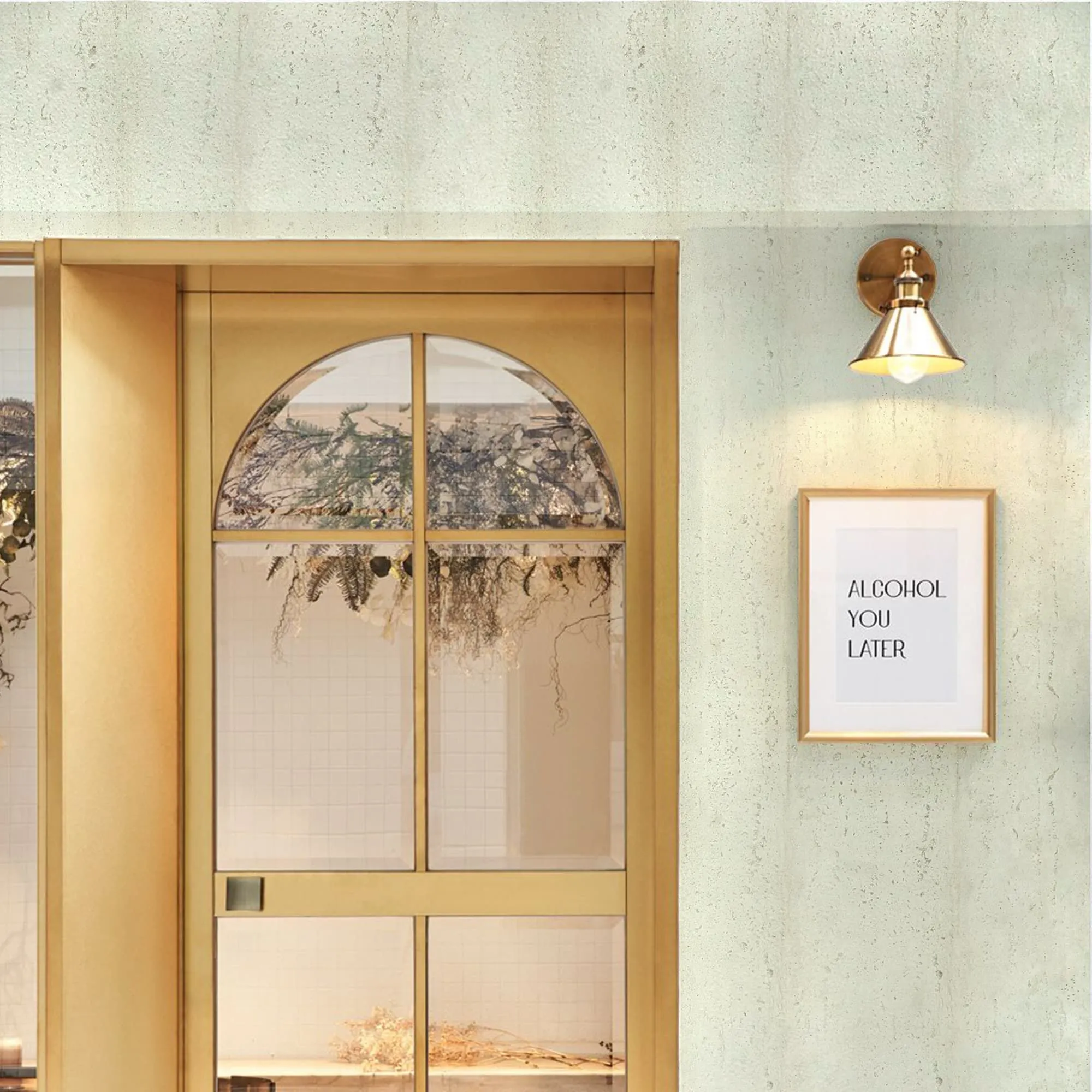
Unleashing Design Freedom and Customization
One of the most thrilling aspects of 3D printing with MCM is the unprecedented design freedom it offers. For architects and designers, this is nothing short of revolutionary.
Traditional methods often force designers to work within the limitations of standard panel sizes, repetitive patterns, or the high costs associated with custom molds and fabrication. But with 3D printing, those shackles are off. We can produce intricate, non-repeating patterns, complex geometries, and fully
customization
solutions tailored to the unique vision of each project.
Imagine a lobby wall where the wave pattern subtly transitions and changes as you walk past, creating a dynamic visual experience. Or an exterior façade where the waves interact with sunlight in specific ways throughout the day, casting unique shadows and highlights. These are the kinds of bespoke architectural elements that were once prohibitively expensive or technically impossible.
Our
MCM 3D Printing Series allows for:
-
Organic and Parametric Designs:
Easily create forms inspired by nature or generated through complex algorithms, pushing the boundaries of what's possible in architectural aesthetics.
-
Integrated Functionality:
Beyond aesthetics, these panels can be designed to incorporate specific functionalities, like acoustic dampening or even subtle lighting elements, printed directly into their structure.
-
Seamless Integration:
Panels can be designed to fit perfectly together, eliminating gaps and creating a cohesive, unbroken surface that enhances the overall architectural language.
-
Color and Texture Versatility:
While our MCM material has its inherent beautiful finish, the nature of 3D printing allows for various surface treatments and finishes to be applied or even integrated, offering a broad palette for creative expression.
This level of
customization
means every project can truly stand out, reflecting a unique identity and purpose. It transforms walls from mere boundaries into expressive canvases.
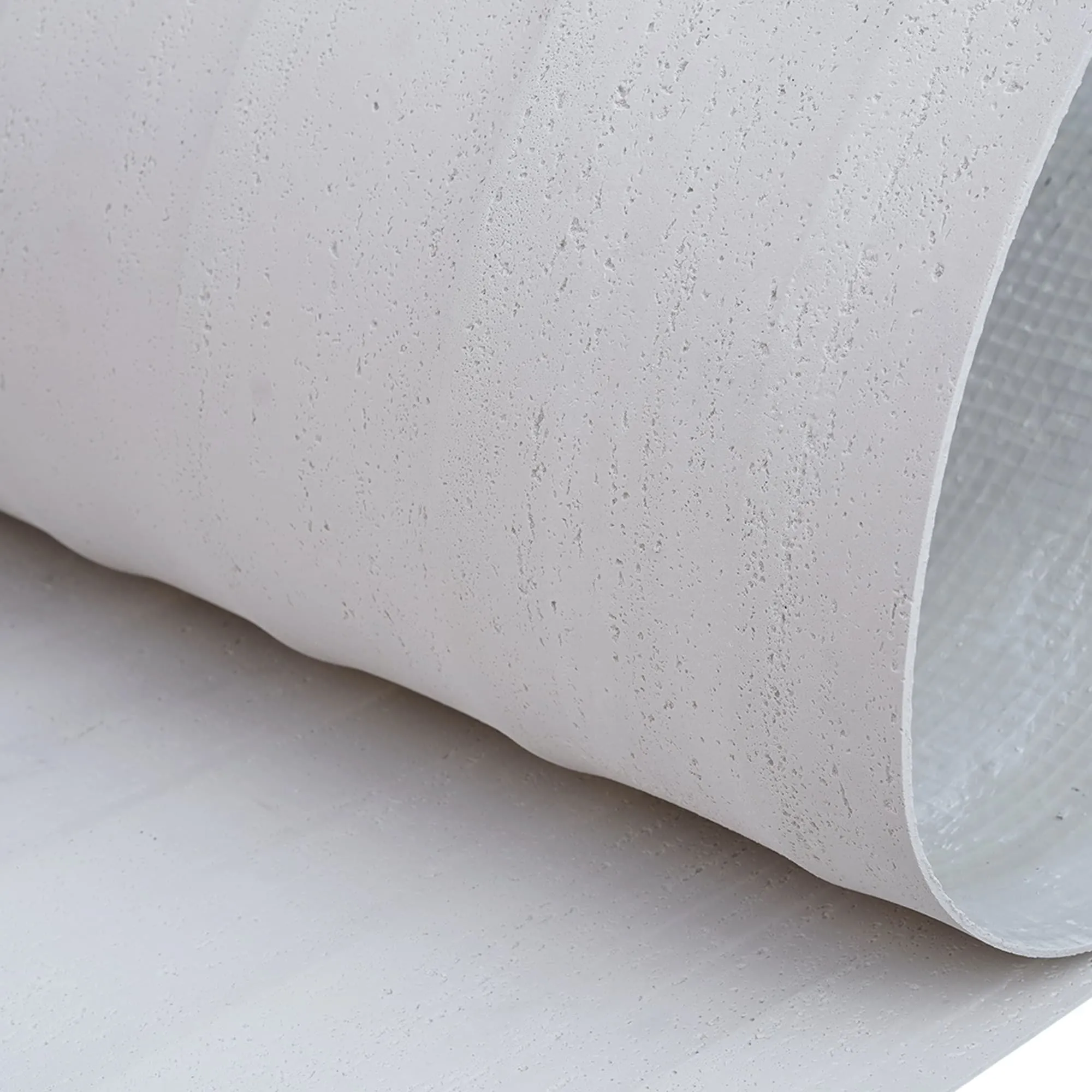
The Application Spectrum: Where Do Wave Panels Shine?
So, where can you actually use these incredible 3D printed
wave panels? The beauty of our MCM material and the versatility of 3D printing means they're suitable for a vast array of applications, both inside and out.
-
Dynamic Interior Feature Walls:
Elevate lobbies, reception areas, conference rooms, or even residential living spaces with a stunning, tactile feature wall that draws the eye and sparks conversation. The visual depth and movement of wave panels create an immediate sense of sophistication.
-
Eye-Catching Exterior Facades:
Our MCM is robust enough for outdoor use, meaning these wave panels can transform building exteriors. Imagine a commercial building with a flowing, textured facade that changes appearance with the shifting sun, creating a landmark identity.
-
Retail and Hospitality Environments:
Create immersive brand experiences in retail stores or a calming, luxurious atmosphere in hotels and restaurants. The unique textures can reinforce brand identity and enhance customer experience.
-
Public Art Installations:
The ability to create complex, large-scale forms makes these panels ideal for public art projects, bringing architectural flair to urban spaces, parks, and cultural centers.
-
Acoustic Paneling:
While primarily decorative, the intricate geometries can also be engineered to improve acoustic performance, making them ideal for spaces where sound dampening is desired, such as auditoriums or offices.
We're seeing these panels transform bland surfaces into architectural statements, adding depth, texture, and a unique visual rhythm to spaces. It's about moving beyond flat, two-dimensional surfaces to embrace a more sculptural and engaging architectural language. And because COLORIA GROUP is a true
one-stop solution provider
, we're not just selling panels; we're offering comprehensive support from design concept to final installation.
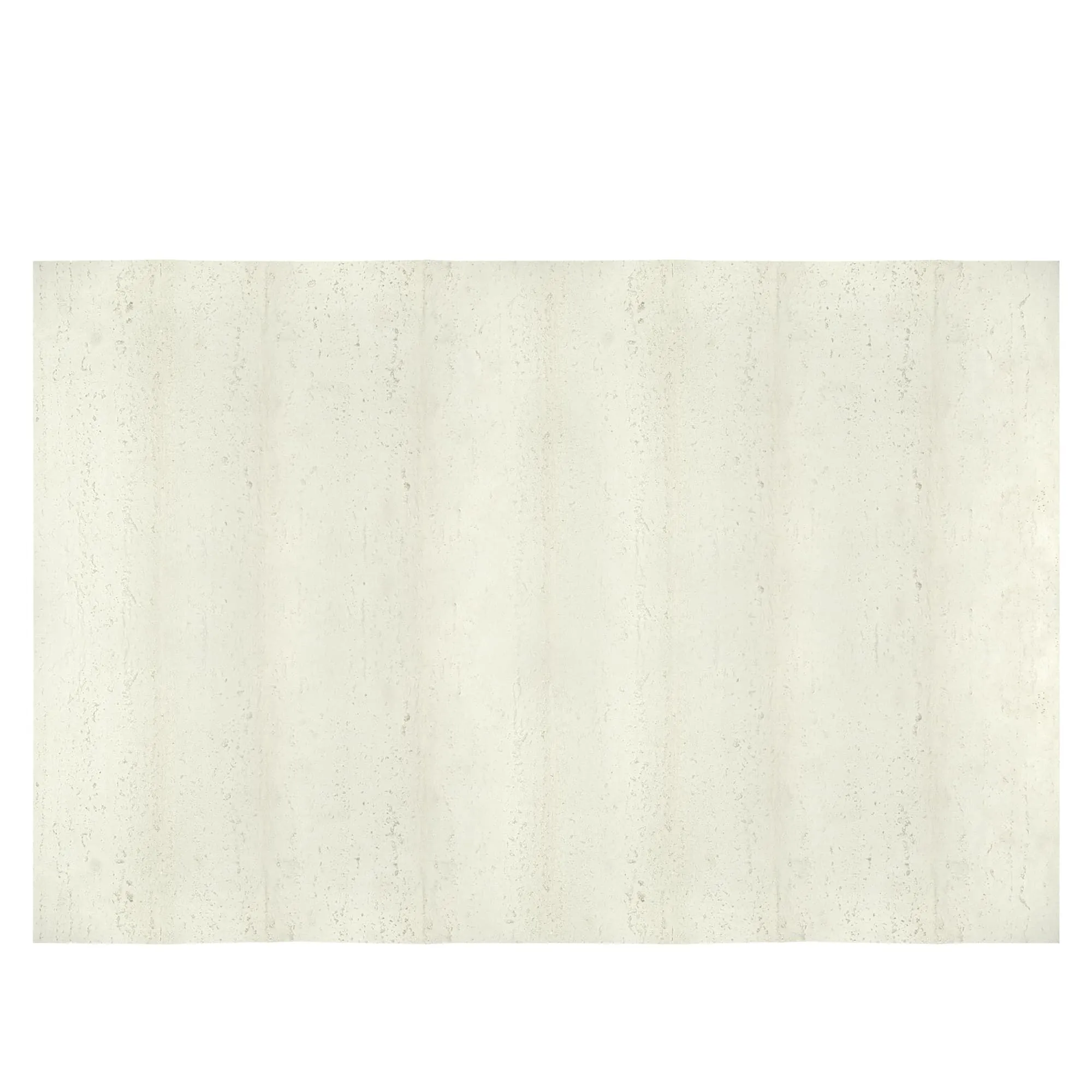
Comparing Traditional Manufacturing vs. 3D Printing for Architectural Panels
To really hammer home the benefits, especially regarding waste reduction and design flexibility, let's look at a quick comparison between how complex architectural panels are typically made versus our 3D printing approach.
|
Feature/Aspect
|
Traditional Manufacturing (e.g., CNC Milling, Molding)
|
COLORIA GROUP's 3D Printing (MCM 3D Printing Series)
|
|
Material Waste
|
Often high, especially with subtractive methods (sawdust, off-cuts, scrap material from cutting, carving, or trimming). Molds can also be single-use or require significant material for creation.
|
Significantly reduced; additive process uses only the required material. Minimal to zero waste from off-cuts.
|
|
Design Complexity
|
Limited by tooling, mold creation, and machine capabilities. Complex geometries are difficult, costly, and time-consuming.
|
Virtually limitless. Intricate, organic, and parametric designs are easily achievable with high precision.
|
|
Customization
|
Expensive and slow for one-off or small batches due to high setup costs for molds or specialized tooling.
|
Highly adaptable. Each panel can be unique without additional setup costs, making bespoke designs cost-effective.
|
|
Lead Time
|
Longer, especially for custom designs, due to mold making, tooling, and multiple production steps.
|
Potentially shorter, as designs go directly from digital model to print. Eliminates many intermediate steps.
|
|
Labor Requirements
|
Often high for skilled craftsmen in carving, assembly, or mold finishing.
|
Reduced manual labor in the production phase; more focus on digital design and machine operation.
|
|
Material Usage Efficiency
|
Often inefficient due to material removal and trim loss.
|
Optimal, as material is deposited only where needed. Allows for lightweight internal structures.
|
|
Environmental Impact
|
Higher, due to material waste, energy consumption for machinery, and potential for toxic byproducts.
|
Lower, thanks to waste reduction, potential for localized production, and eco-friendly MCM materials.
|
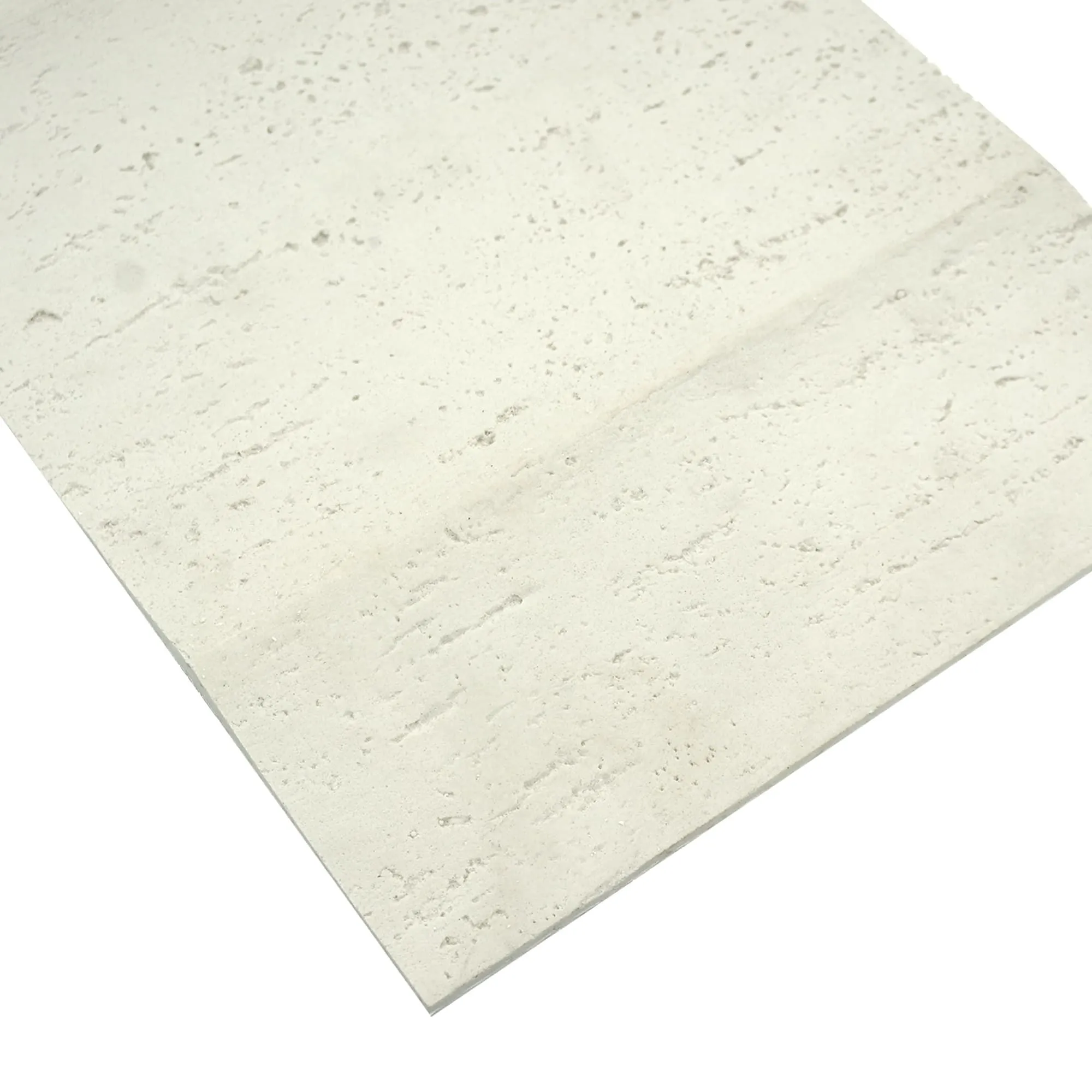
The Future is Here: Empowering Architects and Builders
This isn't just about offering a new product; it's about empowering the architecture and construction industry to build better, smarter, and more sustainably. As a
one-stop solution provider
in the building materials domain, COLORIA GROUP understands the intricate needs of residential and commercial projects globally. Our decades of industry experience, coupled with our presence in key markets like Saudi Arabia, position us to deliver these advanced solutions effectively.
We believe that innovation should serve a greater purpose. For us, that purpose is twofold: to enable unparalleled aesthetic possibilities and to champion environmental responsibility. Our
MCM 3D Printing Series, particularly these exquisite
wave panels, achieves both. It allows architects to dream bigger and execute more complex visions, all while significantly reducing the ecological footprint of their projects. This isn't a niche product for a few; it's a scalable solution for the challenges of modern construction.
"At COLORIA GROUP, we're not just selling building materials; we're providing the tools for future-proof architecture. Our 3D printed MCM
wave panels are a testament to our commitment to innovation, sustainability, and empowering creative design without compromise on performance or environmental responsibility."
— The COLORIA GROUP Team
The dialogue around sustainability in construction is constantly evolving, and we are committed to being active participants in that conversation, driving change through tangible products. Our comprehensive portfolio, which also includes
MCM Big Slab Board Series,
MCM Project Board Series, and
MCM Flexible Stone, underscores our broad expertise in advanced cementitious materials. We're constantly exploring how these materials can be further enhanced and applied in new, innovative ways, with 3D printing being a prime example of this forward-thinking approach.

A Global Vision, Locally Applied
With a global reach and a strong presence in regions like Saudi Arabia, COLORIA GROUP is uniquely positioned to bring these innovations to projects worldwide. We understand that every market has its own specific needs and challenges, whether it's climate considerations, design preferences, or regulatory requirements. Our commitment as a
one-stop solution provider
means we offer tailored support, from initial concept discussions to material specification, logistics, and installation guidance.
Our goal isn't just to sell materials but to partner with our clients, ensuring they have access to the best, most sustainable, and most aesthetically pleasing solutions available. The ability to customize our 3D printed
wave panels allows for incredible cultural and contextual responsiveness, meaning designs can be deeply rooted in local aesthetics while benefiting from global technological advancements. This local-global synergy is vital for successful, impactful architectural projects today.
The Impact on Green Building Certifications
For projects aiming for green building certifications like LEED, BREEAM, or others, incorporating materials like our MCM 3D Printed
Wave Panels can be a huge advantage. The focus on waste reduction, sustainable material composition, durability, and low VOCs directly contributes to earning credits in various categories, including:
-
Materials & Resources:
Directly addresses waste reduction, use of recycled content, and regional materials.
-
Indoor Environmental Quality:
Our low-VOC MCM material contributes to better air quality.
-
Innovation in Design:
The novel application of 3D printing for aesthetic and sustainable outcomes can qualify for innovation points.
-
Sustainable Sites:
Reducing construction waste lessens the environmental burden on landfills.
We provide all the necessary technical data and environmental declarations to support our clients in achieving their sustainability targets. Our dedication to
green environmental protection
isn't just about rhetoric; it's about verifiable performance.
Embracing the Future of Architectural Materials
The world of
architectural manufacturing
is constantly evolving, and it's exciting to be at the forefront of this change. Our
MCM 3D Printing Series, with its ability to produce intricate
wave panels and countless other custom forms, represents a significant leap forward. It's a solution that tackles some of the industry's biggest challenges head-on: waste, design limitations, and the demand for more sustainable practices.
At COLORIA GROUP, we believe that beautiful design and environmental responsibility are not mutually exclusive; in fact, they are increasingly interdependent. Our commitment to innovation in materials, particularly our advanced MCM range, allows us to offer solutions that are not only high-performing but also deeply aligned with the values of modern, conscientious construction.
Whether you're an architect pushing the boundaries of design, a developer looking for sustainable and visually striking materials, or a contractor seeking efficient and reliable solutions, our 3D printed
wave panels offer an exciting pathway forward. They encapsulate our vision for a more resourceful, more expressive, and more sustainable built environment. We invite you to explore the incredible possibilities that our
MCM 3D Printing Series brings to your next project. It's time to build smarter, with less waste and more wonder.
-
Significant Waste Reduction:
Utilizing additive manufacturing for minimal material loss.
-
Unmatched Design Freedom:
Create complex, organic, and truly unique architectural forms.
-
Eco-Friendly MCM Material:
Durable, sustainable, and low-VOC for a healthier environment.
-
Customization at Scale:
Bespoke solutions for every project without prohibitive costs.
-
Global Expertise & Support:
Backed by decades of industry experience as a one-stop solution provider.
These panels aren't just a product; they're a statement about the future of construction.
Thank you for taking the time to delve into the exciting world of 3D printed
wave panels and our pioneering work at COLORIA GROUP. We're truly passionate about bringing these innovations to life and helping to shape a more sustainable and visually captivating future for architecture.













