
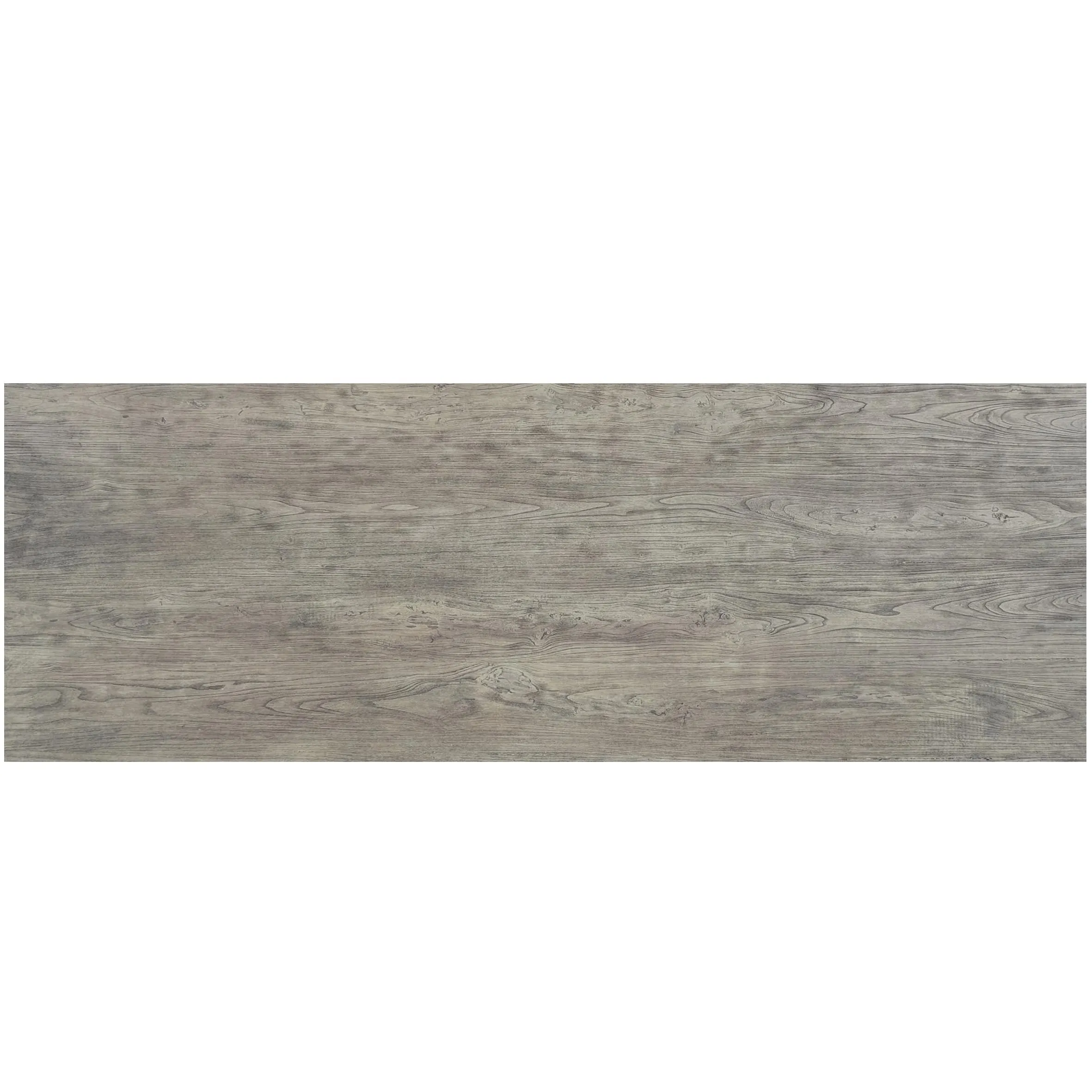
It's a crisp autumn morning, and Mia, an interior designer with a penchant for blending warmth and modernity, stares at her mood board. Her latest project—a cozy yet contemporary café in the heart of the city—needs a material that feels like home but stands up to the chaos of daily life. Traditional wood panels? Too heavy, too prone to warping. Vinyl wood-look planks? They lack the depth, the soul , of real wood. Then, her phone buzzes: a supplier's email with a subject line that catches her eye: "MCM 3D Printed Wood Grain Board—Where Nature Meets Innovation." Curious, she clicks, and suddenly, the fog lifts. Here, in digital renderings and close-up photos, is a material that looks like it was hewn from ancient oak, but with a flexibility and resilience she'd only dreamed of. This isn't just a product—it's a solution. And it's about to change how we think about decorative materials forever.
Before we dive into the magic of 3D printed wood grain board, let's talk about the star behind it: MCM, or Modified Composite Material. Born from a frustration with the limitations of traditional building materials—stone that cracks, wood that rots, concrete that weighs a ton—MCM was engineered to be the best of all worlds. Imagine a material that's lighter than stone, more flexible than ceramic, and tougher than hardwood, all while being kinder to the planet. That's MCM in a nutshell.
Developed by a team of material scientists and designers who wanted to "work with nature, not against it," MCM starts with a base of recycled minerals and polymers, reinforced with natural fibers. The result? A material that can mimic the look and feel of stone, wood, or concrete, but with none of the drawbacks. It's water-resistant, fire-retardant, UV-stable, and so lightweight that even a single installer can carry a 4x8 foot panel. For designers like Mia, it's a game-changer—finally, a material that doesn't force them to choose between beauty and practicality.
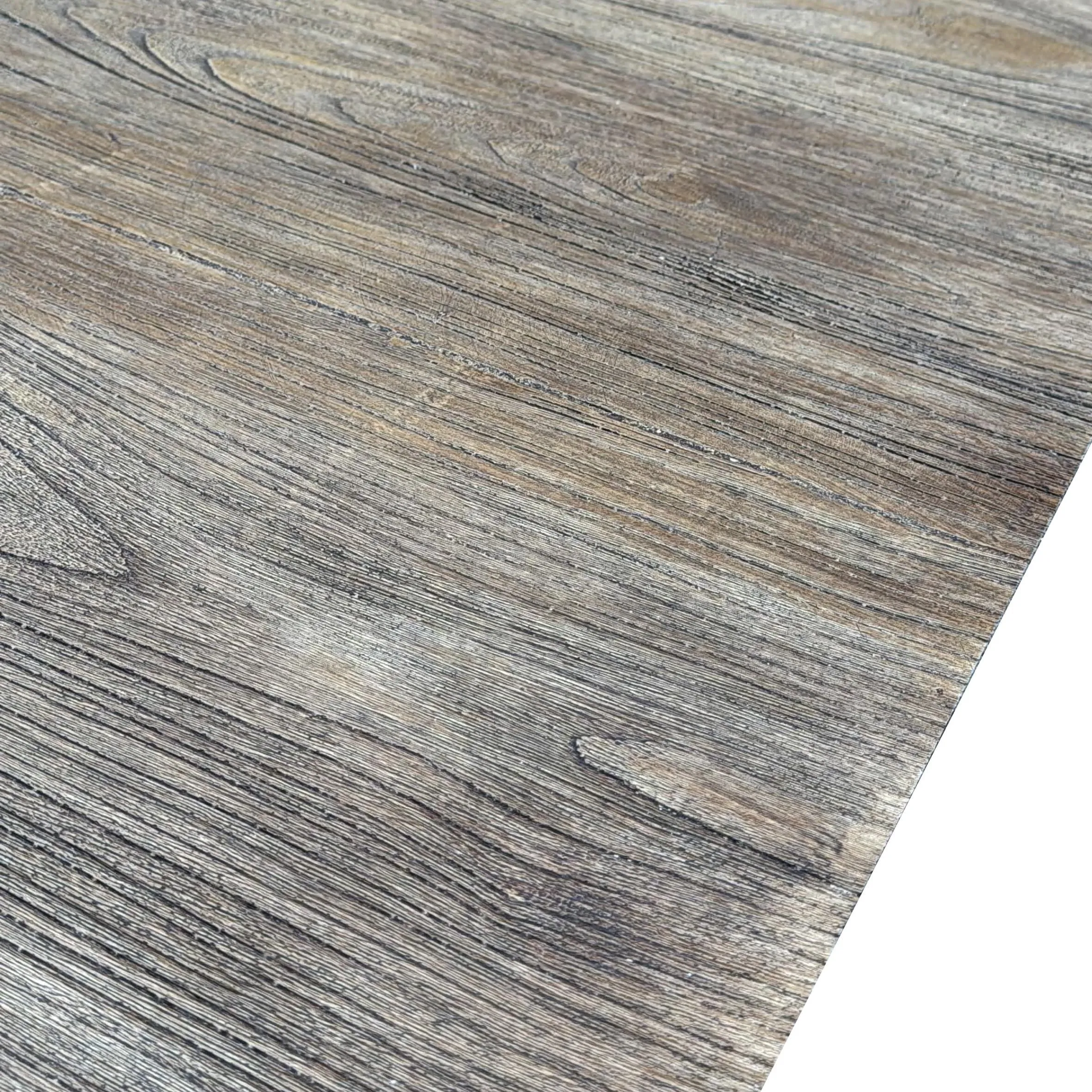
3D printing isn't new, but its marriage with MCM? That's where the magic happens. Traditional decorative panels are limited by molds—if you want a custom wood grain pattern, you'd need a new mold, which is expensive and time-consuming. 3D printing changes that. By depositing layers of MCM composite with pinpoint precision, manufacturers can create any texture, pattern, or design, no mold required. It's like having a digital sculptor in the factory, able to carve wood grains so realistic, you'll swear you're touching a 200-year-old oak.
But it's not just about replication. 3D printing lets designers get creative in ways traditional methods never could. Want a wood grain that flows in a spiral? Done. A pattern that mimics driftwood with knots and swirls in all the right places? Easy. Even "impossible" designs—like wood grain that transitions into marble halfway through a panel—are now on the table. For homeowners and businesses, this means customization isn't a luxury; it's standard. Your living room wall can have a wood grain pattern inspired by your childhood treehouse. A hotel lobby can feature a mural of local forest textures, printed directly into the panels. The only limit is imagination.
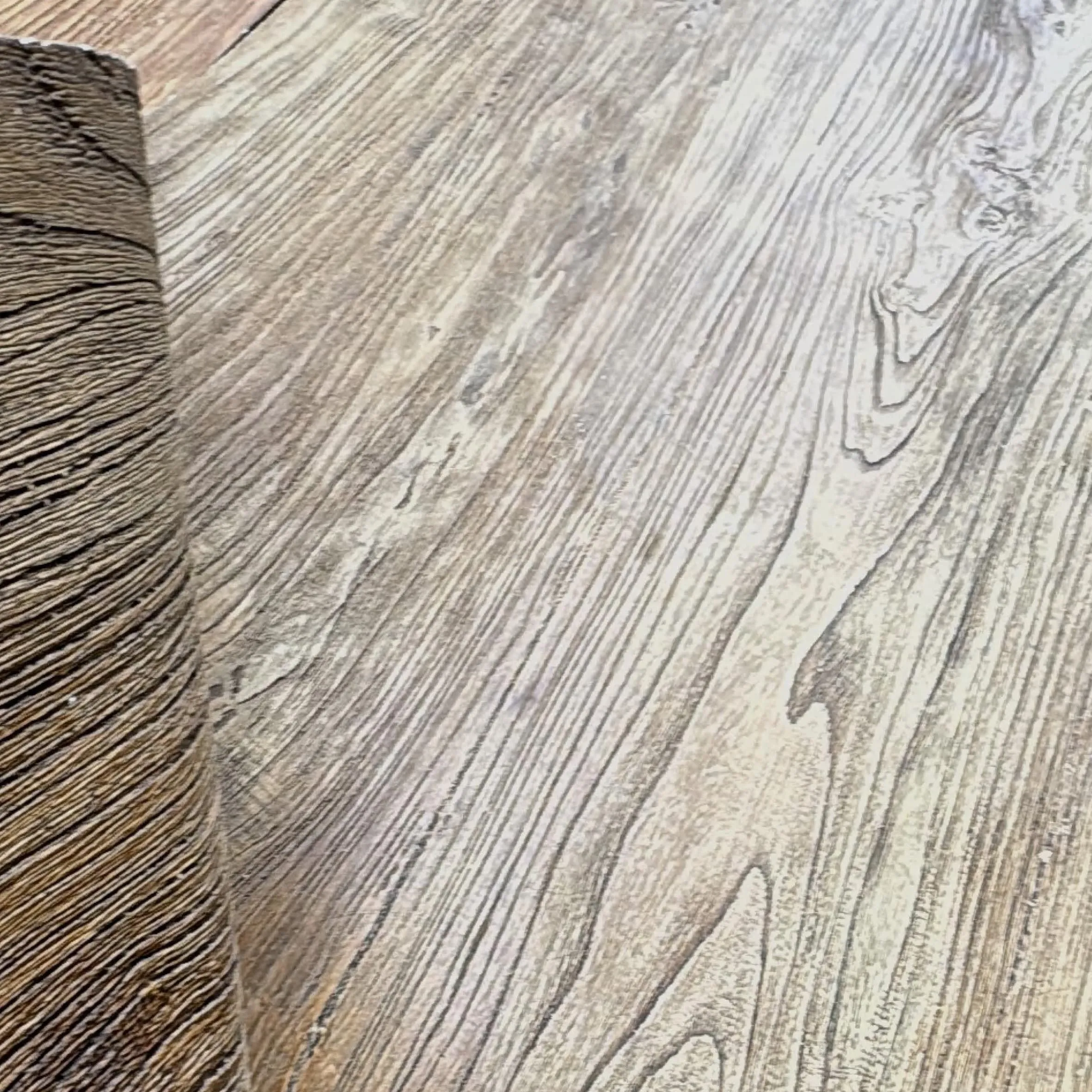
Let's zoom in on the star of our show: 3D printed wood grain board. If MCM is the movement, this product is its poster child. Designed to capture the warmth and character of real wood without the hassle, it's quickly become a favorite among designers and homeowners alike. Here's why:
Walk into a room with real wood paneling, and you'll notice something: the grain tells a story. Each knot, each swirl, is a fingerprint of the tree's life. 3D printed wood grain board doesn't just copy that story—it lets you write your own. Want the rich, deep grain of walnut for your home office? Or the light, airy texture of maple for a beach house? The 3D printer can replicate it with stunning accuracy. But it doesn't stop there. Mix and match grains—oak for the walls, teak for the ceiling, pine for the accent panel. Add in custom details, like a family crest subtly woven into the grain, or a pattern that follows the curve of a rounded wall. With 3D printing, your space becomes a reflection of you .
Let's be real: as much as we love real wood, it's high-maintenance. A single water spill can warp it; a scratch from a dog's can ruin its finish. 3D printed wood grain board? It laughs in the face of spills and scratches. Thanks to MCM's inherent toughness, it's resistant to moisture, so you can use it in bathrooms, kitchens, even outdoor patios without worrying about rot. It's scratch-resistant, so your kids can race their toy cars across the wall (we don't recommend it, but hey, it'll survive). And it's fade-resistant, so that beautiful walnut hue you fell in love with won't turn into a washed-out gray after a year of sunlight. Finally, a wood-look material that keeps up with your life.
In a world where "eco-friendly" is often just a marketing buzzword, MCM walks the walk. 3D printed wood grain board uses up to 60% recycled materials in its base, and because it's 3D printed, there's minimal waste—no excess material cut off and thrown away. Plus, since it mimics wood so well, it reduces the demand for real hardwood, helping to protect forests. For Mia, who's passionate about sustainable design, this was a dealbreaker. "I used to feel guilty specifying real wood for projects, knowing how many trees are cut down each year," she says. "Now, with 3D printed wood grain board, I can give clients that warm, natural look without the environmental cost. It's a win-win."
Here's the thing about great design: it's not just about how something looks—it's about how it feels. Run your hand over a real wood panel, and you'll feel the subtle ridges of the grain, the smoothness of the finish, the warmth of the material. 3D printed wood grain board doesn't just look like wood—it feels like it, too. The 3D printing process creates a texture that's tactile and inviting, with depth that catches the light and changes throughout the day. Morning sunlight brings out the richness of the grain; evening lamplight softens it into a warm glow. It's the kind of material that makes you want to reach out and touch it, to connect with it. In a world where so much of our lives are digital, that physical connection matters.
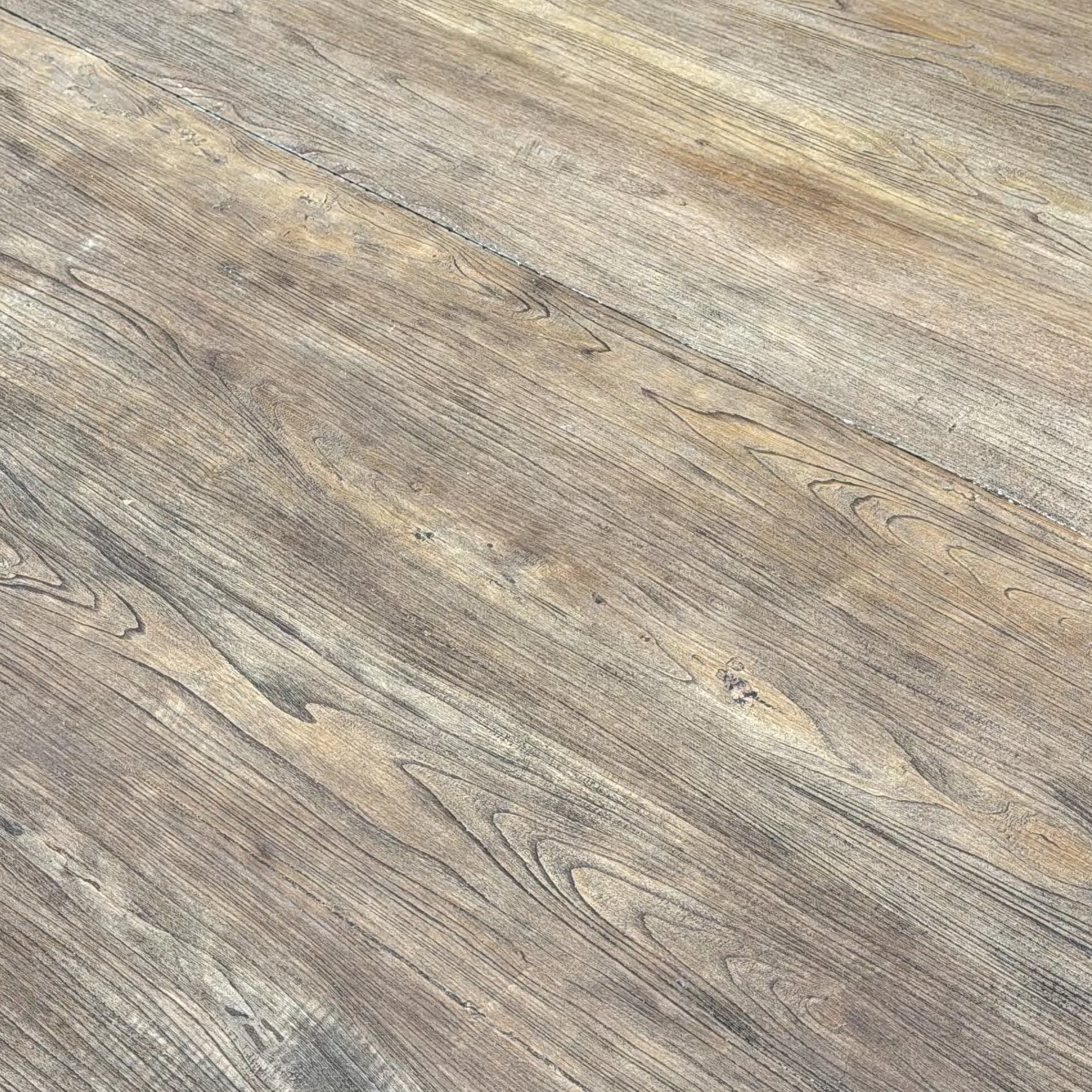
3D printed wood grain board is a standout, but it's just one star in the MCM constellation. The brand's lineup of innovative materials reads like a designer's wishlist, each one pushing the boundaries of what's possible. Let's shine a light on a few favorites:
Ever wanted to cover a curved wall with stone, but traditional stone panels are too rigid? Enter MCM flexible stone. Thin (just 3-5mm thick) and lightweight, it can bend around corners, archways, even columns, all while looking like solid stone. Choose from finishes like lunar peak silvery —a sleek, metallic stone that shimmers like moonlight—or travertine (starry blue) , which mimics the look of travertine with tiny, glittering "stars" embedded in the surface. It's perfect for adding drama to a feature wall or creating a seamless transition between indoor and outdoor spaces.
Concrete is having a moment in design, with its raw, industrial vibe. But traditional fair-faced concrete is heavy, hard to install, and prone to cracking. MCM's fair-faced concrete panels? They're lightweight, easy to handle, and pre-finished, so you get that sleek, minimalist look without the hassle. Use them for a loft apartment's accent wall, a restaurant's bar front, or even a fireplace surround. Pair them with 3D printed wood grain board for a look that's equal parts rugged and warm—industrial meets cozy, and it works.
For spaces that demand a little extra "wow," there's the Lunar Peak series. Available in silvery, golden, and black, these panels mimic the texture of moon rock—rough, cratered, and otherworldly. Imagine a home theater with lunar peak black walls, lit by soft blue lighting, making you feel like you're watching a movie under the night sky. Or a hotel lobby with lunar peak golden ceilings, adding a touch of luxury and drama. It's design that doesn't just decorate a space—it transports you.
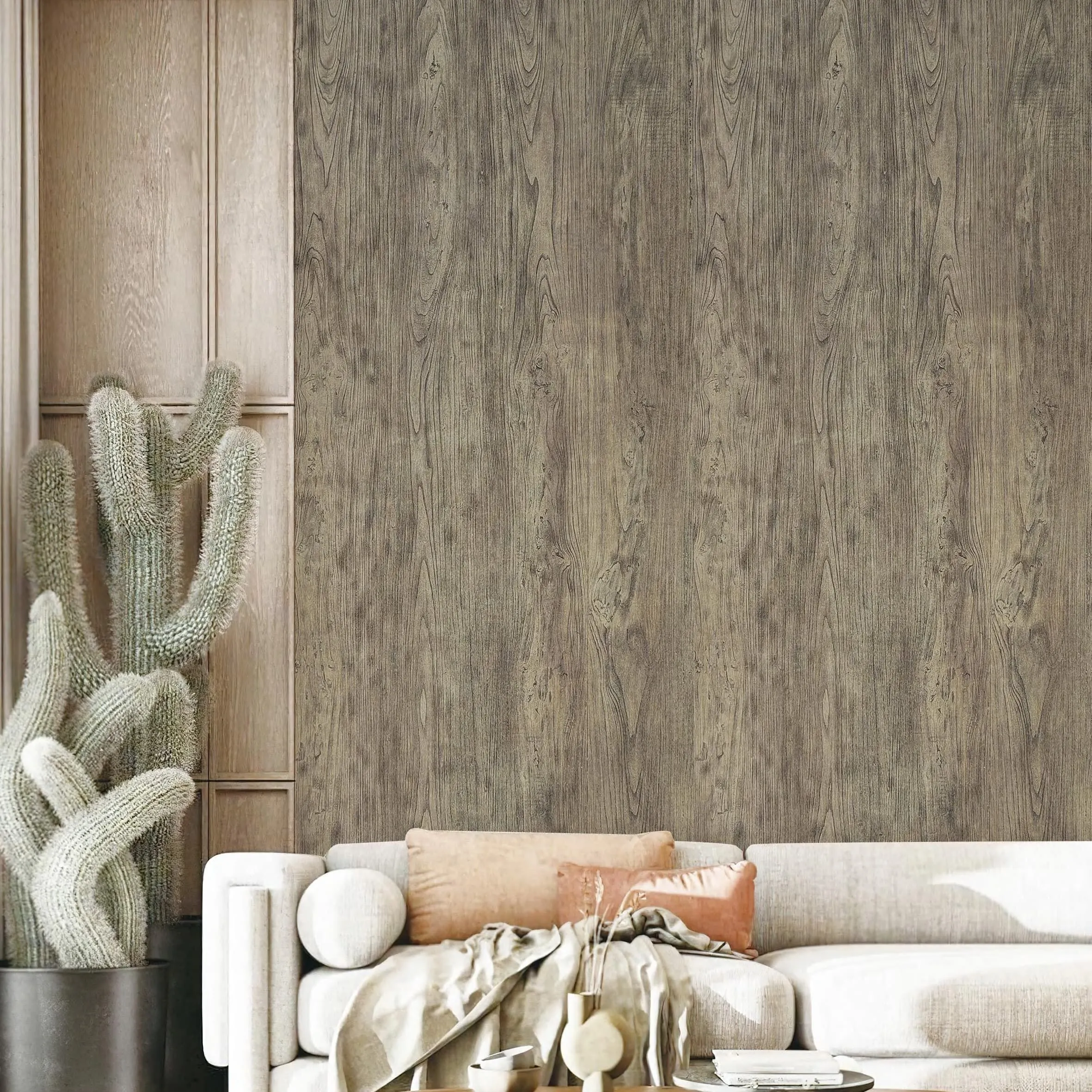
3D printed wood grain board isn't just for homes. Its versatility makes it a hit in commercial spaces, too. Let's take a tour of how designers are using it:
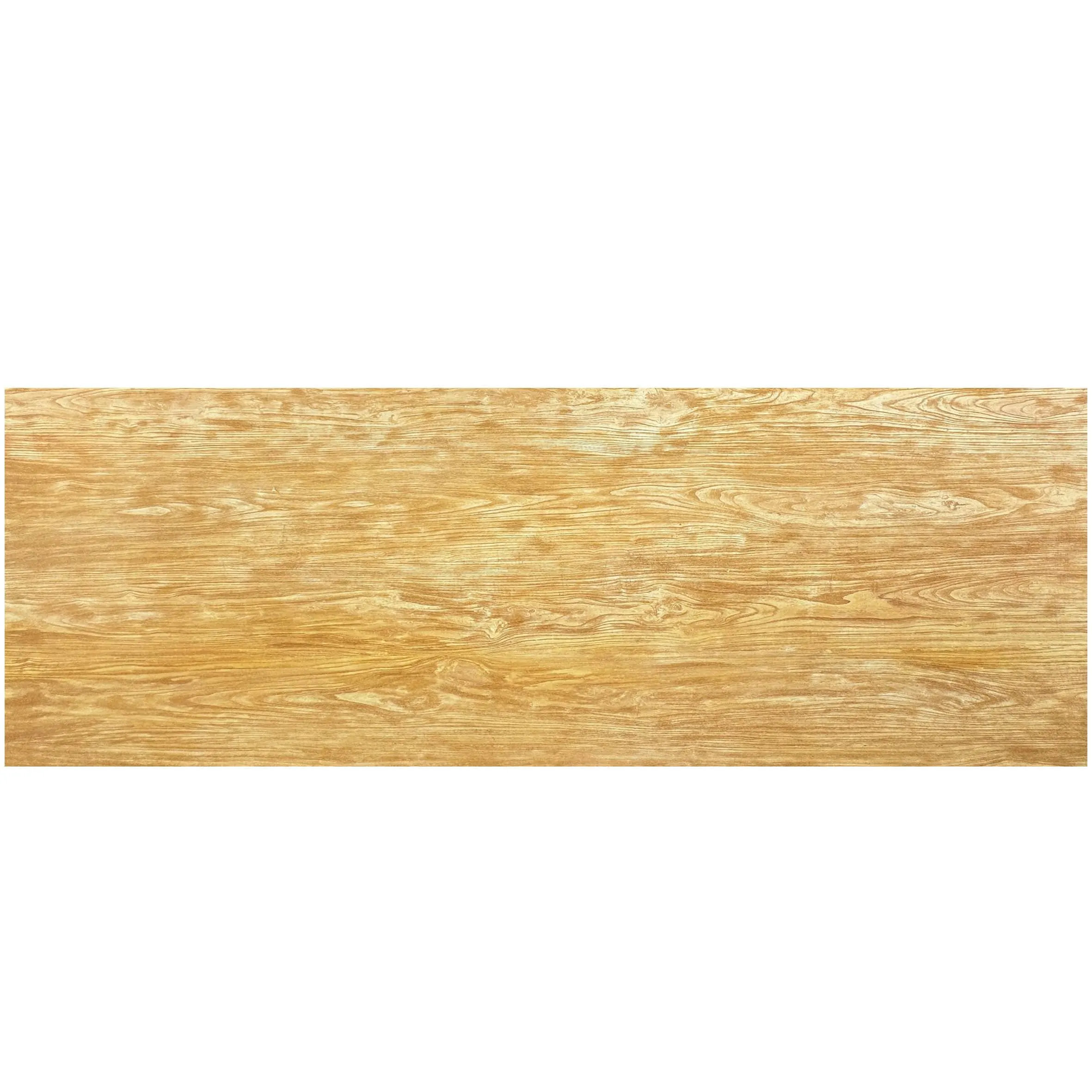
Still on the fence? Let's break it down with a side-by-side comparison:
| Feature | Traditional Wood Panels | 3D Printed Wood Grain Board (MCM) |
|---|---|---|
| Weight | Heavy (hard to install, requires structural support) | Lightweight (easy to install, no extra support needed) |
| Durability | Prone to warping, rotting, and scratches | Water-resistant, scratch-resistant, UV-stable |
| Customization | Limited by natural grain patterns; custom designs require expensive molds | Unlimited—3D printing allows any grain, pattern, or design |
| Sustainability | Requires cutting down trees; high maintenance (stains, sealants) | Uses recycled materials; low maintenance; reduces demand for real wood |
| Cost (Long-Term) | Initial cost low, but high maintenance and replacement costs | Slightly higher initial cost, but no maintenance or replacement costs |
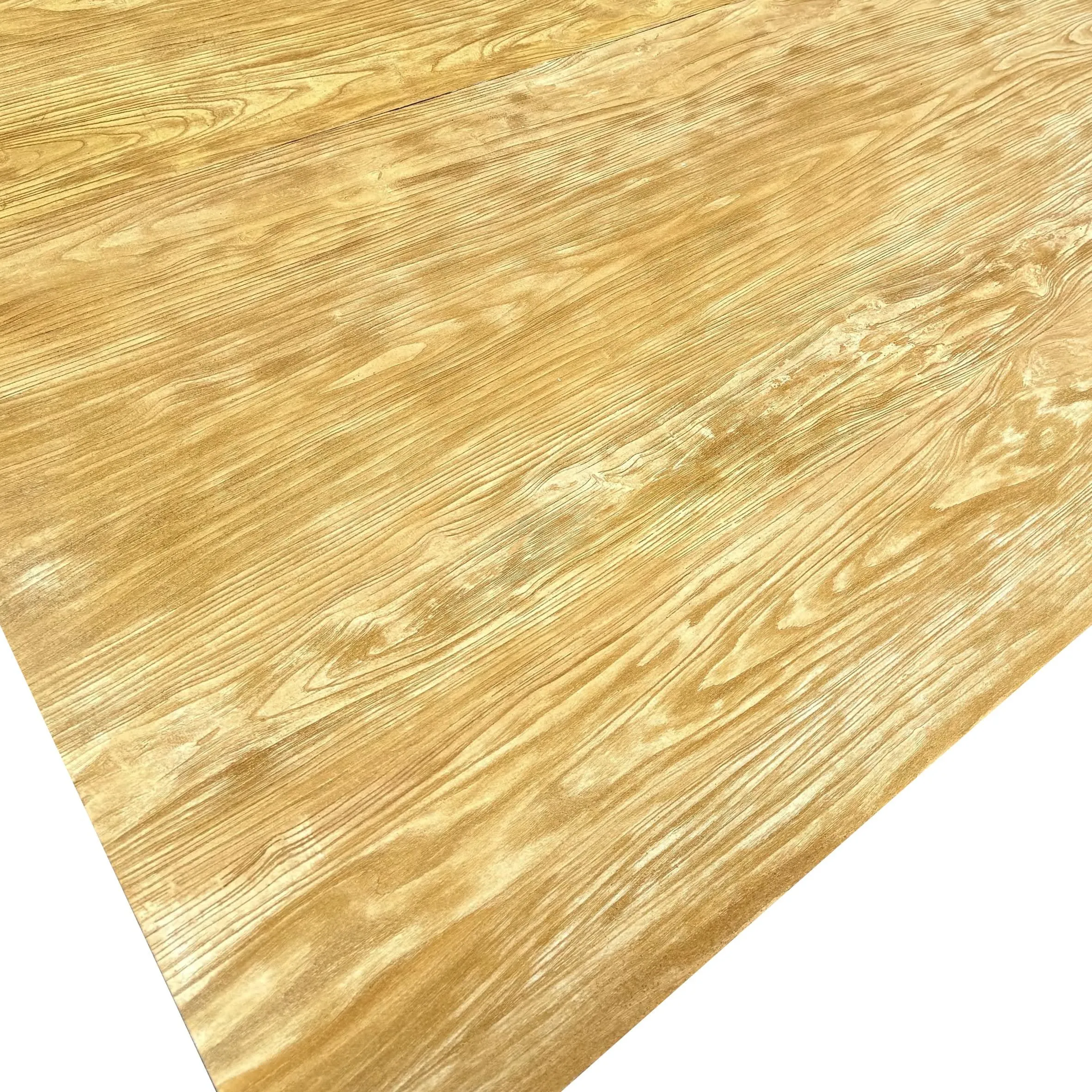
So, what's on the horizon for MCM and 3D printed decorative materials? The team at MCM isn't resting on their laurels. They're already experimenting with "smart" panels that can change color with a touch, or panels embedded with LED lights that mimic natural sunlight. Imagine a bedroom wall that shifts from warm wood grain in the morning to a calming blue at night, helping you wind down. Or a restaurant where the 3D printed wood grain board panels light up to guide customers to their tables. The possibilities are endless.
They're also exploring bio-based composites, using materials like mushroom mycelium or algae-based polymers to make MCM even more eco-friendly. "Our goal is to one day create a material that's 100% biodegradable, without sacrificing durability," says lead material scientist Dr. Elena Patel. "We're not there yet, but we're getting closer."
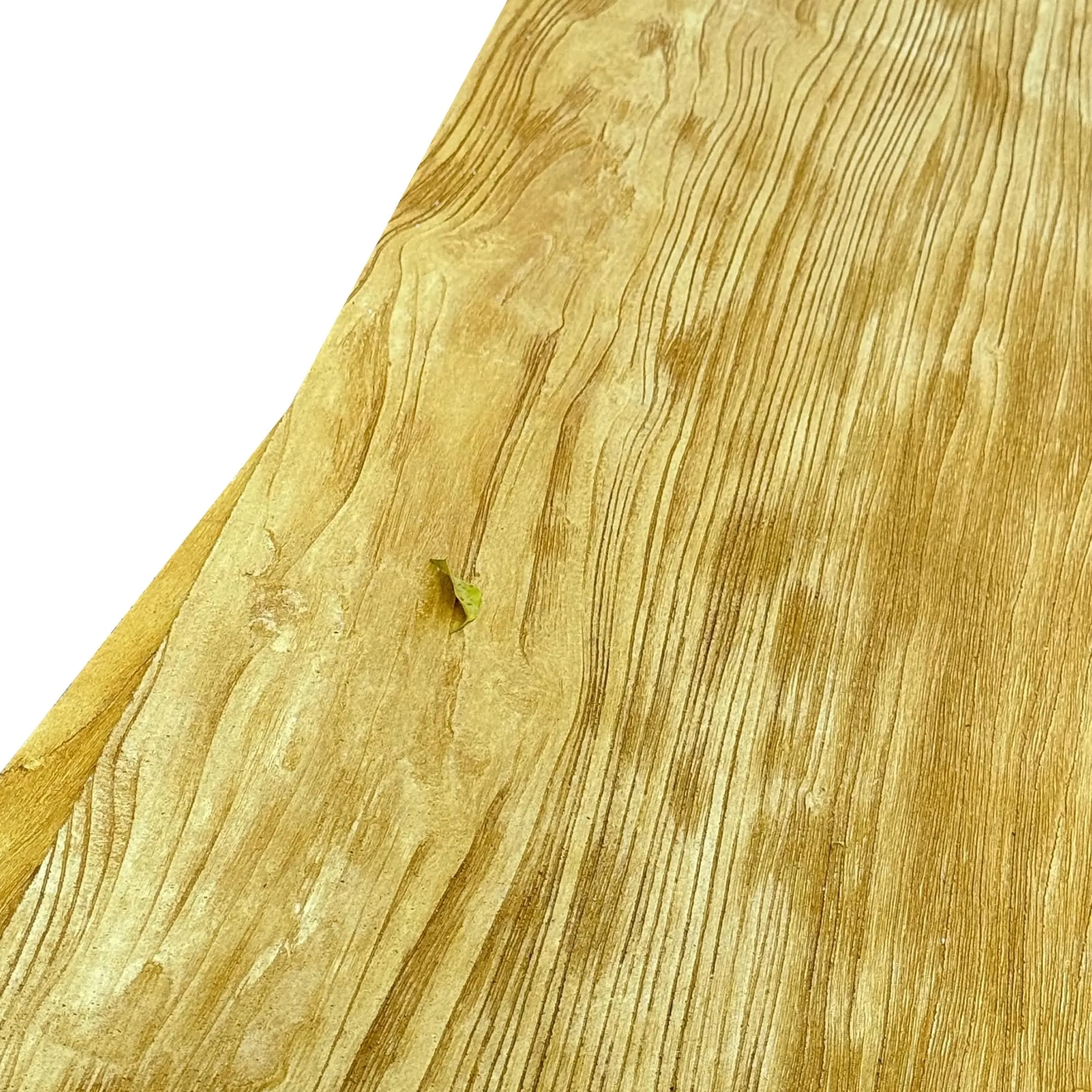
At the end of the day, decorative materials aren't just about covering walls—they're about creating spaces that feel like home. Spaces that tell stories, evoke emotions, and make us feel comfortable, inspired, and alive. 3D printed wood grain board, and MCM as a whole, does exactly that. It's a material that combines the best of nature and technology, giving us the beauty of wood, stone, and concrete without the limitations. It's design that works with our lives, not against them.
So, whether you're a designer like Mia, a homeowner looking to refresh your space, or a business owner wanting to create a memorable customer experience, MCM's 3D printed wood grain board is more than a choice—it's an invitation. An invitation to dream bigger, design bolder, and create spaces that are as unique as you are. After all, your space should tell your story. And with MCM, the pen (or the 3D printer) is in your hand.
Recommend Products












