
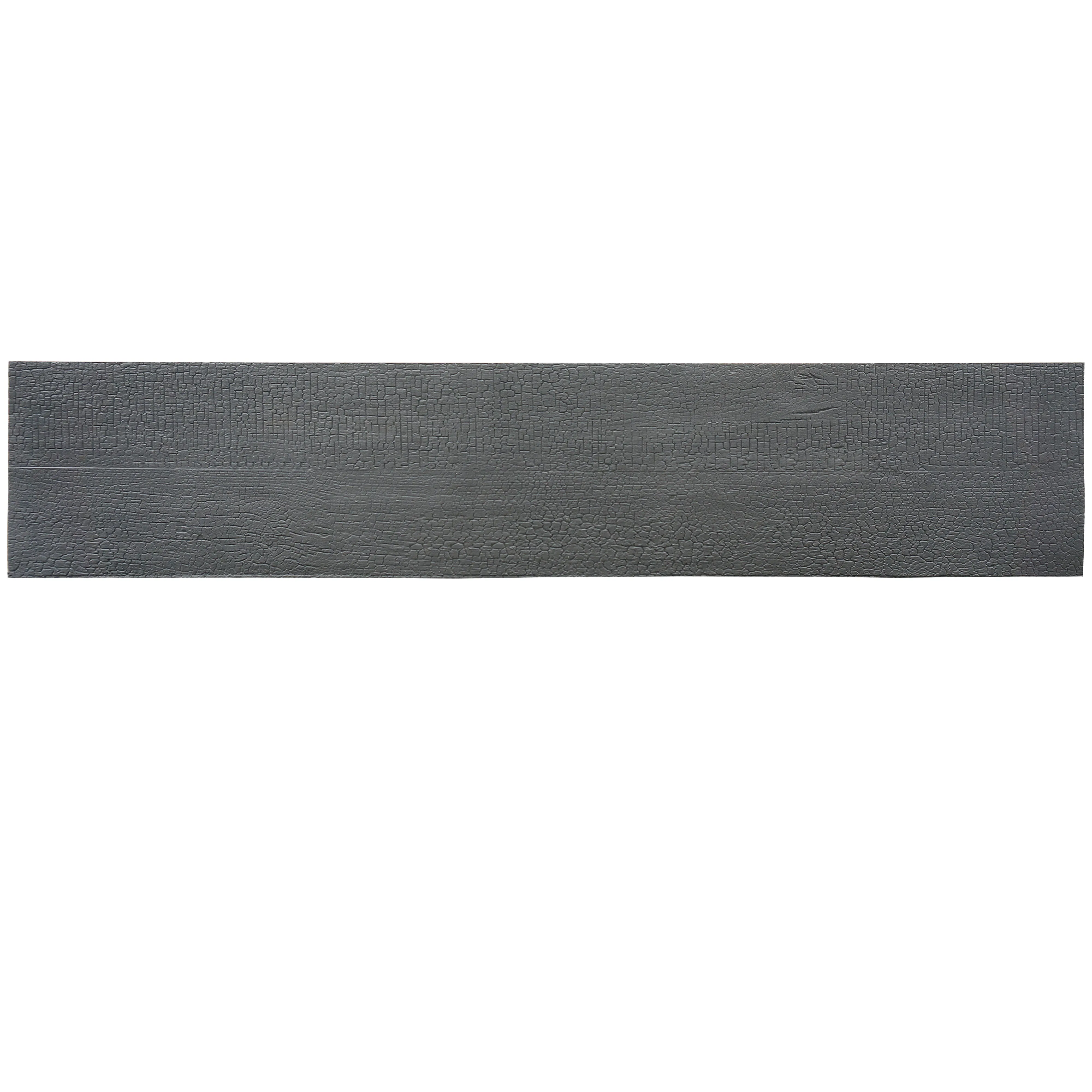
Walk into any modern café, boutique hotel, or even a thoughtfully designed home these days, and you'll notice something different about the walls, the countertops, the accent pieces. They're not just surfaces—they're stories. Surfaces that feel like they've been shaped by human hands, not just machines. That's the quiet revolution happening in construction materials right now, and at the heart of it? 3D printing. But not the cold, clinical 3D printing you might imagine (oops, scratch that—let's just say, the kind that feels more like a robot's project). No, this is 3D printing with soul. And today, we're diving into one material that's stealing the spotlight: the charcoal burnt wood board from the MCM 3D Printing Series .
Picture this: You're standing in a newly built restaurant, and your hand drifts to the wall. It feels like aged oak, weathered by years of sun and rain, with that distinct charred texture you'd find on a wooden beam saved from a countryside barn fire. But here's the twist—this wall wasn't carved by artisans over weeks. It was printed, layer by layer, by a 3D printer. That's the magic of the charcoal burnt wood board. It's technology's love letter to traditional craftsmanship.
What makes it so special? Start with the texture. Unlike flat, uniform synthetic panels, this board has depth. The burnt grains rise and fall like tiny mountain ranges; the edges are slightly irregular, as if a master carpenter took a chisel to them. And that "precision real pH" in its name? It's not just a marketing term. The 3D printing process allows for exact control over the material's pH levels, ensuring it resists mold, warping, and decay—even in humid bathrooms or rainy outdoor patios. It's the best of both worlds: the warmth of real wood, the durability of modern engineering.
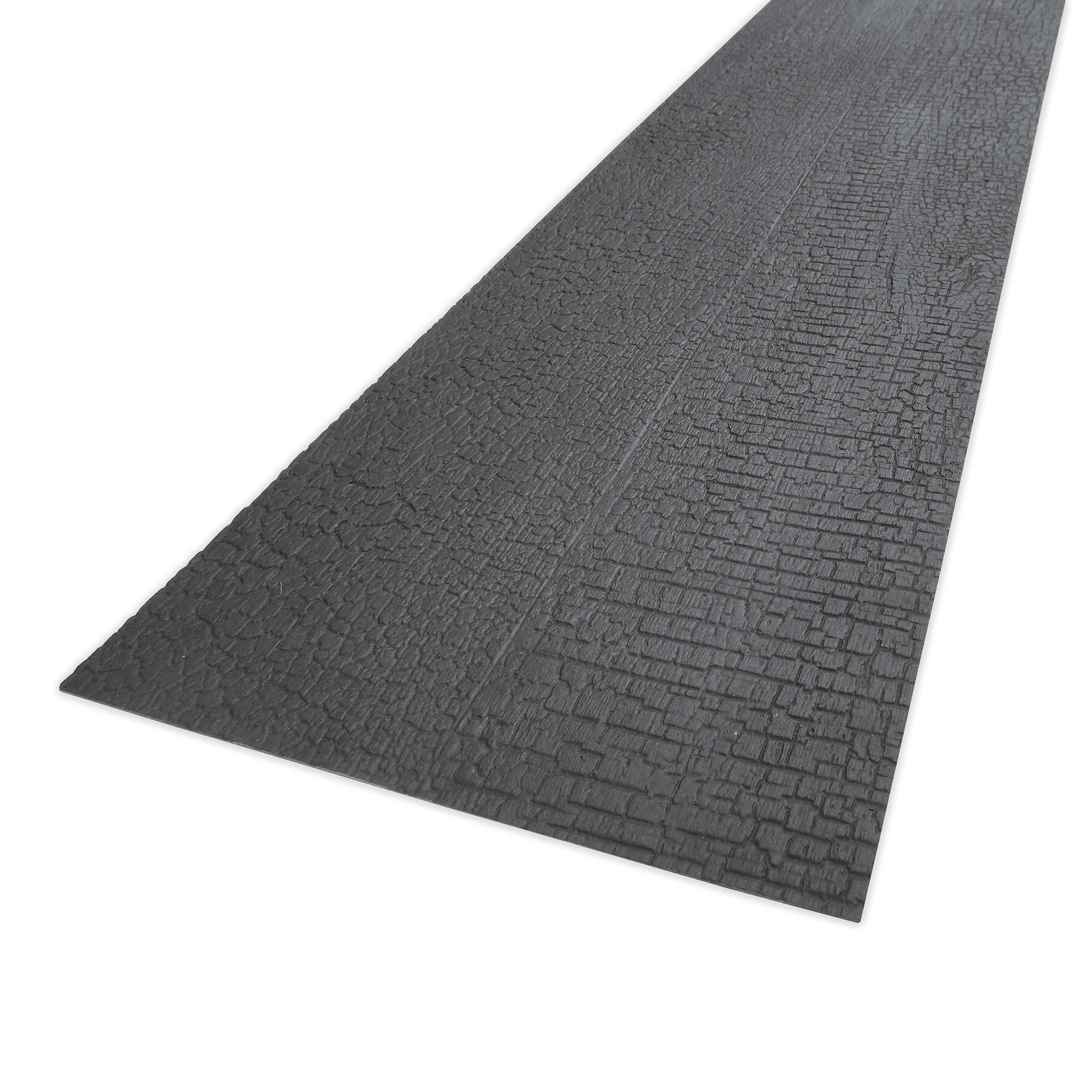
The charcoal burnt wood board isn't alone in the MCM lineup. The MCM 3D Printing Series is a family of materials designed to break the rules of what construction panels can be. Think of it as a toolkit for dreamers—architects who want a wall that looks like a starry night, designers who crave the roughness of desert stone in a skyscraper lobby, or homeowners who want their kitchen backsplash to feel like a forest floor.
Take the wood grain board , for example. It's the charcoal burnt board's cousin—softer, with the light, honeyed streaks of maple or oak. While the charcoal burnt board leans into rustic drama, the wood grain board whispers of cozy cabins and sunlit breakfast nooks. Both share the same 3D-printed DNA, but they tell entirely different stories. That's the beauty of this series: it doesn't force one "look"—it gives you a palette of textures to paint your space with.
| Material | Texture Story | Best For | Why It Matters |
|---|---|---|---|
| Charcoal Burnt Wood Board | Deep, charred grains with irregular edges—like barn wood reimagined | Accent walls, restaurant facades, fireplace surrounds | Blends industrial edge with rustic warmth; pH-balanced for longevity |
| Wood Grain Board | Smooth, flowing grains in soft browns and beiges—like fresh-cut lumber | Kitchen cabinets, bedroom headboards, office partitions | Brings nature indoors without the upkeep of real wood |
| Fair-Faced Concrete | Raw, unpolished gray with subtle air bubbles and tool marks | Modernist homes, art galleries, commercial lobbies | Timeless minimalism, but rigid in design compared to 3D-printed options |
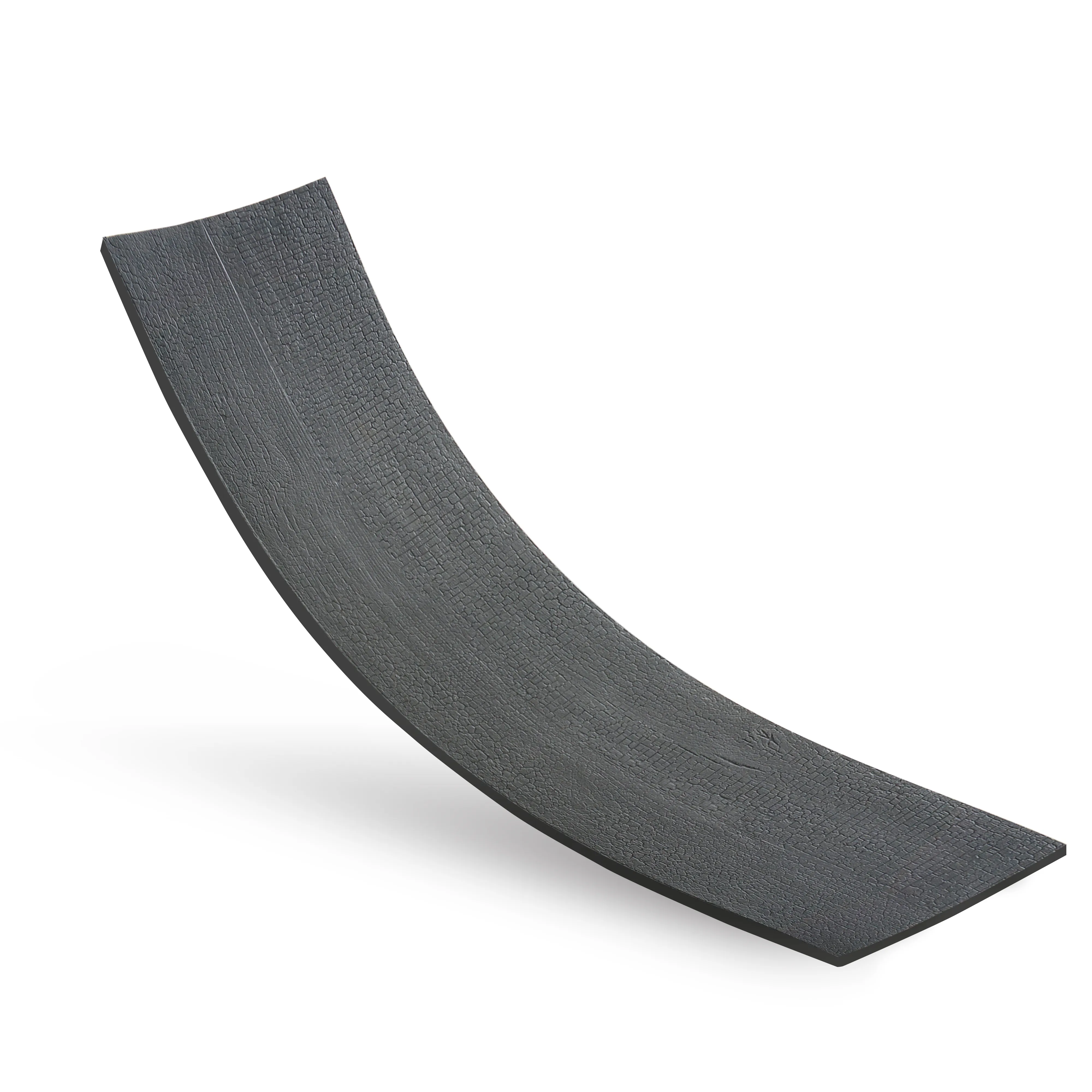
While the charcoal burnt wood board and wood grain board steal the spotlight for their organic charm, the MCM 3D Printing Series doesn't stop at "wood-look." Take fair-faced concrete —a staple of modern architecture. Traditionally, getting that perfect "raw" finish requires skilled masons to pour and smooth the concrete just right, leaving little room for creativity. But with 3D printing? You can embed patterns, curves, even tiny "cracks" that look like they formed naturally over decades—all while keeping that signature concrete gray.
It's this flexibility that's making architects and designers giddy. Imagine a hotel lobby where one wall is charcoal burnt wood board (warm, inviting), the opposite wall is 3D-printed fair-faced concrete (cool, modern), and the ceiling is a wave of lunar peak silvery (another MCM gem, with a metallic sheen like moonlight on rock). These materials don't clash—they converse. They turn spaces into narratives.
Let's talk about the elephant in the room: sustainability. We all love the look of real wood, but deforestation and maintenance (think: termites, water damage) make it a tricky choice. The charcoal burnt wood board? It's made from recycled wood fibers and eco-friendly resins, printed with minimal waste. No trees cut down, no toxic paints—just a material that looks and feels real, without the guilt.
And then there's the human element. In a world of cookie-cutter apartments and generic office buildings, spaces that feel "lived-in" matter. A wall with the texture of charcoal burnt wood doesn't just fill a room—it welcomes people. It makes them want to touch, to linger, to remember. That's the power of emotional design, and 3D printing is making it accessible to everyone—not just luxury projects with unlimited budgets.
The charcoal burnt wood board isn't just a construction material. It's a bridge between the past and the future—a reminder that technology doesn't have to feel cold. When you run your hand over it, you're not just touching a panel; you're touching the idea that progress and tradition can dance together.
So whether you're an architect designing the next landmark building, a homeowner revamping your living room, or just someone who appreciates the beauty of a well-crafted space, keep an eye on the MCM 3D Printing Series. Because in a world that often feels mass-produced, these materials? They're here to make spaces feel human again.
Recommend Products












