
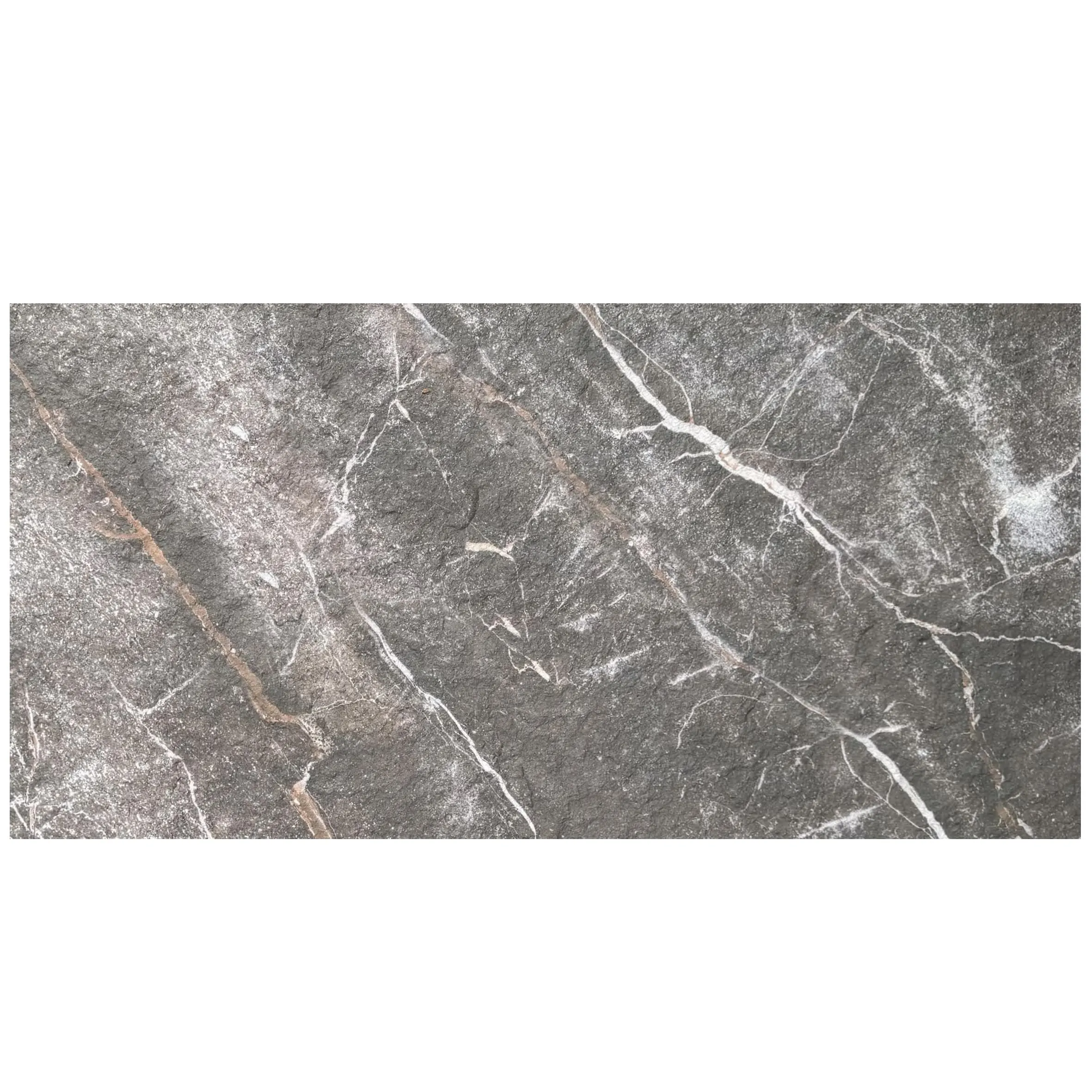
Redefining Architectural Aesthetics with Lightweight, Flexible Innovation
Imagine standing in front of a mood board covered in swatches of natural stone—marble veins, granite speckles, the deep, rich allure of granite portoro . For years, this iconic black stone with golden veining has been the gold standard for luxury interiors, gracing lobbies of five-star hotels and high-end residences with its timeless elegance. But for architects and designers like Elena, a senior designer at a boutique firm in Chicago, the dream of using it in a recent project hit a wall—literally.
"We wanted to clad the entire feature wall of a downtown penthouse with Granite Portoro," Elena recalls. "But the stone is heavy—each slab weighs over 200 pounds. The building's structural engineer nixed it; the floor couldn't support the load. And even if we could install it, the cost of quarrying, transporting, and cutting those massive slabs? It blew the budget. We were stuck between a design vision and practical reality."
Elena's story isn't unique. For decades, architects and designers have faced this tug-of-war: the desire to use nature's most stunning materials versus the constraints of weight, cost, and sustainability. Traditional stone like Granite Portoro is irreplaceable for its beauty, but it's unforgiving—brittle, heavy, and nearly impossible to customize for curved surfaces or intricate designs. That is, until now.
Enter the MCM 3D printing series —a technological leap that's turning the tables on how we think about building materials. By merging the flexibility of MCM flexible stone with cutting-edge 3D printing, manufacturers are now able to replicate the look and feel of Granite Portoro (and dozens of other natural stones) with a material that's lightweight, durable, and infinitely customizable. It's not just a material innovation; it's a love letter to design possibility.
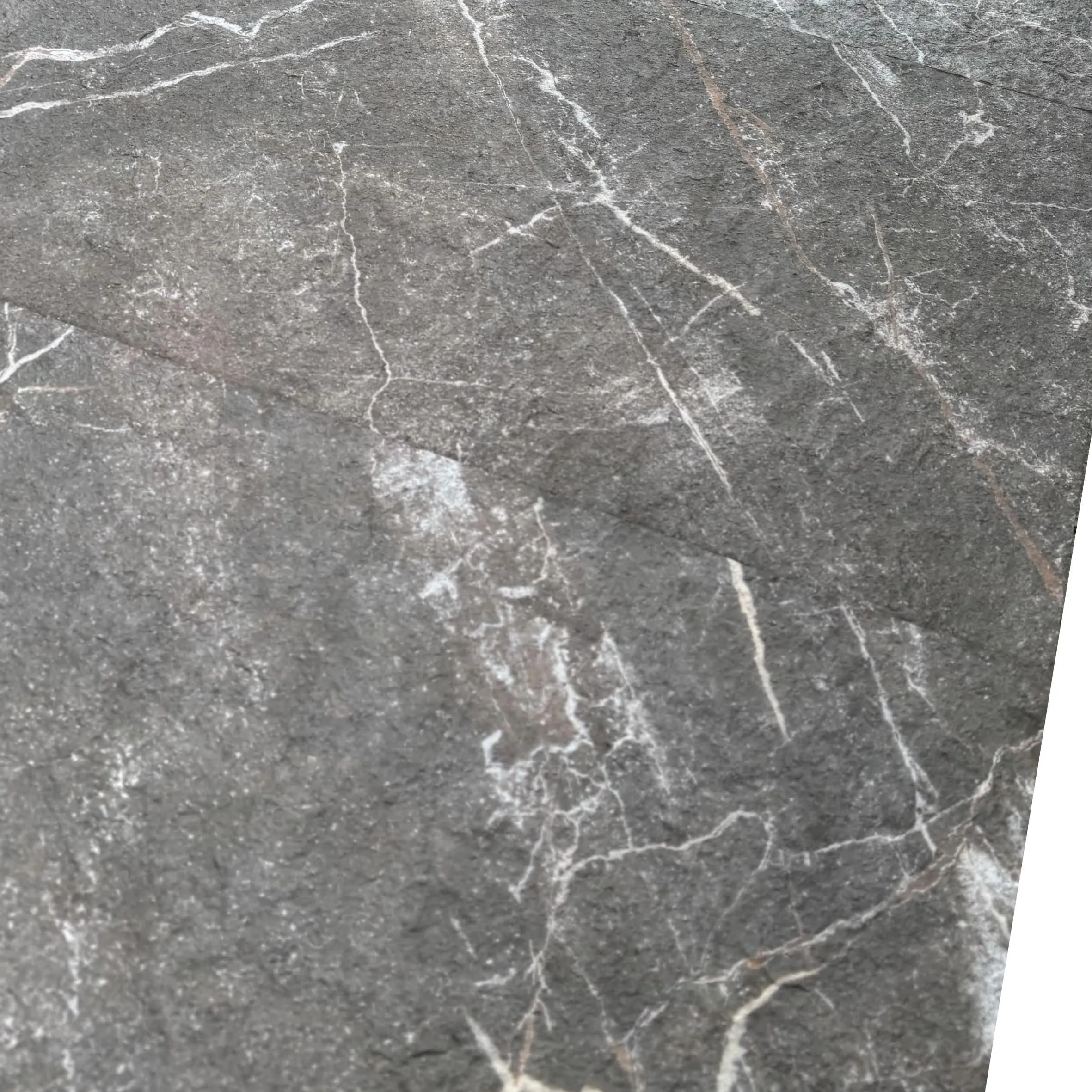
To understand the breakthrough, let's start with the basics: MCM, or Modified Composite Material, is a revolutionary substrate that's been quietly transforming the industry for years. Composed of natural minerals, polymers, and reinforcing fibers, MCM is inherently lightweight (up to 80% lighter than traditional stone) and flexible, yet tough enough to withstand harsh weather, UV rays, and everyday wear. But it's the marriage of MCM with 3D printing that's unlocking its full potential—especially when it comes to replicating the intricate details of stones like Granite Portoro.
"3D printing allows us to map the exact veining, color gradients, and texture of natural Granite Portoro at a microscopic level," explains Dr. Marcus Rivera, lead materials scientist at a leading MCM manufacturer. "We start by scanning a slab of authentic Granite Portoro—capturing every golden fleck, every swirl of black, every subtle variation that makes the stone unique. Then, we translate that data into a 3D model, which our printers use to layer MCM materials with pinpoint precision. The result? A panel that looks so much like the real thing, even seasoned stone masons do a double-take."
But it's not just about replication. The MCM 3D printing series goes beyond mimicry, offering features traditional stone can't touch. For example, panels can be printed in custom sizes up to 12 feet long, eliminating unsightly seams. They can be curved or bent to follow architectural contours—think sweeping archways or organic-shaped facades—without cracking. And because MCM is inherently flexible, installation is a breeze: panels can be cut on-site with standard tools, glued directly to walls (no heavy-duty anchoring required), and even replaced individually if damaged.
Take the "vein alignment" feature, a recent upgrade in the MCM 3D printing lineup. Designers can now specify how the Granite Portoro veins flow across a wall or facade—creating a continuous, uninterrupted pattern that mimics the grandeur of a single, massive stone slab. "We used this on a hotel lobby in Miami," says Sarah Chen, an interior designer who specializes in hospitality projects. "The client wanted the drama of a 20-foot-tall Granite Portoro wall, but with zero structural issues. The MCM 3D printed panels gave us that—veins that flow seamlessly from floor to ceiling, no visible joins, and the whole thing weighs less than a single traditional slab. The client walked in and said, 'Is this real?' That's the magic of it."
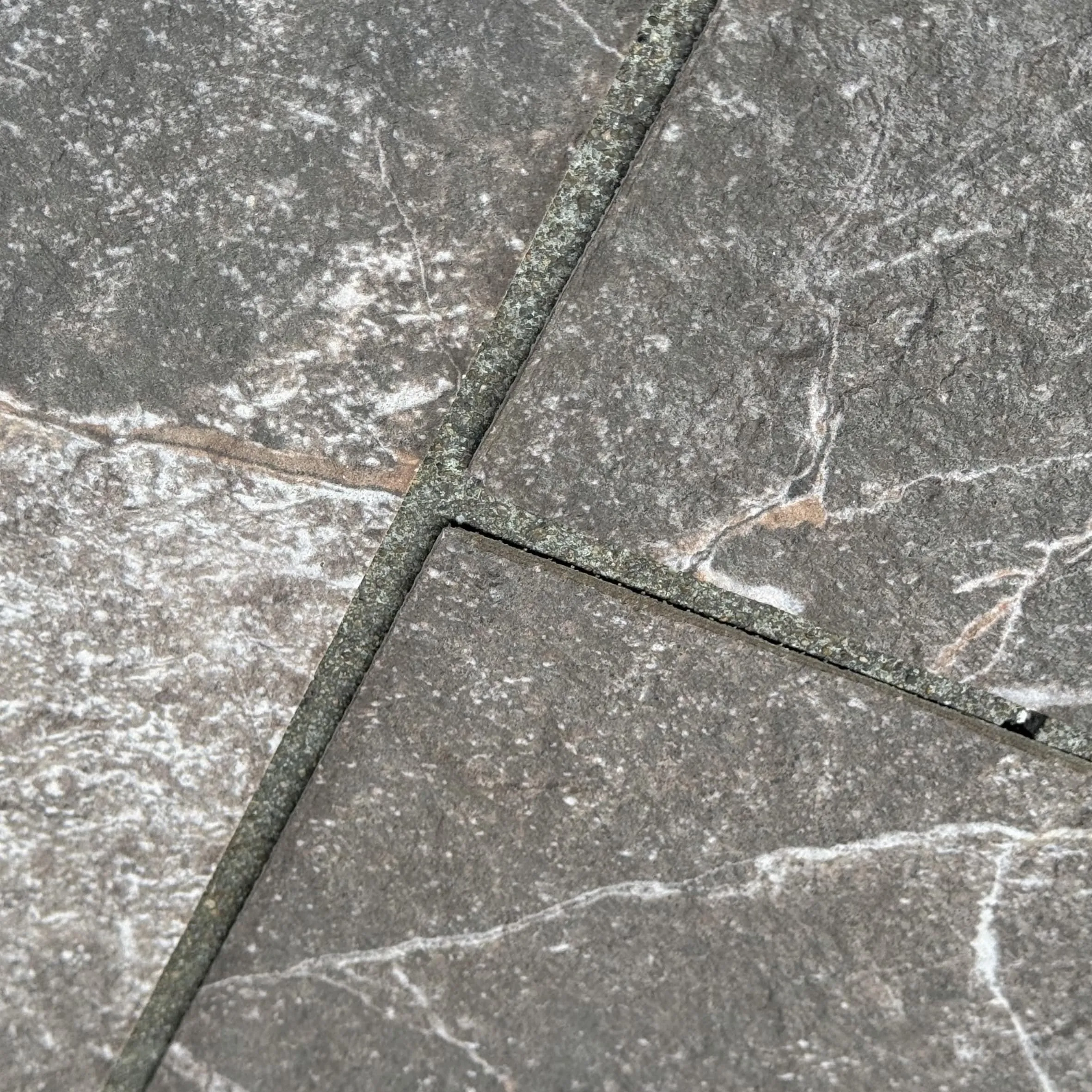
Granite Portoro isn't just any stone—it's a legend. Quarried from the Portoro region of Italy, its deep black base interlaced with bold gold veins has been a symbol of luxury since the Renaissance, adorning palaces, cathedrals, and stately homes. Today, it's a staple in high-end commercial and residential design, prized for its ability to add depth, warmth, and sophistication to any space. But as Elena and Sarah discovered, its beauty comes with a price—literally and logistically.
Traditional Granite Portoro slabs are dense (2.7 grams per cubic centimeter), making them difficult to transport and install. They're also prone to chipping during handling, and once installed, they're hard to repair. Worse, quarrying natural stone is resource-intensive: it requires heavy machinery, disrupts ecosystems, and generates significant waste. For architects and designers increasingly focused on sustainability, this is a growing concern.
The MCM 3D printed alternative addresses all these pain points. Let's break it down:
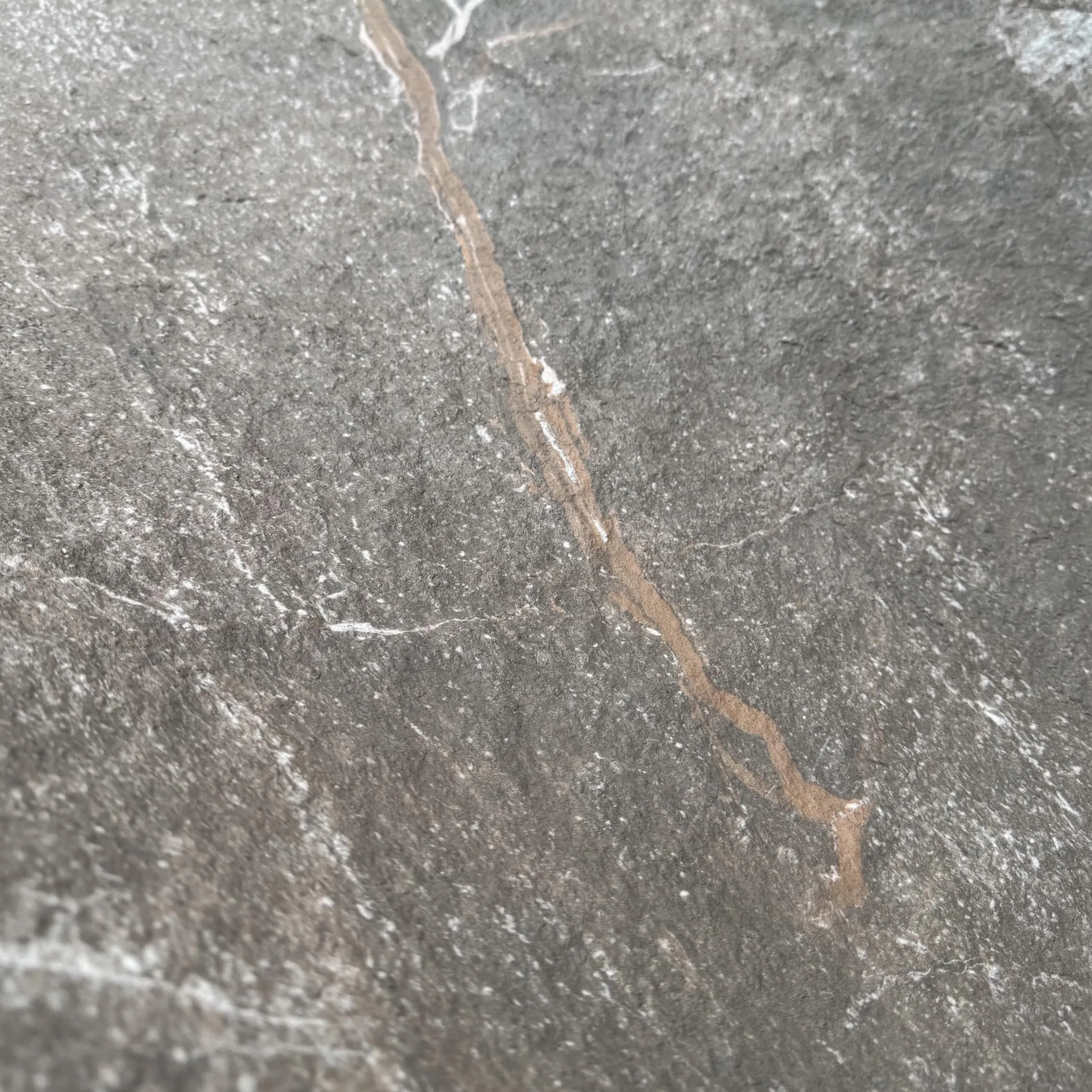
| Feature | Traditional Granite Portoro | MCM 3D Printed Granite Portoro Lookalike |
|---|---|---|
| Weight (per sq. ft.) | 25–30 lbs. | 4–5 lbs. |
| Flexibility | Brittle; cannot bend without cracking | Can bend up to 30 degrees without damage |
| Custom Sizing | Up to 12 ft. x 4 ft. per panel; seamless designs possible | |
| Installation Time (per sq. ft.) | 2–3 hours (requires heavy machinery, anchoring) | 20–30 minutes (glue-on application, no special tools) |
| Cost (Material + Installation) | $150–$200 per sq. ft. | $60–$90 per sq. ft. |
| Sustainability | High carbon footprint; quarrying impact | 60% recycled materials; minimal waste |
| Aesthetic Match | Authentic, but natural variations may disrupt design | 95% visual match; consistent veining and color |
*Data based on industry standards and manufacturer testing (2025)
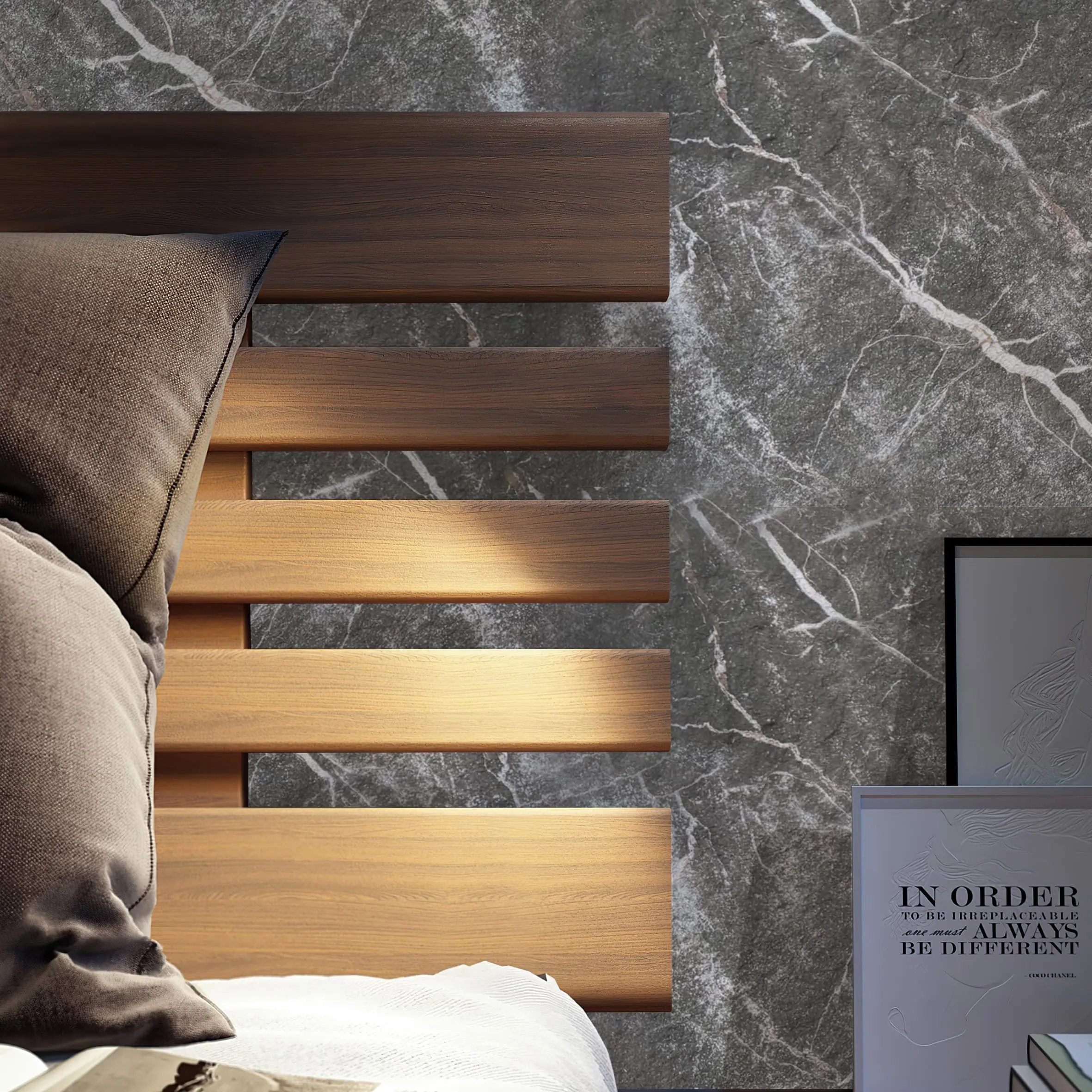
It's one thing to talk about the technology; it's another to see it transform spaces. Take the "Heritage Tower" project in Boston—a 1920s Art Deco building undergoing a top-to-bottom renovation. The architects wanted to honor the building's historic facade while updating it with a modern twist. Their vision? A mix of traditional masonry and Granite Portoro accents to highlight the tower's iconic spire. But with the original structure's load-bearing limits, traditional stone was out of the question.
"We turned to custom MCM exterior panels printed to look like Granite Portoro," says James Wilson, lead architect on the project. "The panels were designed to mimic the size and shape of the original stone blocks, but at a fraction of the weight. We even added a subtle texture to match the weathered look of the historic masonry. When we unveiled the finished spire, the local historical society called it 'a perfect blend of past and future.' That's the power of this technology—it doesn't just replicate beauty; it preserves stories."
Closer to home, consider a residential project in Los Angeles: a hillside villa with panoramic ocean views. The homeowner, an art collector, wanted a living room wall that would serve as a backdrop for their sculptures—something bold, elegant, and reflective of the sea's movement. The designer proposed a curved wall clad in Granite Portoro, but traditional stone couldn't bend to the wall's gentle arc.
"The MCM 3D printed panels were the answer," says designer Mia Rodriguez. "We printed them in a custom curve that follows the room's contour, with veins that flow like waves—echoing the ocean outside. The homeowner cried when she saw it; she said it felt like the art and the space were finally in conversation. That's the emotional impact we're after—materials that don't just fill a space, but elevate it."
As the MCM 3D printing series continues to evolve, the possibilities are expanding. Manufacturers are experimenting with new textures—adding metallic flecks for a Lunar Peak Silvery sheen, or embedding tiny LED lights to make Granite Portoro veins glow softly at night. There's talk of "smart" panels that can change color with temperature or light, turning a static wall into a dynamic piece of art.
But perhaps the most exciting development is how this technology is democratizing design. For too long, luxury materials like Granite Portoro were reserved for big budgets and grand projects. Now, with lightweight flexible stone sheets that cost a fraction of the real thing, small businesses, boutique hotels, and even homeowners can bring high-end aesthetics into their spaces. A neighborhood café in Portland recently used MCM 3D printed Granite Portoro panels to clad its countertop, turning a simple coffee shop into a destination. "Our sales doubled after the renovation," says owner Maria Gonzalez. "People come for the coffee, but they stay to take photos of the counter. It feels like we're part of something bigger—making beauty accessible."
At its core, the MCM 3D printing breakthrough is about more than materials. It's about rekindling the joy of design—freeing architects and designers from the "can'ts" and letting them focus on the "what ifs." It's about honoring the past (the timeless beauty of Granite Portoro) while embracing the future (sustainable, innovative manufacturing). And most of all, it's about creating spaces that feel human—spaces that inspire, connect, and tell stories.
Recommend Products












