


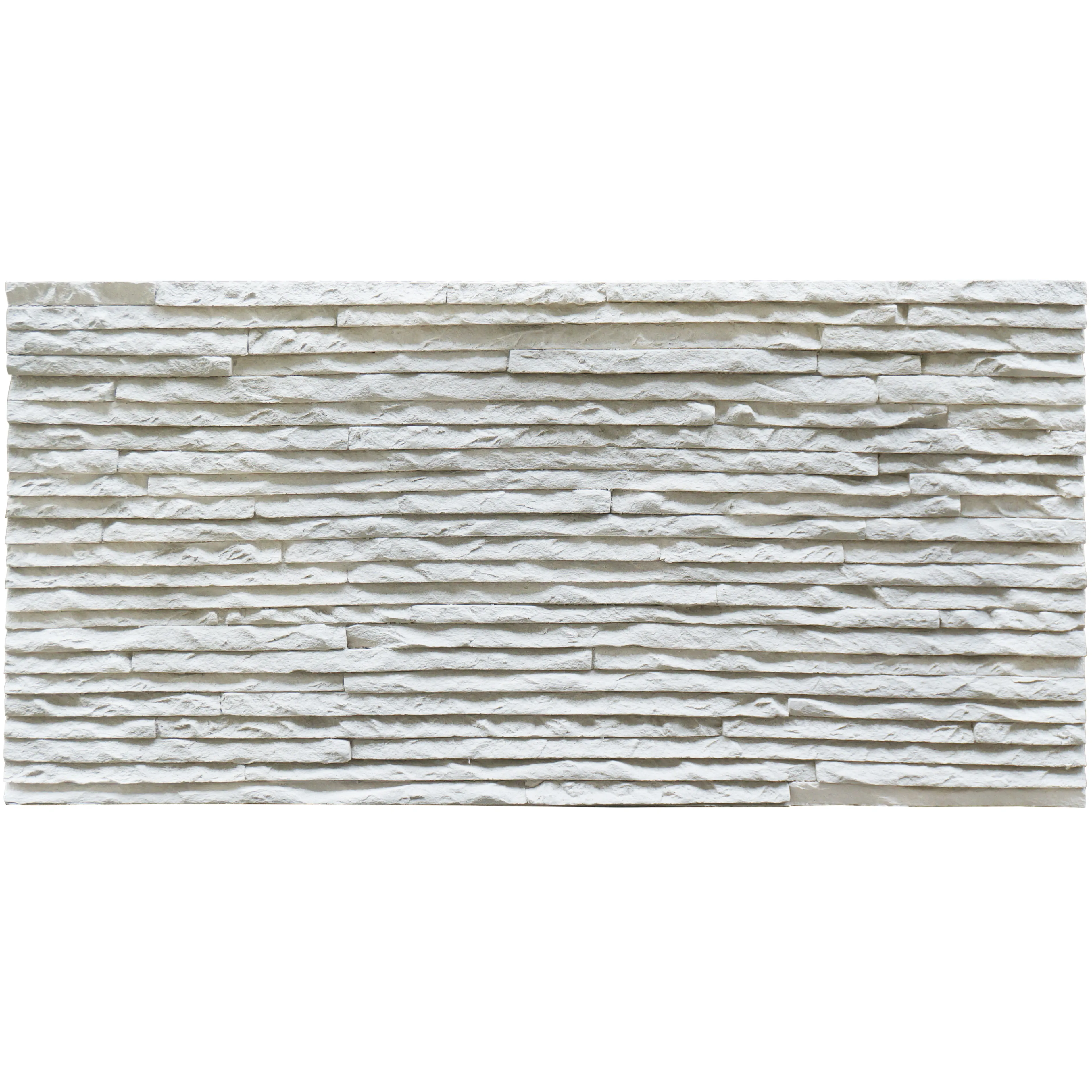
Walk into any modern architectural marvel, and you'll likely notice something remarkable: the materials tell a story. They blend the timelessness of natural elements with the precision of cutting-edge technology, creating spaces that feel both grounded and forward-thinking. In this evolving narrative, one material has quietly been making waves—Muretto Stone (Beige). Its warm, earthy hue and subtle texture have made it a favorite for designers aiming to infuse projects with understated elegance. But what if we told you that this classic stone is now at the center of a construction revolution? Enter 3D printing, a technology that's not just changing how we build, but redefining what's possible with materials like Muretto Stone (Beige). Let's dive into how this unlikely pairing is shaping the future of construction.
The Allure of Muretto Stone (Beige): A Timeless Canvas
Before we explore the innovation, let's take a moment to appreciate the star of the show: Muretto Stone (Beige). If you've ever visited a boutique hotel with a sunlit lobby, a cozy café with exposed walls, or a heritage home restored to its former glory, chances are you've encountered Muretto Stone. Its appeal lies in its versatility—it's not too bold, not too plain, but just right. The soft beige tones range from warm sand to gentle taupe, with subtle variations that mimic the organic patterns found in natural limestone. "It's like bringing a piece of the outdoors inside without overwhelming the space," says Elena Rossi, an interior designer with over 15 years of experience. "Clients often ask for materials that feel 'authentic,' and Muretto Stone (Beige) delivers that. It ages beautifully, developing a patina over time that adds character, not wear."
Beyond aesthetics, Muretto Stone (Beige) is a workhorse. It's durable enough for high-traffic areas like commercial lobbies, resistant to moisture (making it ideal for bathrooms or kitchens), and surprisingly lightweight compared to traditional stone slabs. Historically, it's been used in everything from Mediterranean villas to contemporary office buildings, a testament to its adaptability. But for all its strengths, traditional Muretto Stone production has long faced a bottleneck: customization. Carving intricate designs or creating non-standard shapes required skilled artisans and weeks of labor, limiting its use in projects that demanded uniqueness. That's where 3D printing steps in.
3D Printing: Breaking the Mold of Traditional Production
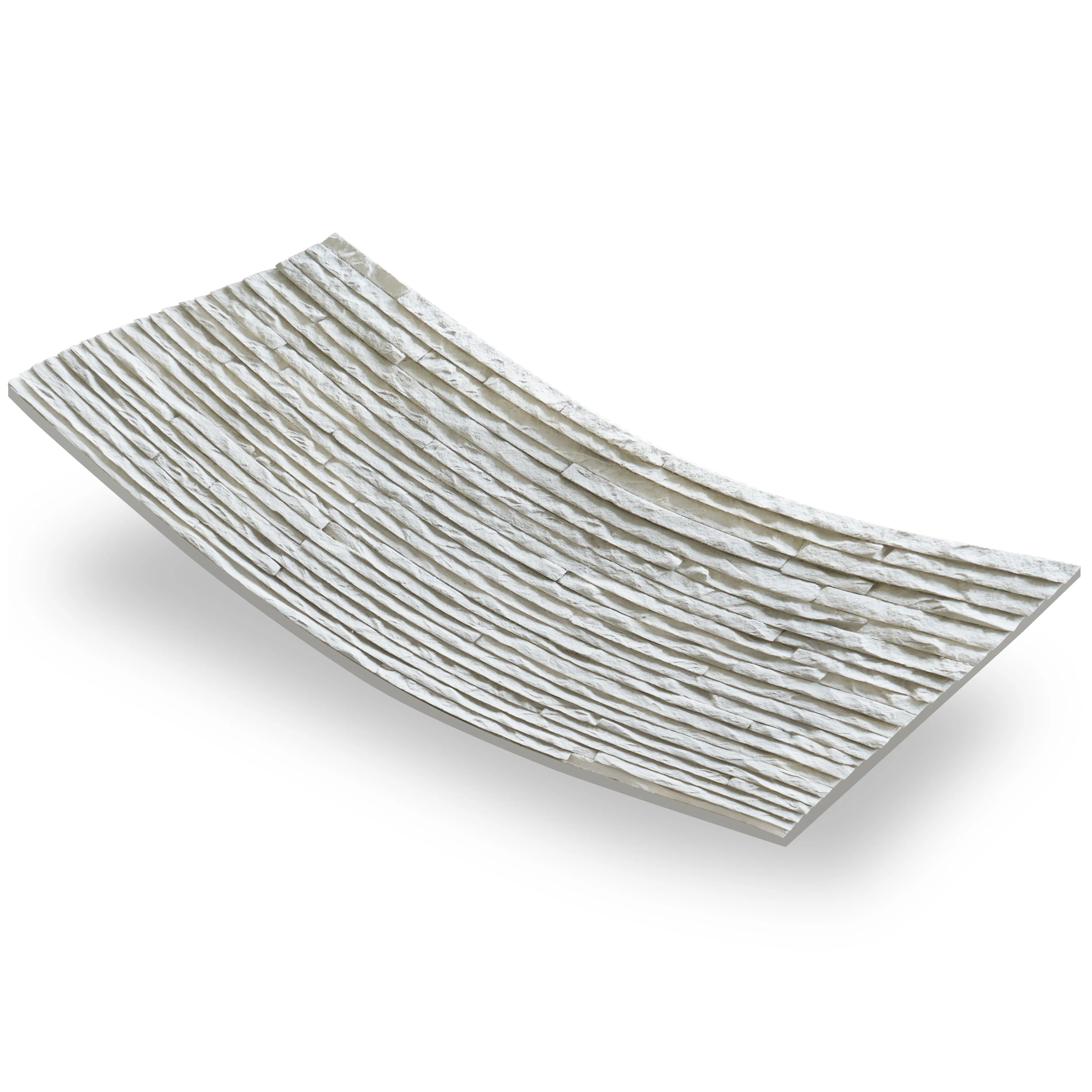
Imagine a world where you could design a wall panel with the complexity of a wave, the texture of rippling water, or the pattern of a honeycomb—and have it produced in days, not months. That's the promise of 3D printing in Muretto Stone (Beige) production. Traditional methods involve quarrying large blocks of stone, cutting them into slabs, and then shaping them with tools like chisels or water jets. It's a process rooted in craftsmanship, but it's slow, labor-intensive, and wasteful. "We'd often end up with 30% material waste from cutting and shaping," explains Marco Conti, operations manager at a leading stone manufacturer. "And if a client wanted a custom curve or a unique texture, we'd have to say, 'That's not feasible'—or charge a premium that made it impractical."
3D printing changes all that. Using modified composite materials (think MCM flexible stone, a lightweight, durable alternative to solid stone), 3D printers deposit layers of material with pinpoint accuracy, building up the desired shape from the ground up. The process is similar to how a cake decorator pipes frosting, but on an industrial scale. "It's like having a sculptor and a factory in one machine," says Conti. "We can program the printer to create anything from simple flat panels to intricate wave panels or semicircle boards, all with the look and feel of natural Muretto Stone (Beige)." The key here is the material itself: MCM flexible stone, a composite of natural stone particles, resins, and fibers, which allows for flexibility during printing and hardens into a rigid, stone-like finish. This means 3D printed Muretto Stone isn't just a replica—it's a functional, high-performance material that meets the same standards as traditional stone.
Why 3D Printed Muretto Stone (Beige) is a Game-Changer
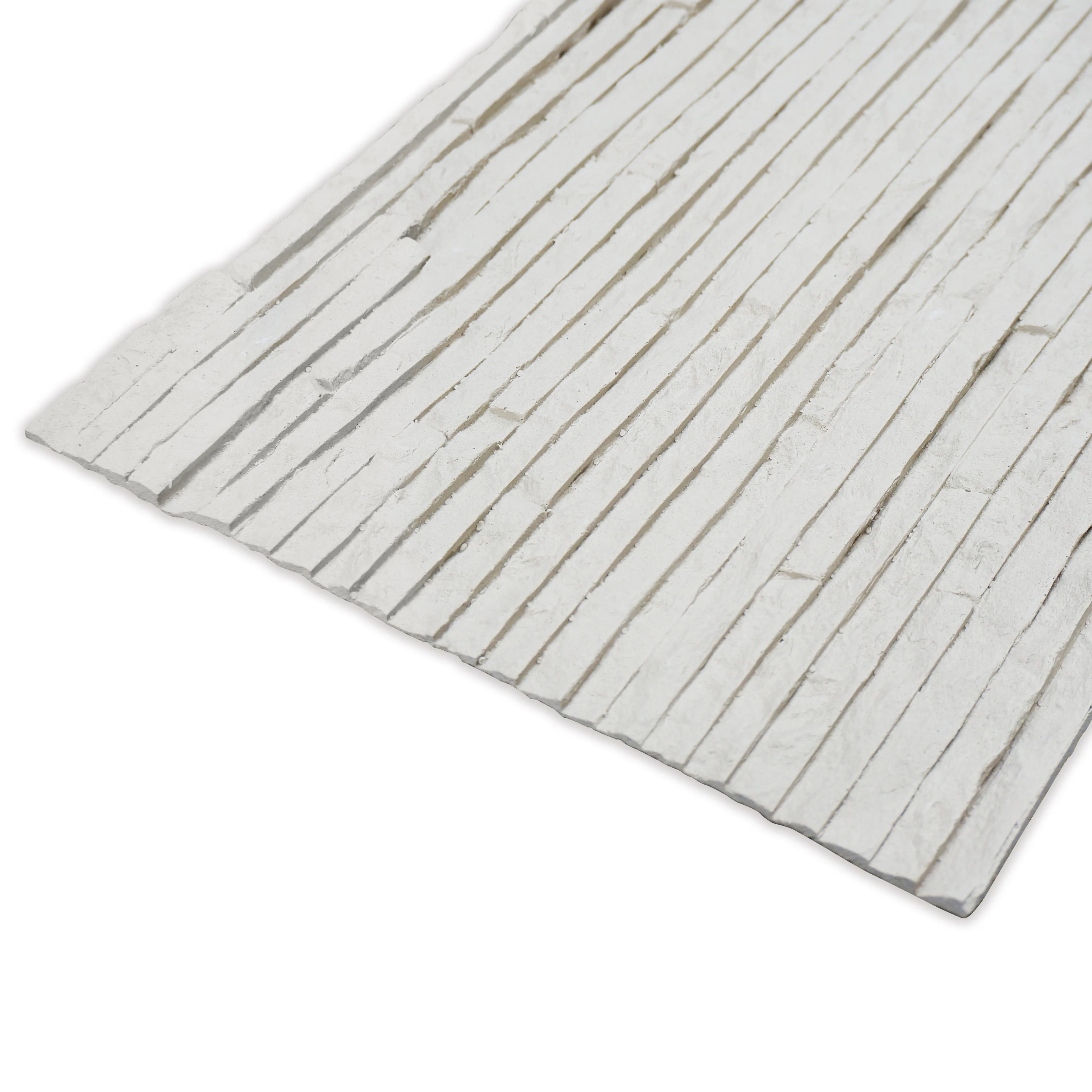
So, what makes 3D printed Muretto Stone (Beige) so revolutionary? Let's break it down into three key benefits that are turning heads in the construction industry.
1. Design Freedom: From "No" to "Why Not?" For architects and designers, the biggest thrill is the newfound creative freedom. "I recently worked on a restaurant project where the client wanted a feature wall that looked like a cascading waterfall," recalls Raj Patel, an architect specializing in hospitality design. "With traditional stone, we would have needed to carve each 'wave' by hand, which would have taken months and cost a fortune. With 3D printed Muretto Stone (Beige), we designed the pattern in CAD, sent it to the printer, and had the panels ready in two weeks. The result? A wall that looks like liquid stone, and the client was blown away." This level of customization extends to small details too—think embedded threads, custom logos, or even textural gradients that transition from smooth to rough. It's not just about making things look pretty; it's about solving design problems. For example, a hospital in Barcelona used 3D printed Muretto Stone (Beige) panels with built-in acoustic properties, reducing noise in patient rooms while maintaining a calming aesthetic.
2. Speed and Efficiency: Building Faster, Not Harder Time is money in construction, and 3D printing slashes production timelines dramatically. Traditional Muretto Stone panels take 4–6 weeks to produce, from quarrying to finishing. With 3D printing, that drops to 5–7 days for most standard designs, and even complex projects rarely exceed two weeks. "We recently completed a 2,000-square-foot facade for a retail store in three weeks," says Conti. "With traditional methods, that would have taken three months. The client was able to open their doors a full month early, which made a huge difference to their bottom line." Part of this efficiency comes from on-demand production—printers can run 24/7, and there's no need to stockpile inventory. If a panel is damaged during installation, a replacement can be printed and shipped within 48 hours, avoiding costly delays.
3. Sustainability: Green Building Materials for a Greener Future In an era where "green building" is no longer a buzzword but a requirement, 3D printed Muretto Stone (Beige) shines. Traditional stone production is resource-intensive: quarrying disrupts ecosystems, transportation emits carbon, and cutting generates massive waste. 3D printing, by contrast, uses MCM flexible stone—a material that requires 60% less raw stone than traditional slabs. The layer-by-layer printing process also minimizes waste, as only the exact amount of material needed is used. "We've reduced our carbon footprint by 40% since switching to 3D printing for Muretto Stone," says Conti. "And because the panels are lighter, shipping them uses less fuel. It's a win-win for both our clients and the planet." This aligns perfectly with the growing demand for green building materials, as more developers seek LEED certification or aim to meet strict sustainability goals.
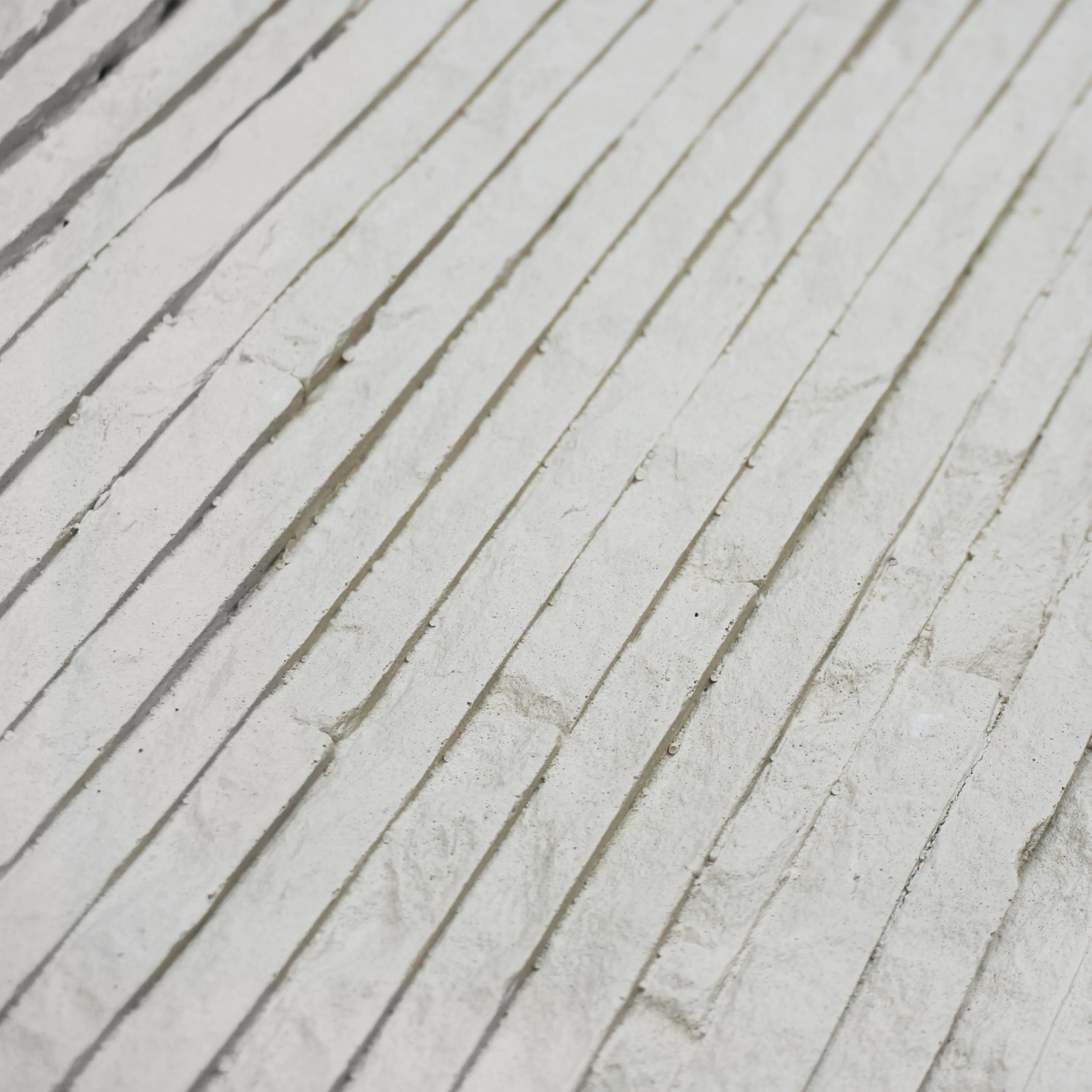
Traditional vs. 3D Printed Muretto Stone (Beige): A Side-by-Side Comparison
Curious how the two methods stack up? Let's take a closer look:
| Aspect | Traditional Production | 3D Printed Production |
|---|---|---|
| Production Time | 4–6 weeks for standard panels; 8+ weeks for custom designs | 5–7 days for standard panels; 10–14 days for complex designs |
| Material Waste | 25–30% waste from cutting and shaping | Less than 5% waste (precision layer deposition) |
| Design Flexibility | Limited to simple shapes; custom designs require manual carving | Unlimited—complex geometries, textures, and patterns possible |
| Cost | High labor costs; premium for customization | Lower labor costs; competitive pricing even for custom designs |
| Sustainability | High carbon footprint; significant quarrying impact | 60% less raw stone usage; reduced transportation emissions |
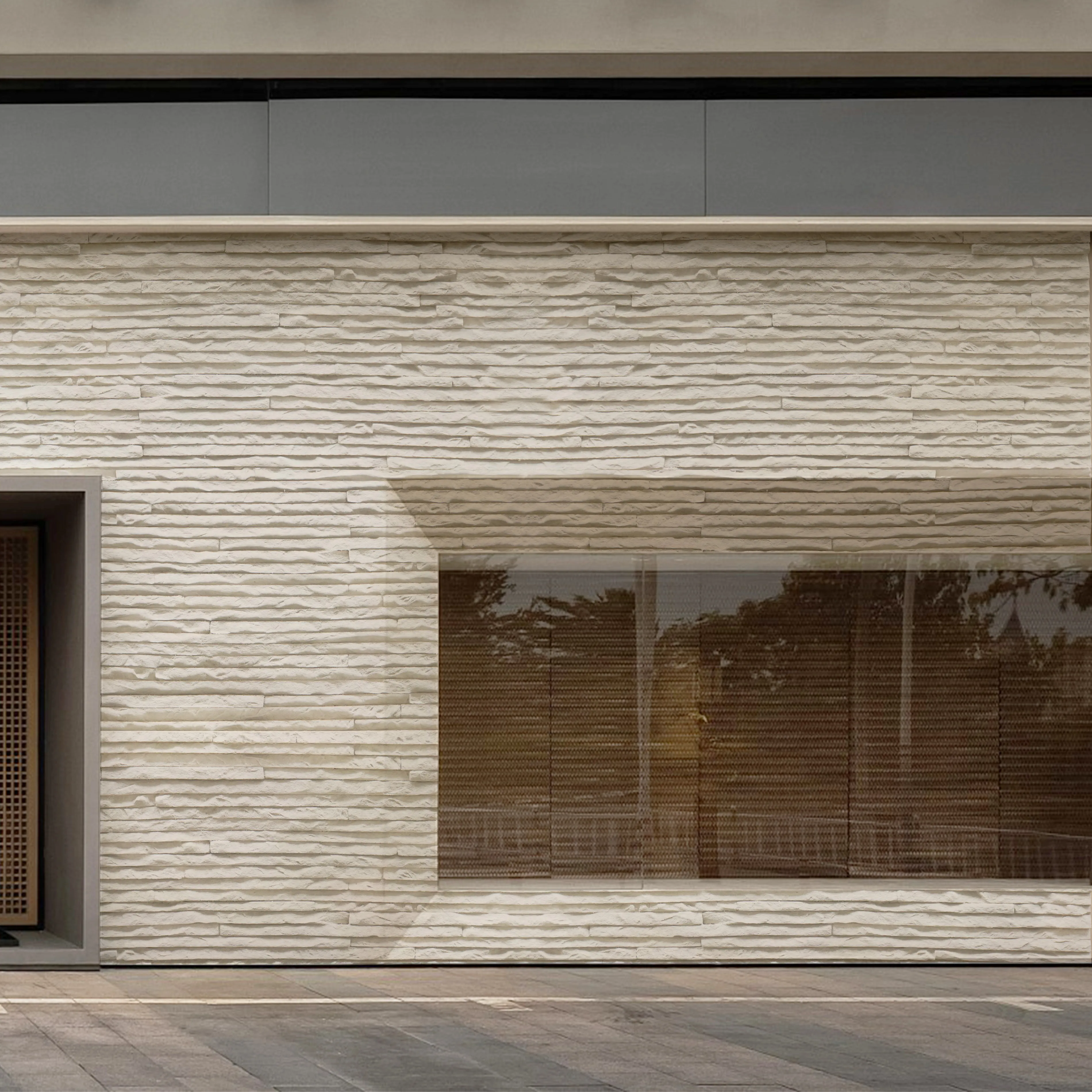
Looking Ahead: The Future of 3D Printed Muretto Stone (Beige)
So, what's next for this dynamic duo? The possibilities are as exciting as they are endless. One emerging trend is the integration of 3D printed Muretto Stone (Beige) with other innovative materials, like fair-faced concrete or foamed aluminium alloy boards. "Imagine a facade that combines the warmth of Muretto Stone with the industrial edge of fair-faced concrete, all 3D printed to fit seamlessly," says Patel. "It's a designer's dream." Another area of growth is modular construction, where prefabricated 3D printed panels are assembled on-site like building blocks, reducing construction time by up to 50%. This is particularly promising for affordable housing projects, where speed and cost-efficiency are critical.
On a larger scale, 3D printing could soon enable on-site production of Muretto Stone panels. Picture a construction site with a mobile 3D printer, churning out custom panels tailored to the building's exact dimensions—no need for shipping, no delays from supply chain issues. "We're already testing mobile printers in Europe," Conti reveals. "The goal is to have them operational within the next two years. It would revolutionize how we approach large-scale projects." For B2B suppliers, this means offering clients not just materials, but end-to-end solutions: design support, on-demand production, and rapid delivery.
And let's not forget the artistic potential. 3D printing allows for collaborations between architects and artists, turning walls into canvases. Imagine a museum facade featuring 3D printed Muretto Stone (Beige) panels that replicate ancient petroglyphs, or a public square with benches and planters shaped like natural boulders—all made from sustainable, locally printed materials. "We're moving beyond 'building' and into 'creating experiences,'" Rossi says. "3D printed Muretto Stone (Beige) is the tool that makes that possible."
Challenges and Opportunities: The Road Ahead
Of course, no innovation comes without hurdles. 3D printing technology for stone is still relatively new, and initial setup costs can be high for manufacturers. There's also a learning curve for designers and architects, many of whom are accustomed to working with traditional stone limitations. "Some clients are skeptical at first—they think 3D printed stone will feel 'fake,'" admits Conti. "But once they touch a sample, see the texture, and learn about the durability, they're convinced. Education is key."
Another challenge is scaling production for ultra-large projects, like skyscraper facades. Current 3D printers have size limitations, though advances in technology are quickly addressing this. "We're developing printers that can produce panels up to 10 feet tall," Conti notes. "By 2026, we expect to print full-scale wall sections in one piece."
But the opportunities far outweigh the challenges. As more manufacturers adopt 3D printing, costs will come down, making the technology accessible to smaller firms and projects. Governments are also taking notice—several countries have introduced incentives for green building materials, giving 3D printed Muretto Stone (Beige) a competitive edge. "I recently bid on a government office project that required 30% of materials to be locally sourced and sustainable," Patel says. "3D printed Muretto Stone was the obvious choice. We won the contract, and the feedback has been overwhelmingly positive."
Conclusion: Blending Tradition and Innovation
At the end of the day, 3D printing isn't replacing the craftsmanship of traditional stonework—it's elevating it. Muretto Stone (Beige) has always been about connection: to nature, to history, to the spaces we inhabit. 3D printing enhances that connection by making the material more accessible, more customizable, and more sustainable. It's a reminder that the future of construction isn't about choosing between old and new, but about merging the best of both worlds.
So, the next time you walk past a building with a striking beige facade, take a closer look. It might just be Muretto Stone (Beige)—but not as you know it. It could be a 3D printed masterpiece, telling a story of innovation, creativity, and a commitment to building a better, more beautiful world. And that, in itself, is something worth celebrating.










