
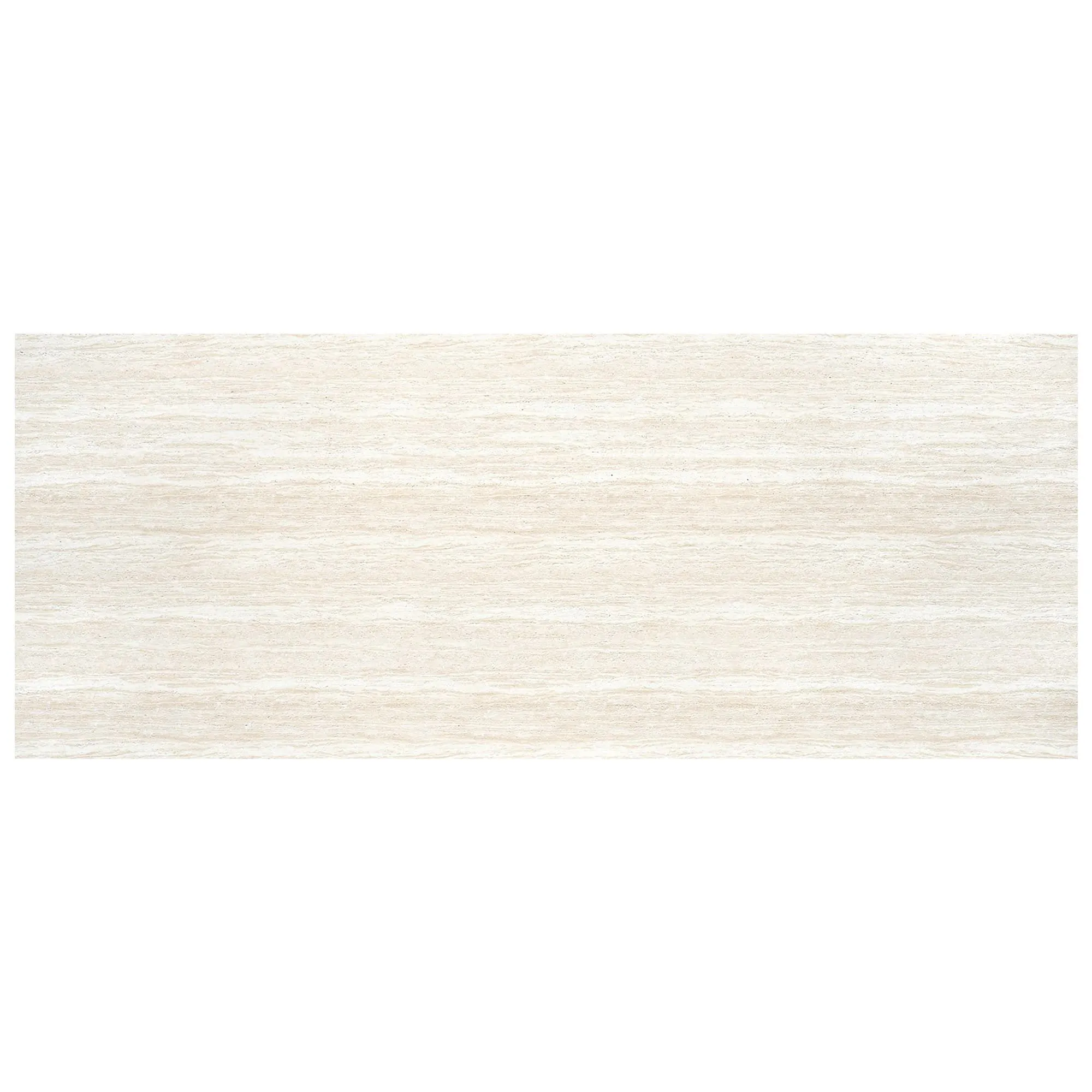
Architecture is the silent storyteller of our lives. It's the ceiling that shelters our morning coffee, the wall that frames our first steps, the texture under our fingertips as we rush out the door. For too long, though, the materials that shape these stories have been bound by the limits of nature or the rigidity of industry. But what if we could craft materials that don't just build spaces—they feel like home? Enter MCM's 3D Printing Series, a revolution in architectural design that marries cutting-edge technology with the timeless warmth of natural elements. At the heart of this innovation lies the Wood Line—a collection that reimagines wood's enduring charm through the precision of 3D printing, and the versatility of MCM flexible stone. This isn't just about building better; it's about building closer —to the textures we love, the memories we cherish, and the future we want to create.
The MCM 3D Printing Series isn't just a line of products; it's a philosophy. Born from a desire to break free from the "one-size-fits-all" mold of traditional construction materials, it uses advanced 3D printing technology to turn design dreams into tangible surfaces. Unlike conventional manufacturing, which often restricts creativity to uniform sheets or repetitive patterns, 3D printing lets MCM's artisans sculpt texture, depth, and nuance into every panel. It's like giving architects a digital chisel—one that carves not just shapes, but emotion . Whether it's the rough-hewn look of a mountain cabin or the sleek grain of a modernist masterpiece, the 3D Printing Series bends to the vision, not the other way around.
Within this series, the Wood Line stands out as a love letter to one of humanity's oldest design companions: wood. For centuries, wood has been more than a material; it's a symbol of warmth, resilience, and connection to the natural world. But as beautiful as it is, natural wood comes with trade-offs—susceptibility to rot, warping in humidity, the slow pace of growth that makes large-scale sustainability a challenge. The Wood Line asks: What if we could capture wood's soul without its limitations? What if we could bottle that feeling—the way sunlight filters through a wooden lattice, the soft creak of a staircase, the way a wooden wall seems to glow at dusk—and infuse it into a material built for the demands of modern life?
The answer lies in the marriage of MCM flexible stone and 3D printing. MCM flexible stone is a marvel of engineering—a lightweight, durable composite that bends without breaking and mimics the texture of natural materials with uncanny accuracy. When paired with 3D printing, it becomes a canvas for detail: every knot, every grain, every subtle variation that makes real wood so uniquely alive is recreated with meticulous care. Run your hand over a Wood Line panel, and you'll swear you're touching a slice of aged timber—yet this "wood" won't splinter, fade, or require constant refinishing. It's wood, but better.
| Feature | MCM Wood Line (3D Printed) | Traditional Wood |
|---|---|---|
| Texture Authenticity | 3D-printed details replicate knots, grains, and even "imperfections" of real wood with 98% accuracy. | Authentic, but patterns vary widely; matching specific grains across large projects is difficult. |
| Durability | Resistant to moisture, termites, fire, and UV rays; lasts 30+ years with minimal wear. | Prone to rot, warping, and insect damage; requires sealing/refinishing every 2–5 years. |
| Maintenance | Wipe clean with water; no sanding, staining, or sealing needed. | Regular sanding, staining, and sealing; vulnerable to scratches and water rings. |
| Sustainability | Made with recycled materials; no deforestation; low-energy production process. | Requires logging (even sustainably sourced wood takes decades to regrow). |
| Customization | Designs can be tailored to specific grains, colors, or even "themed" patterns (e.g., "Coastal Driftwood"). | Limited by natural wood availability; custom cuts often lead to waste. |
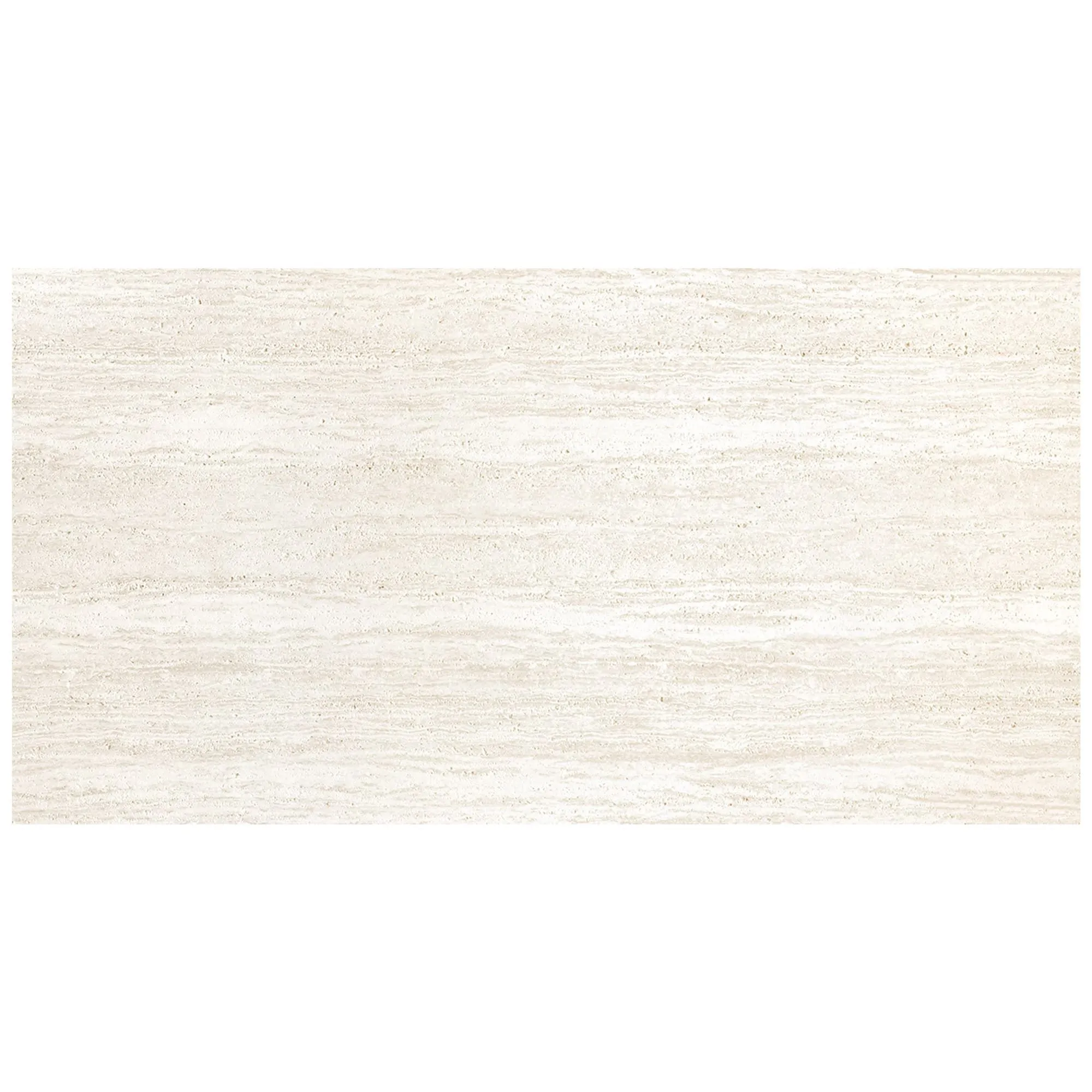
From cozy home interiors to bustling commercial spaces, the Wood Line is rewriting the rulebook of where "wood" can go. Imagine a café where the walls, printed with the Wood Line's "Rustic Oak" pattern, wrap around patrons like a hug—no fear of water damage from spills or warping from humidity. Or a heritage building restoration, where 3D-printed Wood Line panels match the original wooden beams so perfectly, even historians do a double-take—yet they're fire-resistant and termite-proof, ensuring the structure stands for another century.
In residential projects, it's the bedroom accent wall that brings the calm of a forest into the city, or the kitchen backsplash that adds warmth without the worry of stains. The MCM Project Board Series often pairs with the Wood Line here, offering architects and designers pre-engineered solutions that speed up installation without sacrificing that custom, handcrafted feel. For example, the "Wood Grain Board" variant, with its streamlined, uniform grain, is a favorite for modern kitchens, while the "Ancient Wood" pattern, with deeper knots and weathered edges, adds character to rustic living rooms.
Beyond beauty and durability, the Wood Line carries a quieter promise: sustainability. Traditional wood harvesting, while sometimes responsibly managed, still takes a toll on forests and ecosystems. The Wood Line, by contrast, uses recycled materials in its flexible stone composition and requires minimal energy to produce—no logging, no transportation of heavy timber, no waste from imperfect cuts. It's a material that lets us love the look of wood without loving the planet a little less. For designers committed to green building, this isn't just a choice—it's a statement: that progress and preservation can walk hand in hand.
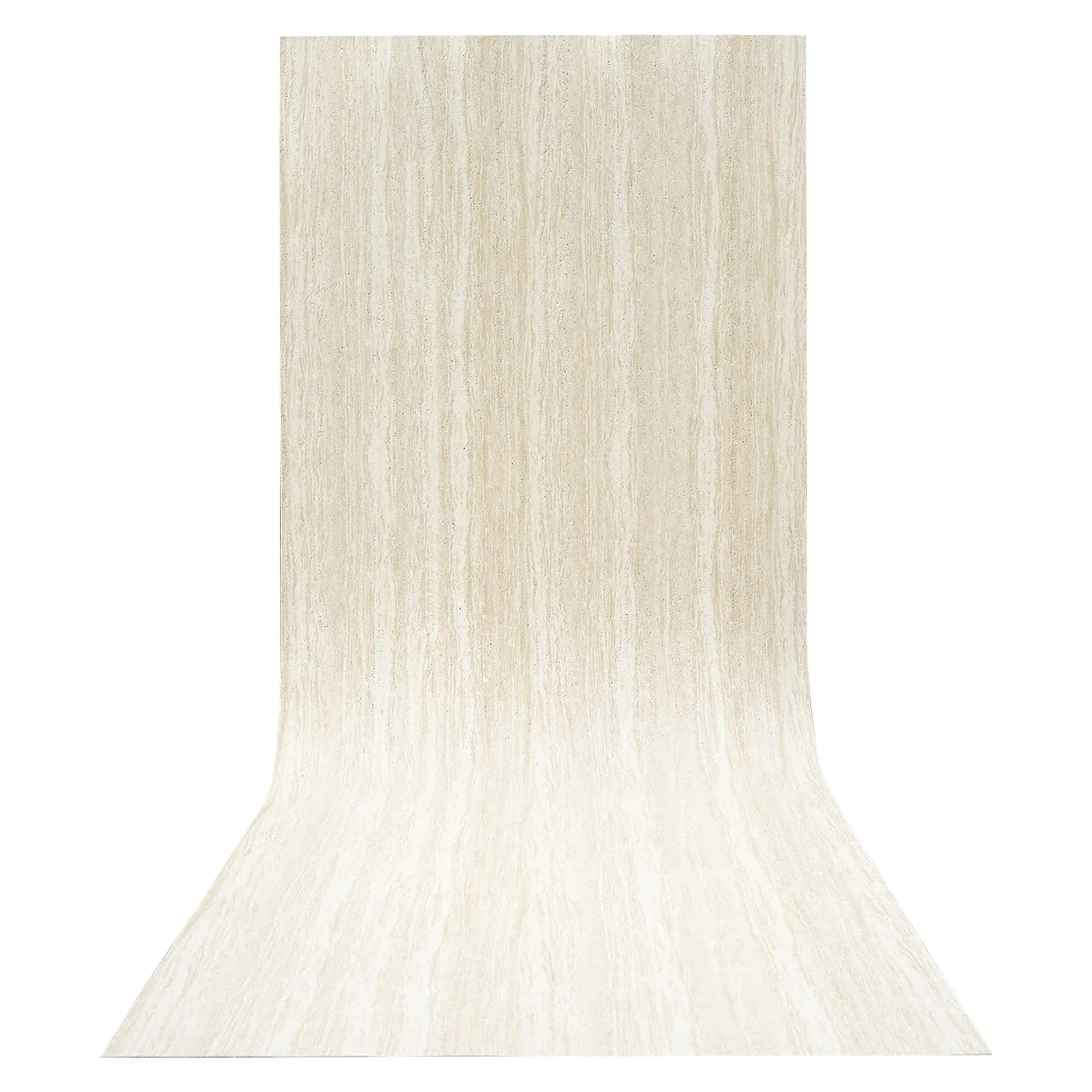
In the end, the MCM 3D Printing Series' Wood Line isn't just about materials or technology. It's about creating spaces that feel human . Spaces that remember the past—the way wood has sheltered and comforted us for generations—while leaping into the future, where innovation makes those comforts more accessible, more durable, and more kind to the world we share. It's architecture that doesn't just stand there; it connects. Whether you're designing a family home, a community center, or a landmark building, the Wood Line invites you to build something that doesn't just look good—it feels good. Because at the end of the day, the best buildings aren't just structures. They're stories. And with the Wood Line, those stories are just getting started.
Recommend Products












