
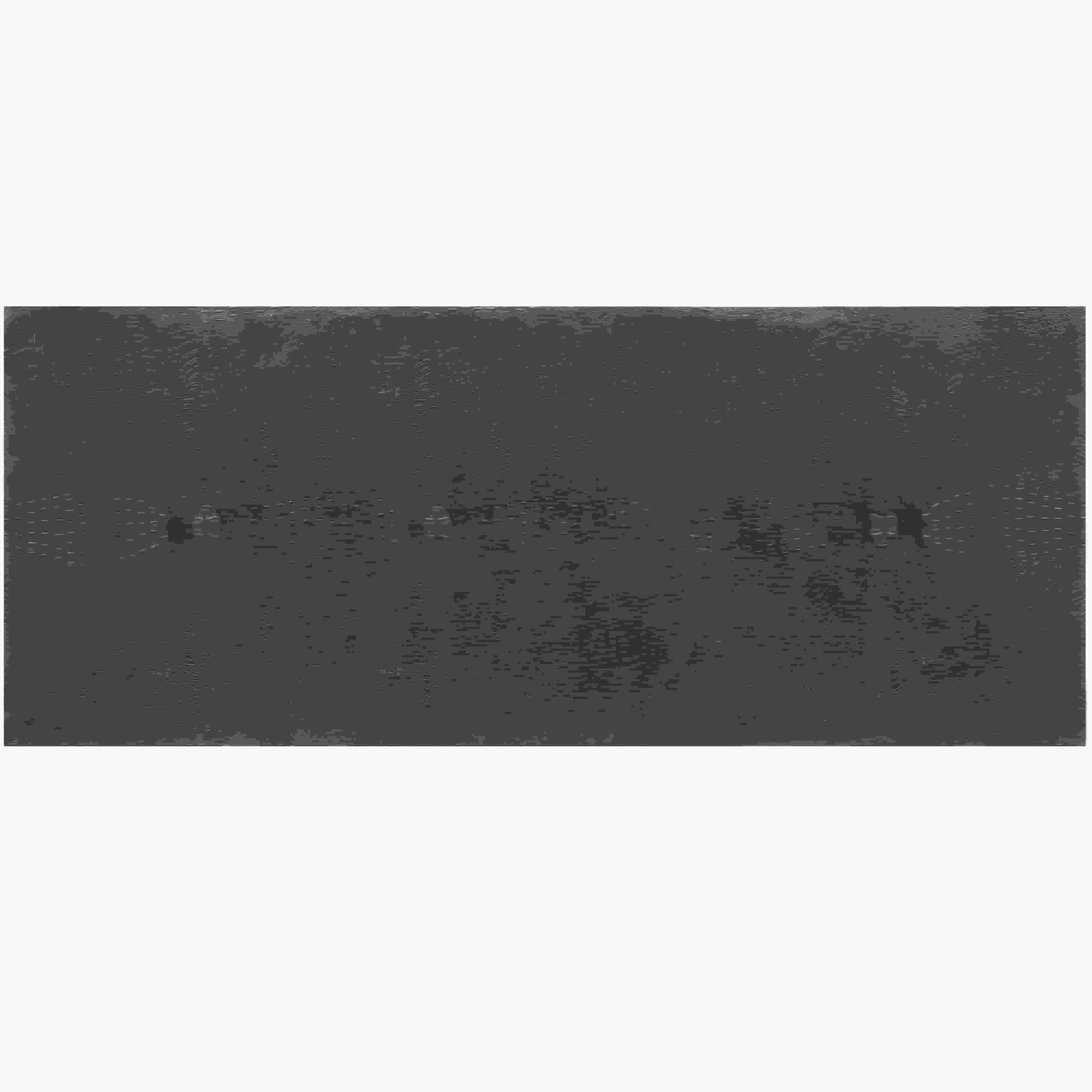
Walk into any modern city today, and you'll notice something different about the buildings rising on the skyline. They're not just boxes with windows anymore. They curve, they texture, they tell stories—like the facade that mimics rolling hills or the lobby wall that shimmers like a starry night. This shift isn't just about aesthetics; it's about a fundamental change in how we think about architecture: buildings as living, breathing expressions of human creativity. And at the heart of this transformation? Materials that can keep up with our imaginations. Enter MCM's 3D Printing Series—a lineup that's not just redefining what's possible, but making the impossible feel like child's play.
Let's be honest: traditional construction has always been a bit of a rule-follower. You want a curved wall? Prepare for weeks of custom scaffolding and costly molds. Dream of a facade with intricate, repeating patterns? Hope your budget can handle the labor of hand-laying each piece. And sustainability? Often an afterthought, with excess materials ending up in landfills and carbon footprints that make eco-conscious architects wince. Then 3D printing arrived, promising to turn those "what ifs" into "we can." But here's the catch: 3D printers are only as good as the materials they extrude. Brittle plastics? Not for load-bearing walls. Heavy concrete mixes? They slow down the process and limit design flexibility. What the industry needed was a material that could marry the precision of 3D printing with the durability, beauty, and adaptability that architecture demands. That's where MCM stepped in.
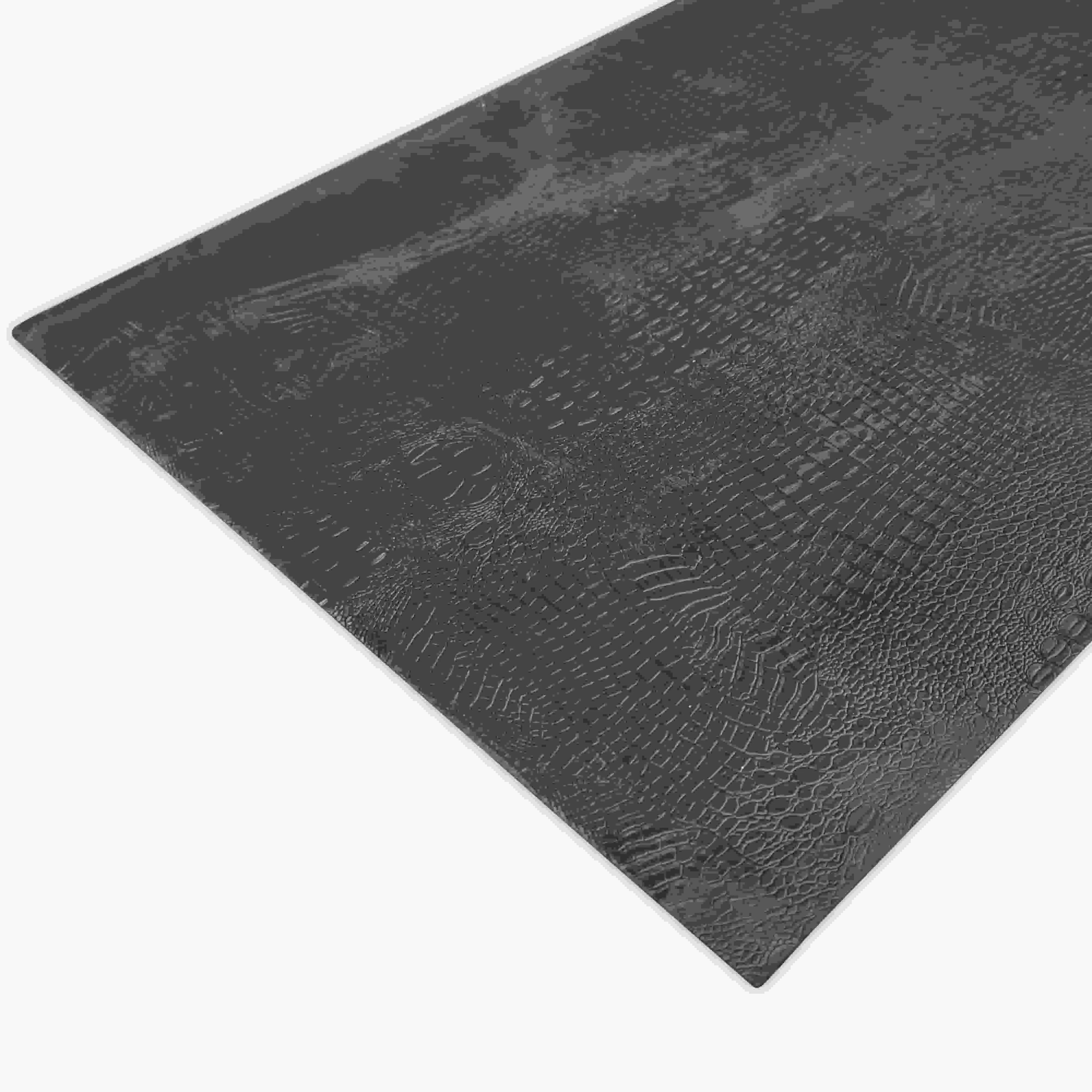
If you're not familiar with MCM, let's fix that. Short for Modified Composite Material, MCM is the result of years of tinkering, testing, and a refusal to accept "good enough." Think of it as the Swiss Army knife of building materials: lightweight enough to reduce structural load, tough enough to withstand harsh weather, and flexible enough to bend without breaking. But what really sets MCM apart is its chameleon-like ability to mimic natural textures—stone, wood, metal—while outperforming the real thing in longevity and sustainability. And when MCM turned its focus to 3D printing? The result was the MCM 3D Printing Series, a collection that's as much about empowering designers as it is about creating beautiful buildings.
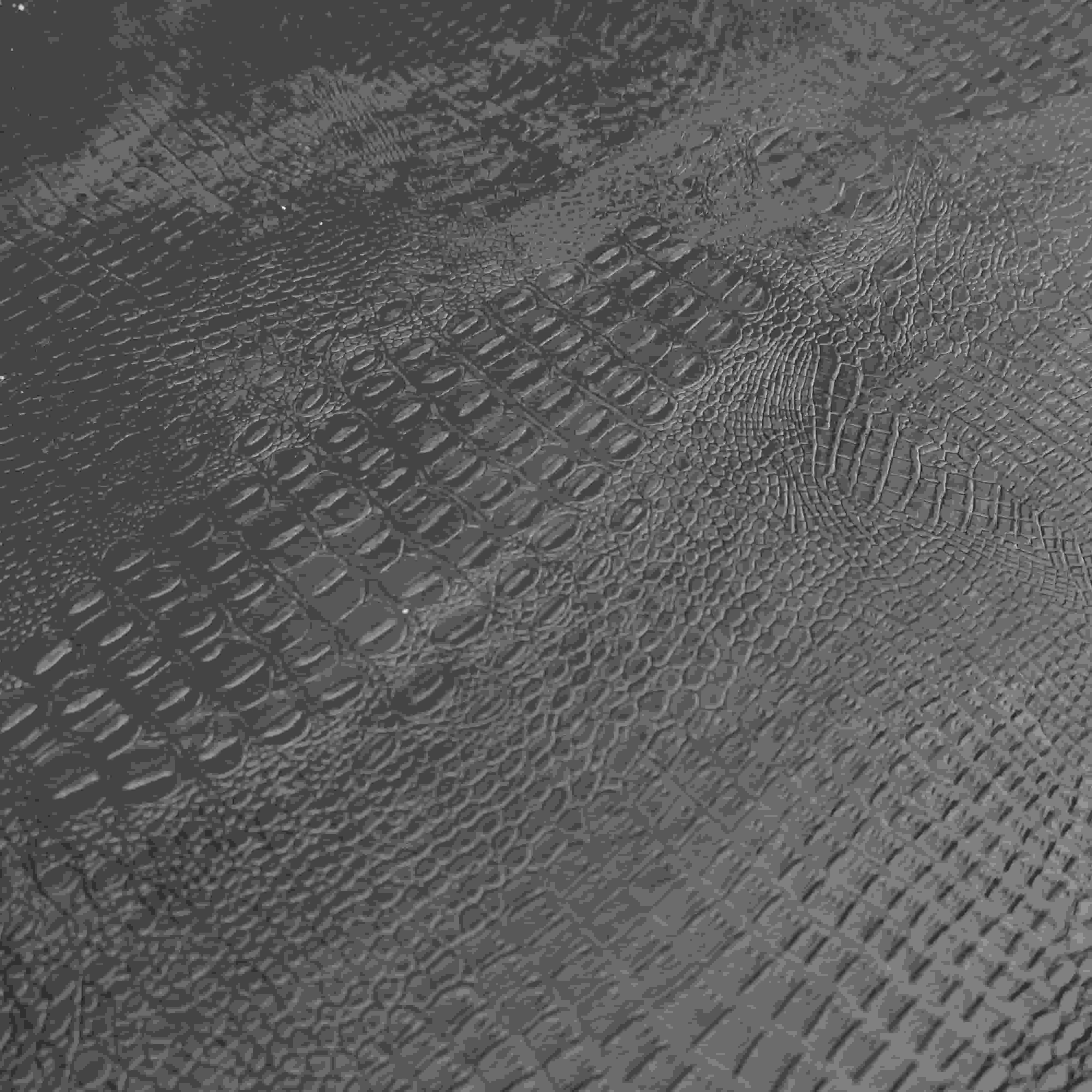
The MCM 3D Printing Series isn't just a product line—it's a declaration: "Your design shouldn't have to shrink to fit the machine." Let's break it down. Traditional 3D construction printers often rely on thick, paste-like materials that harden quickly, limiting the complexity of shapes. MCM's formula, though? It's a game-changer. The material flows smoothly through the printer's nozzle, layer by layer, allowing for geometries that would make a traditional mason blink. We're talking sweeping arcs that wrap around a building's corner, honeycomb patterns that reduce weight without sacrificing strength, and even organic, nature-inspired textures that look hand-carved (but are printed in hours, not days). Take, for example, a recent project in Barcelona, where an architect wanted the facade of a boutique hotel to resemble the ripples of the Mediterranean Sea. With MCM's 3D Printing Series, the printer extruded wave-like patterns directly onto the substrate, each layer slightly offset to create depth. The result? A building that seems to move with the wind—no molds, no manual carving, just code, a printer, and MCM's material magic.
But here's what really excites designers: customization. Need 500 identical panels for a corporate headquarters? The 3D printer can replicate them with pinpoint accuracy. Want each panel to have a unique, random pattern (like the bark of a forest of trees)? The software can algorithmically generate variations, ensuring no two pieces are exactly alike. It's mass production with a human touch—a balance that's long eluded the industry.
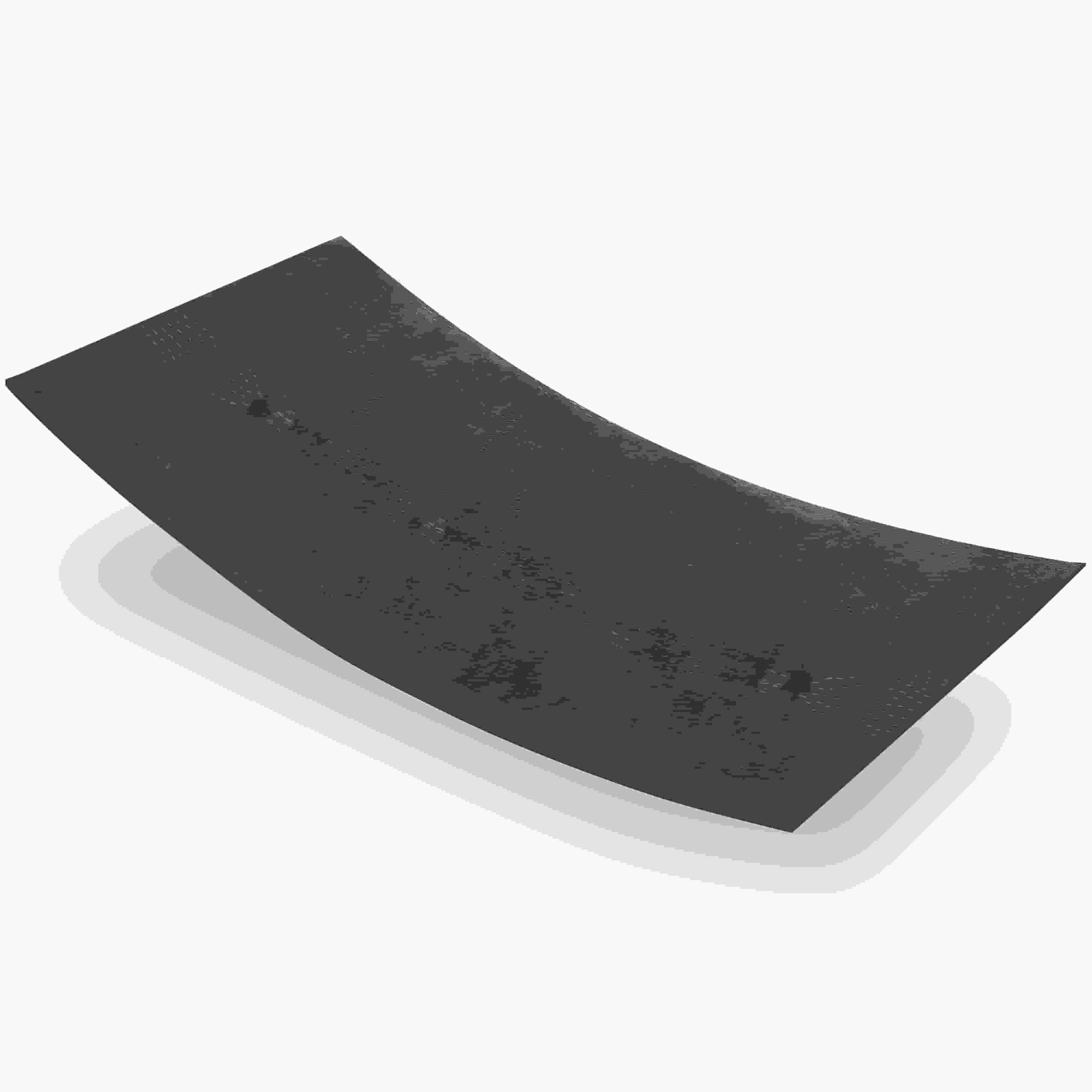
The 3D Printing Series is just the starting point. What makes MCM truly special is how it pairs that printing technology with a roster of standout materials, each designed to solve a specific design challenge. Let's meet a few of the MVPs.
Imagine trying to wrap a traditional stone slab around a curved wall. Spoiler: It'll crack. But MCM's flexible stone? It bends like a sheet of thick paper, conforming to curves, angles, and even double-curved surfaces without losing its structural integrity. How? The secret's in the composite blend—fibers reinforce the material, giving it tensile strength, while mineral aggregates mimic the look and feel of natural stone (think travertine, slate, or marble). A recent project in Tokyo used flexible stone printed in a 3D wave pattern for a restaurant exterior. The result? A facade that looks like it's made of stacked river stones, but weighs a fraction of the real thing, cutting down on foundation costs. And when a typhoon hit last year? The walls stood firm, no chips, no cracks. That's the MCM promise: beauty that doesn't need coddling.
There's something about the warmth of gold that adds instant gravitas to a space. But real gold leaf is fragile and absurdly expensive; brass ages poorly; painted metals chip. Enter MCM's boulder slab in vintage gold—a material that looks like it was quarried from a mountain of sunlit stone, but clocks in at a third of the weight of natural boulder. The 3D Printing Series takes this a step further: imagine a lobby wall printed with interlocking boulder slab tiles, each with a unique texture that mimics the wear of centuries, but arranged in a geometric pattern that feels modern. That's exactly what a luxury hotel in Dubai did earlier this year. Guests walk in, and their first thought is, "Is that real stone?" Then they run a hand over it (because, let's be honest, we all do) and realize it's smooth, cool, and surprisingly lightweight. It's the best of both worlds: the timelessness of natural stone with the precision of 3D printing.
Travertine has always been a favorite in architecture—those soft, porous surfaces that add warmth and texture. But MCM's travertine line isn't content with "soft." Take the starry blue variant: tiny, iridescent particles are mixed into the composite, catching light and shimmering like distant stars. Now, pair that with 3D printing. A cultural center in Lisbon wanted its auditorium walls to evoke the feeling of sitting under a night sky. Using MCM's 3D printer, they printed panels with travertine (starry blue) in a gradient pattern—darker at the top, fading to a lighter blue at the bottom—with indentations that mimic constellations. The effect? When the stage lights dim, the walls glow softly, turning a simple performance space into an immersive experience. It's not just a wall anymore; it's a story.
Metal facades make a statement—bold, modern, unapologetic. But traditional aluminum panels are heavy, and their finishes can fade or scratch over time. MCM's foamed aluminium alloy board in vintage gold? It's a rethink. The "foamed" part makes it ultra-lightweight (we're talking 70% lighter than solid aluminum), which means easier installation and less stress on the building's frame. The "vintage gold" finish? A proprietary coating that resists UV rays and corrosion, so that rich, warm hue stays vibrant for decades. And when printed via the 3D Printing Series? Designers can create perforated patterns that play with light and shadow. A tech startup in Berlin used this material for their office exterior, printing panels with a grid of small, circular cutouts. By day, the sun filters through, casting dappled light on the sidewalk below; by night, the interior lights turn the facade into a glowing lantern. It's industrial chic with a playful side—and it all started with a 3D printer and a roll of MCM's foamed aluminium.
Still on the fence? Let's put numbers to the hype. Below is a comparison of traditional construction materials and MCM's 3D printing lineup, based on real-world project data. Spoiler: The difference is eye-opening.
| Metric | Traditional Concrete (3D Printed) | Natural Stone Cladding | MCM 3D Printing Series (Flexible Stone) | MCM 3D Printing Series (Foamed Aluminium) |
|---|---|---|---|---|
| Weight (kg/m²) | 220–280 | 180–250 | 45–60 | 30–40 |
| Installation Time (per 100m²) | 40–50 hours | 60–80 hours (hand-laid) | 10–15 hours (printed & installed) | 8–12 hours (printed & installed) |
| Design Flexibility (1–5 scale) | 3 (limited curves, thick layers) | 2 (shapes limited by stone size) | 5 (intricate patterns, double curves) | 5 (perforations, textures, custom geometries) |
| Durability (expected lifespan) | 30–40 years | 50–60 years (with maintenance) | 60–70 years (no sealing required) | 70–80 years (corrosion-resistant) |
| Sustainability (carbon footprint per m²) | High (cement production emits CO2) | High (quarrying, transportation) | Low (recycled materials, 90% less waste) | Low (recyclable, energy-efficient production) |
Let's ground this in reality with a project that brought it all together: The "Green Wave" Community Center in Portland, Oregon. The goal? A space that was eco-friendly, visually striking, and built on a tight timeline. The architect's vision? A facade that curved gently, with a texture that looked like wind-blown grass, to blend with the nearby park. Traditional methods? Impossible. The budget couldn't handle custom molds, and the timeline (12 months) was too short for handcrafting. Enter MCM's 3D Printing Series.
The team opted for flexible stone in a soft beige, printed in 4x8ft panels with a wavy, grass-like texture. The lightweight material meant the building's foundation could be simpler, cutting costs. The 3D printer churned out panels 24/7, with on-site adjustments to ensure the curves matched the architect's renderings. To add warmth, they accented the entrance with boulder slab (vintage gold) printed in a geometric pattern, creating a focal point that welcomed visitors. The result? The center opened two months early, under budget, and has become a local landmark. "It felt like we were printing a building, not just constructing it," the project manager later said. "And the best part? When people touch the walls, they can't believe it's not real stone."
At the end of the day, architecture is about people—designers, builders, occupants. MCM gets that. It's not just about specs (though the specs are impressive). It's about solving the problems that keep architects up at night: "Can I make this curve work?" "Will this material last in our climate?" "Can we stay sustainable without sacrificing beauty?" MCM's 3D Printing Series answers "yes" to all three. It lets designers stop compromising and start creating. It lets builders work faster, safer, and with less waste. And it lets occupants live and work in spaces that feel less like "buildings" and more like extensions of themselves—spaces that inspire, comfort, and tell their own unique stories.
So, what's next for MCM and 3D printing? If the past is any indication, the sky's the limit. Imagine printers on-site, printing entire walls in a day, with materials that self-heal small cracks or change color with temperature. Think of disaster zones, where MCM's lightweight panels could be 3D printed into temporary shelters that are both durable and beautiful. Or heritage sites, where MCM could replicate intricate stone carvings lost to time, using 3D scans and printed panels that blend seamlessly with the original structure. And let's not forget sustainability: MCM is already working on formulations that incorporate even more recycled materials, with the goal of carbon-neutral production by 2030.
Architecture has always been a dance between form and function. For too long, function dictated the steps. But with MCM's 3D Printing Series, form is taking the lead—and function is happily following. These aren't just materials; they're collaborators. They listen to the designer's vision, adapt to the builder's needs, and stand the test of time for the people who use the space. So the next time you pass a building that makes you pause, that makes you think, "How did they do that?" There's a good chance MCM's 3D Printing Series had something to do with it. And that? That's the future of architecture—one layer, one curve, one starry blue panel at a time.
Recommend Products












