
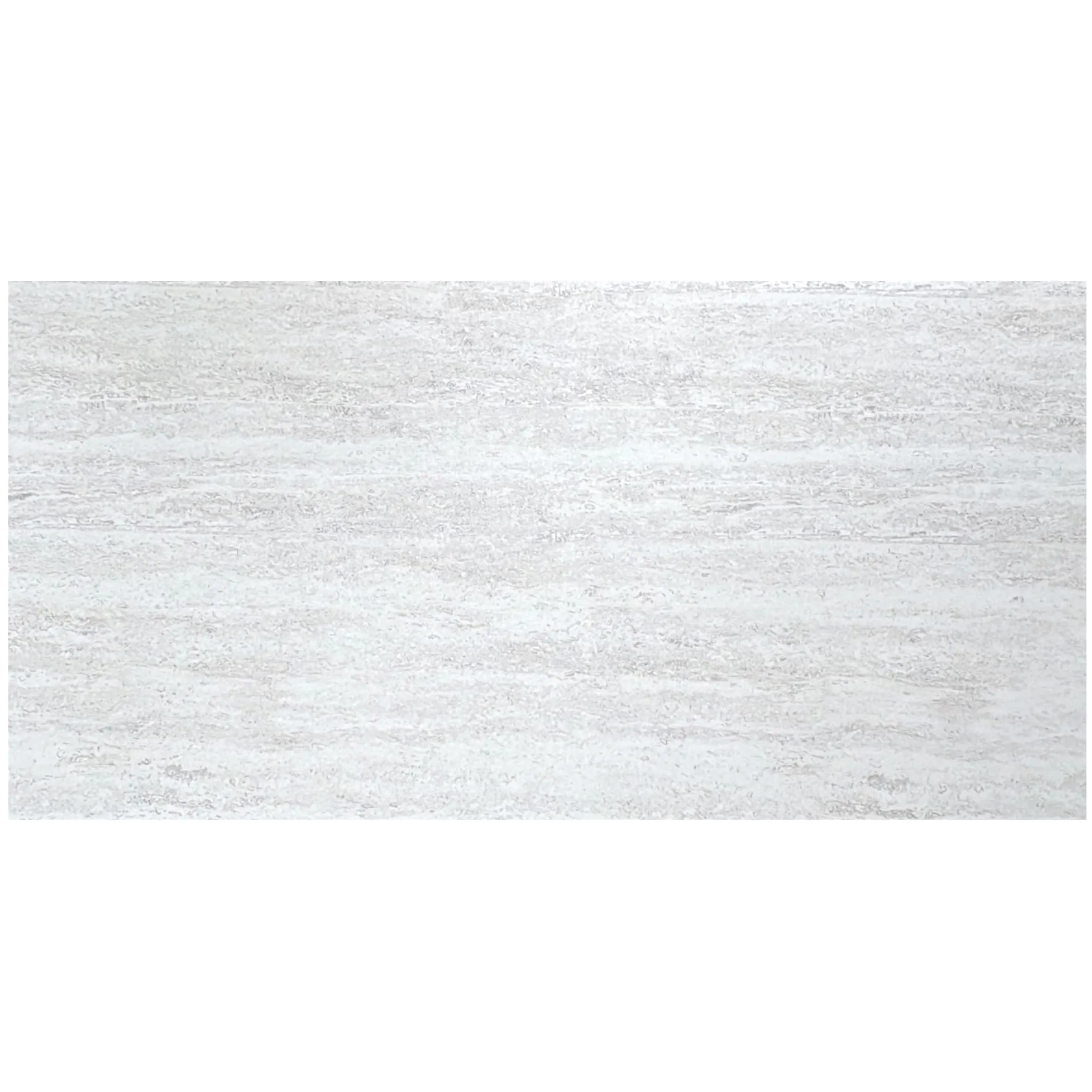
Architecture has always been a dance between human ingenuity and the raw beauty of the natural world. For centuries, we've carved stone, hewn wood, and poured concrete to shape spaces that tell stories—but today, a new chapter is being written. It's a chapter where 3D printers hum alongside quarries, where digital precision meets the organic allure of materials like Ethereal Shadow Travertine , and where flexibility isn't just a buzzword, but a tangible reality thanks to innovations like MCM flexible stone . In this evolving landscape, the 3D printing series isn't just a tool—it's a bridge, connecting the timelessness of natural textures with the limitless possibilities of modern technology.
Think about the last time you walked into a building that made you pause—maybe it was the way light filtered through a unique facade, or the texture of a wall that felt less like construction and more like art. That "wow" moment often comes from materials that feel alive, and for decades, architects have chased that magic by working with stone, wood, and concrete in their most natural forms. But here's the thing: natural materials can be stubborn. Heavy, hard to shape, and limited by what traditional tools can carve. Enter 3D printing.
In recent years, 3D printing has stepped out of the realm of small-scale prototypes and into the big leagues of construction. Imagine a printer not churning out plastic trinkets, but extruding layers of material to build entire walls, columns, or even facades—all with the precision of a digital blueprint. This isn't science fiction. Companies are already using 3D printing to create housing units in days, not months, and to design structures with curves and angles that would have been nearly impossible with traditional methods. But what if we could take this a step further? What if we could infuse these 3D-printed structures with the warmth, texture, and character of natural stone?
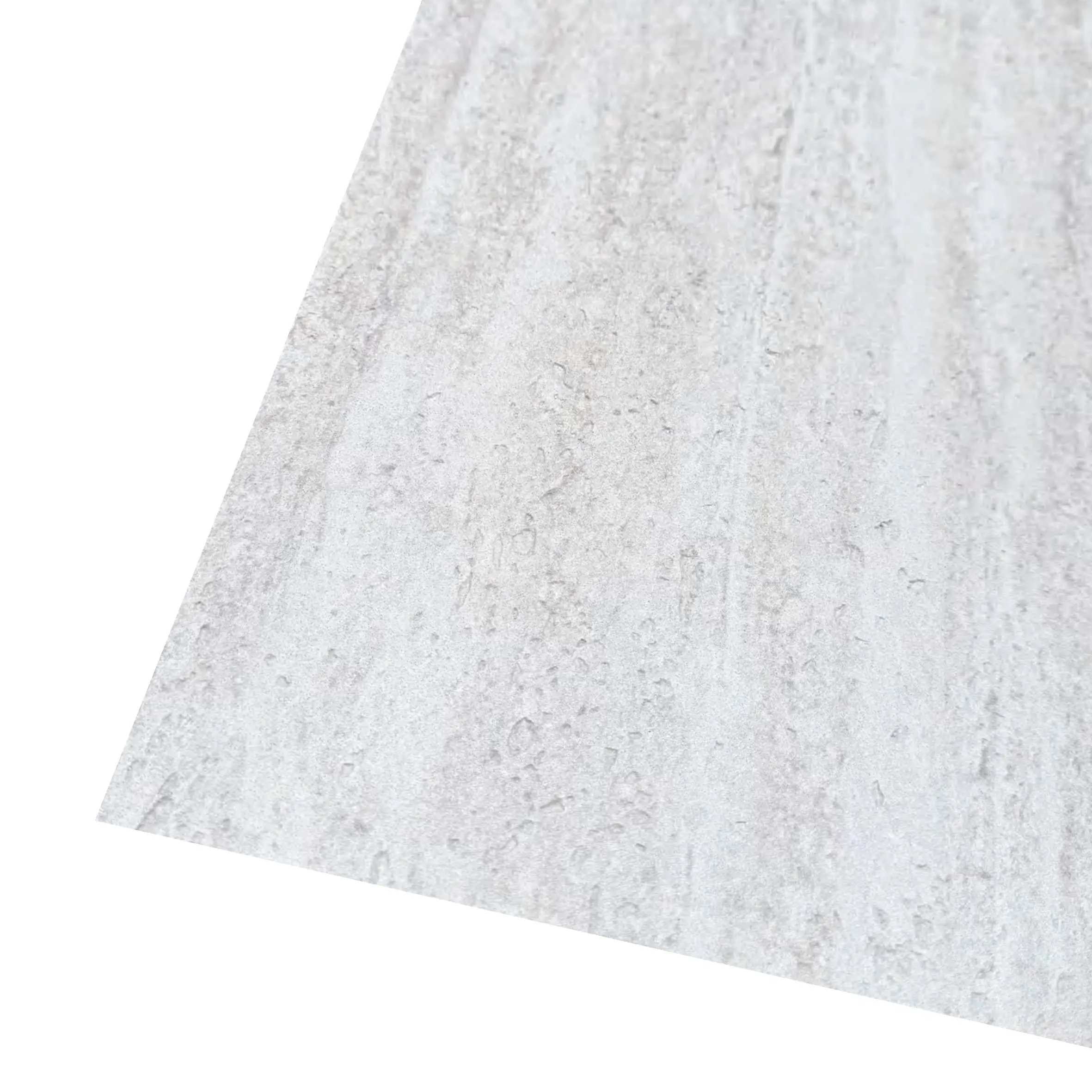
This is where Ethereal Shadow Travertine enters the story. Travertine itself is a classic—think of the ancient Roman forums, where its porous, honey-colored layers have stood for millennia. But Ethereal Shadow Travertine isn't your grandmother's stone. It's a modern reimagining, with a depth that seems to shift as light moves across it. Picture a surface that's both matte and subtly iridescent, with veins that look like shadows dancing beneath the surface. It's stone, but not as you know it—soft enough to feel approachable, yet durable enough to stand up to the elements.
What makes Ethereal Shadow Travertine so special for 3D printing? For starters, its composition. Unlike traditional travertine, which is heavy and brittle, this variant is engineered to be more malleable, thanks to advances in material science. It's mixed with polymers that flexibility without sacrificing strength, making it ideal for the layer-by-layer extrusion process of 3D printing. Architects no longer have to choose between the beauty of stone and the flexibility of modern materials—they can have both.
Let's take a hypothetical example: a boutique hotel in a coastal city, designed to blend with the surrounding landscape. The architect wants the facade to evoke the look of weathered stone cliffs, but with a modern twist. Using 3D printing with Ethereal Shadow Travertine, they can create panels that mimic the organic, uneven texture of natural rock, but with precise control over every curve and indentation. The result? A building that feels like it's grown out of the earth, not just built on it. And when the sun sets, the Ethereal Shadow Travertine catches the light, turning the facade into a canvas of shifting grays and silvers—warm, inviting, and utterly unique.
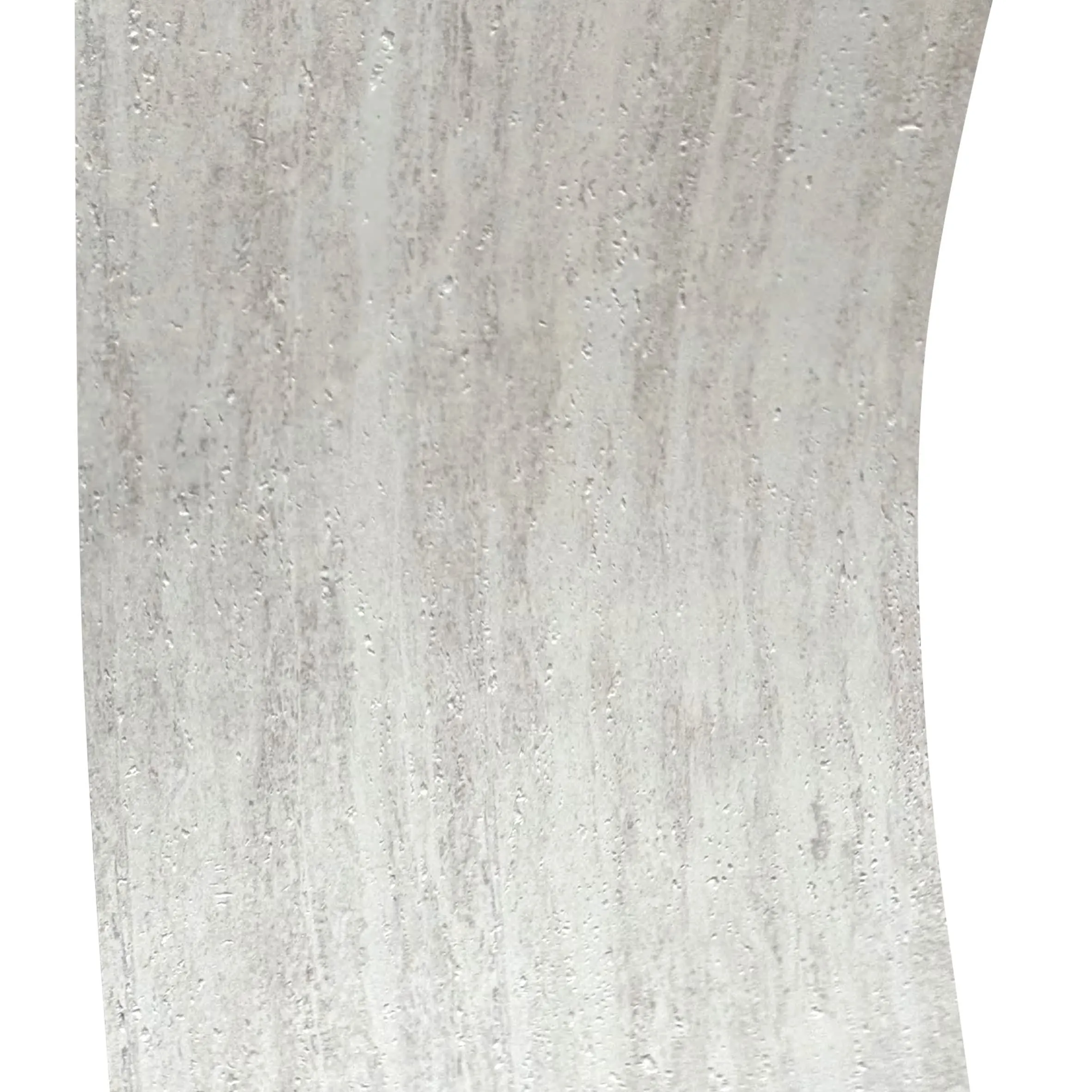
Of course, Ethereal Shadow Travertine doesn't work alone. It's part of a broader family of materials known as MCM flexible stone , which has been quietly revolutionizing the construction industry for years. MCM, or Modified Composite Material, is exactly what it sounds like: a blend of natural stone particles and advanced polymers that's designed to be lightweight, flexible, and incredibly versatile. Think of it as stone with a superpower—it can bend without breaking, weigh a fraction of traditional stone, and be molded into almost any shape.
For 3D printing, MCM flexible stone is a game-changer. Traditional stone panels can weigh upwards of 50 pounds per square foot, making them difficult to transport and install. MCM flexible stone? Try 3 to 5 pounds per square foot. That's a fraction of the weight, which means easier handling, lower shipping costs, and less strain on the building's structure. But it's not just about weight. MCM flexible stone is also resistant to moisture, fire, and UV rays—problems that have plagued natural stone in the past. And because it's flexible, it can be printed in thin layers, allowing for intricate designs that would crack or crumble if made with traditional stone.
| Feature | Traditional Stone | MCM Flexible Stone + 3D Printing |
|---|---|---|
| Weight (per sq ft) | 30–50 lbs | 3–5 lbs |
| Design Flexibility | Limited by stone's brittleness | Intricate curves, textures, and patterns |
| Installation Time | Days (requires heavy machinery) | Hours (lightweight, easy to handle) |
| Durability | Prone to cracking, staining | Moisture, fire, and UV resistant |
Take the example of a restaurant owner who wants to create an interior that feels like a cave—cozy, intimate, with walls that look like they've been carved by time. With traditional stone, this would mean hiring stonemasons to chip away at blocks, a process that's expensive and time-consuming. With MCM flexible stone and 3D printing? The walls can be printed on-site, layer by layer, with the texture of Ethereal Shadow Travertine embedded right in the material. The result is a space that feels ancient and modern at the same time—no chisels required.
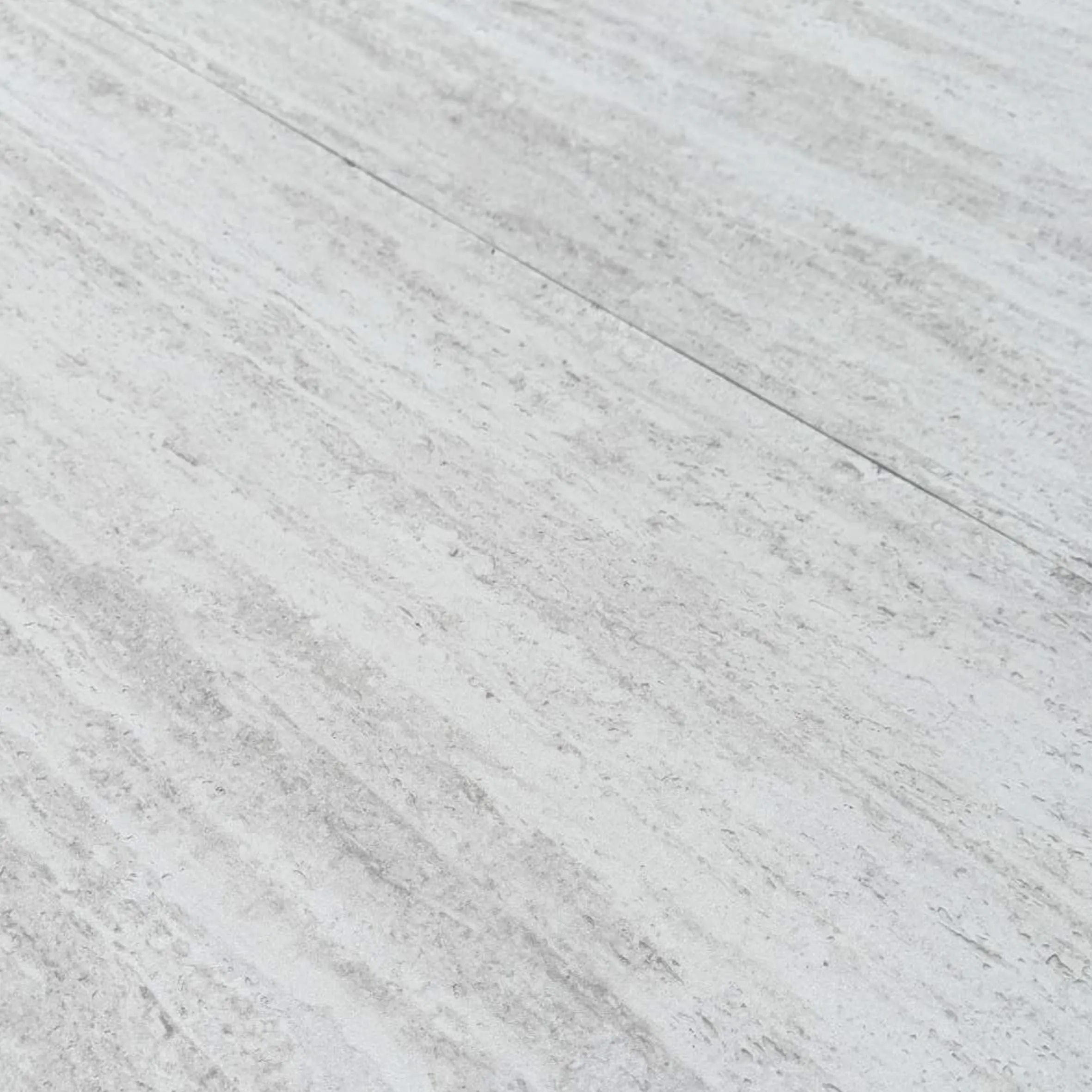
No architectural design is complete without contrast, and that's where materials like Lunar Peak Silvery come into play. Part of the Lunar Peak series, which includes golden and black variants, Lunar Peak Silvery is a sleek, metallic-tinged stone that feels like a nod to the night sky. Its surface has a subtle sheen, like moonlight reflecting off a calm lake, and it pairs beautifully with the earthy tones of Ethereal Shadow Travertine.
Imagine a commercial office building where the lower floors are clad in Ethereal Shadow Travertine, giving a grounded, organic feel, while the upper floors transition to Lunar Peak Silvery. As the sun moves across the sky, the lower levels warm up, while the upper levels shimmer—creating a building that seems to change personality throughout the day. It's a design choice that wouldn't be possible without the flexibility of MCM materials and 3D printing, which allow for seamless transitions between textures and colors.
Lunar Peak Silvery also has practical benefits. Its metallic finish is highly reflective, which can help reduce energy costs by bouncing sunlight away from the building, keeping interiors cooler in the summer. And like other MCM flexible stones, it's lightweight and durable, making it easy to integrate into 3D-printed designs. Whether used as an accent wall in a lobby or as a full facade, Lunar Peak Silvery adds a touch of modernity that balances the warmth of Ethereal Shadow Travertine—proving that stone doesn't have to be "old-fashioned" to be beautiful.
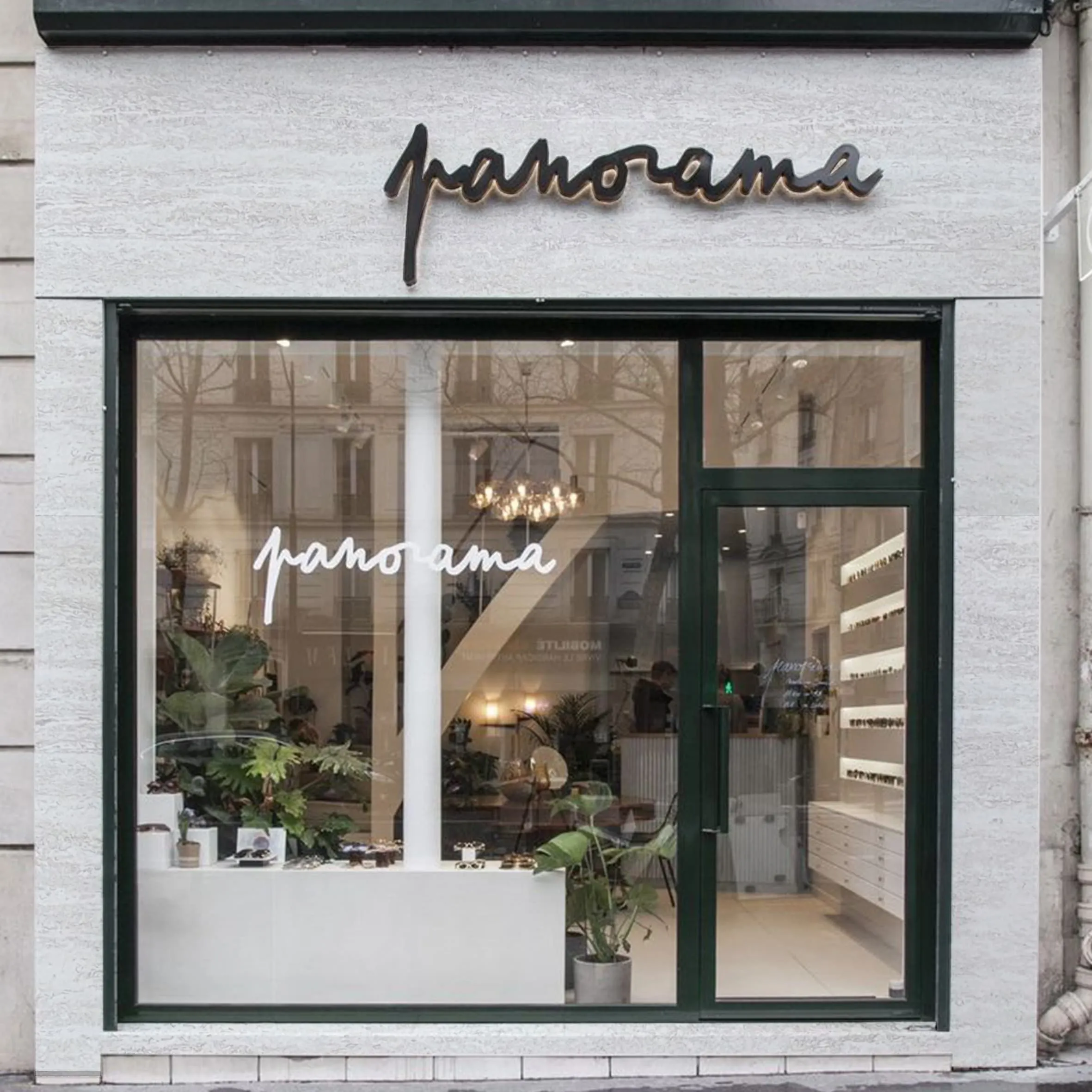
So, where are we seeing these materials in action today? The possibilities are endless, but a few standout examples give a glimpse of the future. In Dubai, a luxury resort recently used 3D-printed MCM flexible stone panels—including Ethereal Shadow Travertine and Lunar Peak Silvery—to create a facade that mimics the desert landscape. The panels were printed with undulating waves, evoking sand dunes, and the combination of travertine's earthy texture and Lunar Peak's silvery sheen makes the building look like it's been sculpted by the wind.
Closer to home, a community center in Portland, Oregon, opted for Ethereal Shadow Travertine 3D-printed walls in its main hall. The design team wanted a space that felt open and connected to nature, so they printed the walls with large, curved openings that frame views of the surrounding forest. The travertine's soft texture absorbs sound, making the hall ideal for concerts and gatherings, while the 3D-printed structure allowed for custom seating nooks built directly into the walls—no additional construction needed.
Even residential projects are getting in on the action. A homeowner in California recently renovated their backyard patio using 3D-printed MCM flexible stone tiles in Ethereal Shadow Travertine. The tiles were printed to look like irregularly shaped river stones, complete with tiny indentations that collect rainwater (and look charming when they sparkle in the sun). Best of all, the lightweight tiles were installed in a weekend by just two people—no need for a crew of masons.
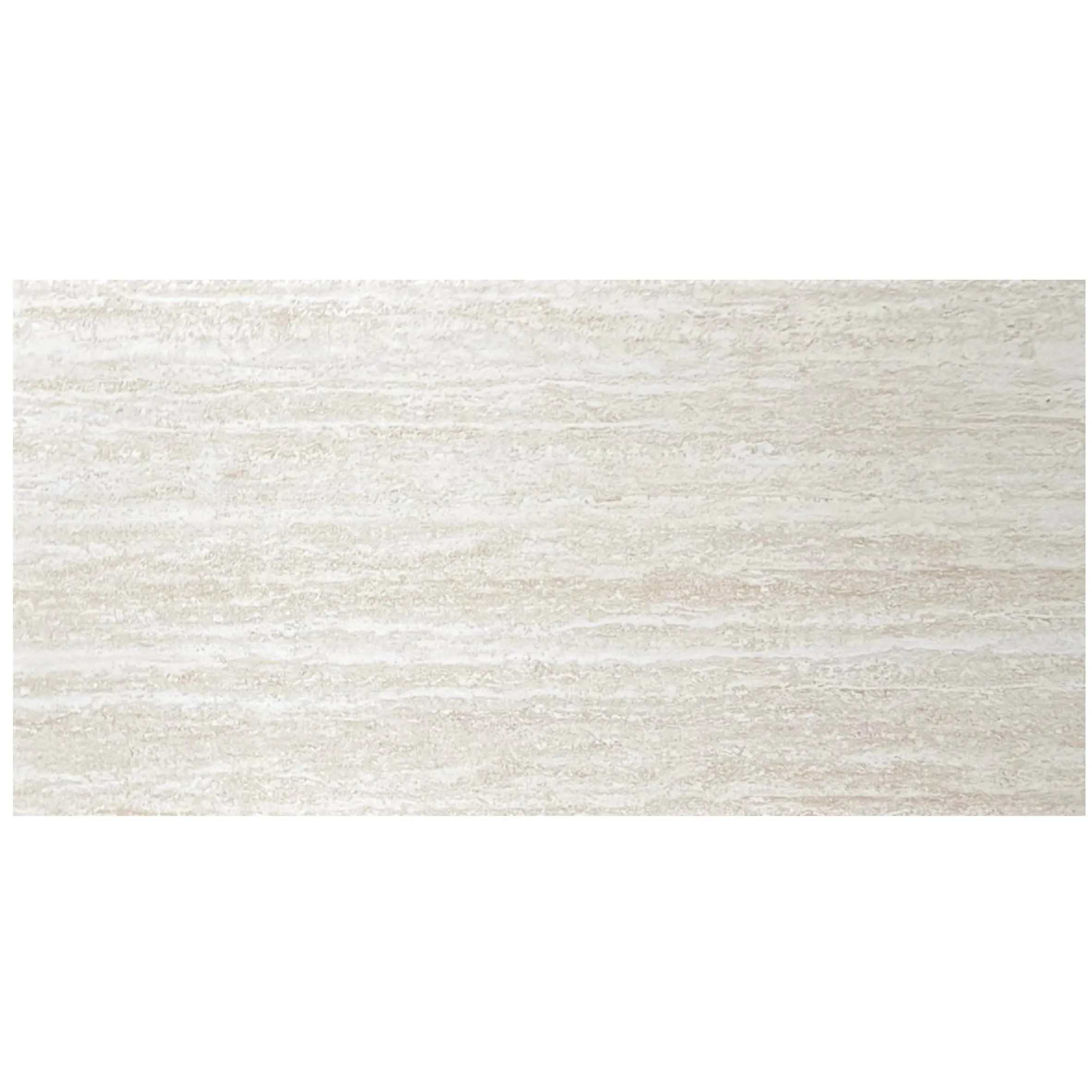
Of course, no innovation comes without challenges. 3D printing with MCM flexible stone is still relatively new, so costs can be higher than traditional methods—though prices are dropping as the technology scales. There's also a learning curve for architects and contractors, who need to familiarize themselves with 3D modeling software and the unique properties of these materials. And while MCM flexible stone is durable, long-term performance data is still limited—we'll need years of real-world use to fully understand how it holds up in extreme climates, from freezing winters to humid summers.
But these challenges are minor compared to the potential. Imagine a future where every building isn't just a structure, but a work of art—one that uses 3D printing and MCM flexible stone to reflect the local culture, landscape, and climate. A school in a mountain town could have walls printed to look like snow-capped peaks, using Lunar Peak Black. A coastal community center could mimic the ocean's waves with Ethereal Shadow Travertine in blues and greens. The only limit is imagination.
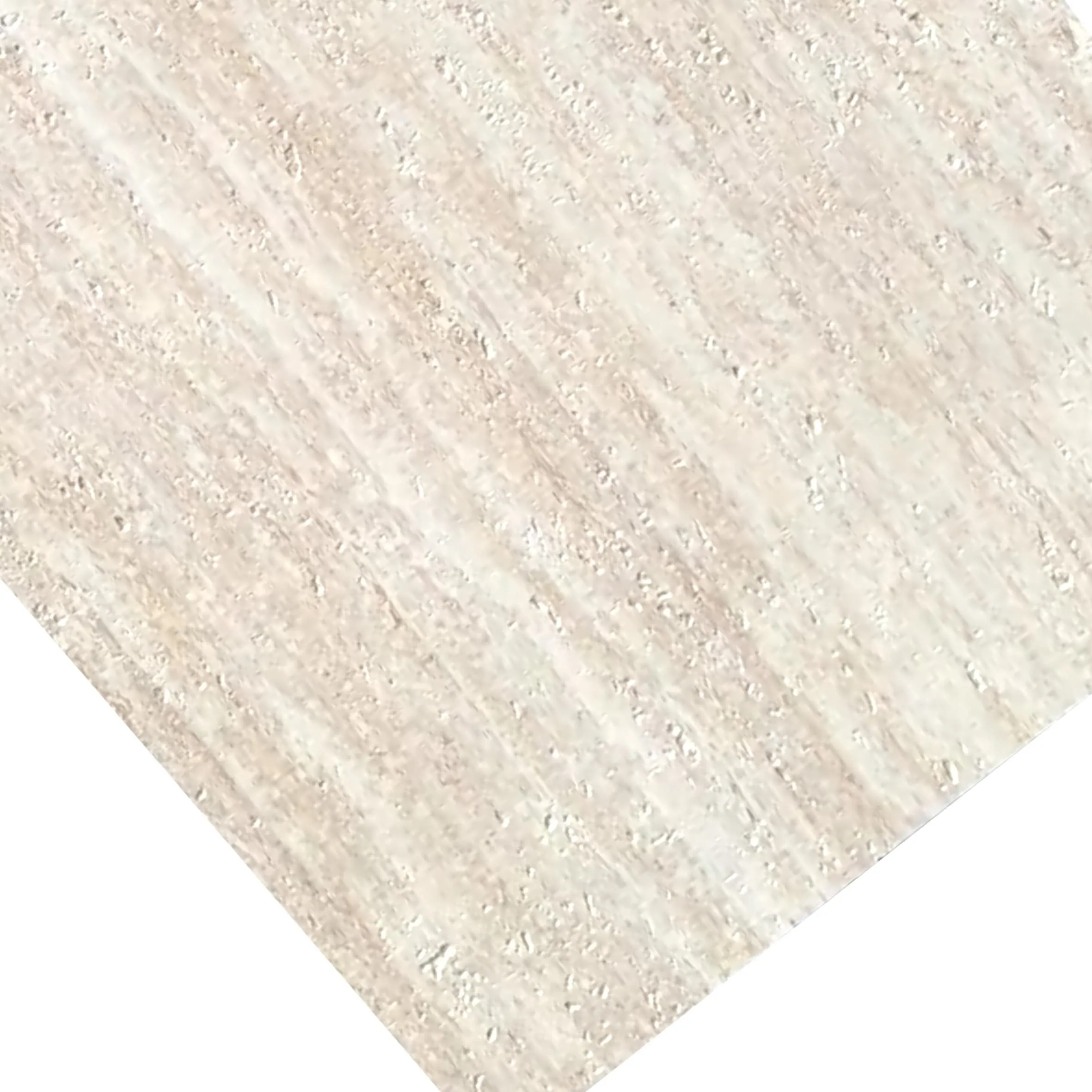
At the end of the day, architecture is about more than just walls and roofs—it's about creating spaces that make us feel something. For too long, we've treated construction as a trade-off: choose technology, and you get efficiency but lose warmth; choose natural materials, and you get beauty but lose flexibility. 3D printing with Ethereal Shadow Travertine, MCM flexible stone, and materials like Lunar Peak Silvery is changing that equation.
These materials aren't just products—they're a new language for architects, a way to speak to both the past and the future. They honor the timeless appeal of stone while embracing the possibilities of 3D printing, creating buildings that are strong yet soft, modern yet rooted in nature. And as more designers and builders embrace this technology, we're not just building better structures—we're building spaces that feel alive, that tell stories, and that remind us that the best innovations are the ones that put humanity at the center.
So the next time you walk past a building that makes you pause, take a closer look. Maybe, just maybe, it was printed layer by layer, with a little help from Ethereal Shadow Travertine and a whole lot of imagination. And if not? It won't be long before it is.
Recommend Products












