
Sarah, an architect based in Portland, was staring at her screen at 2 a.m., frustration creeping in. Her latest project—a boutique hotel nestled in the Cascade Mountains—called for a facade that felt both raw and refined, a nod to the rugged landscape outside while maintaining the sleek minimalism her client craved. She'd sketched undulating curves, sharp geometric angles, and textures that mimicked the nearby glacial moraines, but every material she considered hit a wall: natural slate was too heavy to curve without cracking; concrete lacked the organic warmth she wanted; 3D-printed plastics felt cheap, not timeless. "There's got to be a way to marry nature's beauty with technology's flexibility," she muttered, scrolling through material catalogs. That's when she stumbled on COLORIA's MCM 3D Printing Series—and everything clicked.
For decades, architects and designers have danced around a familiar dilemma: how to balance creativity with practicality. Natural stone, with its unique veining and depth, has been a staple for centuries—think of the Taj Mahal's marble or the Colosseum's travertine. But it's unforgiving: heavy, prone to chipping, and nearly impossible to shape into complex forms without compromising structural integrity. On the flip side, synthetic materials like fiber cement or PVC offer durability and flexibility but often lack the soul of natural materials, leaving spaces feeling sterile or generic.
Then there's sustainability. Quarrying natural stone disrupts ecosystems, and transporting heavy slabs adds to carbon emissions. Meanwhile, many synthetic options rely on non-recyclable plastics, contributing to landfill waste. "We're designing for a future where 'green' isn't just a buzzword—it's a responsibility," says Maya Patel, a sustainable design consultant in Chicago. "Clients don't just want beautiful spaces; they want spaces that don't cost the Earth."
| Material | Pros | Cons |
|---|---|---|
| Natural Slate | Authentic texture, timeless aesthetic | Heavy, hard to customize, high carbon footprint |
| Traditional 3D-Printed Plastics | Lightweight, customizable | Lacks natural look, less durable outdoors |
| COLORIA MCM 3D Printed Glacial Slate | Natural stone appearance, lightweight, 100% customizable, low carbon footprint | Premium cost (offset by reduced installation/transport fees) |
COLORIA's answer to this dilemma? The MCM 3D Printing Series—a line of building materials that reimagines what's possible. At its core is Mineral Composite Material (MCM), a blend of natural minerals (think marble dust, quartz, and slate particles) and high-performance polymers. The result? A material that's 70% lighter than natural stone, flexible enough to bend around curves, and durable enough to withstand harsh weather—all while retaining the authentic look and feel of quarried stone.
But what truly sets the series apart is its integration with 3D printing technology. Instead of cutting stone into pre-determined shapes, COLORIA's printers lay down MCM layer by layer, following digital designs with pinpoint precision. This means architects can dream up almost any texture, pattern, or form—from honeycomb lattice facades to undulating wave panels—and see them come to life in a fraction of the time it would take with traditional methods.
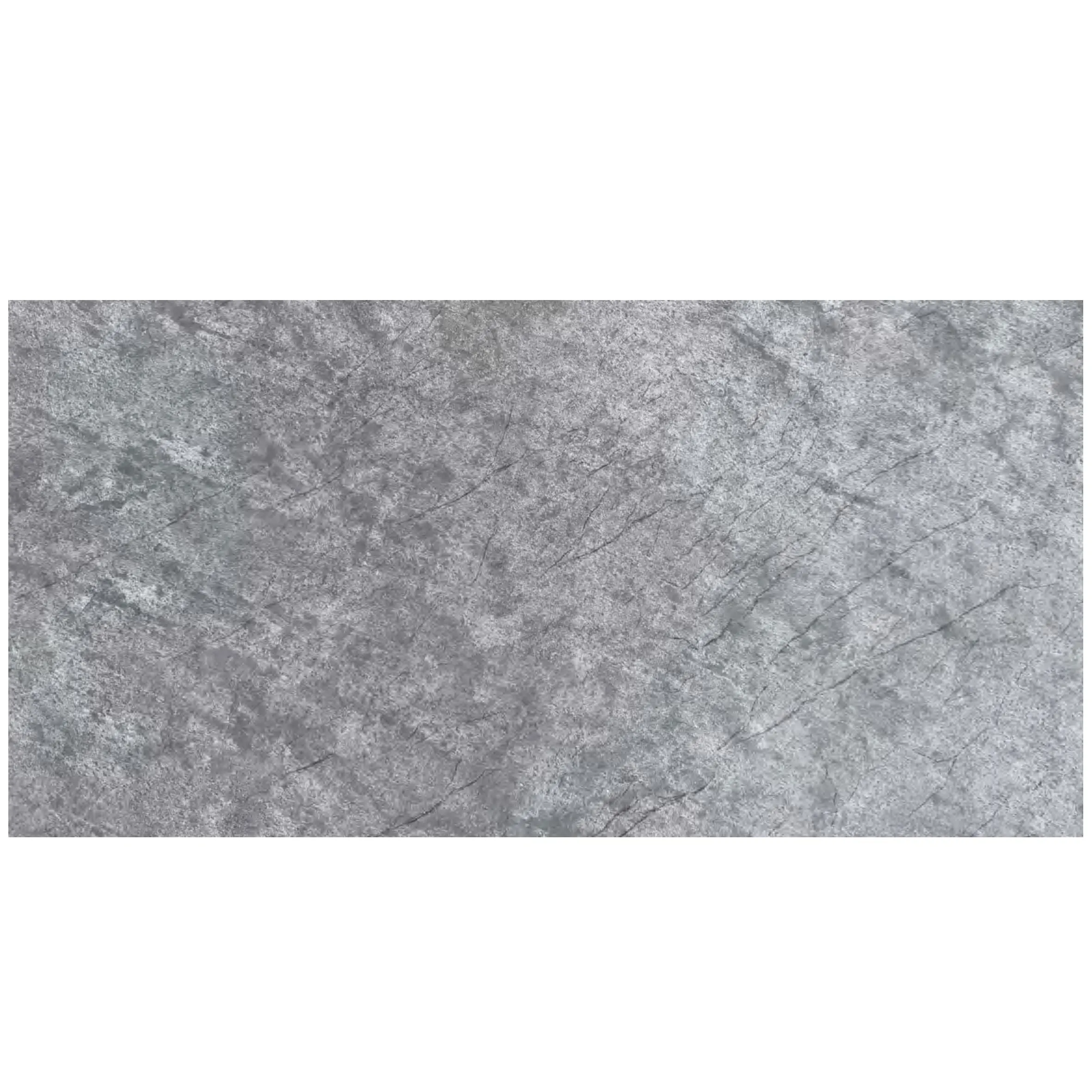
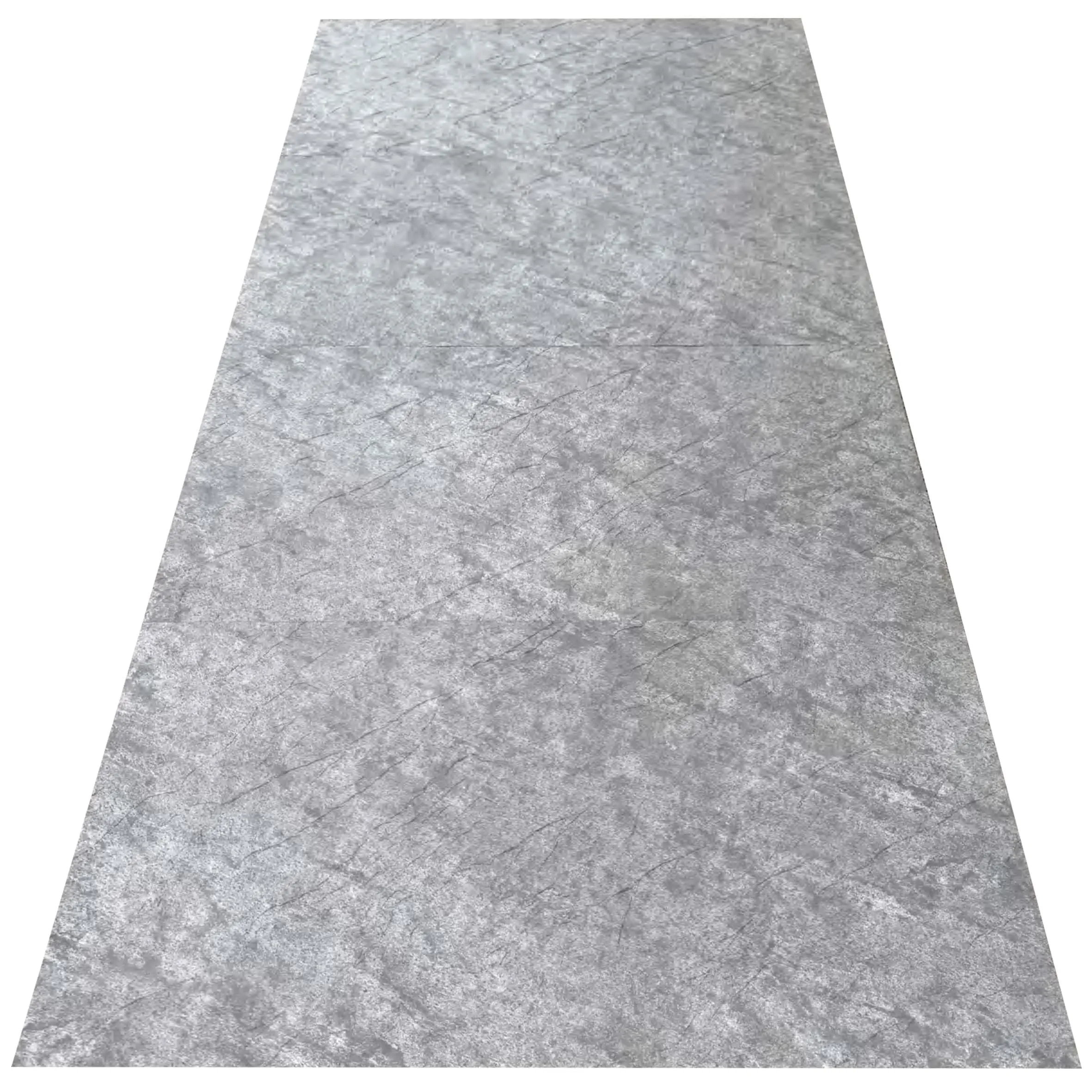
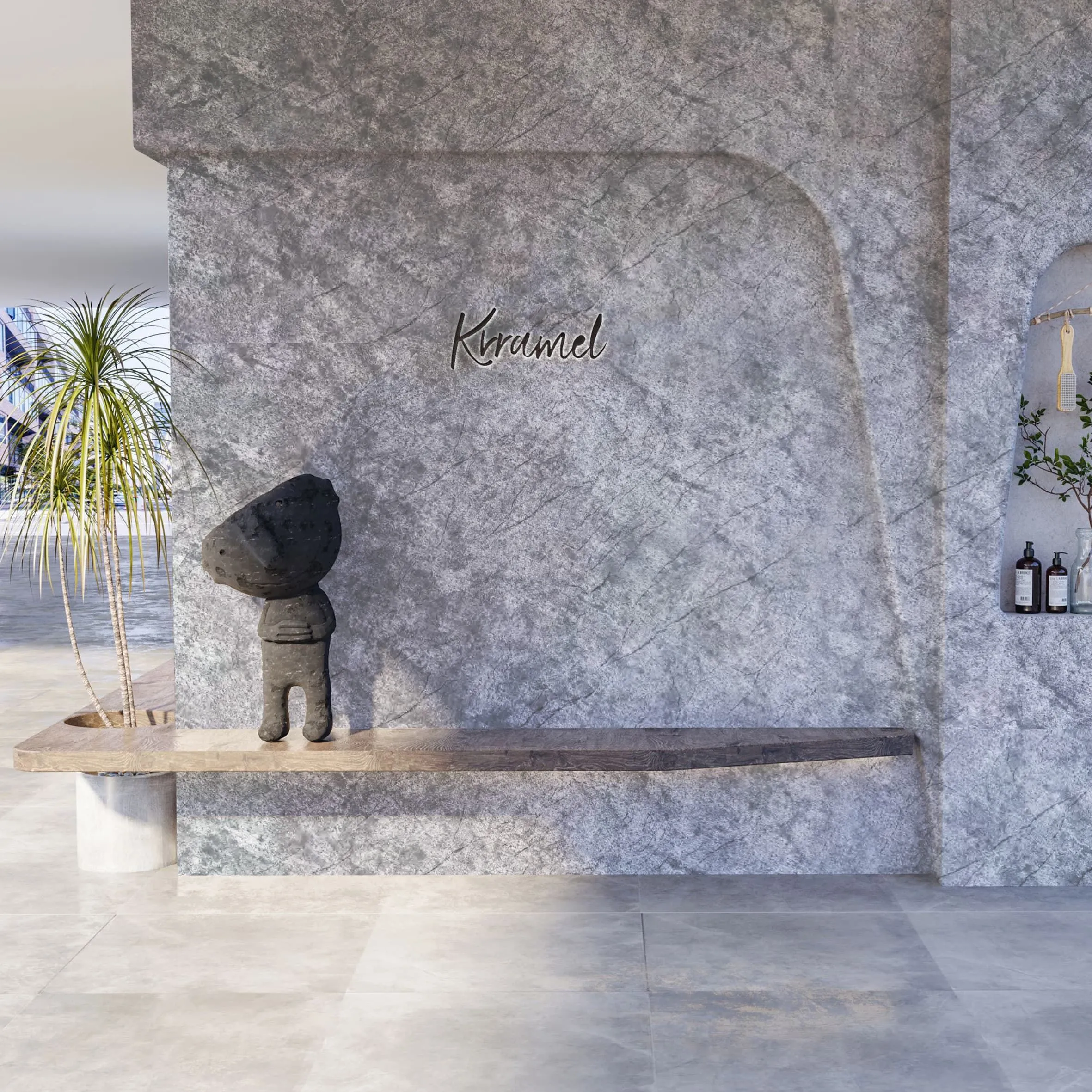
Among the standout materials in the MCM 3D Printing Series is Glacial Slate—a finish inspired by the weathered stone of glacial valleys. Run your hand over a panel, and you'll feel the subtle grooves and ridges, as if a thousand years of ice and water have carved them. The color palette ranges from cool, silvery grays to deep, moody blacks, with flecks of mica that catch the light like sunlight on snow. It's nature, but better—because it's designed to perform.
"Glacial Slate was born from a desire to capture the drama of natural stone without its limitations," explains Carlos Mendez, COLORIA's lead material scientist. "We studied actual glacial erratics—those massive boulders carried by ice—photographed their textures, and recreated them digitally. Then, using our 3D printers, we layered MCM to mimic that erosion pattern. The result is a material that looks like it was shaped by time, but can be formed into any shape we want."
For Sarah, the architect in Portland, Glacial Slate was the missing piece. She used 3D-printed Glacial Slate panels for her hotel's facade, designing them to curve gently upward, mimicking the nearby mountain peaks. "The panels weigh a third of what natural slate would," she says. "That meant we could reduce the structural support needed, cutting costs and construction time. And the texture? Guests keep asking if we mined the stone locally. When I tell them it's 3D-printed, they're blown away."
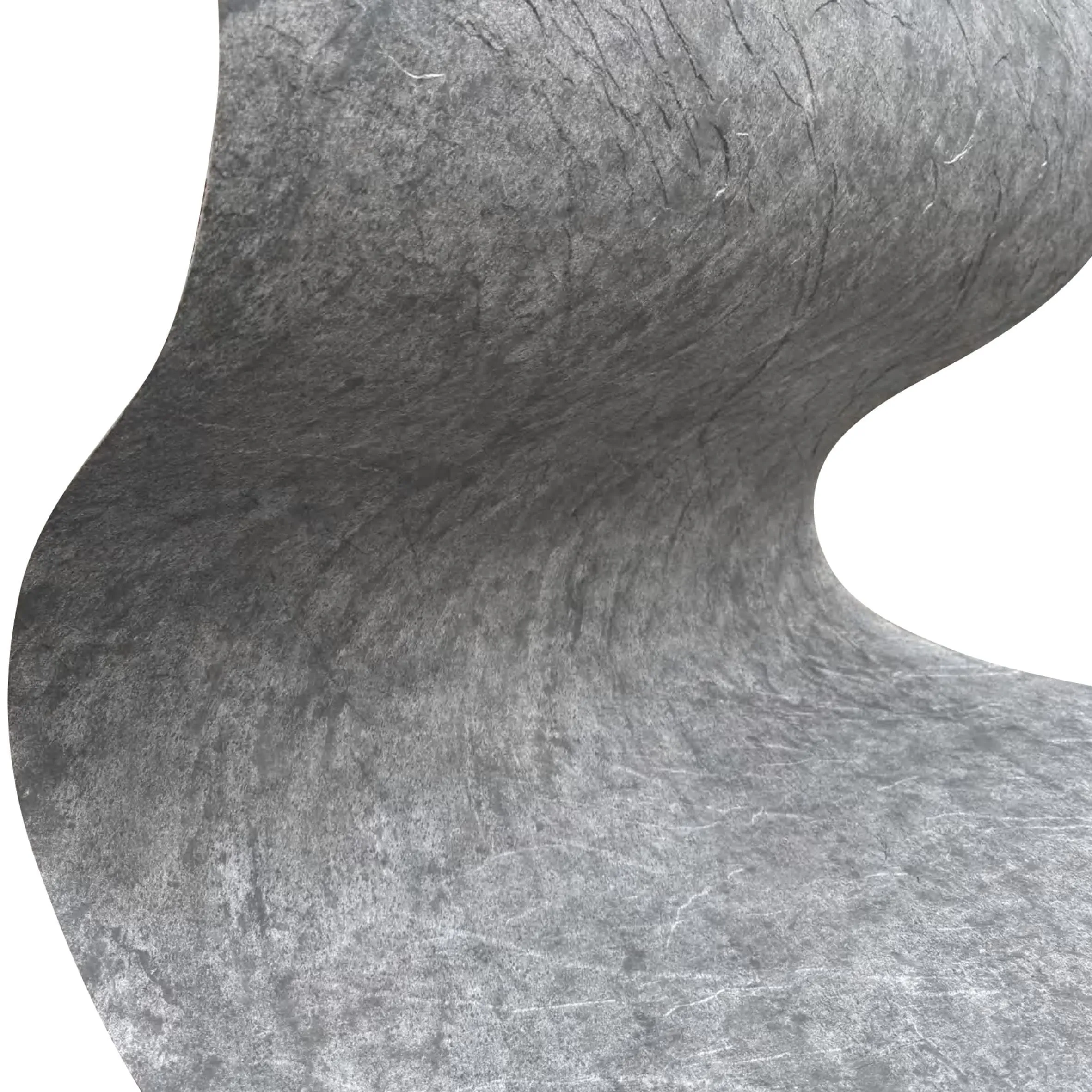
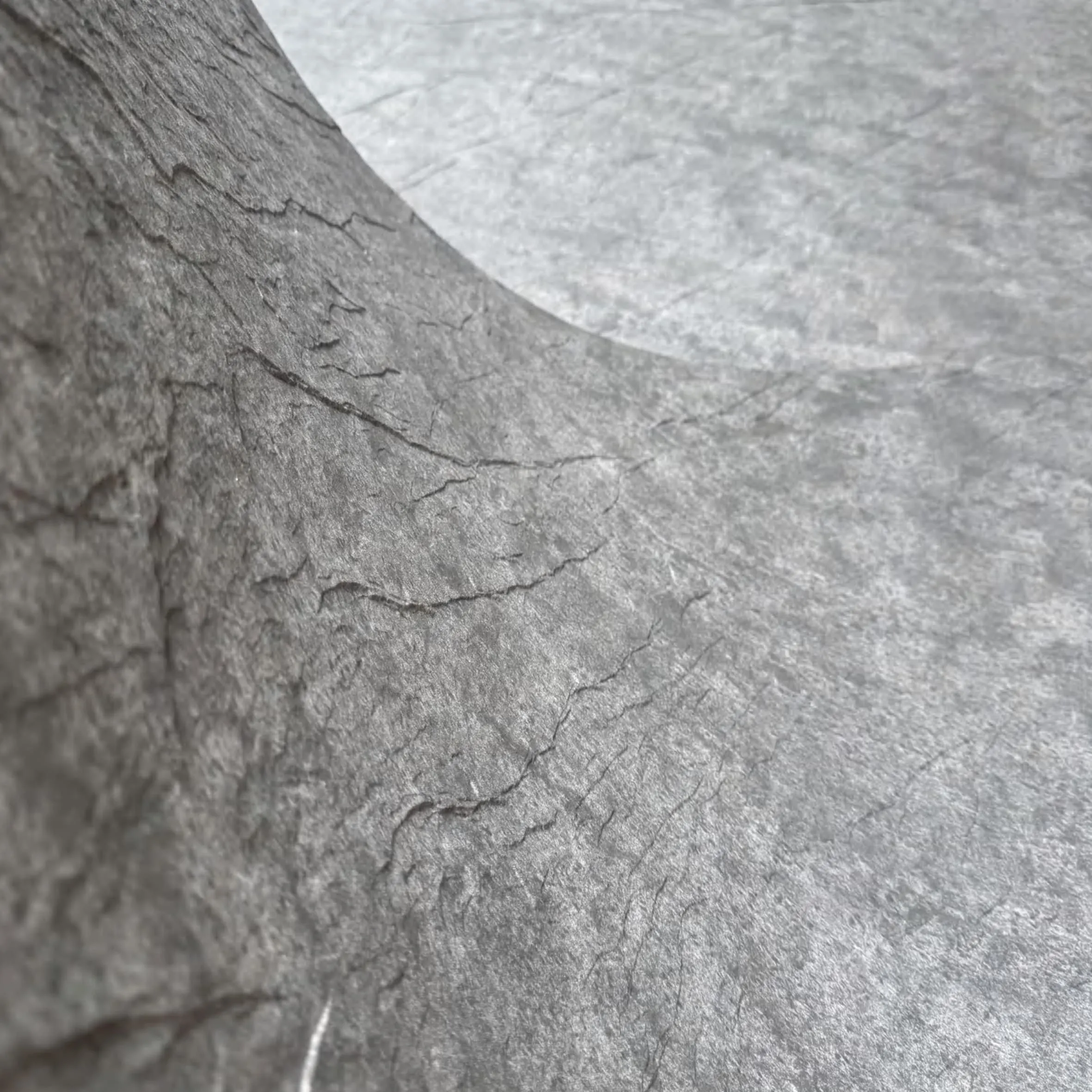
While Glacial Slate steals the spotlight, COLORIA's MCM 3D Printing Series is part of a broader ecosystem designed to solve every architectural challenge. Take Flexible Stone , for example—a ultra-thin MCM variant that bends like fabric. Imagine wrapping a column in stone that curves as gracefully as silk, or covering a curved wall with the look of stacked masonry without the weight. It's perfect for interiors, where soft edges and unique geometries often take center stage.
Then there's the Lunar Peak Series , which offers a more modern, metallic twist. Available in Silvery, Golden, and Black, Lunar Peak uses MCM infused with metal particles to create a sleek, futuristic finish. It pairs beautifully with Glacial Slate, adding contrast and depth. One Colorado restaurant combined Glacial Slate walls with Lunar Peak Golden accents for its bar front, creating a space that feels both rustic and contemporary.
In an era where climate consciousness is non-negotiable, COLORIA's materials shine. MCM is made from recycled natural minerals and plant-based polymers, reducing reliance on virgin resources. The 3D printing process generates minimal waste—any excess material is recycled back into the production line. And because the panels are lightweight, transporting them emits far less CO2 than hauling natural stone.
"We're not just selling materials; we're selling a vision of sustainable design," says Patel, the sustainability consultant. "A 2,000-square-foot facade made with Glacial Slate uses 80% less energy to produce and transport than one made with natural stone. That's a game-changer for LEED-certified projects."
The Frost & Flame Hotel, Sarah's project, opened last year—and it's already turning heads. The Glacial Slate facade shimmers in the morning light, its curves softening the building's modern lines. Inside, she used Flexible Stone for the lobby walls, choosing a warm, earthy tone to contrast with the facade's cool grays. In the rooftop bar, Lunar Peak Golden panels line the ceiling, reflecting the sunset like liquid gold.
"Guests often comment on how the space feels 'grounded,'" Sarah says. "They don't realize it's because the materials—Glacial Slate, Flexible Stone—have that natural texture. But for me, the real win is knowing we built something beautiful and responsible. The hotel's carbon footprint is 30% lower than similar projects, and the client saved on construction costs because installation was so much faster."
It's not just hotels, either. COLORIA's MCM 3D Printing Series is making waves in retail, too. A high-end clothing store in Tokyo used 3D-printed Glacial Slate to create a feature wall that looks like a frozen waterfall, while a coffee shop in Berlin opted for Flexible Stone in a warm beige, giving the space the cozy feel of a mountain cabin.
As technology advances, COLORIA isn't slowing down. The company is already experimenting with new MCM blends, including one infused with recycled glass for a sparkling, crystalline finish. They're also exploring larger-scale 3D printing, aiming to print entire building sections on-site, reducing waste even further.
"The future of architecture isn't about choosing between nature and innovation—it's about merging them," Mendez says. "With materials like Glacial Slate and the MCM 3D Printing Series, we're giving creators the tools to build spaces that are as unique as the people who use them. Spaces that tell a story."
For Sarah, that story is just beginning. She's already sketching her next project—a community center with a facade that uses 3D-printed Glacial Slate in a mosaic pattern, celebrating the local indigenous culture. "With COLORIA, I don't have to compromise," she says. "I can dream big, and the materials keep up."
At the end of the day, COLORIA's MCM 3D Printing Series—with stars like Glacial Slate, Flexible Stone, and the Lunar Peak Series—isn't just about materials. It's about empowering creators to redefine what's possible. It's about proving that beauty and practicality, nature and technology, can coexist. And it's about building a future where every space feels as alive as the people in it.
So, whether you're an architect drafting your magnum opus, a designer looking to add soul to a commercial space, or a homeowner dreaming of a feature wall that wows, COLORIA's MCM 3D Printing Series is more than a choice—it's a chance to build something extraordinary. After all, why settle for what's been done when you can create what's never been seen?
Recommend Products












