
Walk into any cutting-edge architectural project today, and you'll notice a quiet revolution unfolding—one where walls, facades, and interiors are no longer constrained by the limits of traditional building materials. In a world hungry for sustainability, creativity, and efficiency, 3D printing has emerged as a game-changer, and at the heart of this transformation lies an unsung hero: poly wood board. This versatile material, born from a blend of recycled wood fibers and eco-friendly polymers, is redefining what's possible when combined with the precision of 3D printing. Let's dive into how this dynamic duo is reshaping construction, one layer at a time.
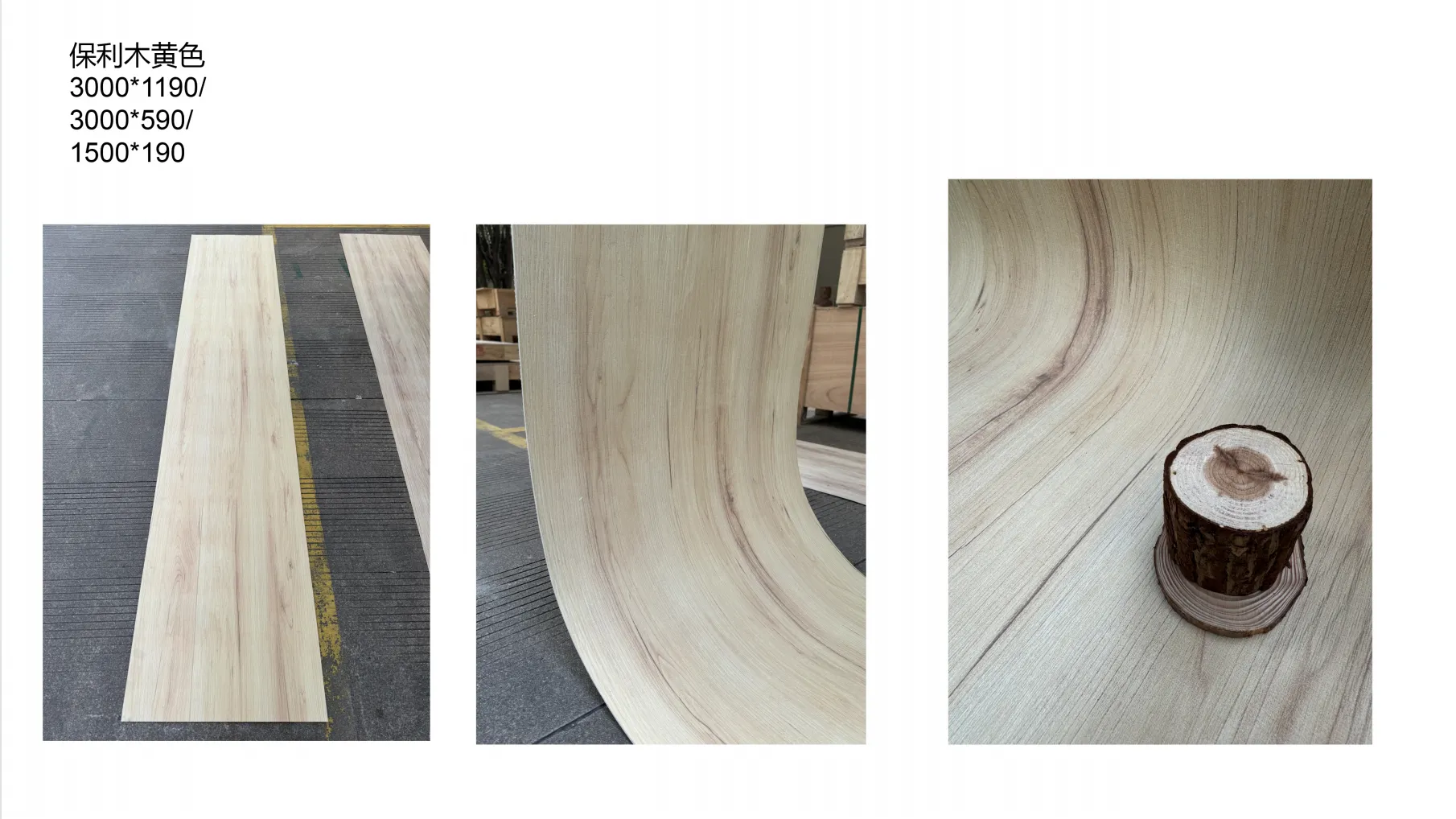
First things first: let's demystify poly wood board. Unlike solid timber, which comes with the baggage of deforestation and warping, poly wood board is a composite material designed for the modern age. Think of it as wood's smarter, more sustainable cousin. It's crafted by blending recycled wood fibers (from sources like sawmill scraps and post-consumer wood waste) with high-performance polymers, creating a material that's lightweight, durable, and surprisingly flexible. And here's the kicker: it retains the warm, organic charm of natural wood, complete with subtle grains and textures that make spaces feel inviting.
But poly wood board isn't just about looks. It's built to withstand the elements—resistant to moisture, rot, and pests—making it ideal for both indoor and outdoor use. Its lightweight nature (typically 30-50% lighter than solid wood) also eases transportation and installation, cutting down on labor costs and construction time. And because it's made with recycled materials, it ticks the sustainability box, aligning with the global push for greener building practices. It's no wonder it's become a staple in forward-thinking projects, often paired with materials like wood grain board to amplify its natural aesthetic.
3D printing in construction isn't new, but combining it with poly wood board? That's where the magic happens. Traditional 3D printing often relies on concrete or plastic, which can feel cold or industrial. Poly wood board, with its warm texture, adds a human touch—turning functional structures into works of art. This synergy is at the core of the mcm 3d printing series , a line of building solutions that leverages 3D technology to shape poly wood board into forms that were once impossible with standard tools.
Here's how it works: specialized 3D printers extrude layers of poly wood board composite, building up shapes from the ground up. Unlike traditional cutting or carving, which wastes material and limits design complexity, 3D printing is precise—using only the material needed and allowing for curves, angles, and intricate patterns that would leave traditional carpenters scratching their heads. Imagine a wall panel that flows like a river, with undulating wood grains that follow the curve, or a custom furniture piece with hollowed-out sections for wiring—all made in one seamless print. That's the power of pairing poly wood board with 3D printing.
It's not just about cool designs—this combo delivers tangible benefits that make it a hit with architects, contractors, and homeowners alike. Let's break down the perks:
Gone are the days of "one-size-fits-all" building materials. With 3D-printed poly wood board, designers can let their creativity run wild. Want a facade that mimics the ripples of a lake? Or a ceiling with recessed patterns that double as acoustic panels? No problem. The material's flexibility (yes, it bends!) and the printer's precision mean even the most ambitious designs can be brought to life. Compare that to rigid materials like concrete or solid wood, which often require expensive custom molds or extensive manual labor.
In an era where "green building" is more than a buzzword, poly wood board shines. By using recycled wood fibers, it reduces reliance on virgin timber, cutting down on deforestation. 3D printing adds to this by minimizing waste—traditional cutting methods can leave up to 30% of material on the shop floor, while 3D printers use nearly 100% of the feedstock. Plus, the eco-polymer binders in poly wood board are often low-VOC, meaning healthier indoor air quality for occupants. It's a win-win for the planet and people.
Time is money in construction, and 3D printing with poly wood board saves plenty of both. A typical wall panel that might take a team of carpenters days to craft can be 3D printed in hours. Since the printer works 24/7 with minimal supervision, projects stay on schedule, and labor costs drop. And because the material is lightweight, transportation and installation are a breeze—no need for heavy machinery or extra hands. For large-scale projects, these savings add up fast.
Don't let its warm looks fool you—poly wood board is tough. Resistant to moisture, mold, and termites, it outlasts traditional wood in humid or outdoor environments. 3D printing enhances this durability by creating uniform layers with no weak points, unlike hand-assembled pieces that can crack or warp over time. Homeowners in coastal areas, for example, are swapping rotting wooden siding for 3D-printed poly wood panels that withstand salt air and rain with ease.
Curious how poly wood board holds up against old standbys? Let's take a look:
| Feature | Poly Wood Board (3D Printed) | Solid Timber | Flexible Stone Cladding Panels |
|---|---|---|---|
| Material Composition | Recycled wood fibers + eco-polymer | Virgin timber | Stone composite + flexible backing |
| Weight (per sq.m) | 8-10kg | 15-20kg | 12-15kg |
| 3D Printability | Excellent (high precision, complex shapes) | Poor (requires cutting/carving) | Limited (rigid, simple designs only) |
| Sustainability | High (recycled materials, low waste) | Low (deforestation, high waste) | Moderate (some recycled stone, high energy to produce) |
| Durability (Outdoor Use) | 25+ years (moisture/termite resistant) | 10-15 years (prone to rot/warping) | 30+ years (weather-resistant but heavy) |
| Cost (per sq.m) | Mid-range ($45-60) | High ($60-80) | High ($70-90) |
This isn't just theoretical—3D-printed poly wood board is already making waves in projects around the globe. Take the Urban Nest Café in Portland, Oregon. Its interior features a 3D-printed bar front made entirely of poly wood board, with a flowing, organic shape that wraps around the space. The designer, Mia Chen, wanted to "bring the outdoors in without sacrificing modernity," and the result is a space that feels both cozy and cutting-edge. "We printed the bar in three sections over two days, then assembled it on-site," Chen recalls. "It would've taken weeks with traditional woodworking, and the waste would've been enormous."
On a larger scale, the EcoVista Apartments in Seattle used 3D-printed poly wood board for their balcony railings. The lightweight panels, printed with intricate lattice patterns, reduce wind resistance while adding visual interest. "We saved 40% on installation time and cut our carbon footprint by using recycled materials," says project manager James Reed. "Residents love the warm wood look, and maintenance is a breeze—no painting or sealing required."
Even heritage restoration projects are getting in on the action. In Rome, a team used 3D-printed poly wood board to replicate intricate wooden moldings for a 19th-century villa, matching the original designs with pinpoint accuracy. "Traditional craftsmen would've taken months to carve these by hand," explains lead restorer Marco Bellini. "With 3D printing, we scanned the original moldings, adjusted for wear, and printed perfect replicas in days. The material's stability means they'll last for decades without warping."
The journey is just beginning. As 3D printing tech advances, we can expect even bigger things from poly wood board. For starters, larger printers will allow for full-size wall panels or even furniture pieces printed in one go, eliminating assembly time. Researchers are also experimenting with adding conductive materials to the poly wood mix, opening doors for "smart" walls that double as heating elements or wireless chargers.
Sustainability will take center stage, too. Brands like the mcm 3d printing series are already exploring plant-based polymers and agricultural waste (think rice husks or bamboo fibers) to make the material even greener. And as demand grows, costs will drop, making 3D-printed poly wood board accessible to smaller projects—think backyard sheds, home offices, or custom bookshelves.
Perhaps most exciting is the potential for collaboration with other innovative materials. Imagine pairing 3D-printed poly wood board with wood grain board for layered textures, or combining it with flexible stone cladding panels for a facade that blends wood's warmth with stone's ruggedness. The possibilities are endless, and the construction industry is just starting to scratch the surface.
At the end of the day, 3D printing with poly wood board isn't just about building better—it's about building smarter, more sustainably, and with more heart. It's a testament to how innovation can honor nature while pushing boundaries, creating spaces that feel both modern and timeless. Whether you're an architect dreaming up the next iconic building or a homeowner wanting to add a personal touch to your space, this technology invites you to reimagine what's possible.
So the next time you walk past a construction site or step into a newly built space, take a closer look. Chances are, you'll spot the telltale signs of 3D-printed poly wood board—curves that flow, grains that dance, and a warmth that feels like home. And in that moment, you'll know: the future of construction isn't just being built—it's being printed, one layer of innovation at a time.
Recommend Products












