
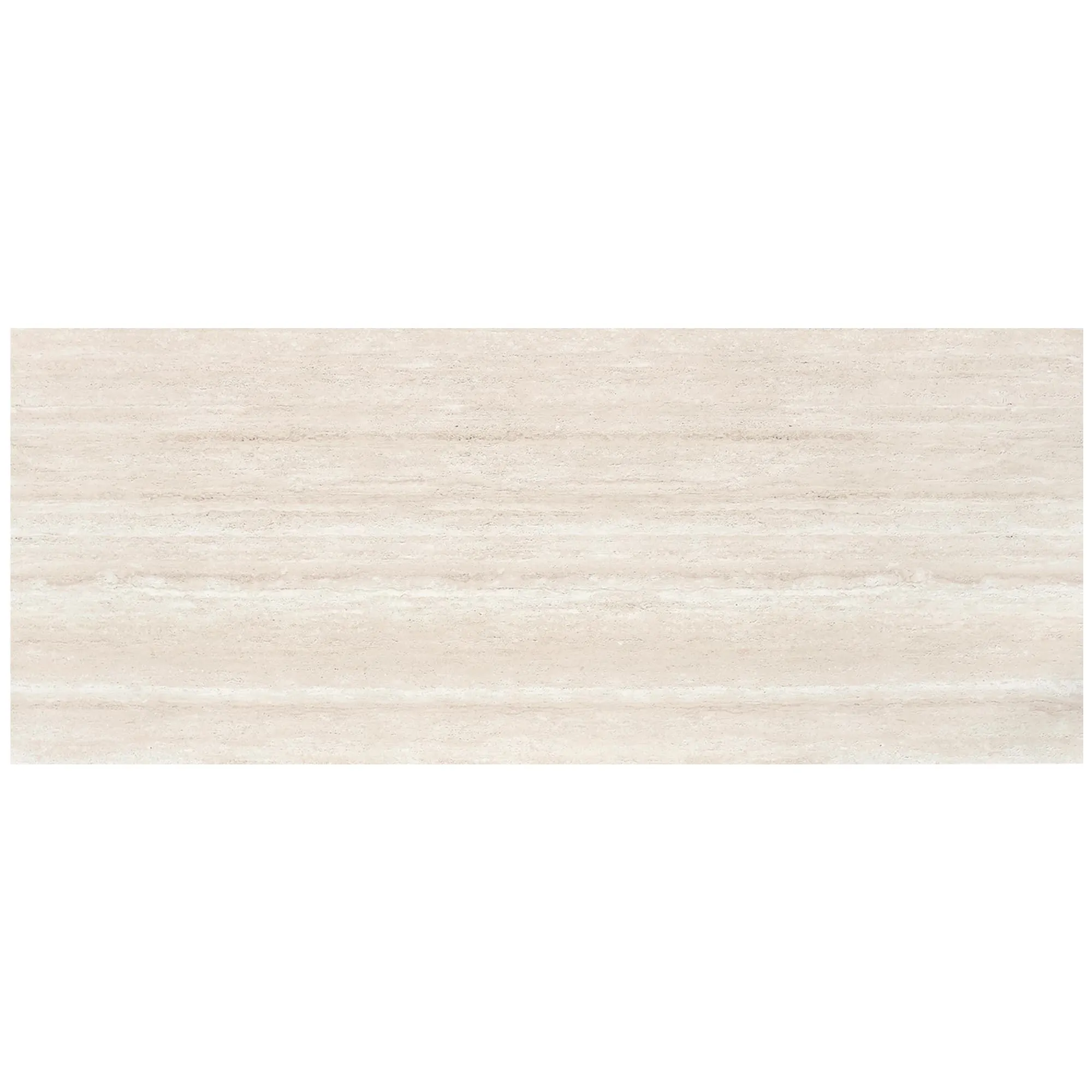
Every architect has been there—staring at a design on screen, knowing it's perfect, but wondering if it will ever exist beyond pixels. Curves that seem to flow like water, textures that mimic natural stone but with an otherworldly twist, dimensions that challenge the limits of traditional construction. For years, these ideas stayed locked in blueprints, victims of rigid materials and outdated manufacturing methods. Stone was too heavy, concrete too unforgiving, metal too cold. The industry settled for "good enough"—buildings that worked, but rarely felt *alive*. Then Rona Yellow MCM arrived, and with it, a new question: What if your material could adapt to your vision, instead of the other way around?
Rona Yellow MCM isn't just another building material. It's a bridge between imagination and reality, a modified composite material (MCM) designed to be lightweight, durable, and infinitely moldable—especially when paired with 3D printing. In a world where architecture often feels constrained by what's easy to produce, Rona Yellow MCM and 3D printing are rewriting the rules. Let's dive into how this dynamic duo is turning "impossible" designs into everyday spaces.
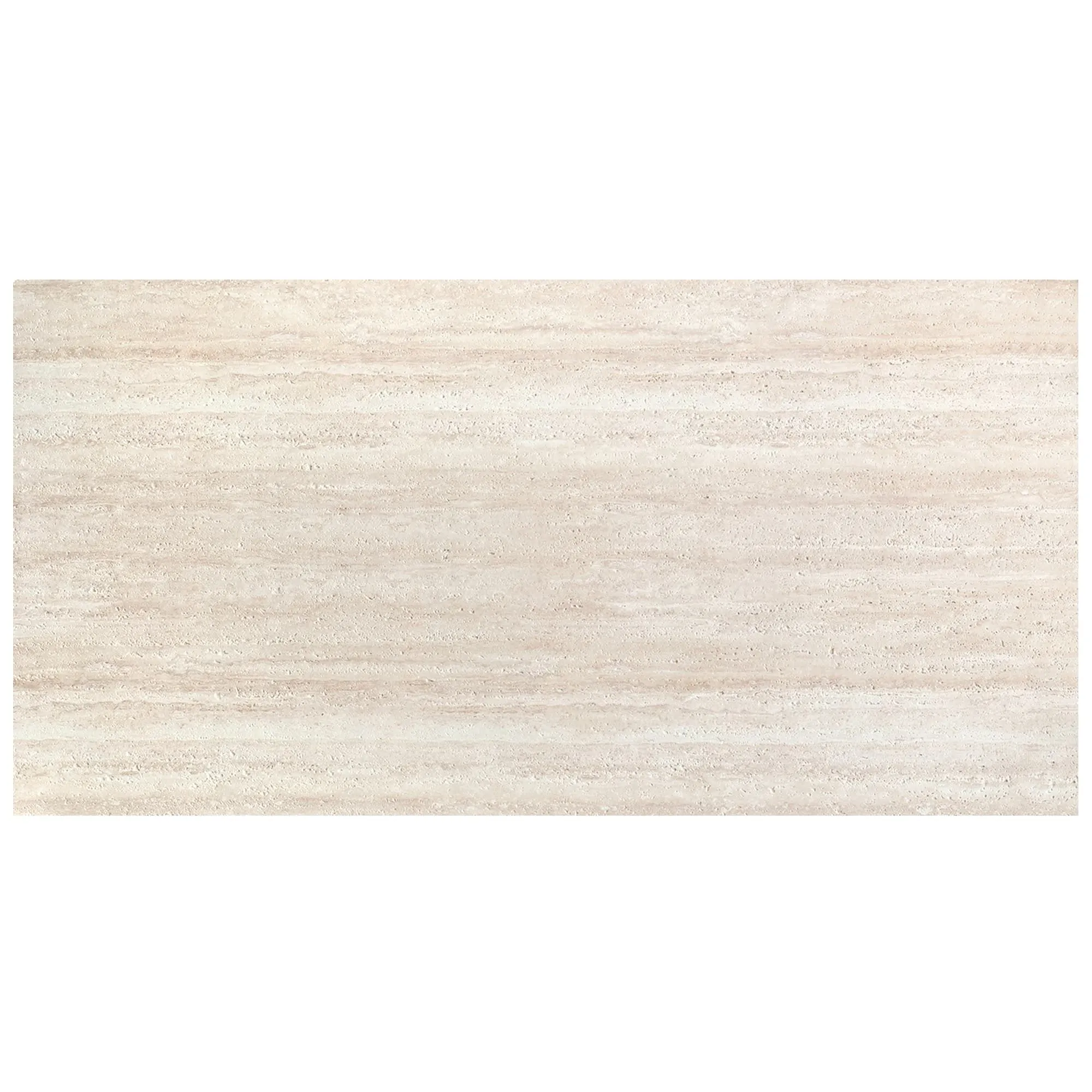
First, let's demystify the acronym: MCM stands for Modified Composite Material, a category of building materials engineered to combine the best traits of natural substances (like stone or wood) with the benefits of modern technology (lightweight cores, recyclable components, and customizable finishes). Rona Yellow MCM, in particular, is a standout in this family—and not just for its warm, sunlit hue that evokes desert landscapes at dawn.
At its core, Rona Yellow MCM is a sandwich of three layers: a durable outer skin made from mineral composites and resins, a lightweight polyethylene core that cuts weight by up to 60% compared to natural stone, and a backing layer that enhances flexibility. This structure gives it superpowers traditional materials can only dream of: it bends without breaking, resists scratches and weathering, and installs in a fraction of the time. But what truly sets Rona Yellow apart is how it plays with 3D printing—a match so seamless, it's hard to believe they weren't designed together.
Think of Rona Yellow MCM as a painter's canvas, but one that can be shaped into three dimensions. Traditional MCMs are great for standard panels and flat surfaces, but 3D printing unlocks its full potential. Suddenly, that curved wall you sketched isn't just a concept—it's a set of 3D-printed panels, each layer of Rona Yellow extruded with precision to form a surface that flows like liquid metal. Or that textured facade inspired by sand dunes? 3D printing can replicate the rise and fall of those dunes down to the millimeter, making the building feel like it's emerging from the earth itself.
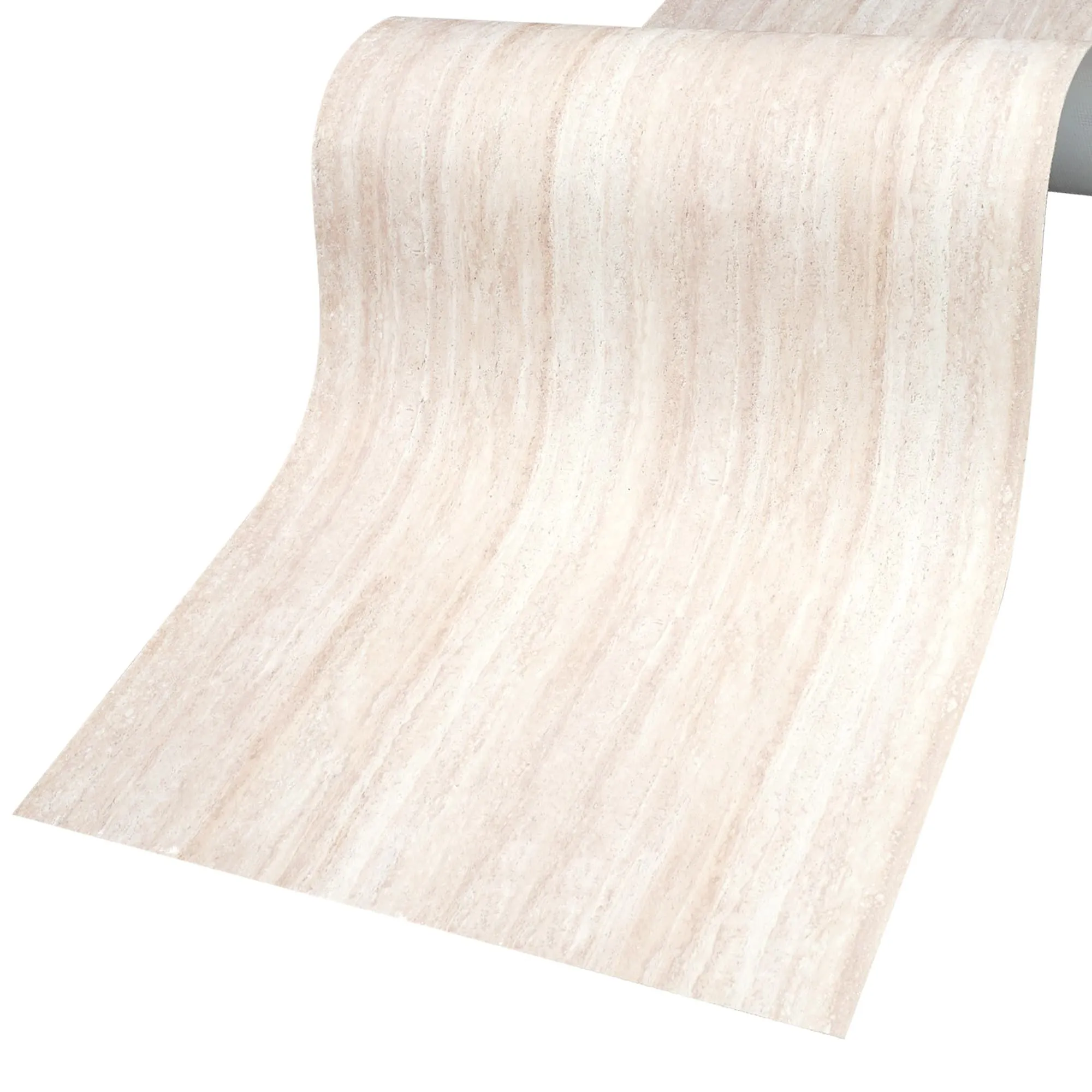
3D printing in construction isn't new, but pairing it with Rona Yellow MCM is a game-changer. Here's why: traditional 3D-printed materials like concrete or plastic often lack the aesthetic warmth of natural materials. They feel industrial, cold, like something out of a sci-fi movie (the kind where everyone wears gray jumpsuits). Rona Yellow MCM, though, brings the best of both worlds: the organic, tactile quality of stone, with the precision of 3D printing.
The magic happens in the printing process itself. Rona Yellow MCM is fed into large-format 3D printers as a malleable composite, which hardens quickly once extruded. This allows for intricate designs that would be impossible with stone (which cracks under stress) or wood (which warps and splits). Want a facade covered in tiny, 3D-printed "scales" that catch the light differently at sunrise and sunset? Rona Yellow can do that. Dream of a ceiling that undulates like a wave, with recesses that house LED lights to mimic starlight? 3D printing makes it feasible. And because the material is lightweight, there's no need for massive structural supports—meaning even mid-rise buildings can sport these bold designs without compromising safety.
But it's not just about looks. 3D printing with Rona Yellow MCM is also efficient. Traditional construction involves cutting stone or concrete on-site, leading to waste—up to 30% of material ends up in landfills. With 3D printing, panels are prefabricated to exact specifications, so there's minimal waste. Installation is faster, too: imagine a team assembling a 3D-printed Rona Yellow facade in days instead of weeks, simply locking panels into place like a giant, beautiful puzzle. For architects and developers, that translates to lower costs, faster project timelines, and a smaller environmental footprint.
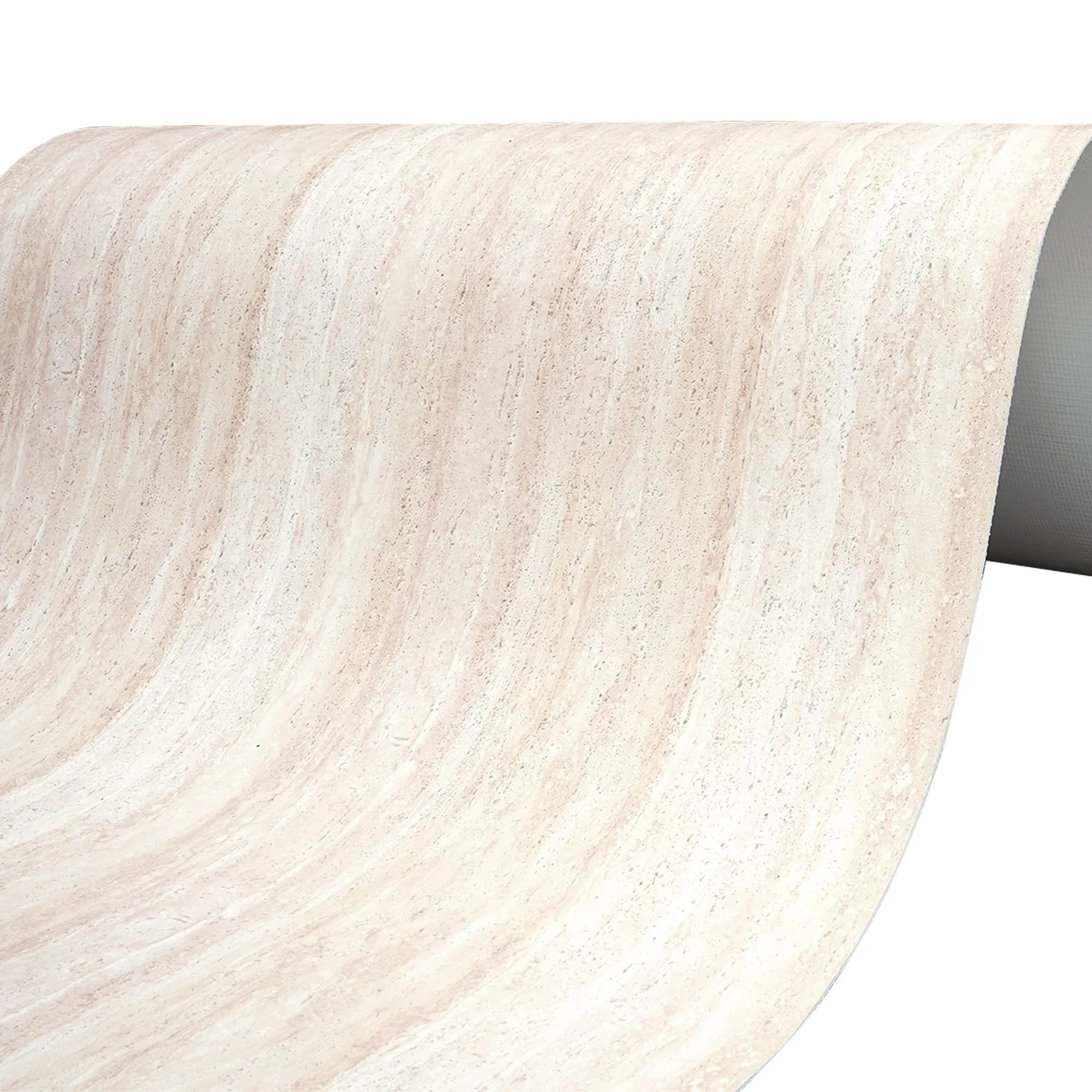
Rona Yellow MCM is a star, but it doesn't shine alone. The mcm 3d printing series is a family of materials, each designed to complement the others and expand the possibilities of custom architecture. Let's meet a few of its siblings—and see how they play together.
Take mcm flexible stone, for example. If Rona Yellow is the "canvas," flexible stone is the "watercolor"—a thin, bendable material that can wrap around columns, curve over arches, or even be used as ceiling tiles. When 3D printed, it becomes even more versatile: imagine a restaurant interior where Rona Yellow walls meet flexible stone ceilings, both 3D printed to create a space that feels like a cave sculpted by wind and time. The contrast of Rona Yellow's warm yellow with flexible stone's earthy tones adds depth, while the 3D-printed textures—subtle ridges, tiny indentations—make the room feel alive.
Then there's the mcm big slab board series, designed for large, dramatic surfaces. Think of a hotel lobby with a single, 3D-printed Rona Yellow big slab that spans 20 feet, its surface rippling like a frozen river. Or a corporate headquarters where big slabs of Rona Yellow are 3D printed with embedded patterns—company logos, geometric designs, even abstract art—turning a wall into a statement piece. The big slab series proves that "custom" doesn't have to mean "small"; with 3D printing, even the largest surfaces can feel personal.
For projects that need a touch of luxury, foamed aluminium alloy board (vintage gold) pairs beautifully with Rona Yellow. Imagine a boutique hotel facade where 3D-printed Rona Yellow panels form the base, accented with vintage gold foamed aluminium alloy trim. The Rona Yellow adds warmth and texture, while the vintage gold brings a hint of glamour—like desert sand dusted with gold leaf. Because both materials are 3D printable, the trim can be shaped to match the curves of the Rona Yellow panels, creating a cohesive design that feels intentional, not cobbled together.
And let's not forget travertine (starry green)—a close cousin in the MCM family. With its deep, emerald hue and 3D-printable texture that mimics the night sky (hence "starry"), it's the perfect complement to Rona Yellow's sunny tones. Picture a museum where Rona Yellow 3D-printed walls house exhibits, while travertine (starry green) panels line the hallways, their 3D-printed "stars" glowing under low light. It's a space that tells a story—day and night, earth and sky—all through the power of MCM and 3D printing.
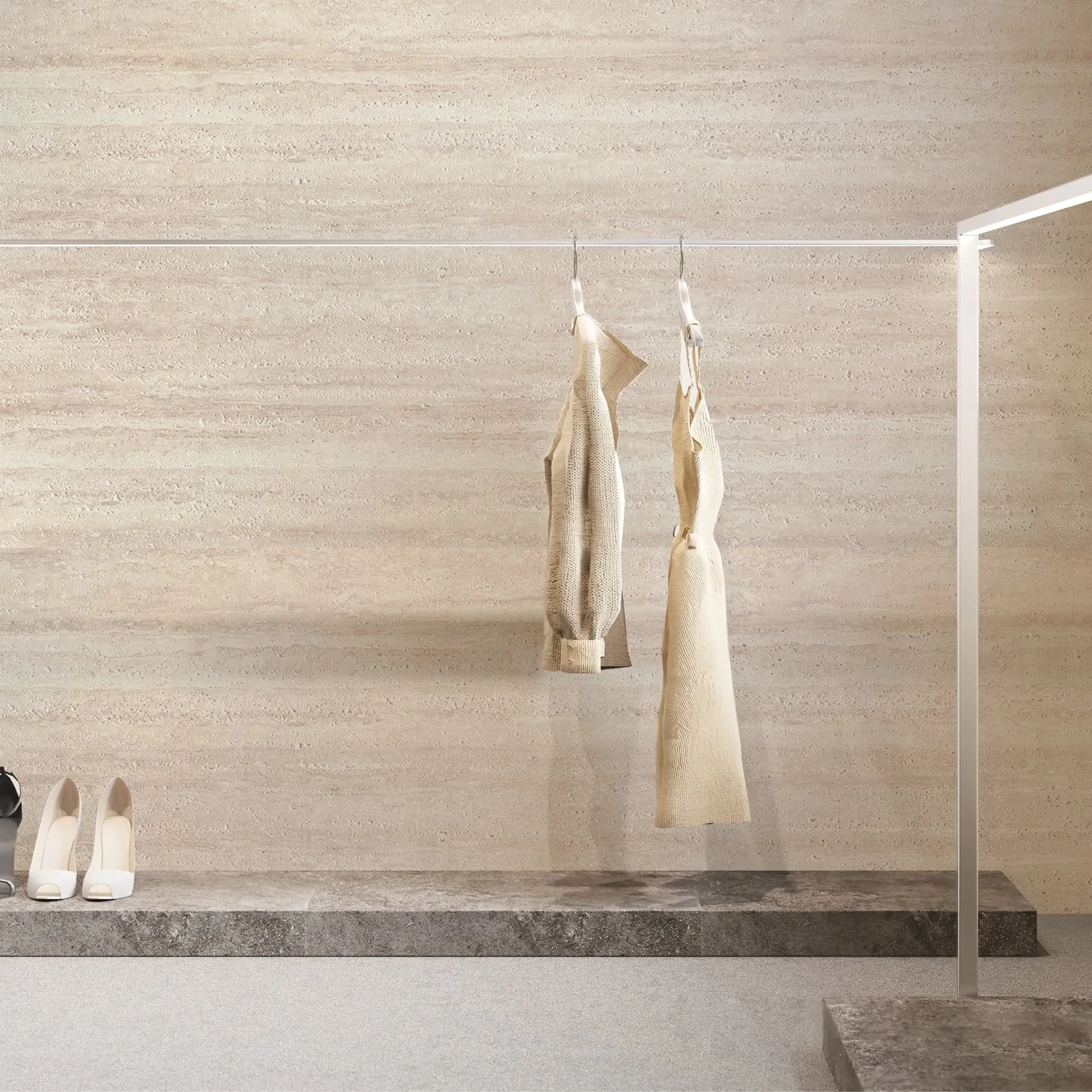
To understand the real impact of Rona Yellow MCM 3D printing, let's look at a project that brought it all to life: the "Desert Bloom" boutique hotel in Arizona. The client wanted a building that felt like it belonged in the desert—organic, warm, and in harmony with the landscape—but with a modern twist. The architect's vision? A facade that mimicked the shape of saguaro cacti, with textures that recalled desert sand and rock.
Traditional materials couldn't handle it. Stone was too heavy to form the cactus-like curves; concrete was too cold and lacked the organic texture. Then the team discovered Rona Yellow MCM and 3D printing. The solution? 3D-printed Rona Yellow panels, each shaped to replicate the ribbed texture of a saguaro, with varying heights to create a "forest" of cactus-inspired columns. The panels were printed off-site, then assembled on location in just three weeks. To add contrast, the hotel's entrance was wrapped in 3D-printed travertine (starry green) panels, their deep color evoking the desert at night, with tiny, 3D-printed "stars" that caught the light.
"The moment we saw the first 3D-printed Rona Yellow panel, we knew we'd made the right choice," says James Chen, the project's lead architect. "It had the warmth of sandstone but the flexibility of plastic. The clients cried when they walked through the lobby—they said it felt like the desert had (embraced) the building. That's the power of this material: it doesn't just *look* like nature; it feels connected to it."
The Desert Bloom opened last year, and guests rave about the "immersive" experience. Rooms feature 3D-printed Rona Yellow headboards with textured patterns inspired by desert winds, while the pool area uses mcm flexible stone printed to look like rippling water. Even the signage is 3D-printed Rona Yellow, shaped like cactus flowers. It's a building that doesn't just stand in the desert—it *becomes* part of it.
At this point, you might be thinking, "This all sounds amazing, but is it practical?" The answer is a resounding yes—and it starts with sustainability. The construction industry is one of the world's biggest polluters, responsible for 23% of air pollution and 50% of landfill waste. Rona Yellow MCM and 3D printing address this head-on. The material's core is recyclable, and 3D printing reduces waste by up to 90% compared to traditional cutting methods. Plus, since panels are lightweight, transportation emissions are lower—no need for gas-guzzling trucks hauling heavy stone.
Affordability is another win. While 3D printing was once a niche, expensive technology, advances in large-format printers have brought costs down. Rona Yellow MCM itself is competitively priced with premium materials like marble or granite, but with lower installation and maintenance costs. Over time, the savings add up: a Rona Yellow facade lasts 50+ years with minimal upkeep, unlike wood (which needs refinishing) or natural stone (which cracks and stains). For developers, this means higher ROI; for architects, it means more clients can afford to build their dream projects.
But perhaps the biggest impact is on creativity. For too long, architecture has been a balance of art and compromise. Rona Yellow MCM and 3D printing tip the scales toward art. They let architects design buildings that reflect the human spirit—curious, bold, unafraid to be different. A school with a 3D-printed Rona Yellow playground that looks like a giant puzzle. A community center with a facade that tells the neighborhood's history through 3D-printed symbols. A home that feels like an extension of its owner's personality, not just a box with walls.
| Feature | Rona Yellow MCM (3D Printed) | Natural Stone | Standard MCM (Non-3D Printed) |
|---|---|---|---|
| Design Flexibility | Unlimited curves, textures, and custom shapes; 3D printing enables intricate details | Limited by natural formation; rigid, prone to cracking in complex designs | Moderate—standard panels only; limited to simple cuts and patterns |
| Weight | 60% lighter than natural stone; no need for heavy structural support | Heavy; requires reinforced framing and foundations | Lightweight but less precise in complex, 3D forms |
| Installation Time | 30% faster; prefabricated 3D panels snap together on-site | Slow; on-site cutting, fitting, and sealing | Moderate; standard panels but limited customization slows modifications |
| Sustainability | Recyclable core; 90% less waste in production; low carbon footprint | High quarrying impact; 30% material waste from cutting | Eco-friendly but limited design reduces material efficiency |
| Cost (Per Square Meter) | Competitive with premium stone; long-term savings in labor and maintenance | High; material + labor + structural reinforcement | Moderate but additional costs for custom designs |
So, what's next for Rona Yellow MCM and 3D printing? The possibilities are as endless as the designs they enable. Researchers are experimenting with adding conductive materials to Rona Yellow, turning 3D-printed panels into smart surfaces—think walls that heat a room or charge devices wirelessly. Others are exploring color-changing composites, where Rona Yellow shifts hue based on temperature or light, creating buildings that "adapt" to their environment.
There's also the potential for even larger-scale projects. Imagine a skyscraper with a 3D-printed Rona Yellow facade that mimics the flow of a waterfall, or a bridge lined with travertine (starry green) 3D-printed panels that glow at night. As 3D printers get bigger and more advanced, the only limit will be imagination.
But perhaps the most exciting future is the one where Rona Yellow MCM and 3D printing become accessible to everyone. Right now, they're a favorite of high-end architects and developers, but as costs continue to drop, smaller firms and even homeowners could use them. Imagine building a backyard studio with a 3D-printed Rona Yellow wall that reflects your favorite hobby, or a garden path lined with 3D-printed flexible stone tiles shaped like leaves. The future of architecture isn't just about big buildings—it's about making every space feel uniquely human.
Rona Yellow MCM and 3D printing aren't just changing how we build—they're changing why we build. For too long, the focus was on function: Does it stand? Does it keep the rain out? Now, we can ask bigger questions: Does it inspire? Does it tell a story? Does it make people feel alive when they walk through its doors?
The next time you pass a building that makes you stop and stare—a facade that shimmers, a curve that surprises, a texture that invites touch—chances are, it's built with materials like Rona Yellow MCM. And behind that building is an architect who finally got to say, "I don't have to compromise."
So here's to the end of "good enough." Here's to Rona Yellow MCM, 3D printing, and a future where every building feels like a masterpiece—because it is.
Recommend Products












