
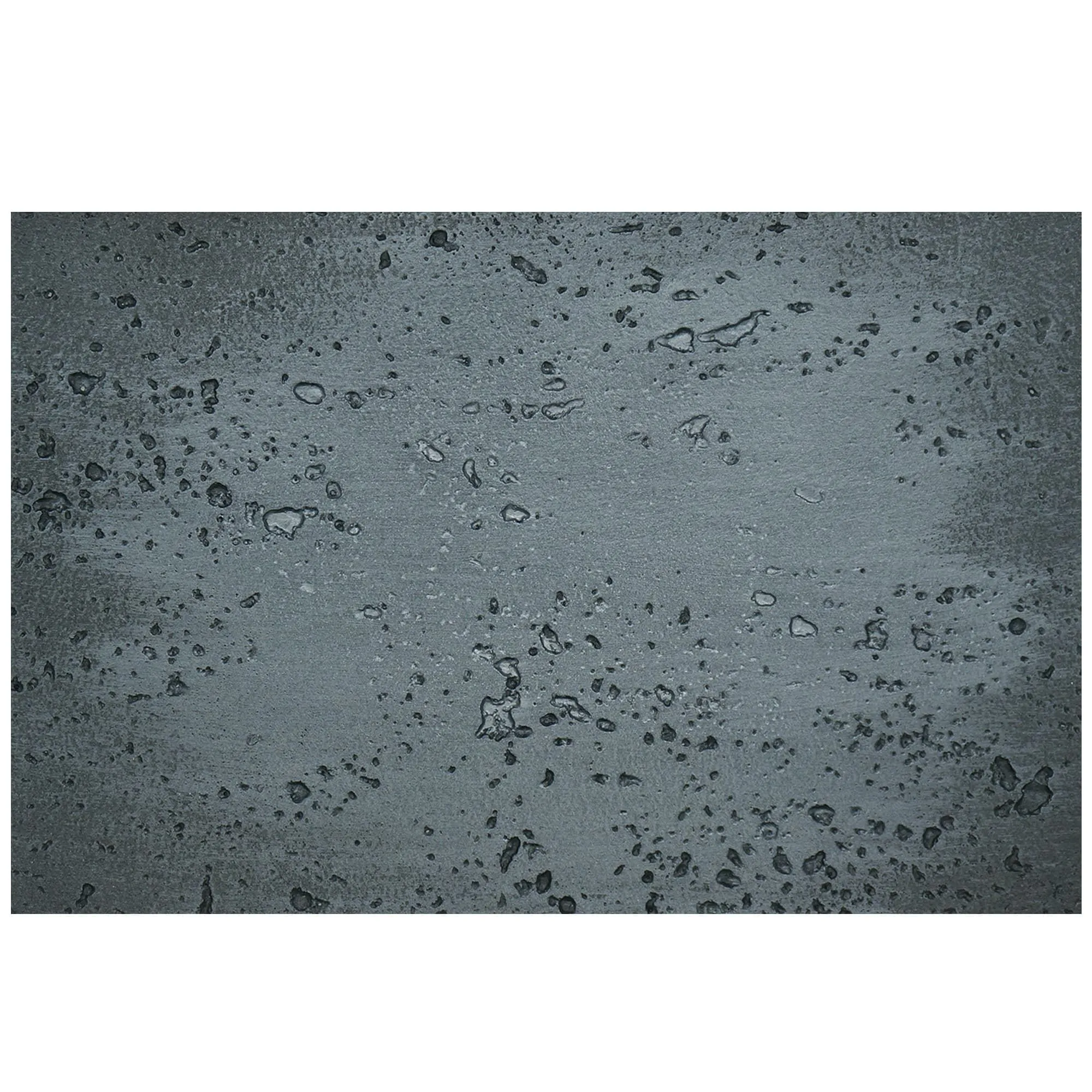
Beyond bricks and mortar, today's building materials tell stories—of craftsmanship, sustainability, and the quiet magic of turning a structure into a home, a workplace, or a community hub. At the heart of this transformation lies 3D printing, a technology redefining how we create, and MCM's trailblazing materials are leading the charge. Let's explore how travertine (vintage silver), paired with cutting-edge 3D printing, is reshaping the future of construction—one texture, one space, one story at a time.
Walk into any modern architectural marvel, and you'll notice something different: the walls don't just exist —they speak . They might shimmer with the soft glow of aged metal, bear the earthy ridges of natural stone, or curve gently like a wave frozen in time. These aren't accidents of design; they're the result of a quiet revolution: 3D printing in construction. For decades, builders relied on rigid, one-size-fits-all materials, limiting creativity to what could be cut, molded, or stacked by hand. But 3D printing changed that. It turned the construction site into a canvas, where layers of material are precisely deposited to form shapes once thought impossible—intricate patterns, organic curves, textures that mimic the chaos and beauty of nature.
Yet, for all its innovation, 3D printing needed a partner: materials that could keep up. Enter MCM, a name synonymous with pushing boundaries. Their 3D printing series isn't just about technology—it's about merging the best of the past with the possibilities of the future. Take travertine, for example. A stone cherished by ancient civilizations for its warmth and durability, travertine has adorned everything from Roman baths to Renaissance palaces. But MCM didn't just borrow from history; they reimagined it. Their travertine (vintage silver) isn't your grandmother's stone. It's a modern masterpiece—lightweight, flexible, and designed to thrive in the age of 3D printing.
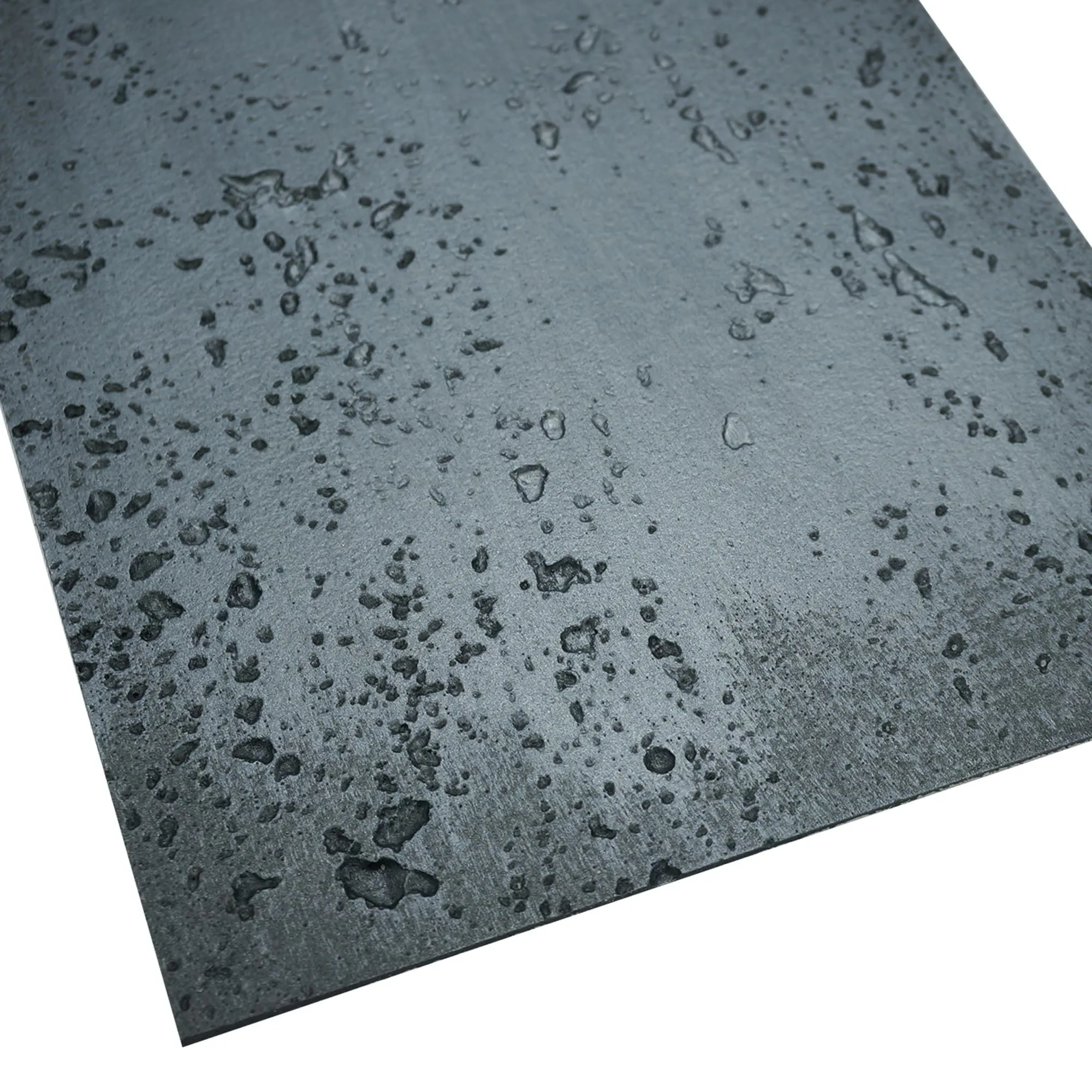
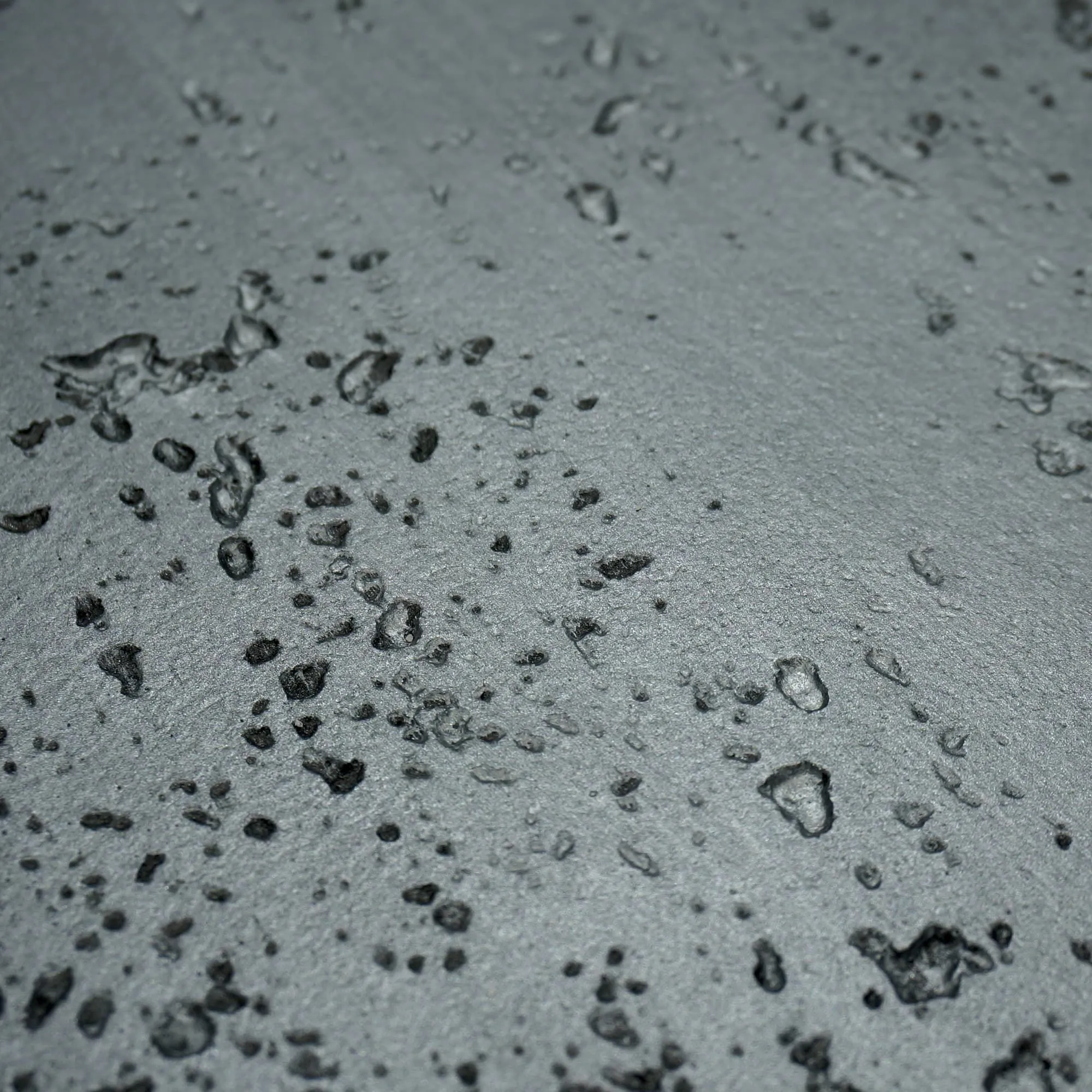
Close your eyes and run your hand over travertine (vintage silver). What do you feel? Not the cold, unyielding surface of synthetic materials, but a texture that's equal parts rugged and refined. There are the subtle pits and pores, echoes of the stone's formation in mineral springs, now smoothed just enough to feel approachable. The color? A soft, muted silver with hints of warm gray, like moonlight reflecting off a quiet lake at dusk. It's a hue that shifts with the light—brighter at noon, deeper at twilight—making every space feel alive, dynamic, and uniquely human.
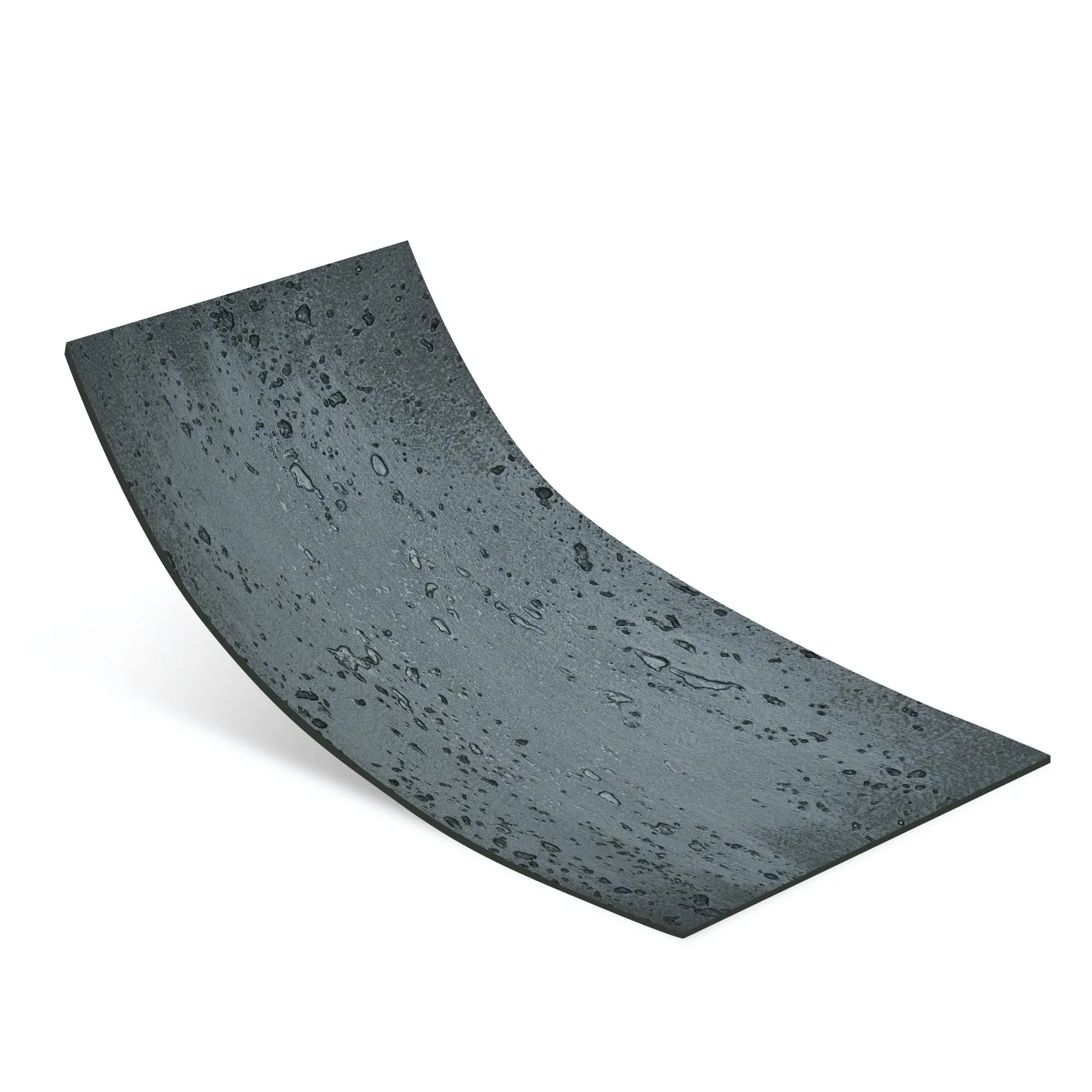
But what truly sets travertine (vintage silver) apart is how it plays with 3D printing. Traditional travertine is heavy, brittle, and hard to shape into complex forms. MCM's version? It's part of their MCM flexible stone lineup, a game-changer for architects and designers. Imagine a wall that curves like a ribbon, clad in travertine (vintage silver), its surface rippling with 3D-printed patterns that mimic the flow of water or the grain of wood. Or a lobby ceiling where the stone is printed in delicate, lattice-like structures, allowing light to filter through and cast dappled shadows below. These aren't fantasies—they're realities made possible by MCM's engineering.
"It's like giving stone a voice," says Elena Marquez, an architect specializing in sustainable design. "For years, I'd sketch these organic, flowing spaces, but the materials couldn't keep up. Then I discovered MCM's travertine (vintage silver) and 3D printing. Suddenly, my designs weren't just on paper—they were on the wall, the ceiling, the floor. The stone feels alive, like it belongs there, not just stuck on." Elena recently used the material in a community center in Barcelona, where the main hall features a 3D-printed travertine (vintage silver) feature wall that wraps around the space, creating a sense of warmth and unity. "Parents tell me their kids run their hands along it, fascinated by the texture. That's the magic—materials that don't just look good, but invite interaction."
Travertine (vintage silver) is just the beginning. MCM's project board series reads like a love letter to diversity, offering materials that cater to every mood, every vision, and every space. Let's take a closer look at a few standouts—and why they matter.
| Material | Aesthetic Story | Where It Shines | The "Why" Behind the Choice |
|---|---|---|---|
| Travertine (Vintage Silver) | Soft silver-gray with natural pitting; shimmers subtly, ages gracefully | Lobbies, feature walls, fireplace surrounds | Blends historic elegance with modern edge; 3D-printable for custom shapes |
| Lunar Peak Silvery | Metallic sheen with a matte finish, like moonlight on stone; cool yet warm | Exterior facades, accent walls, retail spaces | Durable against weather, reflects light to reduce energy use; lightweight for tall buildings |
| Fair-Faced Concrete | Raw, unpolished surface with visible aggregate; honest, industrial-chic | Warehouse conversions, minimalist homes, art galleries | Low maintenance, tells a story of "what you see is what you get"; pairs beautifully with wood and greenery |
| MCM Flexible Stone | Varied textures (stone, wood, metal); thin, bendable, yet strong | Curved walls, furniture, ceiling panels | Reduces waste (cuts to size without breakage); installs quickly, saving time on site |
Take lunar peak silvery , for instance. If travertine (vintage silver) is the quiet poet, lunar peak silvery is the bold storyteller. Its surface has a metallic luster that catches the sun, but it's balanced by a soft matte finish, so it never feels harsh. Think of a skyscraper in Dubai, its exterior clad in lunar peak silvery panels that shift from bright silver at midday to a deep, smoky gray at sunset. It's not just a building—it's a landmark, a beacon, a reflection of the city's energy.
Then there's fair-faced concrete , a material that celebrates imperfection. Unlike polished concrete, which hides its seams and aggregates, fair-faced concrete wears its history proudly. You can see the marks of the formwork, the tiny air bubbles trapped during curing, the subtle variations in color. It's a material that feels honest , like a handshake from an old friend. "I use it in homes for clients who want spaces that feel grounded," says Mark Chen, a residential designer in Portland. "There's something calming about it—no pretense, just raw, natural beauty. Pair it with warm wood and large windows, and suddenly you've got a home that feels like a retreat, not a museum."
And let's not forget MCM flexible stone , the unsung hero of versatility. Imagine a restaurant where the bar is wrapped in flexible stone made to look like aged oak, or a hotel lobby with a ceiling printed to mimic the undulating waves of the ocean, using flexible stone that bends without cracking. "It's the Swiss Army knife of materials," jokes Raj Patel, a contractor who's worked with MCM for over a decade. "I've used it on everything from tiny coffee shops to massive airports. It's lightweight, so it saves on structural costs, and it's durable—we installed it in a beachfront café three years ago, and it still looks brand new, despite the salt air."
In a world grappling with climate change, "sustainable construction" isn't just a buzzword—it's a responsibility. And MCM's materials don't just talk the talk; they walk the walk. Take travertine (vintage silver), for example. Traditional travertine mining can be destructive, stripping landscapes and leaving behind scars. MCM's version? It's made using a blend of natural stone particles and recycled materials, reducing the need for quarrying. The 3D printing process itself cuts waste by up to 60% compared to traditional cutting methods, as it deposits only the material needed, no more, no less.
"We think of every material as a partner in protecting the planet," says Maria Gonzalez, MCM's sustainability director. "Our 3D printing series was designed with circularity in mind. The inks we use are low-VOC, the production facilities run on renewable energy, and even the packaging is recyclable. But it's not just about 'less harm'—it's about 'more good.' Travertine (vintage silver) and our other materials are designed to last decades, reducing the need for frequent replacements. And when they do reach the end of their life, they're recyclable, closing the loop."
Elena Marquez, the architect from Barcelona, echoes this sentiment. "Sustainability isn't optional for my clients anymore. They want to know that the materials in their buildings aren't just beautiful, but kind to the planet. MCM makes that easy. When I tell them about the recycled content in travertine (vintage silver) or the energy savings from 3D printing, they don't just nod—they get excited. It's a selling point, but more importantly, it's a way to build spaces that future generations will thank us for."
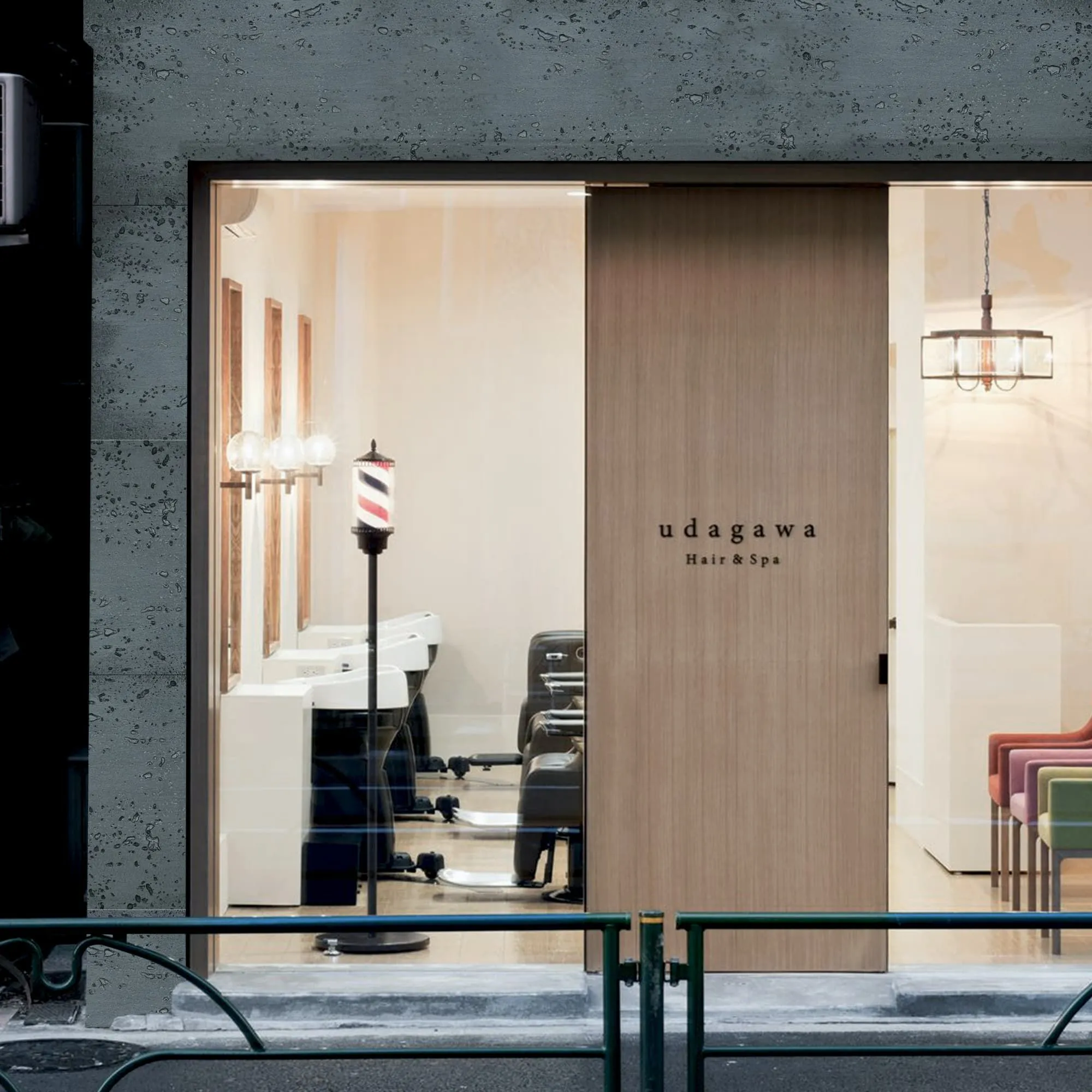
At the end of the day, buildings are for people. They're where we laugh, cry, work, and dream. So what good is a beautiful material if it doesn't make us feel something ? MCM's materials excel here, too—they're designed to evoke emotion, to create connection, to turn "spaces" into "places."
Take a moment to picture a home clad in travertine (vintage silver). The morning sun streams through the windows, hitting the walls and casting soft, silvery light across the floor. You run your hand over the surface as you walk by, feeling the gentle texture, the warmth of the stone. In the evening, you light a fire in the fireplace, and the stone seems to glow from within, creating a cozy, intimate atmosphere. This isn't just a house—it's a sanctuary, a place that wraps around you like a hug.
Or consider a school built with lunar peak silvery and fair-faced concrete. The exterior is sleek and modern, but the entrance features a 3D-printed lunar peak silvery arch that the kids love to run under, their laughter echoing off the stone. Inside, the classrooms have fair-faced concrete walls that absorb sound, making it easier to focus, and the hallways are lined with travertine (vintage silver) murals printed with 3D technology, telling stories of the community's history. "The kids don't just learn in this building—they learn from it," says the school's principal. "It's a teaching tool, a source of pride, and a reminder that their community cares about them."
These are the moments that matter—the way a material can turn a sterile office into a creative hub, a generic store into a neighborhood gathering spot, or a cold hospital room into a place of healing. MCM's materials don't just build structures; they build memories.
As 3D printing technology advances and materials like travertine (vintage silver), MCM flexible stone, and lunar peak silvery become more accessible, the future of construction is bright—and deeply human. We're moving away from the cold, impersonal buildings of the past and toward spaces that reflect our values: sustainability, creativity, and connection.
Imagine a city where every building tells a story—a library with a 3D-printed travertine (vintage silver) facade that maps the night sky, a hospital with fair-faced concrete walls that calm patients, a community garden surrounded by MCM flexible stone planters shaped like flowers. These aren't just buildings—they're testaments to what's possible when technology, tradition, and heart come together.
"The most exciting part isn't the materials themselves," says Elena Marquez, "but what they allow us to do —to build spaces that bring people closer, that honor the planet, and that make us feel alive. With MCM, we're not just constructing buildings; we're crafting experiences. And that's the future I want to be part of."
Recommend Products












