
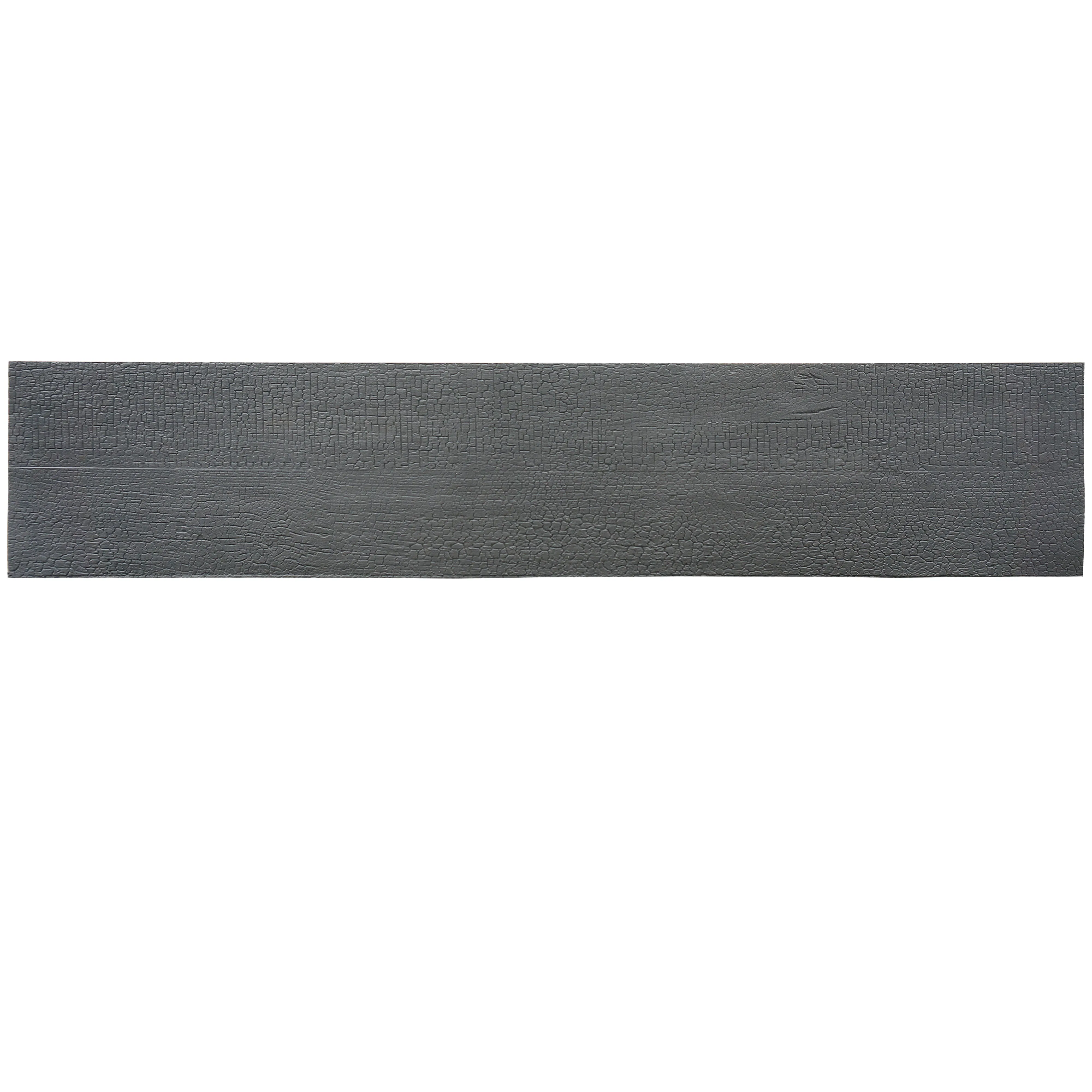
In the quiet corners of architecture and design, materials tell stories. They shape how we experience spaces—whether it's the warmth of a wooden beam in a mountain cabin or the sleek coolness of concrete in a modern gallery. Yet, for all their visual appeal, the true magic of a material lies in its ability to endure. Today, we're diving into a material that marries tradition with cutting-edge science: the charcoal burnt wood board. More specifically, we're exploring how nanotechnology is solving one of its most pressing challenges—pH stability—and in turn, redefining what's possible for sustainable, long-lasting design.
Charcoal burnt wood board isn't just a material; it's a craft. Born from the ancient Japanese technique of shou sugi ban , where wood is charred to enhance durability and resistance to pests, it carries the marks of intentionality. The burning process darkens the wood to rich, smoky hues—deep blacks, warm charcoals, and hints of amber—creating textures that feel both rugged and refined. It's no wonder designers and homeowners alike are drawn to its ability to add depth to interiors, from accent walls in minimalist lofts to statement furniture in cozy cafes.
But for all its aesthetic charm, traditional charcoal burnt wood has a silent enemy: pH instability. Wood, by nature, is porous. When exposed to moisture, humidity, or environmental pollutants, its pH levels can swing dramatically—leaning too acidic or too alkaline. Over time, this imbalance eats away at the wood's structure: colors fade, surfaces crack, and the material becomes prone to rot. For a material celebrated for durability, this vulnerability felt like a paradox—until nanotechnology stepped in.
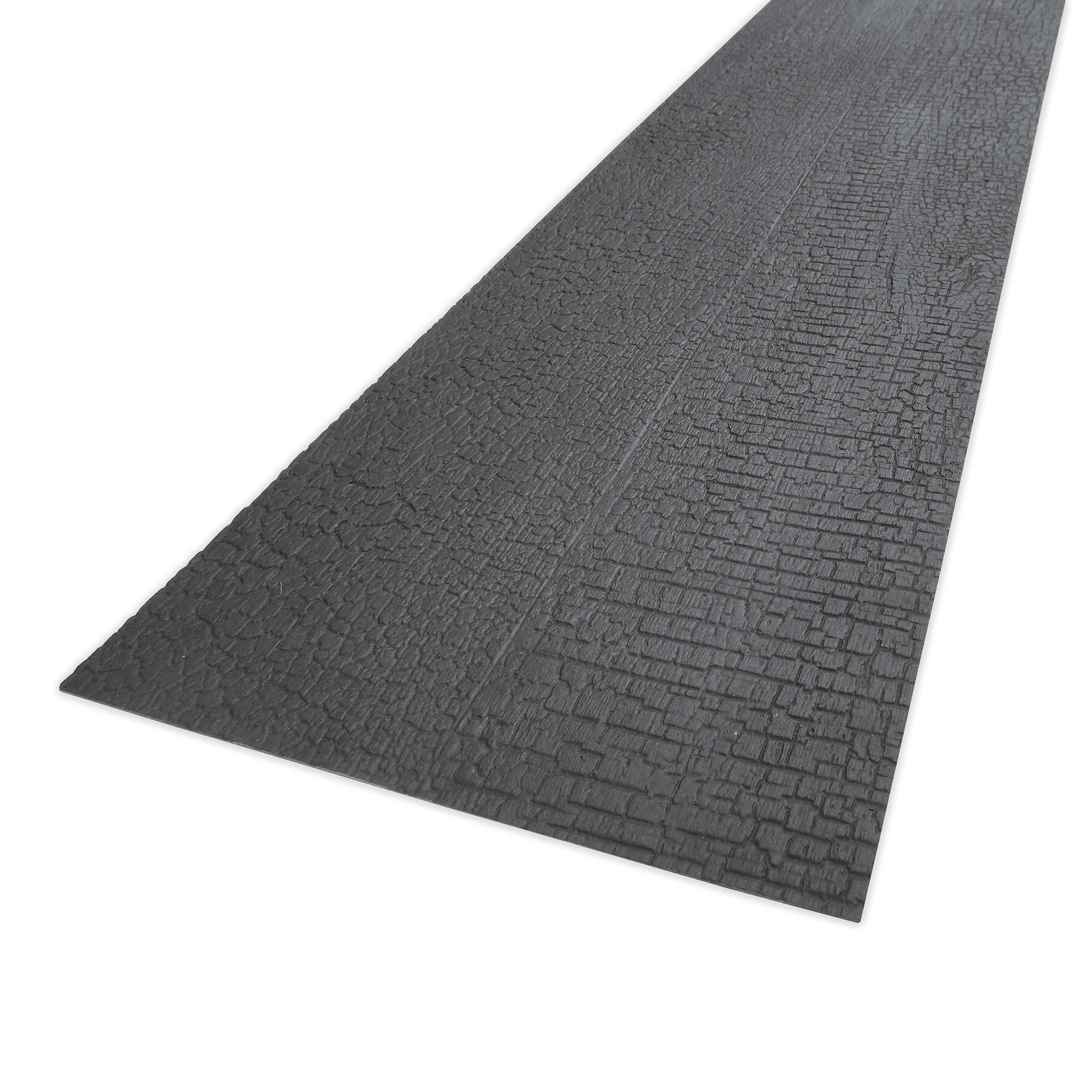
Enter nanotechnology—the science of manipulating matter at the scale of atoms and molecules. In the context of charcoal burnt wood board, it's not about overhauling the material's essence but enhancing it from the inside out. Here's how it works: tiny nanoparticles, often made of silica, alumina, or titanium dioxide, are integrated into the wood's surface during the manufacturing process. These particles, thousands of times smaller than a human hair, act as both protectors and regulators.
Think of nanoparticles as a microscopic security detail. Their high surface area allows them to form a dense, invisible barrier across the wood's pores. This barrier repels moisture, preventing water from seeping in and triggering pH swings. But it doesn't stop there—nanoparticles also have the unique ability to neutralize pH fluctuations. When acids or alkalis try to disrupt the wood's balance, the nanoparticles react, stabilizing the environment and keeping pH levels within a safe, neutral range (around 6.5 to 7.5). It's like giving the wood a built-in thermostat for its chemical health.
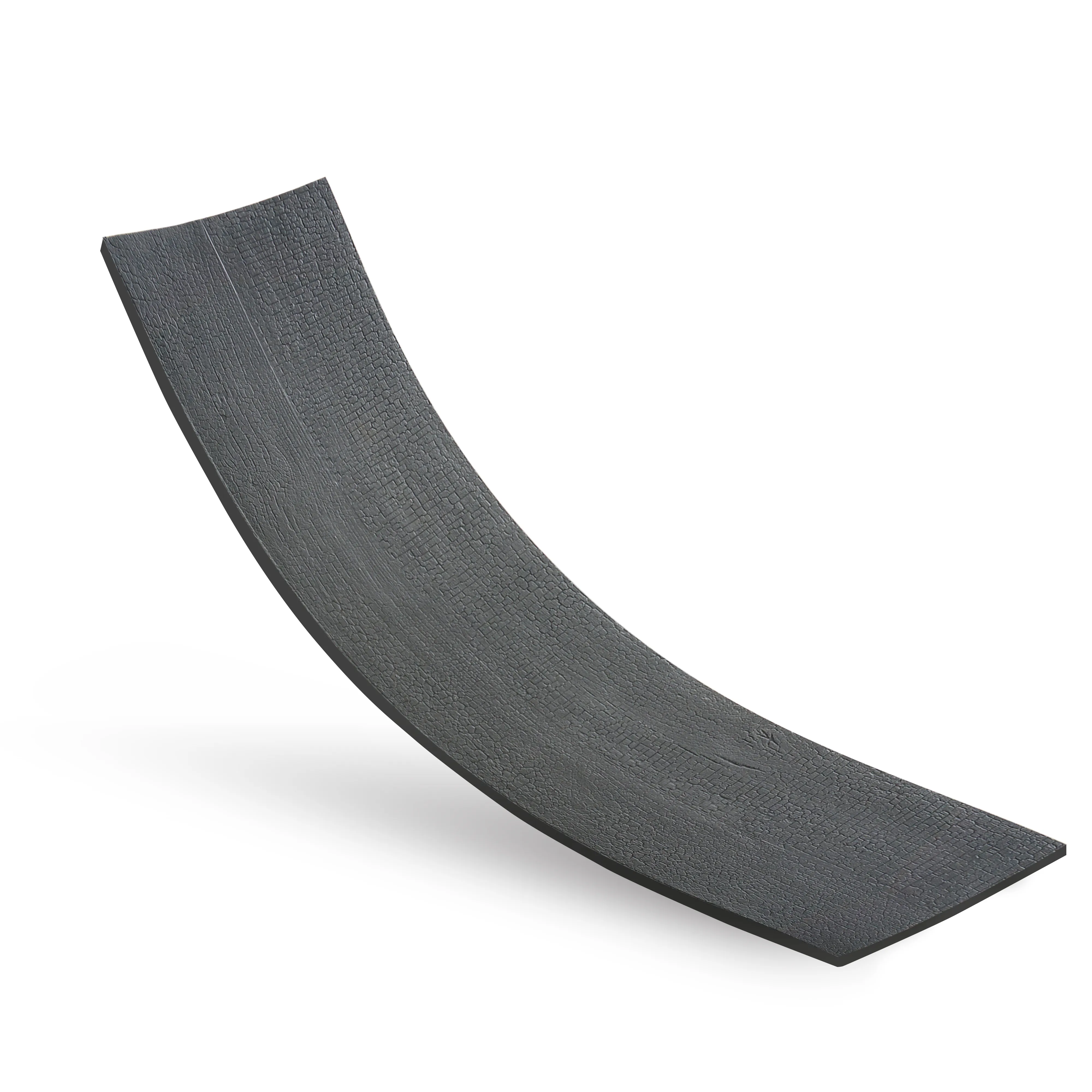
The result? A charcoal burnt wood board that's not just beautiful, but resilient. To put it in perspective, let's compare traditional and nanotech-enhanced versions side by side:
| Property | Traditional Charcoal Burnt Wood | Nanotech-Enhanced Charcoal Burnt Wood |
|---|---|---|
| pH Stability | Prone to swings (4.0–9.0 range) | Stabilized (6.5–7.5 neutral range) |
| Water Resistance | Moderate; absorbs 15–20% moisture | High; absorbs <5% moisture |
| Color Retention | Fades significantly after 3–5 years | Minimal fading; retains 90% color after 10+ years |
| Lifespan | 10–15 years (indoor); 5–8 years (outdoor) | 25–30 years (indoor); 15–20 years (outdoor) |
| Environmental Resistance | Vulnerable to pollutants, mold, and rot | Resistant to pollutants, mold, and UV damage |
These improvements aren't just numbers—they translate to real-world benefits. For homeowners, it means less maintenance: no need for frequent refinishing or harsh chemical treatments. For designers, it opens doors to new applications: using charcoal burnt wood in high-moisture areas like bathrooms or kitchens, or outdoors in patios and pool surrounds, where traditional wood would falter.
What truly excites about nanotech-enhanced charcoal burnt wood is how it harmonizes with other innovative materials, expanding its versatility. Take wood grain board , for example—a material that mimics the look of natural wood with enhanced durability. Pairing nanotech charcoal wood with wood grain board creates layered, organic interiors where the depth of charred textures contrasts beautifully with the smooth, consistent patterns of wood grain. It's tradition and modernity in dialogue.
For commercial spaces, fair-faced concrete —with its raw, industrial charm—becomes a striking companion. Imagine a restaurant facade where the cool, gray tones of fair-faced concrete are offset by panels of nanotech charcoal wood. The concrete provides structural strength, while the wood adds warmth, and together, they create a facade that's both bold and inviting. And outdoors, flexible stone —a lightweight, adaptable cladding material—complements nanotech charcoal wood in garden paths or outdoor kitchens. Flexible stone's ability to conform to curves pairs with the wood's linear texture, proving that durability and design flexibility can coexist.
In an era where sustainability is non-negotiable, nanotech-enhanced charcoal burnt wood checks another crucial box: longevity. By extending the material's lifespan, we reduce the need for frequent replacements, cutting down on deforestation and waste. Nanoparticles themselves are often derived from abundant, eco-friendly materials, and the manufacturing process requires minimal energy compared to synthetic alternatives. It's a win-win: a material that's kind to the planet and kind to your budget over time.
Nanotechnology in charcoal burnt wood board is more than a technical fix—it's a glimpse into the future of building materials. It's about creating products that don't just serve a function but tell a story: of tradition preserved, of science harnessed, and of spaces designed to last. Whether you're a designer crafting a boutique hotel, a homeowner revamping your living room, or an architect reimagining urban facades, this innovation empowers you to build with confidence—knowing your materials are as resilient as they are beautiful.
So the next time you run your hand over a charred wood surface, take a moment to appreciate the invisible science at work. Behind that rich texture and deep color lies a world of nanoparticles, quietly balancing pH and protecting the material's integrity. It's a reminder that the most impactful innovations aren't always the loudest—sometimes, they're the ones that let materials speak for themselves, for years to come.
Recommend Products












