

In the towering world of high-rise architecture, where structural integrity meets aesthetic ambition, the choice of facade material is paramount. Architects, developers, and builders constantly grapple with selecting materials that not only stand the test of time and weather but also contribute to a building's identity and sustainability credentials. Two contenders often surface in these discussions: natural granite and what some refer to as "rust board granite" – a term that typically describes granite with specific iron oxide inclusions giving it a reddish-brown, weathered look, or in a broader sense, potentially encompasses engineered alternatives designed to mimic this appearance. But in an era where innovation is key, a truly revolutionary material, MCM (Modified Cementitious Material) , is swiftly changing the game, offering compelling advantages over traditional stone for high-rise applications. Let's dive deep into the debate and explore why materials like MCM are increasingly becoming the go-to choice for modern urban landscapes.
Natural granite has long been celebrated for its inherent beauty, robustness, and timeless elegance. Formed over millions of years deep within the earth's crust, this igneous rock boasts a unique granular texture and a palette of colors that can range from pristine whites and grays to vibrant reds and deep blacks. Its natural variations ensure that no two installations are exactly alike, lending an exclusive, premium feel to any structure it adorns. For high-rise buildings, granite has historically been a symbol of strength and permanence, projecting an image of unyielding stability.
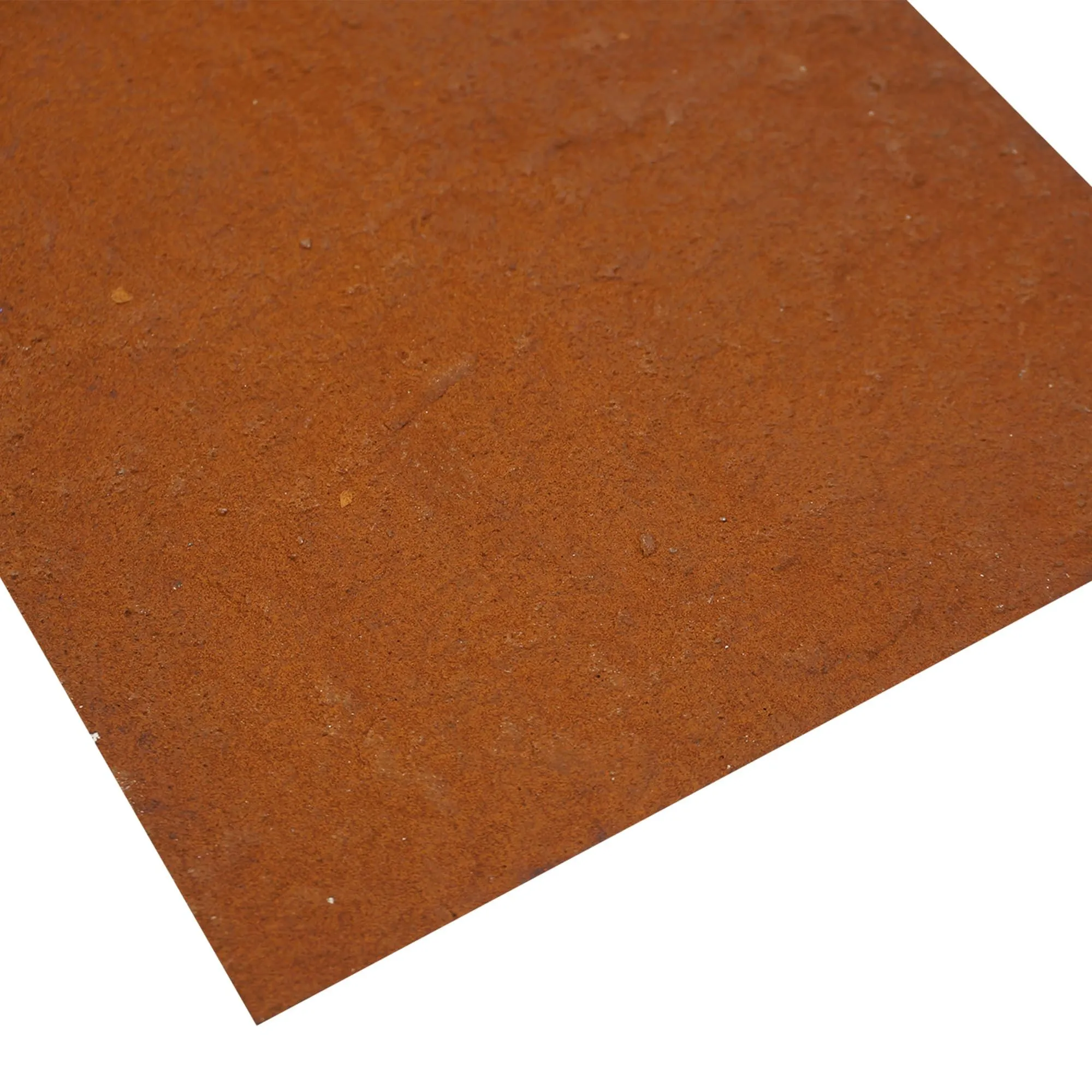
The term "rust board granite" can be interpreted in a couple of ways. It might refer to specific types of natural granite that naturally exhibit iron oxide staining, giving them a rustic, reddish-brown, or orange hue, reminiscent of rusted metal. These varieties are chosen for their unique aesthetic, which can evoke warmth, earthiness, or a modern industrial look. Alternatively, "rust board granite" might refer to an engineered material designed to mimic this specific aesthetic without being natural granite. For the purpose of this discussion, we'll consider both interpretations, as the challenges largely remain similar for natural stone and its weight, while engineered alternatives face different considerations.
If "rust board granite" is indeed a specific natural granite variety, it shares all the challenges of natural granite discussed above – especially its weight, cost, and installation complexity. Additionally, the iron content that gives it its distinct color can sometimes be a source of concern. While usually stable, in certain environmental conditions, the iron can continue to oxidize, potentially leading to further color changes or even staining on adjacent materials if not properly managed or sealed. The availability of specific "rust board" patterns and colors can also be more limited than general granite types, affecting project timelines and costs.
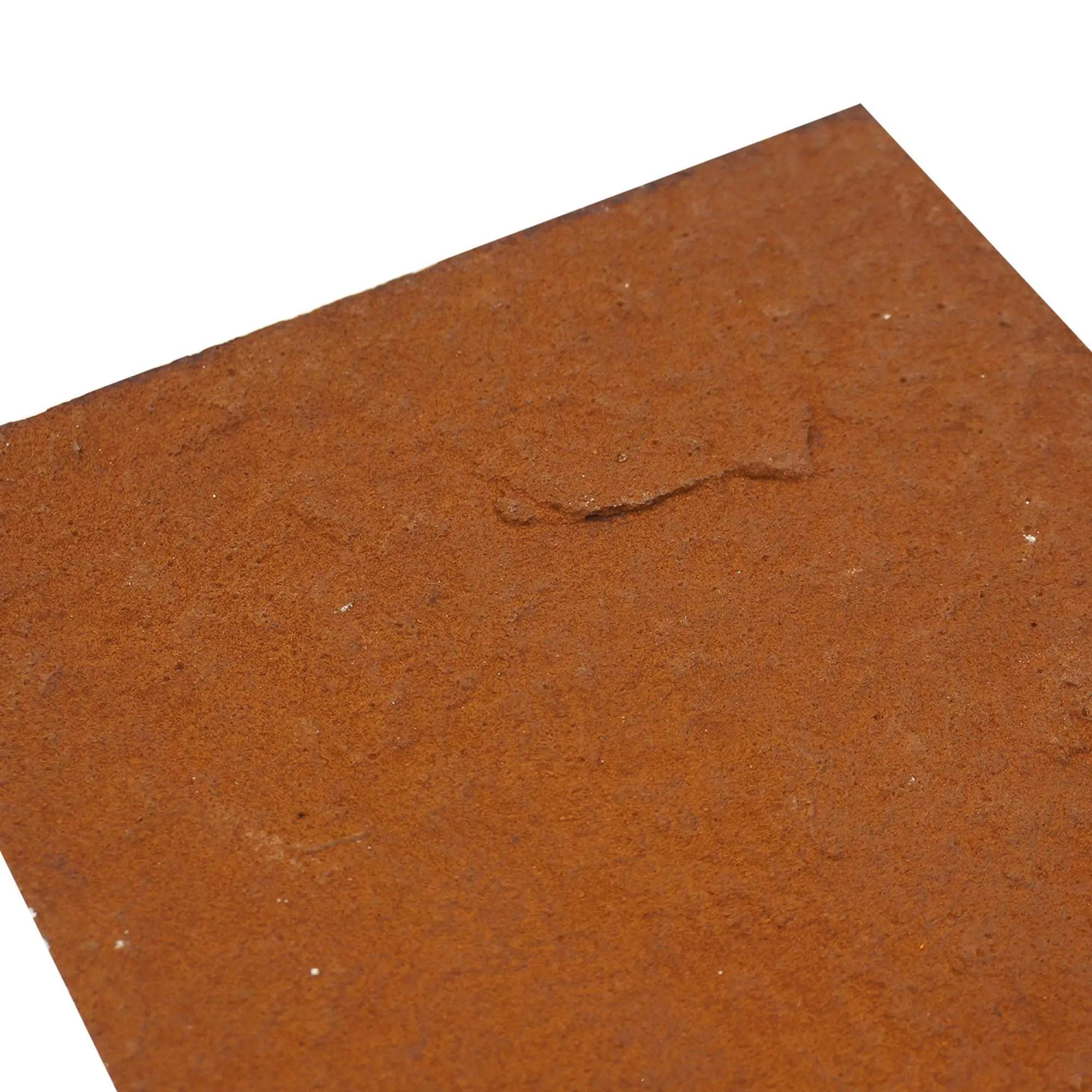
As the architectural world evolves, so do its materials. This is where COLORIA GROUP, a premier one-stop solution provider in the building materials sector, introduces its groundbreaking MCM (Modified Cementitious Material) series. MCM isn't just an alternative; it's a paradigm shift in how we approach building facades, particularly for high-rise and large-scale residential and commercial projects . Leveraging decades of industry experience, COLORIA GROUP has perfected a range of MCM products that address the critical limitations of traditional stone while offering unparalleled benefits.
MCM is an innovative, flexible, and lightweight material crafted from natural inorganic minerals and a special polymer binder, cured at specific temperatures. It mimics the texture, color, and appearance of various natural materials, including granite, stone, wood, and brick, but without their inherent drawbacks. COLORIA GROUP's MCM series represents the pinnacle of this technology, offering an intelligent and sustainable choice for modern construction.
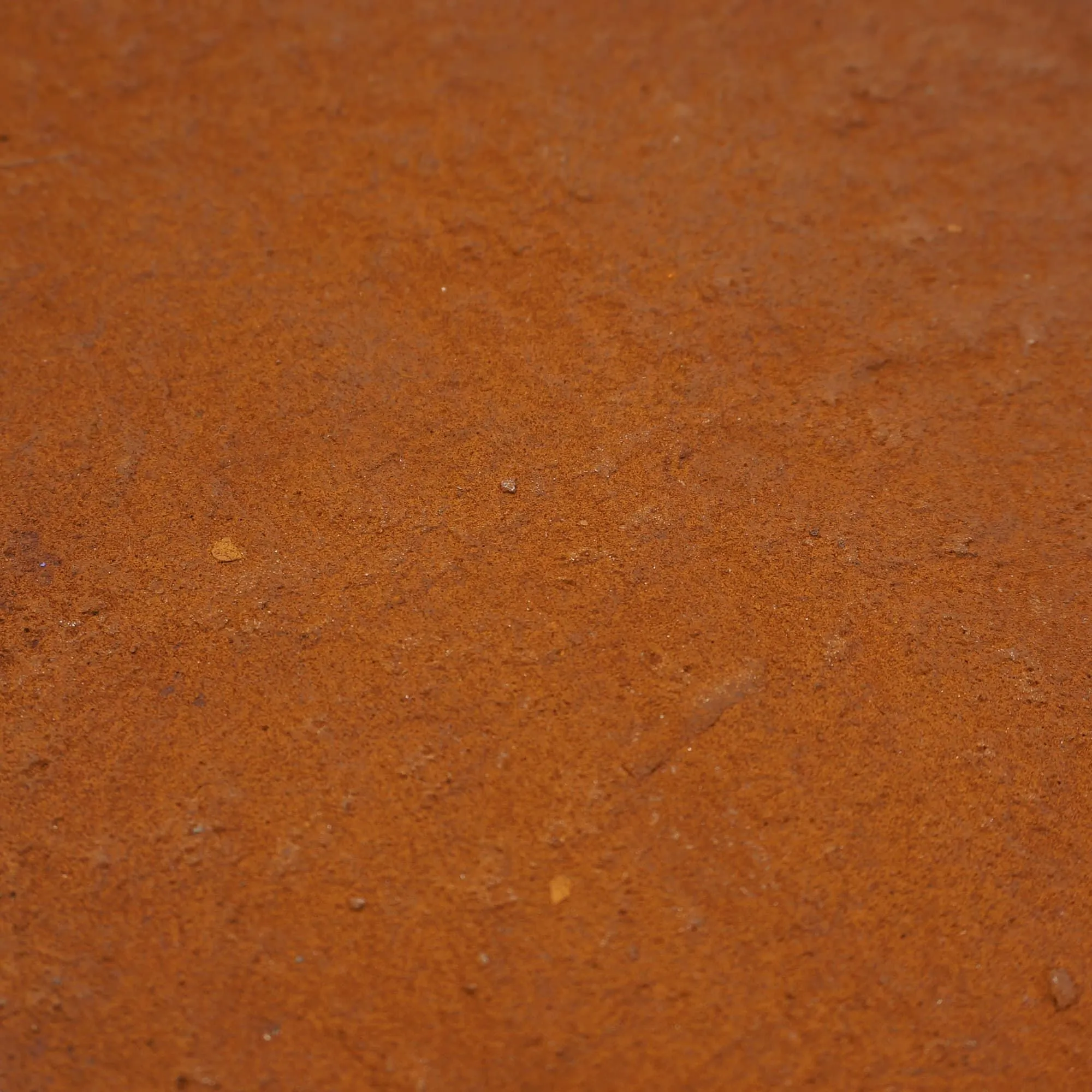
To make an informed decision, it's crucial to compare these materials across key metrics relevant to high-rise construction.
| Feature | Natural Granite / "Rust Board Granite" | COLORIA GROUP's MCM (Modified Cementitious Material) |
|---|---|---|
| Weight | Very Heavy (20-30 kg/sqm for typical cladding) | Extremely Lightweight (approx. 3-6 kg/sqm) – Significant structural savings |
| Flexibility | Rigid and brittle; prone to cracking under stress | Highly Flexible – Resistant to cracking, conforms to curves |
| Aesthetics & Customization | Natural variations, limited by quarrying and cutting; "rust board" look is naturally occurring. | High-quality replication of any texture/color (including "rust board" look); fully customized in shape, size, texture (e.g., MCM 3D Printing Series). |
| Installation | Complex, slow, requires heavy machinery and specialized labor; high safety risks. | Faster, simpler, safer; less labor-intensive; suitable for MCM Big Slab Board Series and MCM Project Board Series . |
| Cost (Overall Project) | High due to material, structural reinforcement, transport, and installation. | More cost-effective due to reduced structural needs, faster installation, lower transport costs. |
| Sustainability | Energy-intensive quarrying, significant transport emissions, landscape disruption. | Green and environmentally friendly ; low energy production, natural raw materials, reduced transport impact. |
| Durability & Maintenance | Very durable, but specific granite types may require sealing; natural stone can be prone to specific stains. | Highly durable, resistant to weathering, UV, pollution; easy to clean and low maintenance. |
| Fire Resistance | Naturally non-combustible. | Excellent fire resistance, meeting stringent international standards. |
| Application Suitability | Heavy, requires robust structural support; limitations on complex shapes. | Versatile for all facades, especially high-rises; ideal for complex designs, curves, and renovations. |
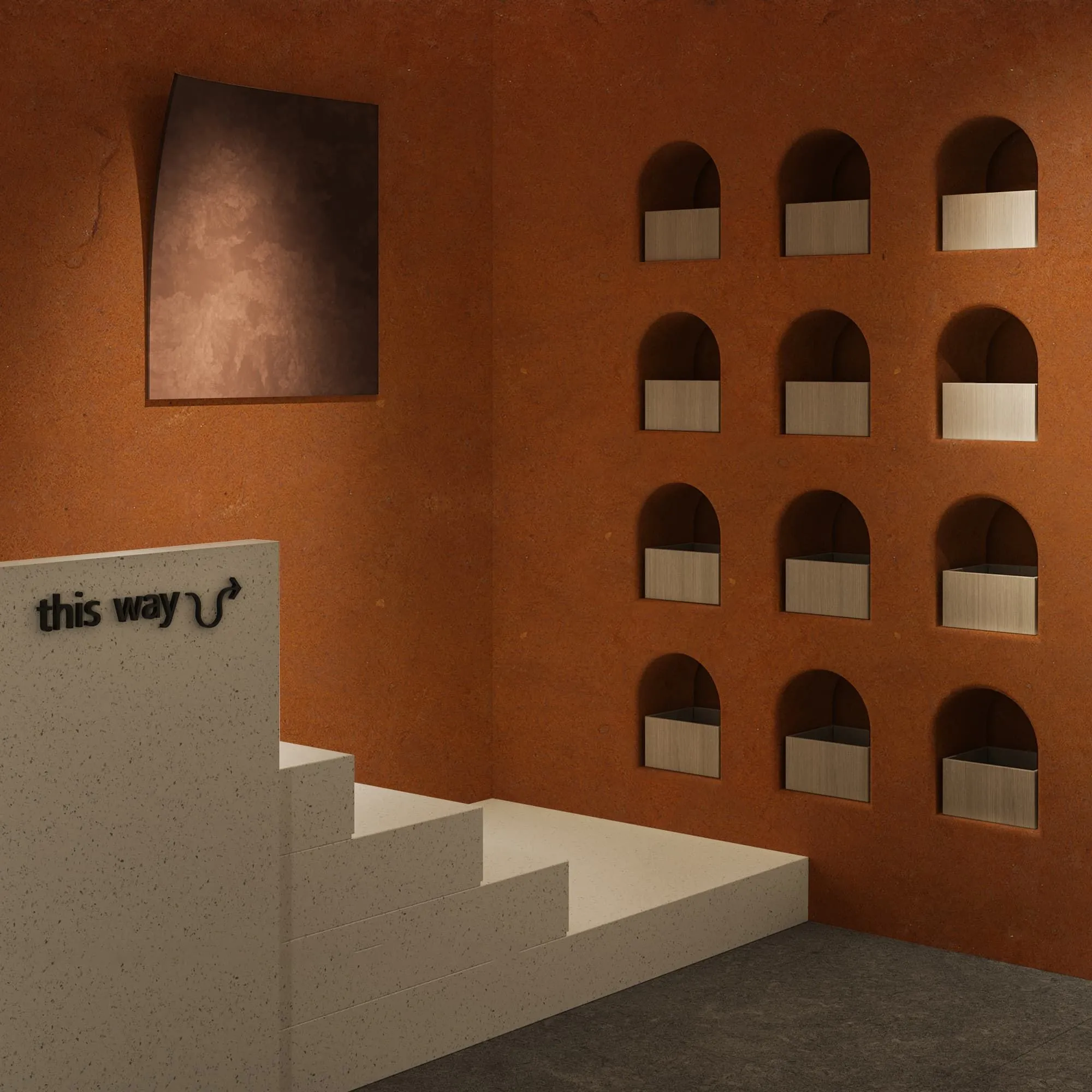
Choosing the right material is only part of the equation; partnering with the right supplier is equally critical. COLORIA GROUP distinguishes itself not just through its innovative MCM products but also through its comprehensive approach as a one-stop solution provider .
With decades of industry experience, COLORIA GROUP possesses an unparalleled understanding of architectural materials and construction needs. Our global presence, including a strong agency network in Saudi Arabia, ensures that we can support residential and commercial projects worldwide, providing localized insights and seamless logistics. We don't just sell products; we offer solutions tailored to your specific project's demands, navigating regional regulations and aesthetic preferences.
Our relentless pursuit of innovation means that our MCM (Modified Cementitious Material) series is continuously refined to meet and exceed industry standards. Every product, from the MCM Big Slab Board Series to the intricate MCM 3D Printing Series , undergoes rigorous high-quality control to ensure superior performance, durability, and aesthetic appeal. We believe that a high-rise building deserves nothing less than the best, and our materials are designed to deliver exactly that.
In an era dominated by environmental concerns, choosing green and environmentally friendly materials is not just a trend; it's a responsibility. COLORIA GROUP's MCM products offer a genuinely sustainable alternative that helps projects achieve green building certifications and reduces their overall ecological footprint. By opting for MCM, you're not just building a structure; you're building a statement about your commitment to a sustainable future.
At COLORIA GROUP, we view our clients as partners. Our team of experts works closely with architects, designers, and developers from conception to completion. We provide comprehensive support, including technical consultations, design assistance for customized solutions, and post-installation guidance. Our goal is to ensure that your vision is realized with precision and efficiency, making the facade selection and installation process as smooth and stress-free as possible.
When evaluating materials for high-rise buildings, it's essential to look beyond the initial purchase price. The total cost of ownership (TCO) over the lifespan of the building reveals the true economic impact of material choices.
While natural granite is durable, it's not immune to problems. Grout lines can deteriorate, sealants need reapplication, and in rare cases, stone panels can delaminate or crack, especially under thermal stress or building movement. Repairs at extreme heights are incredibly expensive and disruptive. MCM, with its inherent flexibility, seamless installation options (especially with MCM Big Slab Board Series ), and engineered resistance to environmental factors, typically requires far less maintenance. Its color stability means no fading or need for frequent repainting, saving significant costs over decades.
The thermal performance of a facade material directly impacts a building's energy consumption. While natural stone has some thermal mass, its effectiveness as an insulator can vary. MCM panels, especially when combined with appropriate insulation systems, contribute significantly to a building's thermal envelope, reducing heating and cooling loads. This translates to lower operational costs throughout the building's life, enhancing its financial viability and market appeal.
A building facade is its public face, a crucial element in establishing its brand and attracting tenants or buyers. A beautifully designed, high-quality facade that is known for its durability, sustainability, and low maintenance will inherently increase property value and market desirability. Buildings clad with COLORIA GROUP's green and environmentally friendly MCM are not just aesthetically pleasing; they are smart, forward-thinking investments that resonate with environmentally conscious consumers and businesses.
While natural granite and its "rust board" variants have a storied history in architecture, the demands of modern high-rise construction, coupled with an increasing emphasis on sustainability, efficiency, and design flexibility, necessitate a re-evaluation of traditional choices. The intrinsic weight, cost, installation complexity, and environmental footprint of natural stone present significant hurdles that forward-thinking projects can no longer afford to ignore.
COLORIA GROUP's MCM (Modified Cementitious Material) series emerges as the superior solution, not just as an alternative, but as an advancement. As a dedicated one-stop solution provider , we offer a portfolio of high-quality products, including the versatile MCM Big Slab Board Series , the project-specific MCM Project Board Series , and the revolutionary MCM 3D Printing Series . Our MCM materials provide unmatched benefits in terms of lightweight design, flexibility, cost-effectiveness, and ease of installation, making them ideal for ambitious residential and commercial projects around the globe.
Furthermore, our unwavering commitment to producing green and environmentally friendly materials, combined with our ability to deliver customized aesthetic solutions, empowers architects and developers to create stunning, sustainable, and economically viable structures that define skylines for generations. When pondering the question of which material is better for high-rises, the answer becomes unequivocally clear: for innovation, sustainability, and performance, COLORIA GROUP's MCM is the material of the future, available today. Embrace the future of facade design with a partner who understands your vision and helps you build it.
Recommend Products











