

To understand natural red travertine's relationship with water, we first need to appreciate how it's formed. Born from mineral-rich hot springs, travertine forms as calcium carbonate deposits crystallize over time, creating a stone riddled with tiny pores and channels. These pores are a result of trapped gases and water during formation, and they're part of what gives travertine its characteristic "bubble" texture and matte finish. In red travertine, iron oxides lend the stone its warm, rusty tones, ranging from soft terracotta to deep crimson—colors that seem to glow when light hits its surface.
But those same pores that make natural red travertine so visually intriguing are also its Achilles' heel. Porosity in natural stone is measured by how much water it can absorb, and red travertine typically falls on the more porous end of the spectrum, with absorption rates ranging from 3% to 5% (by weight) in untreated specimens. To put that in perspective: a single square foot of natural red travertine could absorb several ounces of water in just a few minutes. This isn't just a numbers game—it has real-world consequences.
Imagine a family installing natural red travertine tiles in their outdoor patio. After a summer rainstorm, the tiles darken as they soak up water, and within weeks, mold starts to grow in the grout lines. A spilled glass of red wine at a backyard dinner party seeps into the pores, leaving a permanent stain. In colder climates, the absorbed water freezes and expands, causing cracks and spalling over time. Indoors, bathroom walls or kitchen backsplashes made of natural red travertine require constant sealing—often every 6–12 months—to prevent moisture from seeping in and damaging the underlying structure or fostering bacteria growth.
For all its beauty, natural red travertine demands a high level of maintenance. Homeowners and designers often find themselves torn between their love for the stone's aesthetic and the practical headaches of keeping it looking pristine. It's a classic case of form vs. function—until MCM stepped in.
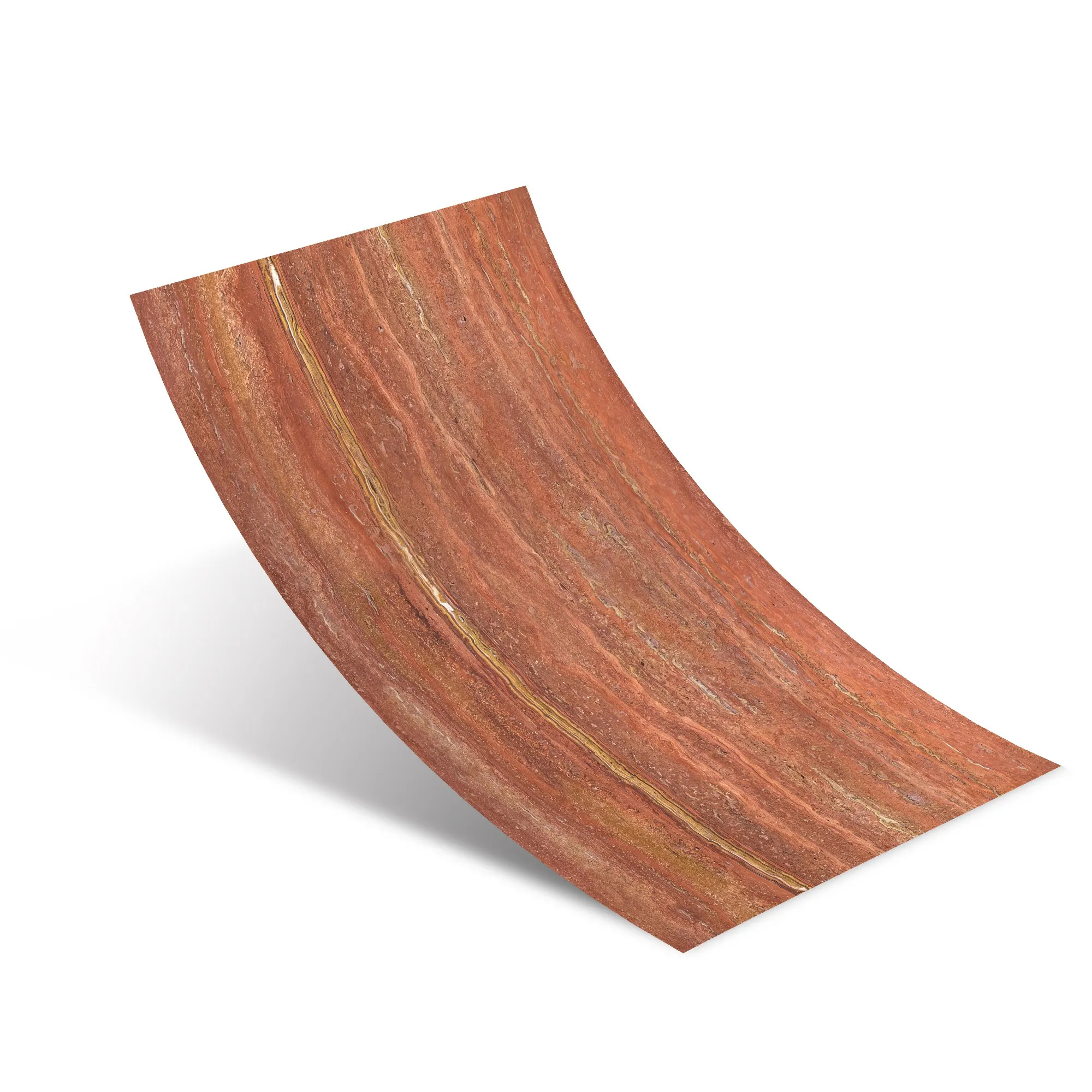
MCM, or Modified Composite Material, is a game-changer in the world of surfacing materials. Developed to mimic the look and feel of natural stone while addressing its limitations, MCM combines mineral powders, polymers, and reinforcing fibers to create a lightweight, durable, and highly customizable material. When it comes to red travertine, MCM's travertine (starry red) variant is a standout example. Part of MCM's 3D printing series and big slab board series , this product replicates the rich coloration and organic veining of natural red travertine—right down to the subtle "starry" flecks that give it its name—without the porous structure that plagues its natural counterpart.
So, how does MCM achieve this? The secret lies in its manufacturing process. Unlike natural travertine, which forms randomly over centuries, MCM red travertine is engineered in a controlled environment. The composite layers are compressed and bonded under high pressure, creating a dense, uniform structure that leaves little room for water to penetrate. Many MCM products, including travertine (starry red) , also include a built-in water-resistant coating or sealant during production, further reducing absorption. The result? A material that looks indistinguishable from natural red travertine at first glance but behaves entirely differently when exposed to moisture.
Take MCM flexible stone technology, for instance. This feature allows MCM panels to bend slightly without cracking, making them ideal for curved surfaces or uneven walls. But it also contributes to water resistance: the flexibility comes from a strong, cohesive matrix that doesn't have the weak points (like pores or micro-fractures) found in natural stone. When water hits MCM red travertine, it beads up and rolls off the surface, much like water on a well-waxed car, rather than soaking in. This inherent resistance means less reliance on post-installation sealing and fewer worries about long-term water damage.
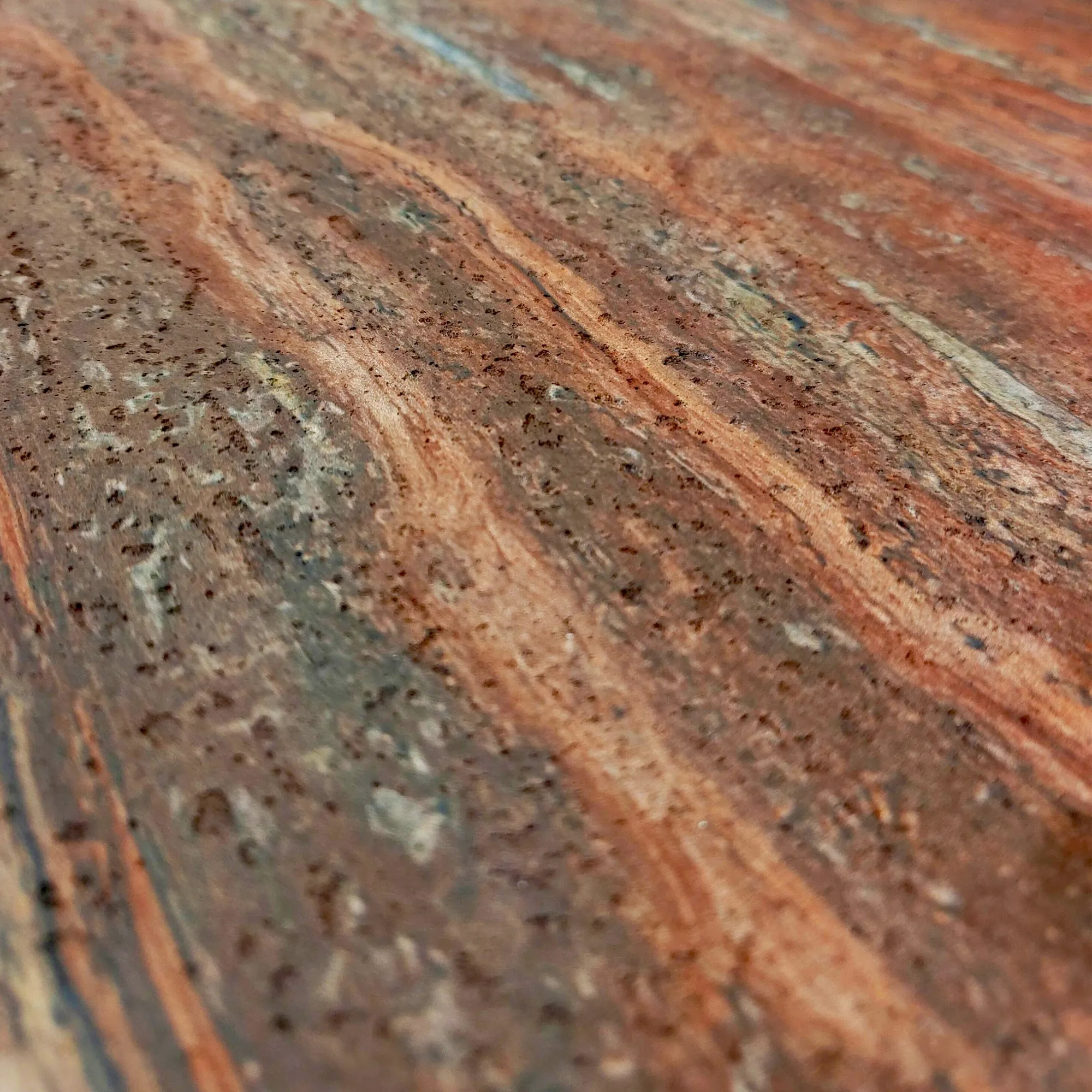
To truly understand the difference, let's compare natural red travertine and MCM red travertine ( travertine (starry red) ) across key metrics related to water resistance. The table below breaks down their performance in real-world scenarios:
| Property | Natural Red Travertine (Untreated) | MCM Red Travertine ( travertine (starry red) ) |
|---|---|---|
| Water Absorption Rate | 3–5% (by weight, per ASTM standards) | <0.5% (by weight, per MCM technical specs) |
| Stain Resistance (Wine, Oil, Coffee) | Poor: Stains penetrate pores quickly; requires immediate cleaning | Excellent: Stains sit on surface; easy to wipe clean with mild soap |
| Freeze-Thaw Durability | Low: Absorbed water expands when frozen, causing cracks | High: Minimal water absorption prevents freeze-thaw damage |
| Maintenance Needs | High: Seal every 6–12 months; regular cleaning with pH-neutral products | Low: No sealing required; occasional wipe-down with water and mild detergent |
| Moisture-Related Mold Growth | Likely in damp areas (showers, basements) | Unlikely: Non-porous surface inhibits mold and mildew |
These numbers tell a clear story: MCM red travertine outperforms natural red travertine in every water-related category. For example, the <0.5% water absorption rate of travertine (starry red) means it meets the standards for "waterproof" materials in many building codes, making it suitable for high-moisture areas where natural stone would fail. The reduced maintenance alone is a huge selling point—imagine never having to re-seal your kitchen backsplash or worry about rain damage to your outdoor patio tiles again.
Sarah, a homeowner in Portland, Oregon, learned the hard way about natural red travertine's limitations. "I fell in love with the color and texture, so I used it for my outdoor pool deck," she recalls. "The first winter, the tiles started cracking from freeze-thaw. By the second summer, there were stains from sunscreen and bird droppings that wouldn't come out, even with professional cleaning. I spent over $2,000 on repairs and sealing in two years."
When Sarah remodeled her pool area last year, she switched to MCM's travertine (starry red) from the big slab board series . "It looks identical to the natural stone I had before, but it's been a night and day difference," she says. "After heavy rains, the tiles dry in an hour—no dark spots. I spilled a bottle of suntan oil last month, and it wiped right off with a paper towel. No more sealing, no more stains. It's like having the beauty of travertine without the stress."
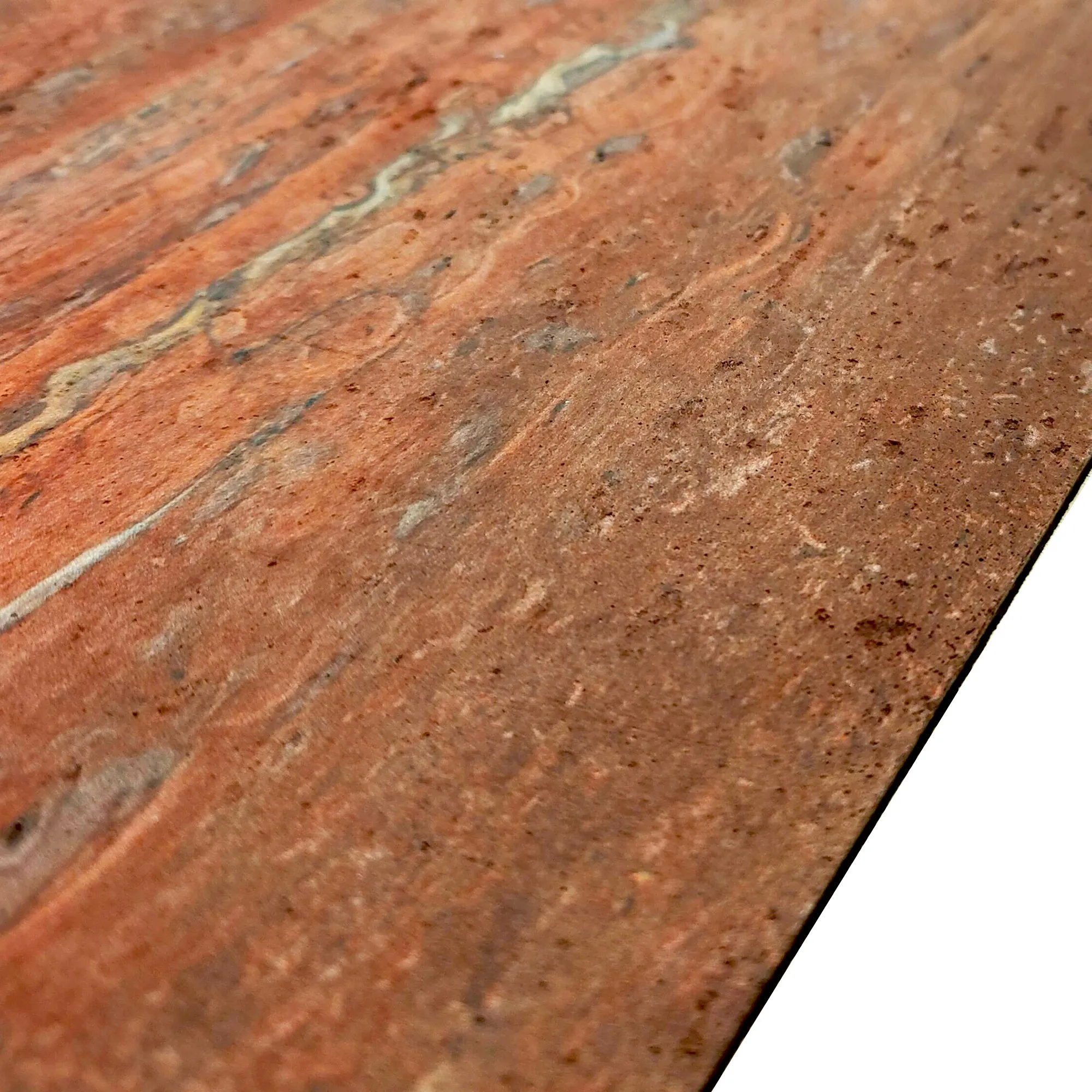
While water resistance is a star feature of MCM red travertine, it's far from the only advantage. The MCM flexible stone and big slab board series also offer benefits like:
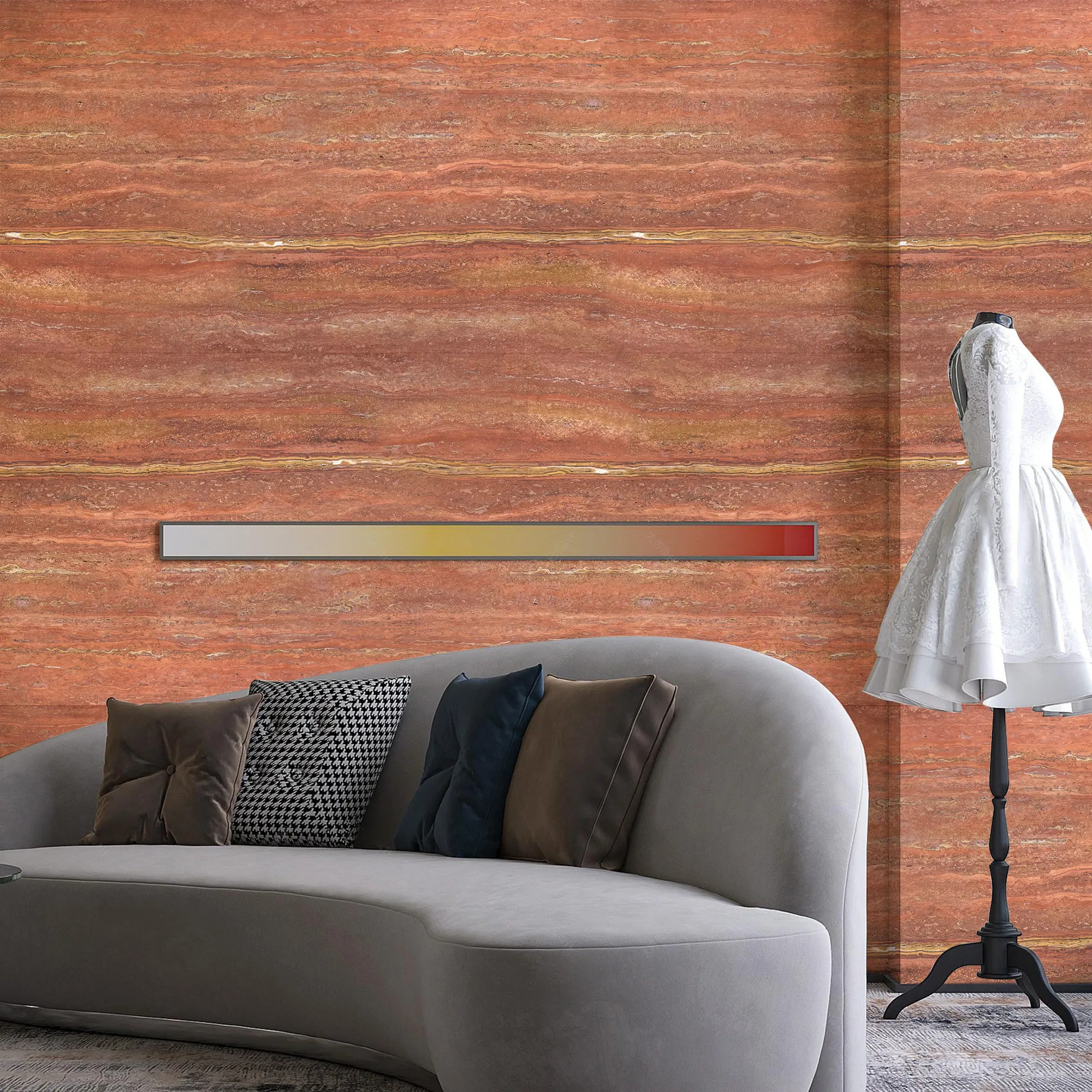
Natural red travertine is undeniably stunning, but its porosity and water sensitivity make it a high-maintenance choice for many applications. MCM red travertine, exemplified by travertine (starry red) , offers a compelling alternative. By combining cutting-edge technology with a deep understanding of natural stone aesthetics, MCM delivers the best of both worlds: the warm, organic beauty of red travertine, plus the water resistance, durability, and low maintenance that modern homeowners and designers demand.
Whether you're designing a bathroom, outdoor patio, or commercial space, the choice is clear: MCM red travertine lets you enjoy the timeless appeal of travertine without the stress of water damage, stains, or constant upkeep. It's not just a material upgrade—it's a lifestyle upgrade, giving you more time to appreciate your space and less time worrying about its upkeep.
Recommend Products











