
Every construction project begins with a question: What materials will bring this vision to life? For architects, builders, and homeowners alike, the answer hinges on a delicate balance of aesthetics, durability, and cost. Choose a material that's too costly, and budgets strain; opt for something cheap, and you might sacrifice longevity or style. Today, we're diving into two contenders that often top the list for high-impact surfaces: the timeless elegance of Natural Slate Portoro and the innovative versatility of MCM (Modified Composite Material) . By the end, you'll have a clear picture of how these materials stack up—not just in looks, but in the numbers that matter most to your project's bottom line.
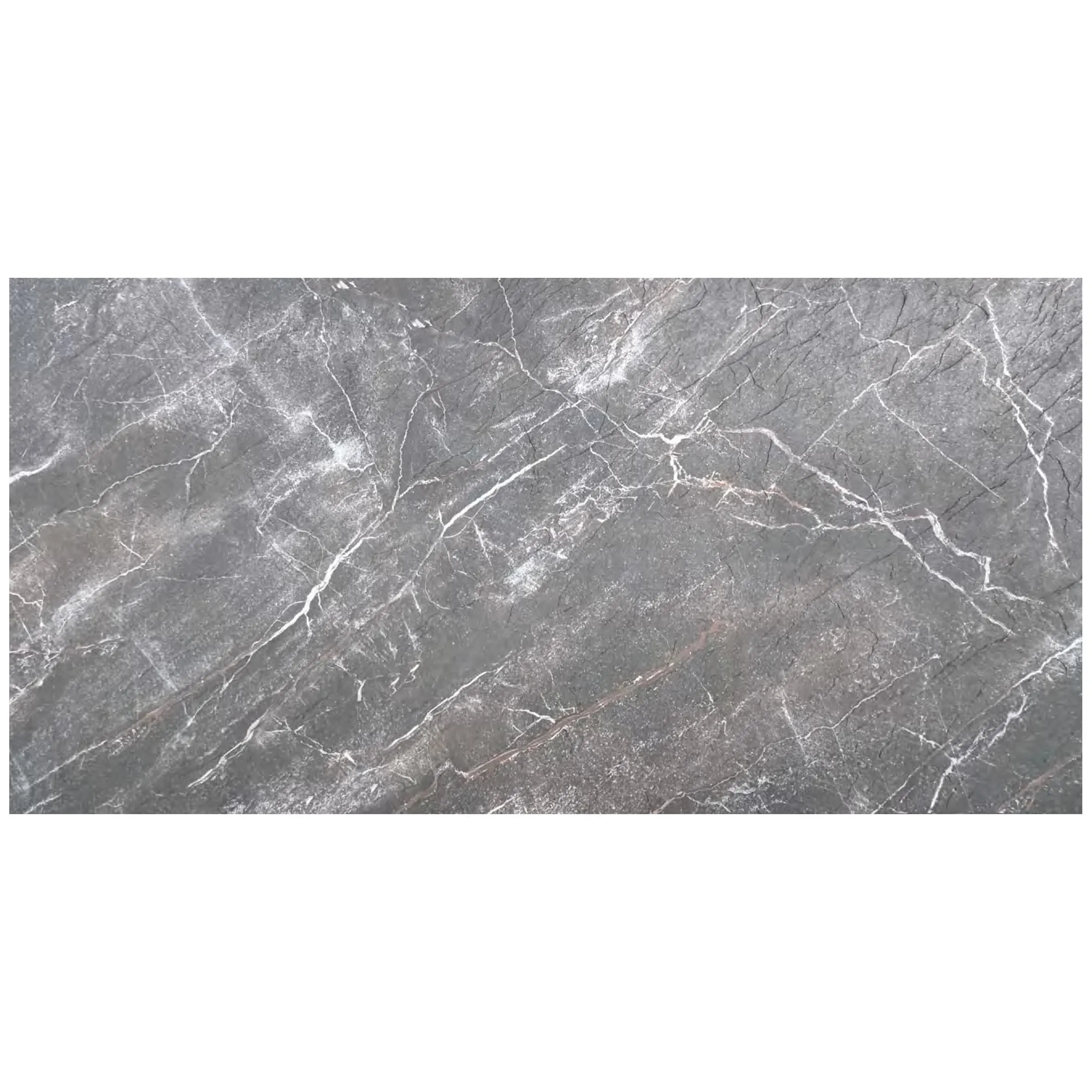
Let's start with the veteran: Natural Slate Portoro. Quarried from the earth, this stone is a favorite for its dramatic black backdrop swirled with gold and white veins—each slab as unique as a fingerprint. It's the material of choice for spaces that demand luxury: think five-star hotel lobbies, high-end residential feature walls, or heritage building restorations where "authenticity" is non-negotiable. Its natural density makes it water-resistant and scratch-proof, promising decades of beauty if cared for properly. But that beauty comes with a price tag, and not just at the checkout counter.
The Cost Breakdown: Extracting Natural Slate Portoro is labor-intensive. Miners chip away at rock faces to harvest slabs, which are then cut, polished, and transported—often from remote quarries to project sites. On average, raw material costs range from $25 to $40 per square foot , and that's before factoring in waste. Because each slab is unique, matching veining for large projects can mean ordering 10-15% extra material to account for inconsistencies—a hidden cost that adds up fast. Installation isn't cheap either: its weight (up to 15 pounds per square foot) requires skilled masons to handle, driving labor costs to $15 to $25 per square foot . And don't forget long-term care: annual sealing ($2–$3 per square foot every 2 years) and occasional repairs for chips or cracks can tack on thousands over a decade.
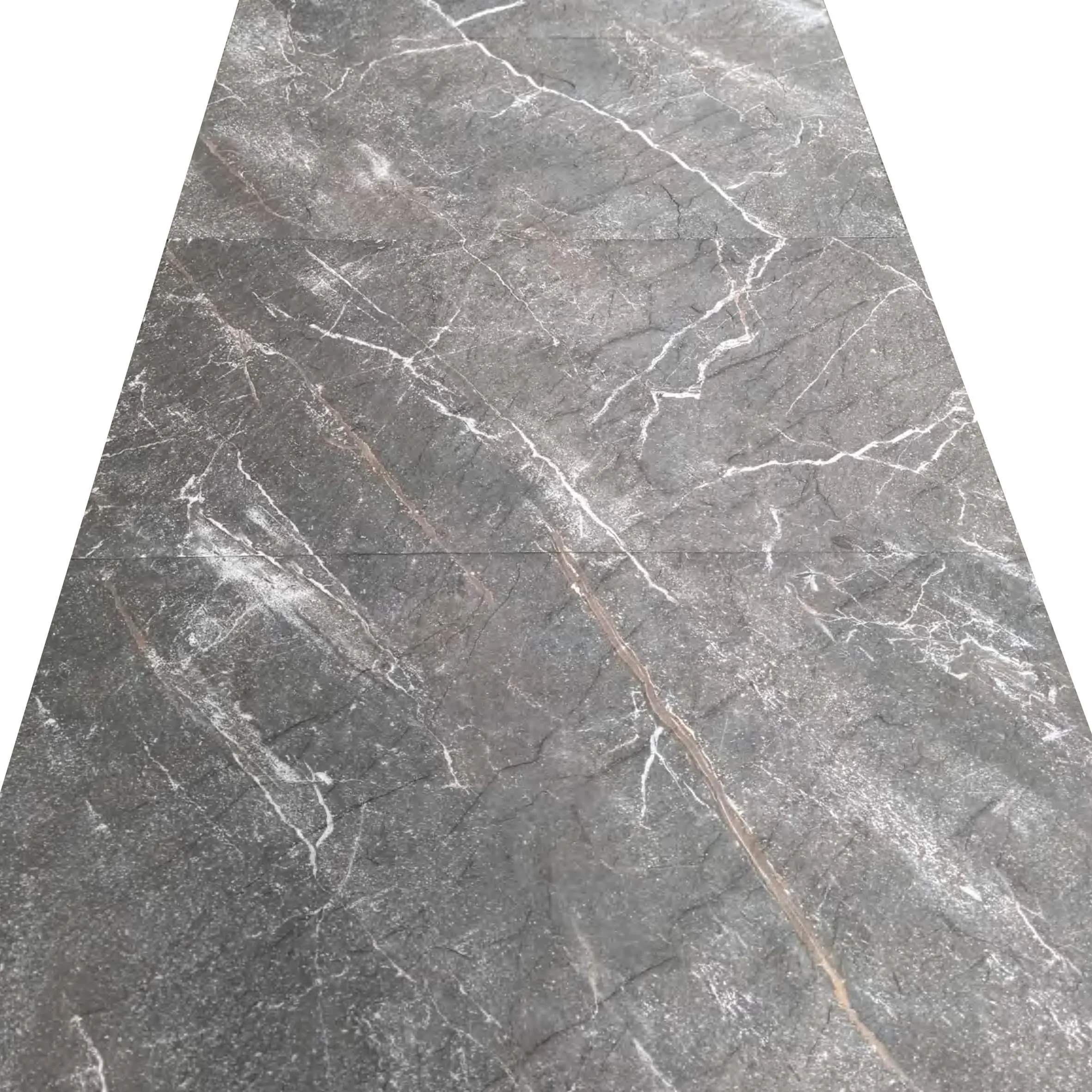
Now, enter MCM—a material born from the need to blend performance with practicality. Short for Modified Composite Material, MCM is a hybrid of natural minerals, polymers, and reinforcing fibers, engineered to mimic the look of stone, wood, or metal without the heft or hassle. Take MCM flexible stone , for example: it's thin (as little as 3mm), lightweight (just 3–5 pounds per square foot), and surprisingly tough, resisting moisture, stains, and even fire. But MCM's real superpower? Versatility. From the industrial edge of foamed aluminium alloy board (vintage silver) to the warmth of wood grain board , MCM spans textures and finishes that natural stone can't match—all while keeping costs in check.
The Cost Breakdown: MCM's magic lies in its manufacturing. Unlike quarried stone, MCM is produced in controlled facilities, often using recycled materials and efficient processes like the MCM 3D printing series for intricate designs. This efficiency translates to lower material costs: $12 to $20 per square foot on average. Its lightweight nature slashes transportation costs (trucks carry more material per trip), and installation is a breeze—no heavy machinery needed, just basic tools and less labor. Installation labor averages $8 to $15 per square foot , a fraction of slate's cost. Maintenance? Minimal. MCM resists mold, mildew, and stains, so annual upkeep is just $0.50 per square foot for routine cleaning. No sealing, no costly repairs—just wipe and go.
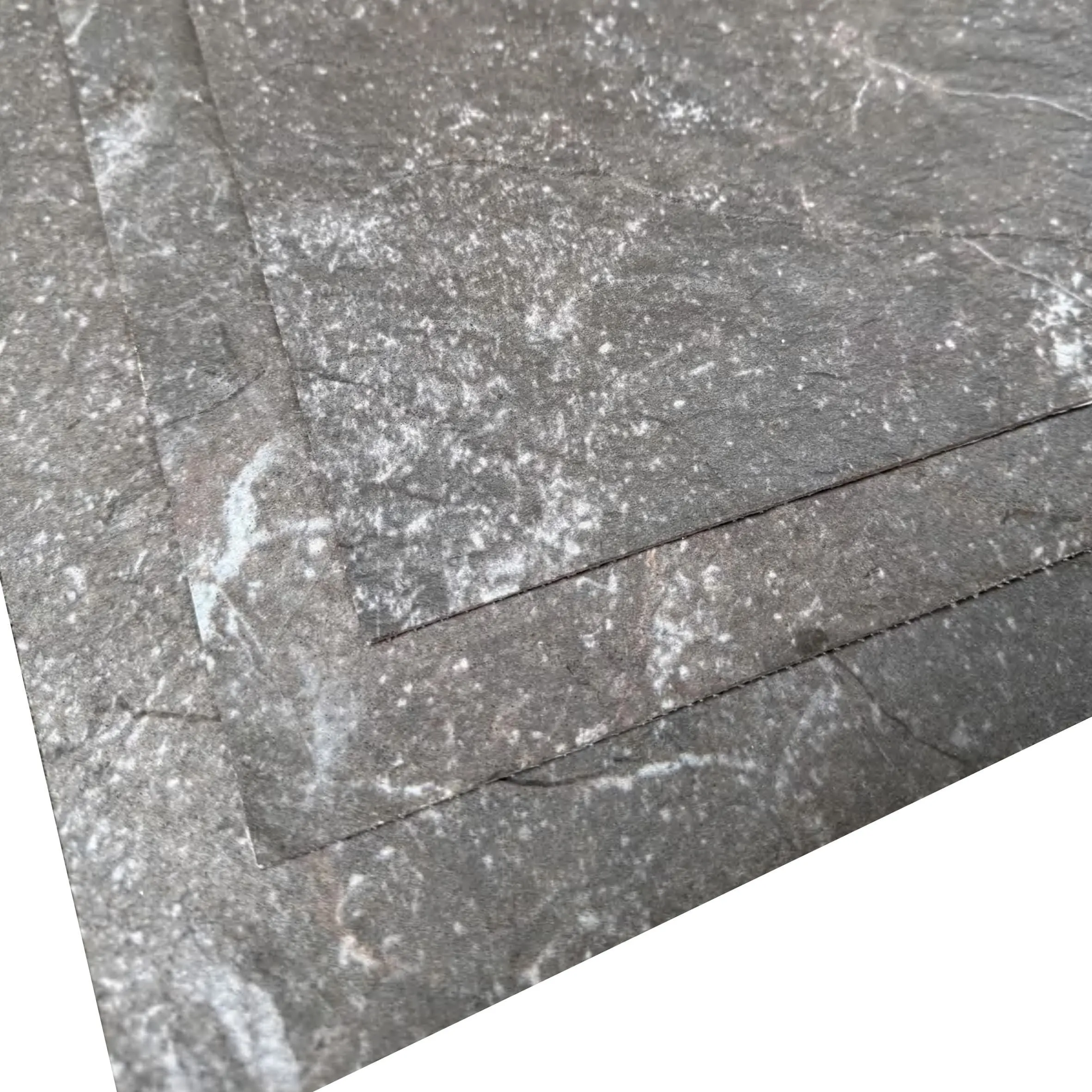
Numbers tell the story best. Let's compare a 500-square-foot project using Natural Slate Portoro vs. MCM flexible stone, accounting for direct costs (materials, labor), indirect costs (transportation, waste), and long-term maintenance over 10 years.
| Cost Category | Natural Slate Portoro | MCM Flexible Stone |
|---|---|---|
| Material Cost (500 sq ft) | $12,500 – $20,000 | $6,000 – $10,000 |
| Installation Labor | $7,500 – $12,500 | $4,000 – $7,500 |
| Transportation | $1,500 – $2,500 (heavyweight) | $500 – $1,000 (lightweight) |
| Waste Allowance (10-15%) | $1,250 – $3,000 | $600 – $1,000 (5% waste) |
| Annual Maintenance | $500 – $750 (sealing + cleaning) | $250 (basic cleaning) |
| 10-Year Total Cost | $23,250 – $41,750 | $11,350 – $20,000 |
The takeaway? Over a decade, MCM can cut costs by 40–50% compared to Natural Slate Portoro. For large projects—say, a 10,000-square-foot commercial building—that difference could mean saving hundreds of thousands of dollars.
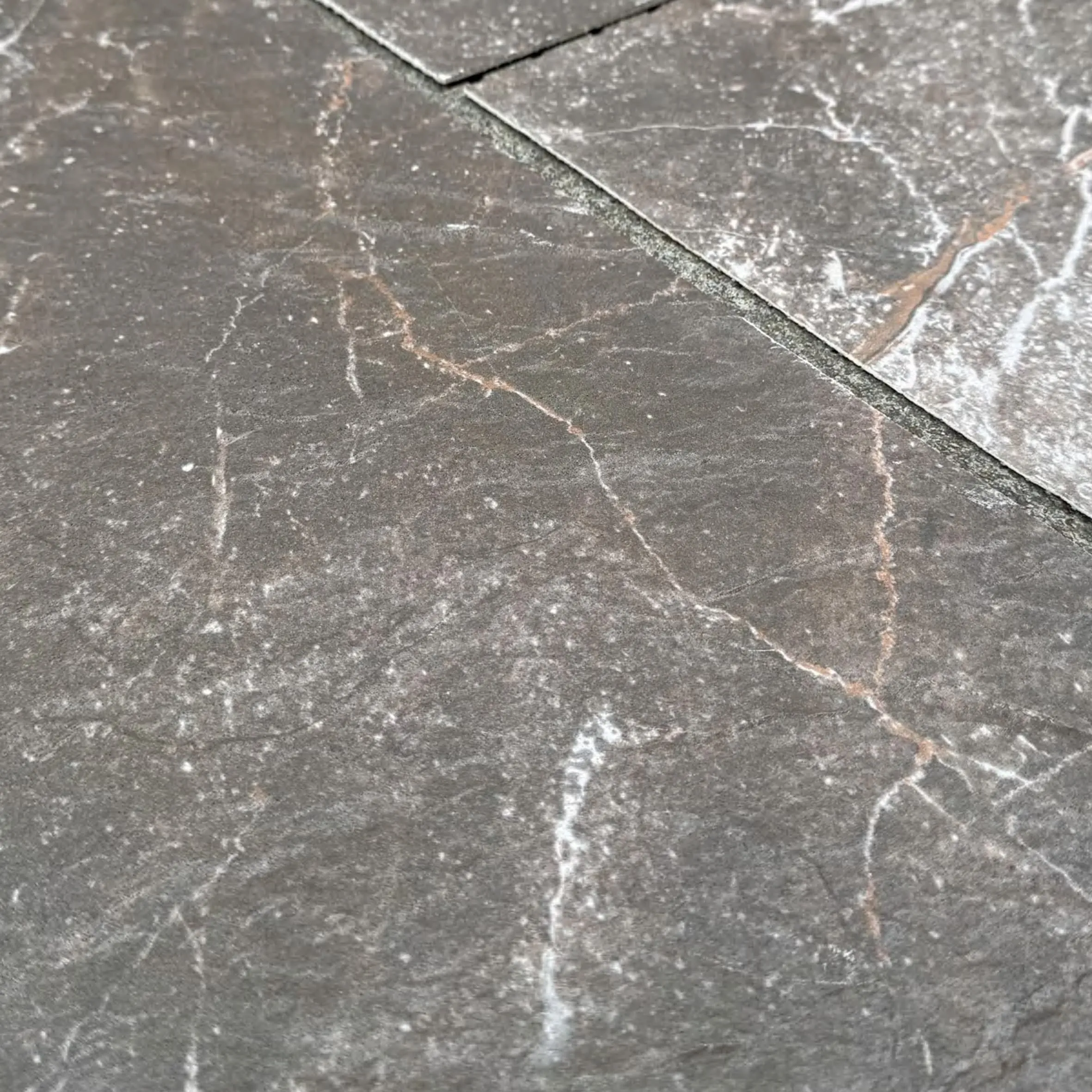
Cost isn't the only factor, of course. Natural Slate Portoro still reigns supreme in spaces where "natural authenticity" is the priority. If you're restoring a 19th-century mansion or designing a luxury spa where guests expect the real deal, its unique veining and organic feel are irreplaceable. MCM, on the other hand, shines in projects where practicality meets creativity. Its lightweight design makes it ideal for high-rises (where structural load is a concern) or renovation projects where tearing down walls to support heavy stone isn't feasible. And with finishes like travertine (starry blue) or wood grain board , MCM lets you mimic natural materials with consistent color and texture—no more stressing over mismatched slabs.
Sustainability is another angle. MCM production often uses recycled materials, and its lighter weight reduces carbon emissions during shipping. Natural stone quarrying, while beautiful, can disrupt ecosystems and generate significant waste. For green-building projects aiming for LEED certification, MCM's eco-friendly profile is a clear win.
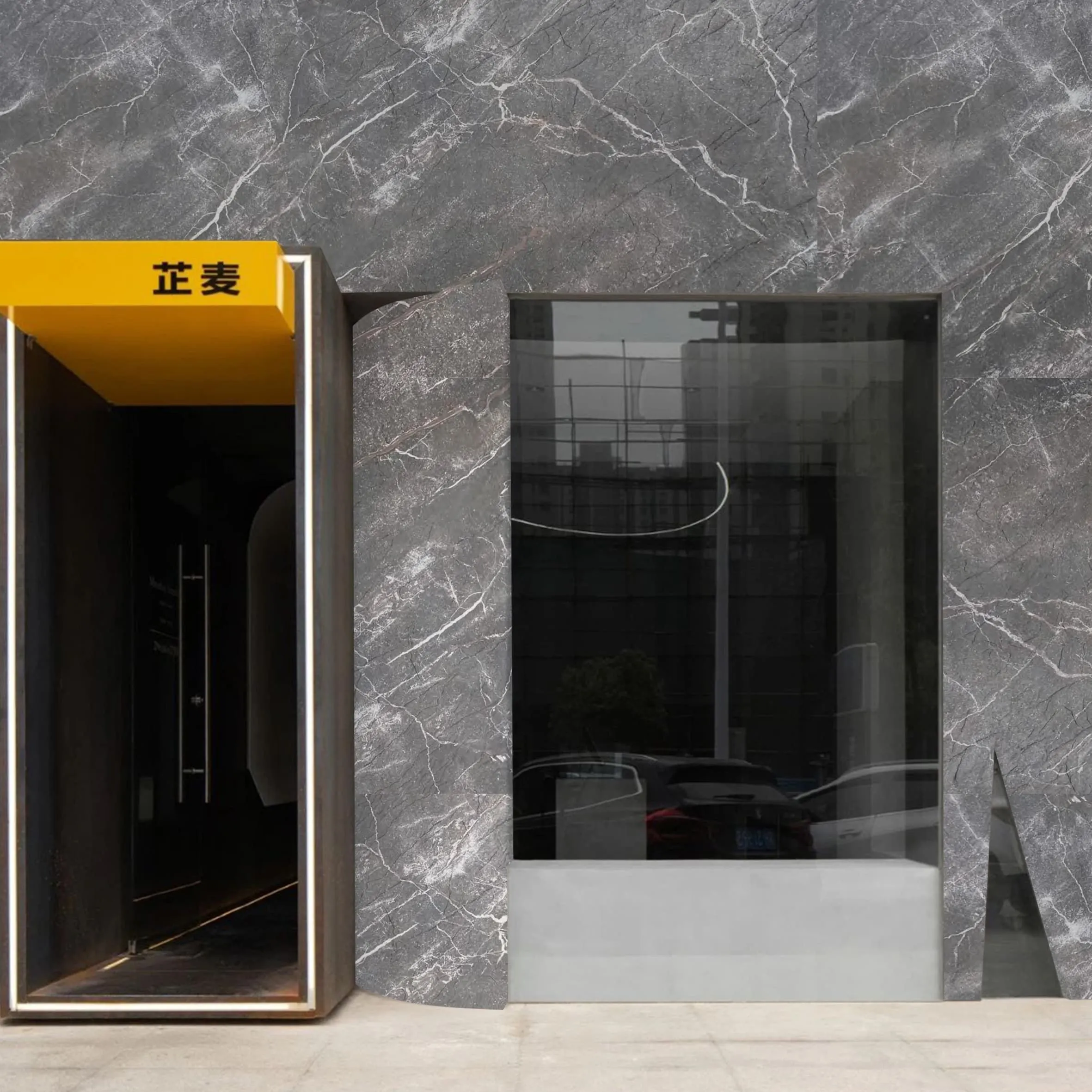
At the end of the day, the choice between Natural Slate Portoro and MCM depends on your project's goals. If budget is tight, longevity and versatility are key, and you're open to modern materials, MCM is the clear cost-saver. But if you're chasing that one-of-a-kind, natural luxury and have the budget to back it up, Natural Slate Portoro delivers timeless appeal.
For most builders and designers, though, MCM is a revelation. It proves that you don't have to sacrifice style for savings—or vice versa. Whether you're cladding a restaurant with foamed aluminium alloy board (vintage gold) or wrapping a home exterior in wood grain board , MCM lets you dream bigger without breaking the bank. And in construction, where every dollar counts, that's a win worth building on.
Recommend Products












