
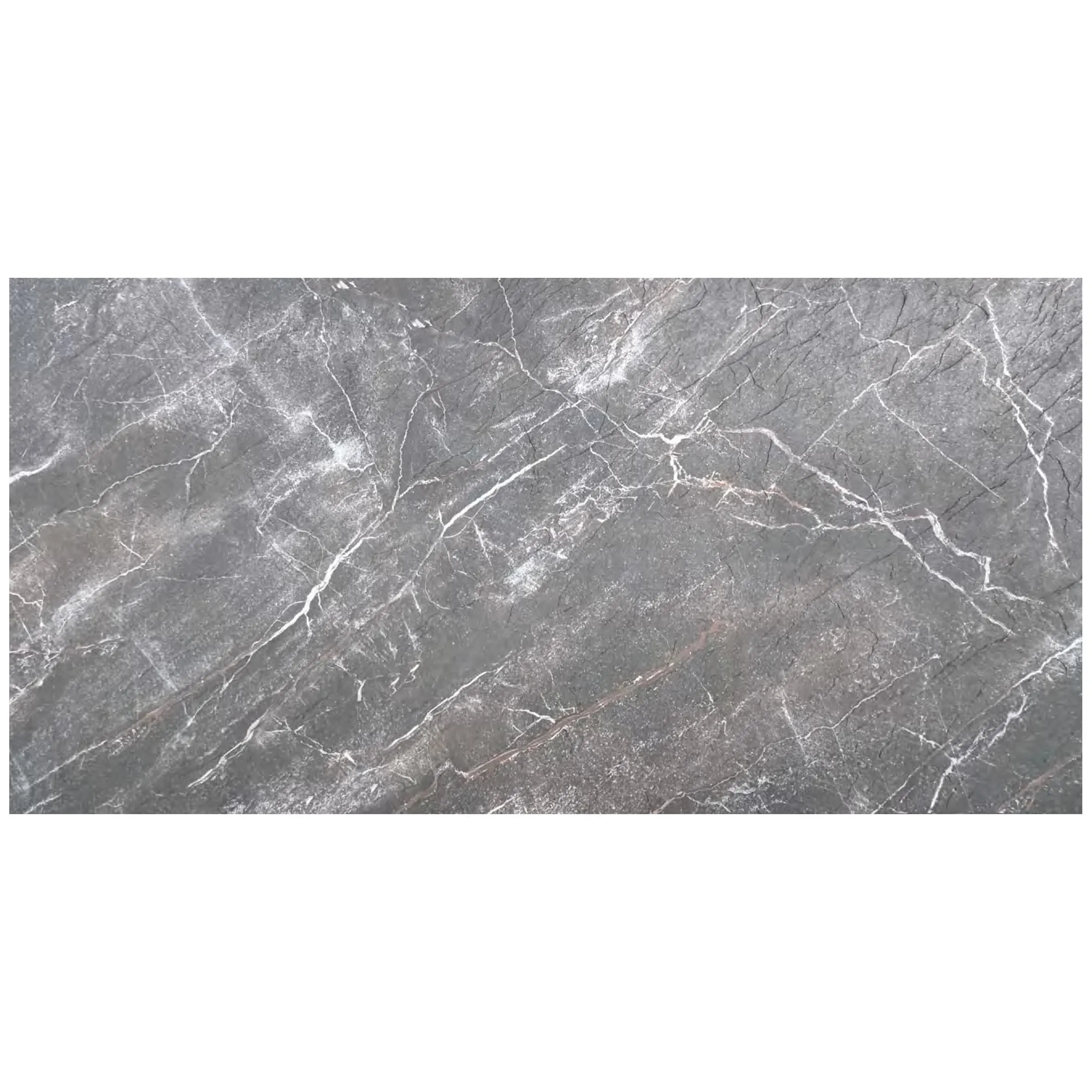
Picture this: You're standing at the base of a gleaming high-rise, craning your neck to take in its towering height. The glass windows catch the sunlight, and the exterior cladding—whether it's the warm texture of stone or the sleek sheen of metal—tells a story about the building's personality. But what if I told you that beneath that stunning facade lies a silent battle? It's the battle between beauty and physics, between the materials we love and the structural limits they impose. Today, let's zoom in on one such showdown: Natural Slate Portoro, a classic stone with timeless appeal, and the modern innovation of MCM materials. Spoiler alert: When it comes to high-rise construction, weight isn't just a number—it's a game-changer.
First, let's talk about Slate Portoro. If you've ever walked into a luxury hotel lobby or a high-end restaurant, you've probably seen it—deep, rich black with striking gold veins that seem to flow like liquid metal. It's dramatic, it's opulent, and it carries that "forever" quality that natural stone is famous for. Architects and designers have loved Slate Portoro for decades because it doesn't just cover a wall; it makes a statement. It says, "This building matters. It's built to last."
But here's the catch: all that beauty comes with serious heft. Natural stone, by its very nature, is dense. Slate Portoro clocks in at around 25-30 kg per square meter, and that's on the lighter end for natural stones. When you're cladding a 50-story building, those kilograms add up—fast. Let's do the math: a single floor with 1,000 square meters of cladding would weigh 25-30 tons. Multiply that by 50 floors, and you're looking at 1,250-1,500 tons of extra weight pressing down on the building's foundation, beams, and columns. That's not just a structural concern; it's a domino effect.
Think about the workers installing those slabs. Heavy stone requires specialized equipment—cranes, lifting gear, extra manpower—to hoist and secure. Installation times drag on, which means higher labor costs and delayed project timelines. And if a slab cracks during transport or installation? That's a pricey replacement. Over time, the weight can also lead to increased wear and tear on the building's structure, requiring more frequent maintenance and inspections. For high-rises, where every inch of space and every kilogram of load matters, Slate Portoro's weight starts to feel less like a feature and more like a limitation.
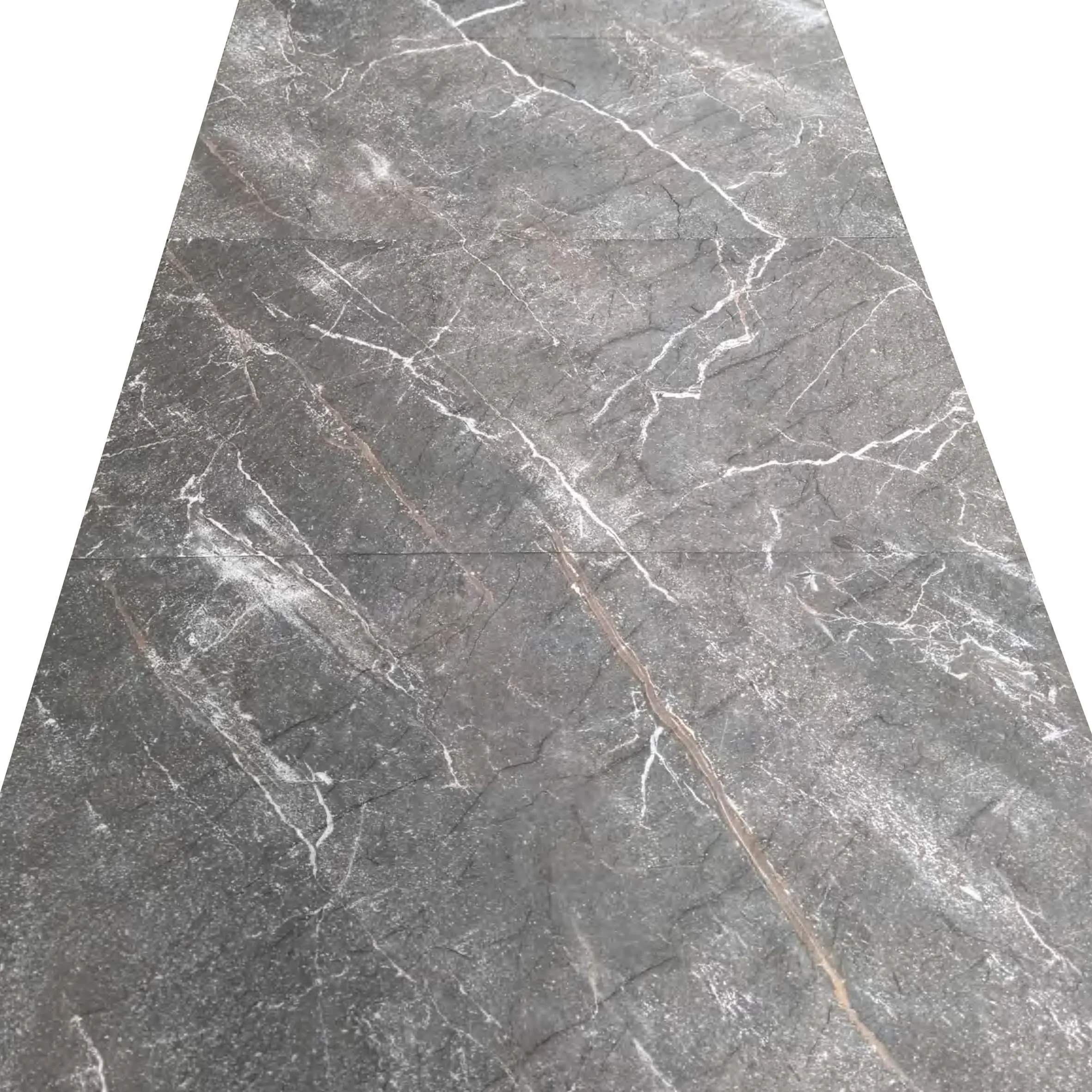
Now, let's shift gears to MCM—Modified Composite Material. If Slate Portoro is the wise elder of building materials, MCM is the innovative newcomer, blending technology and design to solve old problems. At its core, MCM is all about reimagining what cladding can be: lightweight, durable, and surprisingly versatile . And leading the charge in this revolution? MCM flexible stone —a material that looks and feels like natural stone but weighs a fraction of the real thing.
MCM flexible stone typically weighs in at just 3-5 kg per square meter. Let that sink in: 3-5 kg vs. Slate Portoro's 25-30 kg. That's a weight reduction of up to 85%! Suddenly, that 50-story building we talked about earlier would have cladding weighing 150-250 tons instead of 1,500 tons. That's a massive relief for the building's structure, foundation, and even the environment—less weight means less material needed for support, lower carbon emissions from transport, and easier installation with fewer workers and less heavy machinery.
But MCM isn't just about cutting weight. It's about keeping the beauty and character that make natural materials so appealing. Thanks to advanced manufacturing techniques, MCM flexible stone can mimic the texture of Slate Portoro, the warmth of travertine, or even the shimmer of travertine (starry green) —a stunning option with a galaxy-like pattern of green and gold flecks that adds a touch of whimsy to any facade. And because it's flexible, it can bend slightly to follow curved surfaces, something rigid natural stone struggles with. Imagine a high-rise with a sweeping, organic design—MCM makes that possible without sacrificing strength.
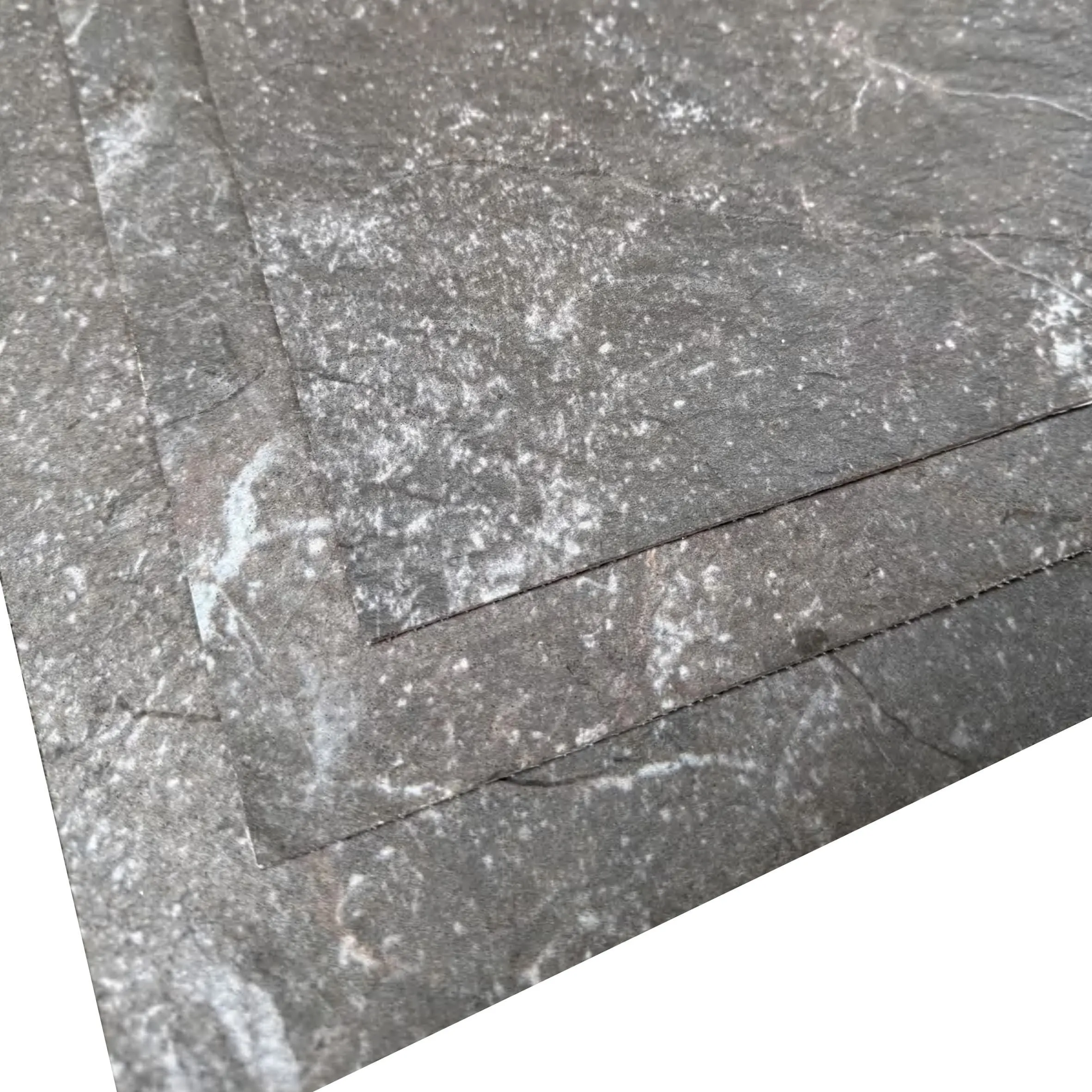
Let's break this down with a quick comparison to see how these materials stack up in real-world construction scenarios:
| Feature | Natural Slate Portoro | MCM Flexible Stone |
|---|---|---|
| Weight (per sqm) | 25-30 kg | 3-5 kg |
| Installation Complexity | High (requires heavy lifting, specialized labor) | Low (lightweight, easy to handle, can be installed with basic tools) |
| Durability | High (but prone to cracking if dropped or stressed) | High (impact-resistant, weatherproof, resistant to fading) |
| Cost (Installation + Material) | High (expensive material, high labor/equipment costs) | Moderate (affordable material, lower labor/equipment costs) |
| Design Versatility | Limited (rigid, hard to shape; limited color options) | High (flexible for curves, wide range of colors/textures like travertine (starry green), wood grain, or even metallic finishes) |
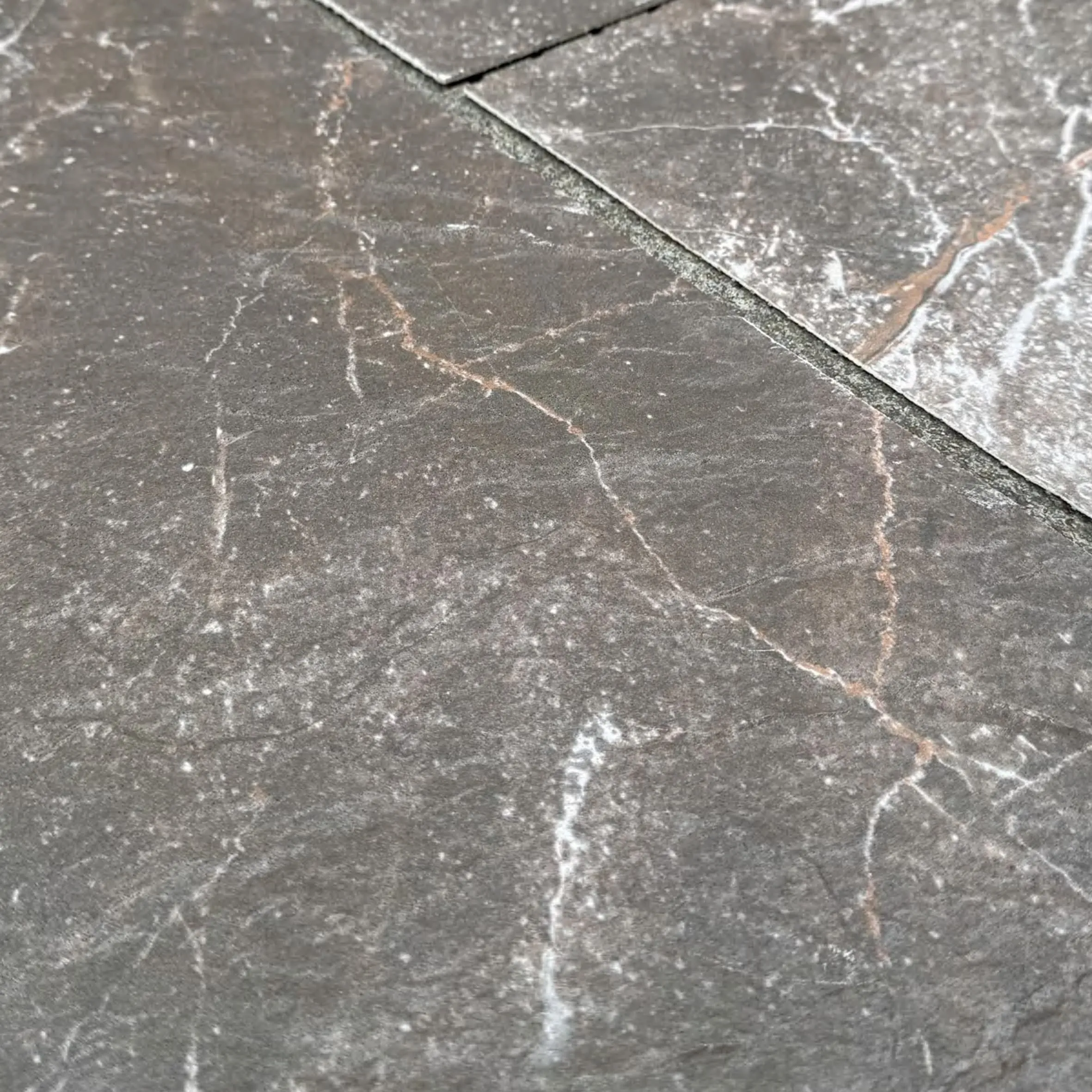
MCM's magic doesn't stop with flexible stone. The MCM big slab board series is another game-changer for high-rises. These larger panels (often up to 1.2m x 2.4m) mean fewer joints in the cladding, creating a smoother, more seamless look. Fewer joints also mean less potential for water infiltration and easier maintenance—key for buildings that need to stand tall for decades. Imagine a high-rise with a facade that looks like a single, continuous slab of stone or concrete; MCM big slabs make that vision a reality without the weight penalty of traditional big slabs.
And for projects that want to mix materials, MCM offers even more options. Take foamed aluminium alloy board (vintage silver) , for example. It has the sleek, industrial look of metal but weighs just 4-6 kg per square meter. Pair it with MCM flexible stone in a warm beige, and you've got a facade that balances modern edge with natural warmth—all while keeping the overall weight in check. Or consider fair-faced concrete , a raw, minimalist option that's been popular in modern architecture. Traditional fair-faced concrete can be heavy, but MCM's version is lightweight and pre-finished, eliminating the need for on-site concrete pouring and reducing installation time.
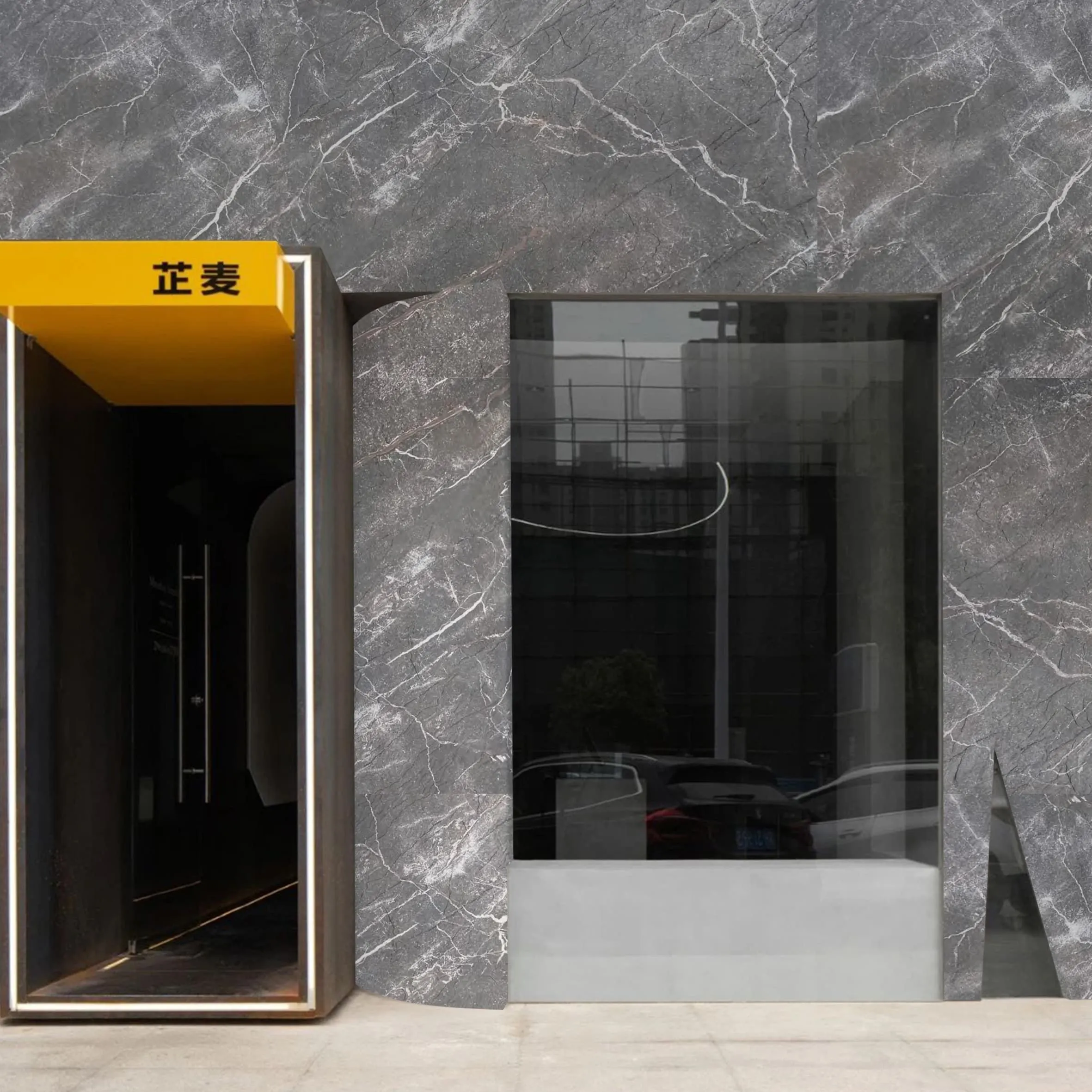
At the end of the day, the choice between Slate Portoro and MCM isn't just about weight or cost—it's about the people who interact with the building. A high-rise clad in MCM materials isn't just a lighter structure; it's a building that can be constructed faster, allowing residents to move in sooner or businesses to open earlier. It's a building with more design freedom, where architects can experiment with curves, colors, and textures without worrying about structural limits. It's a building that's easier to maintain, meaning lower costs for homeowners' associations or property managers over time.
Think about a residential high-rise in a bustling city. Families moving in want a home that feels safe, beautiful, and well-built. MCM's durability ensures the facade won't fade or crack in harsh weather, keeping the building looking fresh for years. Its lightweight nature also reduces the risk of structural issues down the line, giving residents peace of mind. For commercial high-rises, MCM's design versatility can help businesses stand out—imagine a tech company with a facade featuring travertine (starry green) to reflect its innovative spirit, or a luxury brand using foamed aluminium alloy board (vintage gold) for a touch of elegance.
As cities grow taller and construction technology advances, the demand for materials that balance form and function will only increase. Natural stone like Slate Portoro will always have a place in architecture—there's something irreplaceable about its authenticity. But for high-rises, where weight and efficiency are critical, MCM materials offer a compelling alternative. They prove that you don't have to sacrifice beauty to build smarter.
Whether it's the flexibility of MCM flexible stone, the sleekness of foamed aluminium alloy boards, or the raw appeal of fair-faced concrete, MCM is redefining what high-rise facades can be. It's a reminder that innovation in construction isn't just about new tools or techniques—it's about reimagining the materials we use, one lightweight panel at a time.
So the next time you pass a high-rise, take a closer look at its facade. Is it heavy and traditional, or light and modern? Chances are, if it's the latter, MCM might be the unsung hero holding it all together—proving that sometimes, the best things in construction really do come in lightweight packages.
Recommend Products












