

Picture this: An architect stands in a sunlit sample room, running a hand over a slab of travertine (Starry Red). The stone shimmers, its surface dotted with tiny, iridescent flecks that catch the light like distant stars. It's stunning—warm, earthy, and full of character. But as they flip through their notes, a frown creeps in. The client wants this exact look for their hotel lobby, but the numbers aren't adding up: weight restrictions, installation time, and the fear of stains in high-traffic areas. Sound familiar? For decades, natural stone like travertine (Starry Red) has captivated designers with its beauty, but its limitations have left many dreaming of a better way. Enter MCM—modified composite material—a modern innovation that's redefining how we bring natural aesthetics to life without the hassle. Let's dive into the timeless allure of travertine (Starry Red), the hidden challenges of working with natural stone, and how MCM is turning design dreams into reality.
Travertine has been a staple in architecture for millennia, from the ancient Roman Colosseum to the grand facades of Renaissance palaces. Its unique texture—formed by mineral-rich hot springs depositing calcium carbonate over centuries—gives it a porous, almost organic quality that feels both rustic and refined. Among its many variations, travertine (Starry Red) stands out. Its base color, a deep, warm terracotta, is flecked with metallic particles that glow like embers or distant stars, depending on the light. It's no wonder designers reach for it when aiming to create spaces that feel both grounded and magical—think boutique hotels, upscale restaurants, or luxury residential lobbies where first impressions matter.
"There's something about travertine (Starry Red) that feels alive," says Maria Gonzalez, an interior designer with 15 years of experience. "It's not just a surface—it tells a story. Clients love that it's natural, that no two slabs are exactly alike. But lately, I've had to say 'no' more often than I'd like. The logistics of using it on large projects… it's become a bottleneck."
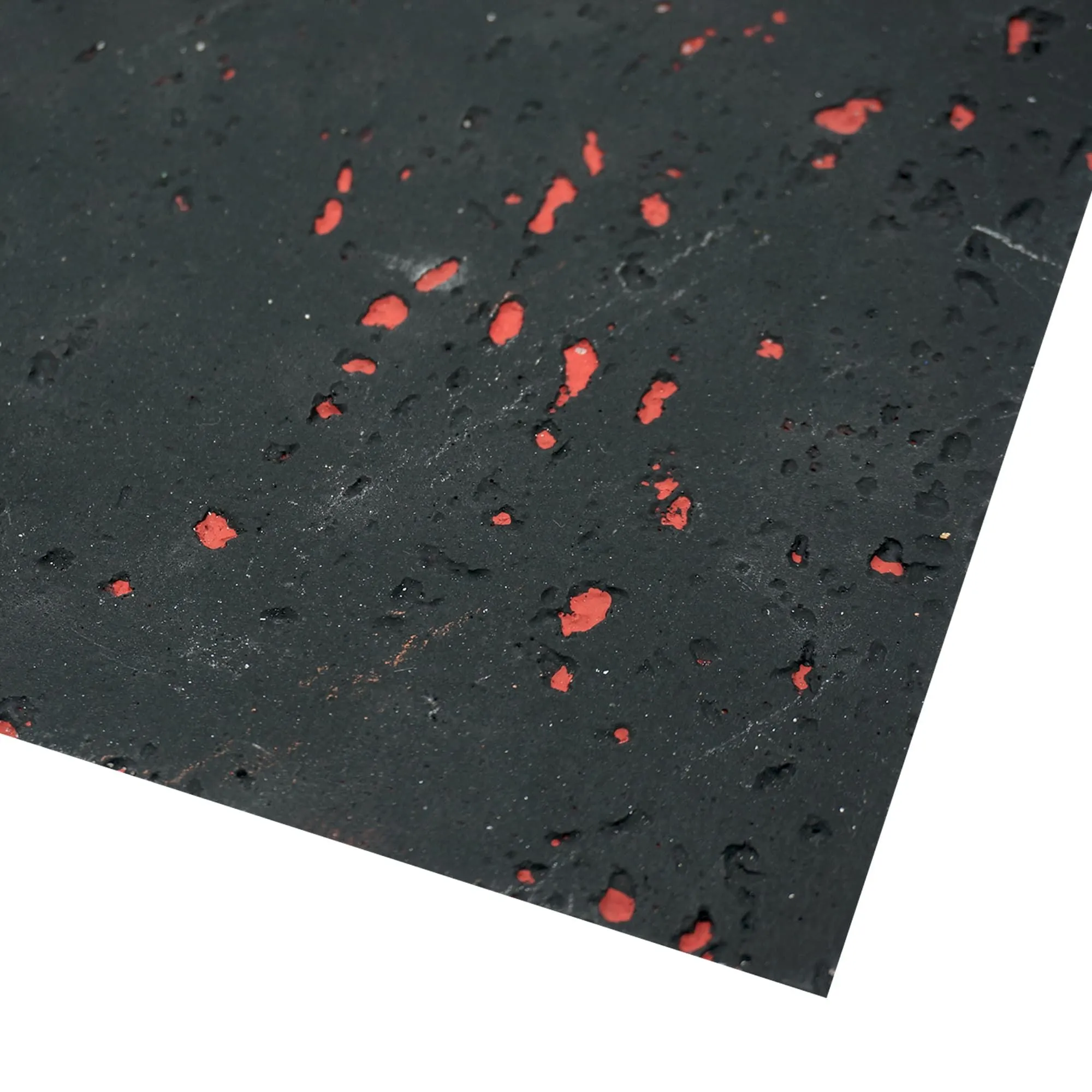
For all its beauty, natural travertine (Starry Red) comes with a set of challenges that can turn a dream project into a headache. Let's break them down:
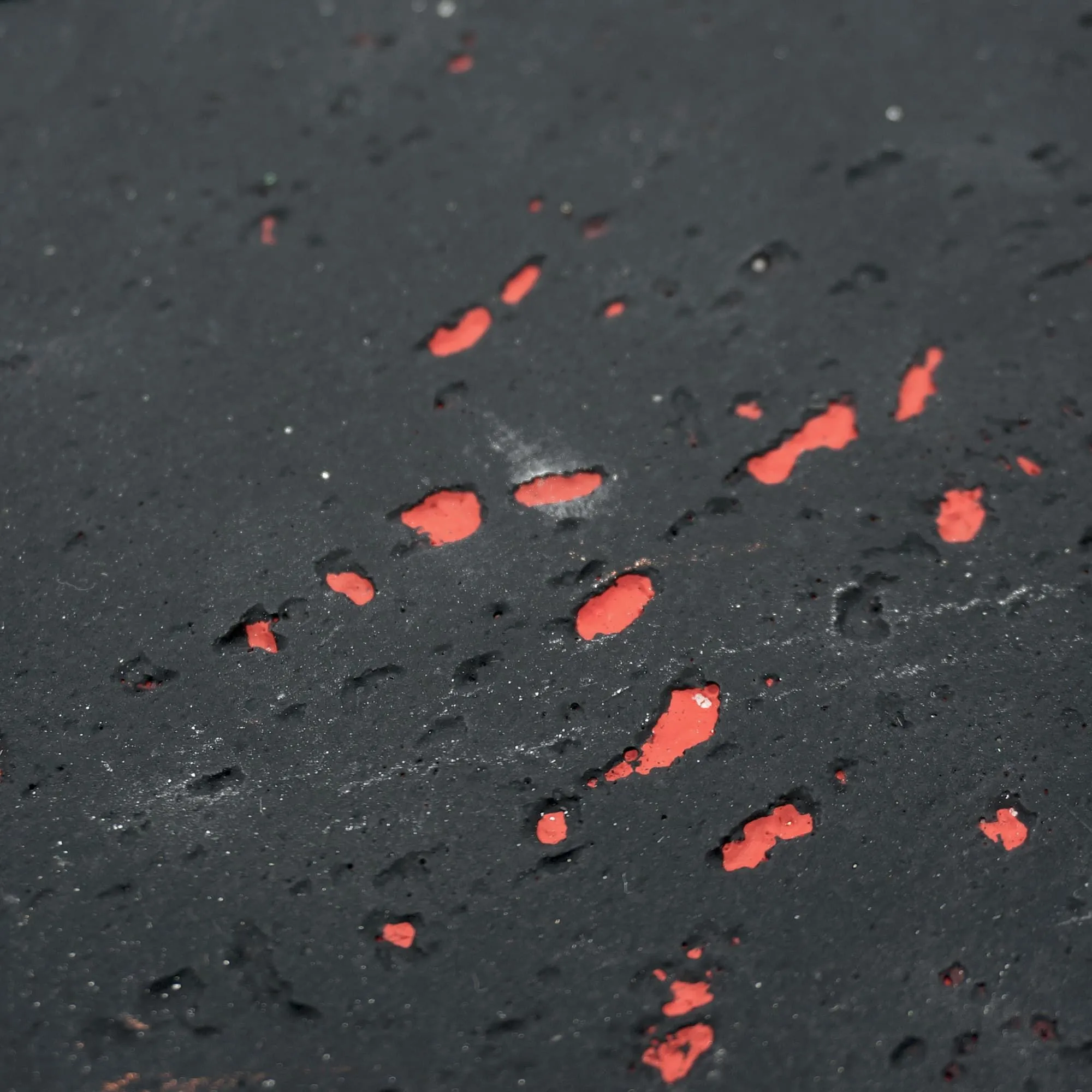
MCM, or modified composite material, is a game-changer. Born from the need to combine natural aesthetics with modern practicality, MCM is crafted by blending natural stone particles (like those found in travertine) with high-performance polymers and fibers. The result? A material that looks and feels like natural stone but behaves like a dream. Let's explore how MCM addresses the specific pain points of travertine (Starry Red) and more.
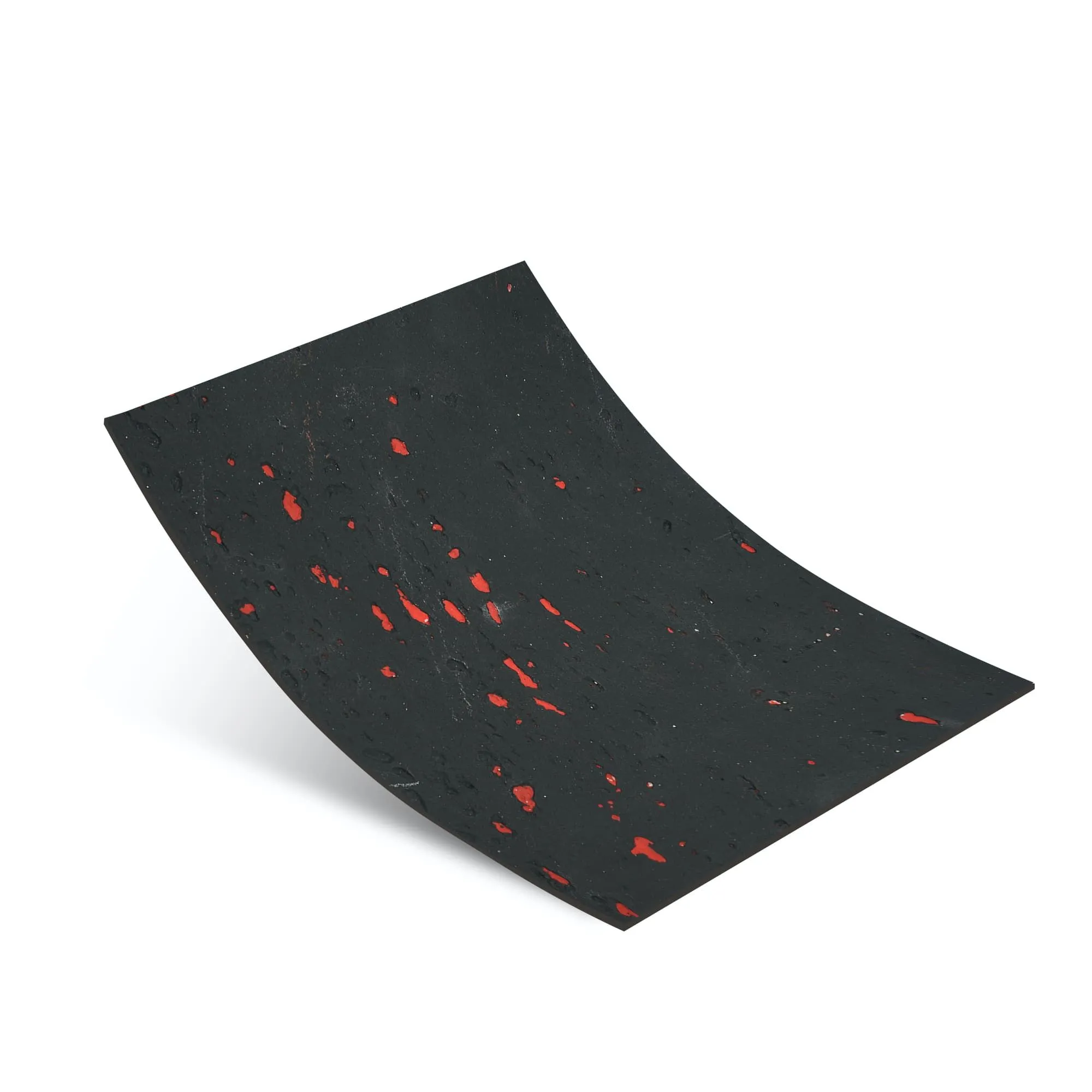
MCM isn't just a "fake" stone—it's a reimagining of what stone can be. Here are the innovations that make it a superior choice for modern projects:
One of MCM's biggest wins is its weight. MCM flexible stone panels weigh in at just 7-10 kg per square meter—less than a fifth of natural travertine. This isn't just about making installation easier (though it does: panels can be carried by two people instead of a crew). It opens up possibilities for projects where weight was once a barrier: high-rise exteriors, ceiling cladding, or even furniture. "We recently used MCM flexible stone for a hotel rooftop bar with a glass floor," says Gonzalez. "The client wanted the look of travertine (Starry Red) underfoot, but the glass couldn't support natural stone. MCM solved that. Now guests walk on 'stone' that feels solid but weighs next to nothing."
Flexibility is another bonus. MCM panels can bend slightly, making them ideal for curved surfaces—think rounded walls, archways, or custom furniture pieces. Natural travertine, rigid and brittle, would crack under the same pressure.
Remember the frustration of small, natural stone slabs? MCM big slab board series eliminates that. These panels come in sizes up to 300x150cm—large enough to cover entire walls or floors with minimal seams. "For a recent office lobby, we used MCM big slab board series in a travertine (Starry Red) finish," says project manager Lee Chen. "The client wanted a 'wall of stone' effect, and with panels this size, we achieved it with only 12 seams instead of the 50+ we would have needed with natural travertine. Installation time dropped by 40%, and the result is stunning—no interruptions in that beautiful starry pattern."
Larger slabs also mean fewer joints, which reduces the risk of water seepage and makes cleaning easier—perfect for commercial spaces where hygiene and maintenance are priorities.
Natural travertine (Starry Red) is beautiful, but what if you want to tweak the pattern—make the "stars" more, or add a custom texture? With natural stone, you're at the mercy of what the quarry provides. MCM 3D printing series changes that. Using advanced 3D printing technology, manufacturers can replicate the exact look of travertine (Starry Red) and then tweak it to fit a client's vision. Want the starry flecks to form a logo? Done. Need a texture that mimics flowing water alongside the travertine pattern? Possible. "I had a client who wanted travertine (Starry Red) but with a subtle wave texture to complement their beachfront hotel," Gonzalez shares. "With MCM 3D printing, we created a one-of-a-kind panel that looked natural but was totally custom. The client cried when they saw it—they thought it was impossible."
| Feature | Natural Travertine (Starry Red) | MCM (Modified Composite Material) |
|---|---|---|
| Weight (per sq.m) | 50-60 kg | 7-10 kg |
| Porosity | High (requires sealing every 1-2 years) | Low (stain-resistant, no sealing needed) |
| Max Slab Size | Typically 120x60cm | Up to 300x150cm (MCM big slab board series) |
| Flexibility | Rigid, prone to cracking | Flexible (bends slightly for curved surfaces) |
| Customization | Limited by natural variation | High (3D printing allows texture/pattern tweaks) |
| Installation Time | Long (heavy slabs, many seams) | Fast (lightweight, large panels) |
Let's look at how MCM is transforming projects across industries:
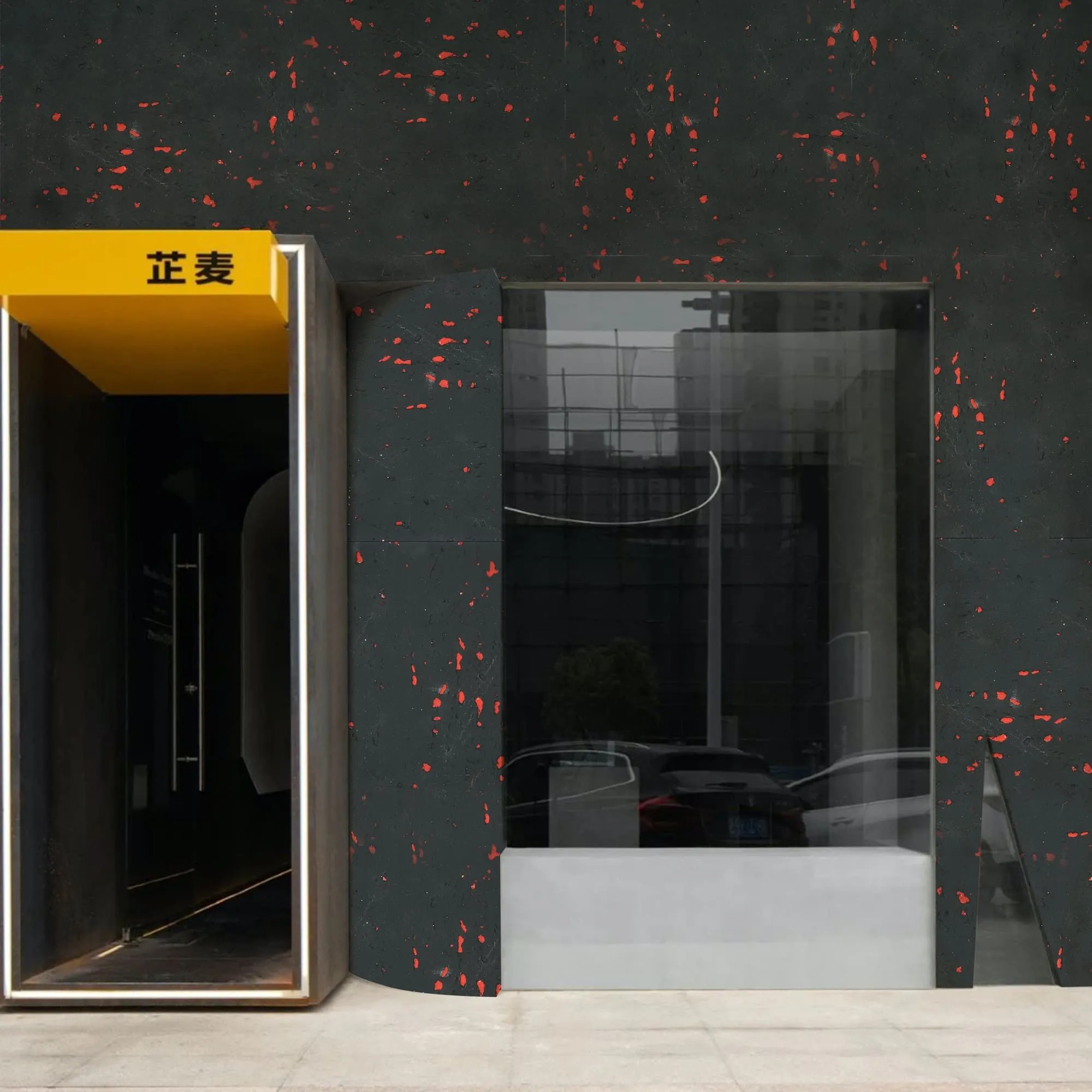
Hospitality: The Azure Hotel in Miami wanted a lobby that felt "earthy yet luxurious." They chose MCM flexible stone in travertine (Starry Red) for the walls and MCM big slab board series for the floors. The result? A space that wows guests with its warm, starry aesthetic, while the hotel's maintenance team breathes easy—no sealing, no stains, and quick repairs if needed.
Residential: A family in Chicago dreamed of a travertine (Starry Red) backsplash for their open-concept kitchen. Natural stone was too heavy for the drywall, and they worried about oil stains from cooking. MCM 3D printing series let them replicate the starry pattern in a lightweight, heat-resistant panel. "It looks exactly like the sample we fell in love with," says homeowner Sarah Liu, "but I don't panic when my kids spill juice on it. Wipe it up, and it's good as new."
Historic Renovation: The 19th-century Brookside Theater in Boston needed exterior cladding that matched its original stonework but met modern weight codes. MCM flexible stone in travertine (Starry Red) mimicked the historic look perfectly, while its lightweight design kept the old structure safe. "It's like we turned back time without compromising safety," says project architect David Kim.
Travertine (Starry Red) will always hold a special place in design history—it's a symbol of timeless beauty and natural artistry. But in a world where efficiency, sustainability, and customization matter more than ever, MCM offers a way to honor that legacy while moving forward. It's not about replacing natural stone; it's about expanding what's possible. Whether you're designing a cozy home or a sprawling commercial complex, MCM—with its flexibility, durability, and endless potential—lets you have your starry stone and enjoy it too.
"Design is about solving problems," says Gonzalez. "For years, natural stone was the solution for beauty, but it came with too many problems. MCM? It's the solution that lets us stop compromising. Now, when a client says, 'I want that travertine (Starry Red) look,' I can say, 'Yes—and we can do it better.'"
Ready to reimagine your next project? MCM isn't just a material—it's a new way to bring natural beauty to life, without the limits.
Recommend Products












