
Choosing the right material for your space is a lot like picking a lifelong companion. It's not just about how it looks on the first date—though that matters—but how it grows with you, weathers life's little storms, and still makes you smile ten years down the line. For homeowners, designers, and architects, this decision often boils down to two heavyweights: the timeless allure of natural stone and the innovative promise of modern composites. Today, we're zeroing in on one of nature's classics—Natural White Travertino—and a rising star in the building materials world: MCM (Modified Composite Material), including standouts like MCM flexible stone and the MCM big slab board series. Let's dive in, not just to compare, but to uncover which one truly delivers better value over the long haul.
Before we start weighing pros and cons, let's get clear on the contenders. Natural White Travertino is the kind of material that makes you stop and stare. Quarried from the earth, it's a type of limestone formed by mineral-rich hot springs, giving it those signature pitted surfaces and soft, creamy-white veins that feel both ancient and elegant. It's been used in iconic structures for centuries—think Roman baths or historic villas—and carries that "story in every stone" charm.
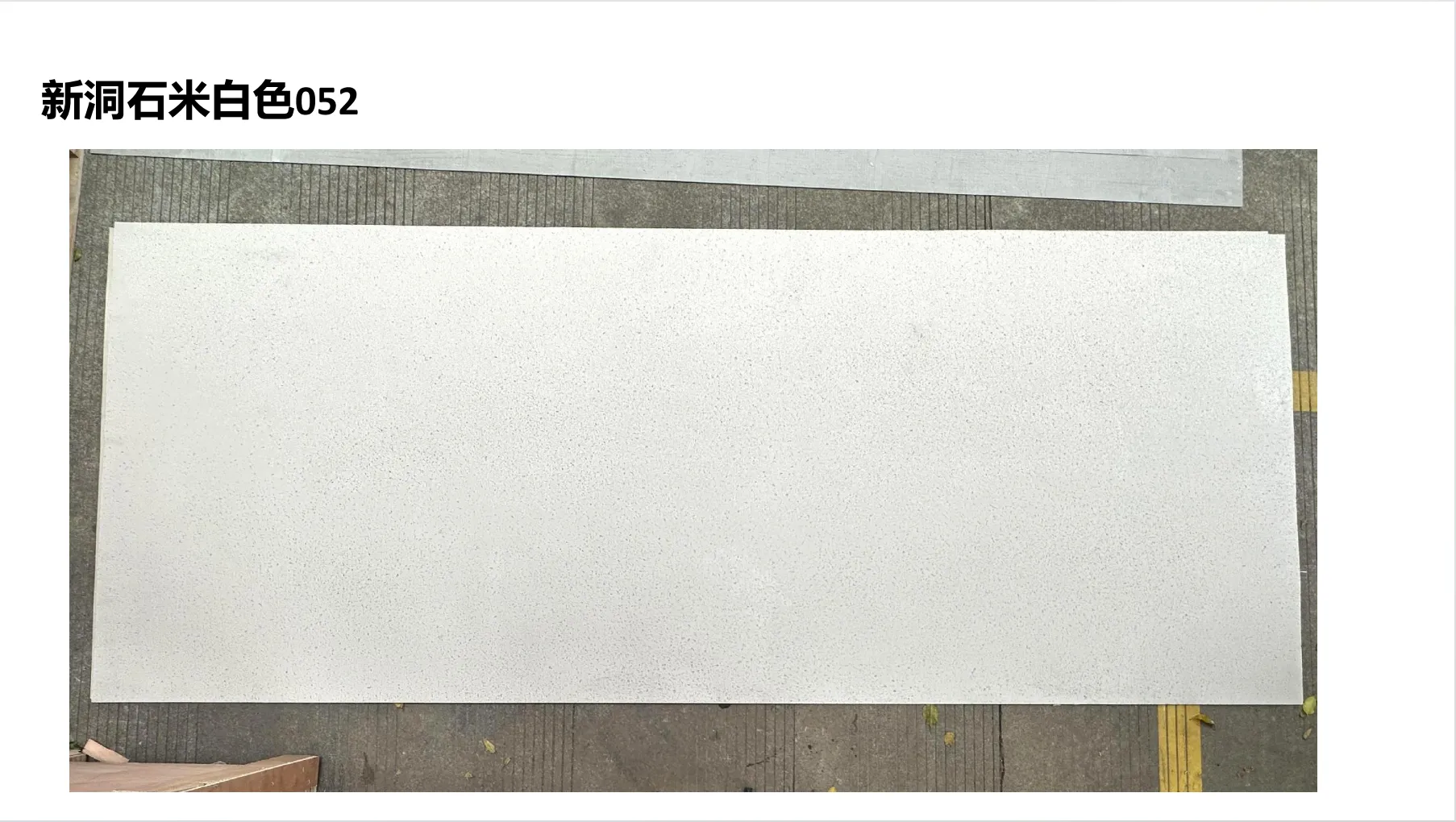
On the other side, MCM is the new kid on the block, but it's not here to play. Short for Modified Composite Material, it's an engineered product designed to mimic the look of natural stone (or wood, or metal) but with a twist: it's lighter, more flexible, and built to solve the headaches natural materials often bring. Within the MCM family, we're focusing on two stars: MCM flexible stone (thin, bendable panels that cling to curves and uneven surfaces) and the MCM big slab board series (large-format panels that minimize grout lines for a sleek, modern look). And yes, there are even MCM options like lunar peak silvery —a finish that shimmers like moonlight on rock, proving composites can be just as visually striking as their natural counterparts.
Let's talk about the elephant in the room: how long will this material actually last? Natural White Travertino has a reputation for durability—after all, it's been standing in ancient ruins for millennia. But here's the catch: that durability comes with conditions. Travertino is porous by nature, like a sponge with tiny holes. If you spill red wine on it and don't wipe it up immediately? Stain city. Live in a humid climate? Mold and mildew can creep into those pores. And while it's strong, it's not flexible—one heavy impact, and you might end up with a crack that's impossible to hide.
MCM, on the other hand, was born in a lab with durability as its mission. Take MCM flexible stone: its thin, bendable design means it can absorb impacts that would shatter natural stone. drop a tool on a natural travertino floor, and you'll likely see a chip; do the same on MCM flexible stone, and it might just bounce off. The MCM big slab board series takes it further—these panels are reinforced with fiberglass or other composites, making them resistant to warping, cracking, or moisture damage. I once visited a coastal café that used MCM big slabs for their outdoor patio. After five years of salt spray, rain, and foot traffic, the panels still looked as crisp as the day they were installed. The owner laughed and said, "I was sure they'd fade or peel, but they just… don't."
Natural travertino can last decades, sure—but only if you baby it. MCM? It's built to last just as long, but without the "handle with care" label.
Here's where the rubber meets the road for most homeowners: how much time and money will you spend keeping this material looking good? Let's be real—no one wants to spend weekends scrubbing or hiring professionals every year just to maintain a wall or floor.
Natural White Travertino is high-maintenance by design. Those pores we talked about? They need to be sealed— regularly . Most experts recommend sealing travertino every 1–2 years, depending on foot traffic. Skip a seal, and you're inviting stains, discoloration, and even etching from acidic substances like lemon juice or vinegar. Cleaning it is no walk in the park either: harsh cleaners are out of the question, so you're stuck with pH-neutral soaps and soft cloths. And if a stain does set in? You might need to call a professional for honing or polishing, which can cost hundreds of dollars. Over 10 years, that's easily $1,000+ in maintenance fees, not counting your own time.
MCM? It's the low-maintenance friend we all need. MCM flexible stone and big slab boards are non-porous, so stains bead up and wipe away with a damp cloth and mild soap. No sealing, no special cleaners, no panic if someone spills coffee. A restaurant owner I spoke to switched from natural travertino to MCM big slabs in their dining area. "Before, we had a guy come in every six months to seal the floors—cost us $300 each time," he said. "Now? I just tell the staff to mop with regular cleaner. Saved us $600 a year, easy." That's money that stays in your pocket, and weekends that stay free.
Beauty matters, but what good is beauty if it fades? Natural White Travertino is beloved for its unique veining and organic texture—no two slabs are alike. But here's the thing about natural stone: it ages, and not always in a "charming" way. Sunlight can fade its creamy tones, turning them dull or yellowed. Heavy foot traffic wears down the surface, making those once-defined veins blur. Some people love the "patina"—that weathered look that tells a story—but others find it sad to watch a once-vibrant material lose its luster.
MCM, being engineered, doesn't just mimic the look of natural materials—it locks that look in. Pigments are mixed into the composite during manufacturing, so they don't sit on the surface waiting to fade. Take lunar peak silvery , for example: that silvery shimmer isn't a coating; it's part of the material itself. I visited a home that used lunar peak silvery MCM panels on their exterior facade 12 years ago. The panels still have that same metallic sheen, even after years of sun and rain. Compare that to a neighbor's natural travertino facade, which has dulled significantly in the same timeframe.
MCM also offers consistency. Natural travertino can have wild variations in color and veining—great for uniqueness, but a nightmare if you need to replace a damaged slab mid-project. MCM big slab boards come in uniform batches, so you'll never have to hunt for a "matching" piece that doesn't exist. It's the best of both worlds: the beauty of natural materials, with the reliability of modern engineering.
Let's talk numbers. Natural White Travertino isn't cheap upfront—you're looking at $15–$30 per square foot, depending on quality and sourcing. MCM, on the other hand, often starts lower, around $10–$20 per square foot for flexible stone and big slab series. But upfront cost is just the first chapter; the real story is total cost of ownership over time.
Let's break it down for a 500-square-foot space:
Natural White Travertino:
- Initial cost: $25/sq ft x 500 = $12,500
- Sealing: $200 every 2 years x 10 years = $1,000
- Professional cleaning/honing: $500 every 5 years x 10 years = $1,000
- Total over 10 years: $14,500
MCM (big slab + flexible stone mix):
- Initial cost: $18/sq ft x 500 = $9,000
- Maintenance: $50/year (soap and water) x 10 years = $500
- Total over 10 years: $9,500
That's a $5,000 difference over a decade. And if you keep the material for 20 years? The gap grows even wider. Natural travertino's maintenance costs compound, while MCM's stay flat. Suddenly, that "premium" natural stone doesn't feel so premium anymore.
These days, value isn't just about money—it's about doing right by the planet. Natural stone mining is resource-intensive: quarries disrupt ecosystems, require heavy machinery, and generate a lot of waste (up to 30% of extracted stone is discarded as scrap). Transporting heavy travertino slabs also adds to carbon emissions, especially if they're imported from overseas.
MCM, by contrast, is often made with recycled materials—think crushed stone, glass, or even recycled plastics. The manufacturing process uses less energy than quarrying, and because MCM panels are lighter, transporting them emits less CO2. MCM flexible stone is also lightweight, meaning less structural support is needed during installation, reducing overall construction waste. Some MCM manufacturers even offer take-back programs for old panels, turning them into new material. It's a closed-loop system that natural stone simply can't match.
| Factor | Natural White Travertino | MCM (Flexible Stone + Big Slab Series) |
|---|---|---|
| Durability | High, but porous and prone to staining/cracking without sealing. | High; impact-resistant, moisture-proof, and flexible (resists cracking). |
| Maintenance | High: Seal every 1–2 years, special cleaners, professional upkeep. | Low: Wipe with soap and water; no sealing or special treatments. |
| Initial Cost | Higher ($15–$30/sq ft) | Lower ($10–$20/sq ft) |
| Total Cost (10 Years) | Higher (e.g., $14,500 for 500 sq ft) | Lower (e.g., $9,500 for 500 sq ft) |
| Aesthetic Retention | Fades over time; develops patina (love it or hate it). | Color-locked; maintains original look for decades (e.g., lunar peak silvery). |
| Sustainability | Resource-heavy mining; high transport emissions. | Often uses recycled materials; lower energy use and transport emissions. |
Natural White Travertino is beautiful—there's no denying that. It has history, character, and that "authentic" feel that some people crave. But beauty alone isn't enough when you're investing in a material that will shape your space for decades. MCM—with its MCM flexible stone, big slab board series, and options like lunar peak silvery—offers something natural stone can't: peace of mind. It's durable, low-maintenance, cost-effective over time, and sustainable. It doesn't just look good on day one; it keeps looking good, year after year, without draining your wallet or your weekends.
At the end of the day, value is about balance: the balance between beauty and practicality, cost and longevity, tradition and innovation. For most people—homeowners, designers, businesses—MCM strikes that balance better than Natural White Travertino. It's not just a material; it's a partner in your space's story, one that grows with you, not against you.
So, which offers better value over time? For me, it's MCM—hands down. Because the best investments aren't just about what you see now, but what you'll love (and afford) for years to come.
Recommend Products












