
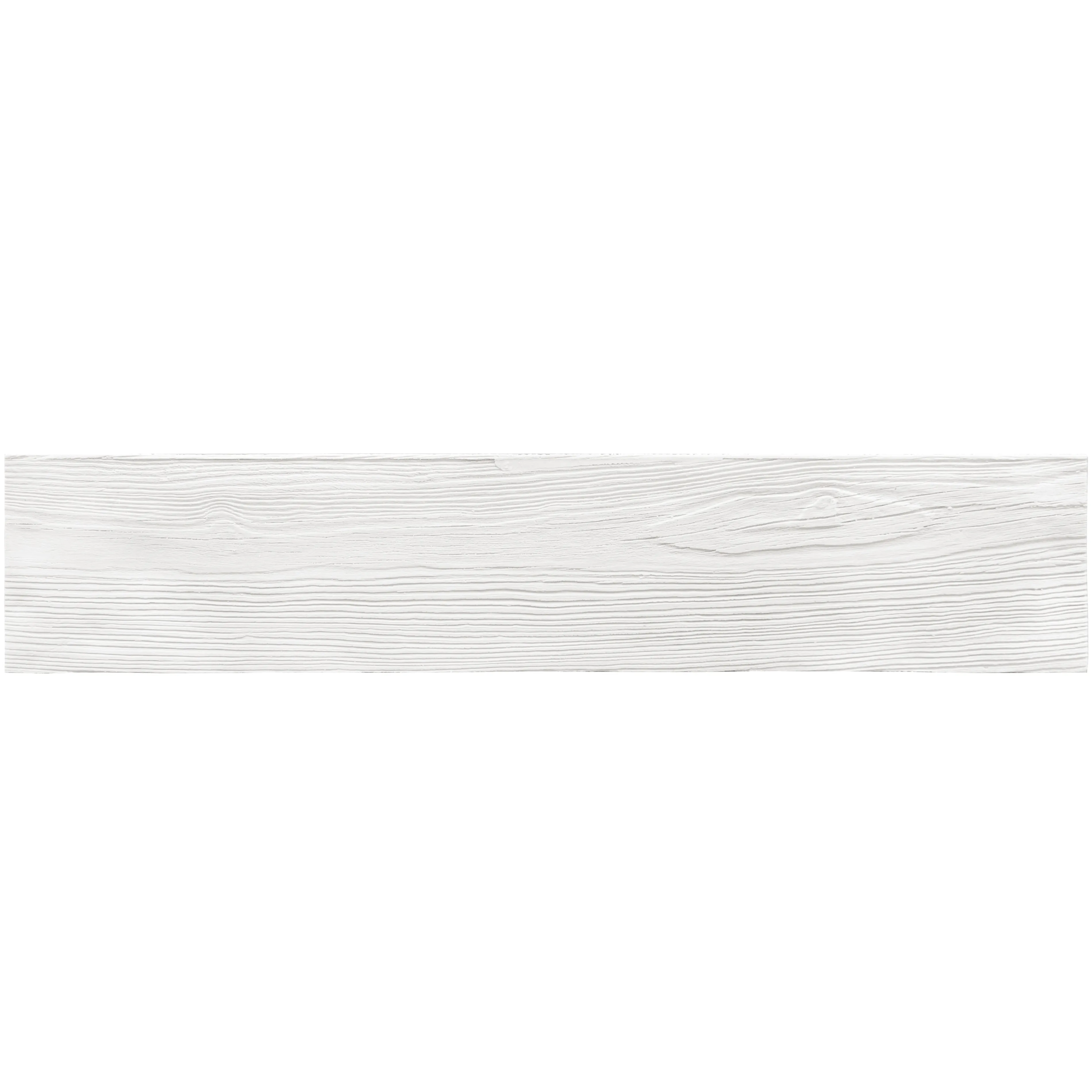
Because your schedule doesn't have time for high-maintenance materials
Let's start with a scenario we've all lived (or at least heard of): You're a builder juggling three projects at once. The residential client wants "that warm, organic feel" for their exterior siding. The commercial developer needs a durable lobby floor that can handle daily foot traffic from 500+ employees. And your phone's blowing up with a callback from last year's project—apparently, the "gorgeous white wood accent wall" you installed is starting to warp. Sound familiar? For busy builders, the materials we choose aren't just about looks—they're about survival. Time spent fixing avoidable maintenance issues is time stolen from new projects, client meetings, and (let's be real) that rare moment of downtime. Today, we're putting two popular options head-to-head: the timeless charm of natural white wood and the modern resilience of MCM (Modified Composite Material), including standout products like MCM flexible stone and wood grain board. Let's break down which one will keep your calendar clear and your clients happy.
There's no denying it: natural white wood is stunning. Its soft, pale hue adds brightness to interiors, while its visible grain brings warmth and texture that clients often crave. Whether it's used for siding, flooring, accent walls, or cabinetry, white wood (think pine, ash, or white oak) has a way of making spaces feel inviting and timeless. But here's the catch: that beauty comes with a laundry list of upkeep demands that can turn "dream material" into a builder's nightmare—especially when you're racing to meet deadlines.
Wood is porous by nature, which means it soaks up moisture like a sponge. In humid climates (we're looking at you, Florida, Texas, and coastal areas), that's a recipe for disaster. Even in moderate regions, a stray rainstorm during installation, a leaky pipe behind a wall, or simply high indoor humidity from showers or cooking can spell trouble. White wood swells when it absorbs water, then shrinks as it dries—leading to cracks, warping, or even rot over time. Imagine installing white wood flooring in a bathroom: within months, the grout lines might start to lift as the wood expands, or you might notice unsightly cupping along the edges. For busy builders, that means callbacks to fix warped boards, replace rotted sections, or install additional moisture barriers—all of which eat into your schedule and profit margin.
Termites, carpenter ants, beetles—these tiny invaders see white wood as an all-you-can-eat buffet. Even treated wood isn't 100% safe; over time, the chemicals can break down, leaving the material vulnerable. A client in a suburban area might call you panicking six months post-project, pointing to tiny holes in their white wood trim or sagging floorboards thanks to termite damage. Your solution? Hiring an exterminator, replacing infested wood, and treating the area—again, time and money you didn't budget for. And if your client is eco-conscious? Traditional chemical treatments might clash with their values, leaving you scrambling for greener (and often pricier) alternatives.
White wood is softer than you might think—especially popular options like pine. In high-traffic areas (entryways, hallways, commercial lobbies), it doesn't take long for scratches, dents, and scuffs to appear. A stray chair leg, a dropped tool during installation, or even pet claws can leave permanent marks. And let's not forget sunlight: UV rays fade white wood over time, turning that crisp "white" into a dull, yellowish hue. Clients notice these flaws, and they'll expect you to fix them. For flooring, that might mean sanding and refinishing; for walls or siding, it could mean patching dents or replacing entire boards. None of these tasks are quick—and in a busy schedule, "quick" is non-negotiable.
White wood might look clean, but keeping it that way is a delicate balancing act. Harsh cleaners (think bleach, ammonia, or abrasive scrubbers) strip away the protective finish, leaving the wood exposed to damage. Instead, you're stuck advising clients to use mild soap, warm water, and a soft cloth—great in theory, but in practice, busy homeowners or commercial tenants often cut corners. A client might use a steam mop on their white wood floors (a big no-no) or spray window cleaner on a white wood accent wall, only to call you when the finish bubbles or discolors. Then you're left explaining why "just cleaning" turned into a repair job—and footing the bill for fixes.
Even with perfect care, natural white wood needs refinishing every 3–5 years (sooner for high-traffic areas). That means sanding down the surface to remove scratches and worn finish, applying stain or paint, and sealing it—all of which takes days. For a builder, that translates to scheduling crews, coordinating with clients to empty rooms, and dealing with dust and disruption. Imagine telling a restaurant owner they need to close for a week to refinish their white wood floors, or a homeowner they'll be without a kitchen for days while you refinish their cabinets. Not only does this strain client relationships, but it also ties up your team when they could be working on new projects.
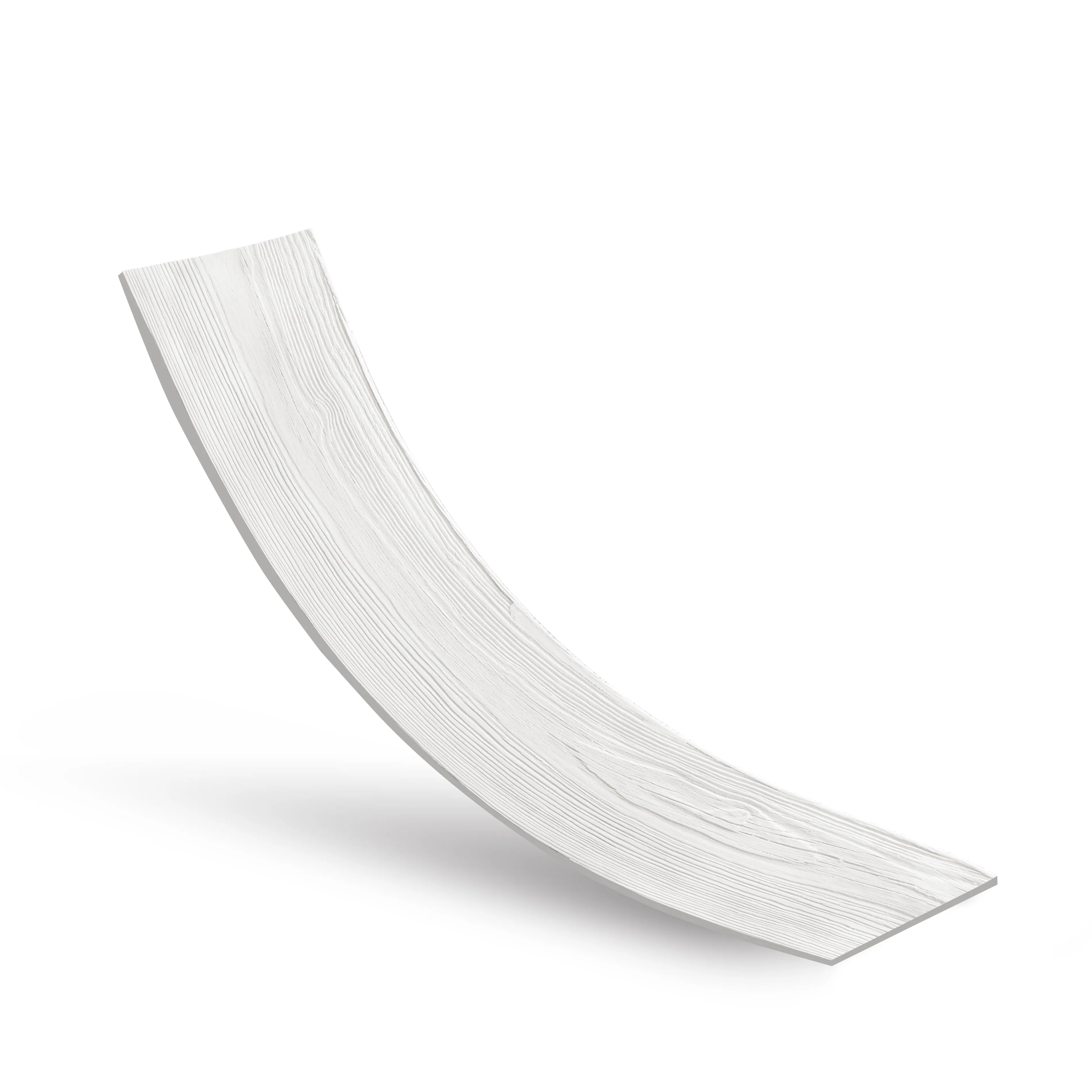
If natural white wood is the "high-maintenance diva" of building materials, MCM is the "no-drama workhorse." Short for Modified Composite Material, MCM is an engineered product that blends natural minerals (like stone or wood fibers), polymers, and reinforcing fibers to create a material that's lightweight, flexible, and incredibly durable. And while MCM comes in a variety of styles, two standouts for busy builders are MCM flexible stone (which mimics the look of natural stone) and wood grain board (which replicates the texture and color of real wood). The best part? These materials offer the aesthetics clients love—without the endless upkeep.
Unlike natural wood, MCM isn't organic, porous, or prone to the same weaknesses. It's designed from the ground up to withstand the chaos of real-world use—whether that's a busy family home, a bustling retail store, or an exterior exposed to rain, snow, and UV rays. MCM flexible stone, for example, combines crushed stone particles with a polymer binder, resulting in a thin, flexible panel that looks like travertine, marble, or slate but can bend around corners or curves during installation. Wood grain board MCM does the same for wood aesthetics, using wood fibers and resins to mimic the look of oak, pine, or walnut—down to the visible grain—without the vulnerability.
MCM flexible stone and wood grain board are impermeable to water—period. Unlike wood, they don't absorb moisture, which means you can install them in bathrooms, kitchens, basements, and exterior walls without losing sleep over leaks or humidity. In fact, MCM is often used in commercial kitchens and pool areas for this very reason. Imagine installing MCM flexible stone siding on a beach house in South Carolina: saltwater spray, heavy rains, and high humidity won't cause it to swell, crack, or rot. For a busy builder, that's peace of mind. No callbacks for water damage, no emergency repairs, and no explaining to clients why their "waterproof" wood project failed.
Since MCM contains no organic material (unlike wood), pests like termites, carpenter ants, and beetles have zero interest in it. There's nothing for them to eat, so they'll leave your MCM installations alone. That means no pre-installation pesticide treatments, no post-project pest inspections, and no frantic calls from clients about "mysterious holes" in their walls. For eco-conscious clients, this is a huge win too—MCM eliminates the need for harsh chemicals, aligning with green building trends.
MCM is built to take a beating. Its rigid core and protective outer layer make it scratch-resistant, impact-resistant, and fade-resistant—even in high-traffic areas. drop a tool on a wood grain board floor during installation? No dent. Let a client's dog scratch the MCM flexible stone accent wall? No visible mark. Expose exterior MCM panels to years of sun, rain, and snow? The color stays consistent, with no fading or discoloration. This durability is a game-changer for busy builders. Instead of worrying about how a material will hold up over time, you can focus on getting the job done right the first time—and moving on to the next project.
Remember the delicate cleaning dance required for white wood? With MCM, it's refreshingly simple. Spills? Wipe them up with a damp cloth. Dirt or grime? A little soap and water (or even a mild cleaner) will do the trick. High-pressure washers? Go for it—exterior MCM panels can handle the blast without damage. For commercial spaces like restaurants or retail stores, this is a lifesaver: staff can clean quickly between shifts without worrying about ruining the material. And for homeowners, it means less stress and more time to enjoy their space— which translates to happier clients and fewer "how do I clean this?" calls for you.
Here's the kicker: MCM never needs refinishing. Unlike wood, which fades, scratches, or wears thin over time, MCM's color and texture run all the way through the material—not just a top layer. That means even if it does get scratched (which is rare), the damage is far less noticeable, and there's no need to sand, stain, or seal it. For a builder, this is a massive time-saver. No scheduling refinishing crews, no disrupting clients' lives, and no additional costs down the line. MCM is install-and-forget, which is exactly what you need when your to-do list is a mile long.
| Maintenance Factor | Natural White Wood | MCM (Flexible Stone & Wood Grain Board) |
|---|---|---|
| Moisture Handling | Porous; swells, warps, or rots with moisture. Requires extra sealing and moisture barriers. | Impermeable; no swelling, warping, or rot. Safe for wet areas (bathrooms, exteriors). |
| Pest Resistance | Vulnerable to termites, ants, and beetles. Requires pesticide treatments. | No organic content; pests ignore it. No treatments needed. |
| Wear & Tear | Scratches, dents, and fading common in high-traffic areas. | Scratch/impact-resistant; color stable with no fading. |
| Cleaning Difficulty | Requires mild soap, soft cloths; avoids harsh cleaners or pressure washers. | Soap and water (or pressure washers for exteriors) work. No special tools needed. |
| Refinishing Frequency | Every 3–5 years (sanding, staining, sealing). | Never. Color/texture. |
| Long-Term Cost (Labor + Materials) | High: Initial cost low, but ongoing maintenance adds up. | Moderate: Higher upfront cost, but no maintenance expenses later. |
Still on the fence? Let's look at two hypothetical (but all-too-real) scenarios that show how the choice between white wood and MCM plays out for busy builders.
You're contracted to remodel a 2,500 sq. ft. home in Atlanta, with a tight 8-week timeline. The homeowner wants white wood flooring in the living room and bedrooms, citing its "bright, airy look." You warn them about maintenance, but they're set on it. You install the flooring, finish on time, and hand over the keys. Fast forward 14 months: the homeowner calls, frantic. The living room floor has warped near the sliding glass door (thanks to Atlanta's humid summers), and there are termite holes in the baseboards. You're forced to send a crew to replace the damaged sections, treat for termites, and refinish the floors—costing you 40 hours of labor and eating into your profit from new projects. Meanwhile, the same homeowner used MCM flexible stone for their bathroom walls. They mention it in passing: "The bathroom still looks brand new! We never have to clean it more than once a week." Lesson learned.
A client hires you to build out a trendy clothing store in downtown Chicago, with high foot traffic expected daily. They want wood-look floors but are worried about wear and tear. You suggest wood grain board MCM instead of real white wood. They're hesitant at first—"Will it look fake?"—but you show them samples, and they're sold. Six months later, the store is packed with shoppers, and the floors still look flawless. No scratches, no fading, and the manager mentions, "We just mop them with soap and water every night—it's so easy!" Compare that to a neighboring store that used real white wood floors: they're already showing scuffs, and the owner is scheduling a refinishing that will close the store for three days. Your client? They're thrilled—and referring you to other retailers. That's the power of MCM.
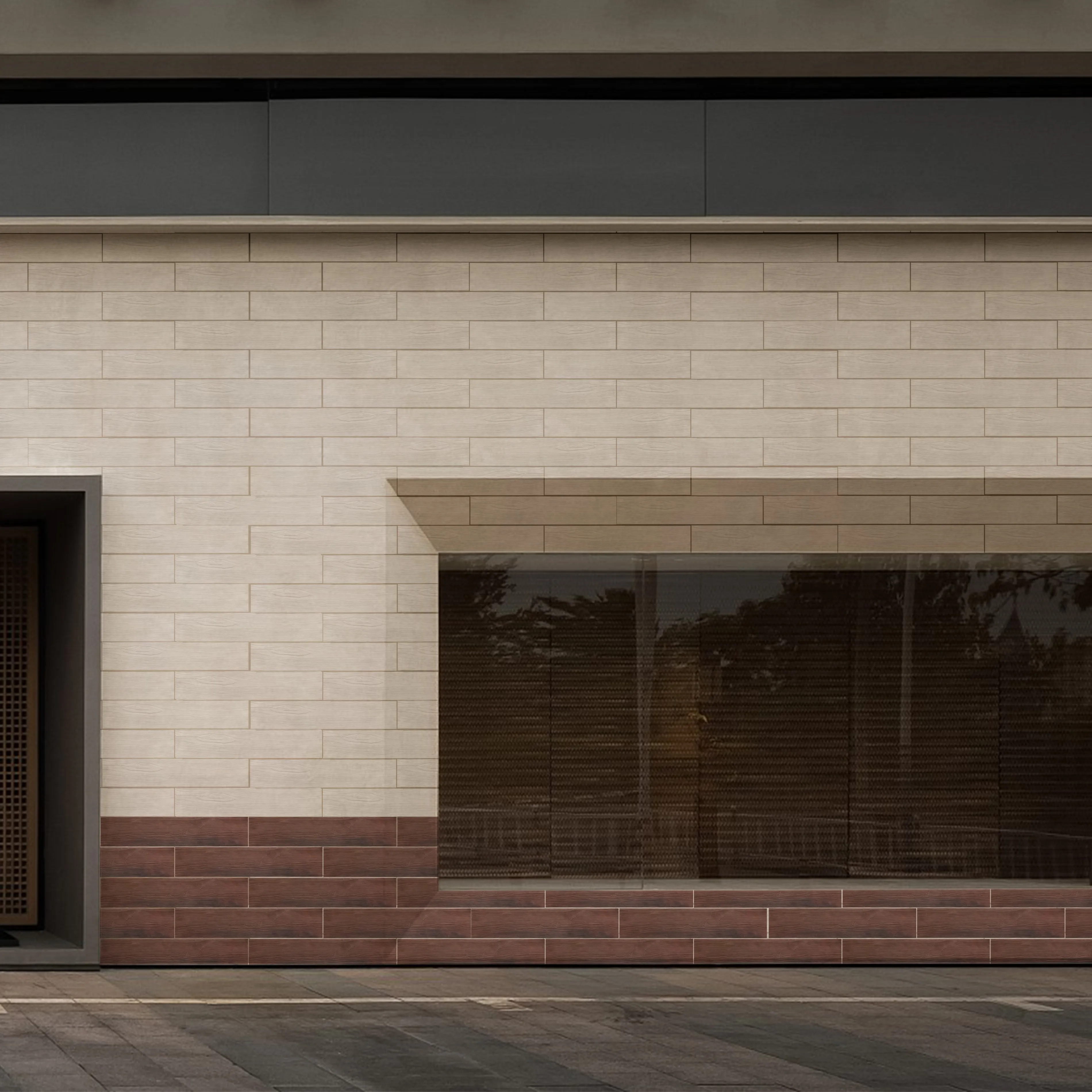
At the end of the day, the choice between natural white wood and MCM comes down to one question: Do you want to spend your time building, or fixing? White wood has its place—for clients who prioritize authenticity over convenience, or for low-traffic, climate-controlled spaces where maintenance can be closely managed. But for busy builders juggling multiple projects, tight deadlines, and the need to deliver long-lasting results, MCM flexible stone and wood grain board are clear winners. They offer the aesthetics clients crave with the durability and low maintenance you need to keep your business moving forward. Less callbacks, fewer headaches, happier clients, and more time to focus on what you do best: building. And in this industry, time isn't just money—it's everything.
Recommend Products












