
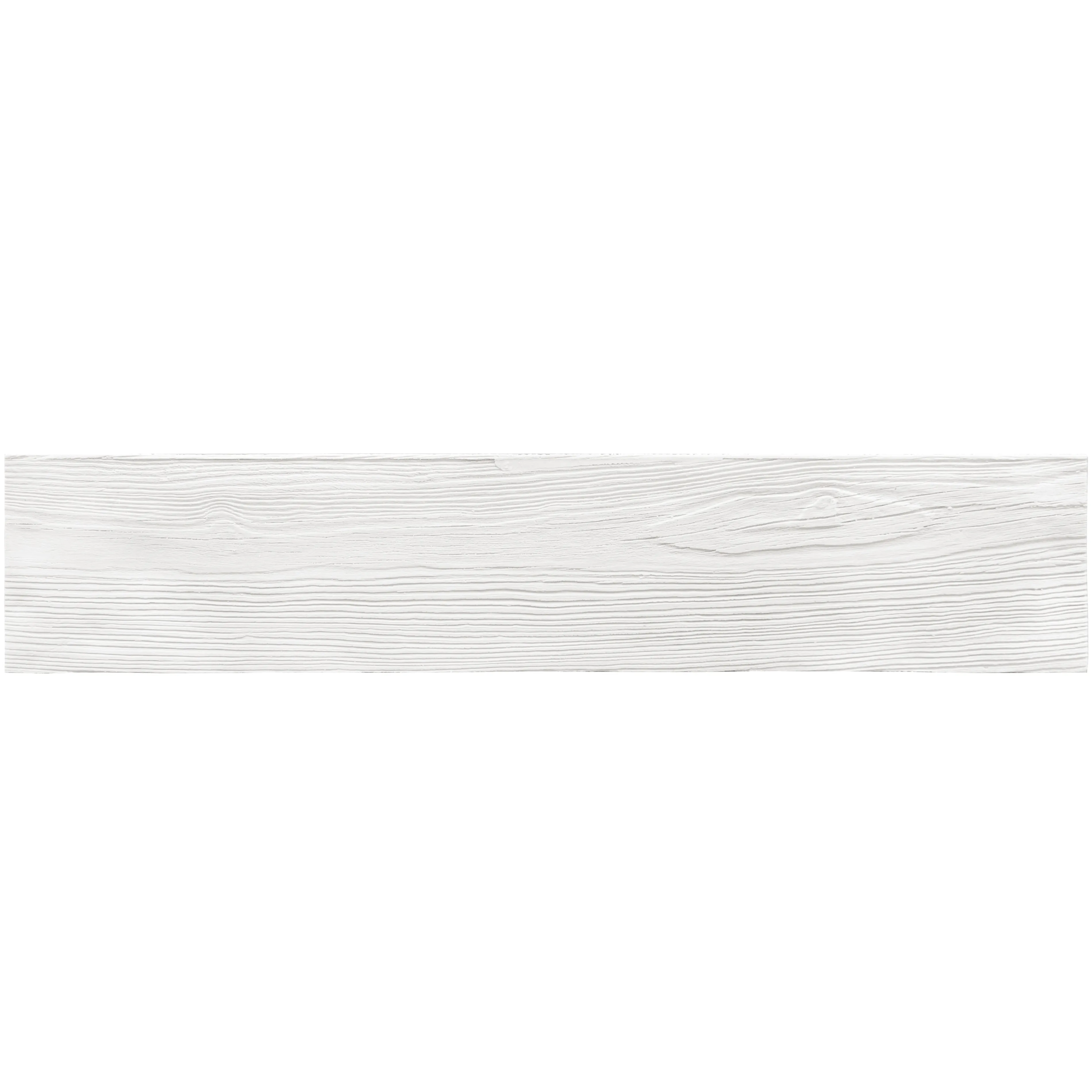
Walk into any modern home or boutique café these days, and you're likely to spot it: that soft, airy glow of white wood. It's no wonder—white wood brings warmth without the heaviness of darker tones, making spaces feel larger, brighter, and effortlessly timeless. But here's the catch: when it comes to choosing between natural white wood and its modern counterpart, MCM white wood panels , the decision often comes down to one big question: What's it going to cost me?
If you've ever found yourself staring at a price tag for solid wood planks, wondering if there's a smarter way to get that look without breaking the bank, you're not alone. Let's dive into the nitty-gritty of both materials, breaking down their costs, pros, cons, and everything in between. By the end, you'll have a clear picture of which one makes sense for your project—whether you're sprucing up your living room or designing a commercial space.
Natural white wood is exactly what it sounds like: wood that grows in shades of white, cream, or light beige, or is sanded and finished to achieve that pale hue. Think species like white pine, birch, maple, or ash—each with its own subtle grain patterns and texture. There's a reason it's been a staple in design for centuries: it's authentic. Run your hand over a natural white wood plank, and you'll feel the slight imperfections, the way the grain rises and falls—it's nature's fingerprint.
But that authenticity comes with a price. Let's start with the basics: sourcing . Natural white wood has to be harvested, milled, dried, and transported—each step adding to the cost. If you're after rare or sustainably sourced wood (more on that later), you'll pay a premium. Then there's the finish : to keep that white color from yellowing over time, you'll need high-quality sealants, stains, or paints, which add another layer of expense. And let's not forget durability : natural wood is prone to scratches, water damage, and warping, especially in humid or high-traffic areas. That means more money spent on repairs down the line.
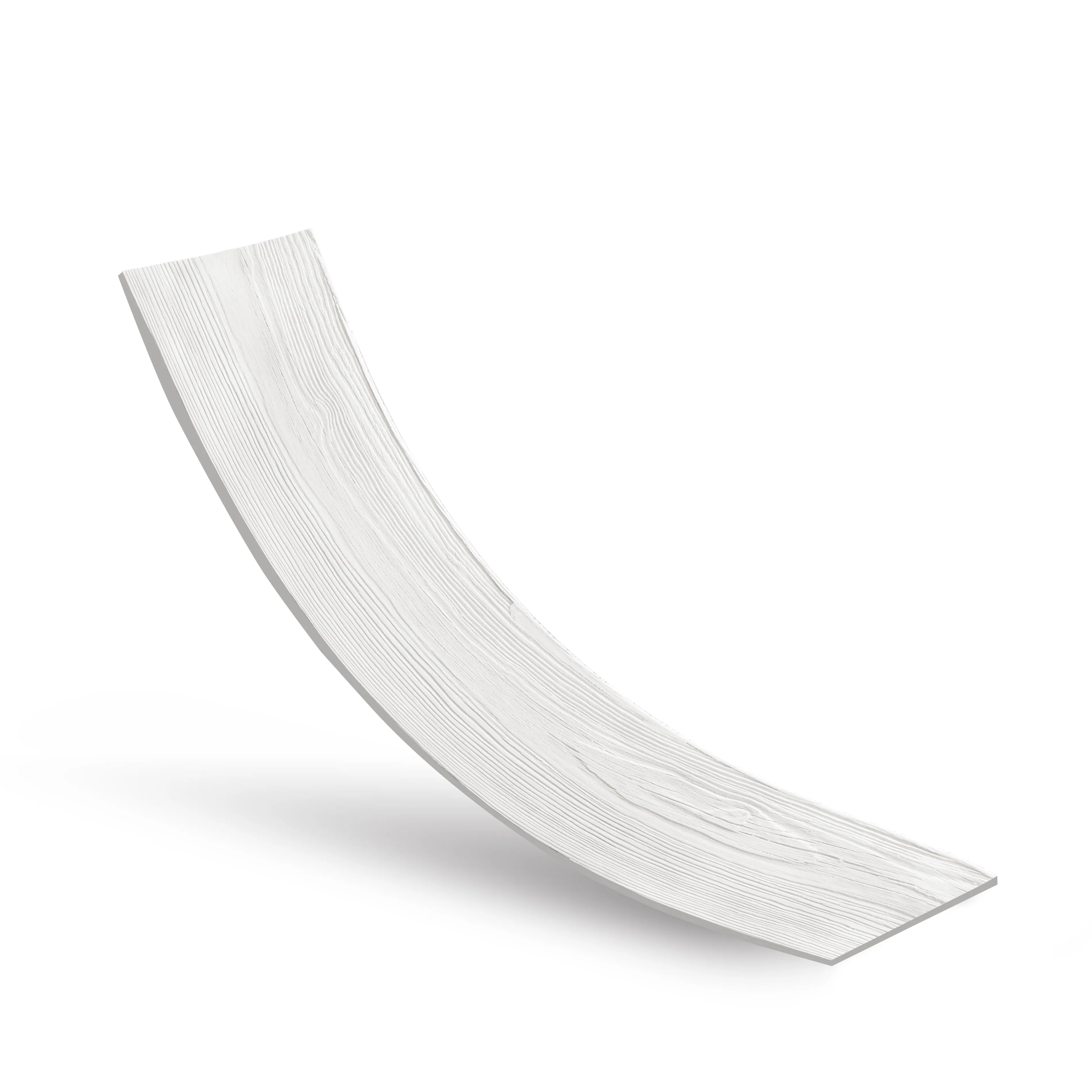
Now, let's talk about MCM. Short for Modified Composite Material, MCM is a man-made material designed to mimic the look of natural materials—like wood, stone, or metal—without the hassle (or cost) of the real thing. MCM flexible stone is part of this family, known for its bendable, lightweight properties, but today we're focusing on wood concrete board and wood grain board variants that replicate white wood.
So how do they make MCM white wood panels? Think of it as a high-tech sandwich: a core of recycled materials (like fiberglass, polymers, or even fair-faced concrete for added strength), layered with a printed or embossed surface that mimics wood grain. The result? Panels that look so much like real wood, you'll do a double-take. But unlike natural wood, MCM panels are engineered to be tough: water-resistant, scratch-resistant, and lightweight enough to install without a team of professionals.
Here's the kicker: MCM panels are made in factories, often using recycled materials, which brings down production costs. And because they're manufactured in bulk, you can get consistent color and size—no more hunting for matching planks or dealing with knots that ruin your white aesthetic.
Let's get to the numbers. We'll break this down into four categories: initial material cost , installation cost , maintenance cost , and long-term cost . Spoiler: the numbers might surprise you.
Natural white wood isn't cheap. Depending on the species and quality, you're looking at $8 to $15 per square foot for raw planks. If you want pre-finished or FSC-certified (sustainably sourced) wood, that jumps to $12 to $20 per square foot . And that's just for the wood itself—no sealant, no hardware, no delivery fees.
MCM white wood panels, on the other hand, are designed to be affordable. Basic models start at $4 to $8 per square foot , with premium options (think hyper-realistic grain or added durability features) topping out at $10 to $12 per square foot . Since they're mass-produced, suppliers often offer bulk discounts, which is a huge win for larger projects.
Installing natural white wood is not a weekend DIY project—unless you're a seasoned carpenter. Those planks are heavy, and they need precise cutting, fitting, and fastening to avoid warping or gaps. You'll likely need to hire a professional, which adds $5 to $10 per square foot to your bill. And if your walls or floors are uneven? That's extra labor (and extra cash) to level things out first.
MCM panels, though? They're lightweight (often 1/3 the weight of natural wood) and designed for easy installation. Many come with interlocking edges or peel-and-stick backs, meaning even a novice can tackle a small project. If you do hire a pro, they'll charge less—around $2 to $5 per square foot —since the process is faster and simpler. For a 500-square-foot room, that's a savings of $1,500 to $2,500 on installation alone.
Here's where natural wood really starts to hurt your wallet: maintenance . To keep that white finish bright and prevent water damage, you'll need to seal or refinish it every 1–3 years. A gallon of high-quality wood sealer costs $30–$60, and if you hire someone to apply it, that's another $2–$4 per square foot. Spills? Scratches? Sunlight fading? Those mean touch-ups or even replacing entire planks, which can cost $50–$100 per repair.
MCM panels? They're low-maintenance by design. A quick wipe with a damp cloth is usually all it takes to clean them. No sealing, no refinishing, no worrying about water spots in the bathroom or kitchen. The only maintenance you might need is replacing a panel if it gets severely damaged—and since they're affordable, that's a $20–$50 fix, not a $500 headache.
Let's fast-forward 15 years. A natural white wood floor or wall panel, even with careful maintenance, will start to show signs of wear: cracks, discoloration, maybe even rot in high-moisture areas. Most homeowners replace natural wood every 10–15 years . So if you spent $10,000 on materials and installation initially, you'll be spending that again (or more, thanks to inflation) in a decade.
MCM panels, though, have a lifespan of 20–30 years with minimal upkeep. That means you'll pay once and enjoy them twice as long. Over 30 years, natural wood would cost you 2–3x more than MCM when you factor in replacement costs.
| Cost Factor | Natural White Wood | MCM White Wood Panels |
|---|---|---|
| Initial Material Cost (per sq ft) | $8–$20 | $4–$12 |
| Installation Cost (per sq ft) | $5–$10 | $2–$5 |
| Annual Maintenance Cost | $100–$300 (sealing, repairs) | $0–$50 (occasional cleaning) |
| Estimated Lifespan | 10–15 years | 20–30 years |
| Total Cost Over 20 Years* | $15,000–$35,000 (for 500 sq ft) | $5,000–$12,000 (for 500 sq ft) |
*Estimates include initial material, installation, maintenance, and one replacement for natural wood.
Cost isn't the only factor—many of us care about the environmental impact of our choices. Let's talk sustainability.
Natural white wood, when sourced unsustainably, contributes to deforestation, which is a big red flag. But there are responsible options: look for FSC (Forest Stewardship Council) certified wood, which ensures it's harvested from well-managed forests. The downside? FSC wood costs 10–20% more than non-certified, which adds to that already high price tag.
MCM panels, by contrast, are often made with recycled materials—like reclaimed wood fibers, fair-faced concrete , or even recycled plastics. Their manufacturing process also uses less energy than logging and milling natural wood, and since they last longer, there's less waste from replacements. Some brands even offer panels made with 100% recycled content, making them a greener choice for eco-conscious shoppers.
Okay, so MCM panels are cheaper and lower-maintenance—but does that mean natural white wood is obsolete? Not at all. There are times when splurging on natural wood makes sense.
Choose natural white wood if: You value authenticity above all else, you're working on a small, low-traffic space (like a bedroom accent wall), or you're going for a high-end, traditional look. It's also a great choice if you're willing to invest in maintenance and have the budget for it.
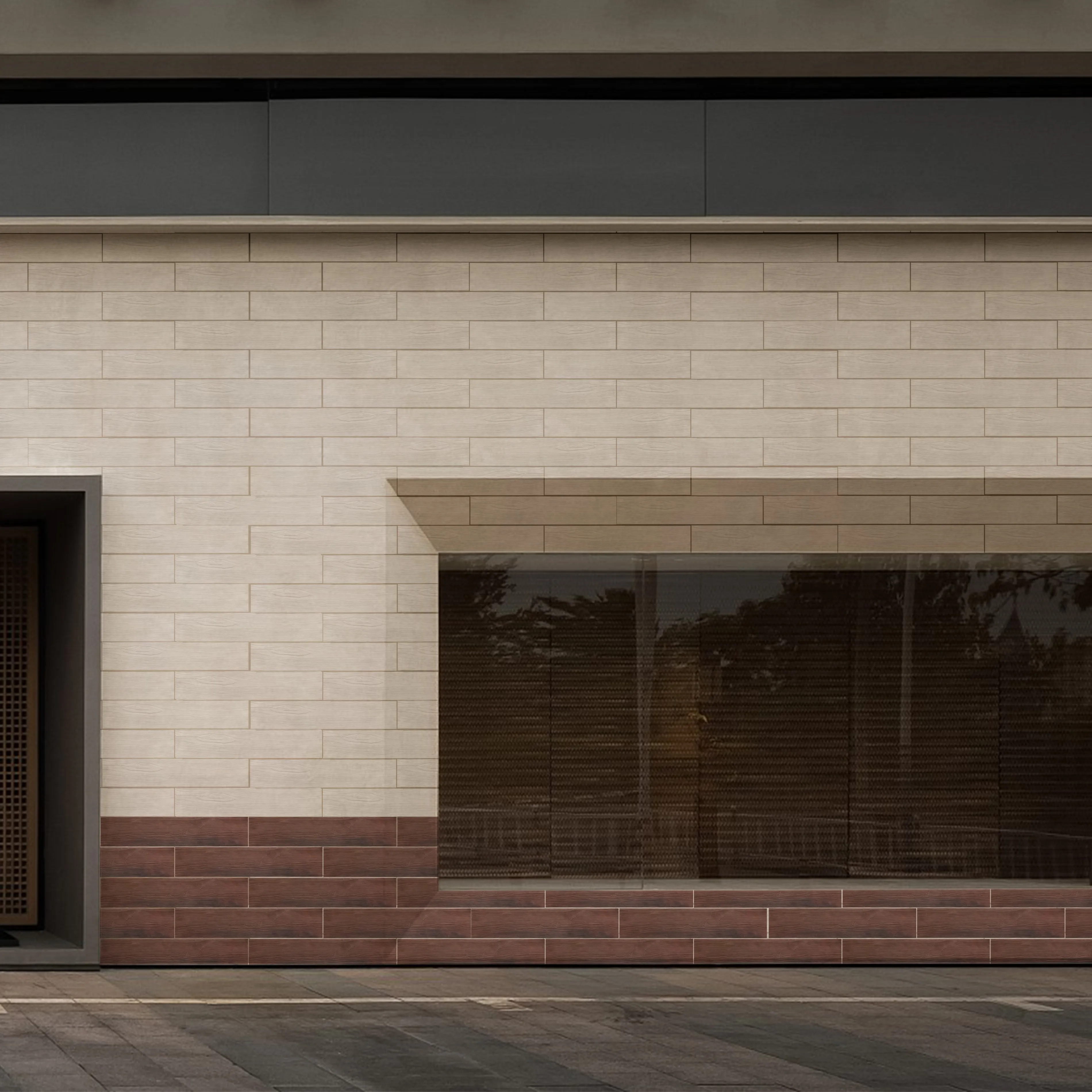
Choose MCM white wood panels if: You're on a budget, you need something durable (hello, kids and pets!), you're installing in a high-moisture area (bathroom, kitchen, or exterior), or you want a consistent look across a large space. They're also perfect for commercial projects—restaurants, offices, retail stores—where durability and cost-efficiency are key.
Let's hear from people who've been there. Take Sarah, a homeowner in Portland who renovated her kitchen last year. "I wanted white wood cabinets, but natural wood was $12,000 for the set. MCM panels cost me $4,500, and honestly? No one can tell the difference. My sister-in-law even asked where I got the 'gorgeous real wood' cabinets!"
Then there's Mike, a commercial designer in Chicago. "For a recent café project, we used MCM wood grain board on the walls. It looks like white oak, but it's water-resistant, so we don't have to worry about coffee spills or humidity. The client saved $8,000 on materials and installation, which let them splurge on other upgrades—like better lighting."
Of course, there are die-hard natural wood fans, too. "I have a 100-year-old house, and I wanted to keep the original character," says Elena, a homeowner in Boston. "I refinished the natural white pine floors myself, and yes, it was expensive and time-consuming. But when I walk on them, I feel connected to the history of the home. For me, that's priceless."
At the end of the day, the choice between natural white wood and MCM white wood panels comes down to your priorities: budget , maintenance tolerance , aesthetic goals , and environmental values .
If you have the money to spend on initial costs and ongoing maintenance, and you crave the authenticity of natural materials, go for the real thing. But if you want that white wood look without the sticker shock or upkeep hassle, MCM panels are a smart, sustainable alternative that delivers on both style and savings.
Whichever you choose, remember: the best material is the one that fits your life. Whether it's the warmth of natural wood or the practicality of MCM, what matters most is that your space feels like home.
Recommend Products












