
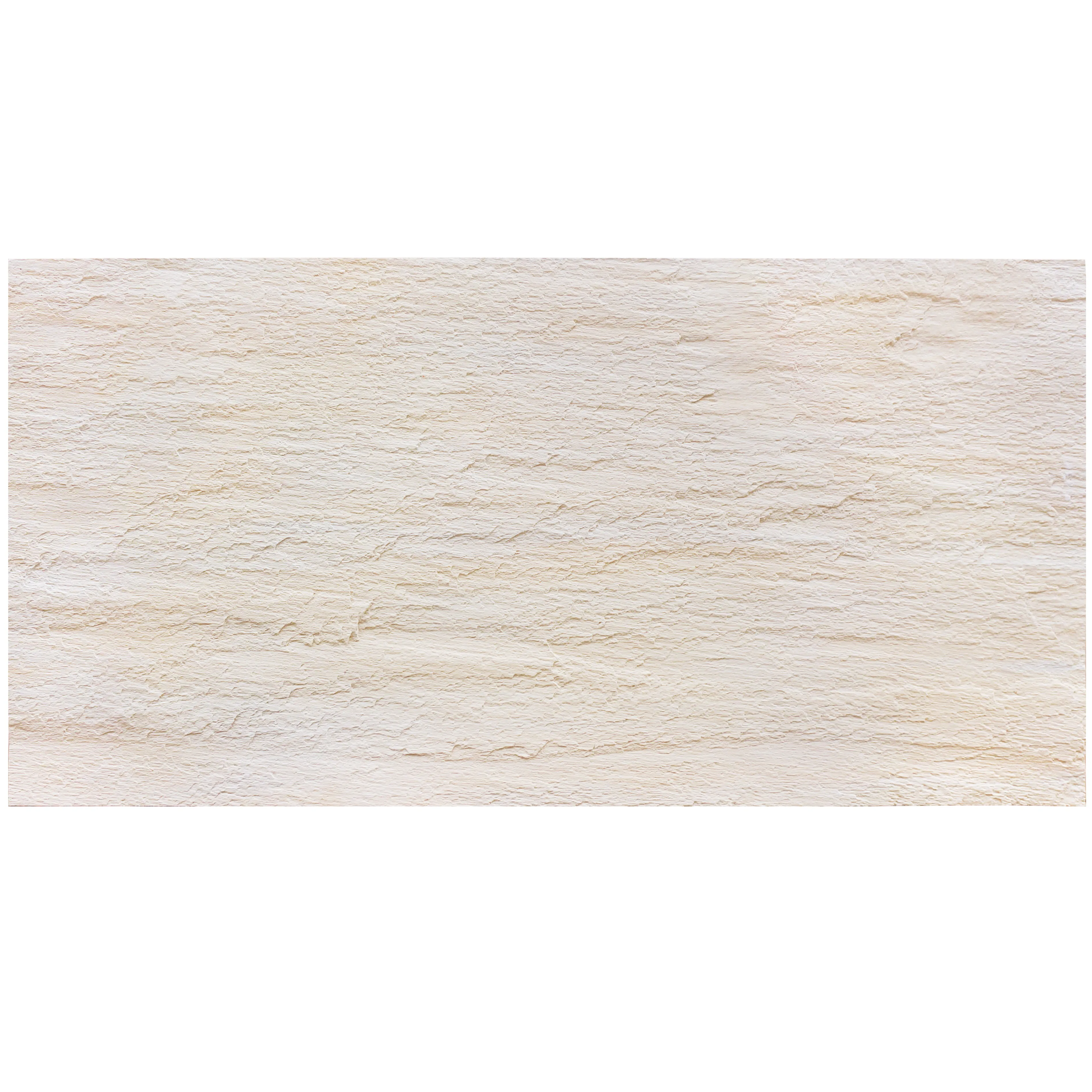
Close your eyes for a moment and picture the Gobi Desert at dawn. The sand, warmed by the first light, shifts between soft beiges and muted golds, its surface etched with the delicate marks of wind and time. Now, imagine capturing that texture, that sense of history, and pressing it into a material that's light enough to float, yet tough enough to withstand decades of weather. That's Oasis Stone Foge.
Part of the broader MCM (Modified Composite Material) family, Oasis Stone Foge isn't just a "synthetic stone"—it's a reinterpretation of nature's artistry. Unlike quarried stone, which often comes with heavy carbon footprints and limited design flexibility, Oasis Stone Foge is crafted using a blend of recycled minerals, polymers, and natural pigments. The result? A material that mimics the depth of sedimentary rock but bends to the will of designers. Its surface, with its subtle ridges and pitted texture, feels both familiar and new—like running your hand over a weathered canyon wall, but knowing it was made with intention, not just time.
But what truly sets Oasis Stone Foge apart is its chameleon-like ability to adapt. Want to evoke the calm of a mountain stream? It can take on cool grays and blues. Dream of a facade that glows like a sunset? Warm oranges and terracottas are within reach. And when paired with 3D printing? That's when the magic happens.
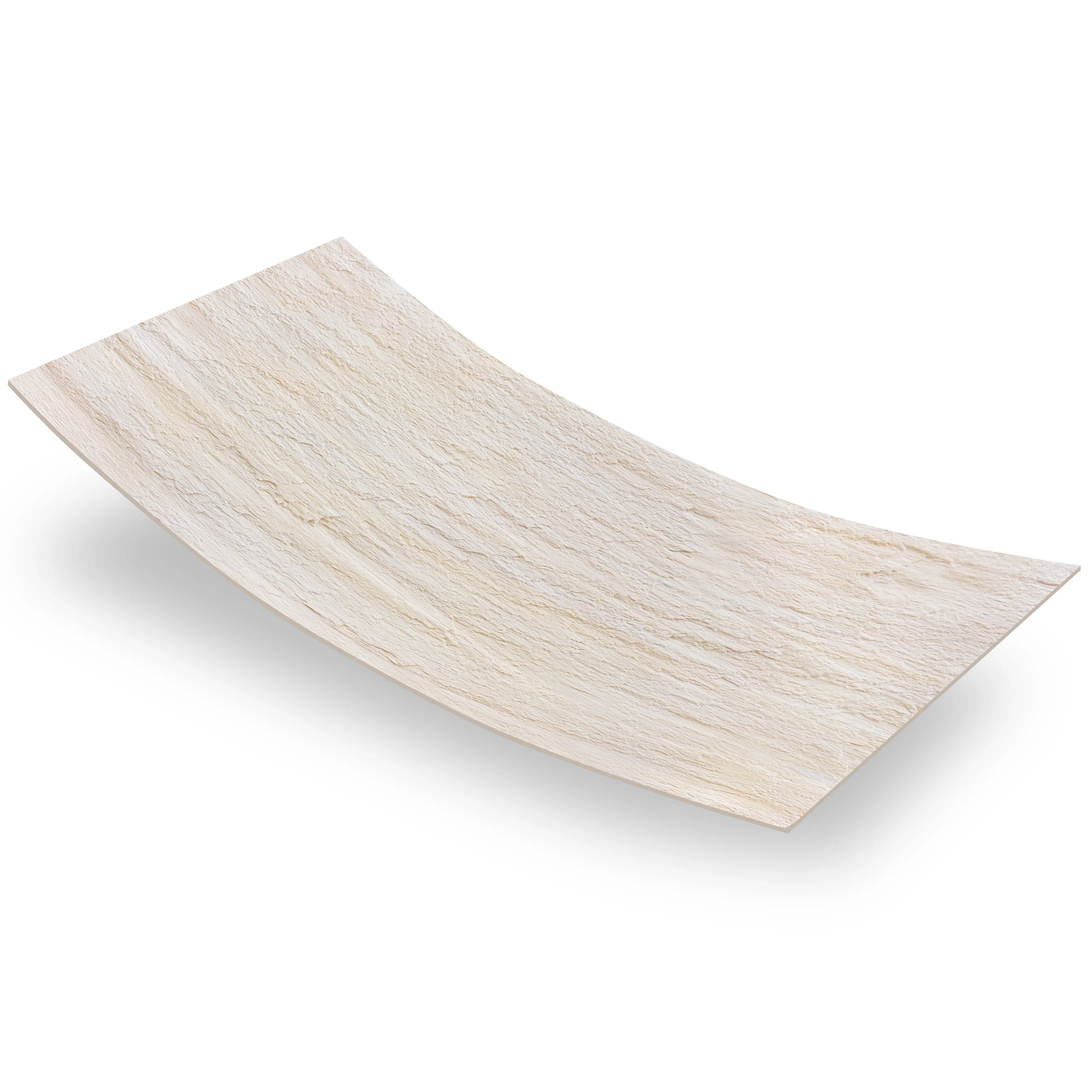
For years, 3D printing has been hailed as a revolution in manufacturing—from tiny medical implants to massive rocket parts. But in architecture, its promise has often felt just out of reach. Traditional 3D-printed structures, while impressive, have struggled to balance durability with design nuance. That is, until materials like MCM flexible stone and Oasis Stone Foge entered the picture.
The MCM 3D Printing Series, a line of technologies tailored for composite materials, bridges this gap. Unlike concrete 3D printers, which extrude thick, uniform layers, MCM 3D printers work with a paste-like version of Oasis Stone Foge, layering it with precision down to 0.1mm. This means designers aren't just limited to flat panels or simple curves—they can create stories in the facade. Imagine a museum dedicated to marine life, where the exterior undulates like ocean waves, each ridge and trough printed in Oasis Stone Foge's "Gobi Panel" texture, accented with flecks of travertine (starry blue) to mimic sunlight on water. Or a community center where the walls are printed with abstract patterns inspired by local pottery, the material's natural grain adding depth to every line.
But 3D printing isn't just about aesthetics. It's about accessibility . Traditional custom stone facades require skilled artisans to carve each piece by hand, a process that's time-consuming and costly. With 3D printing, a design file can be sent from a laptop to a printer, and within days, panels are ready to install. This speed doesn't sacrifice quality—in fact, it enhances it. The precision of the printing process ensures every panel matches exactly, eliminating the inconsistencies that come with handcrafting. And because Oasis Stone Foge is lightweight (about 1/5 the weight of natural stone), installation is safer and faster, reducing labor costs and construction time.
| Material | Customization Range | Sustainability | Installation Time | Aesthetic Depth |
|---|---|---|---|---|
| Traditional Quarried Stone | Limited (fixed colors/textures) | Low (high carbon footprint, wasteful extraction) | 4-6 weeks (per facade section) | High (natural variation, but static) |
| MCM Flexible Stone | Moderate (custom colors, basic patterns) | Medium (recycled content, lighter weight) | 2-3 weeks (per facade section) | Medium (uniform texture, limited depth) |
| Oasis Stone Foge + 3D Printing | Unlimited (complex 3D patterns, gradient colors) | High (90% recycled materials, zero waste printing) | 1-2 weeks (per facade section) | Very High (layered textures, dynamic depth) |
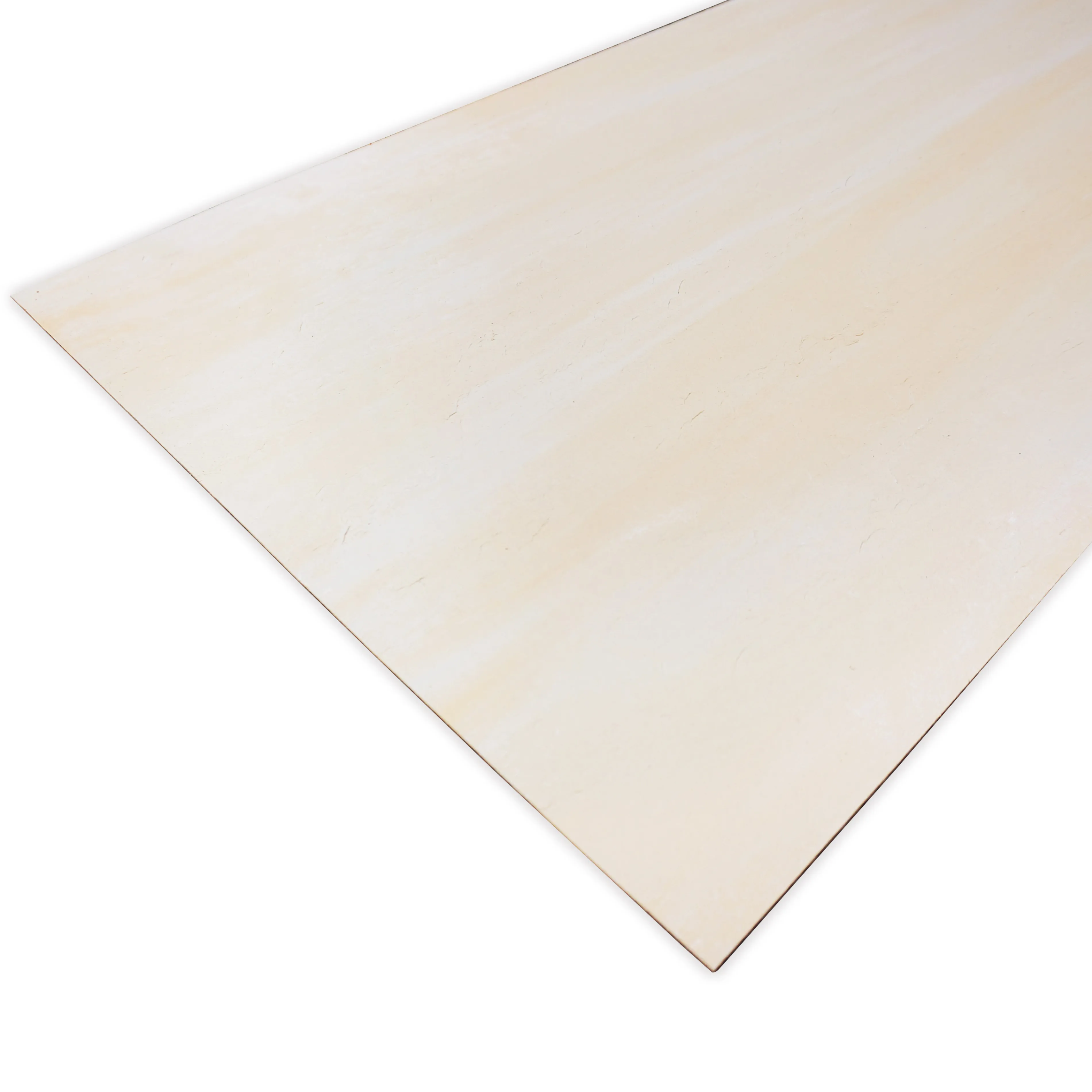
To truly understand the impact of Oasis Stone Foge and 3D printing, let's step into the small town of Millfield, where the local library was in desperate need of a makeover. Built in the 1970s, its concrete facade had become a symbol of neglect—drab, cracked, and disconnected from the community it served. The town wanted something more: a building that felt like a "gateway to knowledge," one that honored Millfield's history as a stop on the historic Oregon Trail while embracing its future as a hub for young families.
The architects turned to the MCM 3D Printing Series, with Oasis Stone Foge as the star material. Here's how they brought the vision to life:
The result? A building that doesn't just stand—it speaks . Kids run their fingers over the starry blue paths, asking about the stories behind the names. Elders pause to trace the wagon-rut patterns, remembering tales their grandparents told. And the library, once a forgotten corner of town, now draws visitors from miles away, all eager to see "the building that tells our story."
Maria Gonzalez, the lead architect on the Millfield Library project, put it best: "We've all walked past buildings that feel like they're just… there. Concrete boxes, glass rectangles—they serve a purpose, but they don't connect . With Oasis Stone Foge and 3D printing, we didn't just build a facade; we built a shared memory. When a little girl points to the starry blue and says, 'That's where the pioneers looked for directions,' that's when you know you've succeeded. It's not about the material—it's about the emotion it sparks."

In an era where "green building" often feels like a buzzword, Oasis Stone Foge and 3D printing deliver tangible results. Let's break it down:
Reduced Waste: Traditional stone cutting generates up to 30% waste—chunks of rock that are too small or misshapen to use. With 3D printing, the MCM material is extruded only where needed, cutting waste to less than 5%. And because Oasis Stone Foge is made with recycled minerals (up to 85% in some variants), it reduces the demand for newly quarried stone, lowering deforestation and habitat destruction.
Lower Carbon Footprint: Transporting natural stone is energy-intensive—imagine hauling a 500-pound slab across the country. Oasis Stone Foge panels weigh just 12 pounds per square foot, slashing fuel use during shipping. Plus, the 3D printing process itself is electric and can be powered by renewable energy, unlike traditional stone cutting, which relies on gas-powered machinery.
Longevity: MCM materials like Oasis Stone Foge are designed to last. They're resistant to UV rays, moisture, and temperature fluctuations, meaning facades won't fade, crack, or warp over time. This durability reduces the need for replacements, further cutting down on waste and resource use.
But sustainability isn't just about numbers—it's about legacy. When we build with materials that respect the planet, we're not just creating buildings for today; we're creating spaces that our grandchildren will be proud to inherit. Oasis Stone Foge doesn't just look like it belongs in nature—it acts like it, too.
So, what's next for Oasis Stone Foge and 3D printing? The possibilities are as limitless as the desert sky. Imagine:
At the heart of all these innovations is a simple truth: buildings are for people. They're where we live, work, learn, and love. So why shouldn't they reflect who we are—our stories, our values, our dreams? Oasis Stone Foge and 3D printing don't just make custom facades possible; they make them personal .
Recommend Products












