
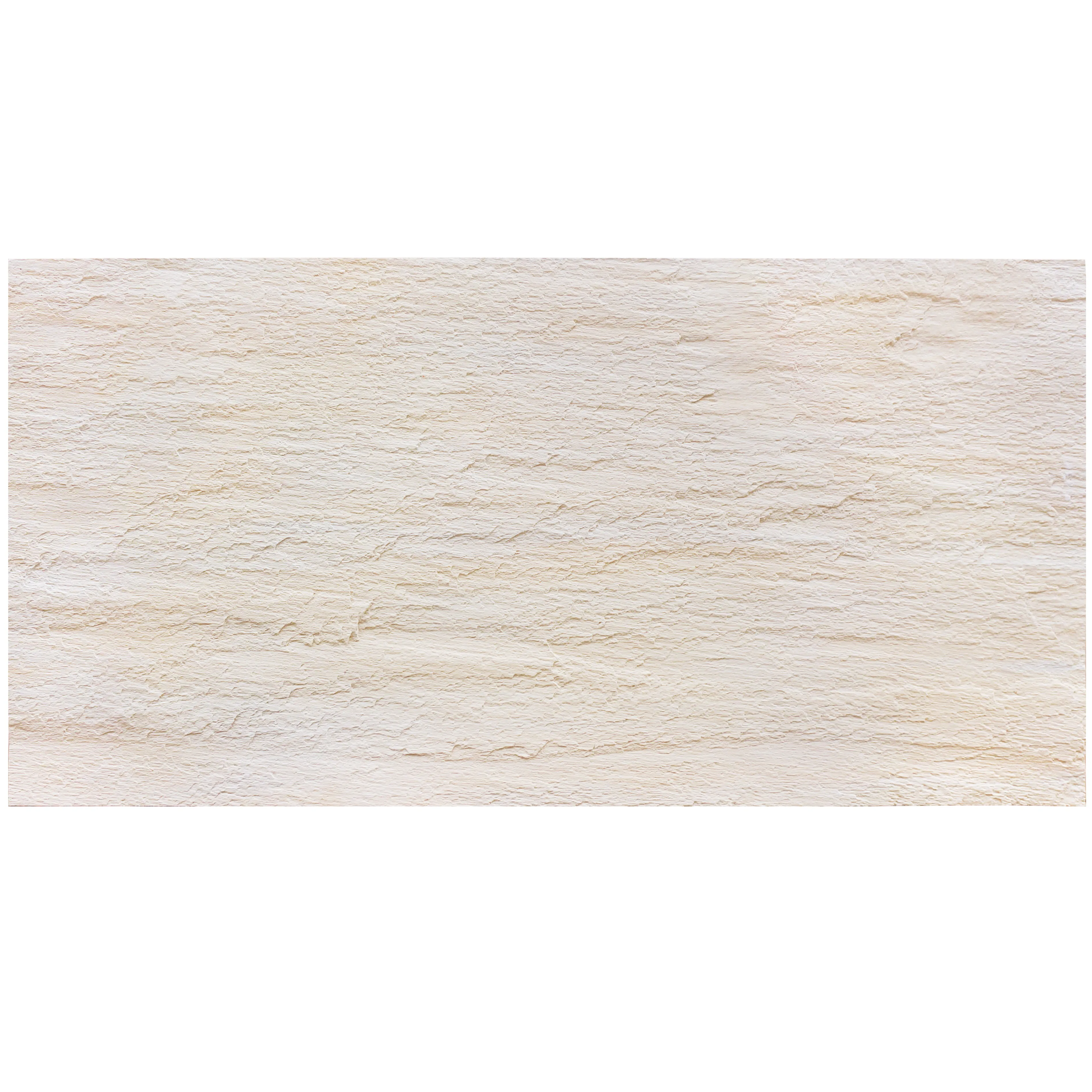
How innovative building materials are reshaping sustainability in architecture—one textured wall, one recycled aggregate at a time
Walk into a contemporary café in the heart of a bustling city, and your gaze might linger on a wall that feels less like construction and more like a piece of earthy art. Its surface, a blend of soft beige and misty gray, ripples gently like wind-blown sand, with tiny flecks of recycled stone catching the light. That's Oasis Stone Foge—part of MCM's (Modified Composite Material) growing family of sustainable building solutions. But beyond its aesthetic allure lies a deeper story: how materials like this are redefining what it means to build responsibly in a world grappling with resource scarcity and climate change.
The construction industry has long been a culprit of waste. Traditional materials—quarried stone, virgin concrete, non-recyclable composites—deplete finite resources and generate mountains of debris when buildings are demolished. Enter modified cementitious materials: a new generation of products designed to close the loop. By blending recycled aggregates, low-carbon binders, and innovative manufacturing techniques, these materials aren't just durable and beautiful—they're recyclable , turning the linear "take-make-waste" model into a circular cycle of reuse.
Oasis Stone Foge isn't just a pretty face. At its core, it's a testament to MCM's commitment to circularity. Crafted from a mix of recycled sand, crushed stone waste, and a low-carbon cementitious binder, it requires 30% less energy to produce than traditional natural stone cladding. What's more, its lightweight composition (about 60% lighter than solid stone) reduces transportation emissions—a small detail with a big impact when scaling to large projects.
But what truly sets it apart is its end-of-life potential. Unlike vinyl sidings or glued stone veneers that end up in landfills, Oasis Stone Foge can be crushed and reused as aggregate for new MCM panels or even as a base material for roads. Imagine a office building, decades old, being renovated—not by tearing down walls and sending debris to waste sites, but by carefully removing its Oasis Stone Foge cladding, grinding it down, and turning it into the exterior of a community center next door. That's the circular dream in action.
"We chose Oasis Stone Foge for our latest hotel project because it felt like bringing a piece of the desert indoors—warm, organic, and unpretentious. But when we learned it was made from 40% recycled materials and could be repurposed later? That sealed the deal. Our guests don't just comment on how 'cozy' the lobby feels; they ask about the walls. It sparks conversations about sustainability, and that's priceless." — Maria Gonzalez, Lead Architect, GreenSpaces Design Studio
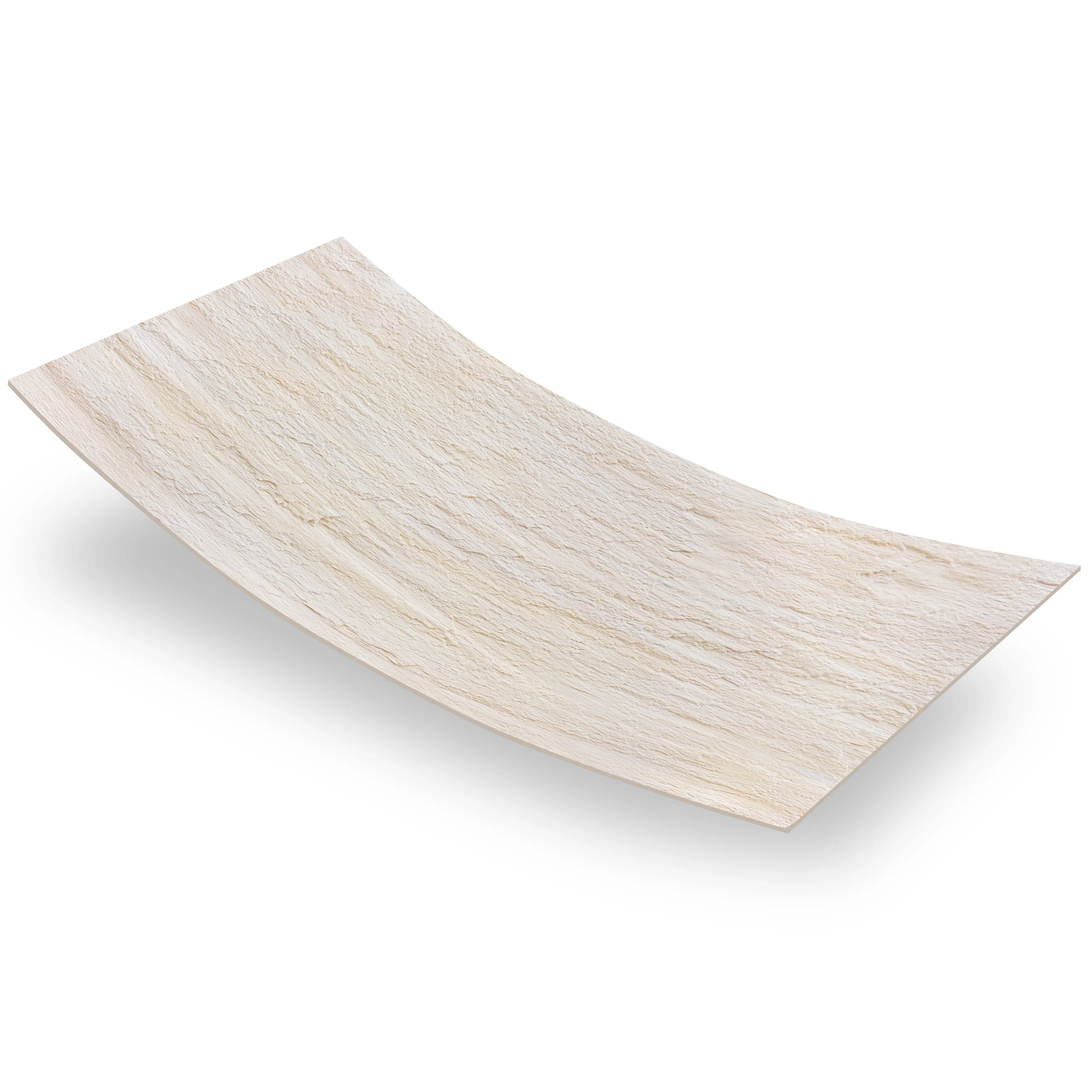
Oasis Stone Foge is just one player in MCM's lineup of eco-friendly materials. Let's explore a few others that are making waves in sustainable architecture:
If Oasis Stone Foge is the "desert poet" of MCM materials, MCM Flexible Stone is the "versatile artist." Thin, bendable, and available in a spectrum of textures—from rough-hewn "rock cut" to smooth "polished concrete"—it's ideal for curved walls, ceilings, or even furniture accents. Made from a blend of recycled stone powder, fiberglass mesh, and a water-based adhesive, it weighs less than 5kg per square meter, slashing installation labor and transportation costs. And yes, it's recyclable too: its components can be separated, with the stone powder reused in new panels and the mesh recycled as plastic feedstock.
Rammed earth has been used for centuries—think of the Great Wall of China or traditional African mud-brick huts. MCM's Rammed Earth Board takes that ancient technique and gives it a circular upgrade. Instead of using virgin clay and sand, it mixes recycled soil, straw, and a minimal amount of cementitious binder, pressed into dense, durable boards. The result? A material that looks and feels like hand-packed earth but with none of the cracking or maintenance issues of traditional rammed earth. When a building with Rammed Earth Board reaches the end of its life, the boards can be broken down and returned to the soil as nutrient-rich fill—closing the loop so completely, it's almost poetic.
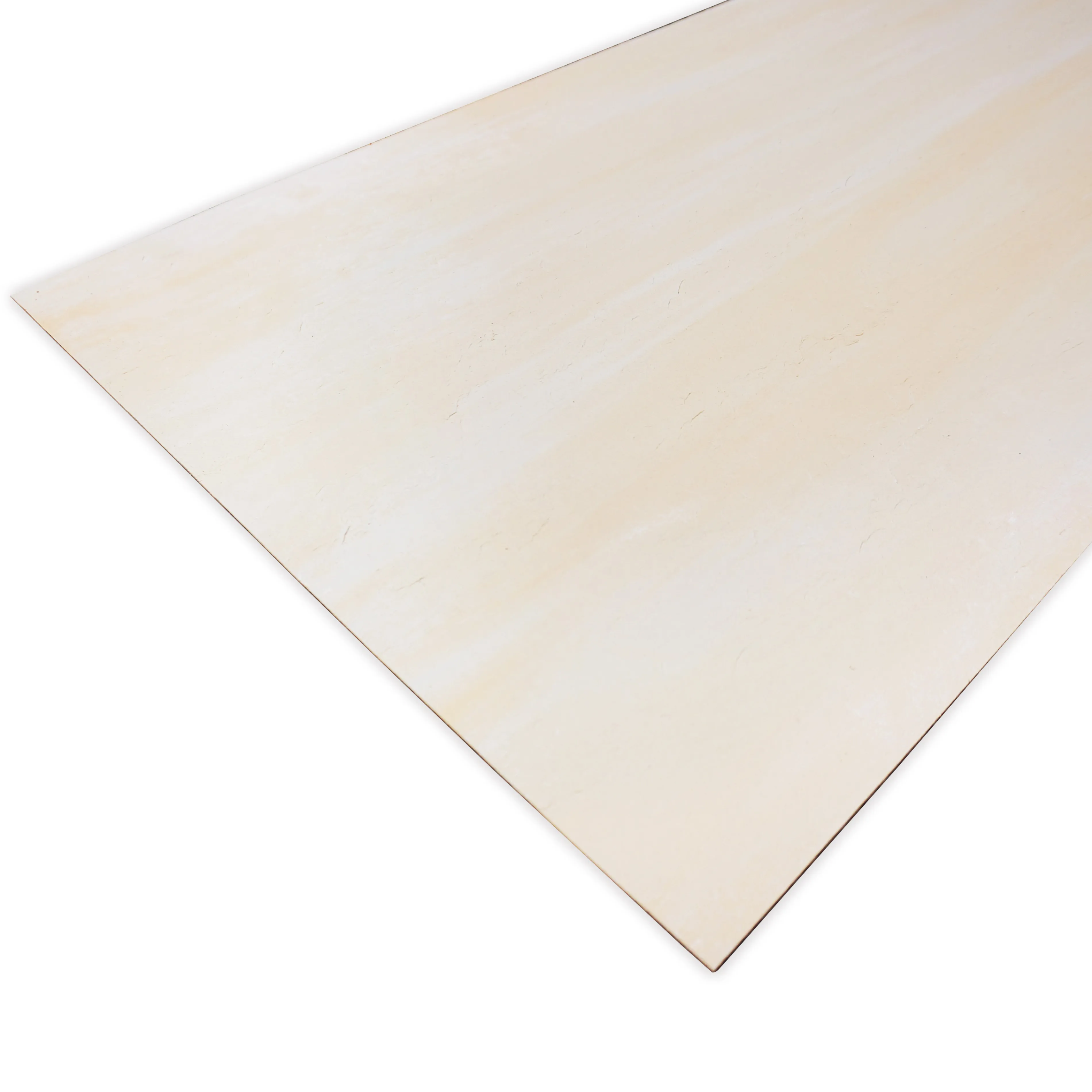
Concrete often gets a bad rap for its carbon footprint, but MCM's Fair-Faced Concrete is here to change that narrative. Stripped of unnecessary additives and pigments, it relies on the natural beauty of its composition: recycled aggregate (from demolished concrete structures), low-carbon cement, and a smooth, uncoated finish that ages gracefully over time. Unlike painted or sealed concretes that release toxins when disposed of, this version can be crushed and reused as aggregate for new concrete mixes or as a base for landscaping. It's proof that simplicity—both in design and materials—can be the ultimate act of sustainability.
| Material | Recycled Content | End-of-Life Reuse | Carbon Footprint (vs. Traditional) |
|---|---|---|---|
| Oasis Stone Foge | 40% (recycled sand, stone waste) | Crushed for new MCM panels or road base | 30% lower |
| MCM Flexible Stone | 35% (recycled stone powder, fiberglass) | Stone powder reused; mesh recycled as plastic | 25% lower |
| Rammed Earth Board | 50% (recycled soil, straw) | Biodegradable or reused as soil amendment | 40% lower |
| Fair-Faced Concrete | 30% (recycled concrete aggregate) | Crushed for new concrete or landscaping base | 20% lower |
Of course, no material is without its hurdles. MCM's circular materials, while innovative, still face barriers to widespread adoption. Cost is a factor: recycled aggregates and low-carbon binders can be pricier upfront than virgin materials, though long-term savings in energy and waste often offset this. Then there's the perception gap: some contractors and developers still equate "sustainable" with "flimsy" or "dull," not realizing that materials like Oasis Stone Foge or Rammed Earth Board are just as durable (if not more so) than their traditional counterparts.
But the tide is turning. Governments are tightening building codes to prioritize sustainability, and consumers are increasingly asking for eco-friendly options. MCM is leading the charge by partnering with architects, hosting workshops, and sharing case studies—proving that circular materials don't just make moral sense; they make business sense too. Imagine a future where every new building project starts with the question, "How will this material live on after the building is gone?" That future is closer than we think.
At the end of the day, sustainable building materials are about more than reducing carbon footprints or cutting waste. They're about creating spaces that reflect our values—spaces that honor the planet, tell stories of reuse, and make us feel connected to something bigger than ourselves. When you run your hand over a wall of Oasis Stone Foge, you're not just touching a building material; you're touching a vision of the future: one where construction heals the earth instead of harming it.
So the next time you step into a space with MCM materials—whether it's a café with Flexible Stone walls, a home with Rammed Earth Board accents, or an office clad in Fair-Faced Concrete—take a moment to appreciate the journey of those walls. They're not just there to look good. They're there to remind us that every choice we make in building our world can be a choice to build it better.
Recommend Products












