
How innovative flexible stone solutions are reshaping sustainable construction
For many architects, developers, and building owners today, the goal isn't just to construct structures that stand the test of time—it's to construct ones that respect the planet, too. As the global push for sustainability gains momentum, certifications like LEED (Leadership in Energy and Environmental Design) have become more than just badges of honor; they're benchmarks of responsibility, efficiency, and forward-thinking design. At the heart of this movement lies a critical choice: the materials we build with. Enter Oasis Stone Foge, a standout in the world of green building materials, and a game-changer for projects aiming to meet LEED standards. In this article, we'll explore how this innovative flexible stone, part of the broader MCM flexible stone family, aligns with LEED principles, why it matters for modern construction, and how it compares to traditional options like fair-faced concrete. Whether you're deep in a LEED certification project or simply curious about the future of building, let's dive into the details.
Before we unpack Oasis Stone Foge's role in LEED, let's ground ourselves in what LEED actually is. Developed by the U.S. Green Building Council (USGBC), LEED is the most widely used green building rating system in the world. It evaluates buildings based on six core categories: Sustainable Sites (SS), Water Efficiency (WE), Energy and Atmosphere (EA), Materials and Resources (MR), Indoor Environmental Quality (EQ), and Innovation in Design (ID). Each category is broken down into credits, and projects earn points for meeting specific criteria. The total points determine the certification level: Certified (40–49 points), Silver (50–59), Gold (60–79), or Platinum (80+).
Why does this matter? For starters, LEED-certified buildings typically use 25% less energy and 11% less water than non-certified ones, according to USGBC data. They also reduce carbon emissions by an average of 34%, improve indoor air quality, and often command higher resale values and tenant satisfaction. But here's the catch: achieving those points isn't easy. Every decision, from site selection to material sourcing, impacts the final score. And when it comes to materials—the literal building blocks of any project—choices like Oasis Stone Foge can make or break a LEED certification bid.
LEED's Materials and Resources (MR) category is where material choices shine (or stumble). This section awards points for everything from using recycled content and regionally sourced materials to minimizing waste and selecting products with low environmental impact. For example, MR Credit 4: Recycled Content rewards projects that use materials with at least 10% post-consumer or 20% pre-consumer recycled content. MR Credit 5: Regional Materials gives points for using materials extracted, processed, and manufactured within 500 miles of the project site, reducing transportation-related carbon footprints. Then there's MR Credit 6: Rapidly Renewable Materials, which incentivizes the use of resources like bamboo or cork that regrow in 10 years or less.
But the influence of materials doesn't stop at MR. They also play a key role in Indoor Environmental Quality (EQ), where low-VOC (volatile organic compound) emissions, moisture resistance, and mold prevention are prioritized. Even Energy and Atmosphere (EA) can be impacted: materials with high thermal mass, for instance, can help regulate indoor temperatures, reducing reliance on heating and cooling systems. In short, the right materials act as multi-taskers, contributing to points across multiple LEED categories. And that's where Oasis Stone Foge enters the picture.
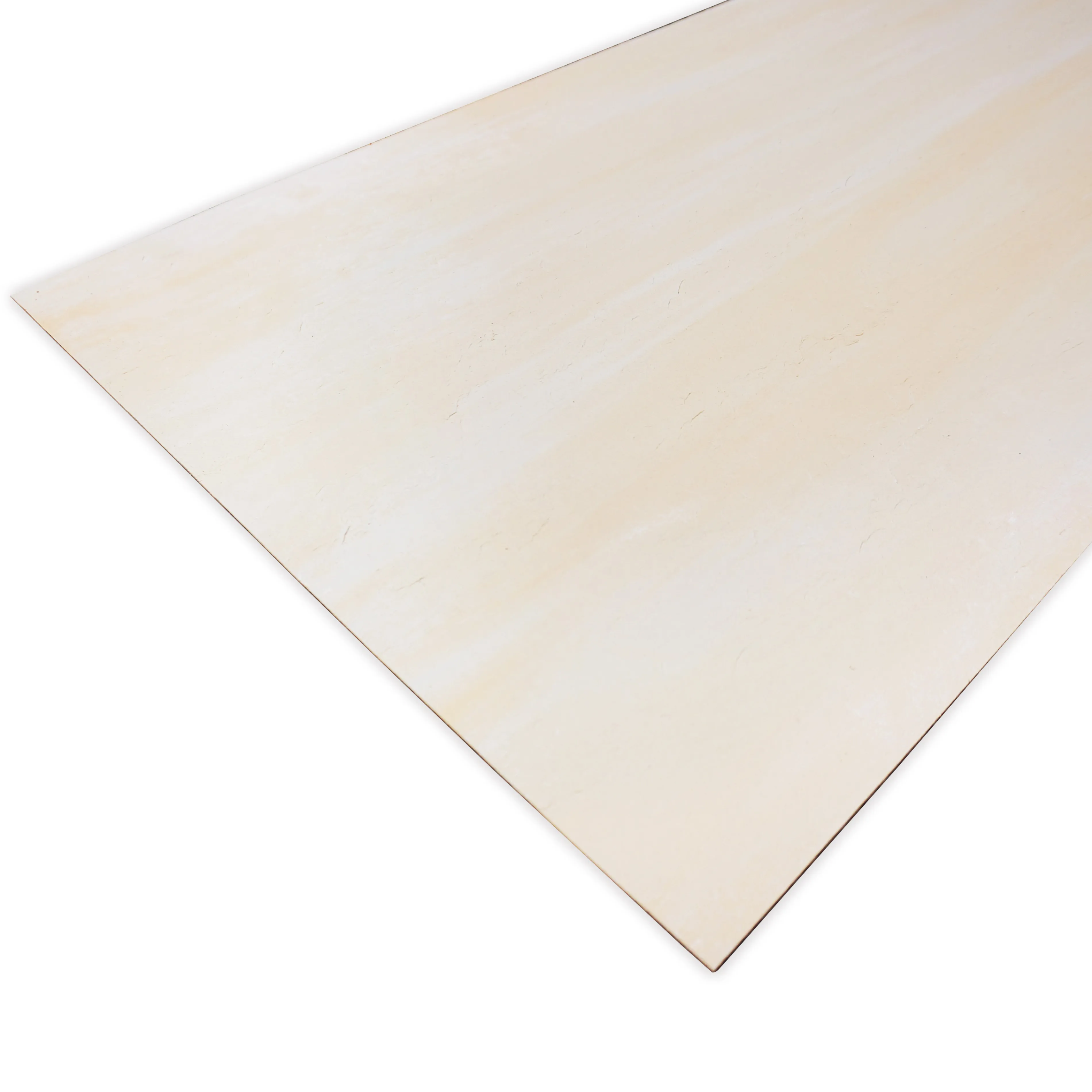
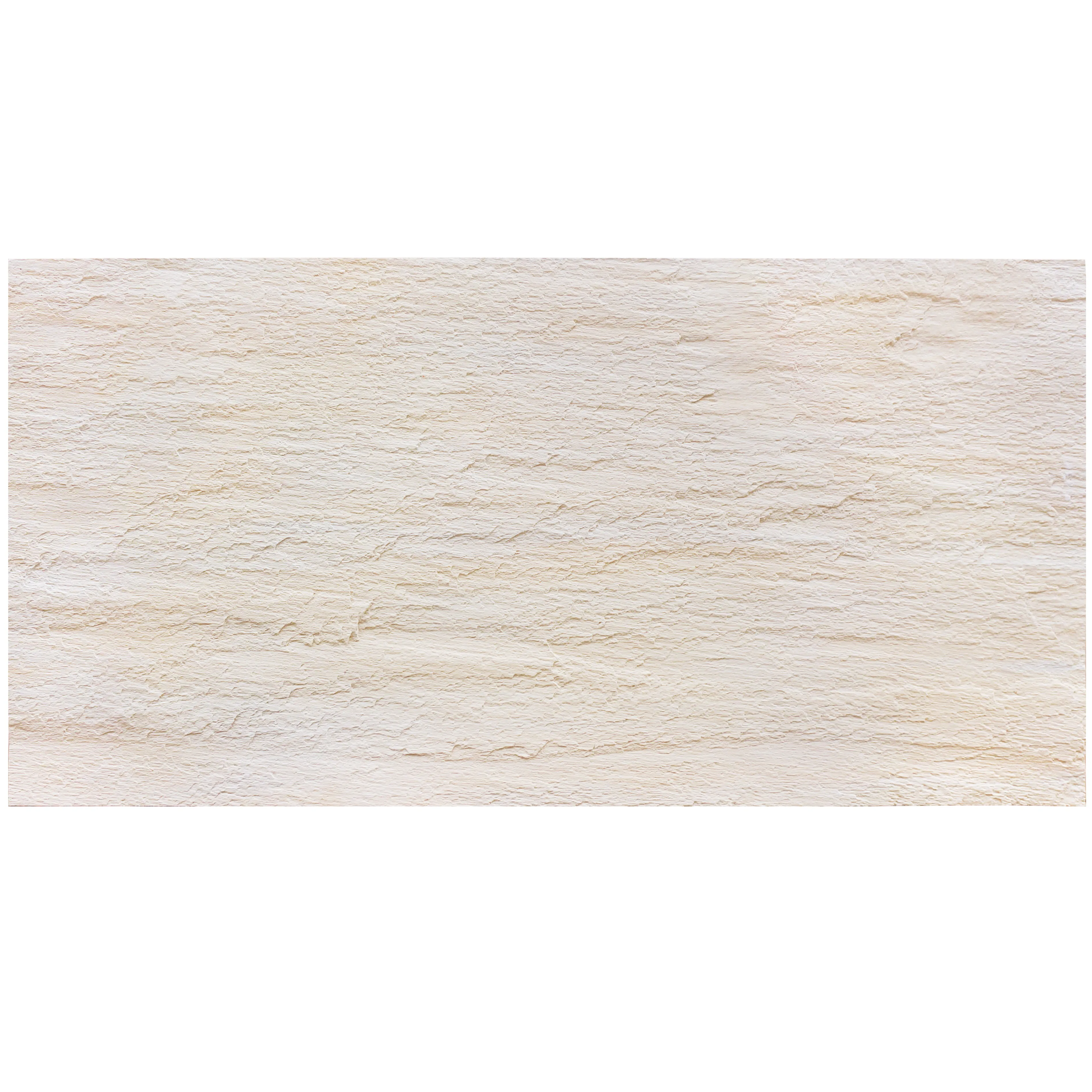
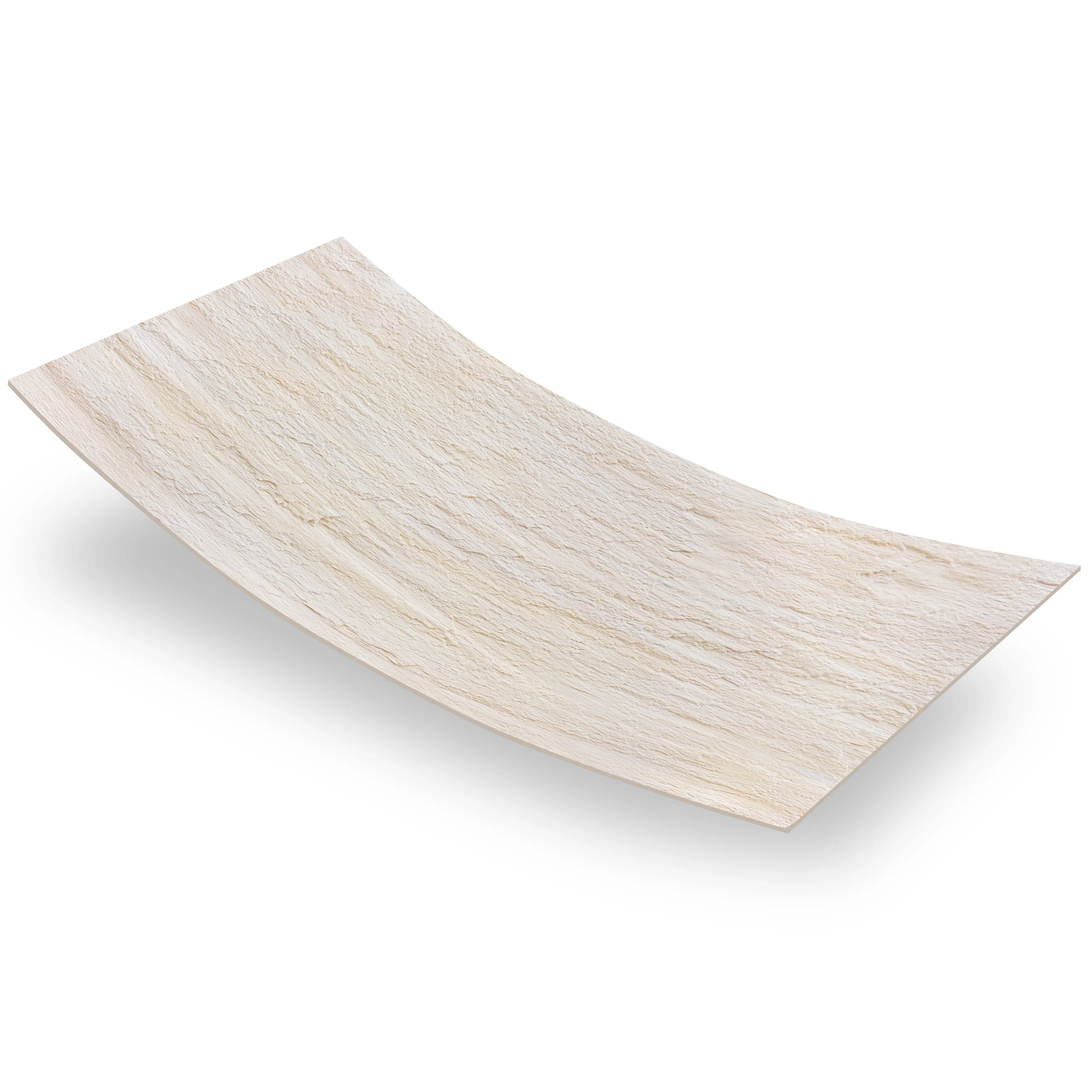
Oasis Stone Foge isn't your average building material. As part of the MCM flexible stone series—a line of modified composite materials known for their durability, flexibility, and sustainability—it's designed with both performance and planet in mind. Let's start with the basics: what is it? At its core, Oasis Stone Foge is a lightweight, flexible cladding solution that mimics the look and texture of natural stone but with a fraction of the environmental impact. Unlike traditional stone slabs, which are heavy, energy-intensive to quarry, and prone to cracking, MCM flexible stone products like Oasis Stone Foge are engineered using a blend of natural minerals, recycled aggregates, and eco-friendly binders. This composition not only reduces weight (making installation easier and reducing structural load) but also allows for greater design flexibility—think curved walls, intricate facades, or custom patterns that would be nearly impossible with rigid stone.
But what truly sets Oasis Stone Foge apart is its commitment to sustainability. During manufacturing, the process prioritizes low energy consumption and minimal waste. Many variants include recycled content, from post-industrial stone dust to reclaimed minerals, directly contributing to LEED's MR Credit 4. Additionally, because it's lightweight, transporting Oasis Stone Foge generates fewer carbon emissions than hauling heavy natural stone or even dense alternatives like fair-faced concrete. On-site, its flexibility reduces cutting waste; unlike traditional stone, which often requires extensive trimming to fit, Oasis Stone Foge can be shaped with standard tools, minimizing material loss and keeping job sites cleaner.

To understand why Oasis Stone Foge is a LEED all-star, let's map its benefits to specific LEED credits. We'll focus on the categories where it makes the biggest impact:
Oasis Stone Foge's manufacturing process incorporates a significant percentage of recycled materials, often exceeding the 10% post-consumer threshold required for MR Credit 4. For example, some formulations use up to 15% post-industrial recycled stone particles—byproducts of natural stone processing that would otherwise end up in landfills. This not only diverts waste but also reduces the need for virgin quarrying, lowering the material's overall embodied carbon. For projects aiming for LEED Silver or higher, this alone can add 1–2 critical points to the MR category.
Many manufacturers of MCM flexible stone, including those producing Oasis Stone Foge, prioritize local production. By sourcing raw materials from regional suppliers and operating manufacturing facilities within 500 miles of major construction hubs, the material qualifies for MR Credit 5. This reduces transportation emissions (a key contributor to a material's carbon footprint) and supports local economies—a win-win for both the planet and the community. For instance, a project in the Southwest U.S. using Oasis Stone Foge produced in Arizona would easily meet the 500-mile threshold, while a similar project in Europe could leverage regional production centers in Italy or Germany.
Indoor air quality is a top concern for LEED, and Oasis Stone Foge delivers here, too. Unlike some traditional stone sealants or concrete products that release harmful VOCs into the air (which can cause headaches, allergies, or long-term health issues), Oasis Stone Foge is formulated with low-VOC binders and finishes. It's also resistant to moisture and mold growth, thanks to its non-porous surface, which prevents water retention and microbial growth. This makes it an ideal choice for EQ Credit 1, which rewards projects that use low-emitting materials in flooring, wall coverings, and insulation. For healthcare facilities or schools—projects where indoor air quality is paramount—this benefit is especially valuable.
While materials don't directly generate energy, their thermal properties can significantly impact a building's energy use. Oasis Stone Foge, when used as exterior cladding, acts as a natural insulator. Its layered composition—combining mineral aggregates with lightweight, air-trapping binders—reduces heat transfer, keeping interiors cooler in summer and warmer in winter. This can lower HVAC loads by 5–10% in some climates, contributing to EA Credit 1, which awards points for exceeding baseline energy standards. When paired with other energy-efficient measures, this reduction can push a project closer to LEED Gold or Platinum status.
LEED's ID category rewards projects that go above and beyond standard practices, whether through new technologies, unique materials, or creative sustainability strategies. Oasis Stone Foge, as an innovative MCM flexible stone product, often qualifies here. Its ability to combine durability, aesthetics, and sustainability in a single material is a departure from traditional options like fair-faced concrete, which, while durable, lacks the same eco-friendly credentials or design flexibility. For example, using Oasis Stone Foge to create a zero-waste cladding system (thanks to its minimal cutting waste) or integrating it with green wall systems could earn an innovation point—critical for projects on the cusp of a higher certification level.
To put Oasis Stone Foge's benefits into perspective, let's compare it to two common alternatives: natural stone (like marble or granite) and fair-faced concrete. The table below breaks down their performance across key LEED categories:
| LEED Category/Credit | Oasis Stone Foge | Natural Stone | Fair-Faced Concrete |
|---|---|---|---|
| MR: Recycled Content | High (10–15% post-industrial recycled content) | Low (typically 0–2% recycled content) | Moderate (5–8% recycled aggregate, varies by mix) |
| MR: Regional Sourcing | High (manufactured regionally in most markets) | Low (often quarried internationally; high transport emissions) | Moderate (local sourcing possible, but cement production is energy-heavy) |
| EQ: Low-VOC Emissions | High (low-VOC binders; no off-gassing) | Moderate (sealers may contain VOCs) | Moderate (concrete itself is low-VOC, but curing compounds may emit fumes) |
| EA: Thermal Performance | High (insulative properties reduce HVAC use) | Low (high thermal conductivity; poor insulation) | Moderate (thermal mass helps regulate temp, but heavy and less insulative) |
| Waste Reduction | High (flexible; minimal cutting waste) | Low (rigid; high on-site cutting waste) | Moderate (precast options reduce waste, but onsite cutting still common) |
| Innovation Potential | High (flexible design, sustainable tech integration) | Low (traditional; limited design flexibility) | Moderate (stampable designs, but less eco-innovation) |
As the table shows, Oasis Stone Foge outperforms natural stone and fair-faced concrete in key areas that matter for LEED. Natural stone, while beautiful, often falls short on recycled content and regional sourcing (many varieties are imported from Italy, India, or Brazil), and its weight increases transportation emissions. Fair-faced concrete, a staple in modern architecture for its raw, industrial look, has moderate sustainability credentials but lacks the insulative properties and design flexibility of Oasis Stone Foge. For projects where LEED points are critical, these differences add up—often making the choice between materials the difference between a Certified and a Gold rating.
To see how this plays out in practice, consider a hypothetical 10-story mixed-use building in Portland, Oregon, aiming for LEED Gold. The project team, led by a sustainability-focused architecture firm, needed an exterior cladding material that would meet aesthetic goals (a warm, natural stone look) while contributing to MR, EQ, and EA credits. After evaluating options—including natural travertine, fair-faced concrete panels, and Oasis Stone Foge—they chose the latter for three key reasons: recycled content, thermal performance, and design flexibility.
By selecting Oasis Stone Foge with 12% post-industrial recycled content, the project earned MR Credit 4 (Recycled Content). Because the material was manufactured in Seattle (within 500 miles of Portland), it also qualified for MR Credit 5 (Regional Materials), adding another point. For indoor spaces, the team used Oasis Stone Foge in common areas and lobbies, leveraging its low-VOC properties to contribute to EQ Credit 1 (Low-Emitting Materials). Externally, the cladding's insulative properties helped reduce the building's heating load by 8%, pushing it past the EA Credit 1 threshold. Finally, the design team used the material's flexibility to create a curved facade feature, which, paired with its sustainability story, earned an Innovation in Design point.
In total, Oasis Stone Foge contributed 4–5 critical points to the project's LEED score—enough to push it from a projected Silver to Gold certification. Beyond the points, the material's lightweight nature reduced structural costs (no need for reinforced framing to support heavy stone), and its durability (resistant to Oregon's rainy climate) lowered long-term maintenance expenses. For the developer, this translated to higher tenant interest, a premium on leasing rates, and a reputation as a leader in sustainable construction.
While LEED certification is a powerful motivator, the value of Oasis Stone Foge extends far beyond a scorecard. For building owners, its durability means fewer repairs and replacements over time. Unlike natural stone, which can crack or erode in harsh weather, or painted concrete, which fades and chips, Oasis Stone Foge retains its color and texture for decades with minimal upkeep. This longevity reduces the lifecycle environmental impact of the building—fewer material replacements mean less quarrying, manufacturing, and transportation over time.
For architects, the design possibilities are endless. Its flexibility allows for custom shapes, textures, and even integrated patterns (think logos or artistic motifs) that would be cost-prohibitive or impossible with rigid materials. This creative freedom can transform a project from functional to iconic, enhancing its cultural and aesthetic value. And for occupants, the material's moisture resistance and mold prevention contribute to healthier indoor environments—especially important in humid or rainy regions where indoor air quality can suffer from traditional building materials.
Perhaps most importantly, Oasis Stone Foge represents a shift in how we think about building materials. It proves that sustainability doesn't have to mean sacrificing beauty, performance, or cost-effectiveness. In a market where green building materials are often seen as niche or expensive, products like this make sustainability accessible to more projects, from small commercial buildings to large-scale developments.
As LEED certification becomes the norm rather than the exception, the materials we choose will play an increasingly central role in shaping sustainable cities and communities. Oasis Stone Foge, as a leader in the MCM flexible stone category, stands out as a material that doesn't just meet LEED standards—it elevates them. By combining recycled content, regional sourcing, low-VOC emissions, and thermal efficiency, it addresses multiple LEED categories at once, making it a smart choice for projects aiming to build responsibly.
But its impact goes beyond points and certifications. It's a testament to innovation in construction—a reminder that with the right materials, we can build structures that honor both human creativity and environmental stewardship. Whether you're an architect chasing LEED Gold, a developer prioritizing long-term value, or a building owner committed to reducing your carbon footprint, Oasis Stone Foge offers a path forward. In the end, the goal isn't just to build LEED-certified buildings; it's to build a future where every structure is a little kinder to the planet. And with materials like Oasis Stone Foge, that future is well within reach.
Recommend Products












