
Walk up to any modern building today, and you'll notice something different about its exterior. It's no longer just a shell to keep the elements out—it's a dynamic, functional part of the structure that tells a story. The walls breathe, adapt, and even "communicate," blending aesthetics with cutting-edge technology to redefine what a "smart building" can be. At the heart of this evolution is a new generation of cladding materials, and one name stands out: Oasis Stone Foge. But it's not alone. Materials like MCM flexible stone and foamed aluminium alloy boards are also stepping into the spotlight, transforming exteriors from static facades to active contributors to a building's intelligence. Let's dive into how these materials are shaping the future of architecture, where beauty meets brains.
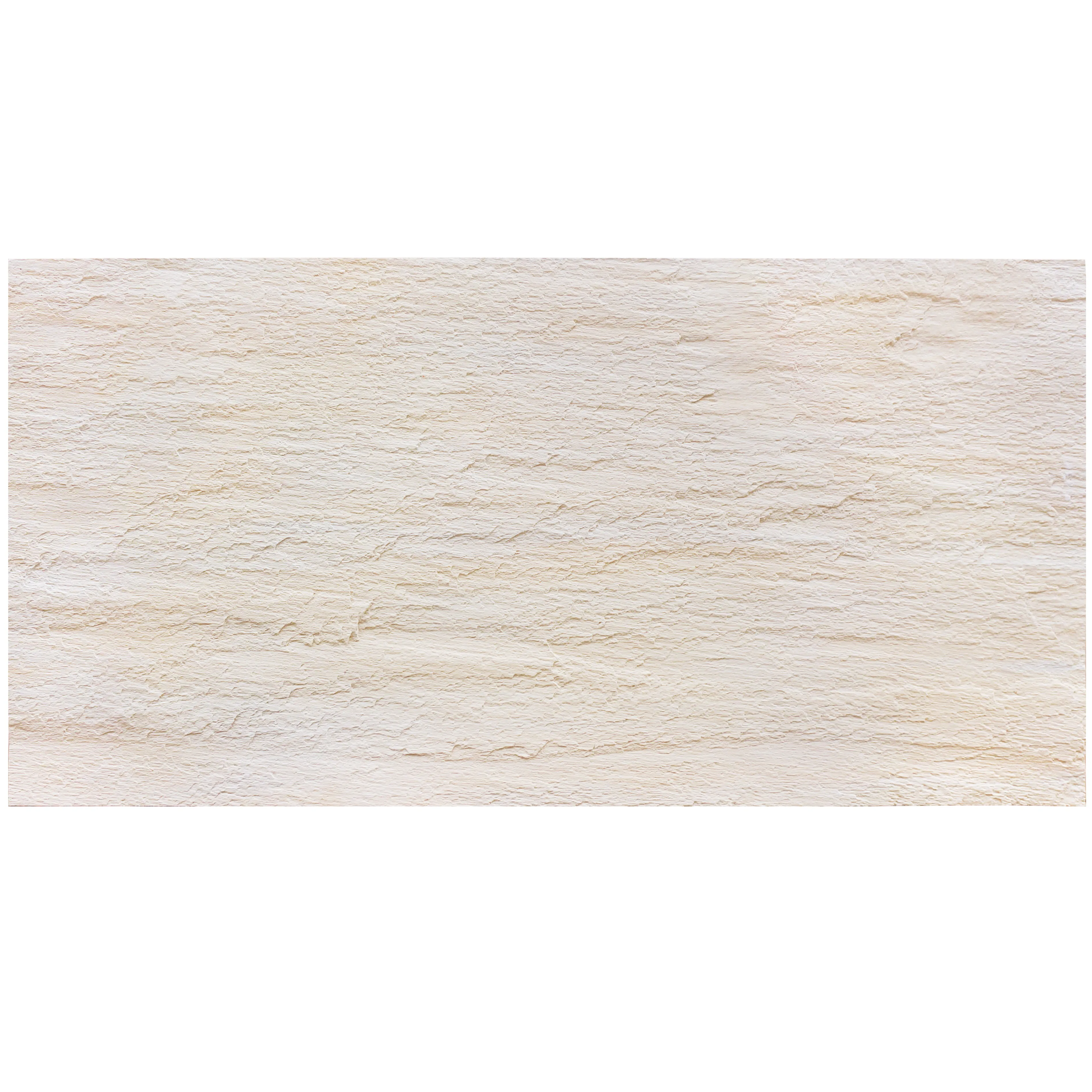
If you've ever run your hand over a wall and thought, "That feels alive," chances are you were touching something like Oasis Stone Foge. This material isn't just about looks—though its soft, cloud-like texture (hence "Foge," a playful nod to "fog") is undeniably striking. It's engineered to bridge the gap between natural beauty and modern performance, making it a favorite among architects designing for both visual impact and practicality.
What sets Oasis Stone Foge apart? Start with its texture. Unlike flat, monotonous cladding, it has a depth that shifts with light—warm and inviting in the morning sun, cool and serene under twilight. Run your fingers across it, and you'll feel subtle undulations, like the surface of a desert oasis after a light rain. This isn't just for show: the texture helps break up wind flow around buildings, reducing pressure on the structure and improving stability in high winds. For coastal areas or skyscrapers, that's a game-changer.
Durability is another win. Made from a blend of natural stone aggregates and advanced binders, Oasis Stone Foge resists cracking, fading, and weathering. It stands up to harsh UV rays, heavy rains, and even extreme temperature swings—perfect for buildings in diverse climates, from the humid tropics to dry desert regions. And unlike some natural stones that require constant sealing, it's low-maintenance, saving building owners time and money over the long haul.
But perhaps its most compelling feature is sustainability. Oasis Stone Foge is crafted using recycled stone waste from quarry operations, diverting tons of material from landfills. Its production process also uses minimal water and energy, aligning with the growing demand for eco-friendly building materials. For developers aiming for LEED or BREEAM certifications, that's a significant checkmark.
Smart buildings aren't just about fancy apps or automated lights—they're about creating spaces that adapt to human needs while minimizing environmental impact. And the exterior cladding? It's the first line of defense (and offense) in this mission. Materials like Oasis Stone Foge, MCM flexible stone, and foamed aluminium alloy boards are more than skin deep; they're active participants in a building's smart ecosystem.
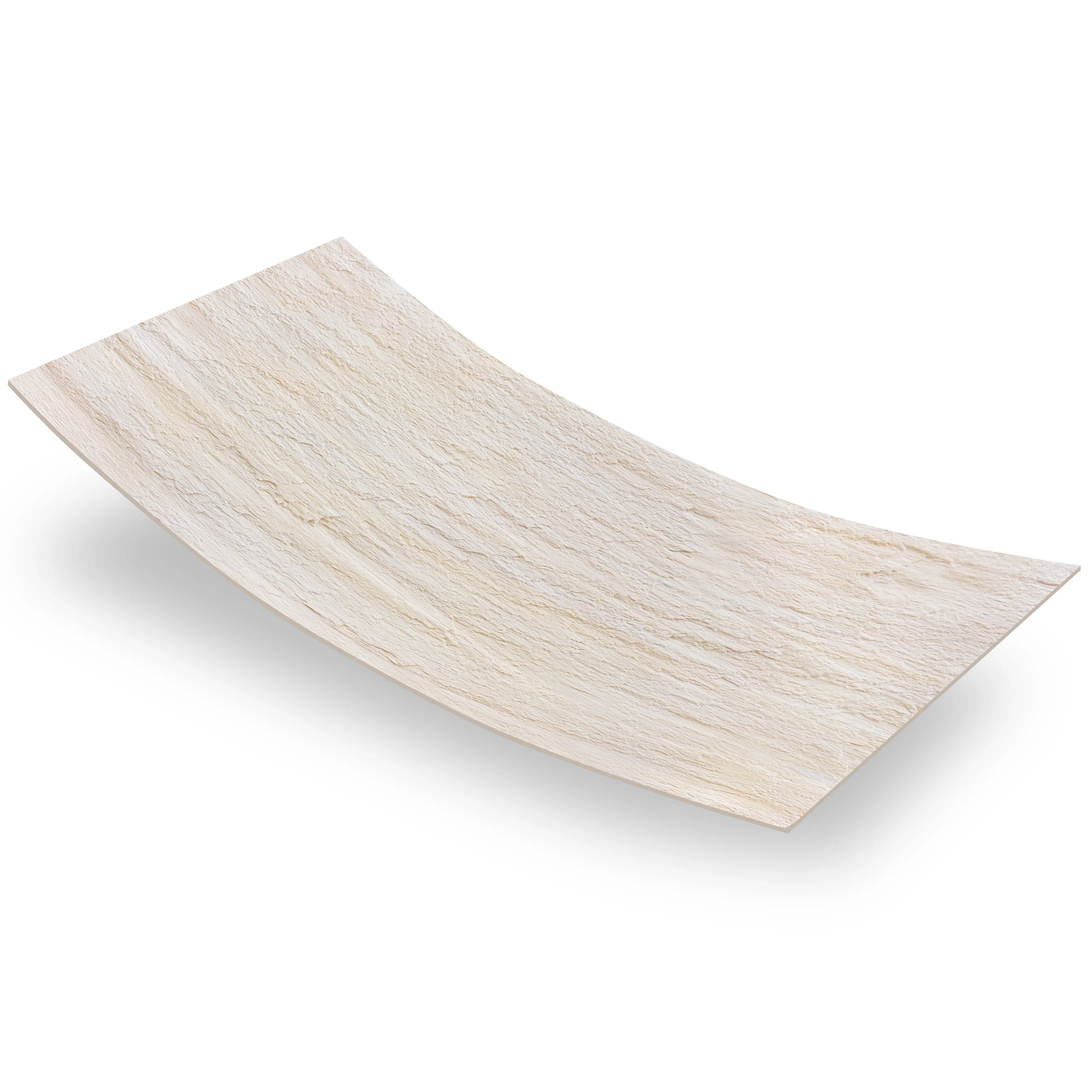
Take energy efficiency, for example. The right cladding acts as a thermal buffer, keeping heat out in summer and trapping warmth in winter. Oasis Stone Foge's dense composition and natural insulation properties reduce the need for excessive heating or cooling, slashing energy bills. Pair that with MCM flexible stone—a lightweight, malleable material that can be shaped to fit any building contour—and you get a seamless exterior that minimizes air leakage. Imagine a curved building facade wrapped in MCM flexible stone: not only does it look stunning, but its tight fit prevents drafts, making the building's HVAC system work less hard.
Then there's IoT integration. Today's cladding materials are being designed to host sensors that monitor everything from temperature and humidity to air quality and structural stress. Foamed aluminium alloy boards, with their metallic core, are particularly good at this. Their rigid yet lightweight structure can house tiny, wireless sensors that send real-time data to the building's management system. Think of a commercial complex clad in vintage silver foamed aluminium alloy boards: sensors embedded in the panels could detect a sudden temperature spike on the west-facing wall, triggering the building's shading system to deploy automatically. No human input needed—just a building that responds to its environment.
Low maintenance is another smart benefit. Smart buildings thrive on efficiency, and constant repairs to exterior cladding throw a wrench in that. Oasis Stone Foge's resistance to mold, mildew, and staining means fewer cleanings. MCM flexible stone, being impact-resistant, stands up to accidental damage (like a stray delivery truck bump). And foamed aluminium alloy boards? They're corrosion-resistant, so they'll look as good in 10 years as they did on day one. For busy facility managers, that's one less thing to worry about.
| Material | Key Features | Smart Building Compatibility | Ideal Applications |
|---|---|---|---|
| Oasis Stone Foge | Textured, sustainable, weather-resistant, thermal insulation | Good for passive energy efficiency; sensor-friendly surface | Residential complexes, cultural centers, eco-friendly offices |
| MCM Flexible Stone | Lightweight, malleable, impact-resistant, wide color range | Seamless installation reduces air leakage; compatible with IoT sensors | Curved facades, high-rise buildings, renovation projects |
| Foamed Aluminium Alloy Board (Vintage Silver) | Metallic finish, rigid yet lightweight, corrosion-resistant | Excellent for sensor integration; reflective properties reduce heat absorption | Commercial towers, tech hubs, modern retail spaces |
| Lunar Peak Silvery | Matte metallic texture, UV-resistant, low maintenance | Reflective surface aids in solar heat reduction; durable for long-term sensor mounting | Urban skyscrapers, luxury hotels, public landmarks |

It's one thing to talk about materials in theory, but seeing them in action brings their impact to life. Let's take a walk through three projects where Oasis Stone Foge has taken center stage, proving that smart cladding isn't just a concept—it's a reality.
The Verdant Haven Residences – A mid-rise residential complex in Portland, Oregon, Verdant Haven wanted to blend into its forested surroundings while still embracing modernity. The architects chose Oasis Stone Foge for the exterior, pairing its earthy texture with large windows that frame the trees. The result? A building that feels like it's grown from the landscape. But it's not just pretty: the stone's insulation properties have cut residents' heating costs by 22% compared to similar buildings in the area. Plus, the developers embedded humidity sensors in the cladding to monitor moisture levels, preventing mold growth in the Pacific Northwest's rainy climate. "Tenants often comment on how 'cozy' the building feels, even on cold days," says project manager Elena Rodriguez. "That's Oasis Stone Foge at work."
The Innovation Hub at TechPoint – In Austin, Texas, TechPoint's new innovation hub needed an exterior that screamed "forward-thinking" while keeping the interior cool in the scorching summer heat. The solution? A mix of Oasis Stone Foge and foamed aluminium alloy boards (vintage silver). The stone covers the lower levels, adding warmth, while the metallic panels rise above, reflecting sunlight. "We wanted the building to tell a story: grounded in nature, reaching for the future," explains lead architect Marcus Chen. The combo has paid off: the hub's energy use is 30% lower than the city average, and the foamed aluminium panels host sensors that track solar intensity, adjusting the building's blinds automatically. "It's like the building has its own built-in sunscreen," Chen laughs.
The Heritage Museum of Modern Art – In Rome, Italy, this museum needed to honor the city's historic architecture while showcasing contemporary art. Oasis Stone Foge was the perfect bridge: its subtle texture echoes the weathered stone of ancient Roman buildings, but its durability and low maintenance fit modern museum needs. "We didn't want to spend our budget on constant cleaning or repairs—we wanted to spend it on art," says curator Sofia Lorenzi. The stone's neutral tone also acts as a backdrop that makes the museum's colorful exhibits pop. And because it's resistant to pollution (a big issue in urban Rome), the facade still looks fresh five years after opening. "It's a material that respects the past while embracing the future," Lorenzi adds.
What's next for materials like Oasis Stone Foge and their role in smart buildings? The possibilities are as exciting as they are endless. Researchers are already experimenting with "self-healing" cladding—materials that can repair small cracks on their own using microcapsules filled with binding agents. Imagine a scratch on an Oasis Stone Foge wall healing overnight, thanks to these tiny, embedded "first aid kits."
Then there's energy-generating cladding. Companies are developing solar-integrated panels that look like traditional stone or metal cladding. Picture a building wrapped in what appears to be Lunar Peak Golden panels, but each one is a solar cell harvesting energy from the sun. It's aesthetics and functionality in one, turning the entire building into a power source.
Biophilic design is also set to play a bigger role. Smart buildings of the future won't just be efficient—they'll connect occupants with nature. Materials like Oasis Stone Foge, with their organic textures, are already moving in this direction, but imagine cladding that changes color with the seasons, mimicking the outdoors, or that releases subtle scents (like pine or sea breeze) to calm occupants. It's sensory design meets smart technology, creating spaces that nurture both body and mind.
Exterior cladding has come a long way from being just a "pretty face." Today, materials like Oasis Stone Foge, MCM flexible stone, and foamed aluminium alloy boards are the unsung heroes of smart buildings, working behind the scenes to make our spaces more efficient, sustainable, and human-centered. They're proof that technology and beauty don't have to be rivals—they can be partners.
As we look to the future, one thing is clear: the buildings we live, work, and play in will only get smarter, and their exteriors will lead the charge. Whether it's through self-healing stone, energy-generating metal, or sensors that make buildings "feel" their environment, cladding will continue to evolve, blending the best of nature and innovation.
So the next time you pass a modern building, take a closer look at its walls. What you're seeing isn't just a facade—it's a story of progress, where every texture, color, and material is working together to build a better, smarter world. And in that story, materials like Oasis Stone Foge are more than characters—they're the protagonists, shaping the future one wall at a time.
Recommend Products












