
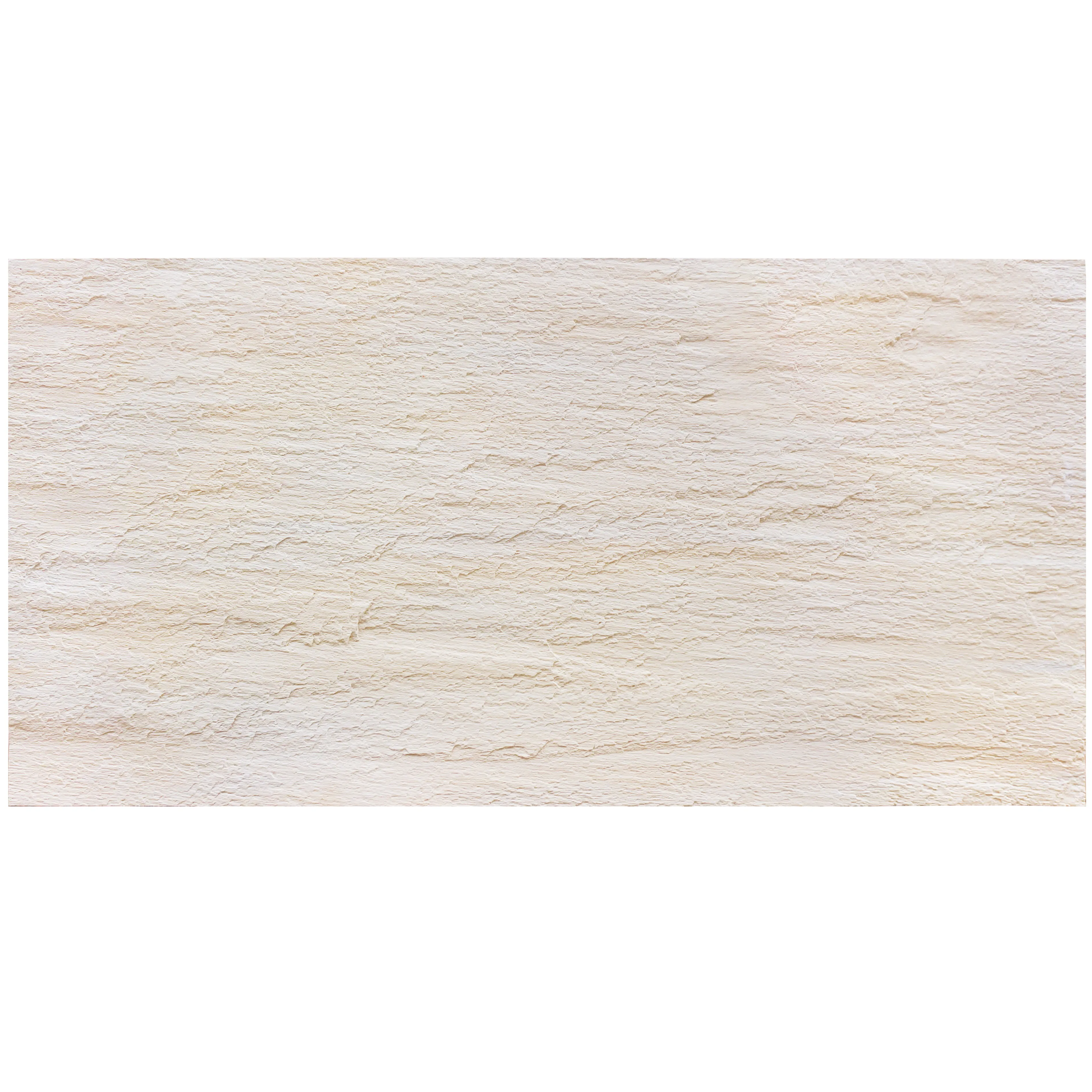
Walk down any street, and you'll notice it: the once-vibrant facade of a building now washed out, its original character faded by years of sun exposure. A restaurant with a red accent wall that's turned pink, a hotel lobby with stone panels that look dull compared to their grand opening photos, a historic town square where new and old materials clash because the newer ones couldn't hold their color. For architects, builders, and property owners, this isn't just a cosmetic issue—it's a problem of durability, design integrity, and long-term value. Enter Oasis Stone Foge, a material that's redefining what it means for building exteriors to stand the test of time, especially when it comes to one of nature's harshest enemies: ultraviolet (UV) radiation. In this article, we'll explore how Oasis Stone Foge achieves remarkable color retention, why UV resistance matters in construction, and how it stacks up against other popular materials like fair-faced concrete, lunar peak silvery, and even historical pathfinders stone.
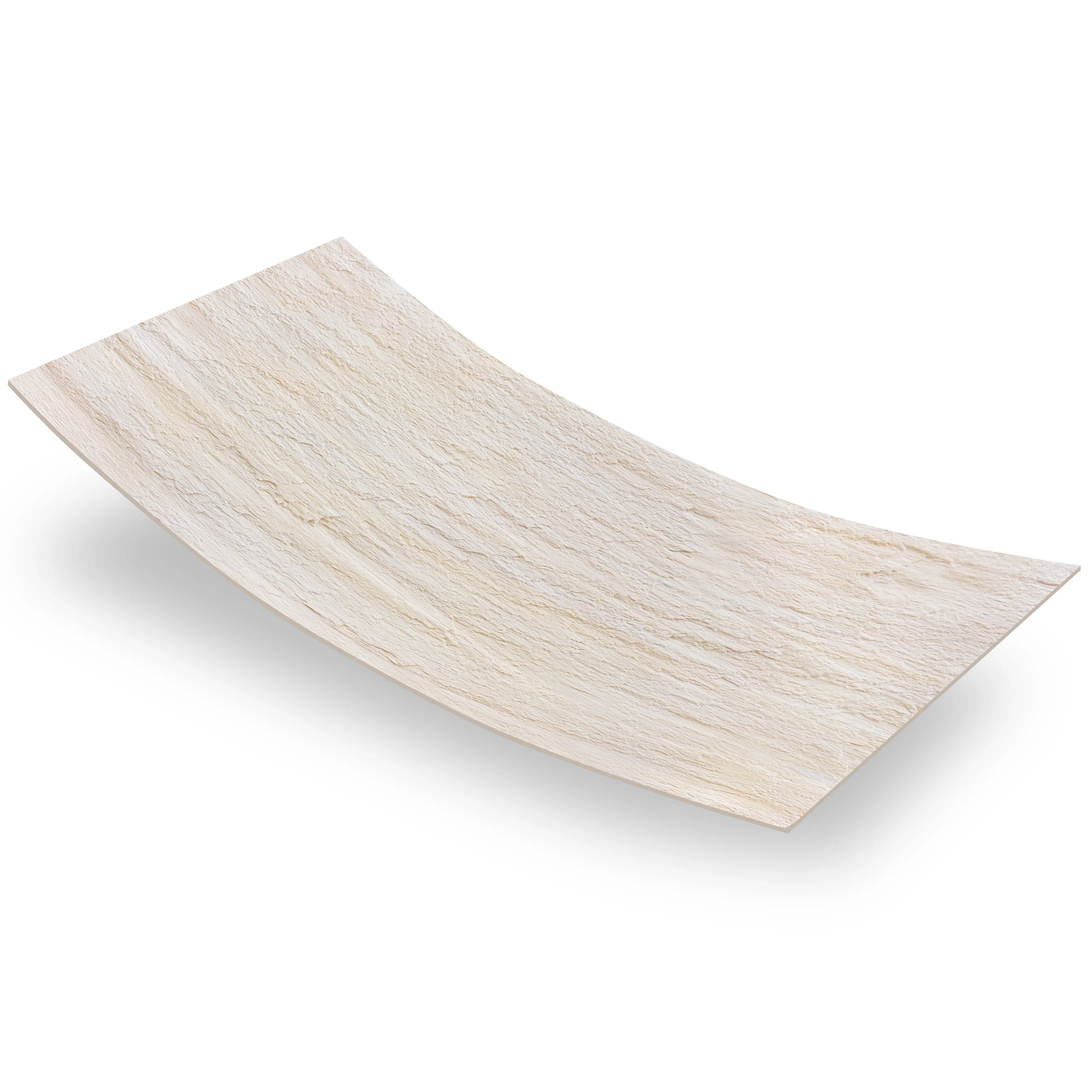
Before diving into its UV-resistant superpowers, let's get to know Oasis Stone Foge. Part of the broader MCM (Modified Composite Material) flexible stone family, it's a engineered cladding material designed to mimic the look and texture of natural stone while addressing its biggest flaws—namely, weight, fragility, and susceptibility to fading. If you've ever marveled at the rough-hewn charm of a desert-inspired building or the soft, earthy tones of a coastal home, chances are you've seen materials that aim for that "natural" aesthetic. But where many fall short is in maintaining that aesthetic over time. Oasis Stone Foge, however, is different. It's crafted using advanced MCM flexible stone technology, which combines natural mineral aggregates with a polymer matrix, creating a material that's lightweight, flexible, and—crucially—built to resist the damaging effects of the sun.
To understand its appeal, consider this: traditional natural stones like travertine or limestone (beige) are stunning when first installed, but their porous surfaces and organic pigments make them prone to UV-induced fading. Even some engineered stones, which promise durability, can lose their luster after years of direct sunlight. Oasis Stone Foge, by contrast, is engineered from the ground up to retain its color. Its "Foge" designation hints at its inspiration—the soft, consistent hues of desert fog, which don't shift or dull even under intense sunlight. It's a material that doesn't just look good on day one; it looks good on day 1,000, and day 3,650.
UV radiation is invisible, but its impact is anything but. From the moment sunlight hits a building's exterior, UV rays start breaking down the chemical bonds in pigments and surface materials. For natural stones, this often means the iron oxides or organic compounds that give them color degrade, leading to a "bleached" appearance. For painted surfaces, it's the breakdown of binders that causes chipping and fading. The result? A building that looks tired, inconsistent, or even unprofessional long before its structural lifespan is up.
The consequences go beyond looks. Faded exteriors require frequent repainting, resurfacing, or replacement—costs that add up over time. For property owners, this means higher maintenance budgets and potential disruptions to business (imagine closing a retail store for a week to redo the facade). For architects, it's a blow to their vision: that carefully chosen shade of warm beige meant to evoke a Mediterranean villa is now a washed-out off-white, throwing off the entire design palette. And for historic preservationists, using materials that fade can (damage) the harmony between old and new, especially when paired with materials like historical pathfinders stone, which often has centuries of color stability (thanks to natural weathering that slows further change).
UV resistance isn't just about color, either. Materials that degrade under UV light often become more brittle, prone to cracking, or less water-resistant over time. A faded stone panel might not just look bad—it could start leaking, compromising the building's insulation or structural integrity. In short, UV resistance is a cornerstone of a material's overall durability, and Oasis Stone Foge takes this seriously.
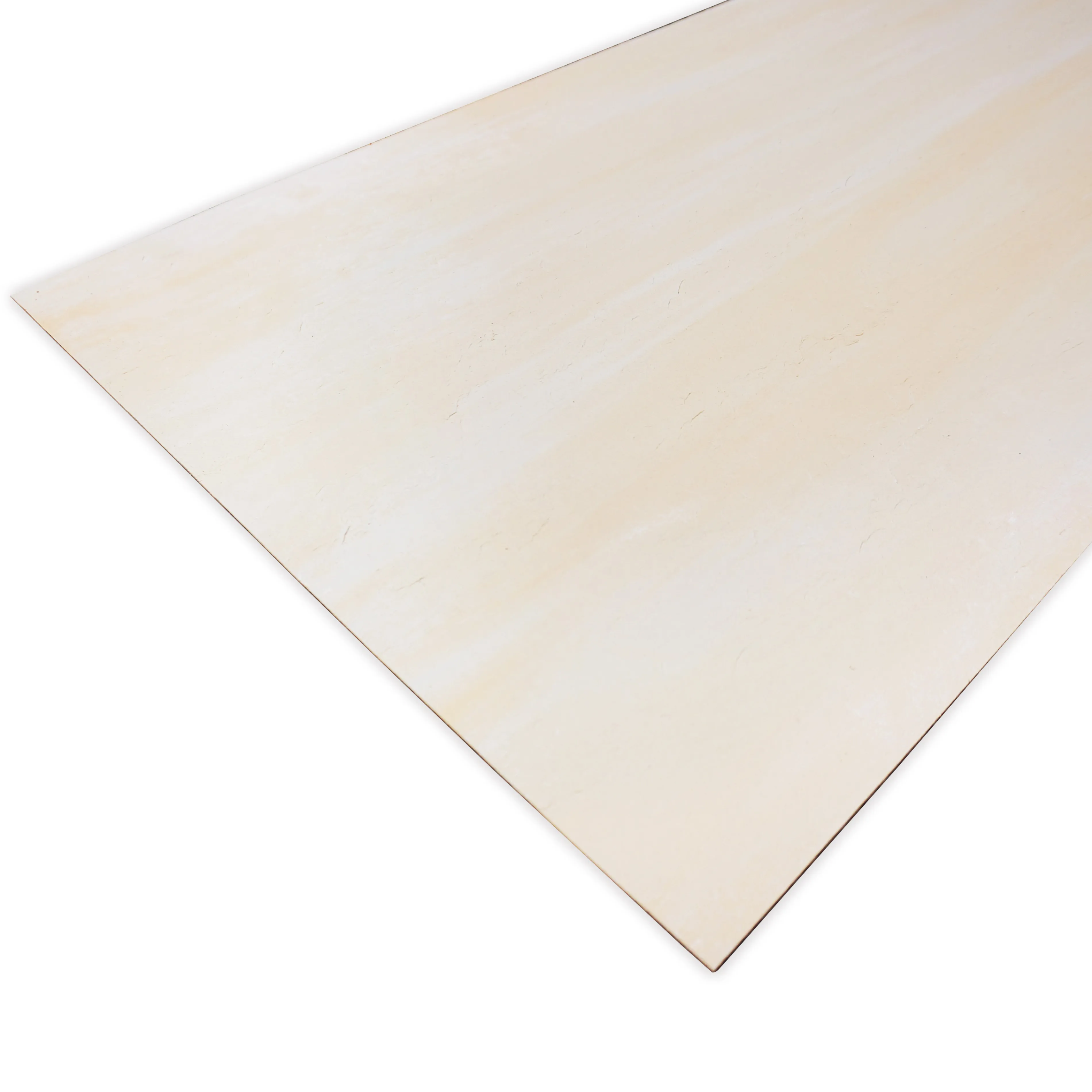
So, what makes Oasis Stone Foge different? It all starts with its composition. Unlike traditional natural stones, which rely on organic pigments or minerals that are inherently sensitive to UV light, Oasis Stone Foge uses a proprietary blend of inorganic pigments and a reinforced polymer matrix—a hallmark of MCM flexible stone technology. Inorganic pigments are key here: unlike their organic counterparts, they don't break down when exposed to UV radiation. Think of it like the difference between a cheap t-shirt that fades after one wash (organic dyes) and a high-quality outdoor fabric that stays bright for years (inorganic pigments).
But pigments alone aren't enough. The polymer matrix in Oasis Stone Foge acts as a protective barrier. Imagine a shield that wraps around each pigment particle, blocking UV rays from reaching the colorants while still allowing the material to breathe. This matrix is engineered to be highly stable under UV exposure, resisting oxidation and degradation. It's a bit like how sunscreen works for your skin—absorbing or reflecting harmful rays before they cause damage. For comparison, consider fair-faced concrete, a popular material known for its raw, industrial look. While durable, fair-faced concrete often develops a chalky, faded layer over time as its surface minerals react with UV light and moisture. Oasis Stone Foge's matrix prevents this "chalking" effect, keeping its surface smooth and color-rich.
Another factor is thickness and density. Oasis Stone Foge panels are designed with a consistent, non-porous core that minimizes light penetration. Unlike porous stones like travertine (which can absorb water and UV rays deeper into their structure), Oasis Stone Foge's density means UV damage is limited to the outermost layer, which is already reinforced. This is especially important in regions with intense sunlight, like the Middle East or Southwest United States, where UV index levels regularly exceed 10 (extreme). In these environments, even materials marketed as "UV resistant" can falter, but Oasis Stone Foge's multi-layered protection holds strong.
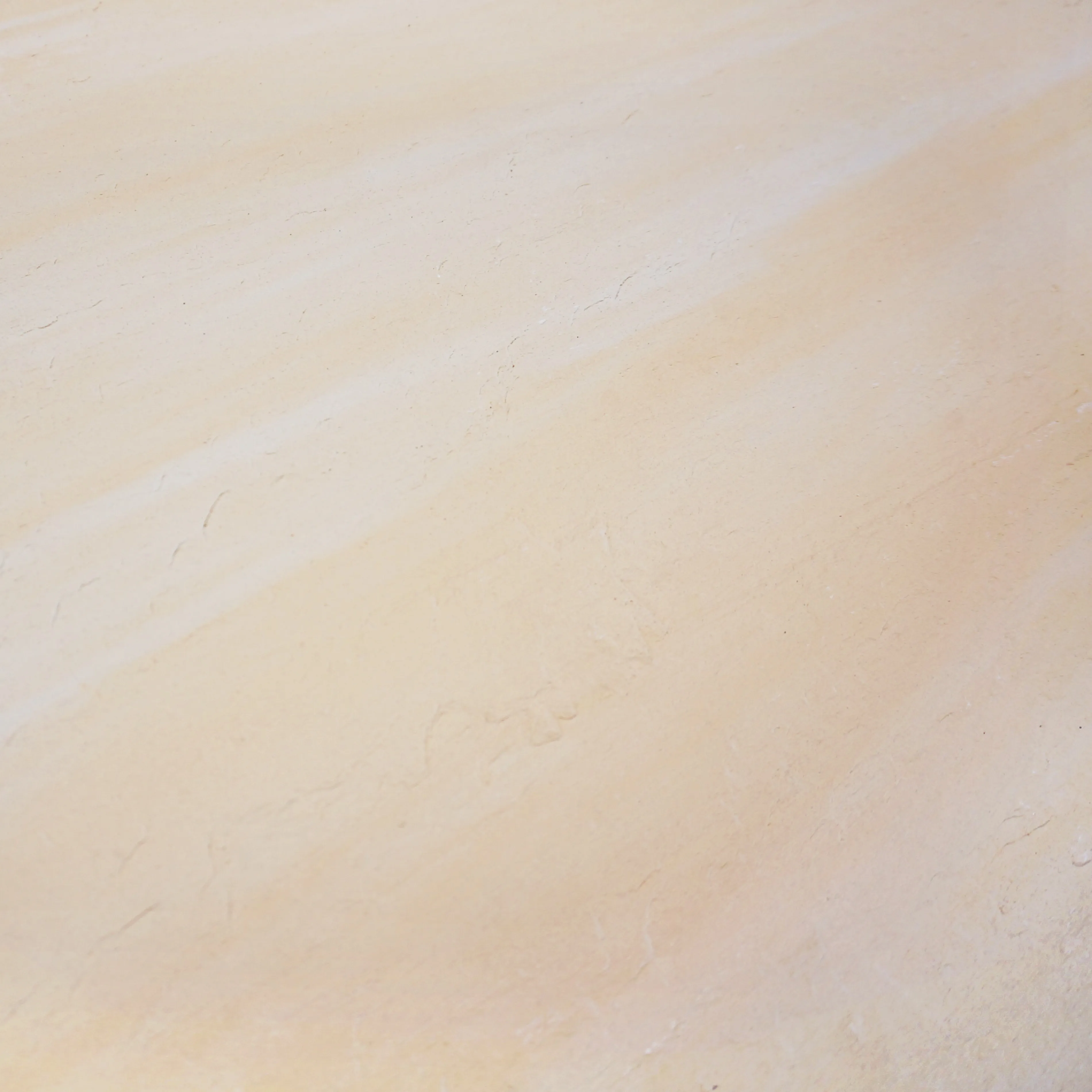
To truly appreciate Oasis Stone Foge's UV resistance, it helps to see how it compares to other popular building materials. Let's take a look at a few common options—from natural stones to engineered alternatives—and how they stack up in terms of color retention, UV resistance, and long-term aesthetics.
| Material | UV Resistance | Color Retention (Typical Lifespan) | Common Issues | Best For |
|---|---|---|---|---|
| Oasis Stone Foge | Excellent (90%+ color retention after 10 years) | 15–20 years (minimal fading) | None reported; matrix prevents chalking/fading | Exteriors, high-sun areas, historic renovations |
| Fair-Faced Concrete | Moderate | 5–8 years (chalking, lightening) | Surface degradation, color inconsistency | Industrial buildings, low-maintenance projects |
| Lunar Peak Silvery | Good | 8–12 years (subtle dulling) | Metallic finish can oxidize, losing sheen | Modern, sleek interiors/exteriors |
| Historical Pathfinders Stone | Very Good (natural weathering slows fading) | Decades (but limited color options) | Heavy, requires structural support | Historic restorations, heritage projects |
| Standard Travertine (Beige) | Poor to Moderate | 3–5 years (noticeable fading) | Porous; absorbs water, exacerbating UV damage | Indoor applications, shaded exteriors |
As the table shows, Oasis Stone Foge outperforms most competitors in color retention, even edging out historical pathfinders stone in terms of consistency (though historical pathfinders stone has the advantage of centuries of natural stability). What's most striking is its lifespan: 15–20 years of minimal fading, compared to just 3–5 years for standard travertine. For a commercial building with a 50-year lifespan, that means replacing travertine panels 10 times vs. Oasis Stone Foge just twice—saving time, money, and hassle.
Numbers on a page are one thing, but real-world results tell the full story. Let's take a look at a few projects where Oasis Stone Foge has proven its color retention mettle, even in some of the harshest environments.
The Desert Mirage Hotel, Dubai : Dubai's climate is brutal for building materials—temperatures exceeding 45°C (113°F), intense UV radiation, and sandstorms. When the Desert Mirage Hotel was renovated in 2018, architects chose Oasis Stone Foge in a warm, sandy beige to complement its desert surroundings. Five years later, the facade looks nearly identical to its opening day. "We were worried the color would shift, especially with the sun beating down 300 days a year," says project manager Lina Hassan. "But when we compared photos from 2018 and 2023, we could barely tell the difference. It's like the stone has a built-in sunscreen." The hotel has since recommended Oasis Stone Foge to three other properties in the region.
Heritage Square, Marrakech : Marrakech's historic medina is a UNESCO World Heritage site, and any new construction must blend with the area's traditional red clay buildings and historical pathfinders stone accents. When the city built a new visitor center in 2020, architects wanted a material that matched the medina's warm, terracotta hues but wouldn't fade next to the centuries-old stone. Oasis Stone Foge in "Rusty Red" (a nod to the region's iconic clay walls) was the solution. Three years later, the visitor center's facade still harmonizes with the medina, with no visible fading. "We needed something that would age gracefully, not prematurely," says lead architect Omar Benali. "Oasis Stone Foge did exactly that."
Residential Complex, Phoenix, Arizona : Phoenix is another UV hot spot, with over 300 days of sunshine annually. A 2019 residential project used Oasis Stone Foge in "Cloud-Dragon" (a soft gray with subtle blue undertones) for its exterior accent walls. Homeowners were initially skeptical—many had seen neighbors' stucco and stone fade within years. But as of 2024, the walls remain as vibrant as the day they were installed. "I have a neighbor with a similar gray stone that's now almost white," says homeowner Maria Gonzalez. "Ours still looks brand new. It's one of the reasons our property value has held steady, even in a competitive market."
Oasis Stone Foge's UV resistance is impressive, but it's not its only selling point. As part of the MCM flexible stone family, it inherits all the benefits of modified composite material panels: lightweight construction (up to 70% lighter than natural stone), flexibility (ideal for curved surfaces), and easy installation. This combination makes it a favorite among architects working on complex designs, from sweeping, organic-shaped facades to retrofits of older buildings where weight is a concern.
Sustainability is another plus. Green building materials are no longer a trend—they're a requirement for many projects, and Oasis Stone Foge delivers. Its lightweight nature reduces transportation emissions (fewer trucks needed to haul panels), and its long lifespan means less waste from replacements. Additionally, the manufacturing process uses recycled materials where possible, aligning with global efforts to reduce construction's carbon footprint. For developers aiming for LEED certification or other green building standards, this is a significant advantage.
Installation is also a breeze compared to heavy natural stones. Oasis Stone Foge panels can be cut on-site with standard tools, reducing waste, and they adhere to most substrates (concrete, metal, wood) with minimal preparation. This speeds up construction timelines, which is critical for commercial projects where time is money. In contrast, installing historical pathfinders stone often requires specialized equipment and structural reinforcements, adding weeks to a project's schedule.
Despite its benefits, some may wonder if Oasis Stone Foge is the right fit for every project. Let's tackle a few common questions:
Is it more expensive than traditional materials? Upfront, Oasis Stone Foge may cost more than standard travertine or fair-faced concrete, but its long-term savings (fewer replacements, lower maintenance) make it more cost-effective over time. For example, a $100,000 investment in Oasis Stone Foge vs. $70,000 in standard travertine could save $300,000 over 20 years in replacement costs.
Does it work in cold climates? Yes. While we've focused on UV resistance, Oasis Stone Foge is also freeze-thaw resistant, making it suitable for cold regions. Its flexibility prevents cracking in freezing temperatures, unlike rigid materials like some granites.
Can it be used indoors? Absolutely. While its UV resistance is a standout feature for exteriors, Oasis Stone Foge's aesthetic versatility makes it perfect for indoor walls, backsplashes, and accent features. Its consistent color is a boon for designers aiming for a cohesive look between indoor and outdoor spaces.
In the world of construction, beauty and durability often feel like opposing forces. You can have a material that looks stunning today, or one that lasts decades—but rarely both. Oasis Stone Foge challenges that notion, proving that long-lasting color retention and UV resistance don't have to come at the expense of aesthetics. By leveraging MCM flexible stone technology, inorganic pigments, and a reinforced polymer matrix, it delivers a material that stands up to the sun, the elements, and the test of time.
Whether you're designing a luxury hotel in Dubai, a historic renovation in Marrakech, or a residential complex in Phoenix, Oasis Stone Foge offers peace of mind: knowing that the color you choose today will be the color you see 10, 15, or even 20 years from now. It's a material that respects the vision of architects, the budgets of property owners, and the legacy of the buildings it adorns. In a world where so much is temporary, Oasis Stone Foge is a reminder that some things—like great design—should last.
So, the next time you walk down that street and notice a building that still looks as vibrant as the day it was built, take a closer look. Chances are, it's clad in Oasis Stone Foge—proof that when it comes to building materials, color retention isn't just a feature. It's a promise.
Recommend Products












